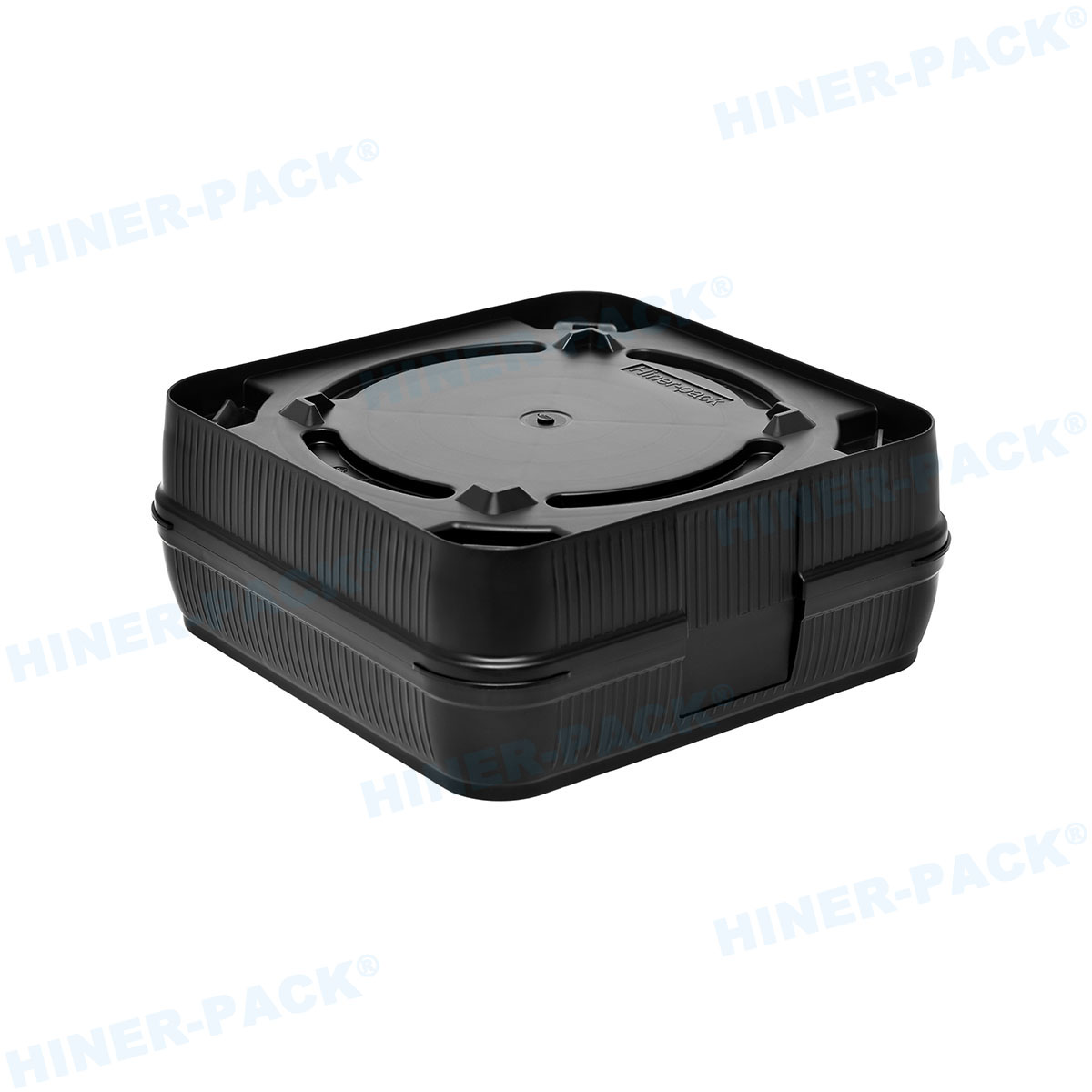
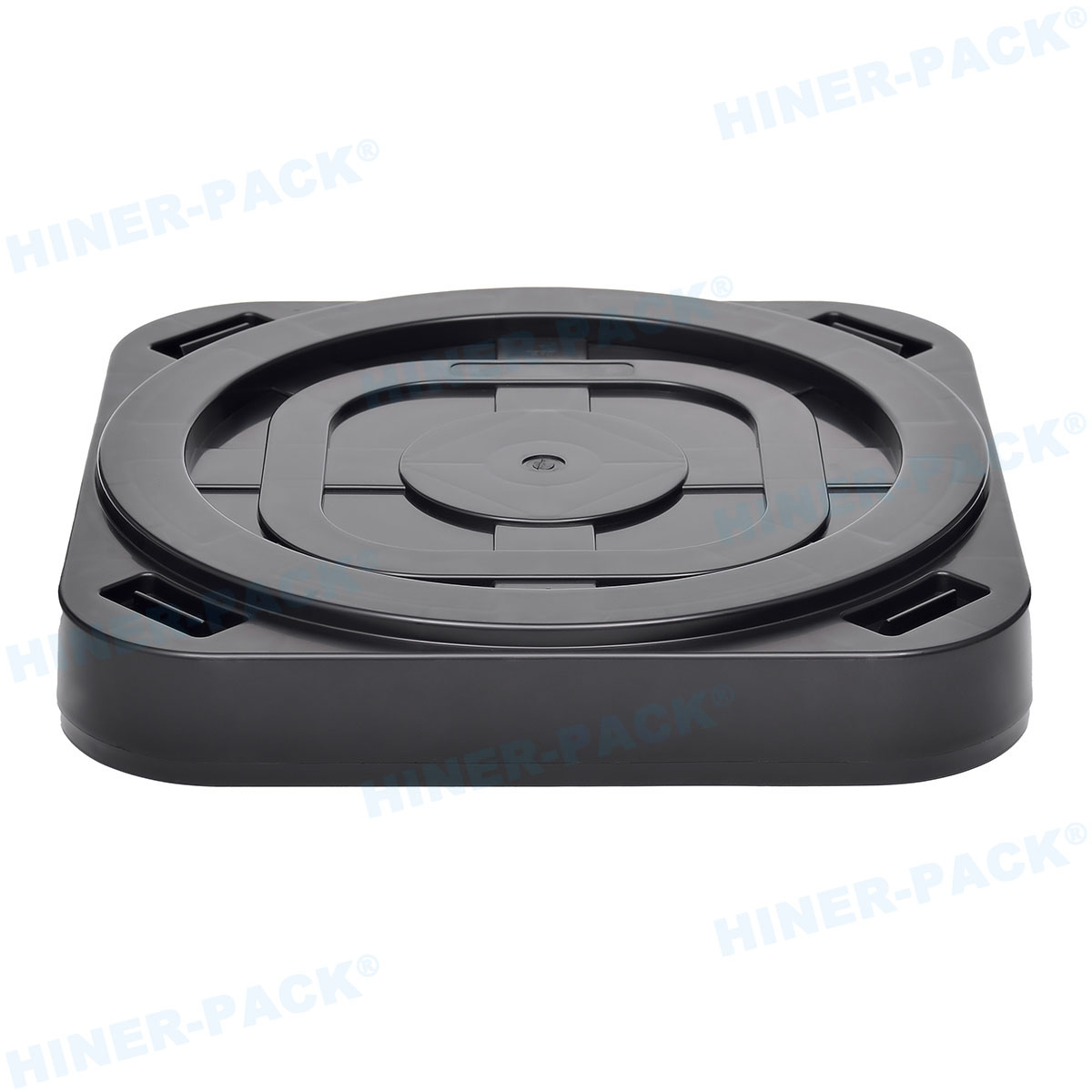
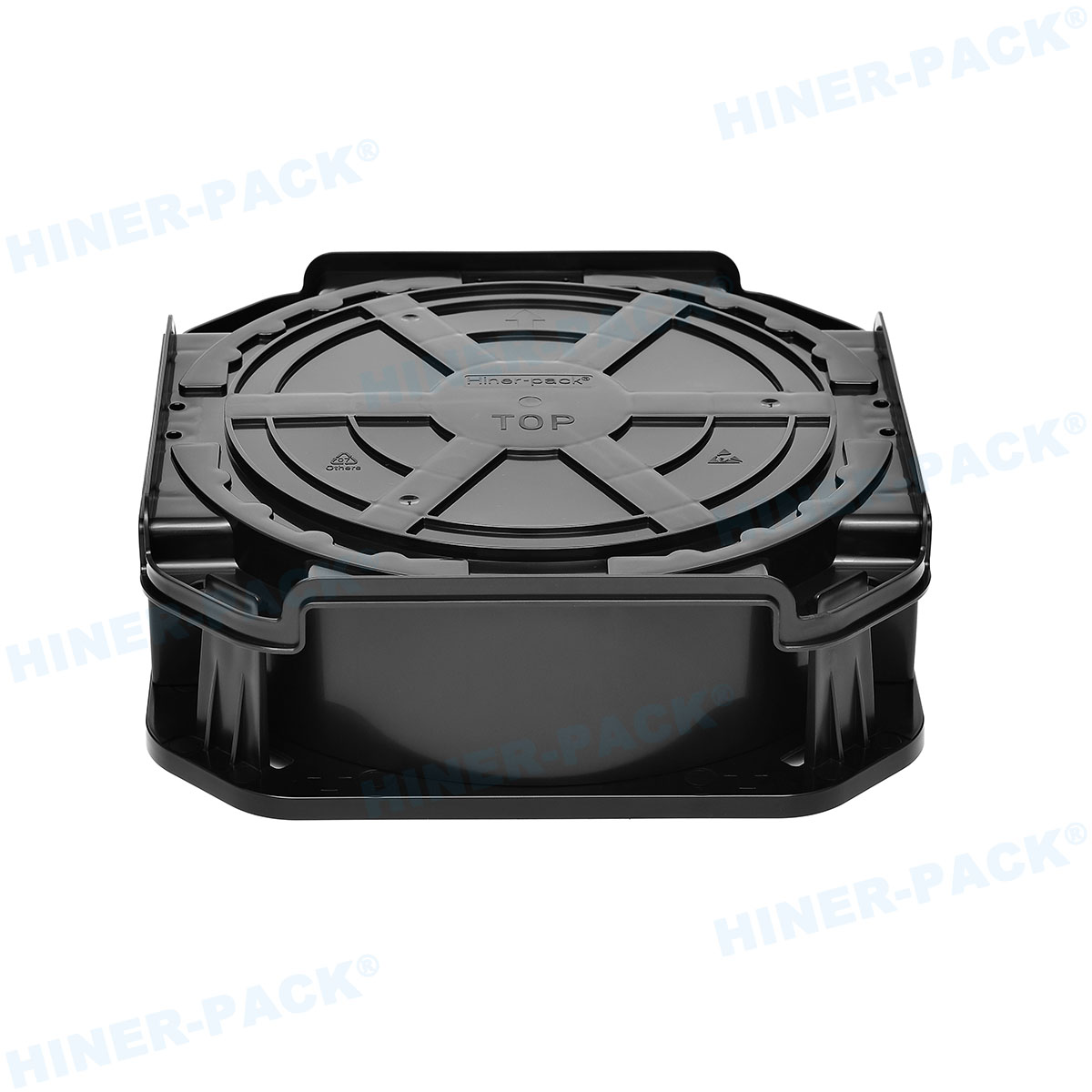
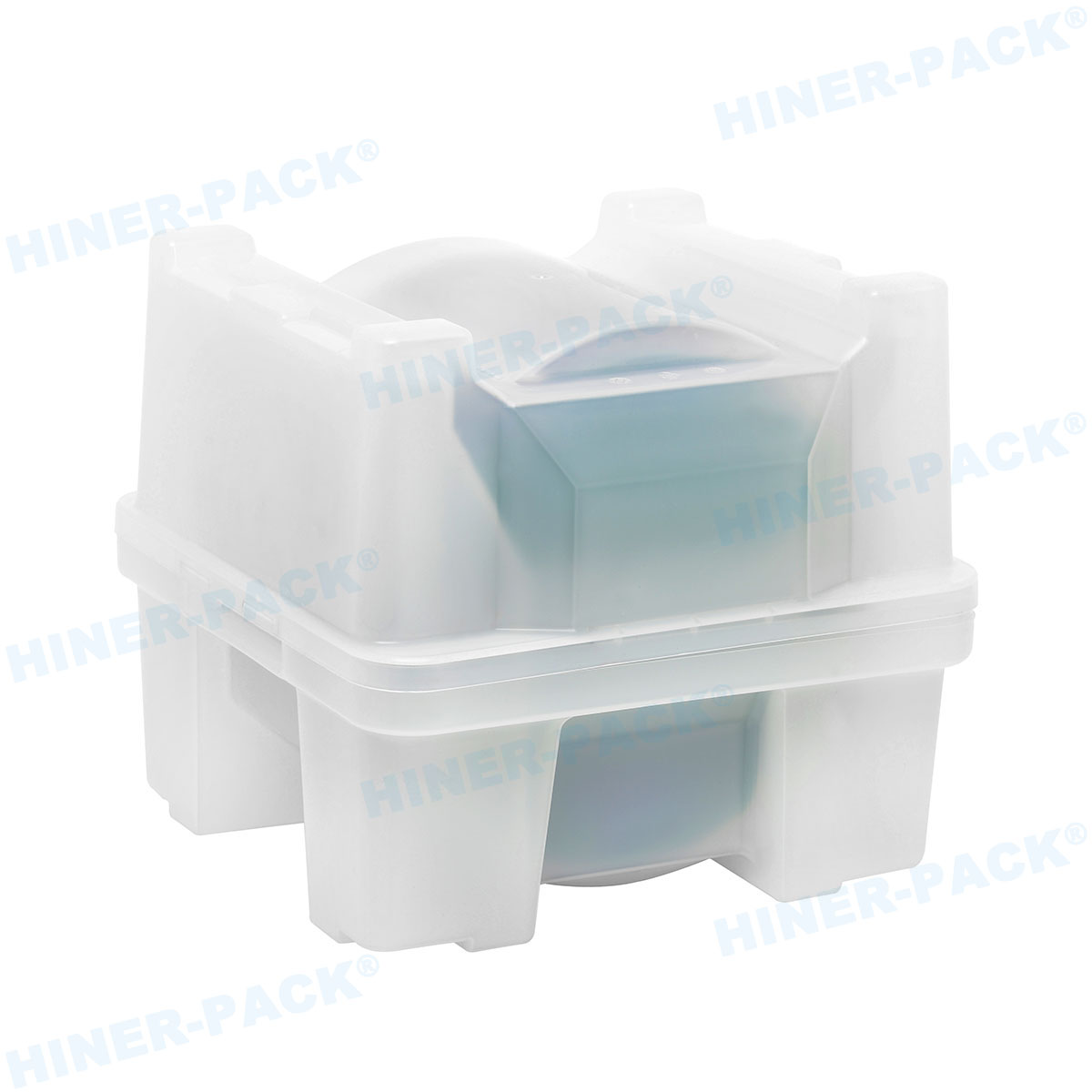
The semiconductor industry relies on precise handling and storage of wafers. Discount wafer carriers offer a practical way to manage costs without compromising protection. These carriers are essential for labs and production facilities looking to optimize budgets.
High-quality carriers ensure wafers remain safe from contaminants and physical damage. With rising production demands, finding economical solutions is key. Discount options provide an accessible entry point for many operations.
This article discusses the role of Discount wafer carriers in modern semiconductor workflows. We will cover their benefits, selection criteria, and applications.
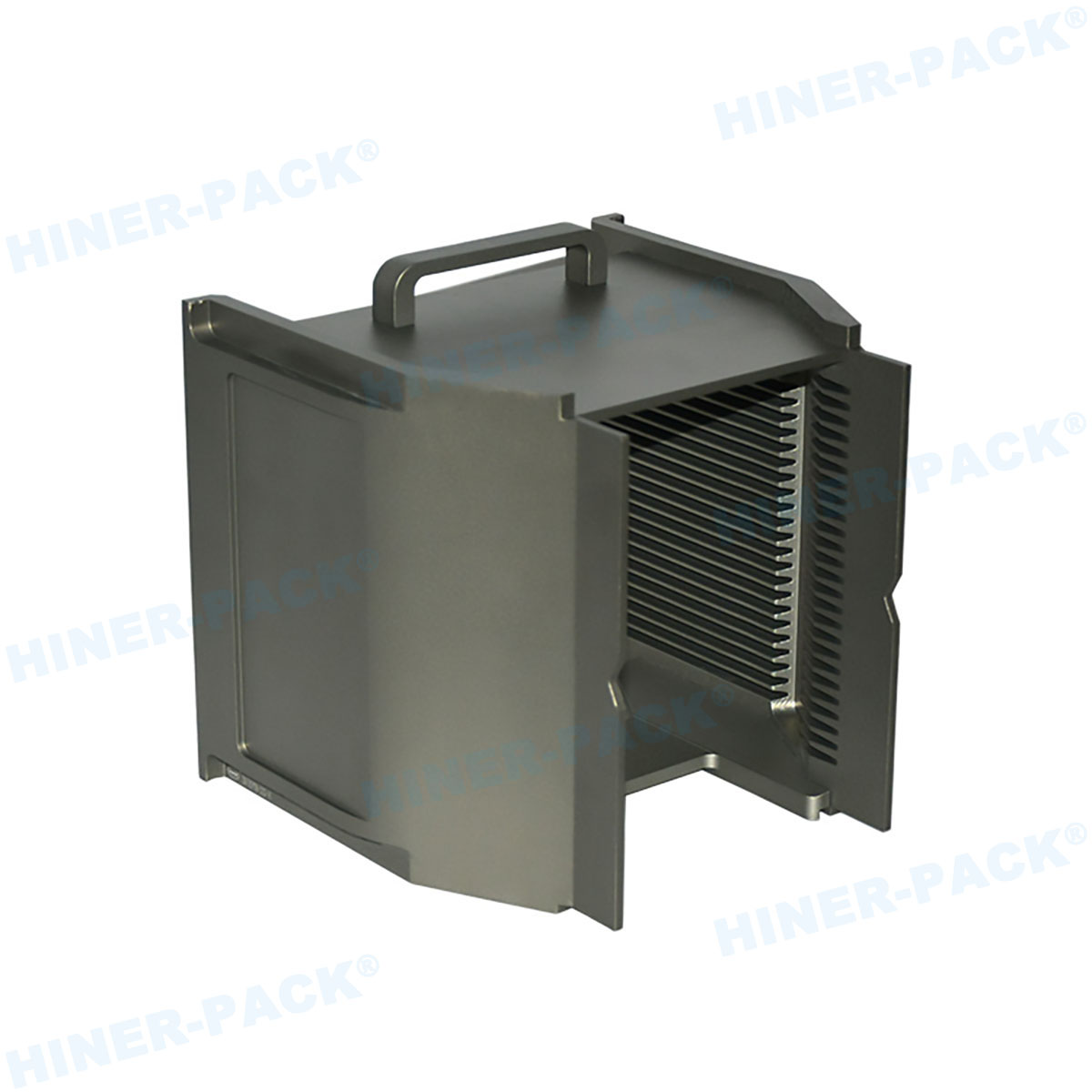
What Are Discount Wafer Carriers?
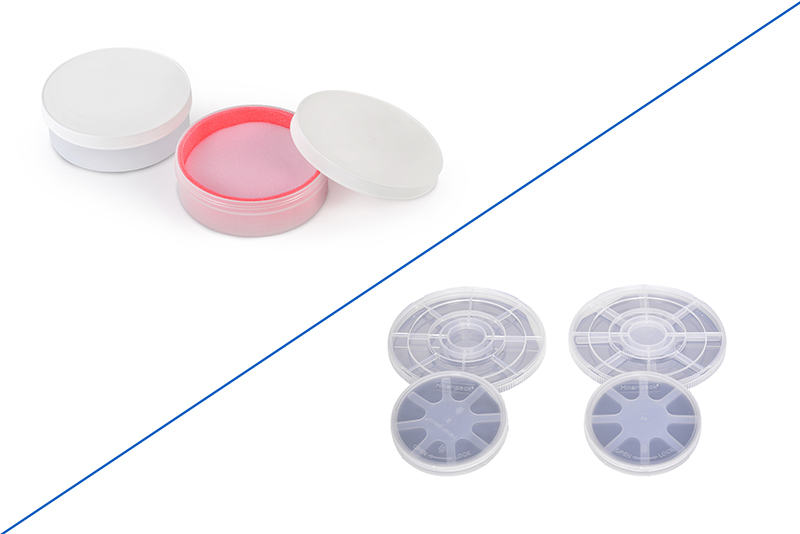
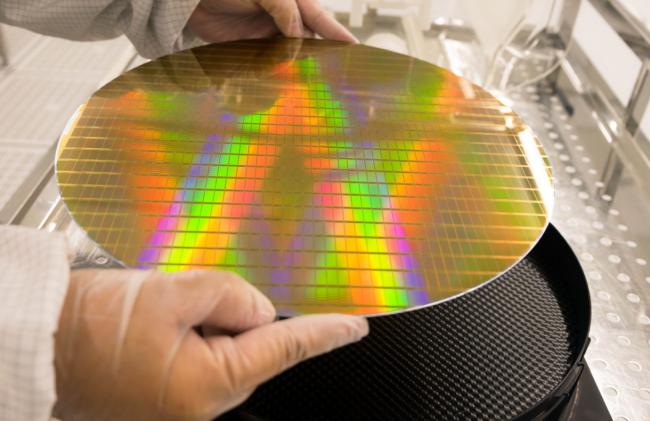
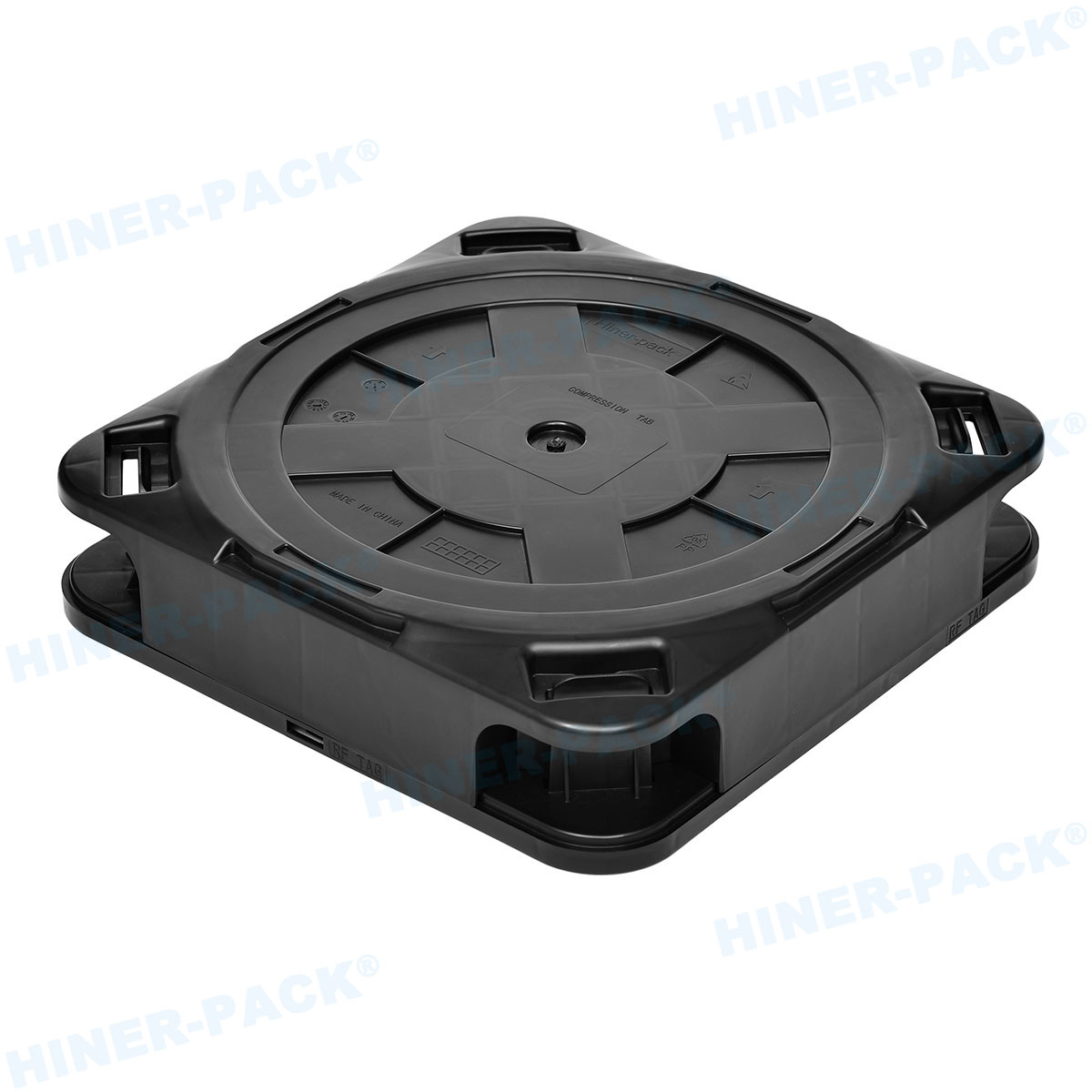
Wafer carriers are containers used to hold and transport semiconductor wafers. They protect wafers during manufacturing steps. Discount versions are priced lower than premium models but still meet functional requirements.
Definition and Primary Function
These carriers are designed to safeguard wafers from environmental hazards. They prevent scratches, dust accumulation, and static charges. Discount carriers focus on core protection features at a reduced cost.
Common materials include plastics like polycarbonate or conductive polymers. They come in standardized sizes to fit various wafer diameters. The goal is to offer reliable performance without extra expenses.
Types of Discount Wafer Carriers
Several varieties exist to suit different processing stages. Here are the main types:
Front-Opening Unified Pods (FOUPs): Used in automated systems for larger wafers.
Standard Mechanical Interface (SMIF) pods: Common in cleanroom environments for contamination control.
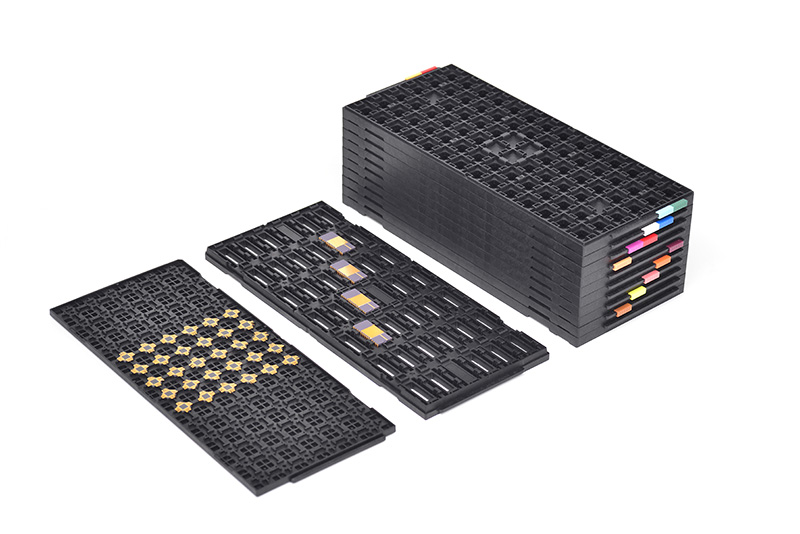
Open Cassettes: Basic carriers for manual handling and storage.
Sealed Containers: Provide extra protection against moisture and particles.
Each type balances cost and functionality. Discount options may simplify designs to lower prices.
Benefits of Using Discount Wafer Carriers
Choosing Discount wafer carriers can lead to significant advantages. These benefits help labs maintain efficiency while controlling expenses.
Cost Savings and Budget Management
Reduced upfront costs allow for better allocation of resources. Labs can invest more in other critical areas like equipment or research. Discount carriers offer a way to scale operations without overspending.
Bulk purchases often lead to additional savings. This is useful for high-volume production lines. Over time, the total cost of ownership decreases.
Quality and Performance Considerations
Many discount carriers meet industry standards for protection. They undergo testing to ensure durability and compatibility. While not always featuring advanced extras, they cover essential needs.
Key performance aspects include:
Static dissipation to prevent charge buildup.
Chemical resistance for cleaning processes.
Precise slot spacing to avoid wafer contact.
Reputable suppliers, like Hiner-pack, provide reliable options. Their products balance affordability with quality.
Key Features to Look for in Discount Wafer Carriers
When selecting carriers, certain features ensure they meet operational demands. Focus on these elements to make informed decisions.
Material Composition and Durability
Materials impact longevity and safety. Common choices include:
Polycarbonate: Offers clarity and impact resistance.
PFA or PTFE: Used for high-purity applications.
Conductive Plastics: Reduce electrostatic discharge risks.
Discount carriers often use robust plastics that withstand repeated use. Check for certifications to ensure material suitability.
Compatibility and Sizing
Carriers must match wafer sizes and equipment interfaces. Standard diameters include 150mm, 200mm, and 300mm. Verify compatibility with existing tools like loaders or transporters.
Consider these factors:
Slot count per carrier.
Dimensions for storage racks.
Automation readiness for integration.
Proper sizing prevents handling issues and downtime. Discount models are available in common configurations.
How to Choose the Right Discount Wafer Carrier
Selecting the appropriate carrier involves evaluating specific needs. Follow these steps to find a suitable option.
First, assess your wafer types and processes. Determine the required protection level based on environmental conditions. This helps narrow down carrier features.
Second, review supplier reputations. Companies like Hiner-pack offer tested Discount wafer carriers. Look for customer feedback and industry compliance.
Third, compare pricing and warranty terms. Discount does not mean low quality. Ensure carriers come with support for defects or issues.
Finally, test samples if possible. Verify fit and function in your workflow before bulk orders.
Applications in the Semiconductor Industry
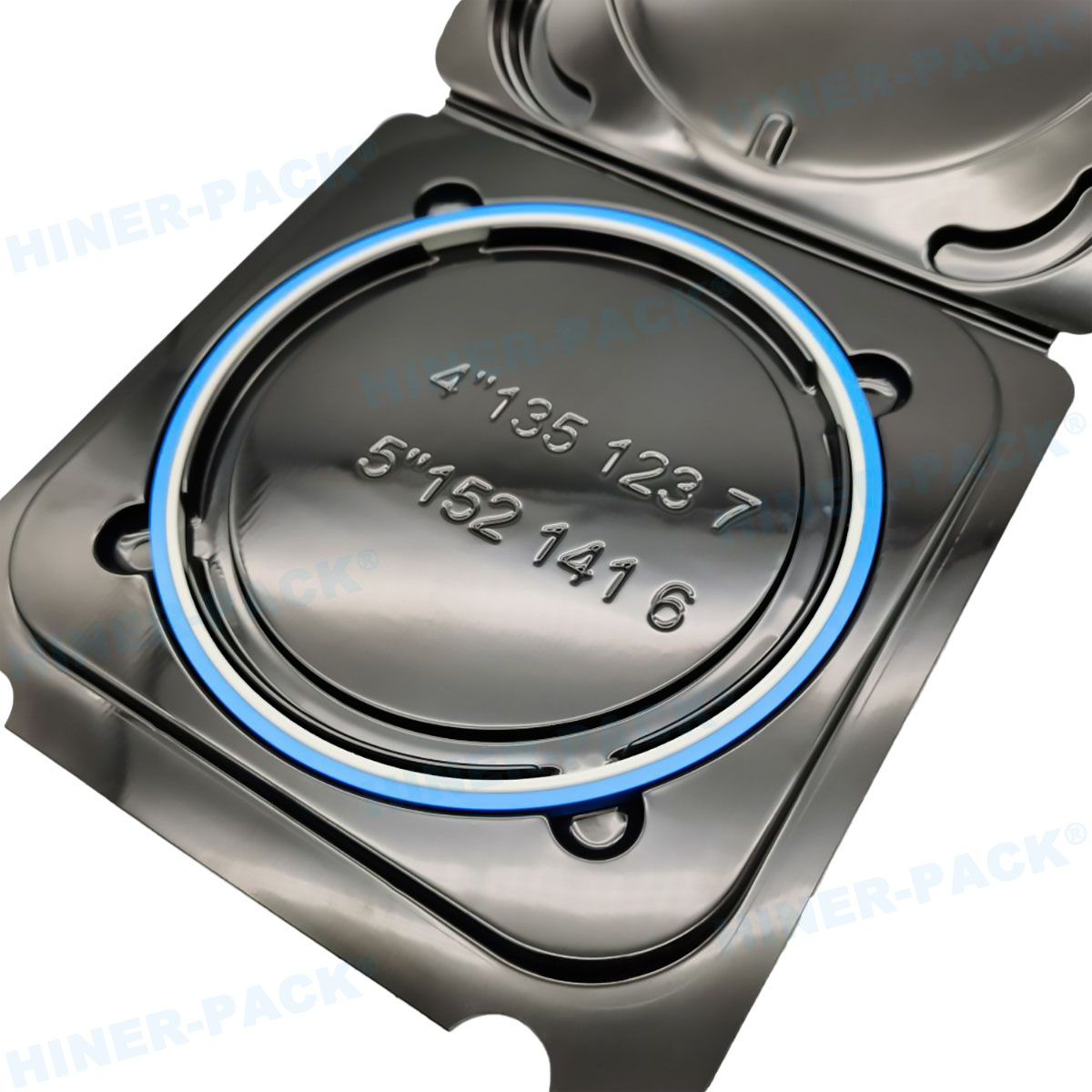
Discount wafer carriers are used across various stages. They support both research and production environments.
Manufacturing and Fabrication
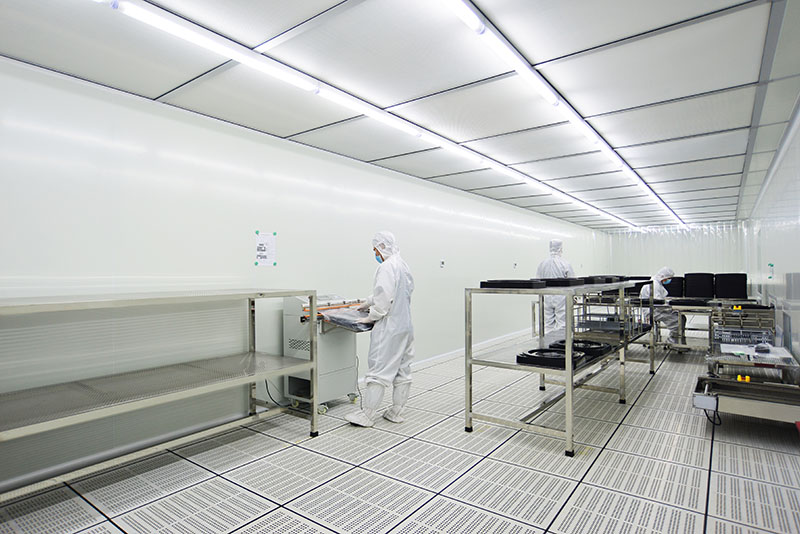
In fabs, carriers transport wafers between tools. They protect wafers during etching, deposition, and lithography. Discount carriers reduce overhead in high-volume lines.
Automated systems often use standardized carriers. Compatibility ensures smooth operations without costly adjustments.
Testing and Packaging
After fabrication, wafers move to testing phases. Carriers hold wafers during electrical and visual inspections. They prevent damage that could affect yield results.
In packaging, carriers organize wafers before dicing. They are also used for storage and shipping to assembly sites.
Research and Development
Labs benefit from cost-effective carriers for prototype work. Discount options allow flexible experimentation without high expenses. They suit small-scale or academic projects.
Carriers in R&D often handle varied wafer sizes. Durability is key for repeated testing cycles.
Conclusion
Discount wafer carriers provide a sensible solution for semiconductor operations. They balance cost and functionality effectively.
By focusing on essential features, these carriers meet industry needs. Suppliers like Hiner-pack ensure quality even at lower price points.
Implementing discount carriers can lead to better budget management. They support efficient wafer handling across manufacturing, testing, and research.
Evaluate your requirements to select the best carriers. With careful choice, discount options enhance productivity without compromising protection.
Frequently Asked Questions (FAQ)
Q1: What are the main advantages of using discount wafer carriers?
A1: The primary advantages include cost savings, reliable protection for wafers, and compatibility with standard semiconductor equipment. They allow labs to reduce expenses while maintaining essential functionality for handling and storage.
Q2: How do I ensure that discount wafer carriers are of good quality?
A2: Check for certifications, material specifications, and supplier reputation. Companies like Hiner-pack provide carriers that meet industry standards. Reviewing customer testimonials and requesting samples can also help assess quality.
Q3: Can discount wafer carriers be used in automated semiconductor systems?
A3: Yes, many discount carriers are designed to fit automated systems such as FOUPs or SMIF pods. Ensure compatibility with your equipment interfaces and slot dimensions before purchase.
Q4: What wafer sizes are commonly available for discount carriers?
A4: Common sizes include 150mm, 200mm, and 300mm diameters. Discount carriers are often produced in standard configurations to suit most semiconductor applications.
Q5: Where can I purchase reliable discount wafer carriers?
A5: You can purchase them from specialized suppliers like Hiner-pack. Visit their website for product details and to explore options that fit your needs.