In the high-stakes world of international semiconductor manufacturing, yield rates are everything. A single microscopic particle can ruin a valuable wafer, costing manufacturers thousands of dollars. While much attention is paid to the lithography equipment, the humble containers used to transport and hold these sensitive materials are equally vital. This is where the electrophoresis box comes into play.
These specialized containers are not your standard storage bins. In the semiconductor field, an electrophoresis box often refers to a metal cassette or carrier that has undergone electrophoretic deposition (E-coating) to create a surface that is chemically resistant, particle-free, and ESD-safe. Alternatively, it serves as a critical vessel during wet process stages.
Understanding how to select and utilize the right electrophoresis box is a key component of modern fab logistics. Companies like Hiner-pack understand that whether you are using plastic injection molding or E-coated metal, the goal remains the same: absolute protection of the wafer.
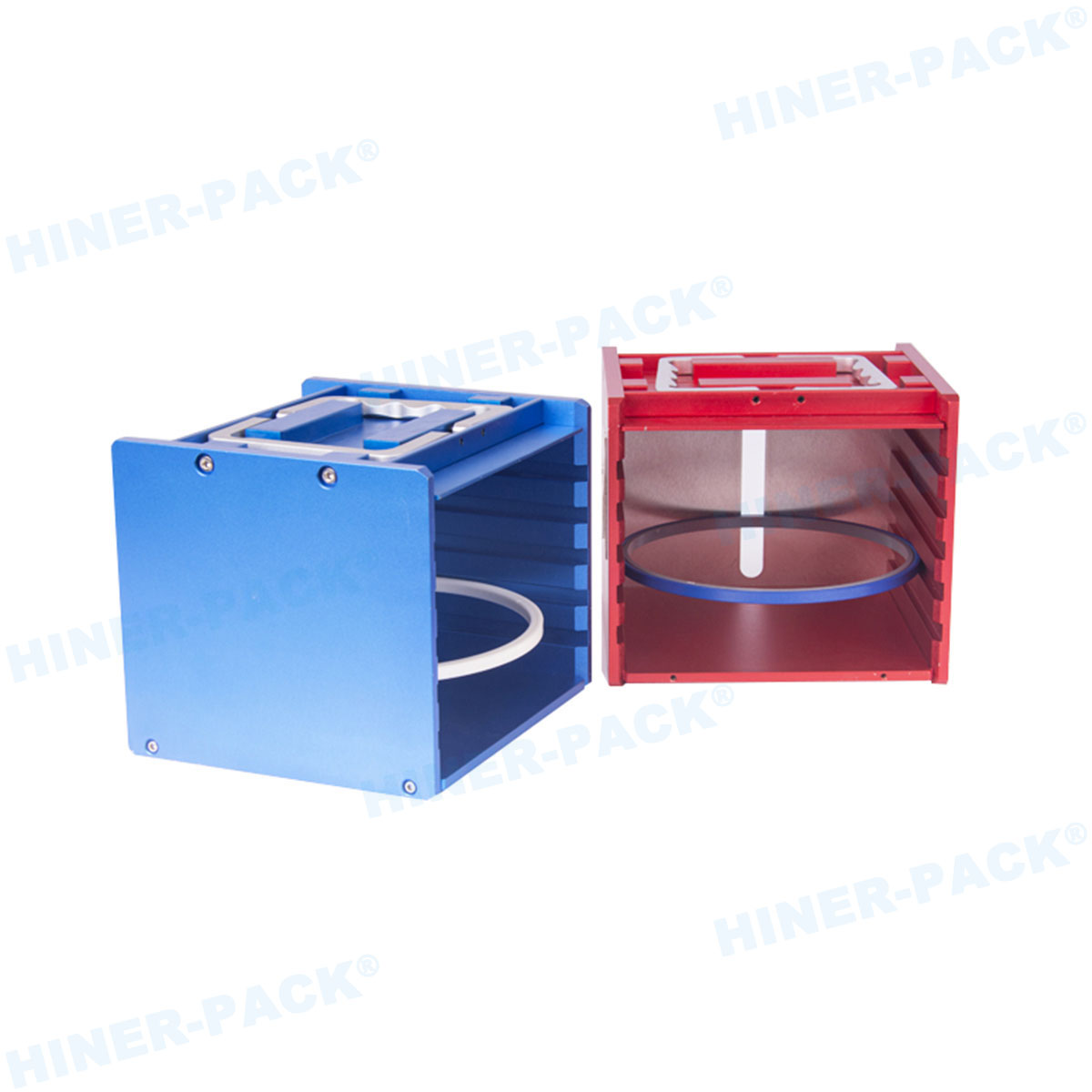
Understanding the Electrophoresis Box in Semiconductors
The term electrophoresis box might confuse those outside the industry, as it often overlaps with biological DNA testing equipment. However, in the wafer fabrication sector, we are looking at a different application. Here, the focus is on the surface treatment of the container.
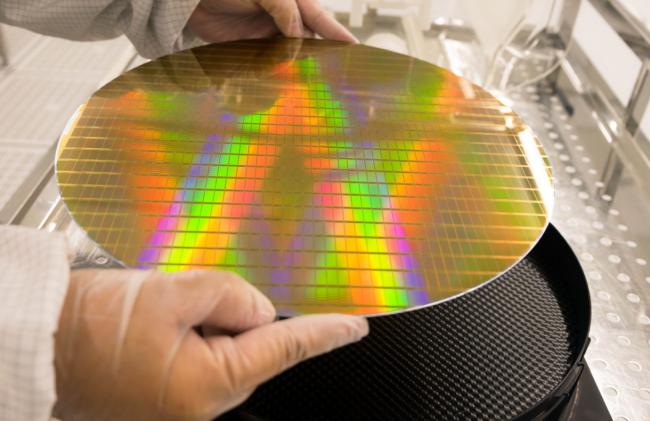
Semiconductor wafers are incredibly fragile. They react to humidity, static electricity, and chemical vapors. A standard aluminum cassette can shed particles or react with process chemicals. To solve this, manufacturers use an electrophoresis box—a container treated with an electric field to deposit a protective polymer coating.
This coating ensures that the electrophoresis box effectively insulates the wafers from environmental hazards. It prevents metal contamination, which is a death sentence for chip functionality. For logistics managers, distinguishing between a raw metal cassette and a high-quality electrophoresis box is the first step in quality control.
Why Surface Treatment Matters for Wafer Carriers
The primary reason engineers specify an electrophoresis box over a generic carrier is corrosion resistance. Semiconductor processing involves harsh acids and solvents. If a carrier tape or box degrades, it releases particulate matter.
An electrophoresis box features a uniform coating thickness. Unlike spray painting, the electrophoretic process ensures that even the deepest corners and crevices of the box are coated. This is crucial for complex box geometries designed to hold 300mm or 450mm wafers.
Furthermore, the electrophoresis box offers superior thermal stability. During baking processes or high-temperature transport, the coating remains stable. This reliability is why brands synonymous with quality, such as Hiner-pack, emphasize the importance of material properties in their packaging solutions.
The Role of ESD Protection
Static electricity is the invisible enemy of the semiconductor. A discharge of just a few volts can destroy the nanometer-scale transistors on a wafer. A high-quality electrophoresis box is often designed with specific conductive or dissipative properties.
While the base material might be metal, the E-coat on the electrophoresis box can be formulated to allow a controlled discharge of static to the ground. This prevents the "zapping" of wafers during automated handling.
When evaluating an electrophoresis box, engineers look for surface resistivity specifications. If the box is too insulating, it holds a charge; if it is too conductive, it sparks. The perfect electrophoresis box strikes the balance, maintaining a neutral environment for the silicon cargo.
Operational Workflow: Using the Box
Implementing an electrophoresis box into a fab's workflow requires strict adherence to protocols. It starts with the cleaning cycle. Even though these boxes are low-particle generators, they must be washed regularly.
Operators should inspect the electrophoresis box for any scratches in the coating. A scratch compromises the integrity of the unit, exposing the bare metal underneath. Once compromised, the electrophoresis box must be retired or recoated.
Loading wafers into the electrophoresis box is usually automated. The dimensional stability of the box is critical here. If the coating is too thick or uneven, the robotic arm might jam, causing wafer breakage. This is why precision manufacturing of the electrophoresis box is non-negotiable.
Solutions for Logistics and Shipping
Moving wafers between fabs—for example, from a foundry in Taiwan to an assembly plant in Malaysia—requires robust shipping solutions. While the electrophoresis box handles the internal processing and cassette needs, outer protection is also needed.
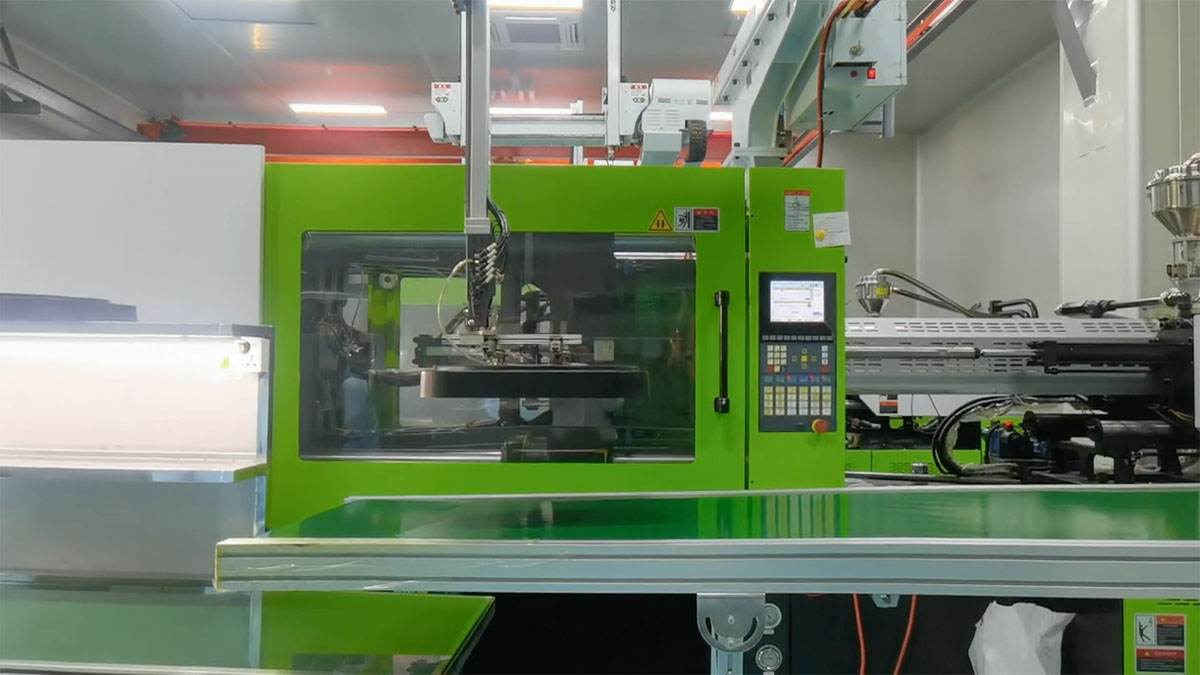
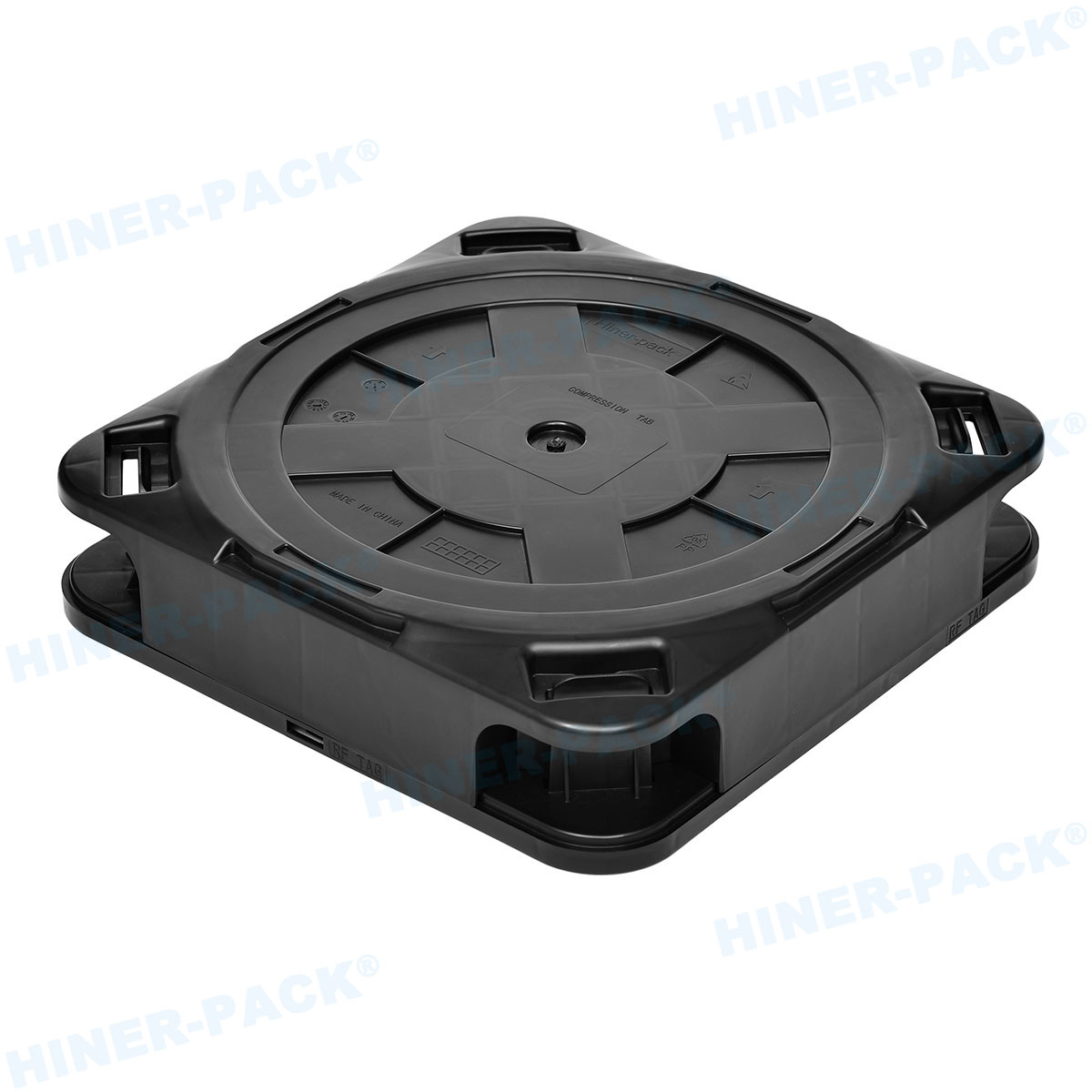
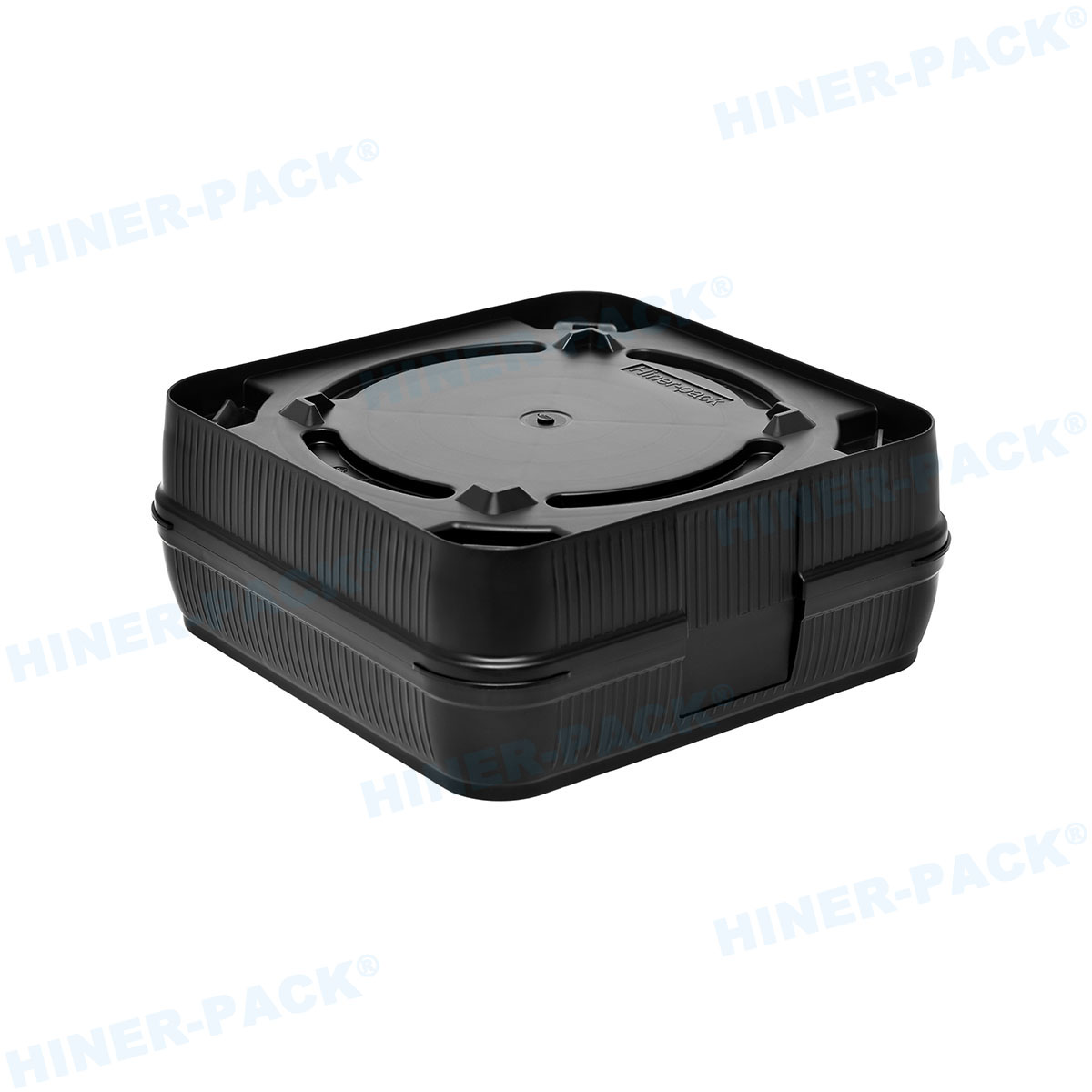
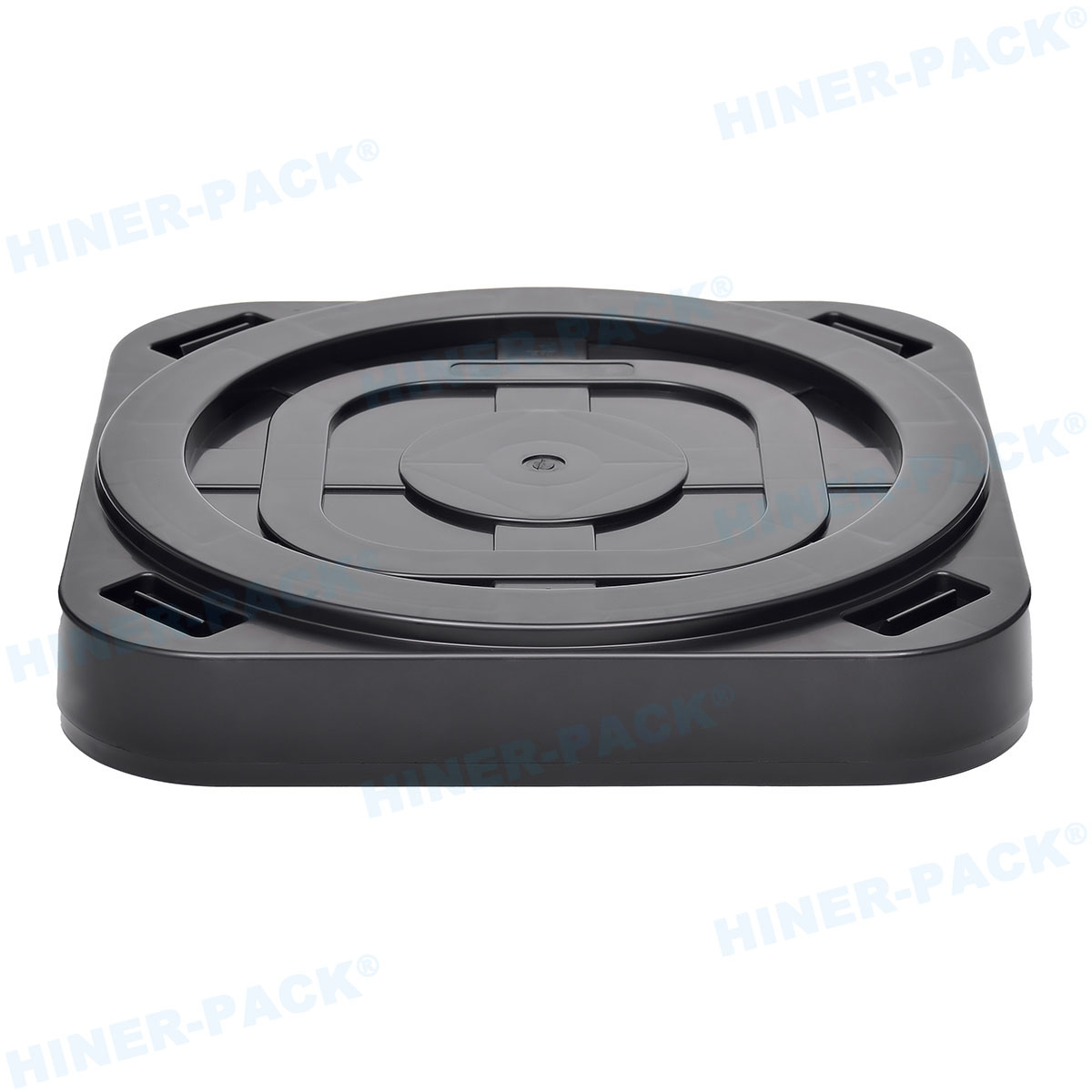
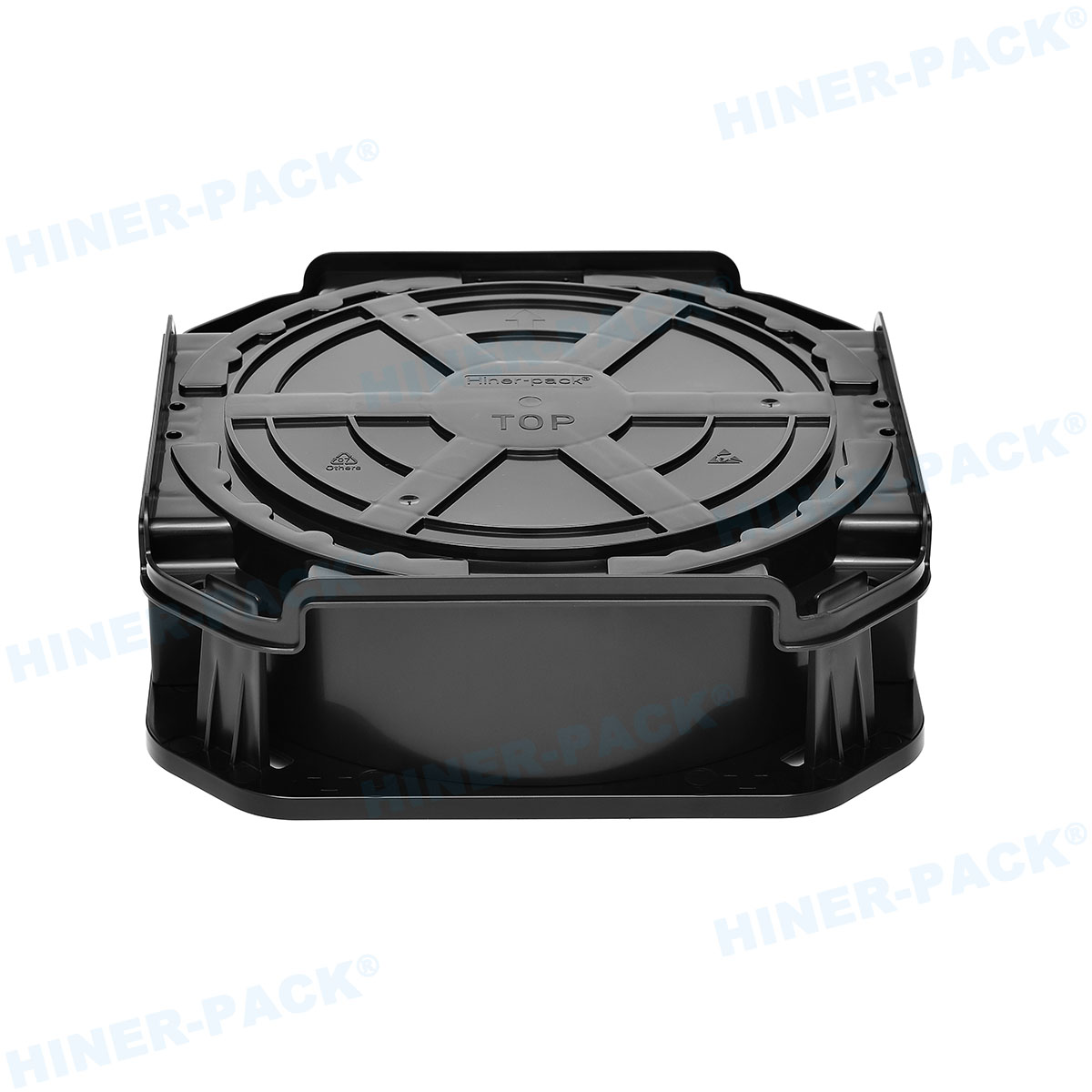
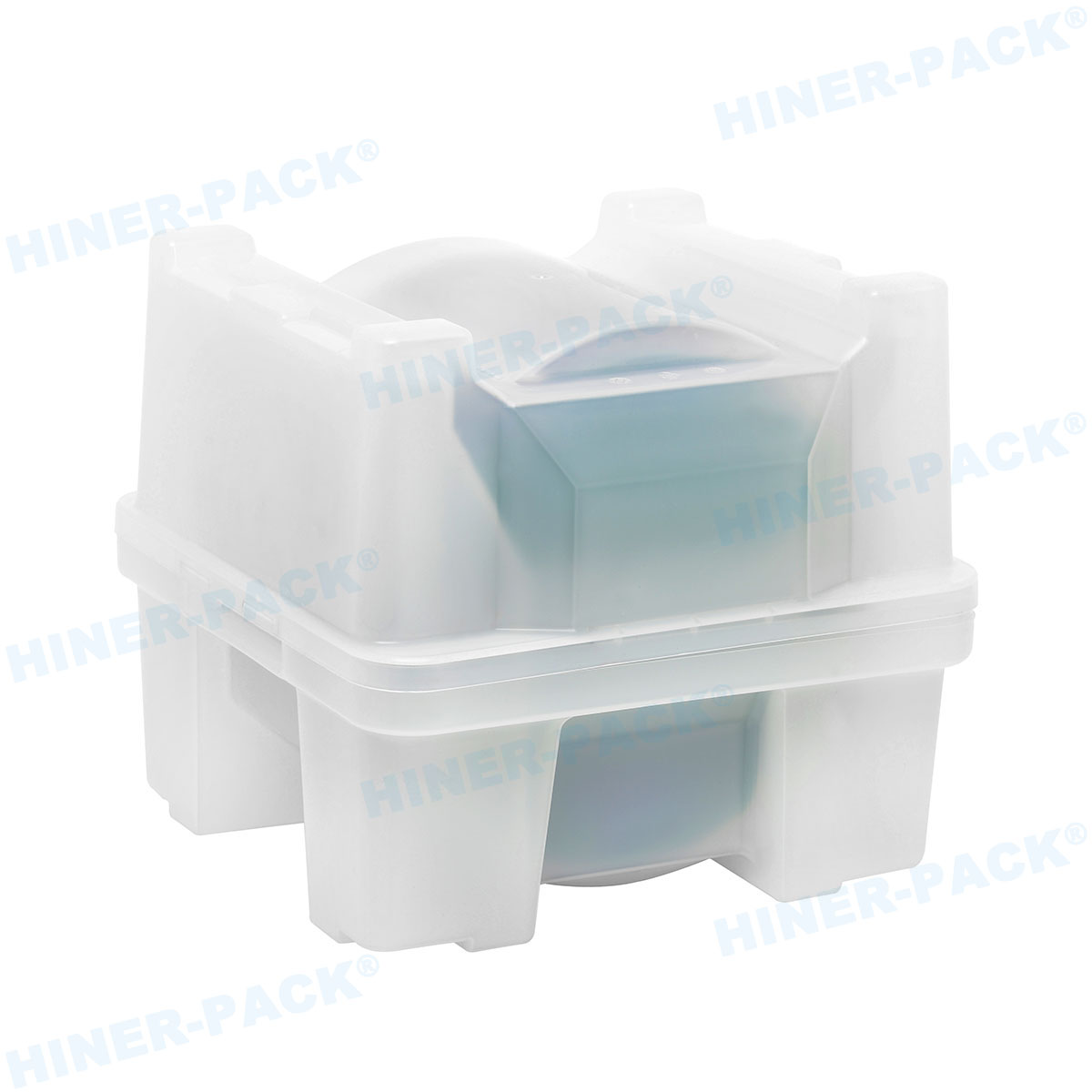
This is where the synergy with providers like Hiner-pack becomes evident. While the wafers sit inside the specialized electrophoresis box or cassette, that unit is often placed inside a larger, shock-absorbing shipping container.
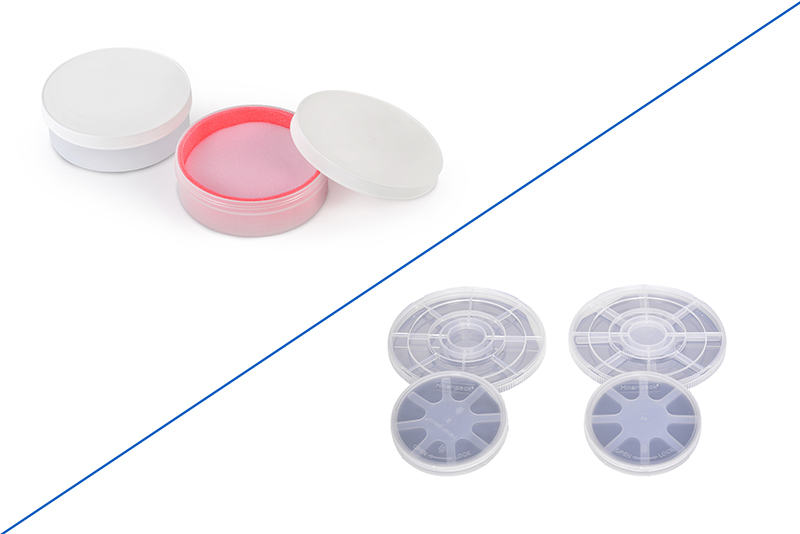
The combination of a chemically resistant electrophoresis box (for direct wafer contact) and a durable polymer shipping box creates a dual-layer defense system. This solution minimizes vibration damage and maintains a cleanroom environment inside the package during transit.
Comparison: E-Coated Metal vs. High-Grade Plastic
There is often a debate in the industry regarding material choice. Should you use a metal electrophoresis box or a PEEK/polycarbonate alternative?
The metal electrophoresis box is generally stronger. It withstands higher mechanical stress and does not warp under heavy loads. It is ideal for heavy 300mm wafer lots.
However, high-grade plastics are lighter and naturally corrosion-resistant without needing a coating. Yet, plastic can struggle with static dissipation. The electrophoresis box bridges this gap by offering the strength of metal with the chemical inertness of a polymer surface.
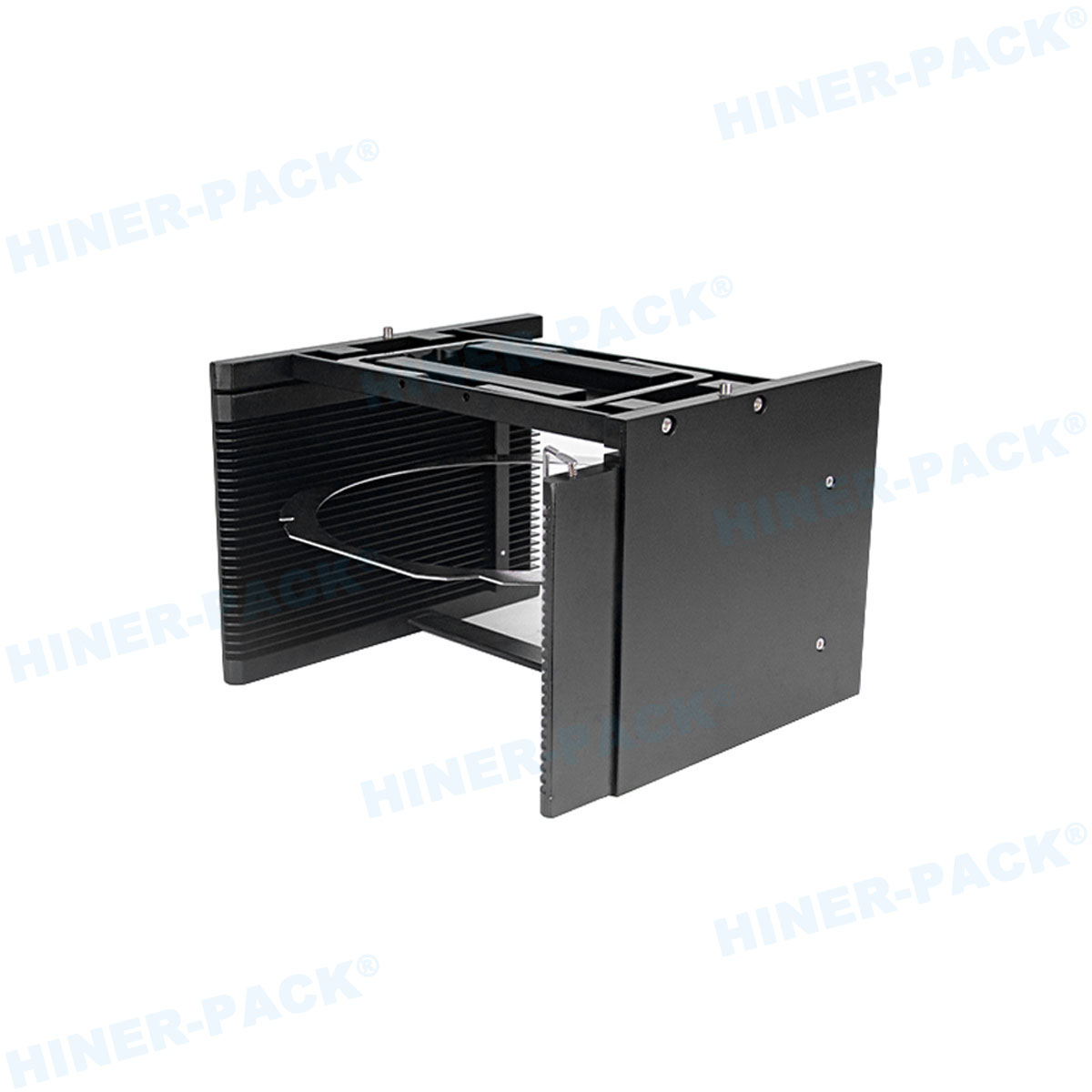
Reducing Contamination in the Cleanroom
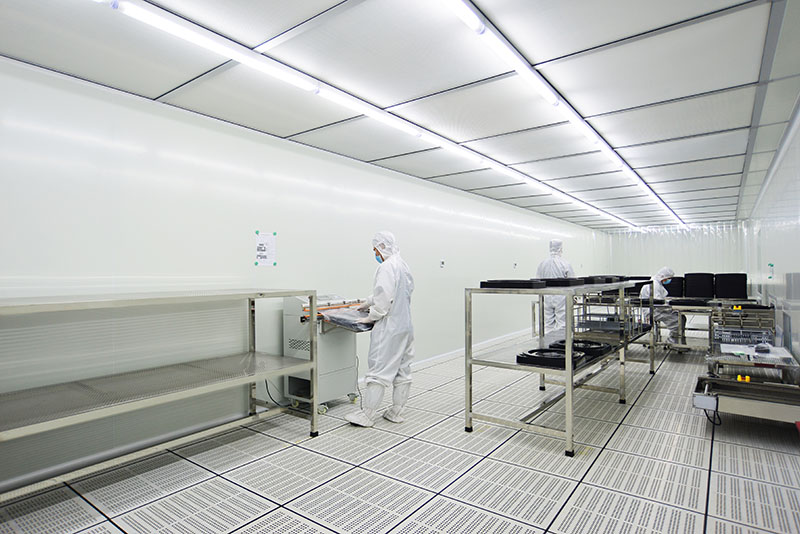
Class 1 cleanrooms demand that every item entering the space be certified. An electrophoresis box is favored because the coating is less likely to outgas compared to certain plastics.
Outgassing occurs when materials release volatile organic compounds (VOCs). These VOCs can form a haze on wafer surfaces. The cured coating on a quality electrophoresis box is chemically stable, reducing this risk significantly.
Regular testing of the electrophoresis box involves particle counting. Technicians wipe the surface and analyze the shed rate. Consistently, the electrophoresis box outperforms untreated aluminum or steel carriers in these tests.
Hiner-pack and Industry Standards
In the competitive landscape of semiconductor packaging, standardization is key. An electrophoresis box must meet SEMI standards regarding dimensions and interface points.
Companies like Hiner-pack are well-versed in these international requirements. Whether providing the primary wafer box or the secondary shipping vessel, alignment with the specifications of the electrophoresis box used in the process line is essential.
If the electrophoresis box does not fit perfectly into the Hiner-pack shipping container, movement occurs. Movement generates particles. Therefore, the compatibility between the processing cassette (the electrophoresis box) and the shipping solution is a critical procurement factor.
Durability and Lifecycle Management
An electrophoresis box is a capital asset. Unlike single-use plastic wraps, these boxes are meant to last for years. However, the coating does wear down over time.
Facility managers track the cycle count of each electrophoresis box. After a set number of passes through the cleaning tanks and furnaces, the box is evaluated.
Refurbishing an electrophoresis box is possible. The old coating is stripped, and a new layer is applied via electrophoresis. This makes the electrophoresis box a sustainable choice, reducing the scrap metal waste generated by the fab.
Cost-Benefit Analysis
Initially, an electrophoresis box is more expensive than a standard carrier. The coating process adds to the manufacturing cost. However, the return on investment is found in yield protection.
If an electrophoresis box prevents the loss of just one wafer lot due to metal contamination, it pays for itself instantly. In the high-margin semiconductor field, the cost of consumables is negligible compared to the value of the product.
Financial decision-makers should view the electrophoresis box as an insurance policy. It protects the revenue stream by ensuring the physical integrity of the silicon during its most vulnerable stages.
Applications Beyond Silicon Wafers
While we focus on silicon, the electrophoresis box is also used in other high-tech sectors. The production of solar cells, LED chips, and power electronics also utilizes these containers.
In the solar industry, wafers are thinner and more prone to cracking. The rigidity of a metal electrophoresis box provides necessary support.
Similarly, in hard disk drive manufacturing, the electrophoresis box is used to hold platters during coating processes. The versatility of the electrophoresis box makes it a staple across the entire electronics manufacturing ecosystem.
Selecting a Vendor
Not all coatings are created equal. When sourcing an electrophoresis box, buyers must ask about the voltage used during deposition and the curing temperature.
A poorly manufactured electrophoresis box will have "orange peel" textures or pinholes. These defects harbor bacteria and particles. It is vital to work with trusted suppliers or partners who understand the rigorous demands of the industry, a philosophy shared by leaders like Hiner-pack.
Ask for data sheets that prove the electrophoresis box has been tested for chemical resistance against the specific acids used in your fab line.
Future Trends in Wafer Carriers
As wafers shrink to 3nm and 2nm nodes, the tolerance for contamination drops to near zero. The next generation electrophoresis box will likely feature smart tracking tags (RFID) embedded under the coating.
This allows the fab management system to track the location and history of every electrophoresis box in real-time. We may also see the development of nano-coatings that make the electrophoresis box hydrophobic, further repelling liquid contaminants.
Innovation in the materials science of the electrophoresis box will continue to drive yield improvements in the semiconductor sector.
The electrophoresis box is a critical, albeit often overlooked, hero of the semiconductor manufacturing process. By providing a rugged, chemically resistant, and ESD-safe environment for wafers, it ensures the smooth operation of fabs worldwide.
From the precise coating technology to the logistics of transport supported by brands like Hiner-pack, every aspect of the electrophoresis box is engineered for performance. As the industry advances, the reliance on these specialized containers will only grow, making the electrophoresis box a permanent fixture in the cleanroom.
Common Questions Regarding Electrophoresis Boxes
Q1: What exactly is an electrophoresis box in the context of semiconductors?
A1: In the semiconductor industry, an electrophoresis box typically refers to a metal wafer cassette or carrier that has been treated with electrophoretic deposition (E-coat). This coating creates a durable, corrosion-resistant, and insulating surface that prevents metal contamination and protects delicate wafers from static and particles.
Q2: How does an electrophoresis box differ from a standard plastic wafer box?
A2: A standard plastic box is molded from polymers like PP or PEEK. An electrophoresis box is usually a metal core with a specialized organic coating. The metal core offers superior strength and thermal stability, while the electrophoretic coating provides chemical resistance similar to plastic but with better durability and precise static control properties.
Q3: Can the coating on an electrophoresis box wear off?
A3: Yes, over extended periods of use and aggressive cleaning cycles, the coating on an electrophoresis box can degrade. It is important to inspect them regularly for scratches or thinning. However, one advantage is that they can often be stripped and re-coated, extending the lifecycle of the unit significantly.
Q4: Is Hiner-pack a manufacturer of electrophoresis boxes?
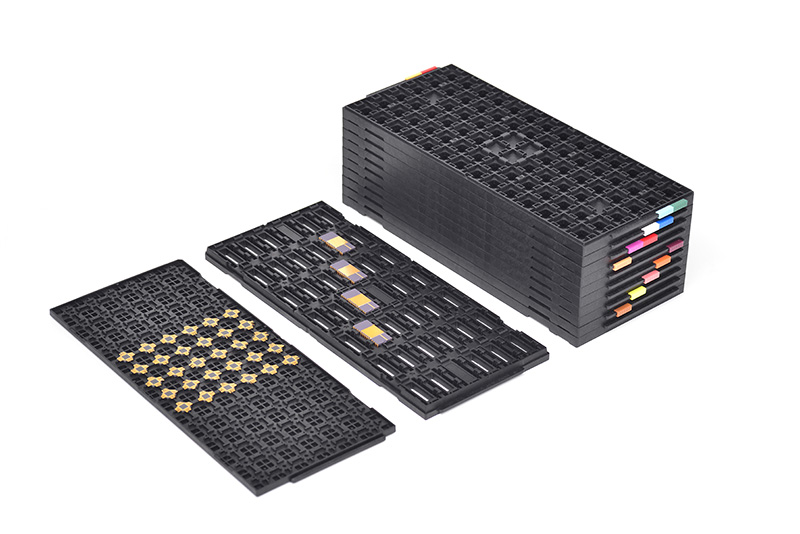
A4: Hiner-pack is a renowned specialist in semiconductor packaging, focusing primarily on wafer shipping boxes, carrier tapes, and reels using high-grade plastics. While they optimize their shipping solutions to transport wafers safely, an electrophoresis box is often a process cassette used inside the fab. Hiner-pack’s products are designed to work in logistical harmony with these process carriers to ensure total protection.
Q5: How do I clean an electrophoresis box without damaging the coating?
A5: Cleaning an electrophoresis box requires specific protocols. You should avoid abrasive brushes or highly caustic strippers that attack the polymer coating. Typically, mild surfactants and ultrasonic cleaning methods are used. Always check the manufacturer’s specifications for chemical compatibility to ensure the electrophoresis box remains intact.