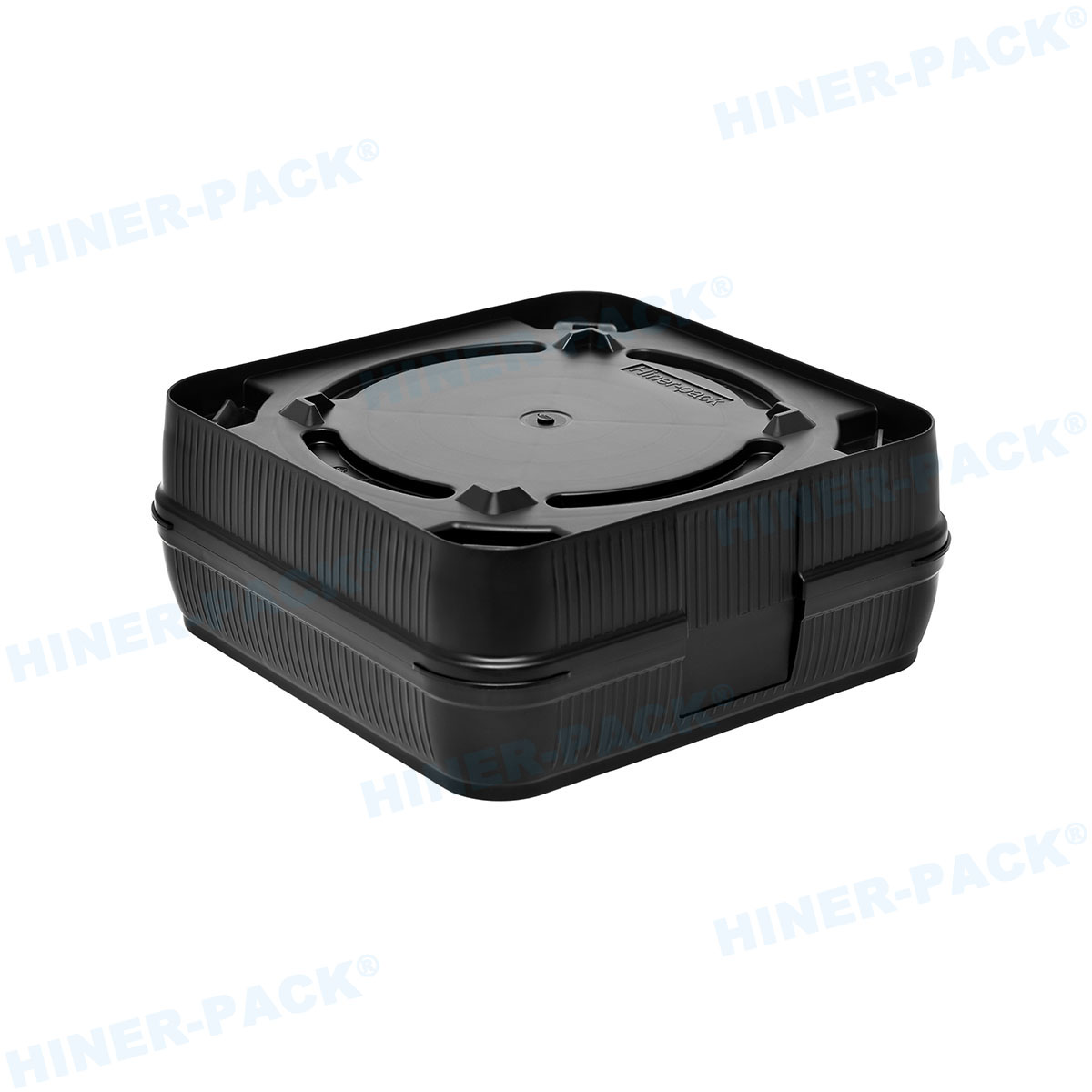
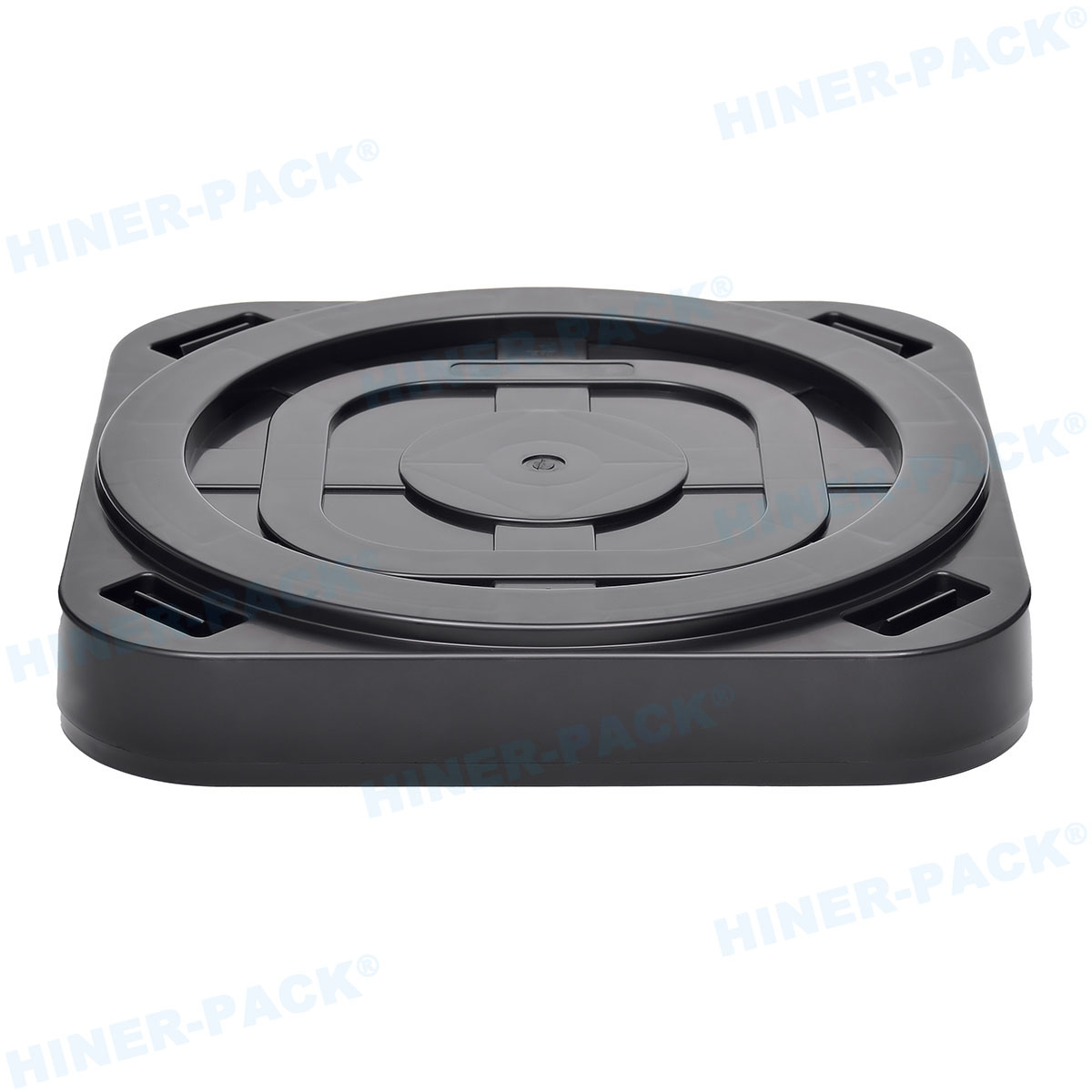
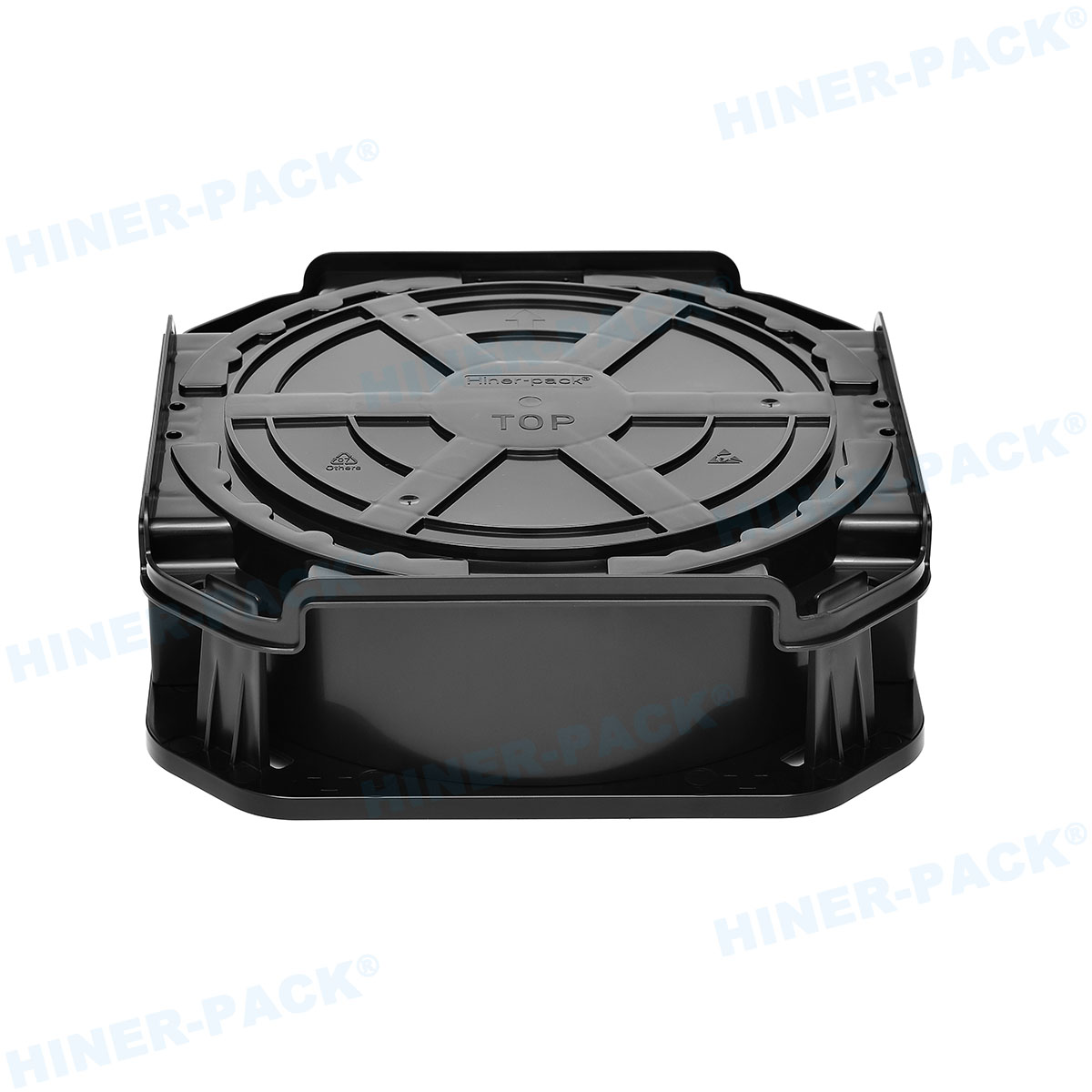
The semiconductor backend industry operates at a scale where even micro-scale deviations in component carriers can trigger cascading failures across automated assembly lines, test floors, and final system integration. Among the most critical yet technically demanding manufacturing processes is JEDEC tray injection molding. This process transforms engineered polymers into high-precision carriers that must simultaneously meet stringent dimensional tolerances (±0.05mm), electrostatic discharge (ESD) control specifications, and contamination-free cleanroom compatibility. As semiconductor packages evolve toward finer pitches, larger body sizes, and heterogeneous integration, the injection molding of JEDEC trays has become a discipline requiring advanced simulation, real-time process monitoring, and deep expertise in material rheology. This article provides a comprehensive technical exploration of JEDEC tray injection molding, covering mold design principles, polymer selection criteria, warpage control strategies, and quality assurance protocols—delivering actionable insights for engineering leaders and procurement specialists.
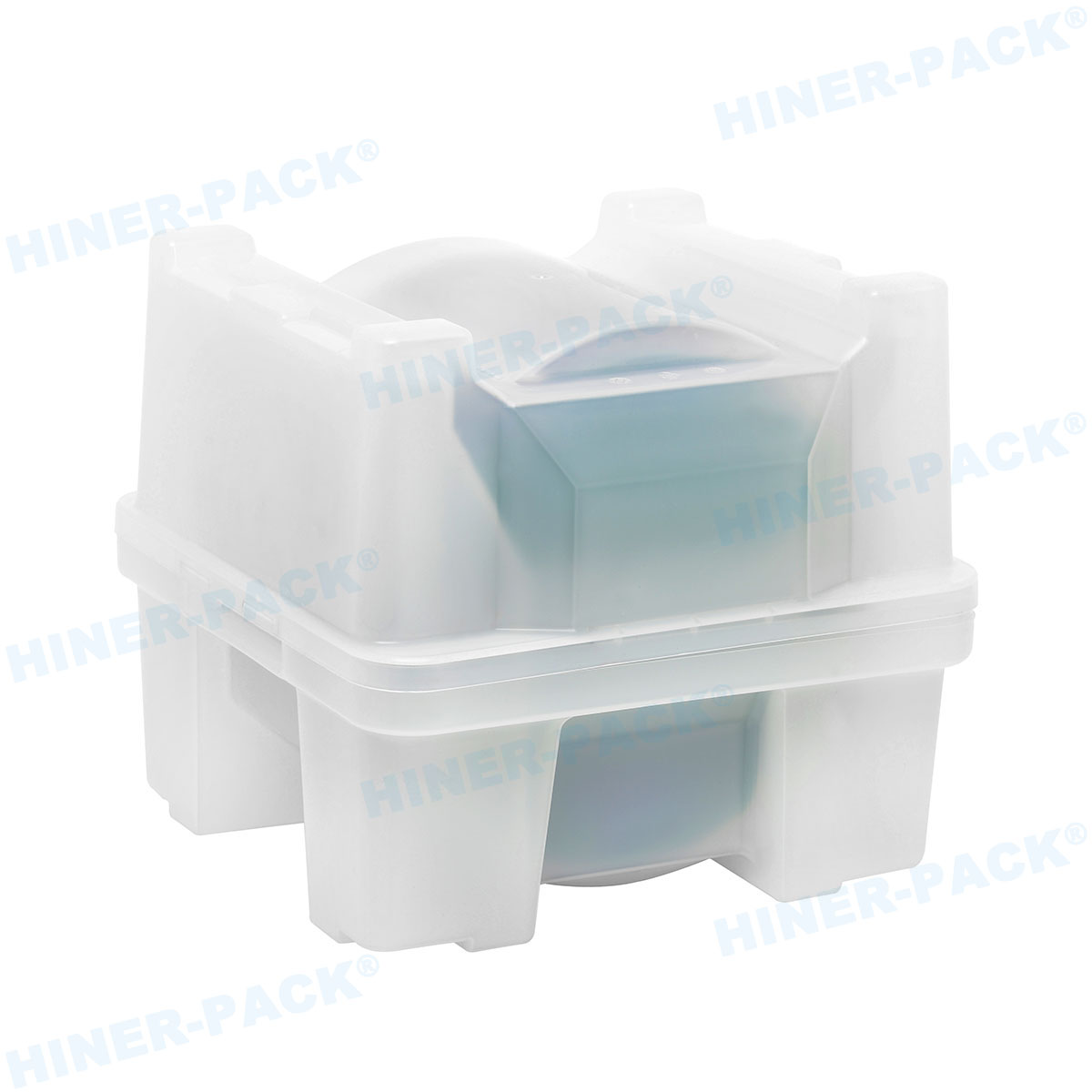
1. The Technical Foundation of JEDEC Tray Injection Molding
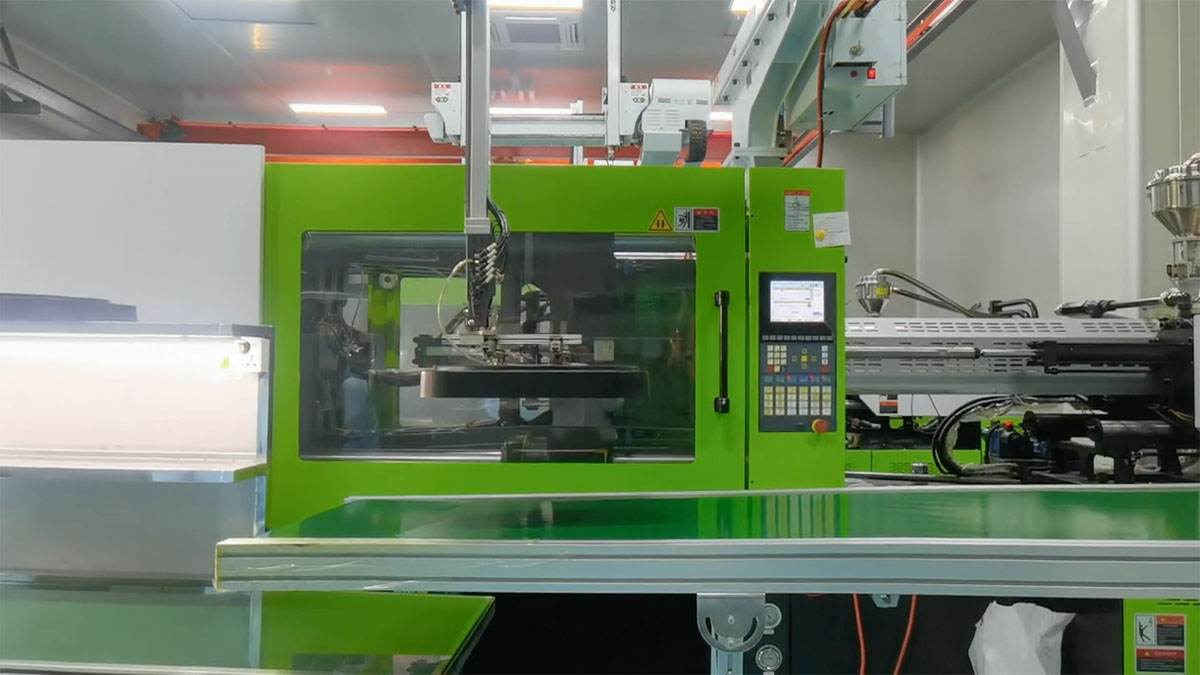
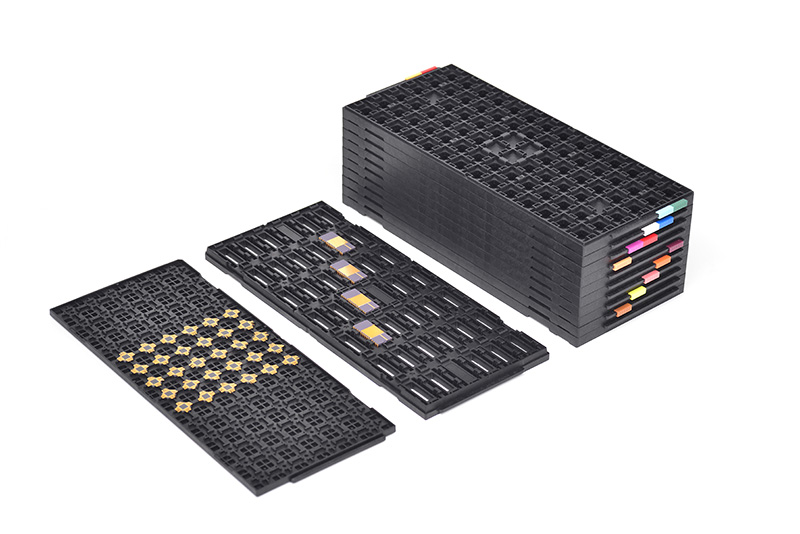
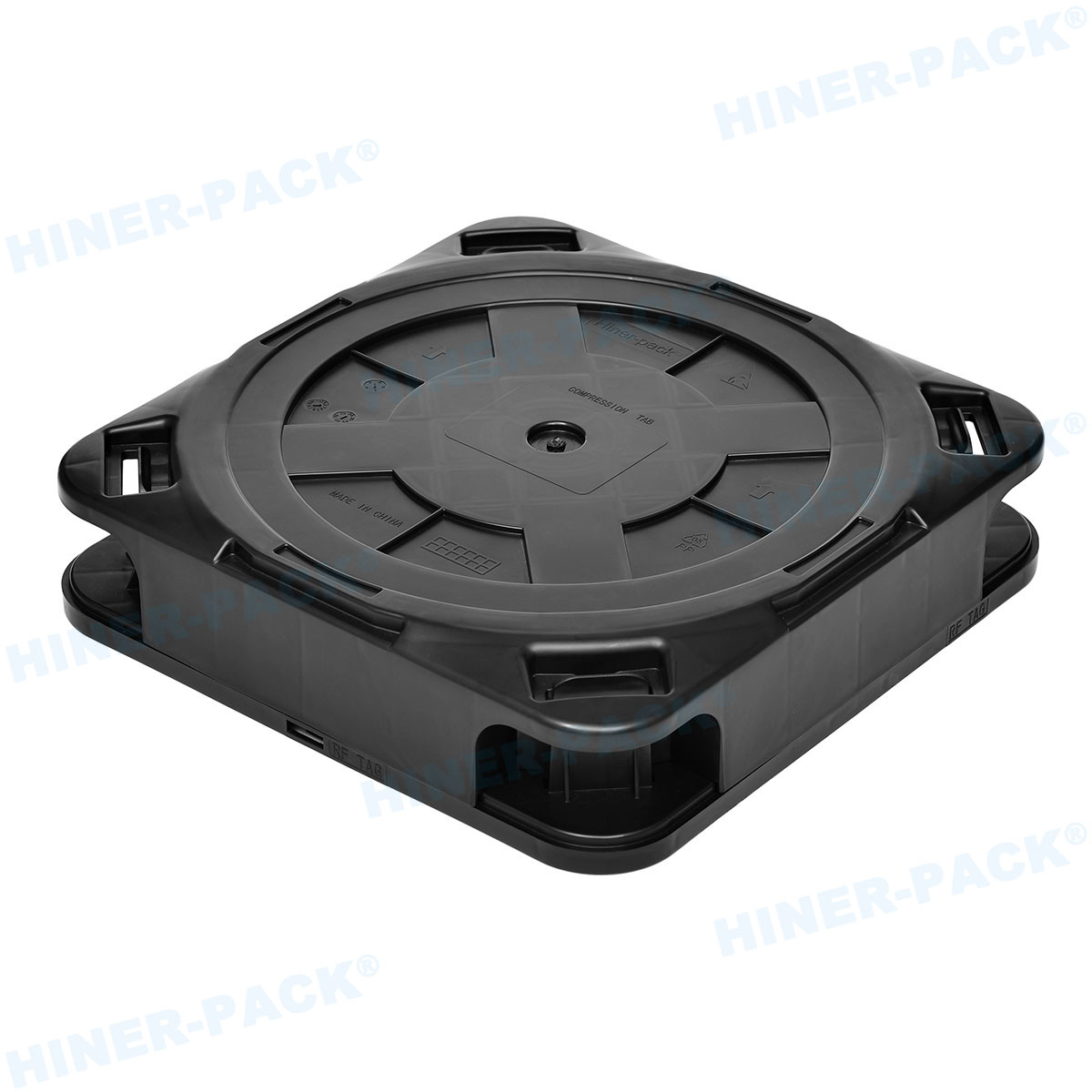
JEDEC trays are not generic plastic carriers; they are precision-engineered components defined by JEDEC Publication 95 and related standards that dictate pocket geometry, stacking features, orientation markings, and dimensional tolerances. JEDEC tray injection molding must therefore achieve consistency across thousands of cavities while maintaining material properties that ensure ESD safety and mechanical stability. The process begins with mold design, where multi-cavity tools (typically 2 to 16 cavities) are engineered with balanced runner systems to ensure uniform filling. Unlike commodity injection molding, JEDEC tray molds incorporate complex features such as:
Precision pocket inserts: Each pocket must replicate the package outline with draft angles optimized for easy device insertion and removal without causing mechanical stress to solder balls or leads.
Stacking ribs and anti-slip features: Molds integrate positive interlocking geometries that allow trays to be stacked securely during shipping and automated handling.
Fiducial marking cavities: Locations for laser-marked 2D barcodes or alphanumeric identifiers are molded-in with high contrast, enabling traceability without secondary operations.
Mold steel selection—typically Stavax or equivalent stainless steel—ensures corrosion resistance from cleaning agents and durability for production runs exceeding 1 million cycles. Advanced molders employ conformal cooling channels manufactured via additive manufacturing to reduce cycle times by 15-20% while maintaining thermal uniformity across the cavity array.
2. Material Selection: Conductive Polymers for ESD-Safe Trays
The choice of resin is paramount in JEDEC tray injection molding, directly impacting ESD performance, dimensional stability, and cleanroom compatibility. The majority of high-reliability trays are molded from carbon-filled polycarbonate (PC), polyetherimide (PEI), or high-temperature polysulfone blends. Key material parameters include:
Surface resistivity: Target range of 10³ to 10⁵ Ω/sq to meet ANSI/ESD S20.20 conductive classification. This is achieved by precise loading of carbon fibers or carbon black, typically 15-25% by weight, without compromising melt flow index.
Thermal properties: Glass transition temperature (Tg) above 140°C for standard trays, and above 200°C for burn-in applications. Materials must maintain dimensional stability through temperature cycles from -40°C to 150°C without warpage exceeding 0.2mm over the tray length.
Low outgassing: For cleanroom applications, molded trays must pass SEMI E46-0306 outgassing tests, with total mass loss <1.0% and collected volatile condensable material <0.1%.
In the JEDEC tray injection molding process, controlling filler orientation is critical. Carbon fibers align with melt flow direction during cavity filling, creating anisotropic resistivity. Skilled molders use simulation software (Moldex3D or Autodesk Moldflow) to predict fiber orientation and adjust gate locations to achieve uniform resistivity across the tray surface. Hiner-pack employs proprietary material compounding and real-time resistivity monitoring to ensure batch-to-batch consistency, providing certificates of conformance that include surface resistivity maps for every production lot.
3. Process Optimization: Warpage Control and Dimensional Stability
One of the most persistent challenges in JEDEC tray injection molding is managing warpage—a phenomenon driven by anisotropic shrinkage, residual stresses, and non-uniform cooling. For trays with large planar areas (up to 350mm x 200mm), warpage exceeding 0.3mm can cause misfeeds in automated handlers, leading to equipment downtime and potential device damage. Advanced process controls mitigate these risks through:
Dynamic temperature control: Using mold temperature controllers with ±1°C precision to maintain thermal uniformity. Rapid heating and cooling systems (RHCM) can reduce frozen-in stresses by maintaining mold surface temperatures above the polymer Tg during filling, followed by rapid cooling after packing.
Packing pressure optimization: Multi-stage packing profiles that apply higher pressure near gate locations and gradually reduce toward flow ends, compensating for volumetric shrinkage. Pressure sensors embedded in cavities enable closed-loop control, adjusting packing parameters in real time based on actual cavity pressure decay.
Annealing post-treatment: Critical for high-temperature trays, post-mold annealing at 120-150°C for 2-4 hours relieves internal stresses and stabilizes dimensions, ensuring trays remain flat after thermal exposure in customer burn-in ovens.
Statistical process control (SPC) is standard practice in modern JEDEC tray injection molding facilities. Key control parameters include injection speed, melt temperature, mold temperature, and holding pressure—each monitored with capability indices (Cpk > 1.33). For high-volume programs, automated vision systems inspect every tray for pocket dimensions, flash, and warpage, rejecting out-of-spec units at speeds exceeding 1,000 trays per hour.
4. Cleanroom Manufacturing and Contamination Control
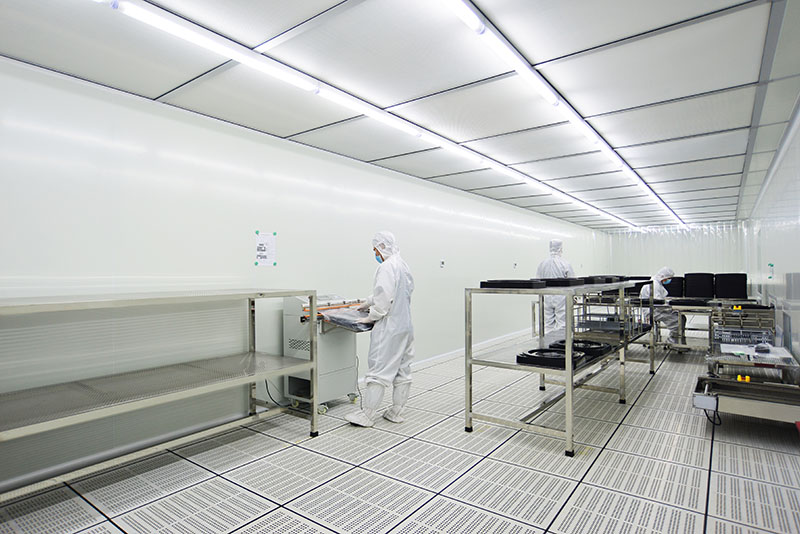
Semiconductor devices are highly sensitive to particulate and ionic contamination. Consequently, JEDEC tray injection molding must be performed in controlled environments—typically Class 100,000 (ISO 8) or better, with critical operations like demolding, inspection, and packaging conducted in Class 10,000 (ISO 7) cleanrooms. Contamination control protocols include:
Material handling: Resin pellets are transported in sealed containers and deionized before processing to remove electrostatic charges that attract airborne particles.
Mold cleaning cycles: Tools are cleaned at defined intervals using non-abrasive methods to remove carbon residue and mold release agents that could transfer to tray surfaces.
Packaging: Finished trays are double-bagged in ESD-shielding bags within cleanroom environments, with desiccant packs to maintain low humidity during storage and transit.
Particle testing per IEST-RP-CC004.3 verifies that trays meet customer specifications—often requiring <1000 particles >0.5µm per tray. Ionic contamination testing using ion chromatography ensures that residual chlorides, fluorides, and sulfates remain below 10 ng/cm², preventing corrosion of device metallization during long-term storage.
5. Automation Integration and Industry 4.0 Readiness
Modern semiconductor fabs and OSATs (outsourced semiconductor assembly and test) operate with fully automated material handling systems. JEDEC tray injection molding must therefore produce trays that are compatible with robotic handlers, conveyor systems, and AGVs. Design features that support automation include:
Standardized stack heights: Trays are molded with precise stacking ribs that ensure consistent stack heights across multiple suppliers, allowing automated magazine loaders to function without recalibration.
Flatness specifications: Maximum tray warpage of 0.15mm over 200mm length ensures reliable vacuum pickup and placement.
RFID or conductive ink markings: For smart factory integration, trays can be molded with pockets for RFID tags or printed with conductive inks that enable real-time tracking through the supply chain.
Hiner-pack has pioneered the use of in-mold labeling (IML) and laser-markable inserts that allow permanent traceability without compromising ESD performance. These innovations reduce the need for secondary labeling operations, streamlining inventory management and enabling full genealogy tracking from wafer sort to final assembly.
6. Industry Pain Points and Solutions in JEDEC Tray Injection Molding
Despite technological advances, semiconductor manufacturers continue to face challenges related to tray performance. Data from global OSAT facilities indicate that tray-related issues account for 8-12% of automated handler downtime and up to 3% of yield loss in extreme cases. Key pain points and corresponding solutions include:
Inconsistent pocket dimensions: Variations between mold cavities or across production batches lead to device misalignment during pick-and-place. Solution: Implementation of 100% optical inspection with automated sorting, combined with mold maintenance programs that re-certify cavity dimensions every 50,000 cycles.
ESD failure due to resistivity drift: Over time, carbon filler migration or surface contamination can increase surface resistivity above acceptable limits. Solution: Use of permanently conductive materials (carbon fiber reinforced) that maintain resistivity even after multiple cleaning cycles, plus periodic testing with surface resistivity meters per ANSI/ESD STM11.11.
Warpage after thermal exposure: Trays that are stable at room temperature may deform when subjected to burn-in temperatures, causing device retention issues. Solution: High-temperature tray formulations with post-mold annealing and verification through thermal cycling tests (200 cycles -40°C to 150°C) before release.
Cross-contamination from recycled materials: Some suppliers use regrind to reduce costs, introducing impurities that cause outgassing or ionic contamination. Solution: Strict material traceability policies and virgin resin commitments—Hiner-pack maintains fully segregated material streams with certifications for each resin batch.
7. Quality Assurance and Testing Protocols
Comprehensive validation of JEDEC tray injection molding output requires a multi-tiered testing strategy. Standard protocols include:
Dimensional metrology: Coordinate measuring machines (CMM) and optical comparators verify pocket positions, rib heights, and overall tray dimensions to JEDEC specifications. Tolerance windows are typically ±0.05mm for critical pocket dimensions.
ESD performance verification: Surface resistivity measurements at nine defined points per tray, plus charge decay testing per ANSI/ESD SP10.1 to confirm dissipation time <2 seconds from 1000V to 50V.
Mechanical stress testing: Stacking tests with 20-tray stacks subjected to vibration profiles simulating overland shipping (ISTA 3A) to ensure no cracking or permanent deformation.
Cleanliness verification: Liquid particle counting using extraction methods, plus ionic contamination analysis per IPC-TM-650.
Leading manufacturers like Hiner-pack provide comprehensive qualification packages that include all these test results, giving customers confidence in the consistency and reliability of their JEDEC tray injection molding output.
8. Future Directions: Sustainability and Advanced Materials
The semiconductor industry is increasingly focused on sustainability without compromising technical performance. Innovations in JEDEC tray injection molding include the development of bio-based conductive polymers that reduce carbon footprint by up to 35% while maintaining ESD properties. Additionally, closed-loop recycling programs are being established where used trays are reground and reprocessed into non-critical carriers, diverting waste from landfills. In parallel, the adoption of 3D-printed mold inserts with conformal cooling is enabling faster prototyping and shorter lead times for custom trays, allowing semiconductor companies to bring new package types to market more rapidly.
Conclusion: Precision Molding as a Cornerstone of Semiconductor Logistics
JEDEC tray injection molding is far more than a packaging operation—it is a critical enabler of yield, throughput, and reliability in semiconductor manufacturing. The interplay of material science, mold engineering, process control, and cleanroom discipline determines whether trays protect devices or become sources of variability. As semiconductor packages continue to advance in complexity, the demands on tray precision will only intensify. Partnering with specialized manufacturers who combine deep injection molding expertise with semiconductor industry knowledge is essential for maintaining competitive advantage. Through rigorous process validation, advanced simulation, and commitment to quality, companies like Hiner-pack are setting new benchmarks in the field, ensuring that the humble chip tray meets the exacting needs of next-generation electronics.
Frequently Asked Questions (FAQ)
Q1: What is the typical cycle time for JEDEC tray injection molding, and how does it affect cost?
Cycle times for JEDEC tray injection molding typically range from 45 to 90 seconds, depending on tray size, material, and cavity count. Larger trays (e.g., 300mm x 200mm) require longer cooling times to prevent warpage, while high-cavity tools increase output per cycle. Shorter cycles can be achieved through conformal cooling and optimized material formulations, reducing per-unit cost by 10-20% without sacrificing quality.
Q2: How do I verify that a supplier's JEDEC tray injection molding process meets my ESD requirements?
Request a qualification package that includes surface resistivity maps per ANSI/ESD STM11.11, charge decay test results, and material certification showing carbon filler loading and dispersion. Reputable suppliers like Hiner-pack also provide in-process resistivity monitoring data and SPC charts demonstrating process capability for ESD properties.
Q3: Can JEDEC tray injection molding be used for high-temperature burn-in applications?
Yes, but it requires high-temperature engineering resins such as polyetherimide (PEI) or glass-filled polysulfone. These materials have glass transition temperatures above 200°C and maintain dimensional stability during extended burn-in at 150°C. The injection molding process must also include post-mold annealing to relieve residual stresses that could cause warpage under heat.
Q4: What causes dimensional variations between different cavities in a multi-cavity JEDEC tray mold?
Variations arise from imbalanced runner systems, uneven mold temperature distribution, or differential wear. Advanced mold designs use flow simulation to balance runner lengths and diameters, and temperature controllers with independent zones per cavity. Regular mold maintenance, including cavity dimension recertification, ensures consistent performance across all cavities.
Q5: Are there recycling options for used JEDEC trays?
Yes, many semiconductor companies are implementing closed-loop recycling programs. Used trays made from thermoplastic materials can be reground and reprocessed into non-critical carriers or industrial products. However, for conductive trays containing carbon fillers, it is essential to maintain material segregation to preserve ESD properties in recycled output. Hiner-pack offers take-back programs for qualified customers.
Q6: What lead times are typical for custom JEDEC tray injection molding?
Custom mold fabrication typically requires 8-12 weeks, depending on complexity and number of cavities. Once molds are qualified, production lead times range from 2-4 weeks for high-volume orders. Rapid prototyping using 3D-printed tooling can deliver sample quantities in 3-4 weeks for design validation.
For technical consultations or to request samples of precision-molded JEDEC tray injection molding solutions, contact the engineering team at Hiner-pack to discuss your specific application requirements.