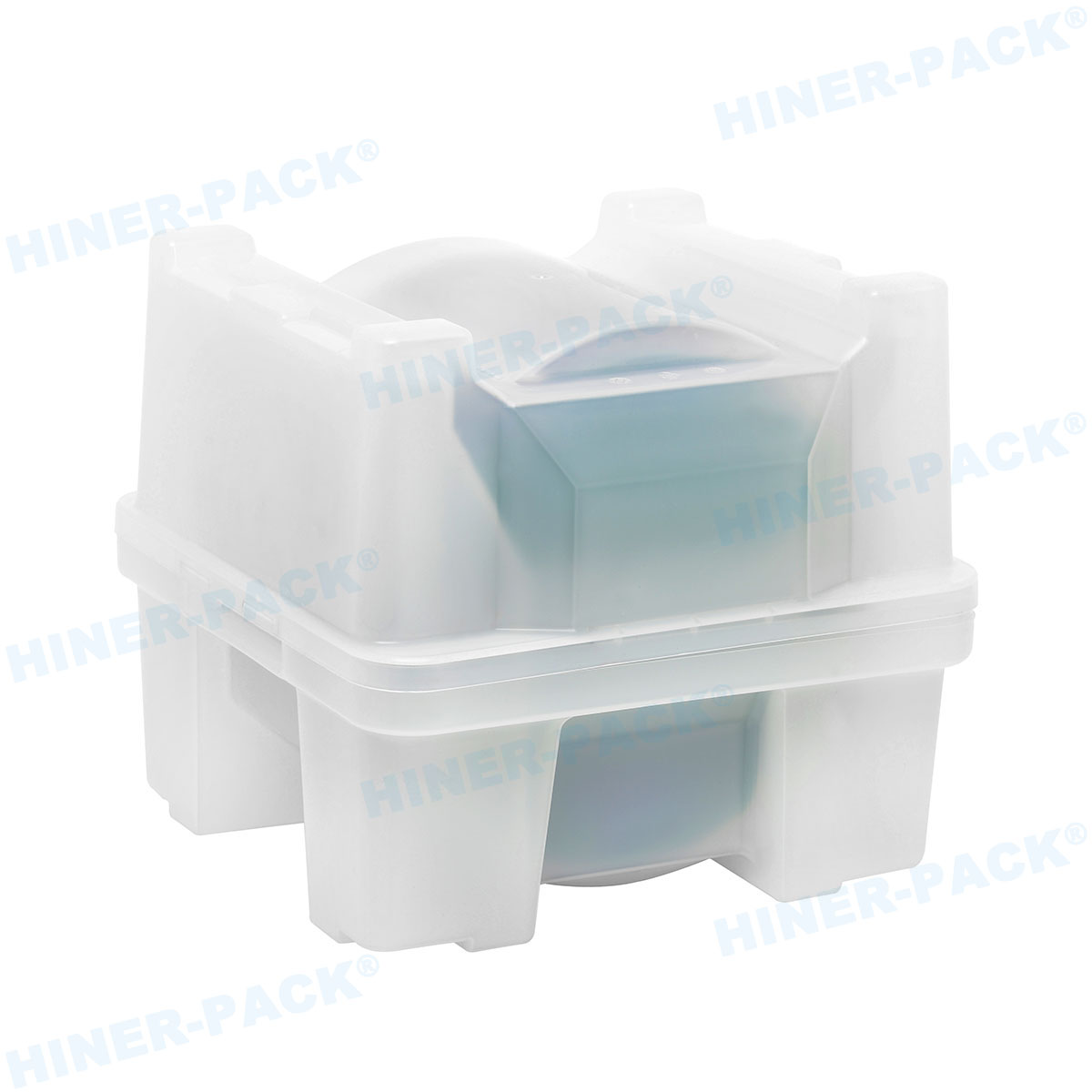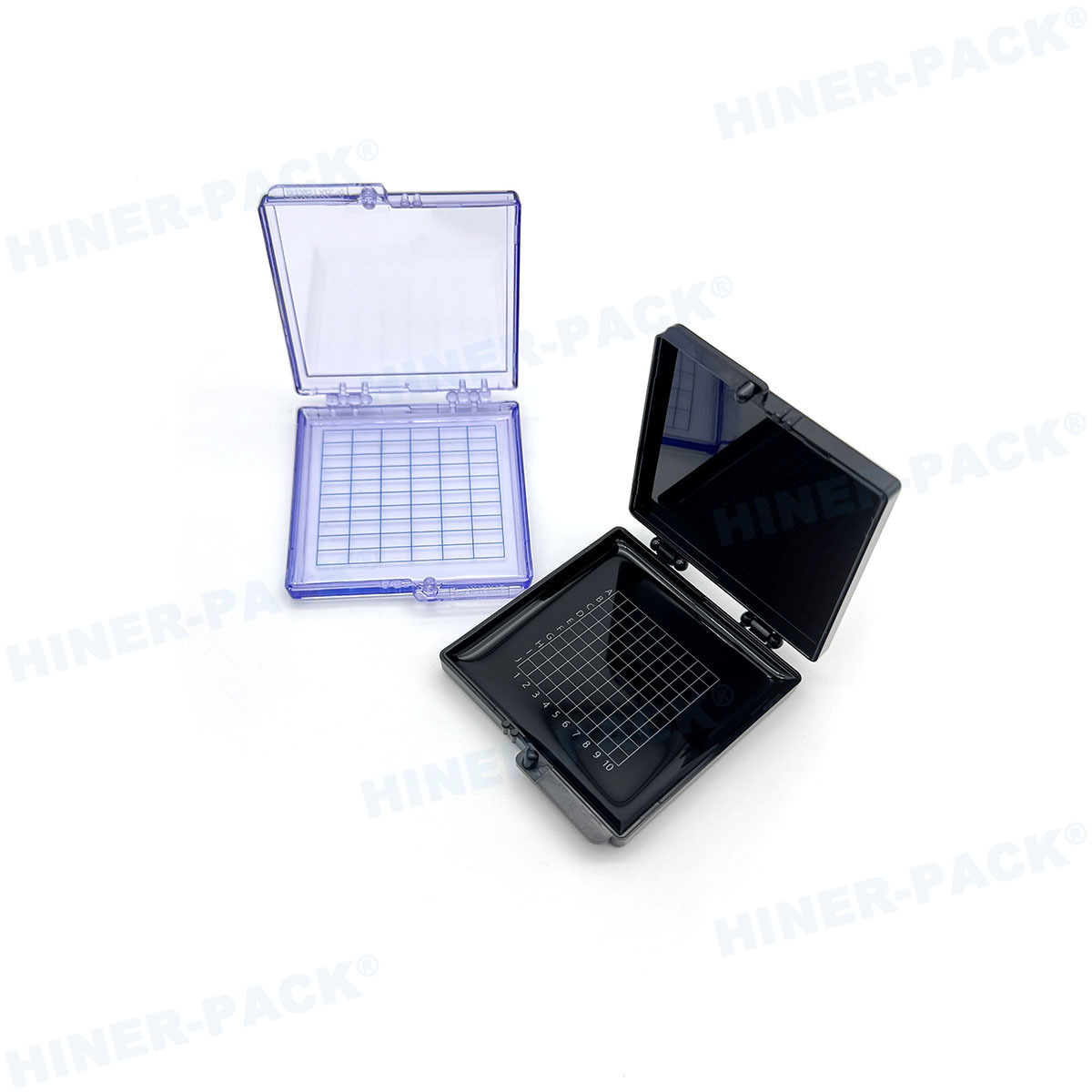
1. Material Science: ESD-Safe Polymers and Cleanroom-Compatible Alloys
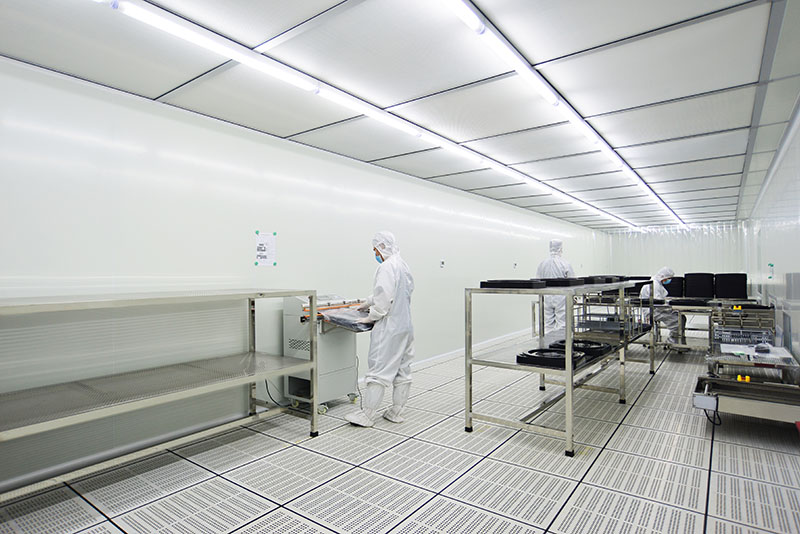
The foundational requirement for any wafer container racks is material compatibility with ISO Class 4–6 cleanroom environments. Dominant material categories:
Static-Dissipative Polycarbonate (PC) & Acrylonitrile Butadiene Styrene (ABS)
Injection-molded racks using carbon-fiber or conductive polymer blends achieve surface resistivity between 10⁶ and 10⁹ ohms/square—the SEMI E129 standard for ESD-safe wafer handling. These materials exhibit low outgassing (total mass loss <0.1% per ASTM E595) and are compatible with common fab cleaning chemistries (IPA, DI water). However, polycarbonate racks have limited load capacity (typically ≤15 kg per shelf) and can degrade under UV exposure if used near quartz windows or inspection tools.
Stainless Steel with Epoxy or PFA Coating
For high-load applications (e.g., bulk storage of 25-wafer FOUPs weighing 8–10 kg each), stainless steel frames with powder-coated ESD-safe finishes offer durability exceeding 20 years. Electro-polished surfaces reduce particle adhesion by 60% compared to uncoated metals. Critical spec: coating must withstand 1,000+ wipe cycles with 70% IPA without delamination—a requirement verified by tape adhesion testing per ASTM D3359.
Carbon-Fiber Composites
Emerging in advanced nodes (5nm and below), carbon-fiber racks provide exceptional stiffness-to-weight ratio and inherent ESD properties (surface resistivity 10⁵–10⁶ ohms/sq). Their coefficient of thermal expansion (CTE) matches silicon, minimizing stress on FOUP alignment features during temperature fluctuations in stocker systems.
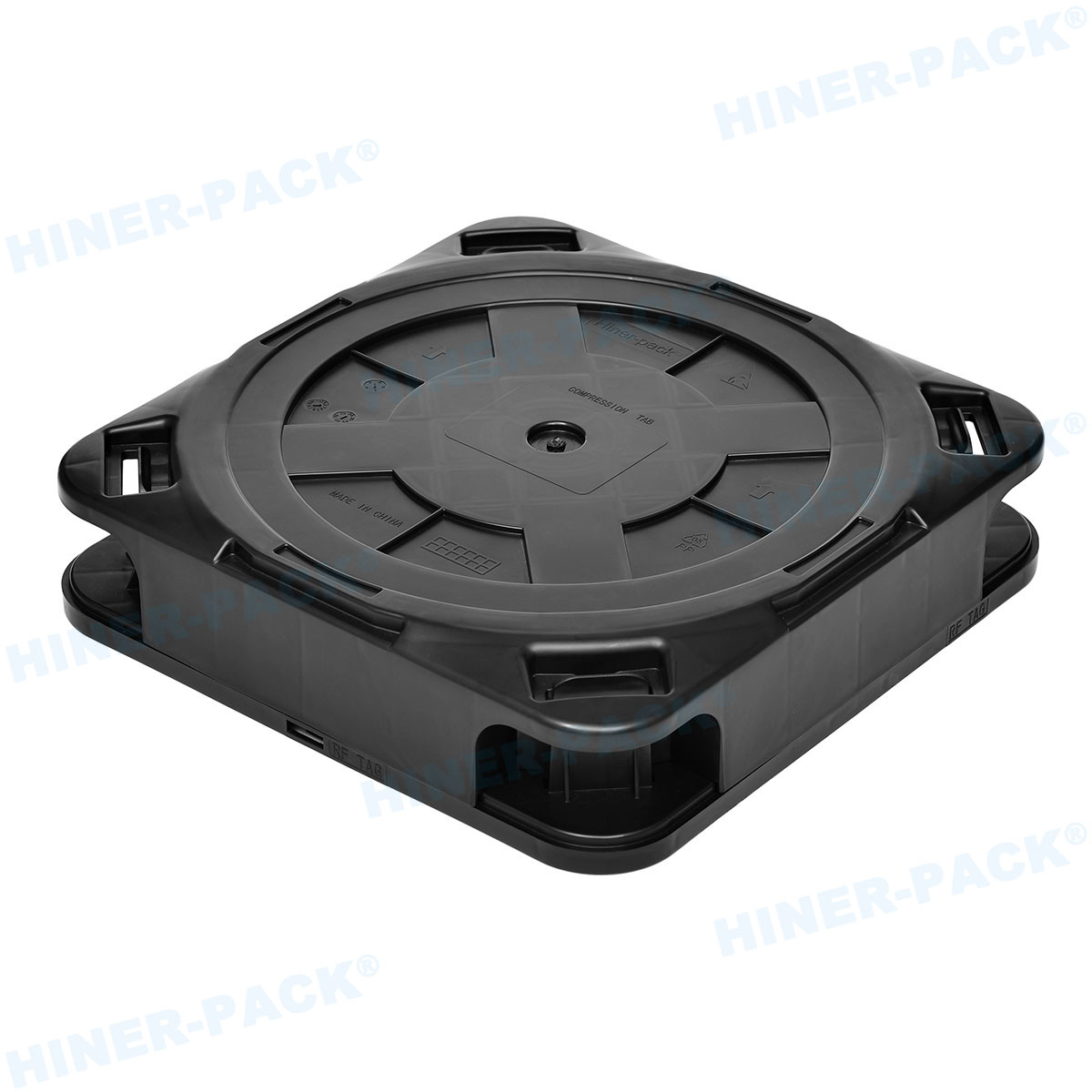
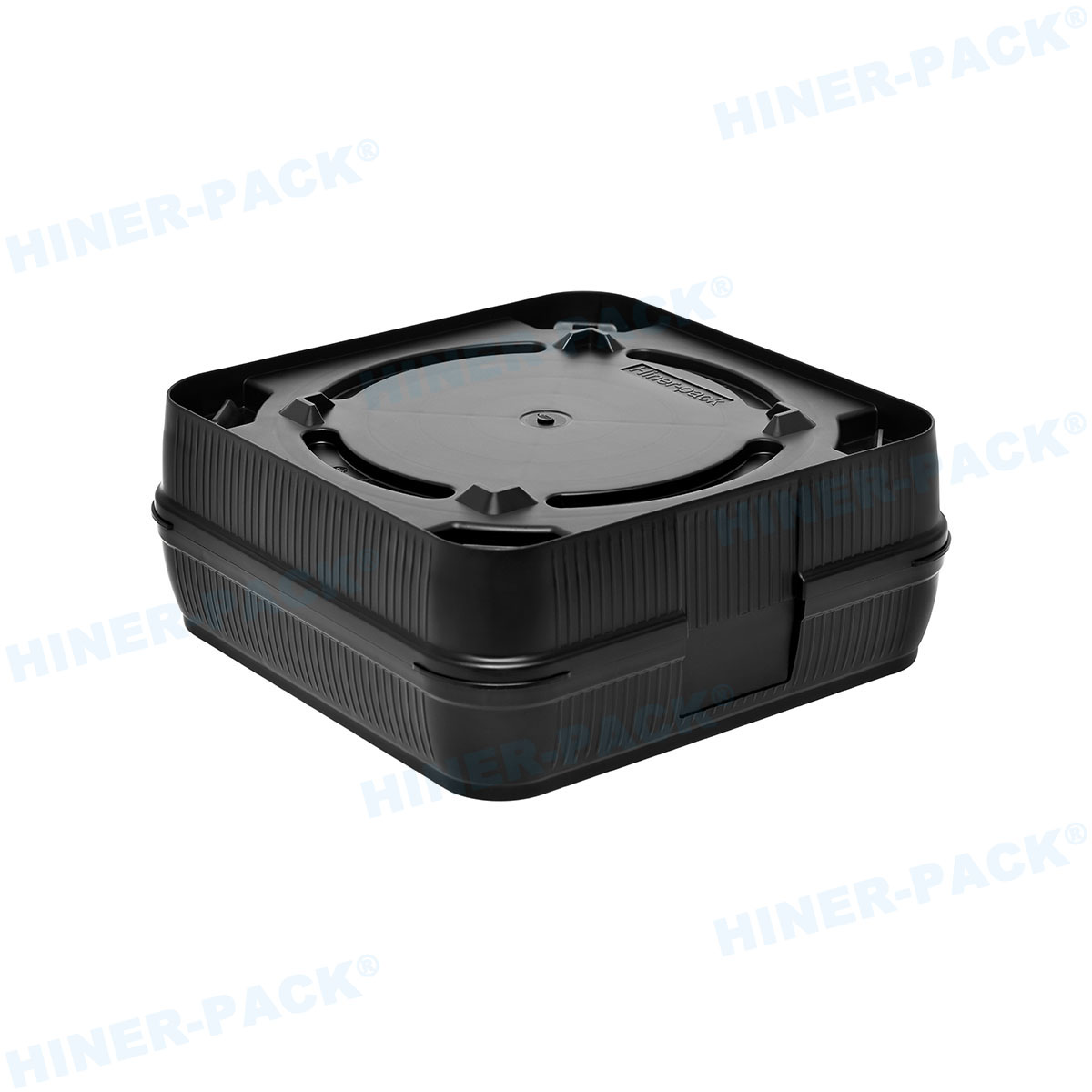
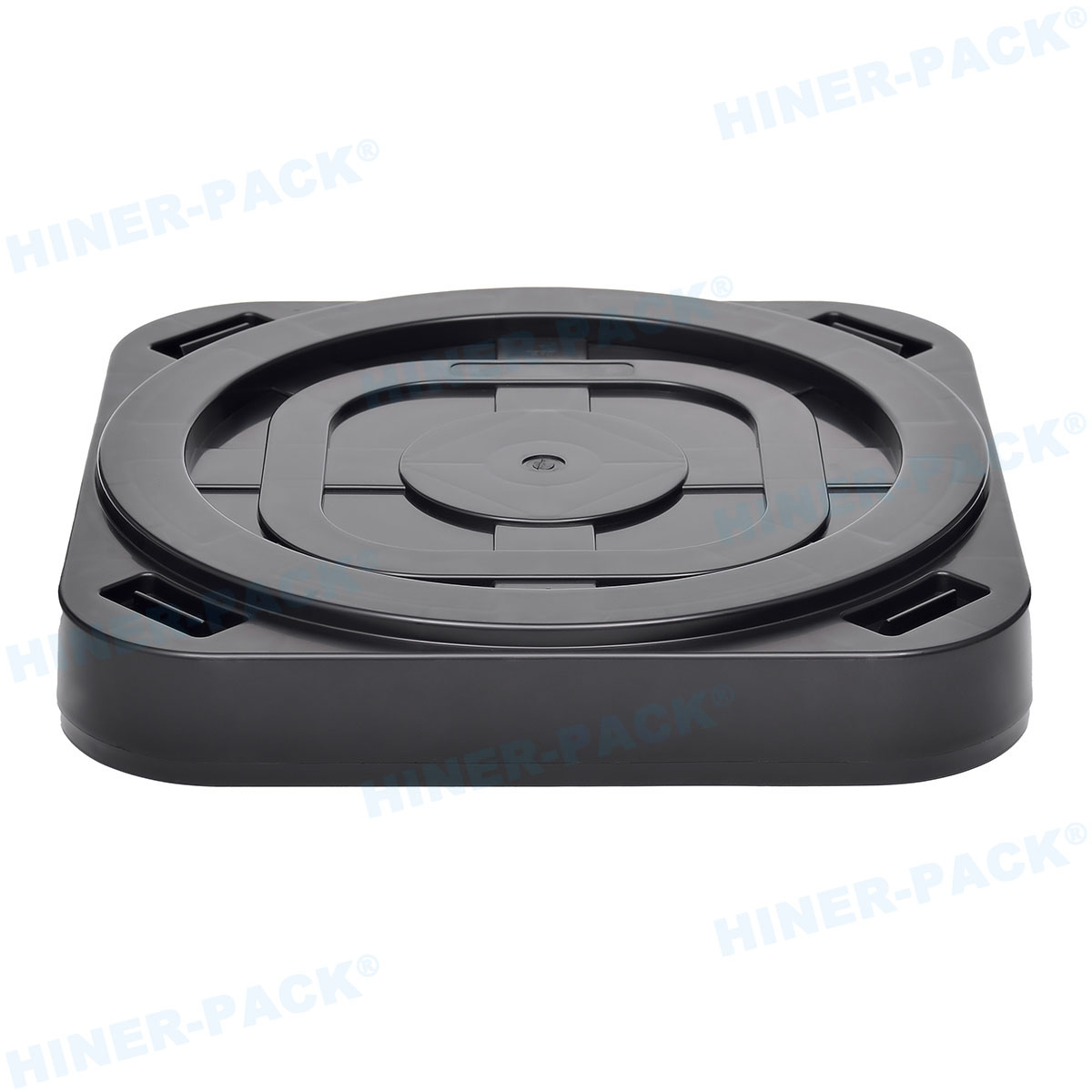
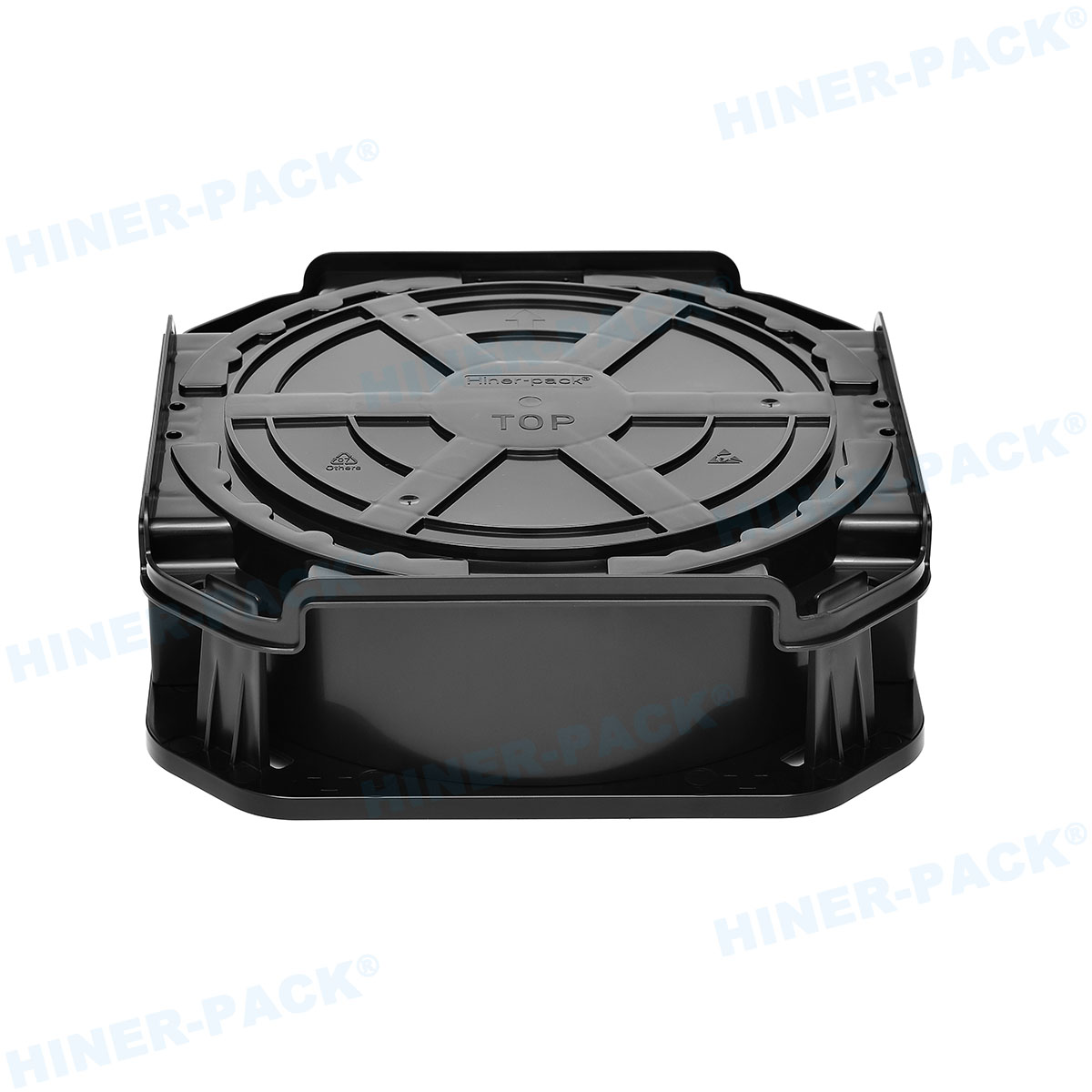
Leading suppliers like Hiner-pack offer hybrid designs combining stainless steel frames with removable ESD-polymer inserts, allowing modular adaptation to different container types while maintaining structural integrity.
2. Particle and Contamination Control: Engineering for Sub-0.1µm Environments
Semiconductor fabs operating at 5nm nodes require airborne molecular contamination (AMC) control below 0.1 parts per trillion (ppt) for certain species. Wafer container racks must be designed to minimize both particle generation and accumulation:
Edge geometry: All surfaces must have radii ≥1.5 mm to eliminate sharp edges where particles can accumulate and resist cleaning. Corners should be sealed via ultrasonic welding rather than mechanical fasteners that create crevices.
Airflow compatibility: Rack design must allow laminar airflow (0.45 m/s ±20%) to sweep across stored containers without creating stagnant zones. Perforated shelves with ≥40% open area reduce pressure drop by 50% compared to solid shelves.
Material outgassing: All polymers used in rack construction must meet SEMI F57-0315 specifications for amine, ammonia, and organic acid emissions. Qualification testing using ion chromatography (IC) and gas chromatography-mass spectrometry (GC-MS) ensures compatibility with advanced photolithography tools.
Field data from a 300mm fab in Taiwan showed that upgrading to precision-welded stainless steel racks with aerodynamic perforations reduced airborne particle counts in the storage zone from Class 100 to Class 10 (ISO 5 to ISO 4) equivalents, directly correlating to a 0.7% increase in die yield.
3. Mechanical Stability: Vibration Damping and Seismic Compliance
Wafer containers are highly sensitive to vibration; FOUPs stored on racks must maintain acceleration below 0.1 g (peak) to prevent wafer shift or micro-scratches. Key engineering features:
Vibration-damping feet: Elastomeric isolators with natural frequency ≤8 Hz reduce transmission of floor vibrations (common in fabs from overhead hoist transport systems) by 20–30 dB above 20 Hz.
Structural rigidity: Rack frames fabricated from 2.5 mm minimum thickness stainless steel with cross-bracing maintain deflection under full load below L/500 (where L is shelf span). Finite element analysis (FEA) validation ensures resonant frequencies avoid typical fab vibration spectra (5–200 Hz).
Seismic certification: Facilities in seismic zones (e.g., Taiwan, Japan, California) require racks certified to Uniform Building Code (UBC) Zone 4 or IBC 2018 standards, with base isolation or seismic restraint systems capable of withstanding 0.5 g lateral forces without toppling.
One advanced logic fab reported a 43% reduction in FOUP handling alarms after replacing standard storage racks with vibration-optimized wafer container racks equipped with active pneumatic isolation.
4. Automation Integration: AMHS Compatibility and Smart Rack Interfaces
Modern fabs rely on overhead hoist transport (OHT) and automated guided vehicle (AGV) systems. Wafer container racks must provide precise positioning and data exchange:
Positioning repeatability: Rack interface features (e.g., kinematic coupling pins or tapered alignment guides) must locate FOUP within ±0.5 mm to enable reliable automated retrieval. SEMI E15.1 specifications define port alignment tolerances.
RFID integration: Embedded high-frequency (13.56 MHz) or ultra-high-frequency (UHF) RFID antennas enable real-time tracking of container status (FOUP ID, wafer count, process history). Rack materials must be RF-transparent in antenna zones.
Load port emulation: Some advanced racks incorporate motorized load ports that simulate tool interfaces, allowing FOUPs to be presented to OHT vehicles in a standardized manner—reducing transport time by 15–20%.
Hiner-pack offers fully instrumented smart racks with integrated RFID readers, environmental sensors (temperature/humidity/vibration), and EtherNet/IP connectivity, providing real-time visibility into storage conditions and container location within the fab’s material control system (MCS).
5. FOUP vs. FOSB vs. SMIF: Container-Specific Design Considerations
Different wafer container types impose distinct rack requirements:
FOUP racks: Designed for 300mm/450mm front-opening pods. Features include kinematic coupling pins (SEMI E57) for repeatable placement, clearance for robotic end-effectors, and support for FOUP mapping systems (wafer slot detection). Typical rack holds 12–36 FOUPs.
FOSB racks: Shipping containers require additional clearance for foam cushioning and handling flanges. FOSB storage racks often incorporate tilt mechanisms to facilitate manual loading/unloading in shipping/receiving areas.
SMIF pod racks: Legacy 200mm systems use bottom-opening pods; racks must accommodate pod door handling mechanisms and provide clearance for manual or automated pod opening.
Multi-container racks with adjustable tooling plates allow fabs to transition between generations without replacing entire storage infrastructure.
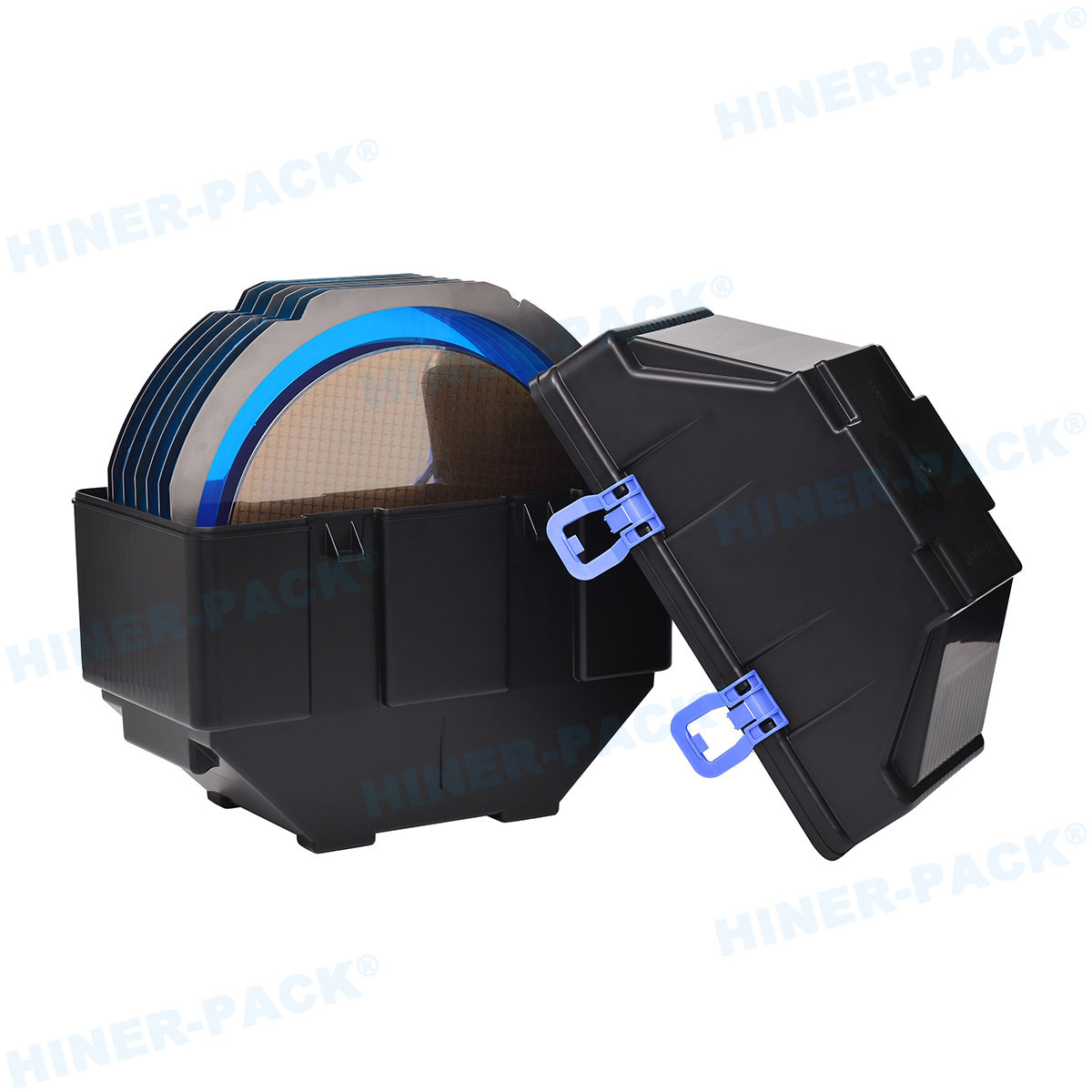
6. Cleanroom Ergonomics and Workflow Optimization
In manual and semi-automated fabs, rack design directly impacts operator efficiency and contamination risk:
Access height: Rack shelves positioned between 800 mm and 1,600 mm from floor level minimize operator reaching, reducing risk of accidental container drops. Adjustable shelf pitch accommodates different container heights.
Color coding: Anodized aluminum or powder-coated surfaces with color-coded indicators (e.g., blue for production, green for qualification, red for quarantine) reduce misplacement errors by 30%.
Cleanroom compatibility: All hardware (hinges, latches, fasteners) must be constructed from 316L stainless steel or anodized aluminum with no exposed threads that could trap particles. Quick-disconnect pins enable tool-less reconfiguration for changing fab layouts.
7. Regulatory and Standards Compliance
Procurement specifications for wafer container racks should reference multiple industry standards:
SEMI E129: Specification for ESD-safe wafer handling equipment.
SEMI F57: Specification for polymer materials in cleanroom environments.
ISO 14644-1: Cleanroom classification (typically Class 4–6).
SEMI E15.1: Specification for equipment interface (load port) dimensions.
FM 4910: Fire safety standard for cleanroom materials (required in many fabs).
Suppliers providing third-party test reports (e.g., particle generation per SEMI E46, outgassing per SEMI F57) reduce fab qualification time by 4–6 weeks.
8. Total Cost of Ownership: Durability vs. Initial Investment
While high-end stainless steel wafer container racks cost 2–3 times more than polymer alternatives, TCO analysis reveals compelling long-term economics:
Lifespan: Stainless steel racks last 15–20 years with proper maintenance; polymer racks typically require replacement every 5–8 years due to wear, chemical attack, or static decay.
Contamination risk: Polymer racks may shed particles after repeated cleaning cycles; stainless steel maintains surface integrity indefinitely, reducing yield-related losses.
Automation compatibility: Precision racks with consistent dimensional stability (stainless steel CTE = 17 µm/m·°C vs. polymer CTE = 70–100 µm/m·°C) prevent automation misalignment errors that can cause costly downtime.
A 2024 study across three Korean fabs found that premium stainless steel racks delivered 32% lower lifetime cost per storage position compared to polymer alternatives when factoring in replacement, cleaning, and downtime costs over a 10-year horizon.
Frequently Asked Questions (FAQ)
Q1: What are the standard dimensions and load capacities for wafer container racks designed for 300mm FOUPs?
A1: Standard FOUP rack shelves are designed to accommodate containers with base dimensions of 336 mm × 336 mm (SEMI E57) and heights ranging from 320 mm to 380 mm. Typical static load capacity per shelf is 100–150 kg (4–6 FOUPs), while dynamic loads during automated transport require certification to 1.5× rated capacity. Overall rack dimensions are customized to fit AMHS clearances and cleanroom bay layouts.
Q2: How often should wafer container racks be cleaned, and what cleaning agents are compatible?
A2: Cleaning frequency depends on fab contamination control protocols—typically weekly to monthly for production racks, quarterly for storage racks. Compatible cleaning agents include: 70% isopropyl alcohol (IPA) in deionized water, dilute non-ionic surfactants, and specialized cleanroom wipes. Abrasive cleaners or solvents containing amines, chlorides, or silicone are prohibited. Racks with electro-polished stainless steel surfaces can withstand autoclave sterilization if required for advanced node facilities.
Q3: Can wafer container racks be used in both stocker (automated storage) and manual staging areas?
A3: Yes, but design considerations differ. Stocker-compatible racks must include precise kinematic interfaces (typically ±0.2 mm positioning) and RFID antenna mounts for automated tracking. Manual staging racks prioritize ergonomic access and may include caster wheels for mobility. Many fabs use standardized rack designs with adapter kits to serve both applications, reducing spare parts inventory.
Q4: What are the key certifications to request from a wafer container rack supplier?
A4: Essential certifications include: SEMI S2 (environmental health and safety), SEMI S8 (ergonomics), FM 4910 (cleanroom fire safety), and ISO 9001:2015 (quality management). For facilities with seismic requirements, request independent certification to IBC 2018 or local seismic codes. Particle emission test reports per SEMI E46 and outgassing data per SEMI F57 are critical for advanced nodes (≤28nm).
Q5: How does rack design affect FOUP grounding and ESD protection?
A5: Proper rack design ensures electrical continuity from the FOUP’s grounding plate (SEMI E129) to facility ground. This requires conductive rack shelves (surface resistivity <10⁶ ohms/square) and a grounding chain or busbar connection with resistance ≤1 ohm from shelf to fab ground. Periodic verification using a megohmmeter (per ANSI/ESD S20.20) is mandatory; resistance readings exceeding 10⁶ ohms indicate degraded ESD protection requiring maintenance.
Q6: What is the typical lead time for custom-engineered wafer container racks?
A6: Standard modular racks ship in 4–6 weeks. Custom designs with integrated automation interfaces, seismic bracing, or special material requirements typically require 10–14 weeks for engineering, fabrication, and factory acceptance testing (FAT). Suppliers like Hiner-pack offer expedited delivery for critical fab ramp projects.
Q7: How do wafer container racks accommodate different container types (FOUP, FOSB, shipping boxes) in a single fab?
A7: Multi-format racks use adjustable support pins or interchangeable nest plates that can be swapped without tools. For example, a rack designed for FOUPs can accommodate FOSBs by replacing the kinematic coupling plate with a flat support surface. Dedicated color-coded indicators help operators identify correct configurations. This flexibility is particularly valuable for fabs managing both production and shipping logistics.
For detailed technical specifications, cleanroom compatibility testing, or custom automation integration, contact the engineering team at Hiner-pack—specialists in precision wafer container racks for semiconductor manufacturing.