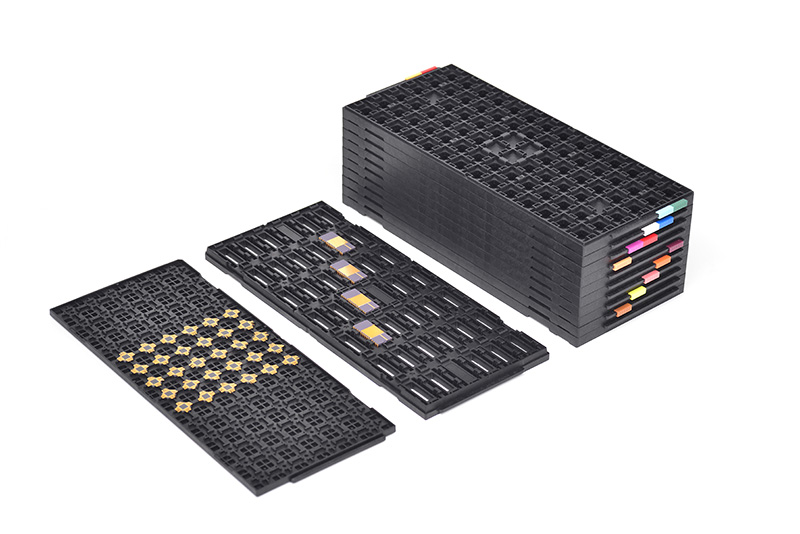
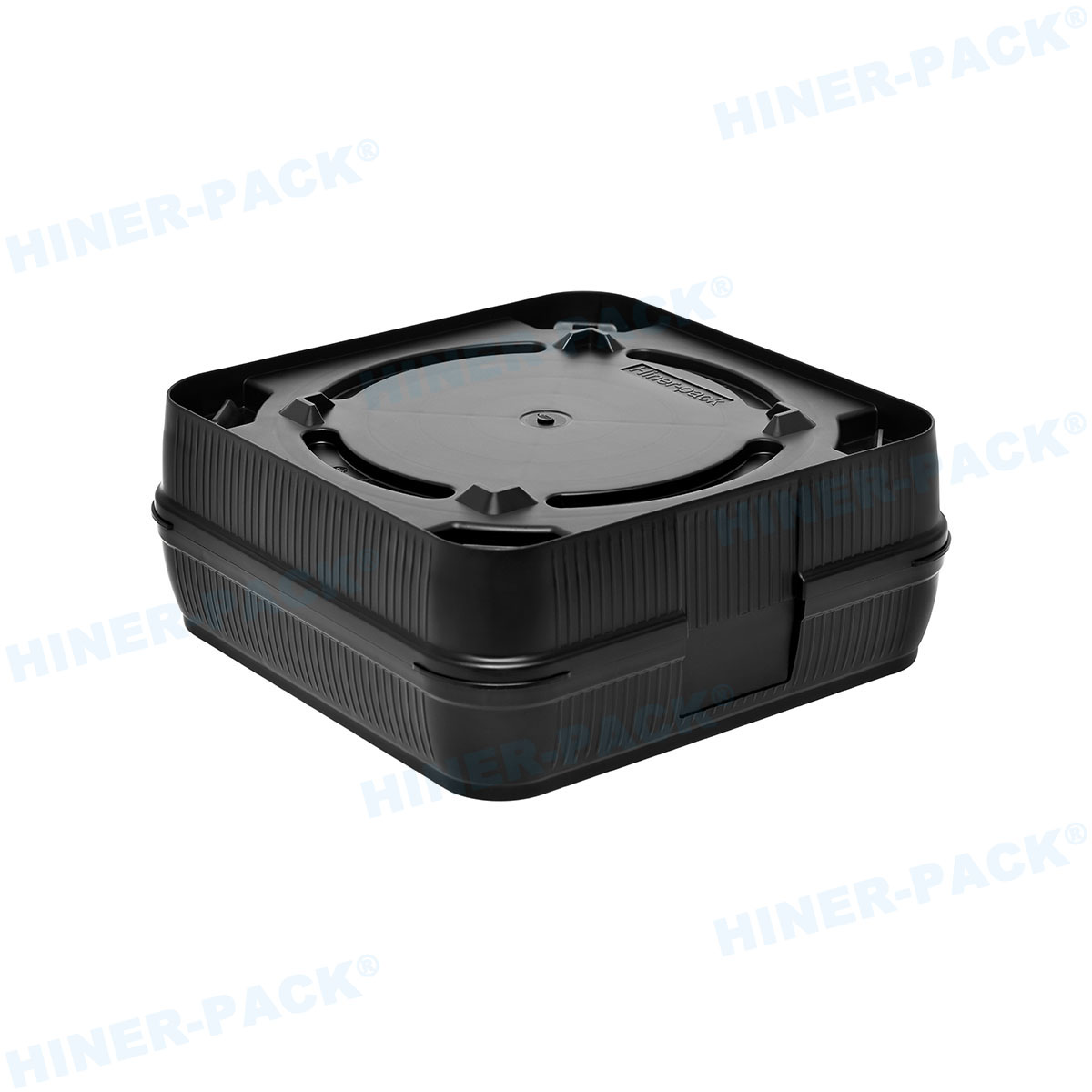
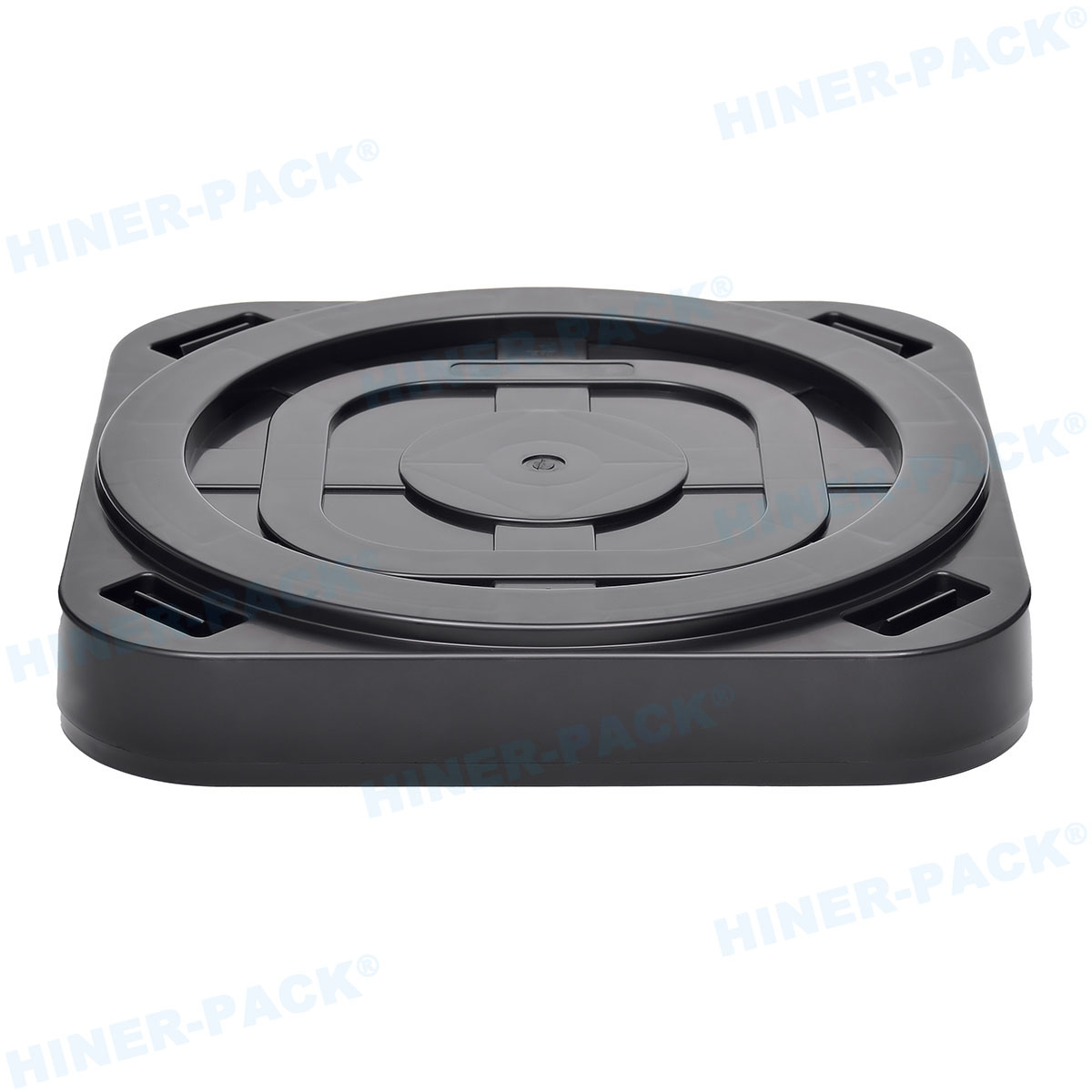
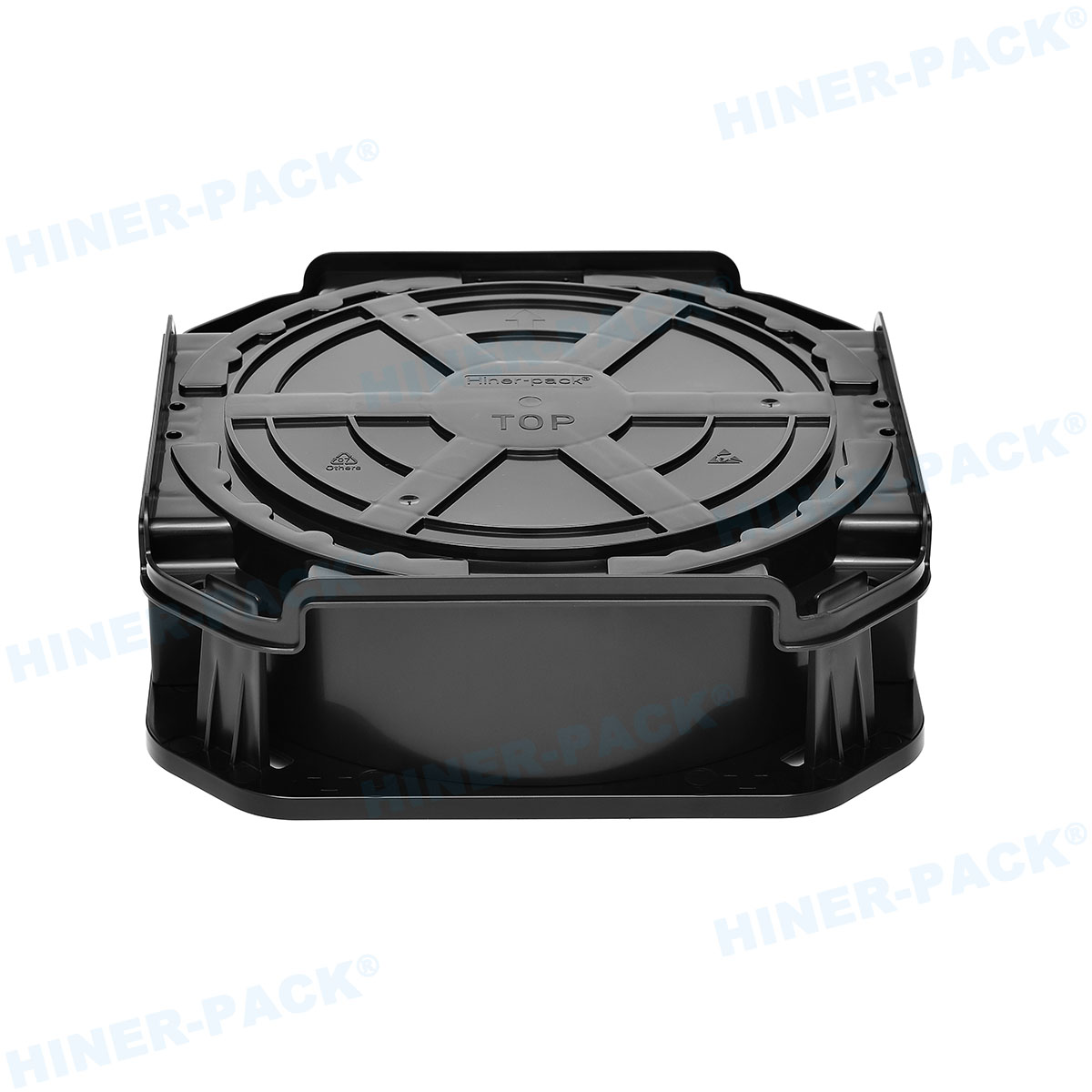
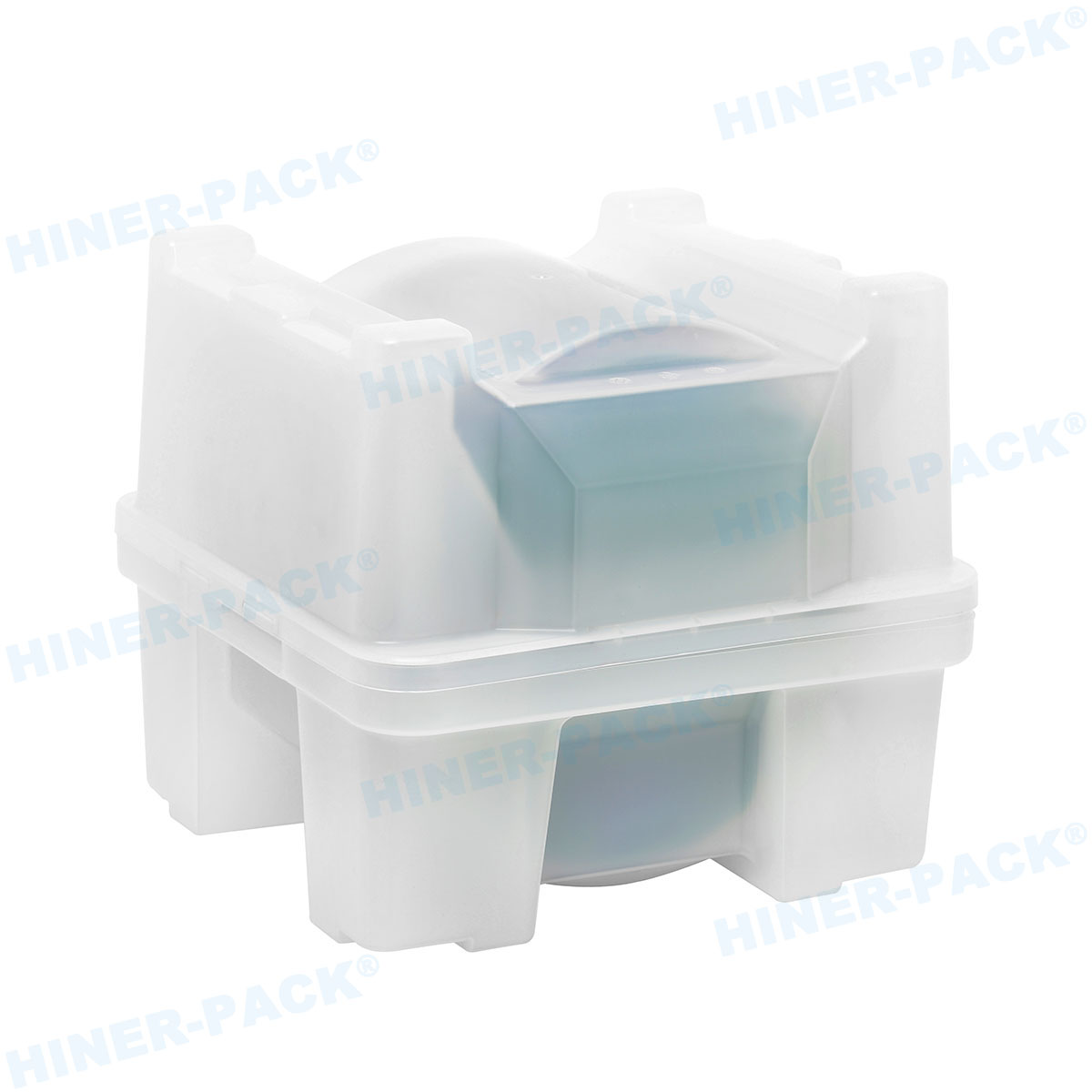
In semiconductor manufacturing, visible threats like physical shock or contamination are obvious concerns. But an invisible danger poses a constant, insidious risk: electrostatic discharge, or ESD. A tiny, unfelt spark can instantly destroy or degrade sensitive integrated circuits. This is where the role of proper handling carriers becomes critical. ESD-safe JEDEC trays are not a luxury; they are a fundamental component of any robust electronics production line.
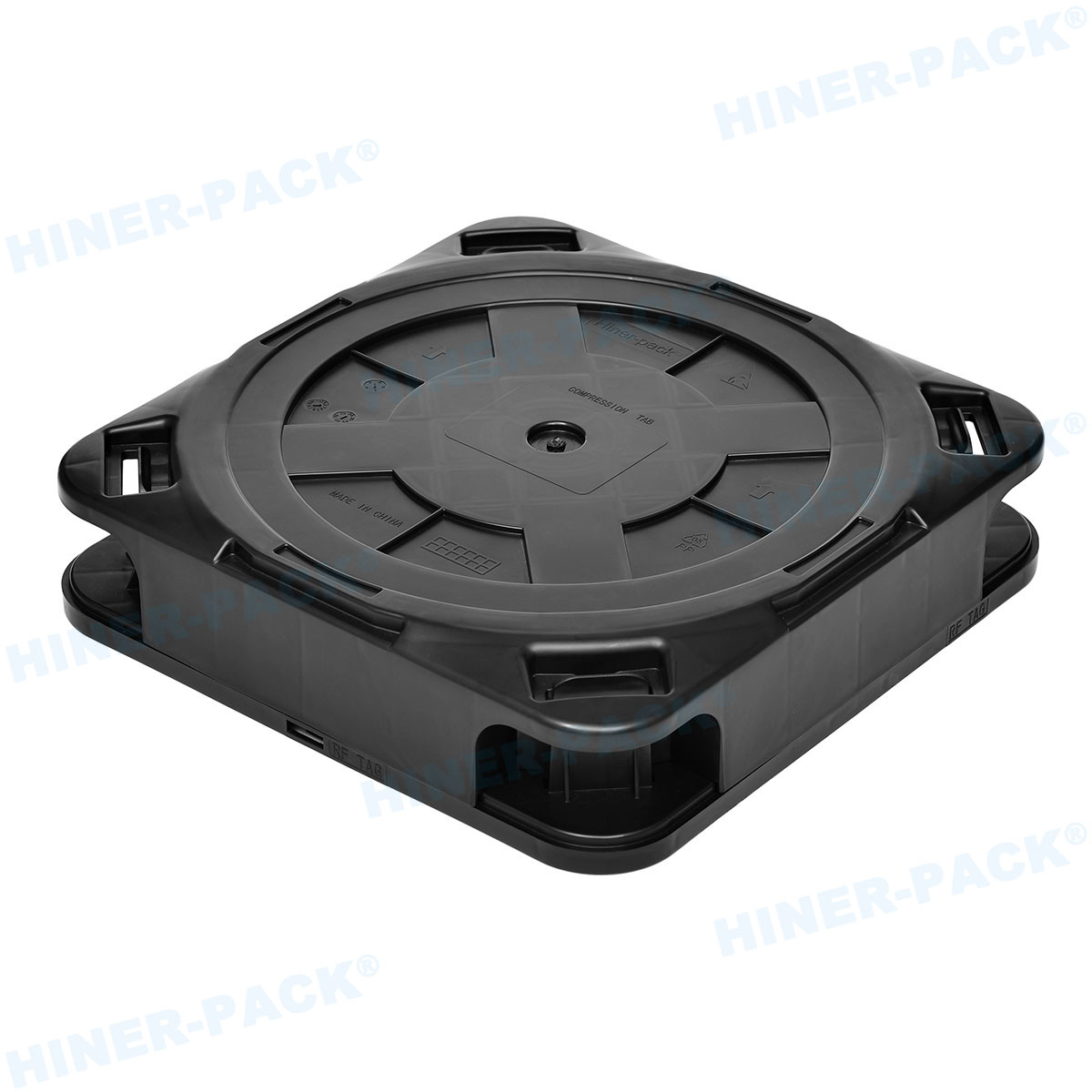
These specialized trays are engineered to do more than just hold parts. They are designed to safely dissipate electrostatic charges, creating a protective environment for devices from assembly through to shipment. Choosing the right tray is a direct investment in yield protection and product reliability. Let's examine what makes these trays essential and how to select them effectively.
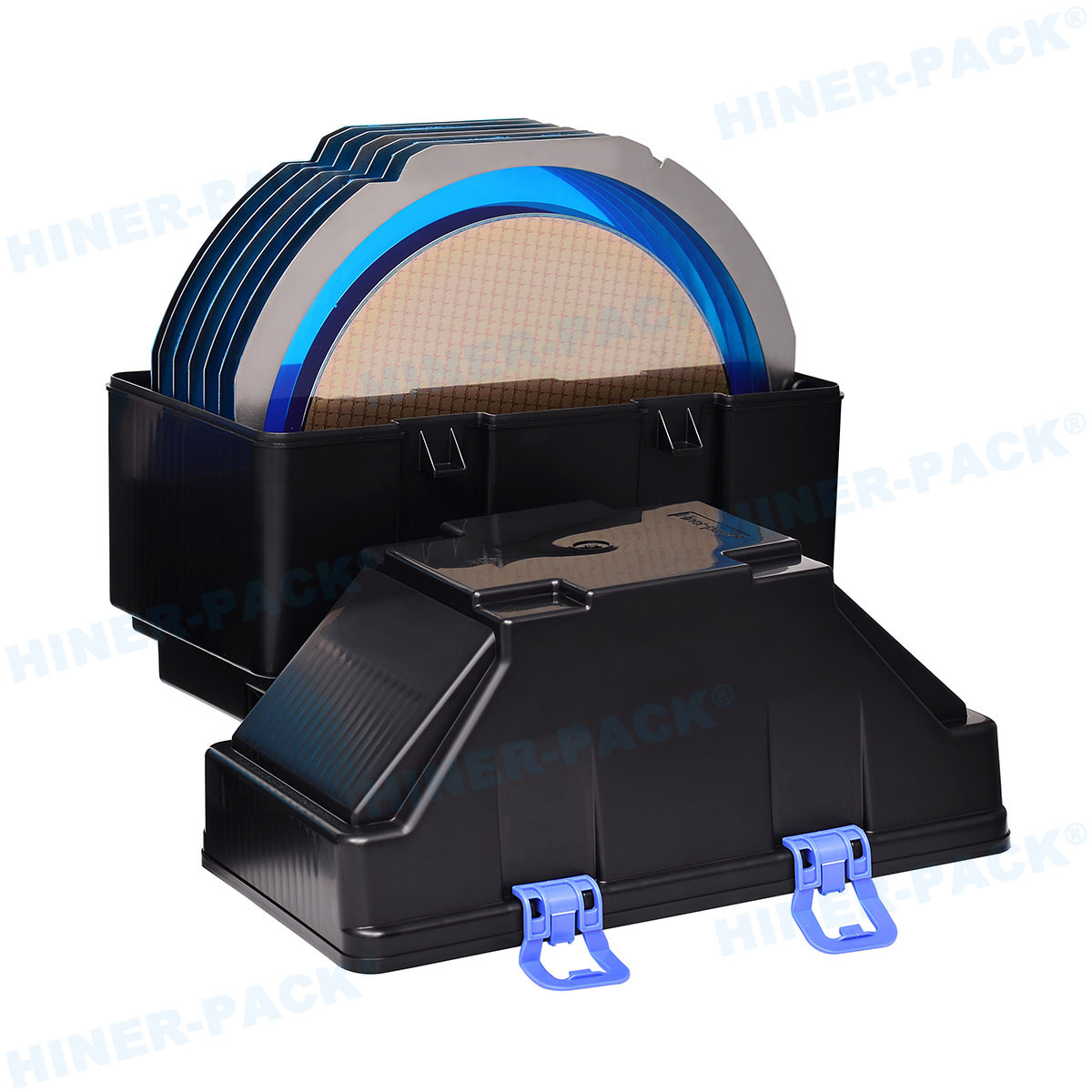
The Critical Role of ESD Protection in Device Handling
Modern semiconductor devices, with their ever-shrinking geometries, are incredibly vulnerable to ESD. Voltages as low as 100V can damage components, while human movement can generate charges in the thousands of volts.
The damage is often latent. A device may pass final test but fail prematurely in the field due to weakened circuits. This leads to costly returns and brand damage. A comprehensive ESD control program is mandatory, and handling packaging is its cornerstone.
ESD-safe JEDEC trays function as a key part of this controlled ecosystem. They prevent charge generation through material choice and safely bleed away any existing charges to a grounded surface, shielding the devices within.
Beyond the Surface: Materials and Construction
Not all black plastic trays are created equal. True ESD safety is engineered from the inside out. The material formulation determines performance.
Dissipative polymers, often carbon-loaded or filled with other conductive compounds, are the standard. These materials provide a surface resistivity typically in the range of 10^5 to 10^11 ohms/sq. This range is crucial. It is low enough to prevent charge buildup and allow for slow, safe discharge, but high enough to avoid a rapid current surge.
Manufacturers like Hiner-pack rigorously select and compound their resins. Consistency is vital. Inhomogeneous material can create isolated conductive spots, leading to uneven charge dissipation and potential damage. The material must also maintain its ESD properties across the tray's lifespan, despite exposure to wear, cleaning chemicals, and temperature cycles.
JEDEC Standards and ESD Specifications: A Combined Framework
JEDEC standards, such as JESD30 for outlines, ensure mechanical interoperability. However, for ESD performance, manufacturers adhere to a parallel set of industry standards.
The ANSI/ESD S20.20 standard outlines the requirements for an ESD Control Program. For packaging, ANSI/ESD S541 is the key document, defining the requirements for ESD protective packaging materials.
High-quality ESD-safe JEDEC trays are designed, tested, and certified to meet these benchmarks. Compliance should be verifiable through test reports from the manufacturer. This dual compliance—meeting JEDEC mechanical outlines and ESD association electrical requirements—defines a truly reliable carrier.
Design Features That Enhance ESD Safety
A good material is the foundation, but intelligent design amplifies protection. Key features include:
- Integrated Grounding Paths: Many trays feature designed-in contact points or rails that ensure a continuous path to ground when used in automated racking systems.
- Cavity Design: Smooth, rounded cavity edges minimize friction and triboelectric charging as devices are inserted or removed.
- Stackability and Nesting: Proper design ensures that when trays are stacked, there is no unintended contact between devices in different layers, and the ESD protective environment is maintained throughout the stack.
- Permanent Properties: The ESD protection should be intrinsic to the material, not a topical coating that can wear or wash off during cleaning processes.
These design elements work together to create a seamless, safe handling workflow from machine to machine.
Testing and Validation: Trust But Verify
How can you be sure your trays perform as promised? Reliable manufacturers subject their products to rigorous, ongoing testing.
Key tests include:
- Surface Resistance: Measured per ESD STM11.11, confirming resistivity is within the safe dissipative range.
- Charge Decay Test: Measures how quickly a generated charge dissipates from the material's surface.
- Triboelectric Charge Generation: Evaluates how much charge is generated by contact and separation with other materials.
Brands like Hiner-pack provide detailed Certificates of Compliance (CoC) with these test results. Periodic audits and retesting of production samples are signs of a committed supplier.
Common Pitfalls and Selection Criteria
Avoiding mistakes is as important as knowing what to look for. Common pitfalls include:
- Confusing Conductive with Dissipative: Conductive materials (below 10^4 ohms) discharge too quickly and can be dangerous for sensitive devices.
- Ignoring Lifetime Performance: Some trays lose ESD properties after repeated high-temperature cycles or chemical washes.
- Prioritizing Price Over Protection: The cost of a tray is negligible compared to the value of the devices it holds and the cost of a field failure.
When selecting a supplier, evaluate their material data sheets, request compliance certificates, and understand their quality control processes. Ask about their experience with your specific device types and process conditions.
In the high-stakes environment of semiconductor production, ESD is a silent yield killer. Ordinary carriers are not enough. Implementing properly specified ESD-safe JEDEC trays is a fundamental and cost-effective defensive measure.
This choice safeguards product integrity, reduces hidden failures, and protects your bottom line. It requires partnering with manufacturers who view ESD protection not as a feature, but as a core design principle. For teams that cannot compromise on reliability, suppliers like Hiner-pack provide the engineered material science and proven designs that meet this critical need.
Frequently Asked Questions (FAQs)
Q1: Can I just use a topical anti-static spray on standard trays instead of buying ESD-safe ones?
A1: No. Topical sprays are temporary, inconsistent, and can contaminate devices. They are not approved for use in certified ESD Protected Areas (EPAs). Permanent, intrinsic material properties are required for reliable, cleanroom-compatible protection.
Q2: How often should ESD-safe JEDEC trays be tested or replaced?
A2: Trays should be tested periodically based on risk and usage—common intervals are every 6 to 12 months. Replace them if cleaning fails to remove contamination, if physical damage occurs, or if routine testing shows the surface resistance has drifted outside the safe dissipative range.
Q3: Are all ESD-safe trays also safe for high-temperature processes like lead-free reflow?
A3: Not necessarily. ESD properties and thermal stability are separate material characteristics. You must specify trays made from high-temperature resins like PCT or PEEK that maintain both dimensional stability and ESD performance at peak reflow temperatures (often above 260°C).
Q4: What is the difference between "anti-static," "dissipative," and "conductive" in this context?
A4: Anti-static generally refers to materials that resist triboelectric charging. Dissipative (10^5 - 10^11 ohms) allows charges to flow to ground slowly and safely—this is the target for device handling. Conductive (<10^4 ohms) allows rapid charge flow, which can be dangerous for sensitive components.
Q5: How do I properly clean ESD-safe trays without damaging their properties?
A5: Use deionized (DI) water or approved, mild, non-ionic cleaners. Avoid abrasive scrubbing, strong solvents, or acidic solutions. Always follow the tray manufacturer's specific cleaning guidelines, as some materials have better chemical resistance than others. Ensure trays are completely dry before use.