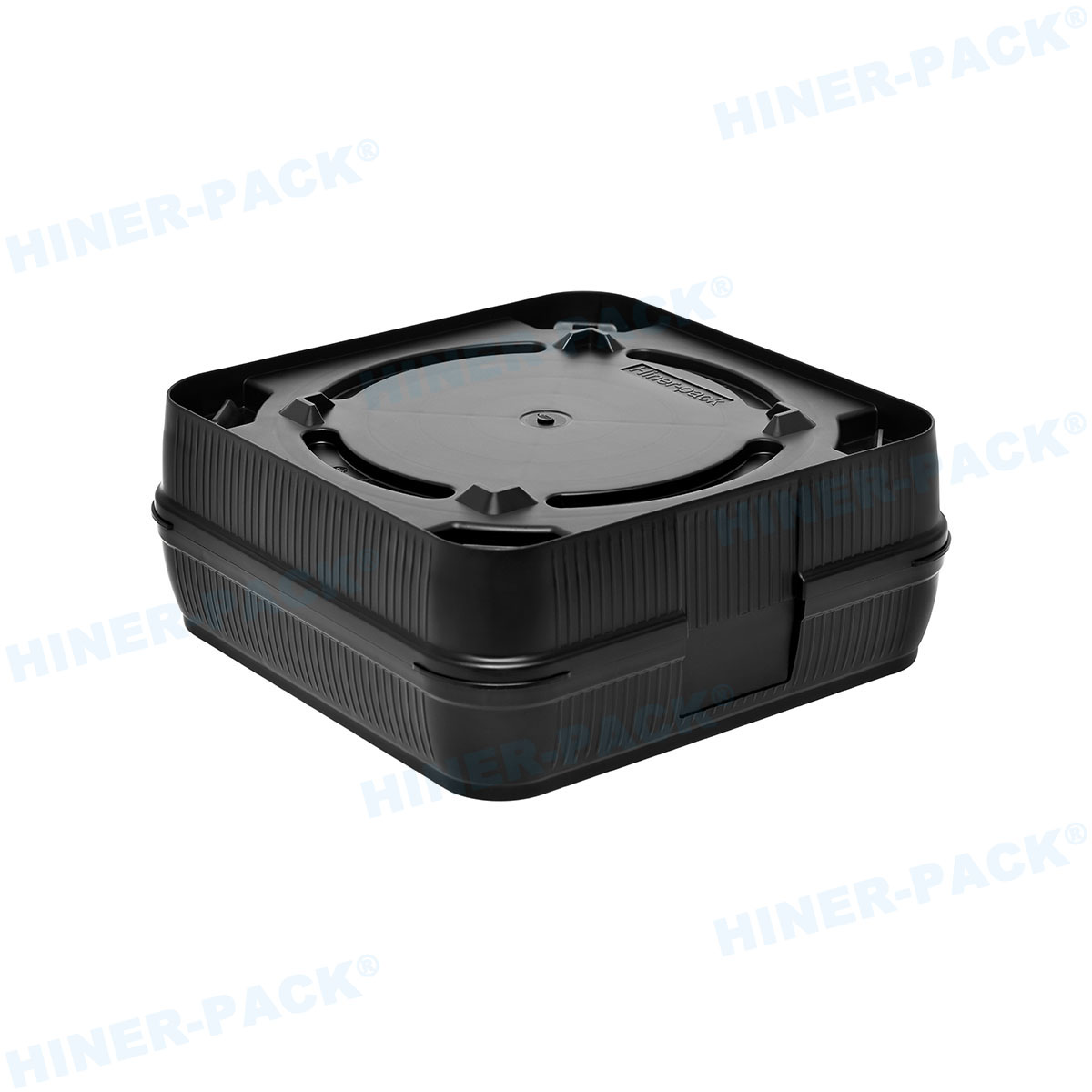
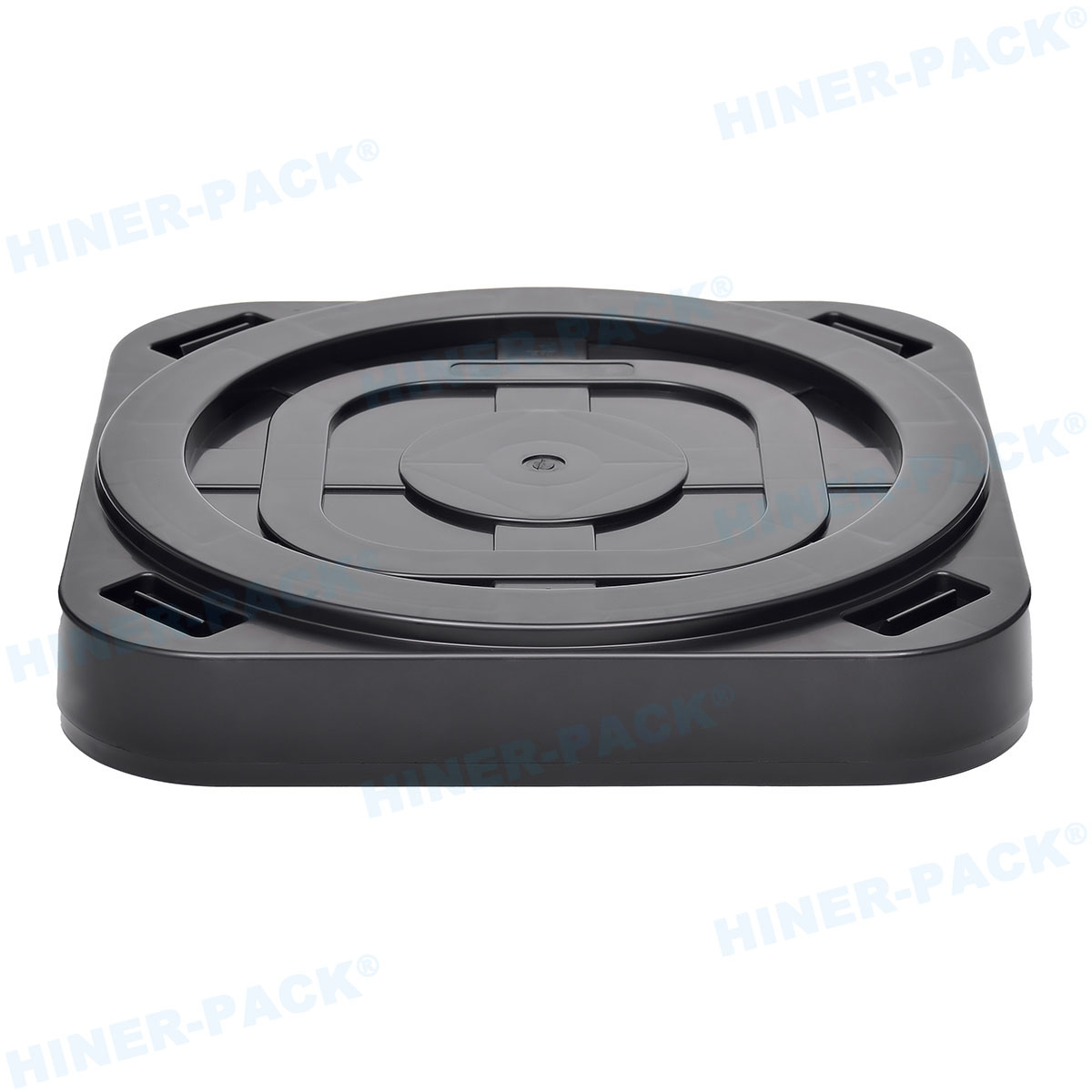
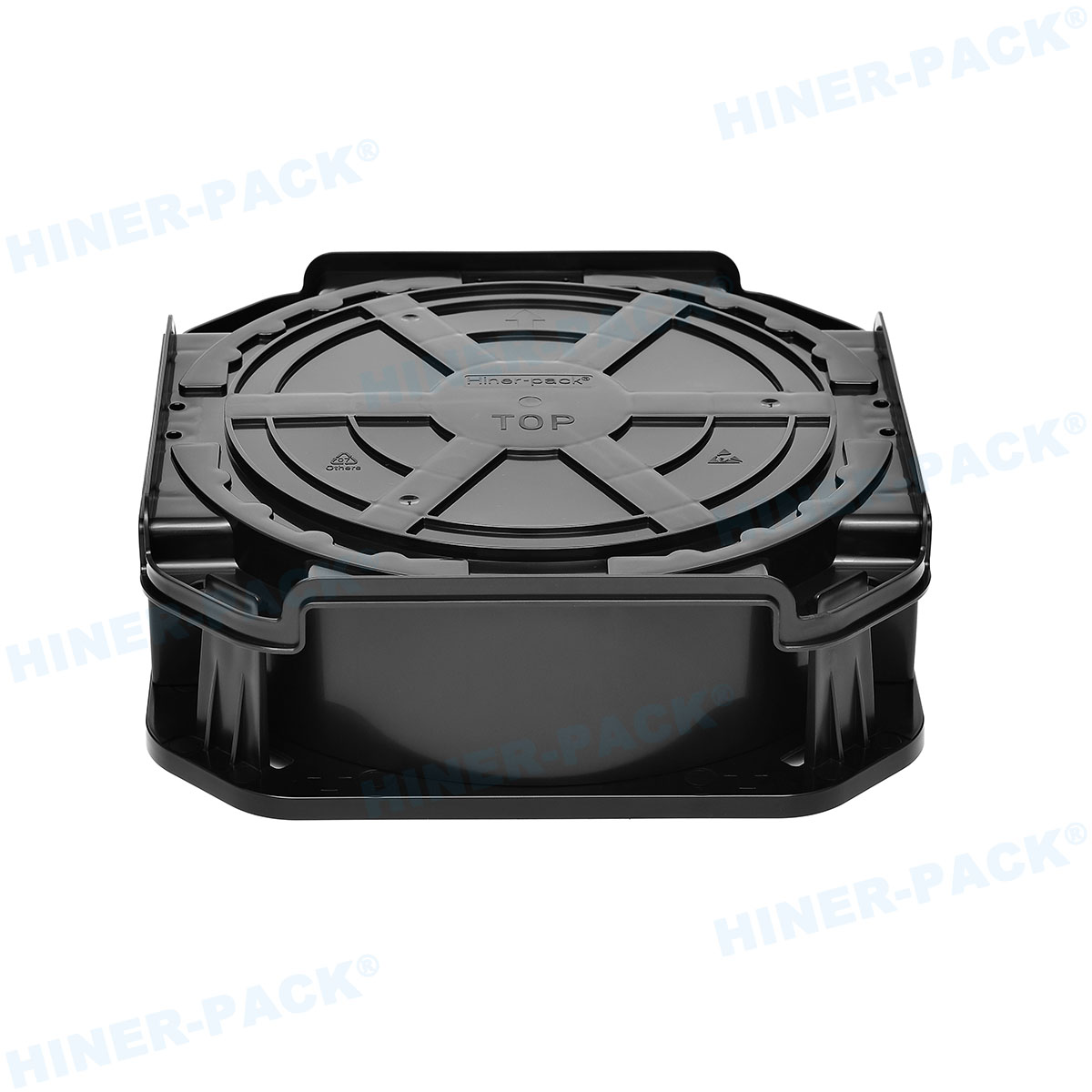
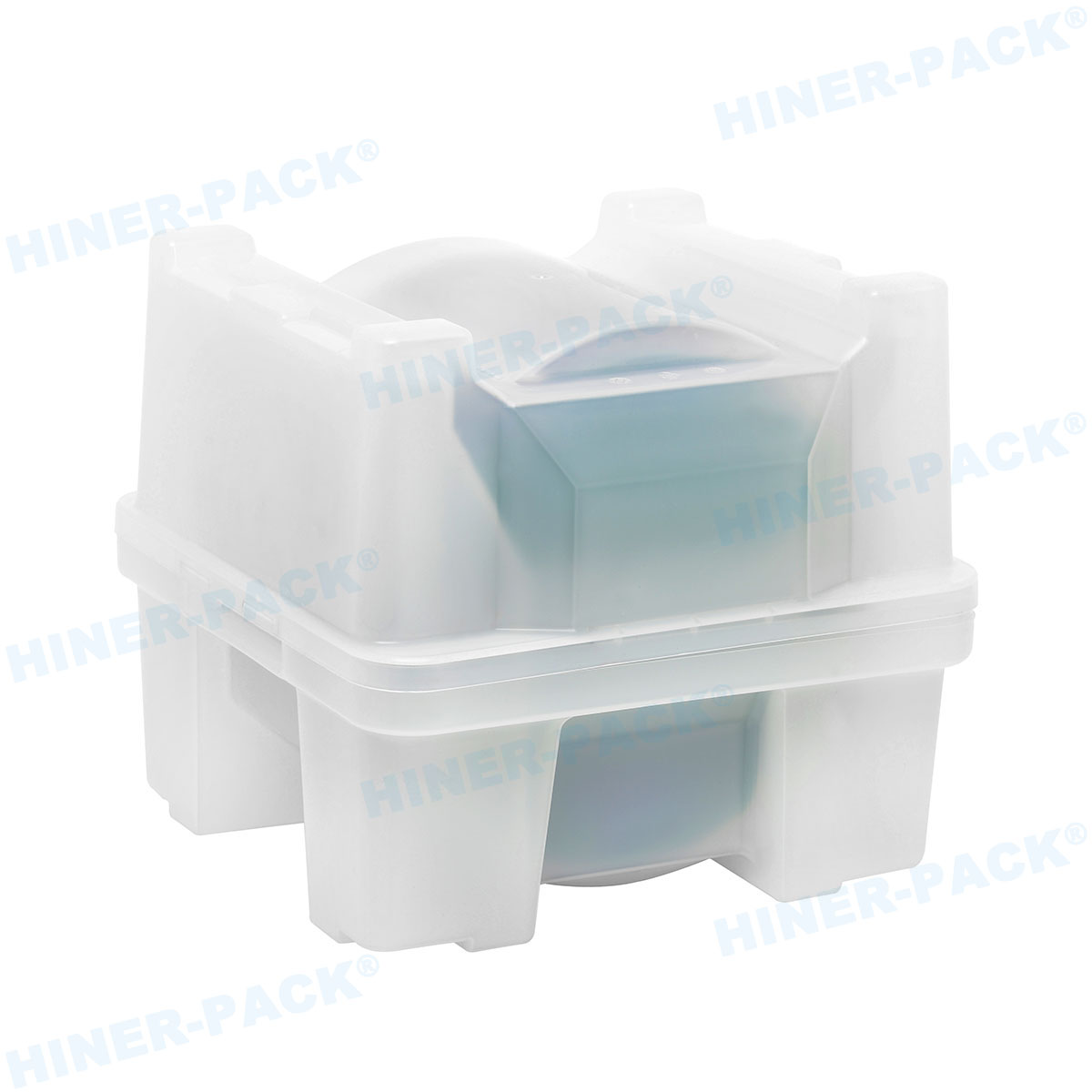
Semiconductor manufacturing leaves zero room for error. When handling sensitive components like BGAs, CSPs, or QFPs, the physical platform that holds these chips becomes as critical as the chips themselves. This is where the standard matrix tray plays a pivotal role. However, simply having a standard tray is not enough. The process of JEDEC tray stacking is a fundamental operation that impacts throughput, safety, and automation efficiency.
If trays do not stack perfectly, machines jam. If the stack shifts during transport, pins get bent. For companies utilizing Hiner-pack solutions, precision in these plastic carriers ensures that the backend processing line runs without costly interruptions. This article examines the technical nuances of stacking, material stability, and how to maintain integrity across your supply chain.
The Engineering Behind JEDEC Tray Stacking
At first glance, stacking trays seems simple. You place one on top of another. But in a cleanroom environment, the physics involved are complex. The JEDEC standard outlines specific dimensions for matrix trays to ensure cross-manufacturer compatibility.
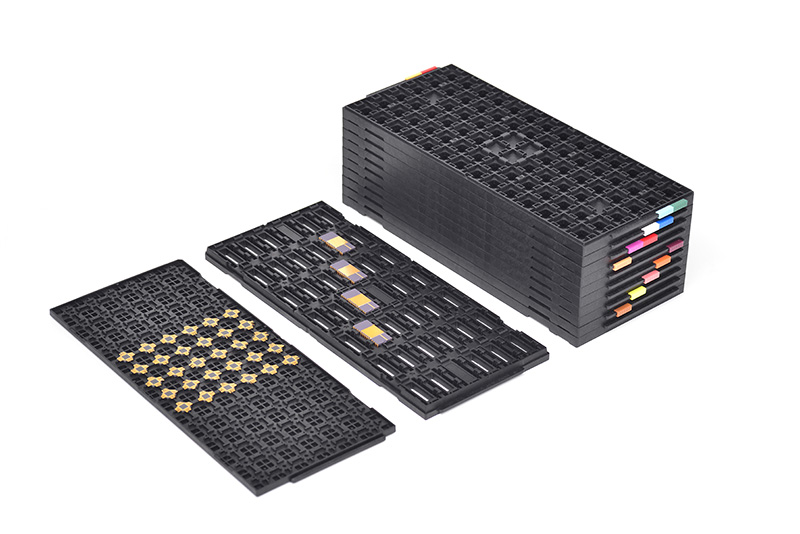
JEDEC tray stacking relies on precise interlocking geometry. The bottom perimeter of the top tray must sit flush against the top rail of the bottom tray. This "nesting" action prevents lateral movement.
If the molding tolerance is off by even a fraction of a millimeter, the stack becomes unstable. As the stack grows higher—often up to ten or twenty trays in a bundle—any minor deviation at the bottom is amplified at the top. This "leaning tower" effect is a nightmare for automated handling systems.
Material Stability and Warpage Control
Successful JEDEC tray stacking is directly tied to the thermal stability of the material used. Trays are often subjected to high-temperature baking processes to remove moisture from the ICs before dry packing.
Common materials include MPPO (Modified Polyphenylene Oxide) or PPE. If a tray is made from inferior composite materials, it will warp when exposed to temperatures like 125°C or 150°C.
A warped tray does not stack flat. It creates gaps. When a vacuum pick-up head attempts to lift a chip from a warped tray, the Z-height is inconsistent. This leads to vacuum errors or, worse, cracked die. Hiner-pack engineers focus heavily on maintaining high heat deflection temperatures to ensure that trays remain perfectly flat after baking, guaranteeing that the stacking profile remains uniform.
Automation Compatibility with JEDEC Tray Stacking
Modern Surface Mount Technology (SMT) lines and test handlers rely on standardized inputs. The input elevator of a pick-and-place machine expects a perfectly aligned stack.
When JEDEC tray stacking is performed correctly, the machine can feed trays continuously. The critical dimension here is the "stack pitch"—the vertical distance added by each tray.
If the stack pitch varies because of wear and tear or poor manufacturing, the elevator mechanism may jam. It might feed two trays at once or fail to strip the bottom tray.
Regular inspection of tray edges is vital. Chipped corners or burrs from the molding process can interfere with the smooth sliding action required by most destacking modules.
ESD Risks During the Stacking Process
Electrostatic Discharge (ESD) is the silent killer of semiconductor yield. Every time two surfaces separate, static charge can generate. This is known as tribocharging.
In the context of JEDEC tray stacking, the act of lifting a tray off a stack creates friction. If the tray material is not properly doped with conductive carbon or dissipative coatings, this action can generate thousands of volts.
The curren travels instantly through the path of least resistance, which is often the solder balls or pins of the IC stting in the pocket. High-qualitytrays maintain a surface resistance typically between 10 and 10ll ohms. This range allows charges to bleed off slowly rather than sparking,protecting the components during the stacking and destacking sequences.
The Role of Hiner-pack in Component Safety
Choosing the right partner for your packaging consumables changes the reliability of your operation. Hiner-pack has developed a reputation for tight tolerance control.
In the world of JEDEC tray stacking, consistency is the only metric that matters. A tray purchased two years ago must stack perfectly with a tray purchased today. Hiner-pack achieves this through rigorous mold maintenance and raw material verification.
Whether you are handling fragile wafers or robust IGBT modules, the tray design must accommodate the specific weight and center of gravity of the component to prevent shifting within the stack.
Handling Logistics and Shipping Configurations
Once the trays are stacked, they must be secured for shipment. This is often where damage occurs. A loose stack will vibrate during transit, causing components to abrade against the pocket walls.
Industry standards usually dictate a "bundle" configuration. This consists of a specific number of loaded trays, topped with an empty "cover tray" to protect the top layer.
The strapping used to secure the JEDEC tray stacking bundle must apply even pressure. If the strap is too tight, it bends the trays. If it is too loose, the trays slide.
Using ESD-safe straps and proper corner protectors is essential. Hiner-pack recommends vacuum sealing these stacks in Moisture Barrier Bags (MBB) immediately after baking to lock in the dryness and secure the stack geometry.
Visual Inspection Standards
Operators should be trained to identify issues before trays enter the machine. A visual check of the JEDEC tray stacking alignment can save hours of downtime.
Look for "gapping" between layers. If you see light coming through the horizontal seam between two trays, they are not nested correctly. This could be due to debris in the track or a deformed tray.
Color consistency is another indicator. While color doesn't affect dimensions, discoloration can indicate thermal stress from previous baking cycles, suggesting the material properties might be compromised.
Maintaining Tray Life and Recycling
JEDEC trays are durable, but they are not immortal. Repeated cycling through high-temperature ovens eventually degrades the plastic matrix.
As the material becomes brittle, the interlocking tabs used for JEDEC tray stacking can snap off. A broken tab means the tray can no longer be securely stacked.
Companies should implement a lifecycle management system. Mark trays based on their usage cycles. Hiner-pack supports sustainability by offering recyclable options, but operationally, it is crucial to retire trays that no longer meet the flatness specifications required for automated stacking.
The integrity of semiconductor manufacturing relies on details that often go unnoticed. JEDEC tray stacking is more than just storage; it is a precision interface between the component and the machine. By understanding the thermal, mechanical, and electrostatic factors at play, manufacturers can significantly reduce yield loss.
From selecting the right materials to ensuring correct strap tension during logistics, every step matters. Brands like Hiner-pack continue to innovate, providing the structural reliability needed for today's miniaturized electronics. Prioritizing correct stacking procedures ensures that your production line remains efficient, safe, and profitable.
Frequently Asked Questions (FAQ)
Q1: What is the standard temperature rating for trays used in JEDEC tray stacking?
A1: Standard JEDEC trays typically come in two temperature ratings: low-temp (usually up to 60°C for shipping) and high-temp (usually up to 150°C or 180°C for baking). It is crucial not to mix these types in a stack if the stack will be placed in an oven, as the low-temp trays will melt or warp, destroying the stack stability.
Q2: How does JEDEC tray stacking impact automated pick-and-place machines?
A2: Automated machines rely on a consistent "Z-height" or pitch. If the JEDEC tray stacking is uneven due to warpage or debris, the machine's feeder elevator cannot index the next tray correctly. This leads to jams, machine stoppages, or the vacuum nozzle crashing into the tray, potentially damaging the machine head.
Q3: Can I stack trays from different manufacturers together?
A3: Theoretically, yes, provided they both adhere strictly to JEDEC dimensions. However, in practice, slight variations in mold tolerances or material shrinkage between manufacturers can cause the stack to be unstable. It is generally recommended to use a single supplier, like Hiner-pack, to ensure perfect nesting and alignment.
Q4: What causes ESD damage during JEDEC tray stacking?
A4: ESD damage occurs when static charge builds up due to friction (tribocharging) as trays are slid or lifted apart. If the tray material is not sufficiently conductive or static-dissipative, this charge cannot bleed off safely. When the charge eventually jumps to a conductive component pin, it causes a short circuit or latent defect in the chip.
Q5: How many trays can be safely stacked in one bundle?
A5: While there is no hard limit, the industry standard for shipping is typically a "5+1" or "10+1" configuration (10 loaded trays plus 1 cover tray). Stacking too high (e.g., over 20) increases the risk of the stack tipping over and makes it difficult for operators to handle the bundle safely without causing internal movement of the components.