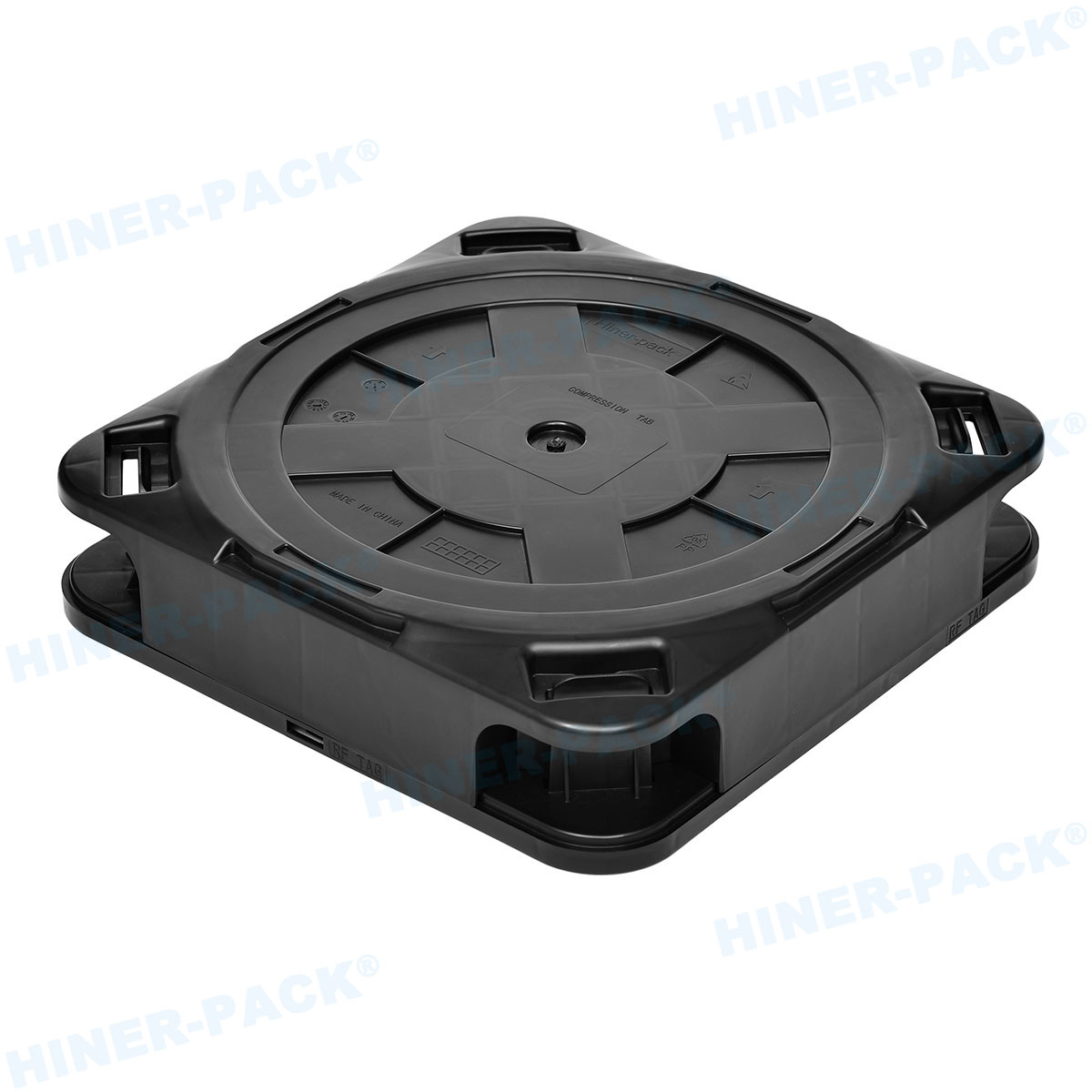
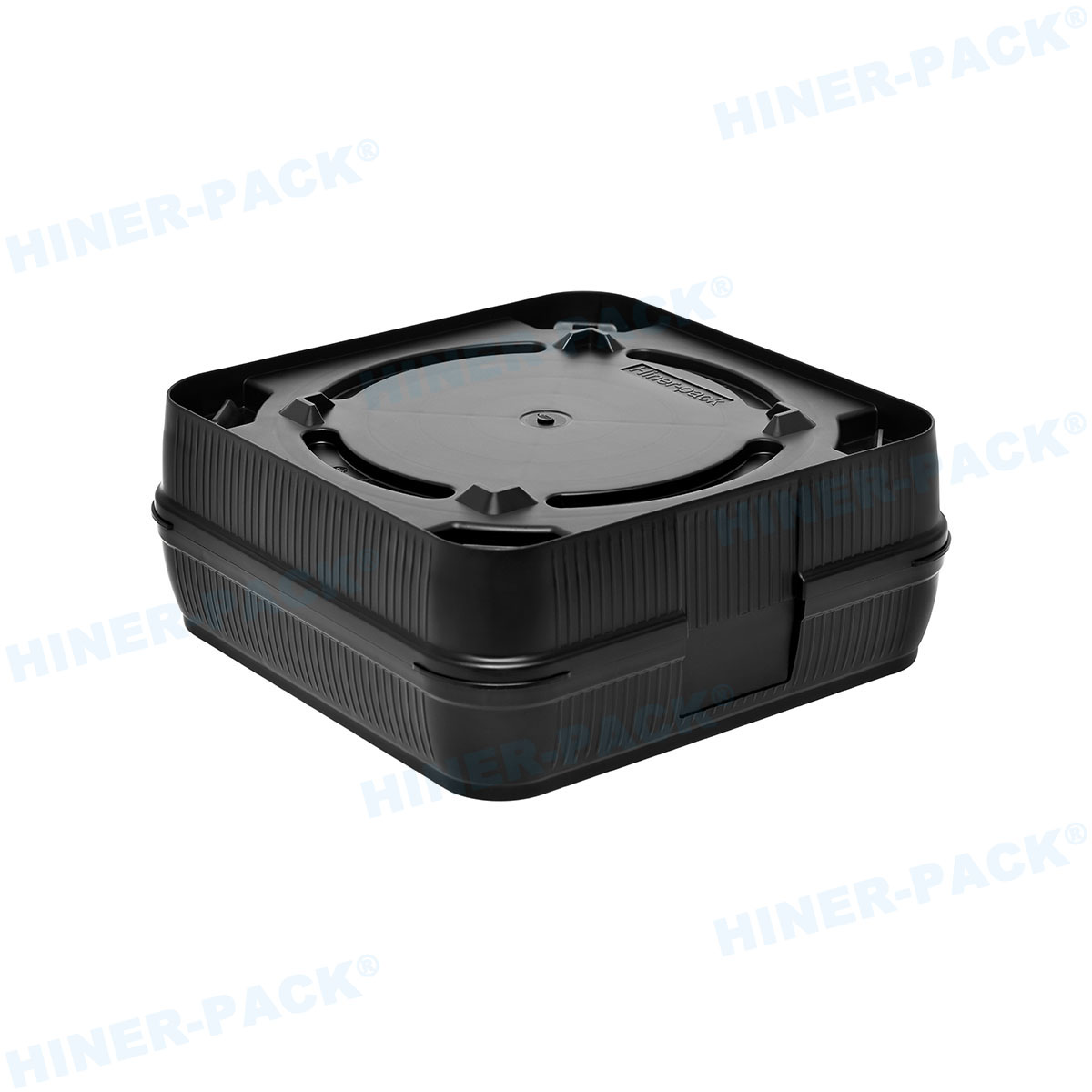
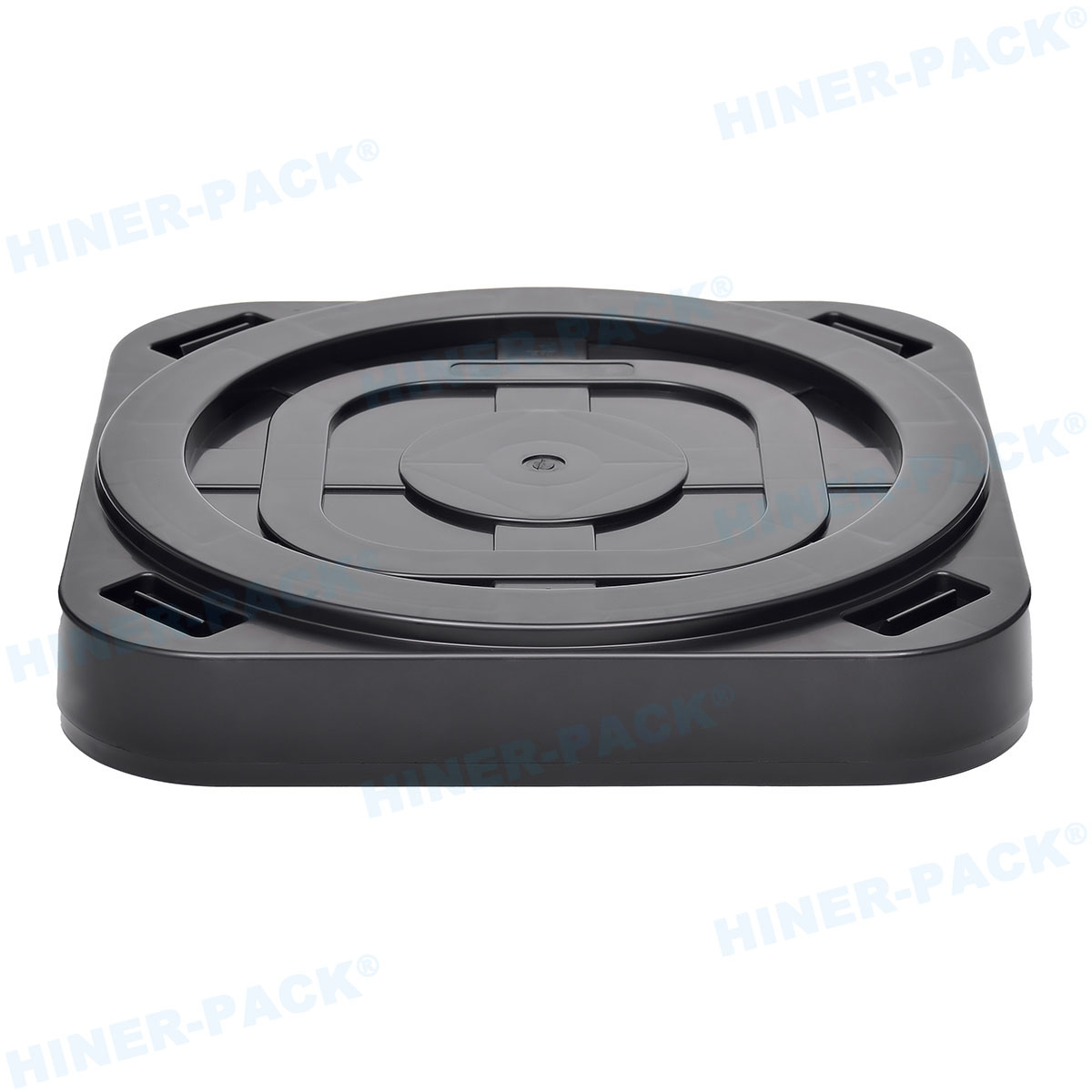
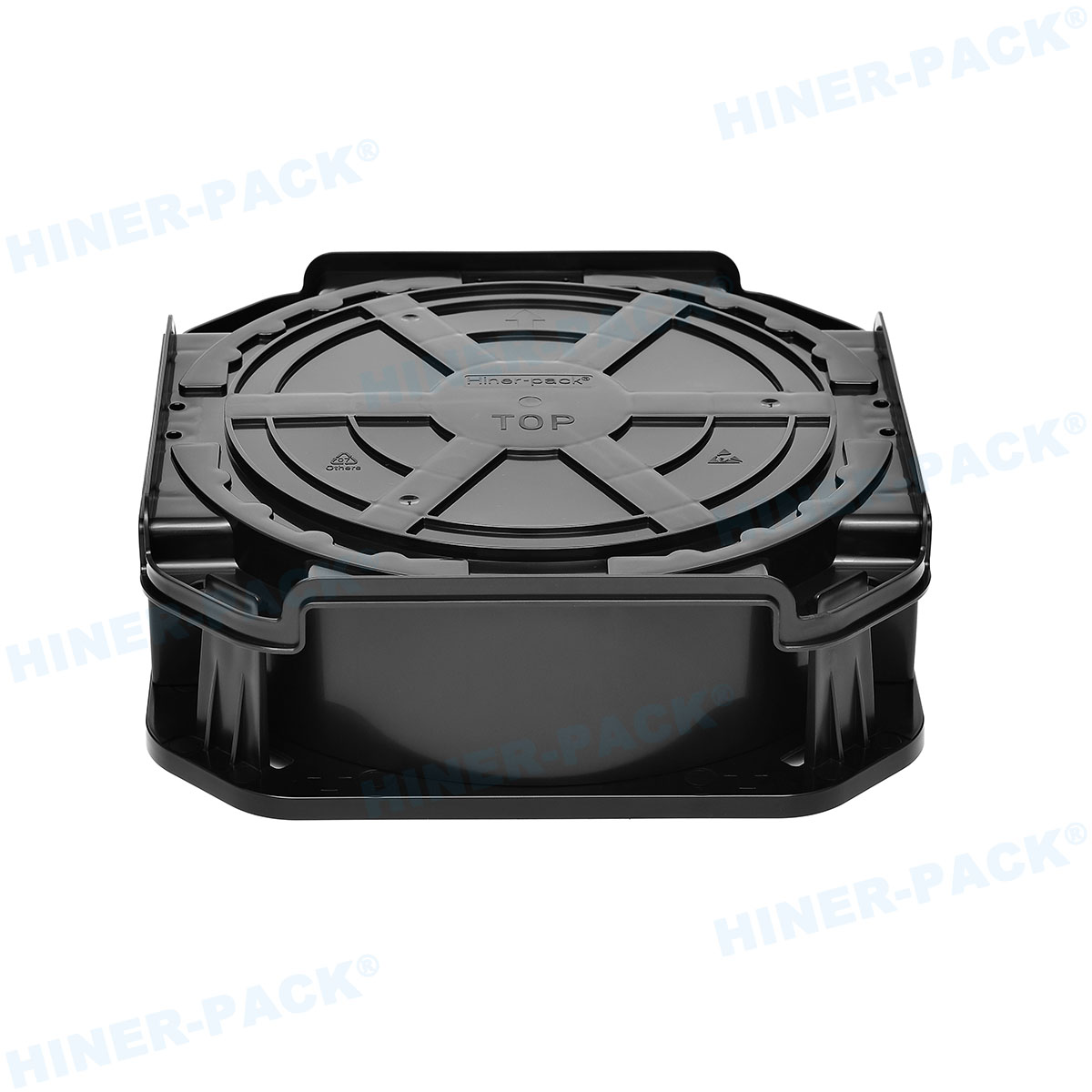
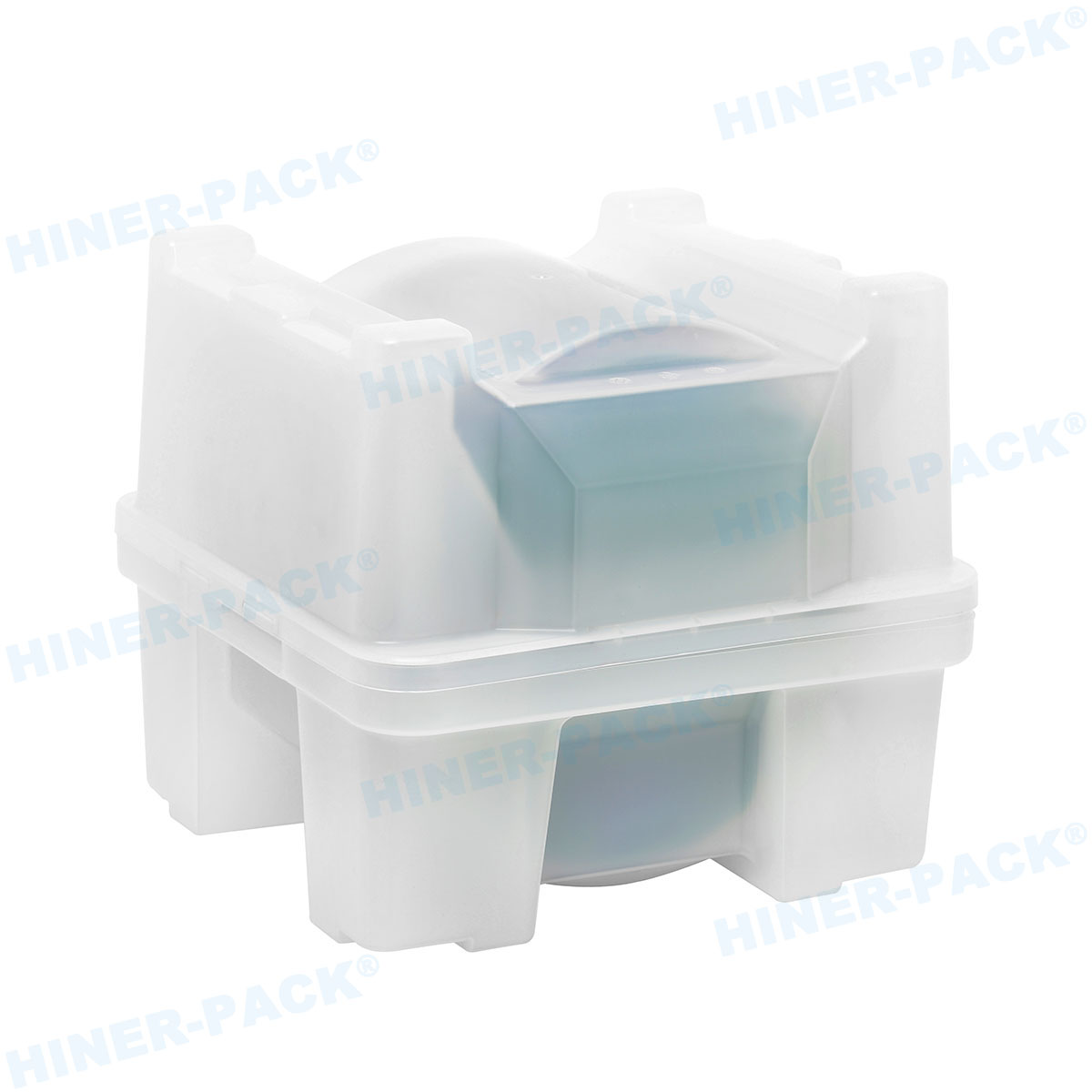
In advanced semiconductor manufacturing, the physical and electrical integrity of bare wafers during inter-facility transport and long-term storage is a persistent challenge. Standard carriers often fail to mitigate three simultaneous threats: mechanical shock, electrostatic discharge (ESD), and molecular contamination. This is where the gel box architecture provides a differentiated engineering response. Unlike rigid trays or foam inserts, a professional-grade gel box embeds wafers within a viscoelastic, static-dissipative gel matrix, combined with a vacuum-release lid mechanism. This article examines the physics, cleanroom validation protocols, and procurement criteria for gel boxes, referencing proven solutions from Hiner-pack—a specialized supplier in wafer carrier systems.
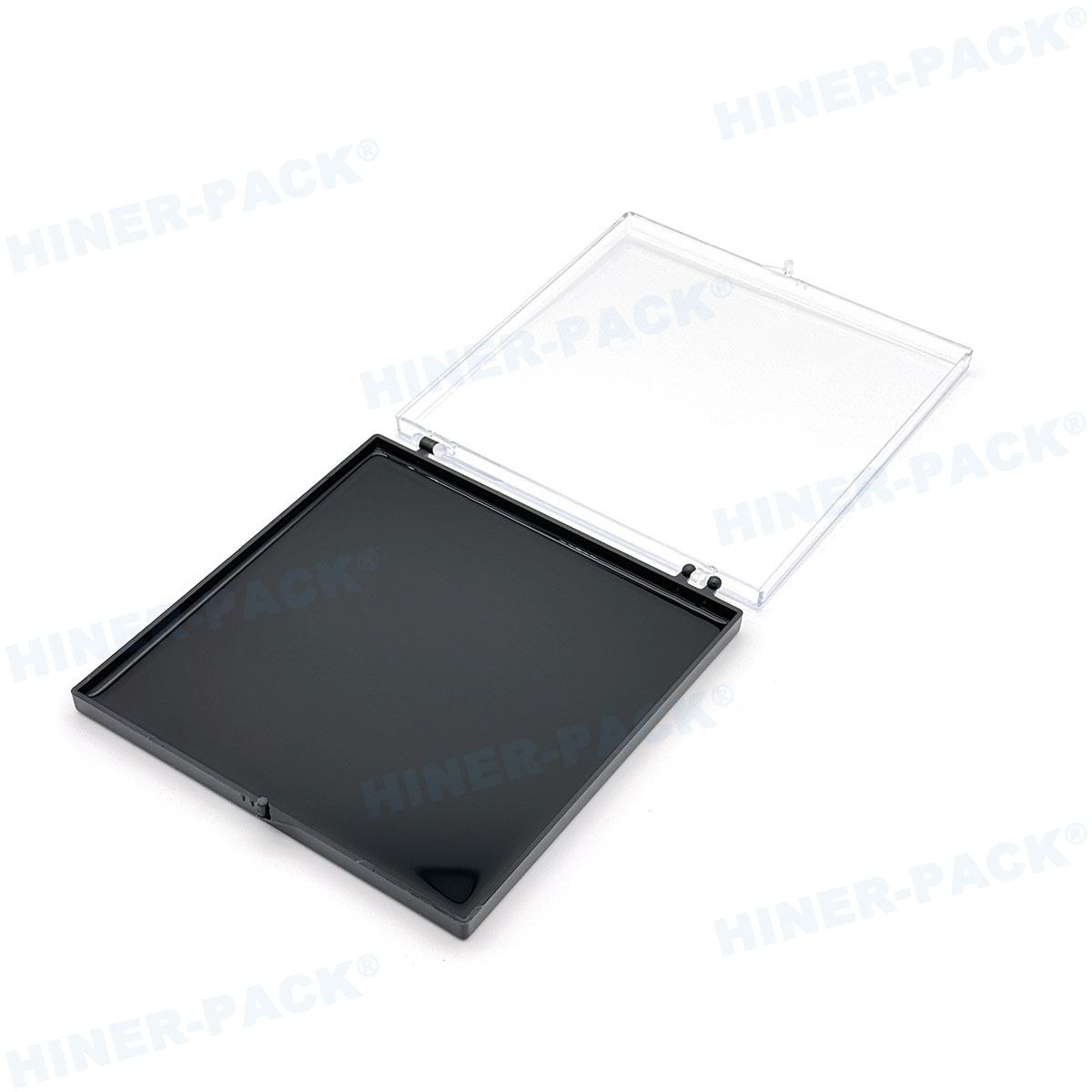
1. Physical Construction and Material Science of the Gel Box
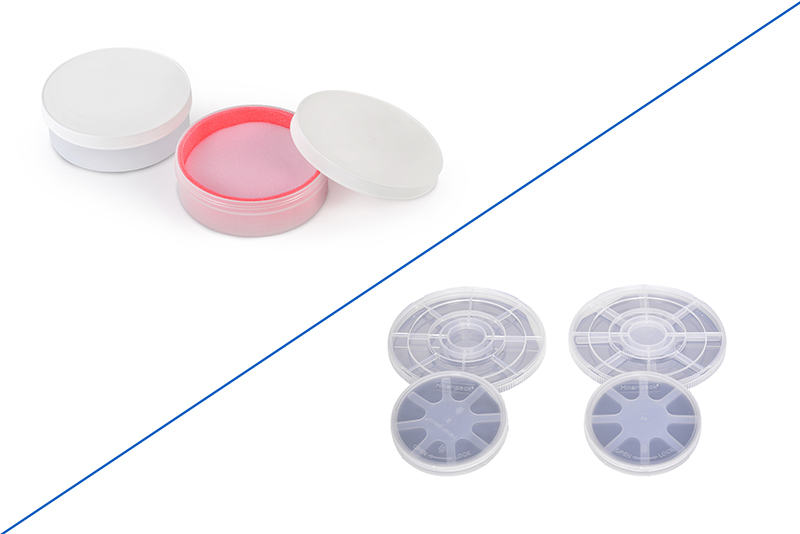
A high-performance gel box consists of three critical subsystems: the outer rigid shell (typically polycarbonate or PES), the internal gel cushion layer, and the vacuum-release sealing interface. The gel itself is not a simple silicone pad; it is a formulated thermoset or thermoplastic elastomer with controlled durometer (shore 00 scale 30–50) and surface resistivity between 10⁶ – 10⁹ Ω/sq to satisfy ANSI/ESD S20.20 standards. Key material properties include:
Low outgassing (ASTM E595): Total Mass Loss (TML) <0.5%, Collected Volatile Condensable Materials (CVCM) <0.1% to prevent lens fogging or photoresist contamination.
Controlled adhesion: Gel surface tack is optimized to secure wafers without leaving residue, even after 12 months of storage.
Vacuum release compatibility: The gel layer includes micro-channels allowing air evacuation when the box is sealed, and controlled ingress when the vacuum button is pressed.
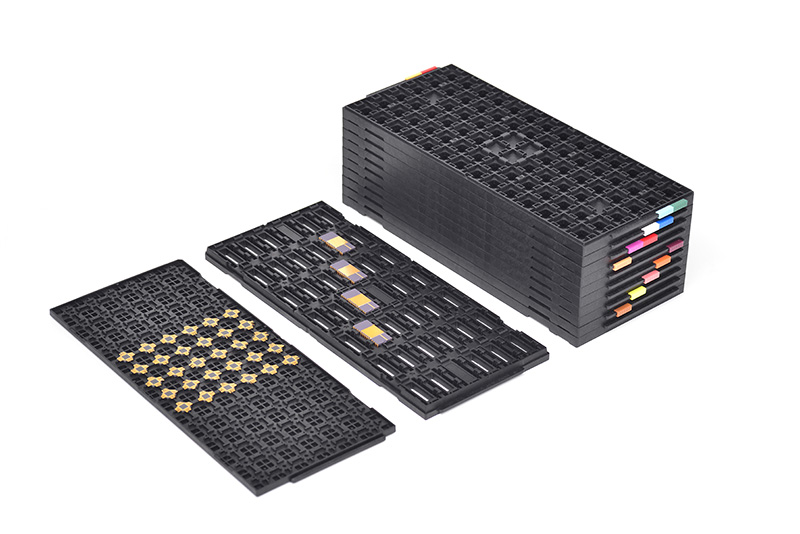
For wafer carriers and accessories, the gel box offers a distinct advantage over JEDEC trays or waffle packs: distributed load support. While a JEDEC tray supports only wafer edges, the gel supports the entire backside, reducing die stress by up to 70% in drop tests (ISTA 2A standard).
2. Critical Applications and Industry Pain Points Solved by Gel Boxes
2.1 Thin Wafer Handling (≤100µm)
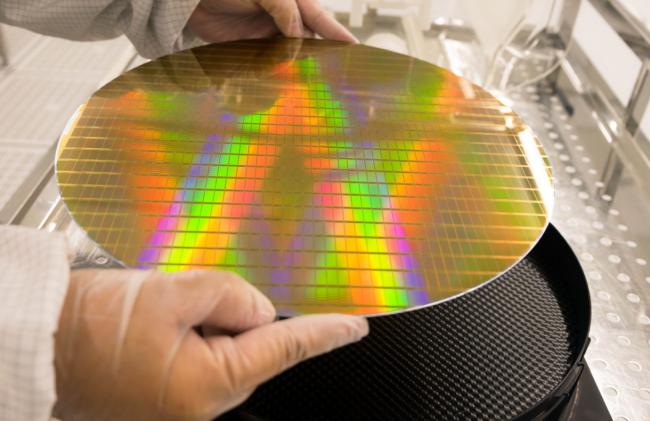
Ultra-thin wafers for 3D stacking or power devices are highly fragile. Conventional shippers risk edge chipping or crack propagation. A gel box with conformal gel layer eliminates point-loading. Leading fabs use gel boxes for temporary bonding/debonding transport.
2.2 Known Good Die (KGD) Storage
After wafer sort, known good dice require contamination-free storage before final assembly. Gel boxes provide individual die isolation, preventing die-to-die scratching. The static-dissipative gel also prevents charge buildup that could damage gate oxides.
2.3 Vacuum Release for Cleanroom Workflow
Traditional hermetic boxes require tools to open, risking wafer pop-out. The vacuum-release mechanism—a one-way valve integrated into the lid—allows controlled pressure equalization. Pressing the valve reduces internal vacuum (originally 50–70 kPa), enabling smooth lid removal without particle generation. This feature is critical for ISO 5 cleanrooms where particle counts must remain below 3,520 per cubic meter.
Many engineers ask: “How does a gel box compare to a standard shipping tray?” The table below summarizes key differences:
| Feature                     | Gel Box                               | Standard JEDEC/Waffle Pack          |
|-----------------------------|---------------------------------------|--------------------------------------|
| Shock absorption            | Full-surface gel (viscoelastic)       | Edge-only supports or foam           |
| ESD protection (surface)    | 10⁶ – 10⁹ Ω/sq (dissipative gel)      | Often untreated plastic (10¹² Ω/sq) |
| Particle shedding           | <10 particles >0.1µm/cm²/week        | 50–200 particles under vibration     |
| Vacuum seal                 | Yes (with release valve)              | No (latch only)                      |
3. Validation Protocols: What to Demand from a Gel Box Supplier
For procurement engineers, specifying a gel box requires data-driven evidence. Demand the following test reports from your vendor, such as those provided by Hiner-pack:
Vibration (ISTA 3A): Random vibration profile for 60 minutes with acceleration 0.74 Grms – no die shift or surface abrasion.
Drop (ISTA 1A): 38cm free fall on concrete – no wafer fracture or gel delamination.
Cleanliness (SEMI E49.5): Extractable ions (Cl⁻, SO₄²⁻, NH₄⁺) <0.05 µg/cm²; metals (Na, K, Fe) <0.01 µg/cm².
Vacuum decay: After sealing at 0.6 atm, pressure rise <10% over 72 hours.
Additionally, the gel must be compatible with common wafer materials (Si, GaAs, SiC) and any backside coatings (polyimide, metal). A mismatch can cause chemical migration; therefore, request a Material Compatibility Certificate.
4. Best Practices for Gel Box Integration in Frontend and Backend Fabs
To maximize the benefits of a gel box system, follow these operational protocols:
Pre-use cleaning: Even new boxes should be rinsed with DI water and IPA (if specified by gel supplier) to remove any mold-release agents.
Nitrogen purge (optional): For oxidation-sensitive devices (e.g., copper pillars), purge the box with N₂ before sealing vacuum. The gel will not degrade under inert atmosphere.
Labeling: Use low-VOC labels only on the box exterior, never on gel surface.
Periodic gel inspection: After 50–100 cycles, check for indentation set or tearing. Replace if gel no longer recovers to original thickness.
For high-mix fabs, Hiner-pack’s product line includes customizable gel boxes with cut-out patterns for 2”, 4”, 6”, 8”, and 12” wafers, as well as gel sheets for die-level applications. They also offer vacuum-release boxes compatible with automated wafer handling systems (SMIF pods).
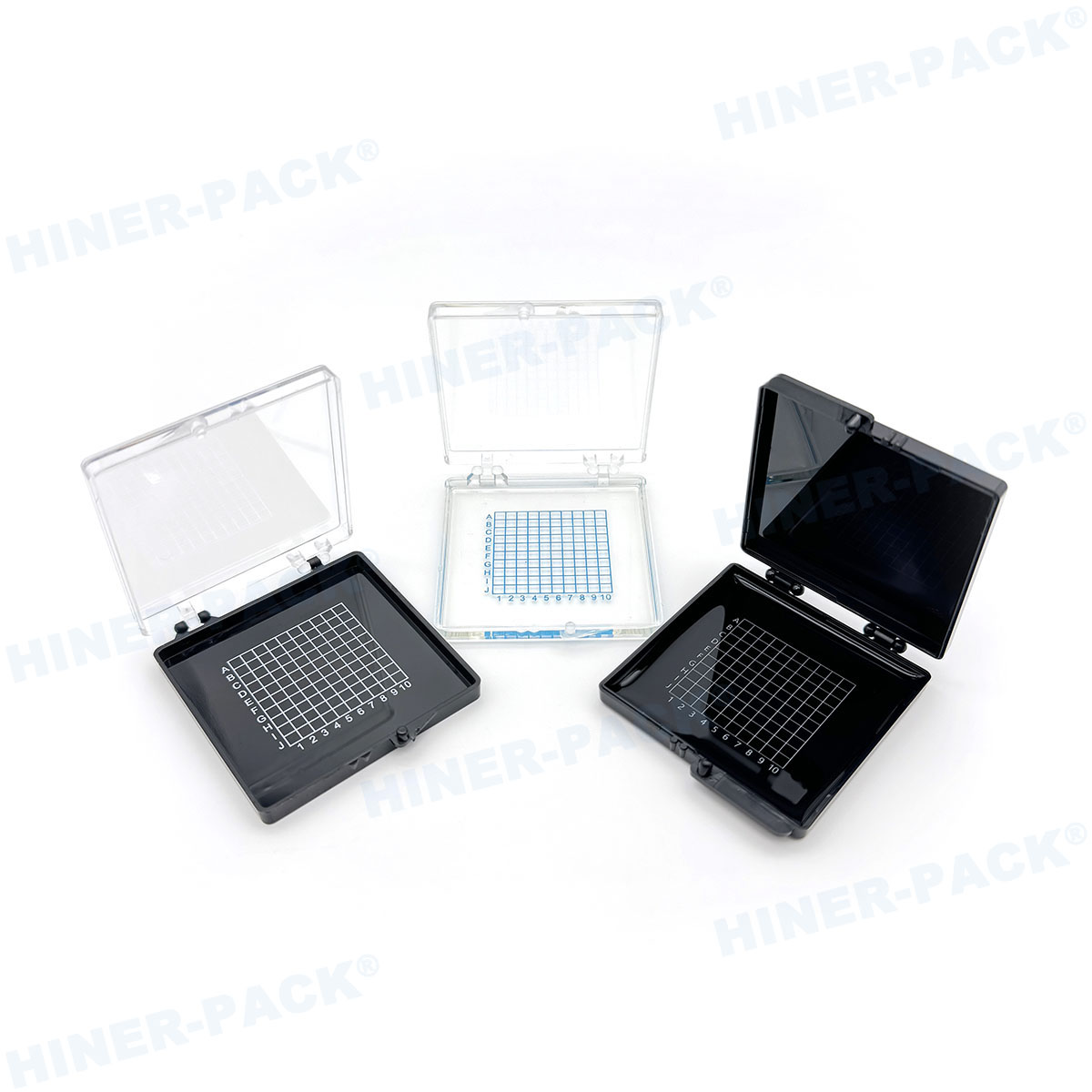
5. Economic and Operational Benefits: ROI of Switching to Gel Boxes
Although the unit cost of a gel box is higher than a basic waffle pack (approximately 2.5–4x), the total cost of ownership (TCO) is often lower due to reduced yield loss. A typical 300mm fab processing 50,000 wafers/month may see:
Yield improvement: 0.8%–1.2% reduction in edge cracks and die scratches → annual savings $1.2M–$2M (based on $5k/wafer value).
Lower rework: Fewer particle-induced defects during photolithography → saving 150 labor hours/month.
Reusability: Gel boxes survive 100+ cycles if properly maintained, versus single-use gel packs. Amortized cost per ship drops to $0.80–$1.50.
Moreover, the vacuum-release feature reduces operator training time – no special tools needed, and less risk of dropping wafers during opening. For outsourced assembly and test (OSAT) providers, this directly improves cycle time.
Frequently Asked Questions (FAQ) about Gel Box Technology
Q1: What is the difference between a gel box and a standard gel
pack?
A1: A gel box is a rigid enclosure (plastic
shell) with an integrated gel layer and vacuum-release lid. A “gel pack”
typically refers to a flexible plastic bag filled with gel, used only for
cushioning without ESD control or vacuum sealing. For semiconductor wafer
shipping, only gel boxes provide the necessary cleanliness and mechanical
rigidity.
Q2: Can gel boxes be used for 450mm wafers or panel-level
packaging?
A2: Yes, but custom tooling is required. Most standard
gel boxes support up to 300mm. For 450mm or rectangular panels (510x515mm),
suppliers like Hiner-pack offer
engineering services to mold gel inserts into larger boxes. The gel formulation
remains similar, but the vacuum channel design must be adjusted for larger
volumes.
Q3: How do I clean a gel box if it becomes contaminated with
photoresist or flux?
A3: Avoid solvents that may swell the gel
(acetone, toluene). Instead, use a lint-free wipe with mild detergent (2%
Deconex) and DI water, then air dry in a cleanroom. For heavy organic residues,
the gel layer is replaceable – many gel boxes are designed with a
peel-and-replace gel sheet. Do not autoclave; high heat degrades gel
elasticity.
Q4: Are gel boxes compatible with automated wafer handling robots
(e.g., Brooks, Rorze)?
A4: Only if the gel box conforms to SEMI
E15.1 (mechanical interface standards). Some gel boxes include external
kinematic coupling pins. However, most fabs use gel boxes for manual or
semi-automated transport (inter-bay). For full automation, ask your supplier for
a “SMIF-compatible gel box” with a standardized 300mm pod door.
Q5: What is the shelf life of the gel material in a gel
box?
A5: Under cleanroom conditions (22°C, 40% RH, no UV exposure),
the gel retains >90% of its damping property for 3–5 years. However, the
vacuum seal (O-ring or gasket) may degrade faster – replace after 2 years.
Always check the date code on the box. Hiner-pack provides a certificate of
conformance with each shipment indicating gel batch and seal lot.
Conclusion and Technical Recommendation
The gel box is not a generic shipping container; it is a precision tool for yield-critical wafer and die handling. Its combined features – viscoelastic gel, dissipative ESD control, and vacuum-release mechanism – directly address the top three failure modes in semiconductor logistics: mechanical fracture, ESD damage, and particle contamination. When evaluating suppliers, prioritize those who provide ASTM, SEMI, and ISTA test data, not just marketing claims. Hiner-pack offers a validated line of gel boxes with customizable cutouts, full cleanroom certification, and vacuum-release options for 2” to 300mm wafers. For fabs and OSATs looking to reduce shipping-induced defects, migrating to gel boxes delivers measurable ROI within six months.
Ready to optimize your wafer handling workflow? Request technical specifications and sample testing for Hiner-pack gel boxes. Their engineering team provides on-site vacuum seal validation and custom gel hardness mapping. Send your inquiry today to discuss volume pricing, cleanroom certification reports, and lead times for 8”/12” configurations.
Inquiry contact: Hiner-pack – https://www.waferboxes.com/ | For bulk orders and custom gel box designs, use the online form or call +86 755 2322 9236. All inquiries receive a response within 24 business hours.