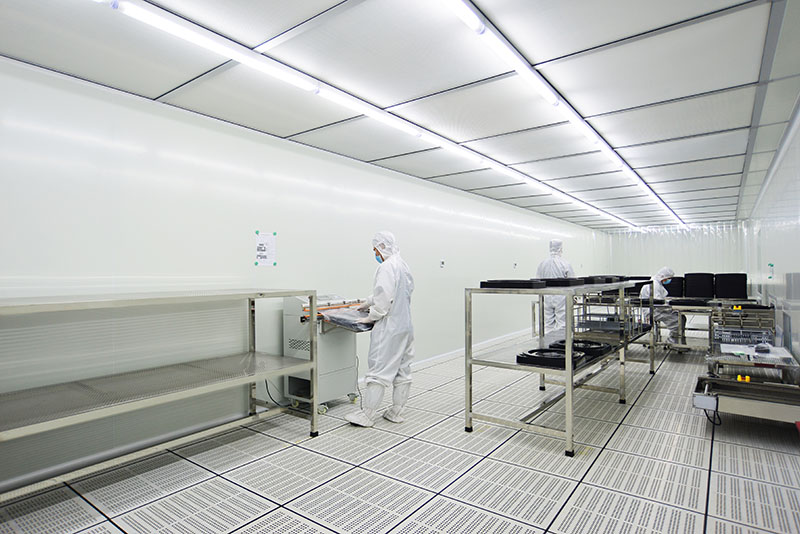
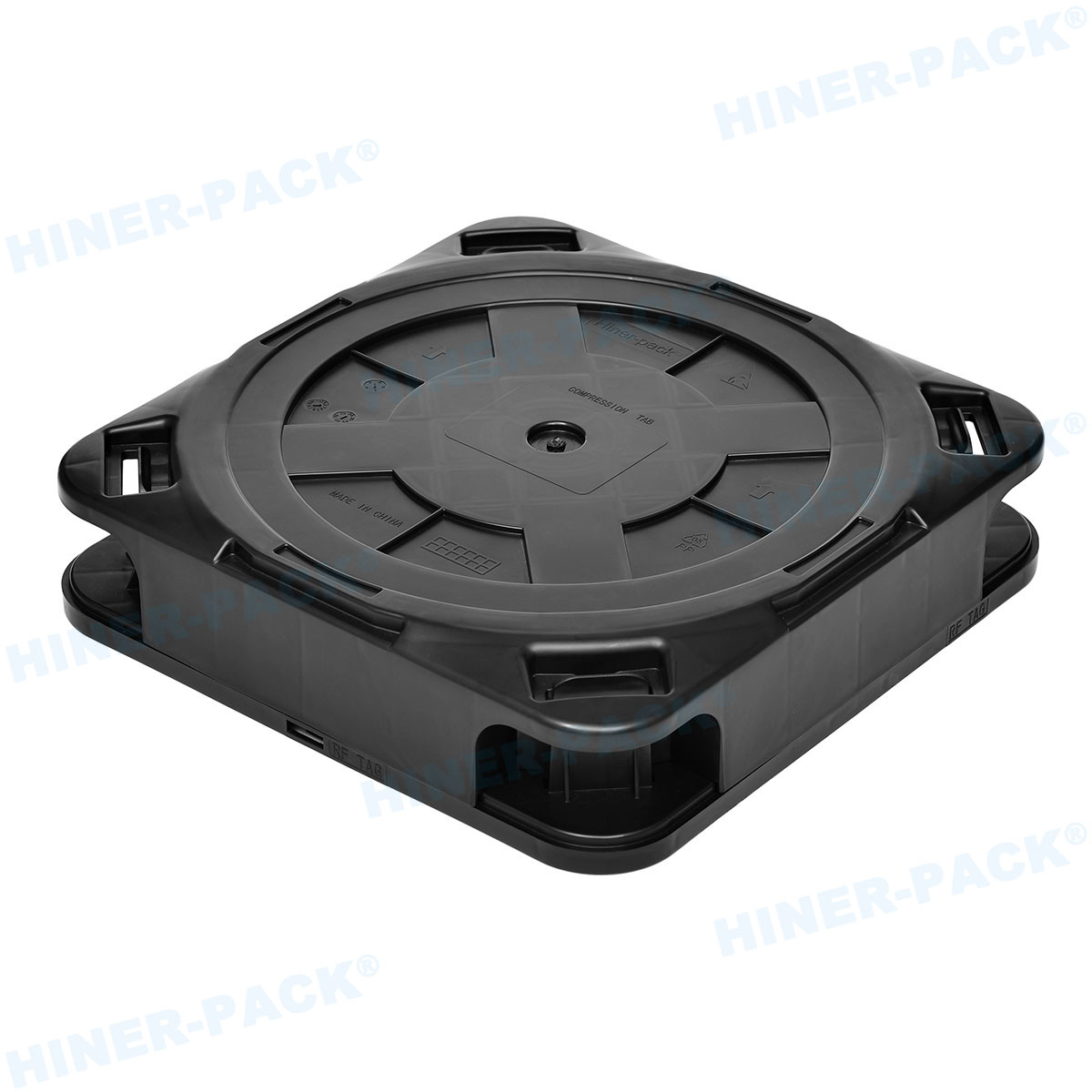
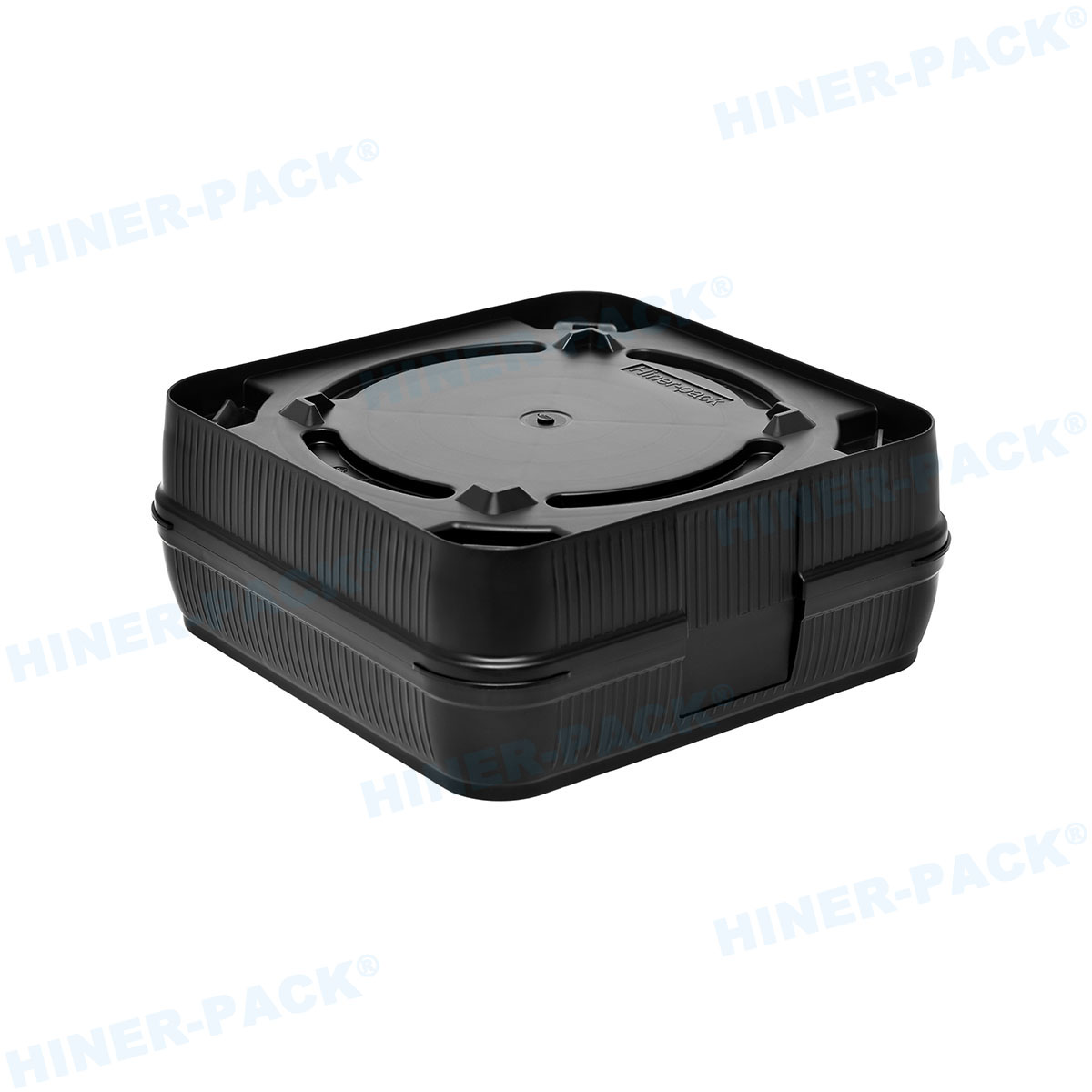
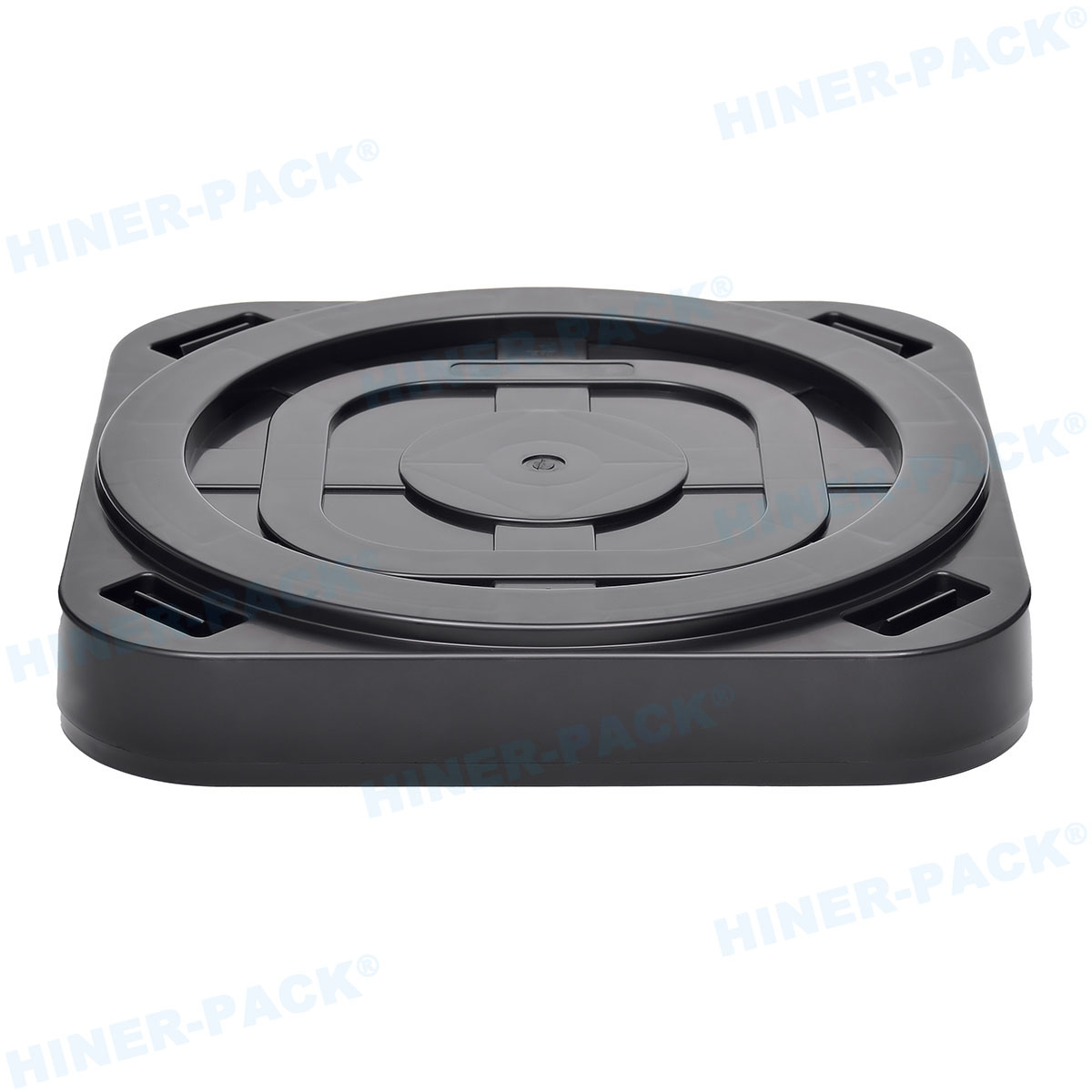
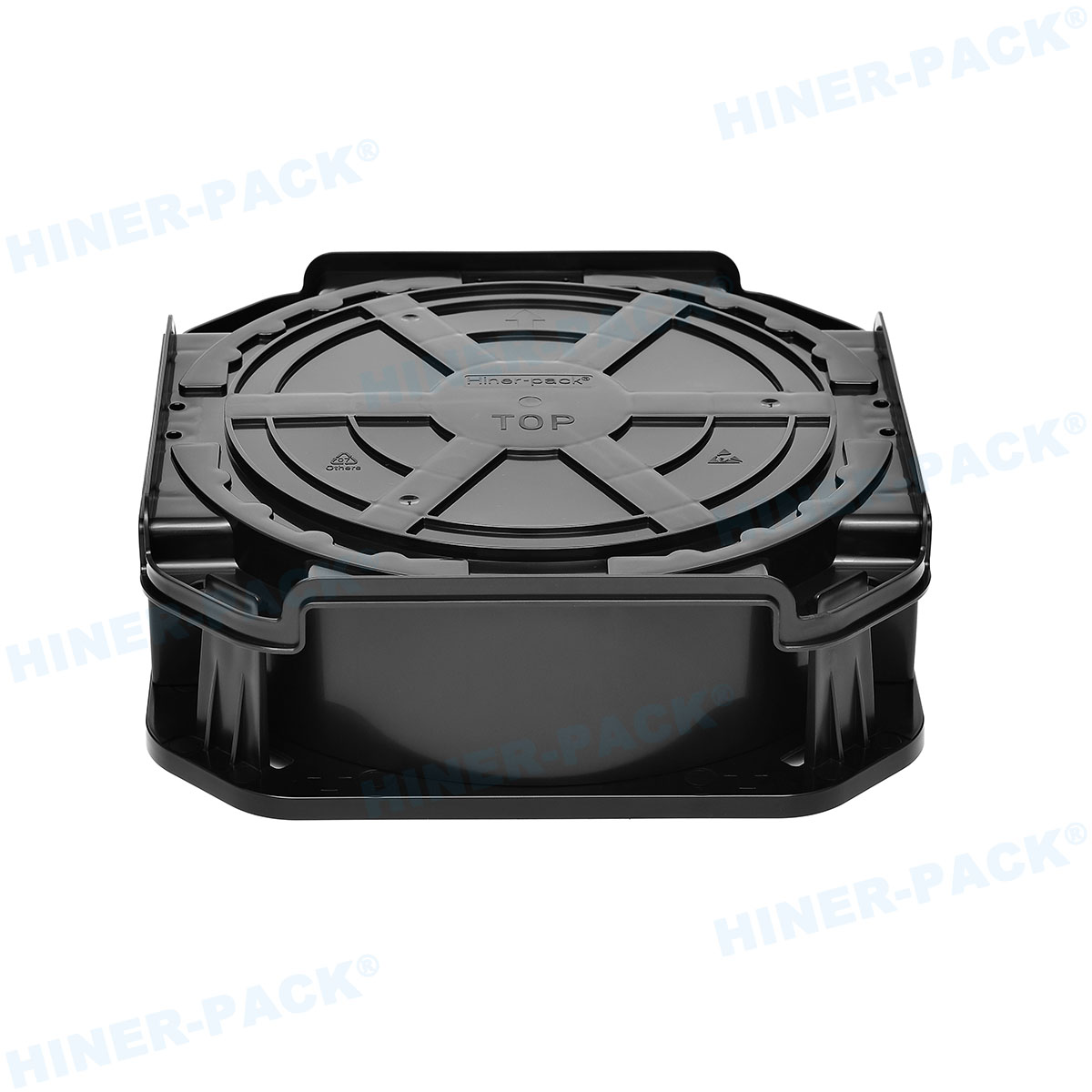
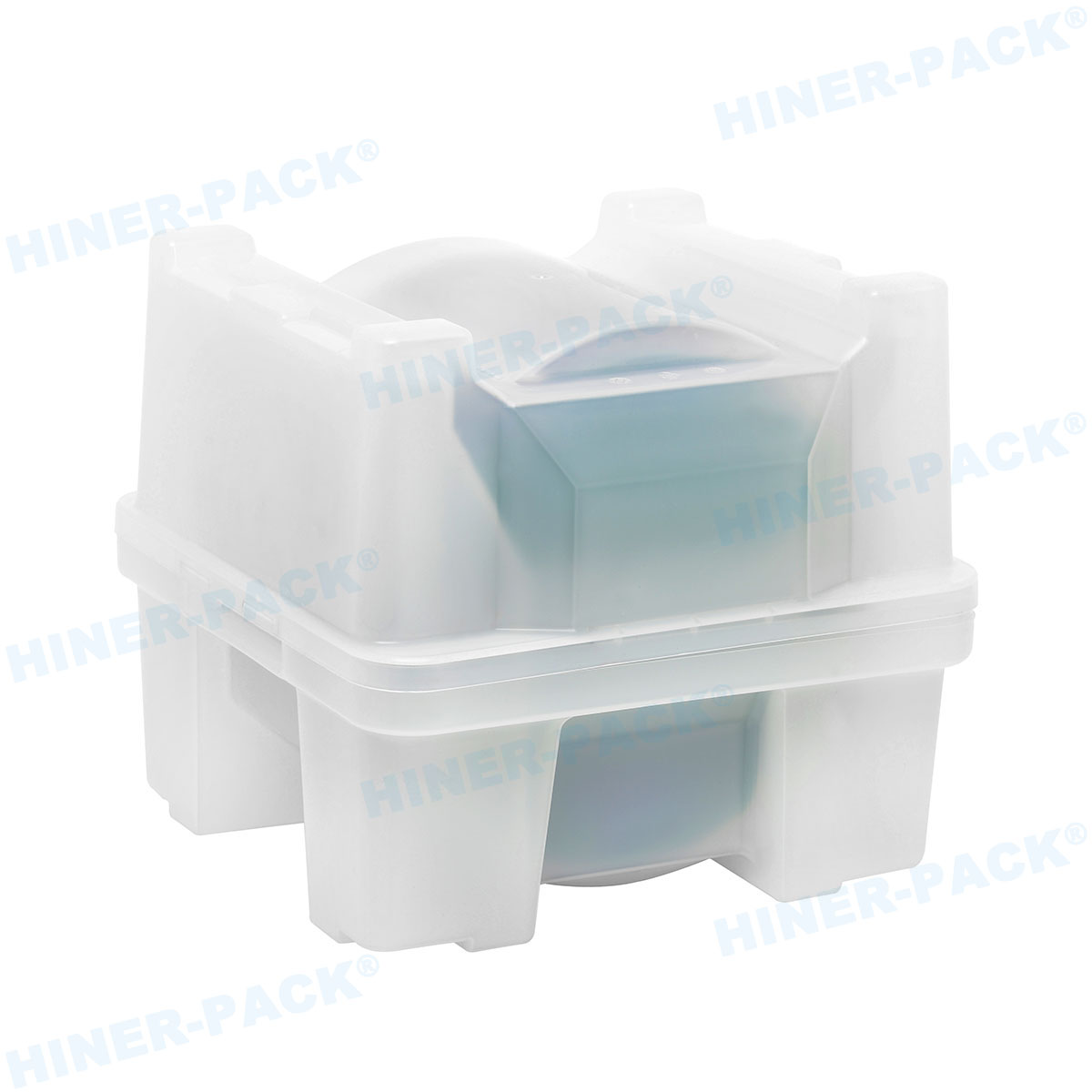
The relentless drive for smaller nodes and higher yields places immense pressure on semiconductor fabrication facilities. Cleanroom floor space is among the most expensive real estate on earth. Every square meter must be optimized. This is where high density wafer storage transitions from a luxury to an absolute operational necessity.
It’s a systematic approach to storing wafer carriers—like FOUPs, FOSBs, and cassettes—in a minimal footprint while ensuring maximum accessibility, traceability, and protection from contaminants. For fabs running 300mm and the emerging 450mm processes, implementing a smart storage strategy is critical for controlling costs and maintaining workflow efficiency.
Understanding the Core: What is High Density Wafer Storage?
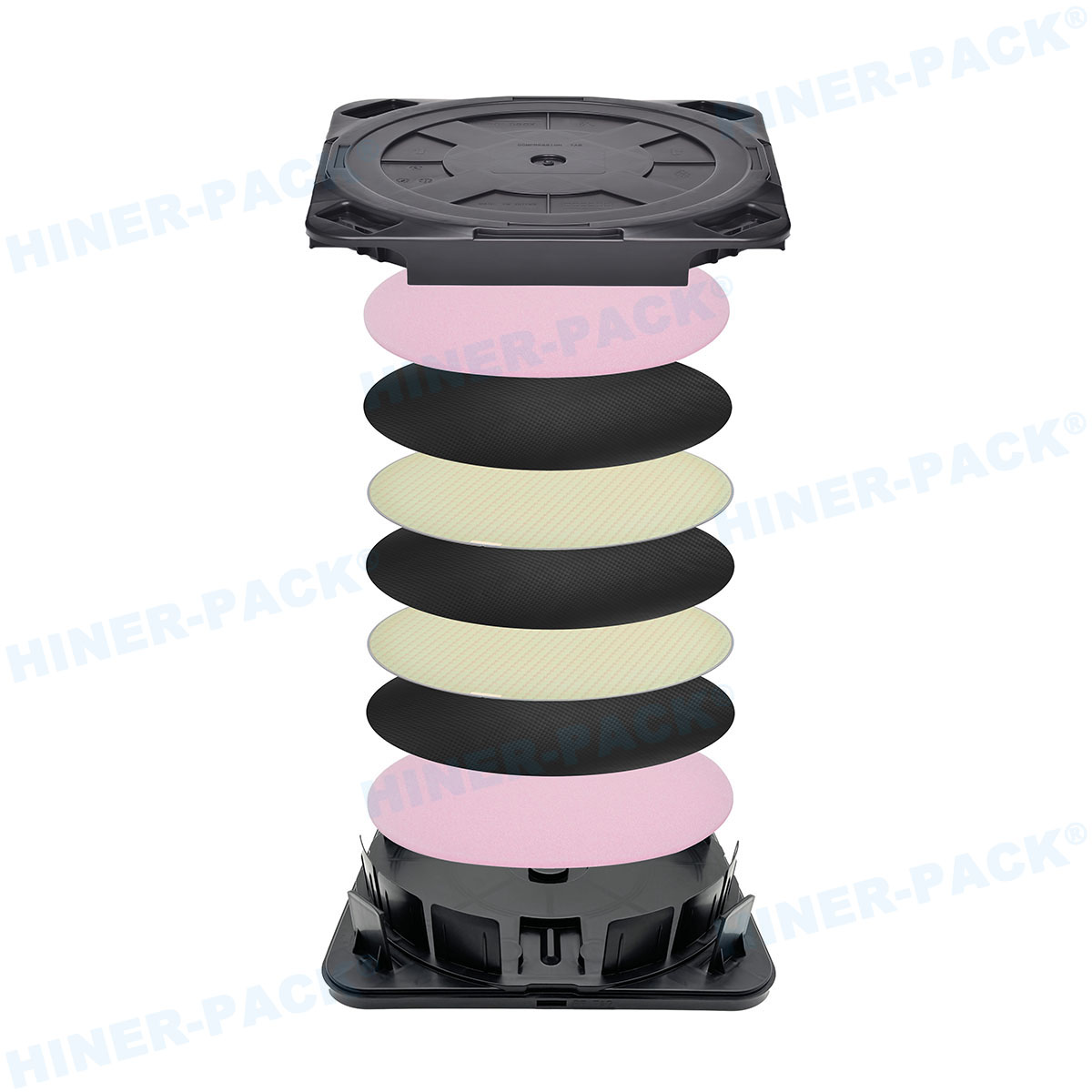
At its heart, high density wafer storage refers to solutions designed to store more wafer carriers per square foot compared to traditional open shelving or standard racks. The goal is vertical and horizontal space optimization without compromising on safe handling.
Key systems include Automated Storage & Retrieval Systems (ASRS), vertical lift modules (VLMs), and specialized high-bay static shelving. These systems tightly control the storage environment, often integrating with the fab’s Material Control System (MCS) for full automation.
The Critical Comparison: Traditional Racks vs. Automated High Density Systems
Why move beyond simple stainless steel racks?
Space Utilization: Traditional racks might use only 40-50% of available air space. A high density automated wafer storage system can utilize over 85%, dramatically reducing the cleanroom footprint needed for WIP (Work-in-Progress).
Contamination Control: Open racks expose carriers to airborne particles. Enclosed high density storage systems provide a superior mini-environment, often with their own filtration.
Inventory Accuracy & Traceability: Manual retrieval is prone to errors. Automated systems track every FOUP’s location in real-time via RFID or barcode, eliminating misplacement and ensuring perfect lot control.
Labor Efficiency & Safety: Automating storage and retrieval reduces manual handling, minimizing ergonomic risk and freeing technicians for higher-value tasks.
For large-scale production, the ROI of automation is clear. Companies like Hiner-pack engineer solutions that bridge the gap between high-density static storage and fully automated retrieval, offering scalable options.
Key Applications and Selection Guide for Your Fab
Choosing the right system depends on your operation’s scale and dynamics.
High-Mix, Low-Volume (HMLV) / R&D Fabs: May prioritize accessibility and flexibility. Modular, manual high density wafer shelving with secure drawers or bays can be ideal. Traceability is managed through software integration.
High-Volume Manufacturing (HVM) Fabs: Demand speed, uptime, and absolute traceability. Fully automated wafer FOUP storage ASRS is the standard. These direct-integrate with overhead hoist transport (OHT) or AGV systems for a “lights-out” storage buffer.
Long-Term Archiving & Qualification Wafers: Security and space savings are paramount. Ultra-high-density static archive systems, sometimes with inert gas purging, store thousands of carriers safely for years.
When selecting a vendor, assess their experience with semiconductor wafer storage, integration capabilities with your MCS, mean time to repair (MTTR), and uptime guarantees. The mechanical handling mechanism’s gentleness on valuable wafers is non-negotiable.
The Business Case: Analyzing Cost and ROI of Dense Storage
The upfront cost of an automated high density wafer storage system is significant. However, the total cost of ownership (TCO) analysis tells the true story.
Capital Cost Savings: Reducing cleanroom footprint by 30-60% can save millions in facility construction or expansion costs. This is the single largest financial driver.
Operational Cost Savings: Reduced particle contamination improves yield. Automated inventory reduces wafer loss and scrapped lots due to misprocessing. Lower manual handling reduces labor costs and injury risk.
Throughput Gains: Faster, predictable retrieval times reduce tool idle time waiting for lots, increasing overall equipment effectiveness (OEE).
A detailed ROI model often shows payback periods of 2-4 years for major automated projects, making a compelling case for investment.
Technology Deep Dive: Mechanics, Software, and Integration
The sophistication lies in the details.
Mechanical Handling: The best systems use soft-start/stop algorithms, precision sensors, and compliant grippers to ensure FOUPs are handled with sub-millimeter accuracy, preventing jarring and micro-vibration.
Software & Control: The brain of the operation. It must seamlessly interface with the fab’s MCS, CIM, and dispatch systems. Features like dual-port access, priority retrieval, and predictive maintenance scheduling are crucial. Hiner-pack systems, for example, emphasize robust software that provides a clear audit trail and operational analytics.
Future-Proofing: As fabs move towards 450mm wafers and the Industrial IoT, storage systems must be modular. Consider systems designed for easy capacity expansion and with open-architecture software for future integrations.
The integration of high density wafer storage is a cornerstone of the “smart fab,” feeding data into digital twin models for continuous optimization.
Finding the Right Partner: Evaluating Suppliers
Not all suppliers are equal. Look for partners with:
Proven Industry Track Record: Request case studies from similar fab sizes and processes.
Global Support Network: 24/7 field service and spare parts availability are critical for fab uptime.
Customization Ability: Can they tailor the system to your specific carrier mix and layout constraints?
Commitment to Standards: Compliance with SEMI standards (e.g., for FOUP dimensions, load ports) is essential.
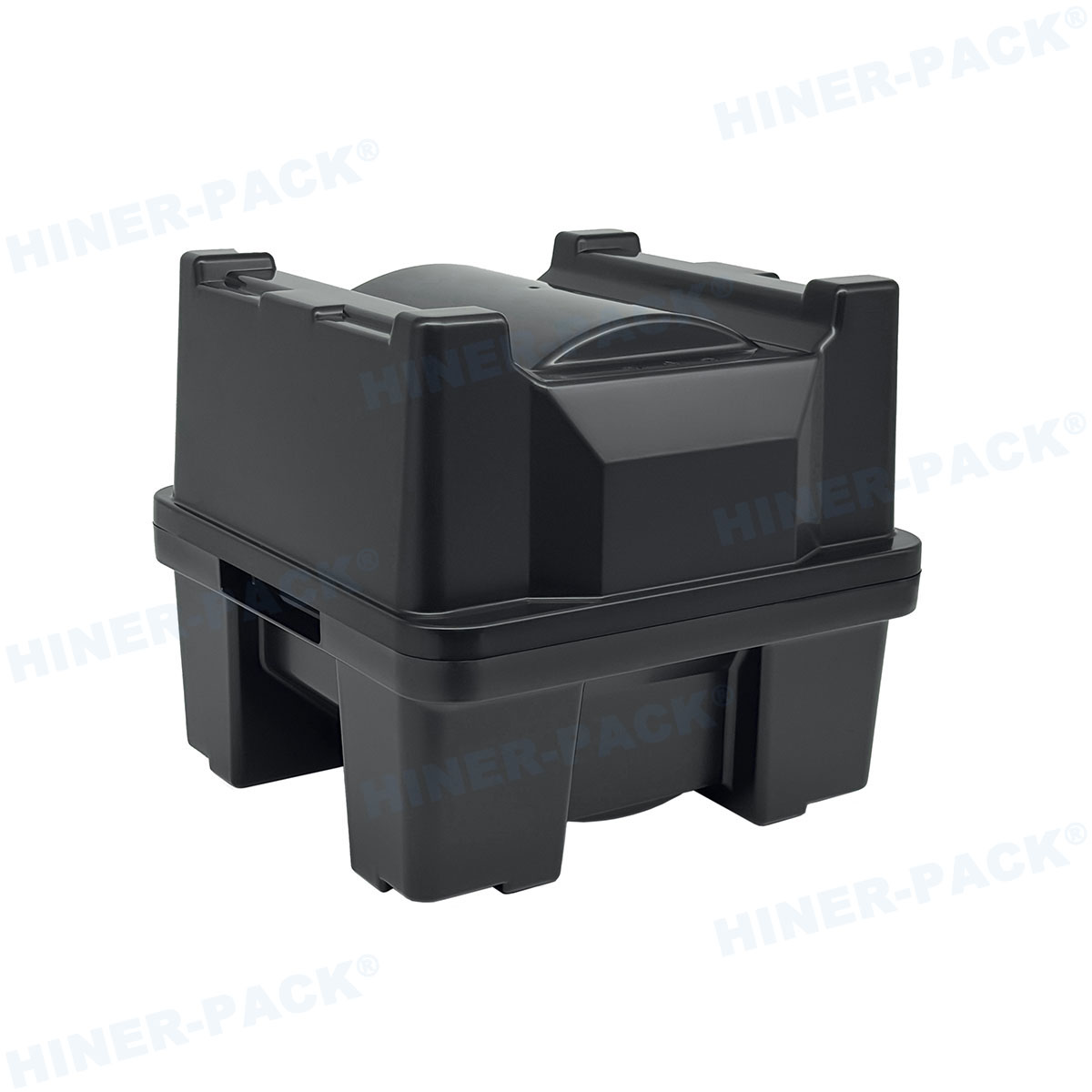
A partner should act as an extension of your operations team, not just a vendor. From initial consultation to final integration, their expertise in high density storage solutions will determine the project’s success. As a specialized provider, Hiner-pack focuses on this deep vertical expertise, ensuring solutions are not just generic but fab-ready.
Implementing a strategic high density wafer storage system is a decisive step towards operational excellence. It directly addresses the core challenges of cost, space, and control in modern semiconductor manufacturing. By carefully evaluating your needs and partnering with an experienced supplier, fabs can secure a significant and lasting competitive advantage.
Frequently Asked Questions (FAQs)
Q1: What is the typical storage density improvement when switching from traditional racks to an automated high density system?
A1: The improvement is substantial. While figures vary by design, automated high density wafer storage systems typically achieve a 60% to 100% increase in carriers stored per square meter of cleanroom floor space. This is achieved by using the full vertical height of the facility with specialized retrievers and minimizing aisle space.
Q2: Can high density storage systems handle different wafer carrier types, like both FOUPs and legacy cassettes, in the same unit?
A2: Yes, many advanced systems are designed for mixed carrier storage. They utilize adjustable shelving pockets or different gripper attachments within the same automated framework. This is crucial for fabs in transition or those running multiple process lines. It’s a key specification to discuss with your supplier, such as Hiner-pack, during the design phase.
Q3: How does the cost of a semi-automated (VLM) system compare to a full ASRS for high density wafer storage?
A3: Semi-automated Vertical Lift Modules (VLMs) offer a lower initial entry cost and are excellent for medium-throughput areas or buffer applications. A full ASRS has a higher capital cost but delivers superior throughput, complete “lights-out” automation, and deeper integration with transport systems. The choice hinges on required retrieval speed, automation level, and long-term scalability plans.
Q4: What are the major maintenance considerations for an automated wafer storage system?
A4: Primary maintenance focuses on the mechanical retrieval mechanism (motors, belts, grippers), sensor calibration, and the system’s internal environmental controls (filters, fans). Predictive maintenance, using data from the system’s own controllers to schedule service before failures occur, is a best practice offered by leading suppliers to maximize system uptime.
Q5: Is it feasible to retrofit or expand a high density storage system after initial installation?
A5: Modularity is a critical design feature for this reason. Most quality systems allow for horizontal expansion by adding more storage columns or bays. Vertical expansion depends on the initial structure and facility ceiling height. When planning your high density wafer storage project, always include a roadmap for future capacity needs in the initial design discussions.