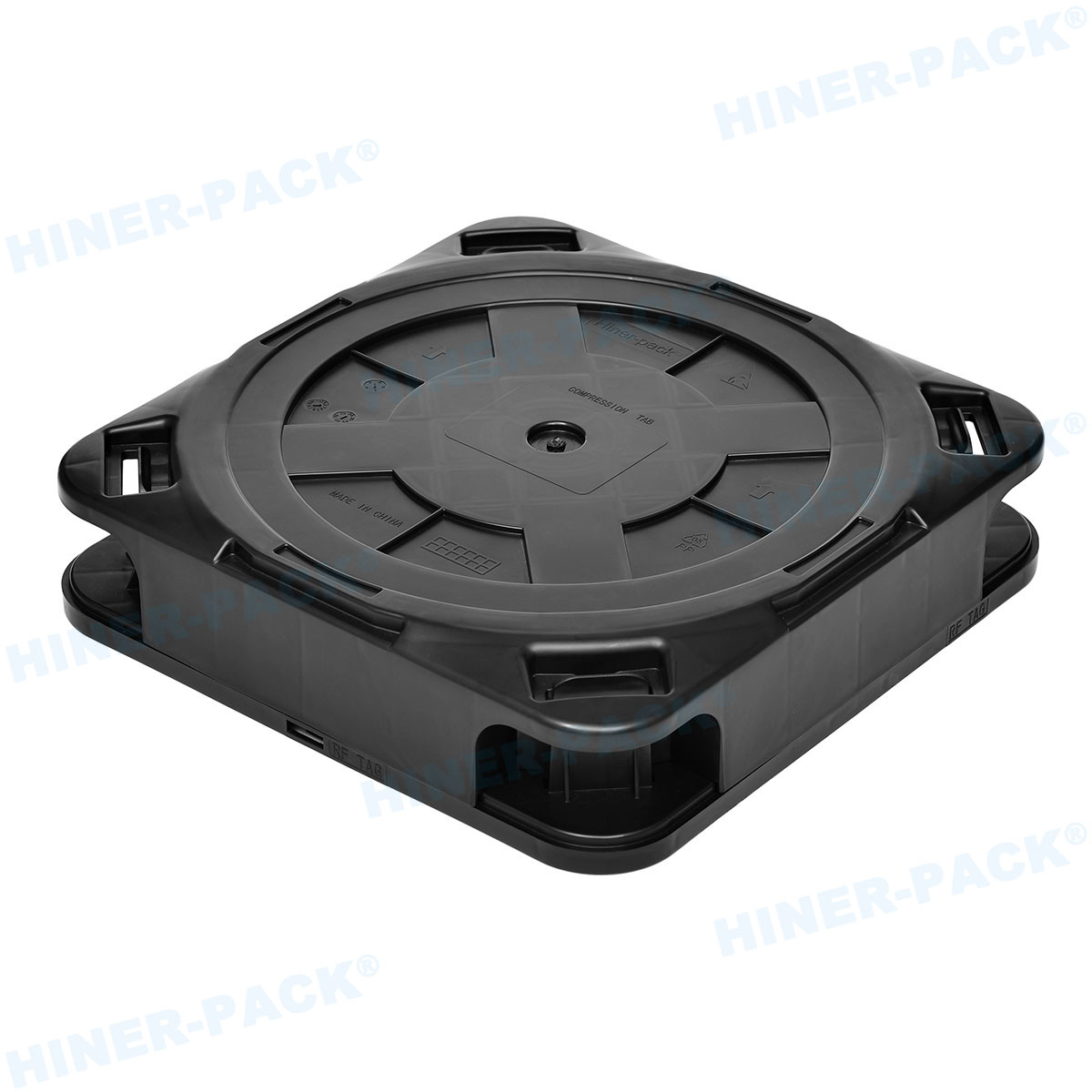
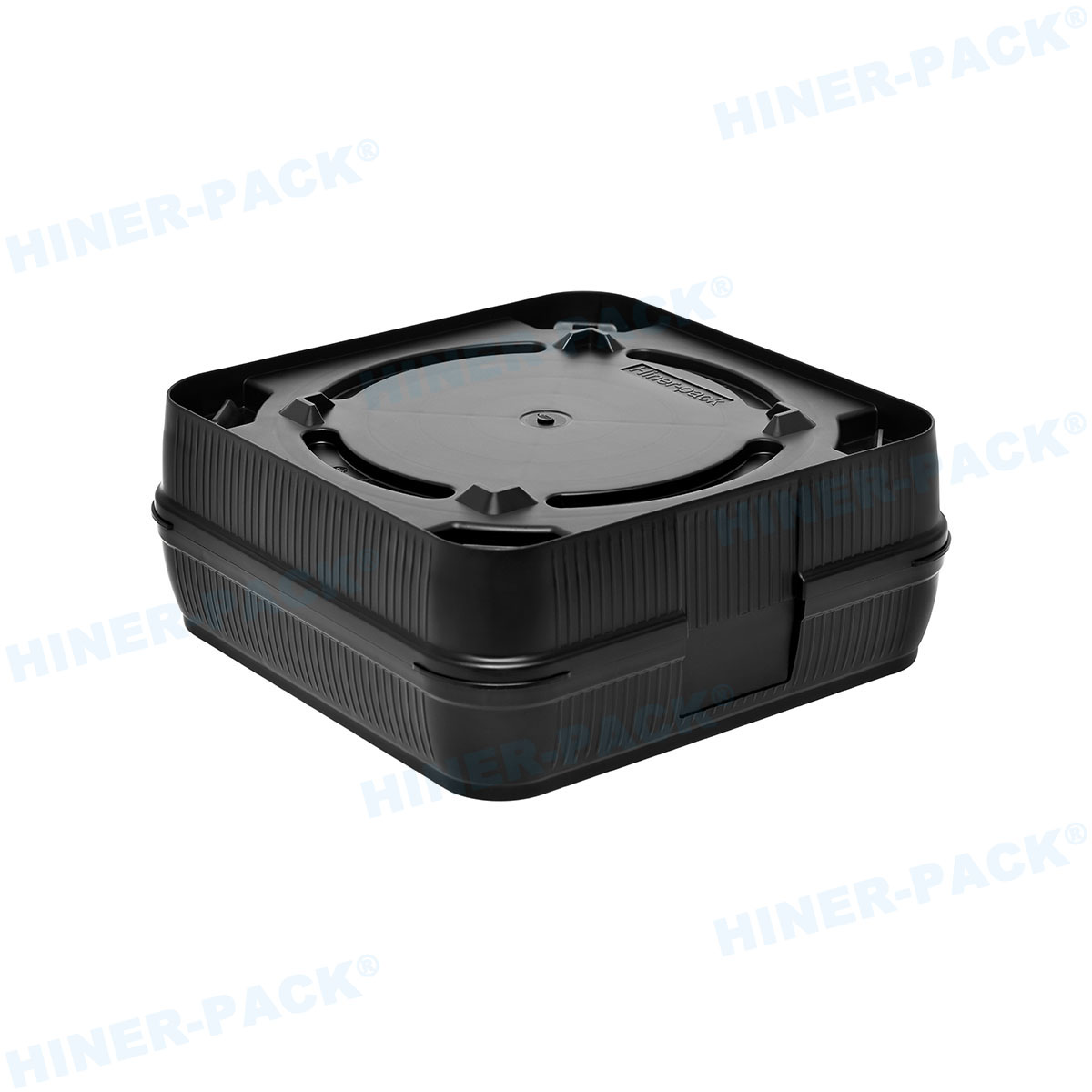
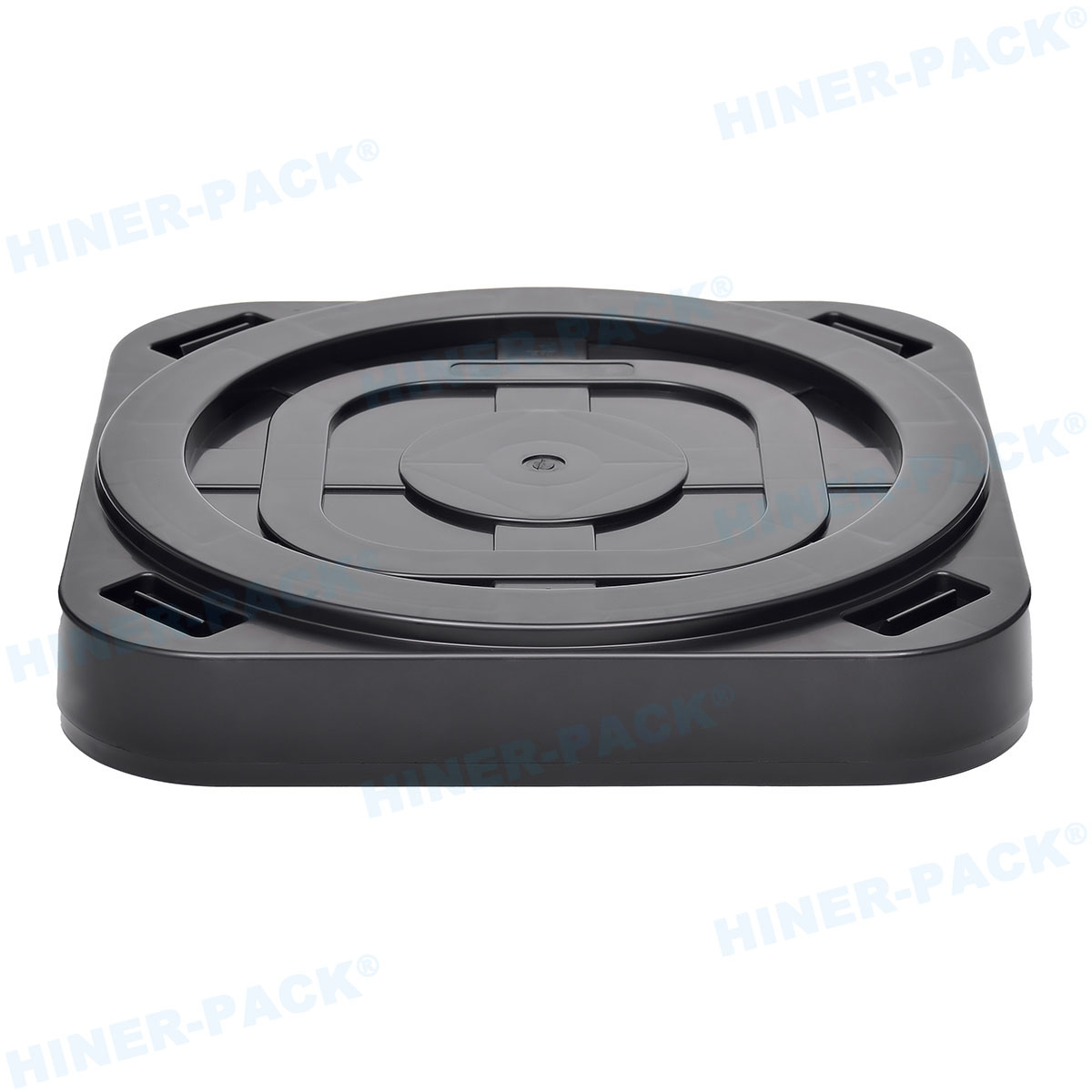
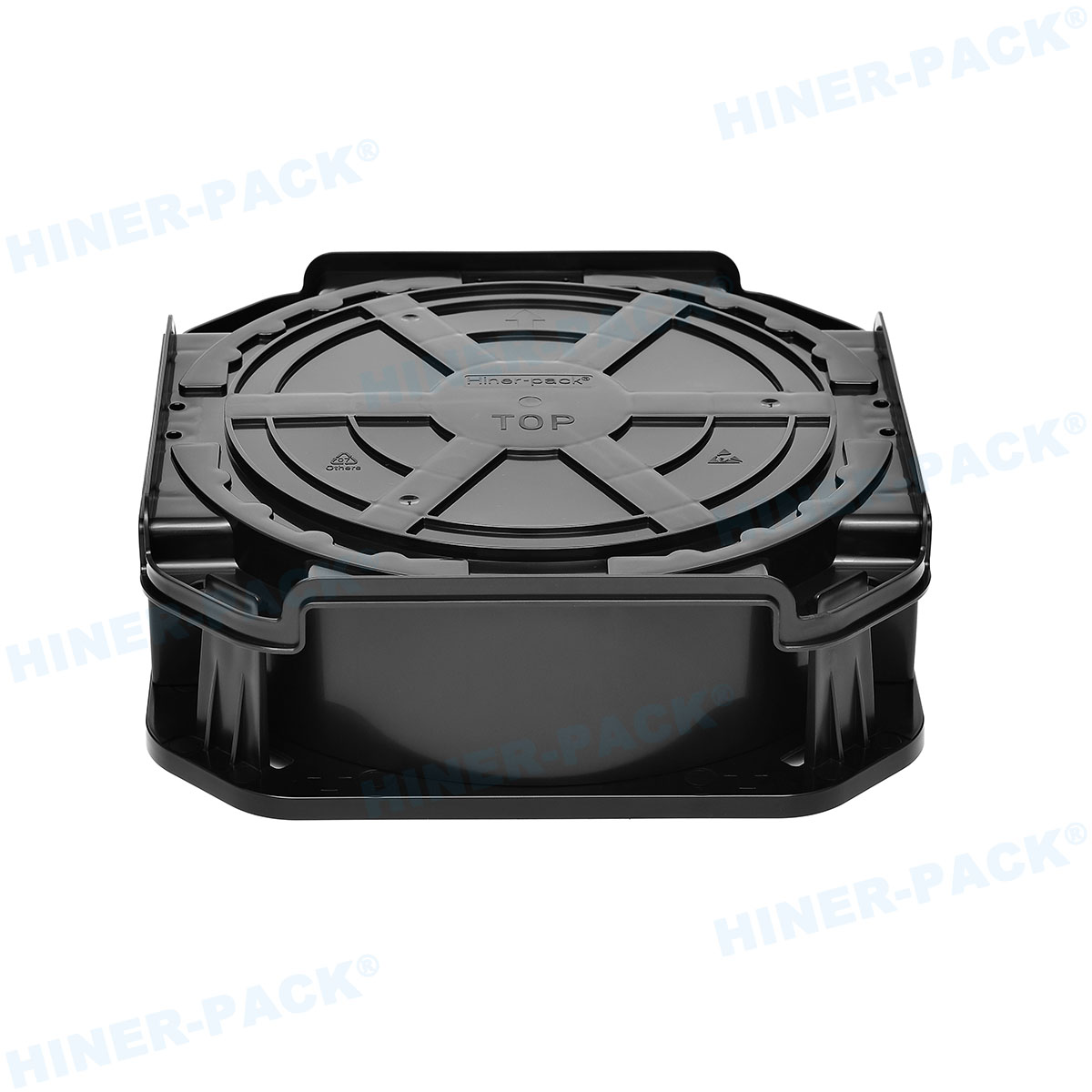
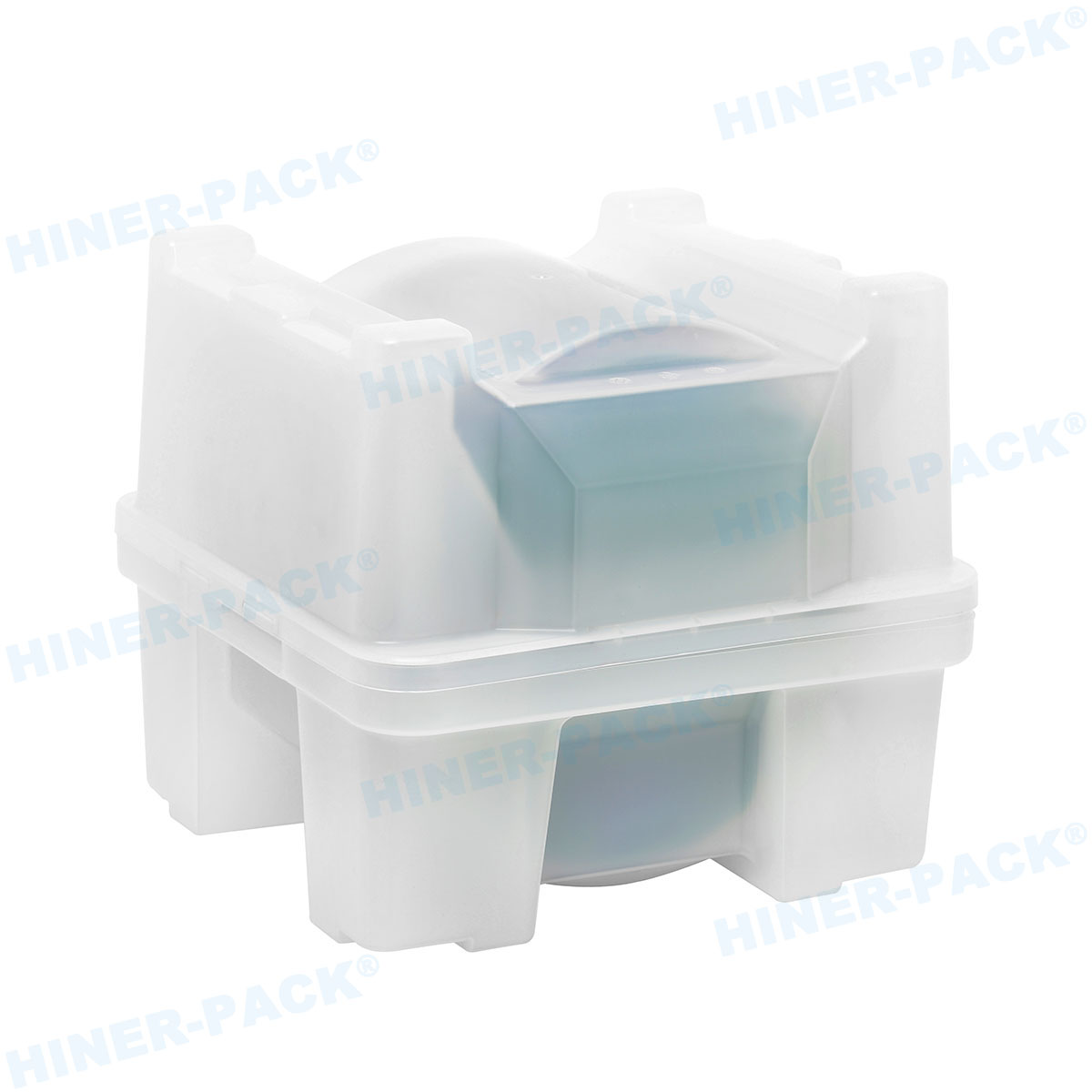
Shipping delicate semiconductor materials is a high-stakes process. A single micro-crack or particle of dust can render a high-value wafer die useless. For engineers and logistics managers in the semiconductor field, finding packaging that balances secure retention with easy release is critical. This is where the horizontal gel box becomes an essential tool in the supply chain.
At Hiner-pack, we understand that as chips get smaller and more complex, their vulnerability to vibration and shock increases. Traditional rigid packaging often allows for too much movement. A gel-based solution resolves this by suspending the component in place using surface tension.
This article looks at how these boxes function, why they are superior for optoelectronics and wafer handling, and how to choose the right specifications for your cleanroom needs.
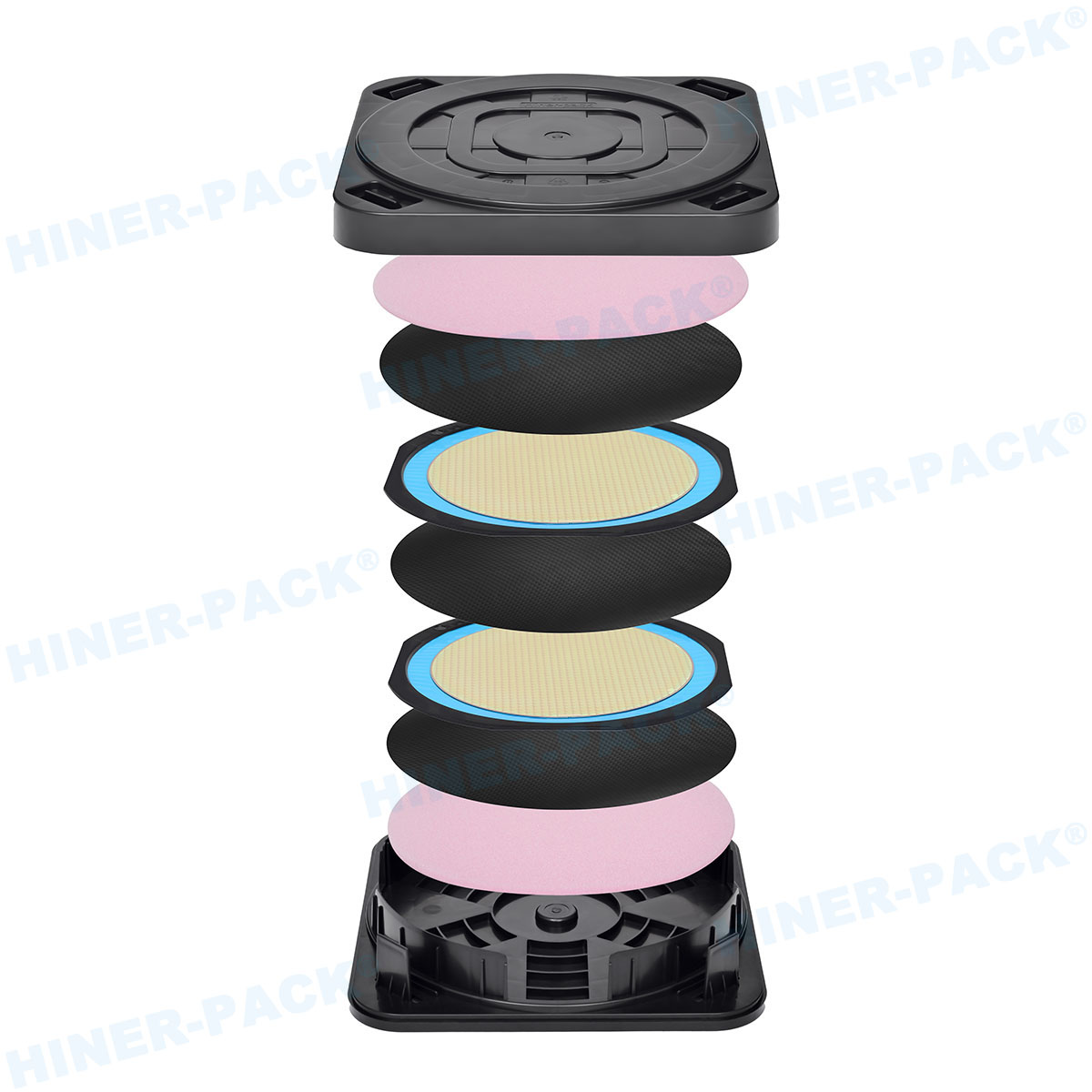
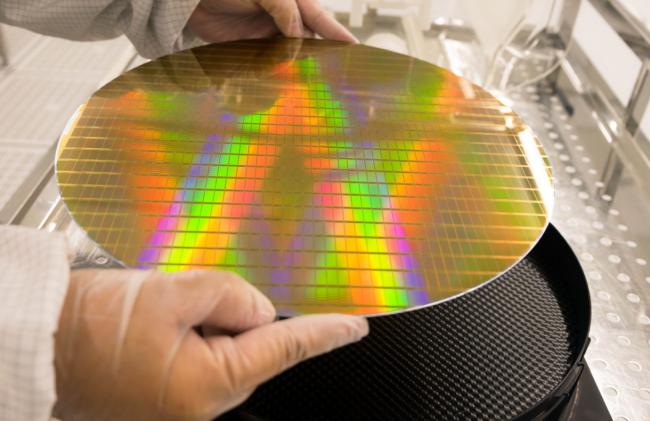
How the Horizontal Gel Box Protects Wafer Dies
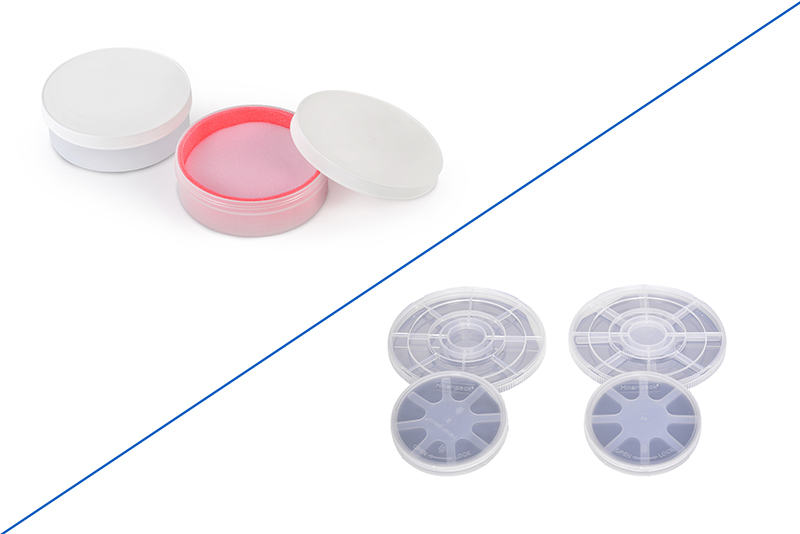
The core technology behind a horizontal gel box is not complex mechanics, but material science. The bottom of the container is lined with a cross-linked polymer material, often referred to as "gel." This material is distinct because it is not an adhesive in the traditional sense. It does not leave a chemical residue on the device.
Instead, the gel relies on intrinsic surface tackiness. When a wafer die, beam-lead device, or laser diode is placed on the surface, the gel conforms slightly to the bottom of the component. This creates a strong holding force that prevents the part from sliding during horizontal transport.
For high-precision industries, this immobilization is vital. Even if the shipping box is jostled, the components inside remain fixed relative to the container. This eliminates the "rattle" effect seen in hard trays, significantly reducing the risk of chipped edges or surface scratches.
Comparing Horizontal Gel Box and Waffle Packs
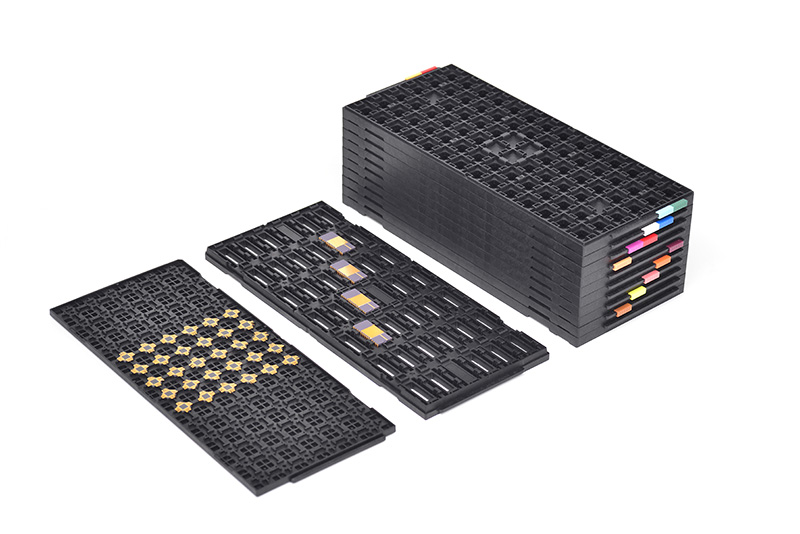
For years, the industry standard for small component transport was the waffle pack (or chip tray). While waffle packs are useful for automated pick-and-place machines, they have limitations during shipping.
In a waffle pack, the component sits in a loose pocket. A lid prevents it from flipping over, but the component is free to bounce against the pocket walls. For robust parts, this is fine. For fragile MEMS or compound semiconductors, this movement can be fatal.
The horizontal gel box solves this by removing the pocket entirely. The device is held by the gel, meaning it does not touch any hard plastic walls. Hiner-pack recommends gel solutions specifically when shipping partially processed wafers or diced chips that cannot tolerate edge contact. Furthermore, because there are no pre-molded pockets, a single gel box can accommodate various chip sizes without needing a custom mold.
Selecting the Right Retention Level for Your Horizontal Gel Box
Not all gels are created equal. The "tackiness" or retention level of the box must be matched to the surface roughness and weight of your device. If the tack is too low, heavy parts might slide. If the tack is too high, small fragile parts might break when you try to remove them.
Manufacturers typically grade these levels (e.g., X0, X4, X8).
Low Retention: Ideal for very small, extremely fragile devices like polished optical surfaces.Medium Retention: The standard choice for most silicon dies and generic semiconductor components.High Retention: Used for larger, heavier ceramic substrates or packaged modules.
When ordering from Hiner-pack, it is important to specify the dimensions and surface material of your component. A horizontal gel box configured for a rough ceramic heater will be different from one designed for a smooth gallium arsenide chip.
Inspection and Handling Advantages
One often overlooked benefit of the horizontal gel box is visibility. The boxes are typically made from transparent polystyrene or static-dissipative plastic. Because the devices are held firmly in a flat array, quality control teams can inspect the top surface of the chips without opening the box.
Microscopic inspection can happen through the lid or with the lid removed, all while the devices remain safely secured to the gel base. This reduces handling steps. Every time a technician touches a chip with tweezers, the risk of damage increases. By keeping the parts in the box during inspection, yields remain higher.
Furthermore, many Hiner-pack boxes are designed with a grid print on the underside of the gel. This assists operators in locating specific dies within the box, functioning similarly to a coordinate system on a map.
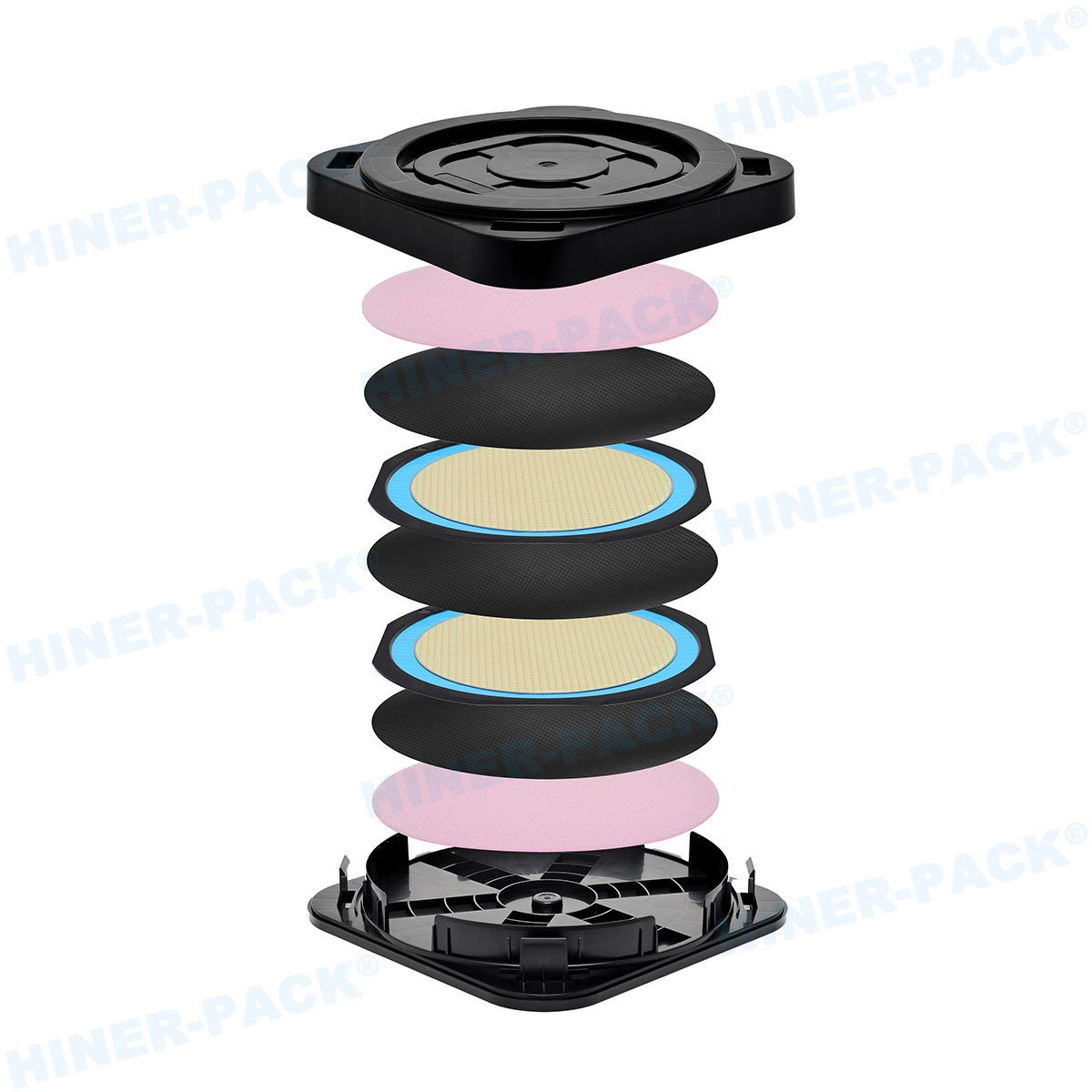
ESD Considerations in Horizontal Gel Box Design
In the semiconductor wafer field, Electrostatic Discharge (ESD) is a constant threat. A standard plastic box can generate significant static charge, which can fry sensitive circuitry.
High-quality horizontal gel box options come in ESD-safe versions. The cover and the bottom container are treated or molded with conductive materials (often appearing black or coated clear) to dissipate charge. The gel itself can also be formulated to be static dissipative.
When transporting active dies, ensuring your packaging is conductive or static dissipative is non-negotiable. It ensures that any charge build-up during transit is safely grounded rather than discharging through your valuable component.
Best Practices for Unloading Components
Using a horizontal gel box requires specific handling protocols, particularly during the unloading phase. You cannot simply flip the box over and hope the parts fall out—the gel is designed to prevent exactly that.
The standard method for removal is using a vacuum pen or vacuum pick-up tool.
Low Tack: For low retention boxes, a simple vacuum lift is usually sufficient.High Tack: For higher retention, it is often necessary to reduce the surface area contact before lifting. This prevents the die from cracking under the tension.
Some advanced gel boxes work with specialized unloading fixtures that apply a vacuum through the bottom of the box to deform the gel membrane, effectively "pushing" the component up for easier removal. Hiner-pack advises training cleanroom staff on these specific removal techniques to maintain high throughput.
The shift toward smaller, more expensive semiconductor components demands smarter packaging strategies. The horizontal gel box offers a versatile, secure, and clean solution for transporting fragile dies and wafers. By eliminating movement and reducing contact with hard surfaces, it protects the integrity of your products from the foundry to the final assembly.
Whether you are shipping prototypes or high-volume production runs, choosing the right retention level and ESD specifications is key. Hiner-pack remains committed to providing high-reliability packaging solutions that meet the rigorous demands of the international semiconductor market.
Frequently Asked Questions
Q1: Can I reuse a horizontal gel box, or is it single-use only?
A1: Generally, these boxes are designed to be reusable. However, the lifespan depends on how clean the gel remains. If the gel surface becomes covered in dust or debris, its holding power decreases. For high-value semiconductor applications, many companies treat them as single-use to guarantee maximum cleanliness, but for internal transfers, they can be reused multiple times.
Q2: How do I clean the gel surface if it gets dirty?
A2: You can clean the gel surface using specialized adhesive cleaning tape or a lint-free roller. Some gels can be cleaned with mild soap and water or alcohol, but you must check the specific datasheet for that box. Hiner-pack recommends using "scotch tape" style cleaning for minor debris removal to restore tackiness.
Q3: What is the temperature range for a standard horizontal gel box?
A3: Most standard gel boxes are designed to withstand temperatures between -40°C to +60°C. If your shipping process involves extreme heat or cryogenic freezing, you will need to request specialized high-temperature gel formulations to prevent the material from degrading or outgassing.
Q4: Will the gel leave a residue on the back of my optical sensors?
A4: High-quality gel boxes use highly cross-linked polymers that are designed to be residue-free. However, for extremely sensitive optical applications or medical implants, it is always recommended to perform a compatibility test or request "ultra-low bleed" gel versions to ensure zero contamination.
Q5: Can I use a horizontal gel box for vertical shipping?
A5: While the surface tension is strong, the boxes are primarily designed for horizontal handling. Storing them vertically or upside down for long periods carries a risk, especially if the package experiences shock or if the components are heavy. It is best practice to keep the orientation horizontal during transit.