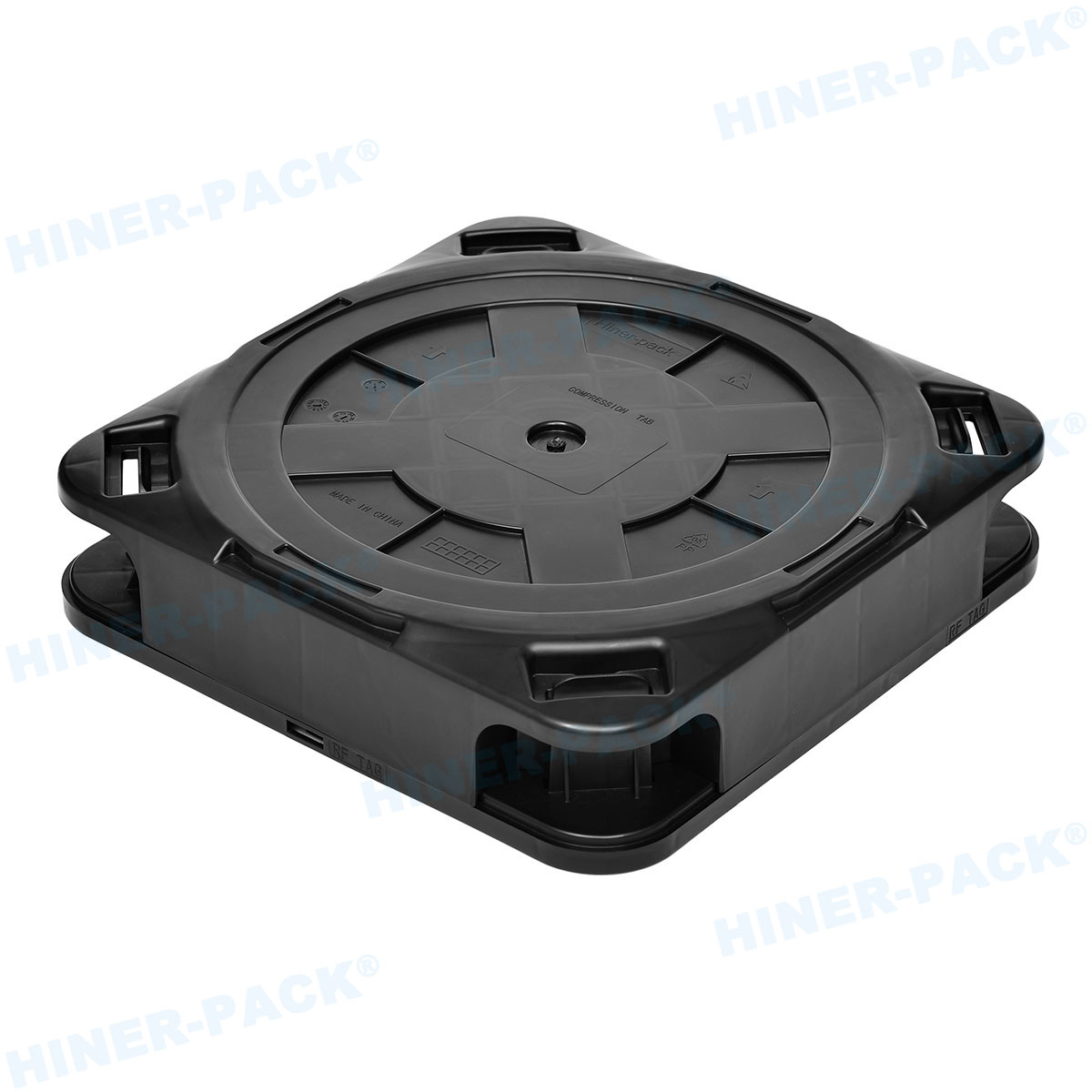
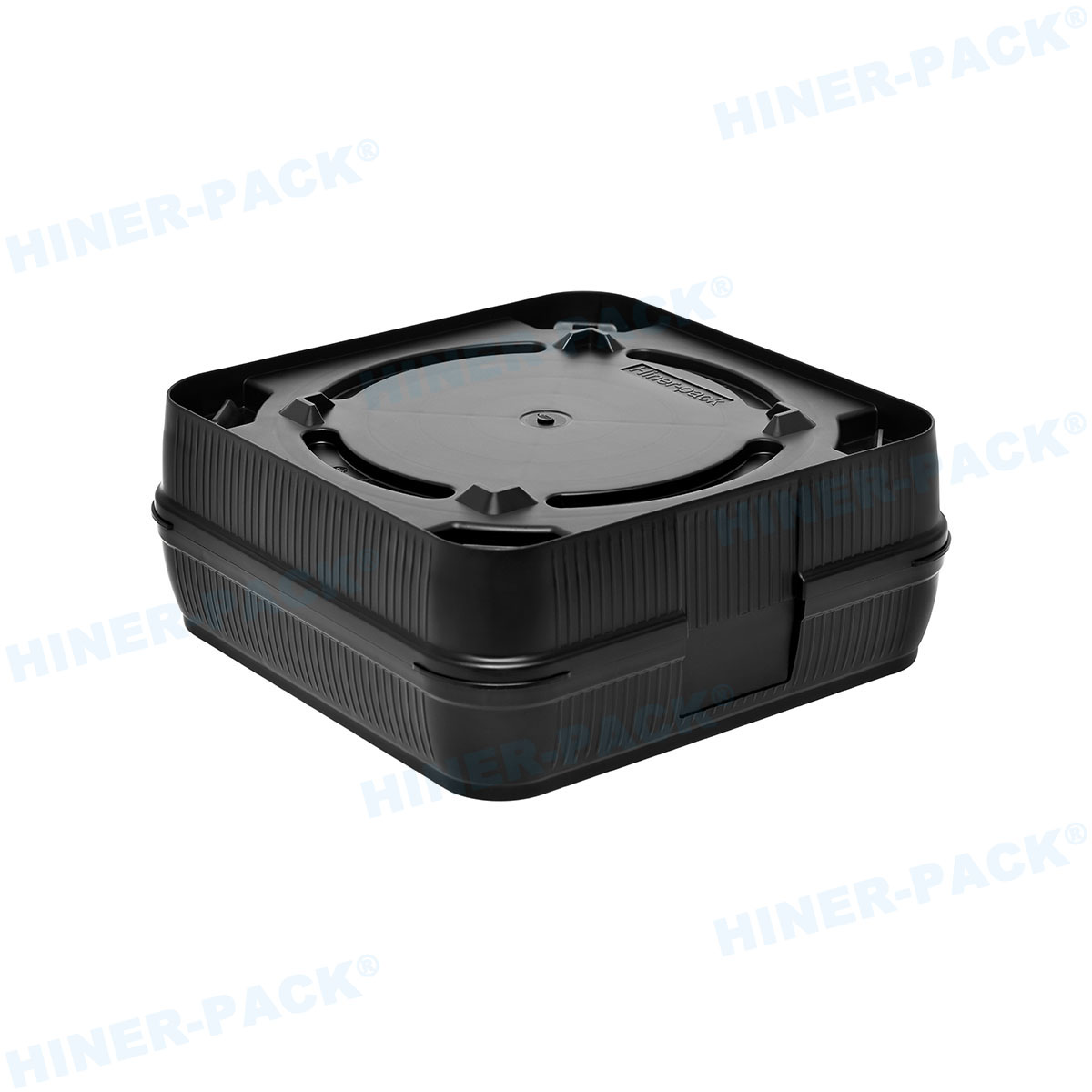
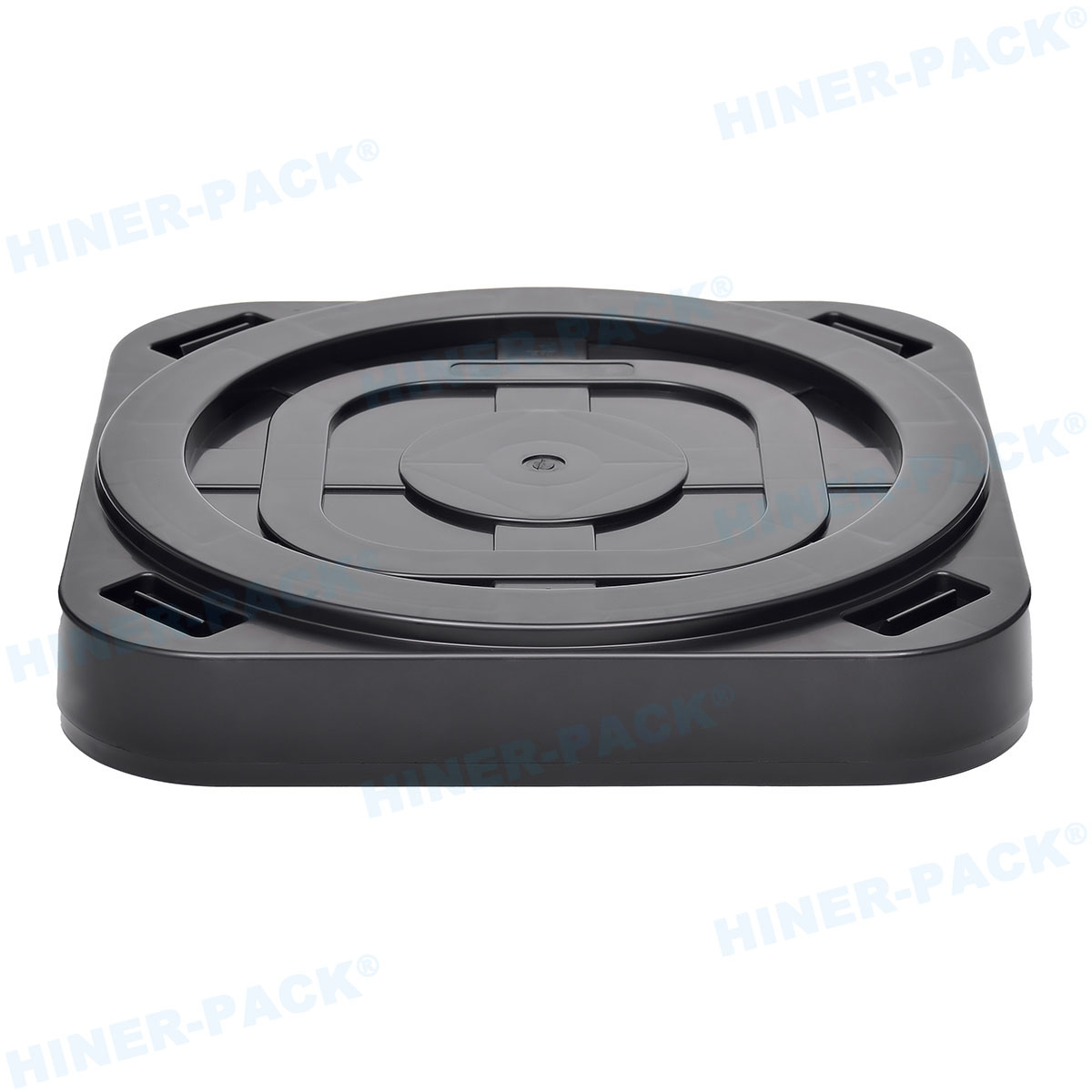
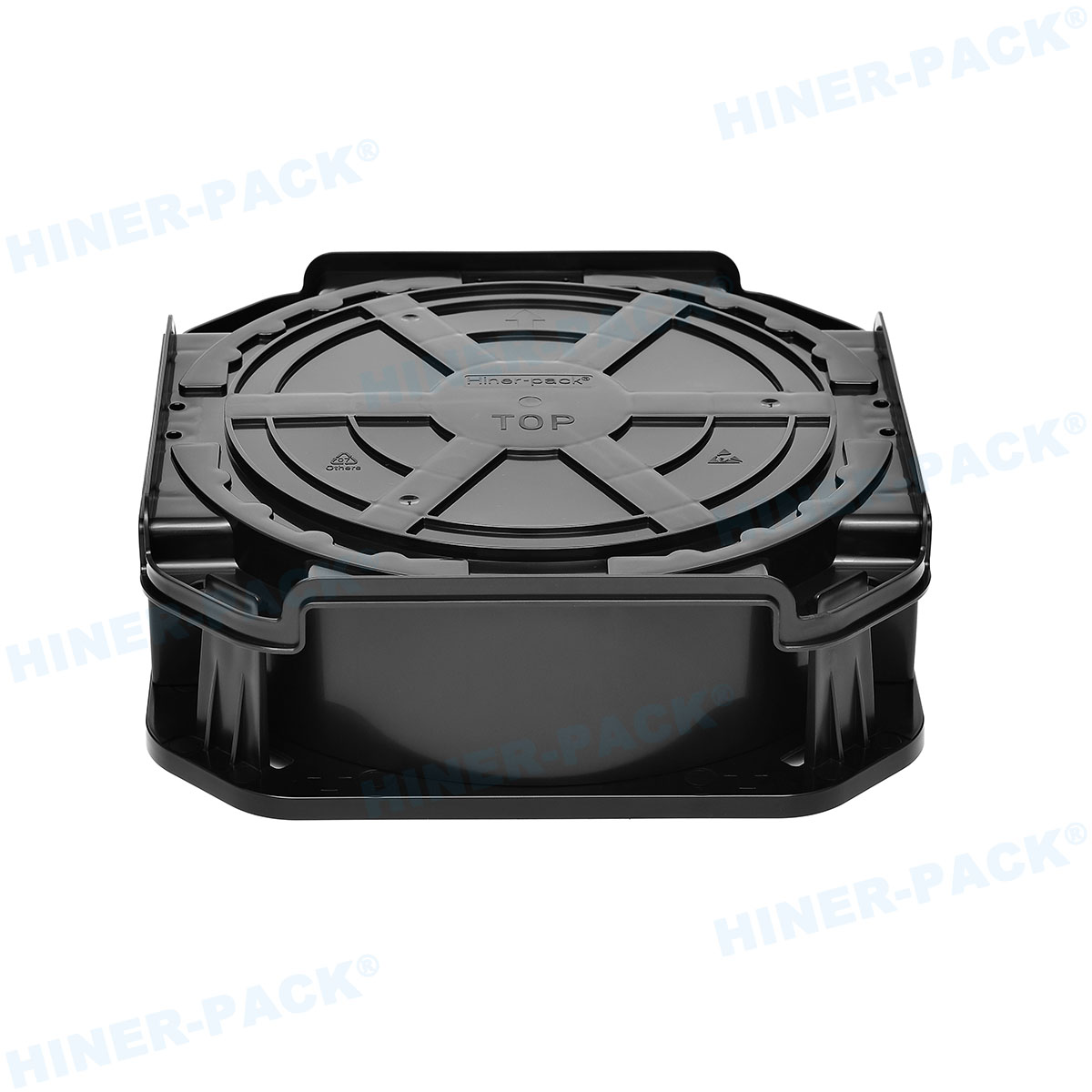
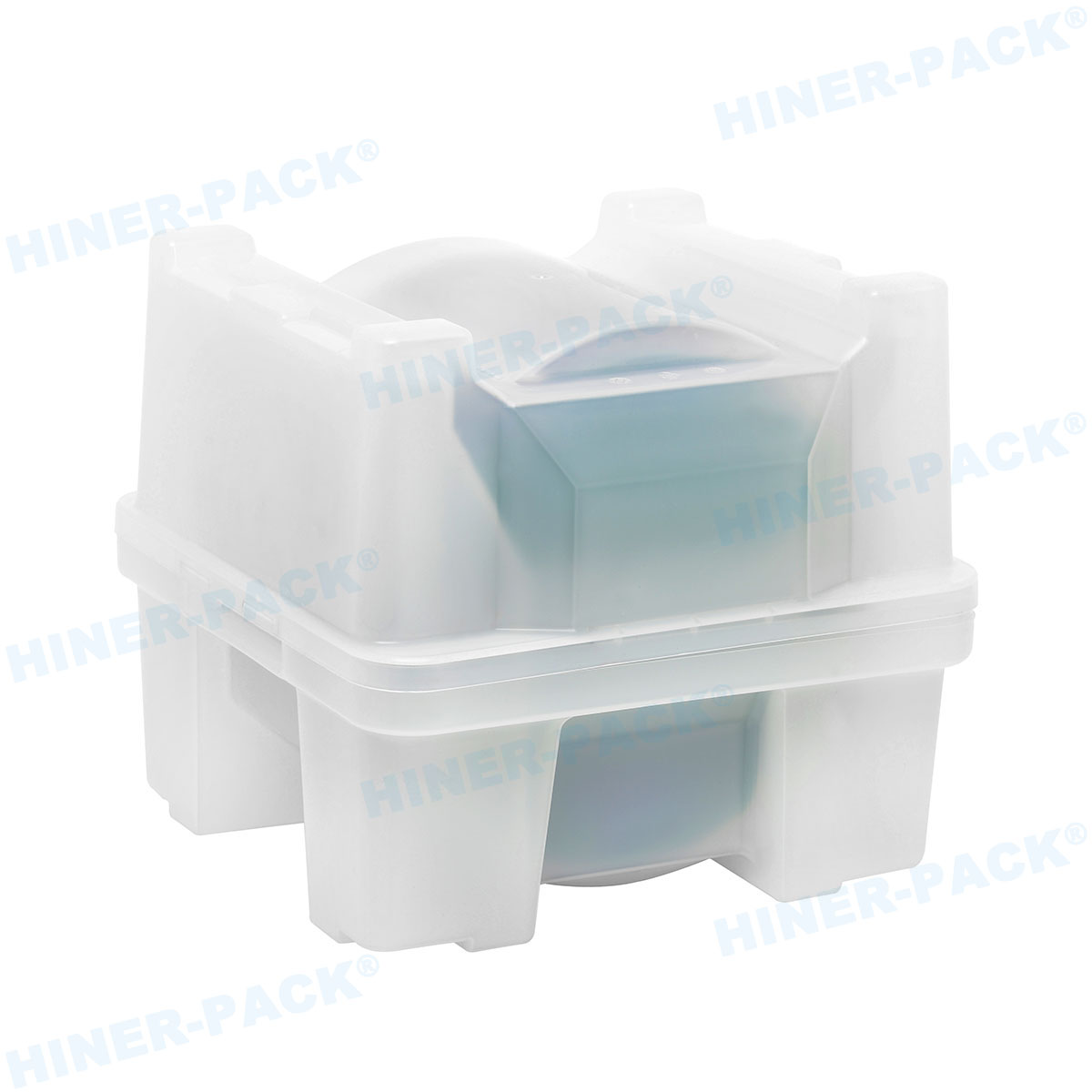
Wafer cassettes are critical components in semiconductor production. They hold silicon wafers during processing and storage. Contamination in these cassettes can lead to defects, reducing yield and increasing costs. Therefore, knowing how to clean wafer cassettes is essential for any fab operation. This guide covers practical methods, tools, and protocols to ensure cleanliness.
Why Cleaning Wafer Cassettes Matters
In semiconductor manufacturing, even minor particles can cause circuit failures. Wafer cassettes must be kept pristine to avoid cross-contamination. Regular cleaning maintains performance and extends cassette lifespan. It also aligns with industry standards for high-purity environments.
Contamination Sources and Risks
Common contaminants include dust, residues, and static charge. These can originate from handling, environmental exposure, or previous processes. Risks involve:
Particle adhesion on wafers.
Chemical stains affecting lithography.
Electrostatic discharge damaging sensitive components.
Effective cleaning mitigates these issues, ensuring reliable production.
Pre-Cleaning Assessment and Preparation
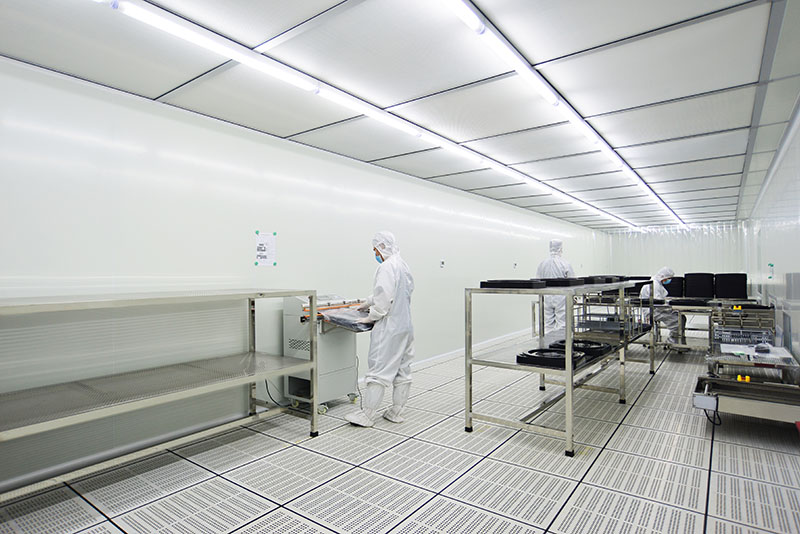
Before starting, inspect cassettes for damage or heavy soiling. Gather appropriate materials such as cleanroom wipes, solvents, and tools. Always work in a controlled environment to prevent recontamination.
Essential Cleaning Supplies
Use industry-approved supplies for safety and efficacy. Key items include:
Isopropyl alcohol (IPA) or specialized solvents.
Lint-free wipes and brushes.
Ultrasonic cleaners for deep cleaning.
Dry nitrogen for drying and static control.
Proper preparation streamlines the process of how to clean wafer cassettes.
Step-by-Step Cleaning Procedures
Follow these methods to clean wafer cassettes thoroughly. Adapt steps based on contamination level and cassette material.
Wet Cleaning Technique
Wet cleaning uses solvents to dissolve residues. It is suitable for organic contaminants.
Disassemble the cassette if possible.
Apply IPA or a mild detergent solution with wipes.
Gently scrub surfaces to remove particles.
Rinse with deionized water to eliminate solvent traces.
Dry using nitrogen gas or a cleanroom dryer.
This method is common for routine maintenance.
Dry Cleaning Technique
Dry cleaning involves mechanical or gas-based removal. It is ideal for dry environments.
Use compressed air or nitrogen to blow off loose particles.
Employ vacuum systems with HEPA filters for collection.
Consider plasma cleaning for stubborn organic films.
Dry methods reduce chemical usage and drying time.
Ultrasonic Cleaning Method
Ultrasonic cleaning provides deep cleaning for intricate parts. It uses high-frequency sound waves in a bath.
Place cassettes in an ultrasonic tank with a cleaning solution.
Run cycles for 5-10 minutes, depending on soil level.
Rinse and dry thoroughly to prevent residue buildup.
This technique is efficient for batch processing.
Post-Cleaning Validation and Handling
After cleaning, validate cleanliness using inspection tools. Methods include particle counters or visual checks under light. Store cassettes in sealed containers to avoid recontamination. Implement regular cleaning schedules based on usage.
Quality Control Measures
Establish protocols to ensure consistency. Key measures are:
Document cleaning dates and methods.
Use cleanroom-compatible packaging for storage.
Train personnel on proper handling techniques.
Quality control sustains long-term cassette performance.
Safety and Environmental Considerations
Cleaning processes must adhere to safety standards. Wear appropriate PPE like gloves and goggles. Dispose of solvents according to local regulations. Minimize waste by optimizing cleaning cycles.
Best Practices for Operators
Operators should follow guidelines to prevent accidents. Tips include:
Work in well-ventilated areas.
Avoid mixing chemicals unless specified.
Regularly calibrate cleaning equipment.
Safety ensures both personnel and product protection.
Common Mistakes to Avoid
Errors in cleaning can worsen contamination. Avoid these pitfalls:
Using abrasive materials that scratch surfaces.
Skipping drying steps, leading to watermarks.
Ignoring manufacturer guidelines for cassette materials.
Attention to detail is crucial for effective cleaning.
Mastering how to clean wafer cassettes is vital for semiconductor yield and reliability. By adopting systematic methods, regular validation, and safety practices, fabs can reduce defects and costs. For high-quality cassettes and cleaning solutions, consider Hiner-pack, a trusted provider in the industry. Their products support efficient wafer handling and maintenance.
Frequently Asked Questions (FAQs)
Q1: How often should wafer cassettes be cleaned?
A1: Cleaning frequency depends on usage and environment. In high-volume fabs, clean cassettes weekly or after each lot. For storage, clean before and after use to prevent cross-contamination.
Q2: Can I use tap water for rinsing wafer cassettes?
A2: No, tap water contains impurities that can leave residues. Always use deionized or ultrapure water to ensure no ionic contamination remains on surfaces.
Q3: What is the best solvent for cleaning wafer cassettes?
A3: Isopropyl alcohol (IPA) is widely used due to its effectiveness and quick evaporation. For specific residues, consult solvent compatibility charts or cassette manufacturer recommendations.
Q4: How do I check if a wafer cassette is clean enough?
A4: Use particle counters, microscopy, or light scattering tools. Visual inspection under bright light can also reveal particles or stains. Establish cleanliness standards based on your fab's requirements.
Q5: Are there automated systems for cleaning wafer cassettes?
A5: Yes, automated cleaners like ultrasonic baths or robotic systems are available. They offer consistency and reduce manual labor. For options, explore solutions from providers like Hiner-pack.