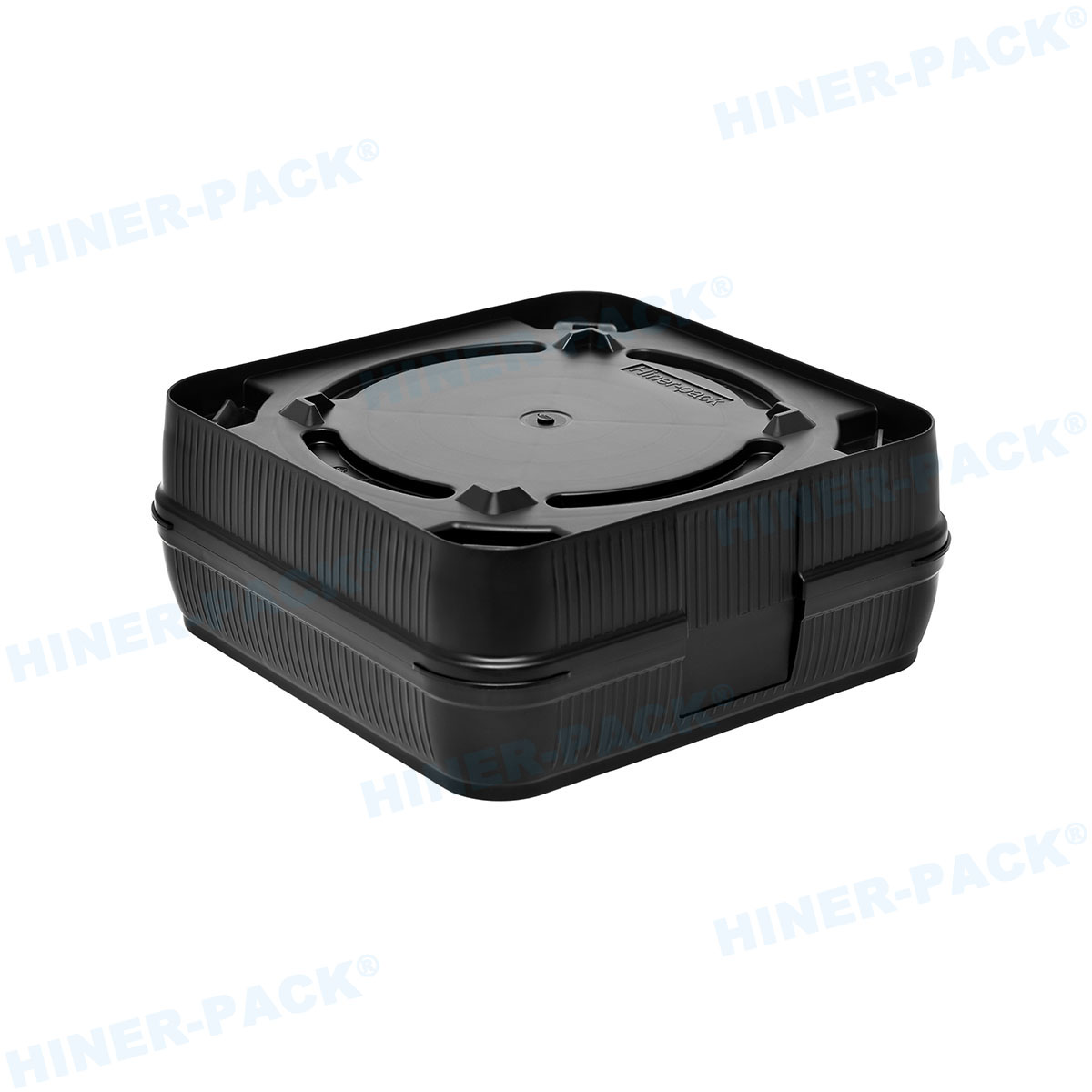
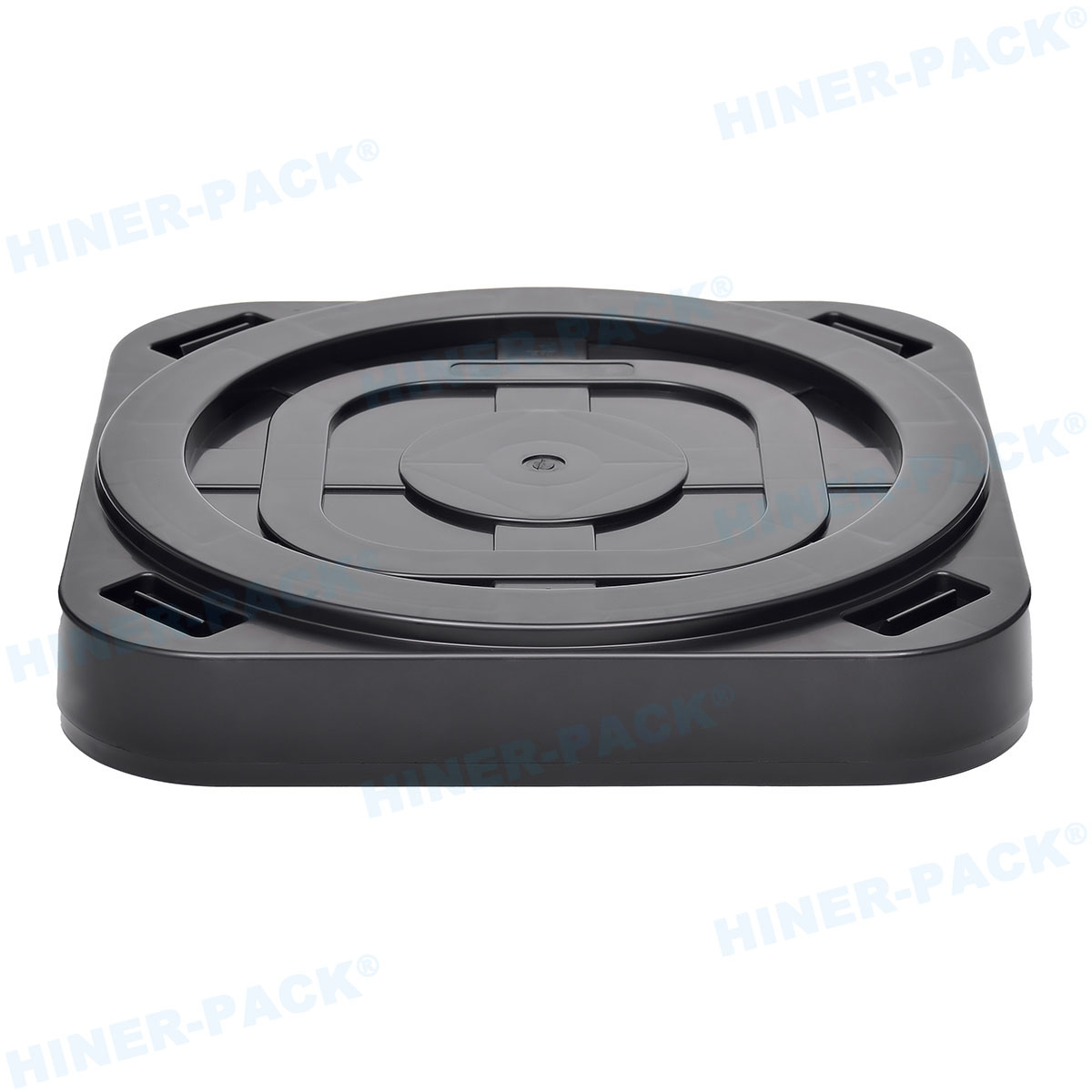
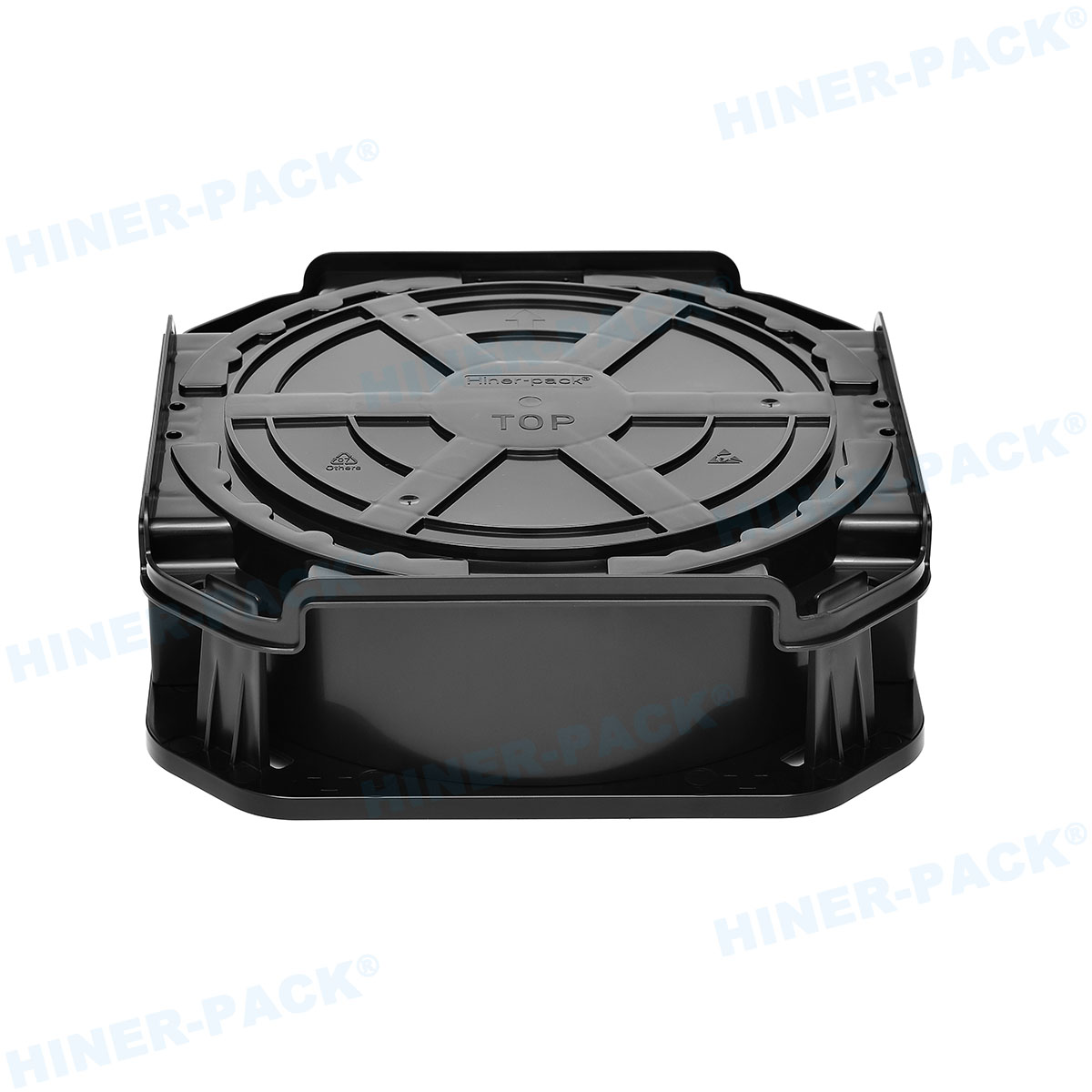
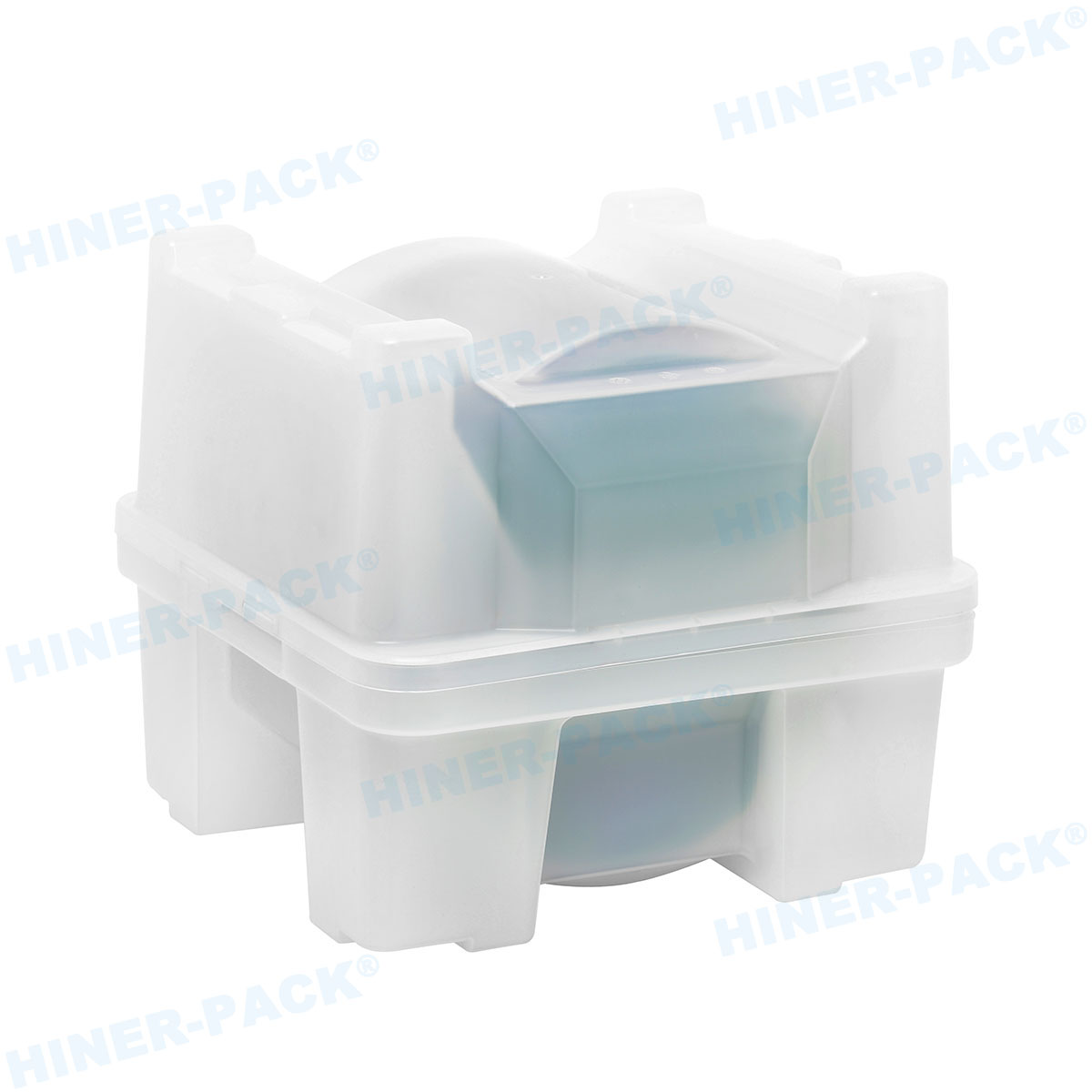
Semiconductor wafers and bare dies require contamination‑free, shock‑resistant packaging. Plastic waffle packs wholesale from experienced manufacturers like Hiner-pack offer a reliable way to protect high‑value components during storage and transit. This article explains eight essential aspects of buying these trays in bulk for fabs, OSATs, and component distributors.
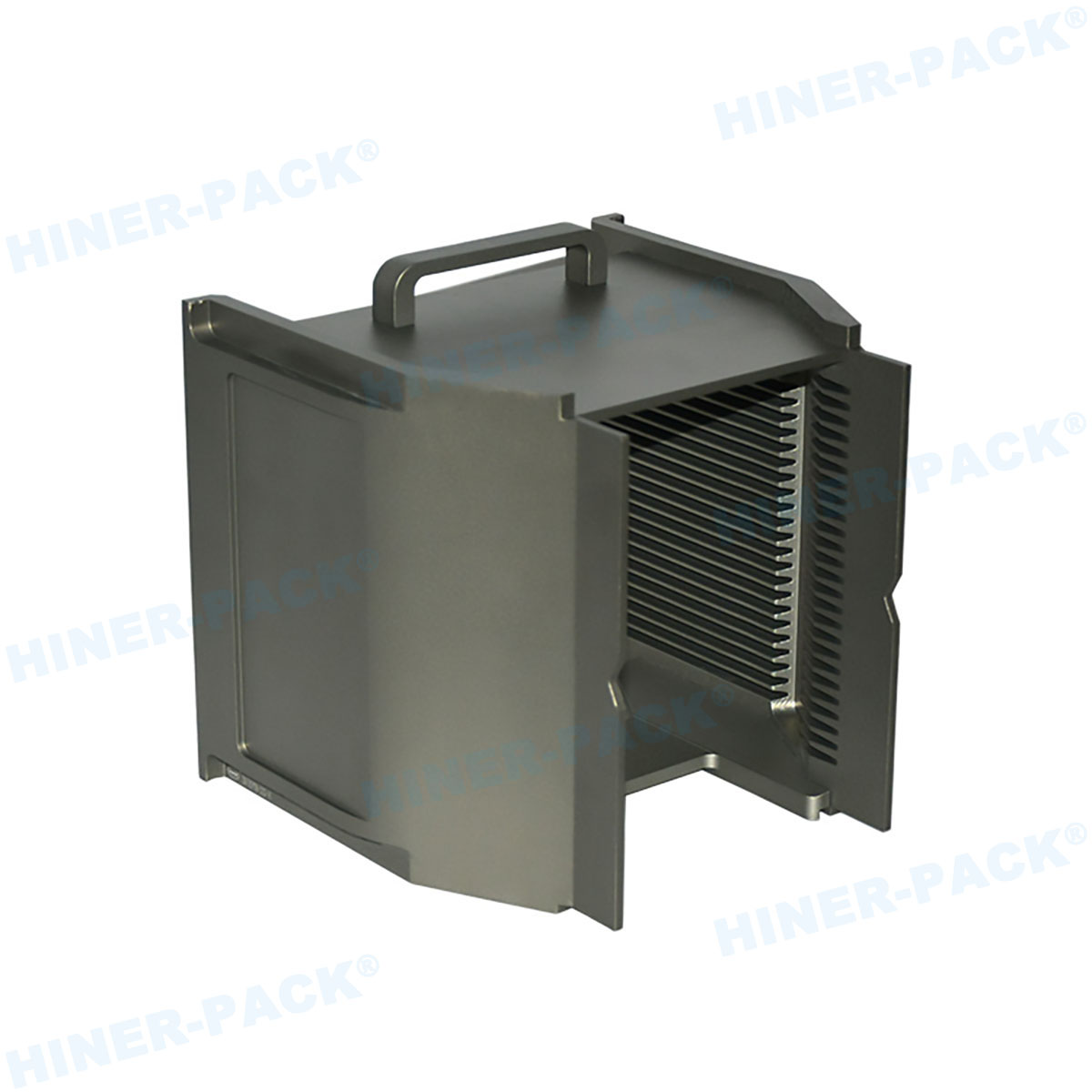
1. Plastic waffle packs wholesale: definition and core applications
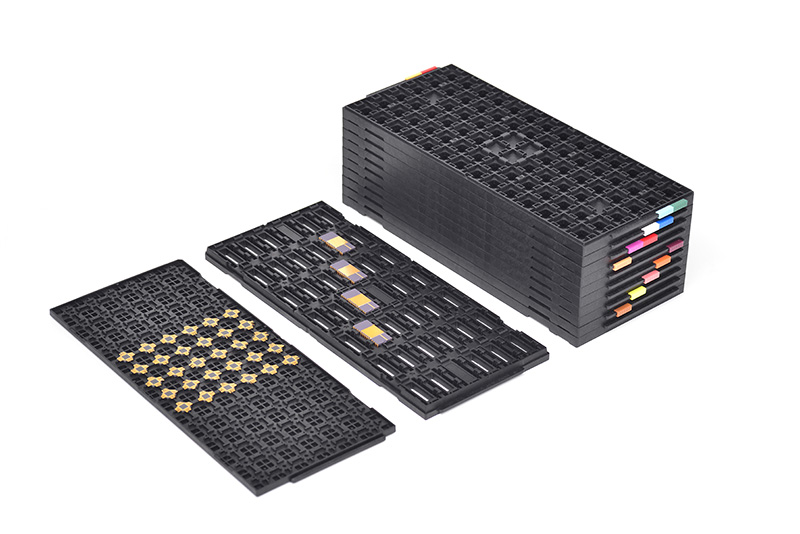
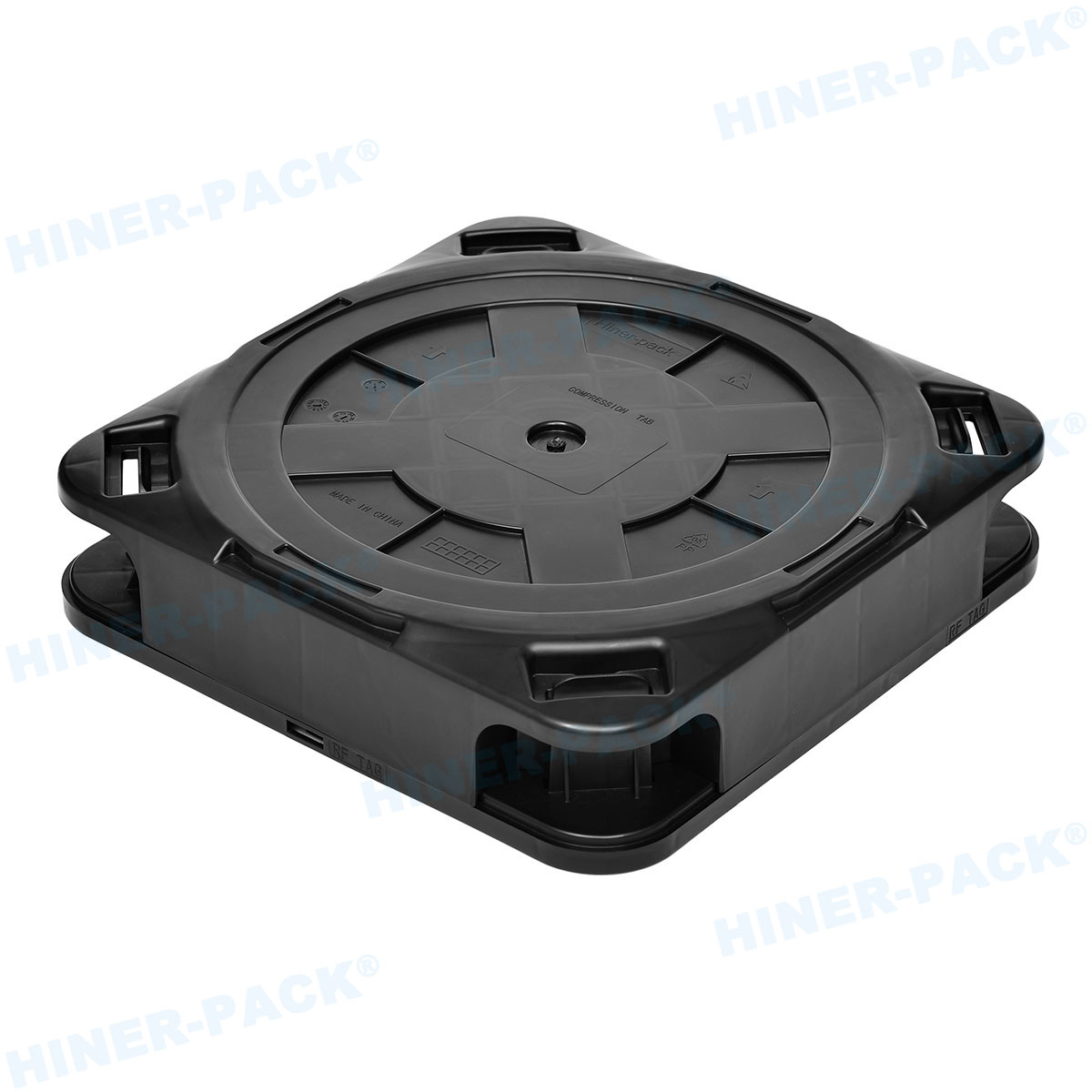
Plastic waffle packs (also called waffle trays or gel packs) are injection‑moulded carriers with individual pockets. They hold singulated dies, MEMS, LEDs, or small ICs. When you buy plastic waffle packs wholesale, you ensure consistent pocket dimensions and material traceability across high volumes. Hiner-pack supplies these trays in various sizes to match 2‑inch to 12‑inch wafer formats.
1.1 Pocket design for different chip sizes
Custom pocket matrices for 0201, 0402, or larger dies.
Options for deep or shallow cavities depending on component thickness.
Stacking ribs for secure nesting during automated pick‑and‑place.
1.2 Compatibility with existing handling equipment
Standard outer dimensions (e.g. 2″ × 2″, 4″ × 4″) fit most magazine loaders.
Flatness tolerance ≤0.1 mm to avoid jams in wafer sorters.
Corner notches for correct orientation in automated stations.
2. Material science and cleanroom compliance
Semiconductor environments demand strict control of outgassing, particles, and static. Hiner-pack manufactures its wholesale trays from high‑purity polymers that meet SEMI standards. Below are typical material choices:
Conductive polypropylene (PP) – surface resistivity 10³–10⁵ Ω/sq for ESD protection.
PES (polyethersulfone) – high temperature resistance up to 200°C for baking processes.
Static‑dissipative PET – cleanroom compatible, low particle generation.
Each lot of plastic waffle packs wholesale can be tested for ionic contamination and outgassing according to ASTM E595.
3. Why plastic waffle packs wholesale reduce cost per unit
Buying in bulk directly from a moulding source cuts packaging expenses significantly. Large‑volume orders also guarantee that all trays come from the same production run, eliminating dimensional variations. Typical cost benefits include:
Lower price per tray compared to small‑quantity purchases.
Reduced freight cost by consolidating orders into full pallets.
Minimised requalification efforts because the material is consistent.
For high‑volume fabs, plastic waffle packs wholesale provide a stable supply chain with short lead times.
4. JEDEC trays vs. plastic waffle packs: key differences
JEDEC trays (matrix trays) are designed primarily for ICs with specific JEDEC standard outlines. Plastic waffle packs, however, are more flexible for non‑standard dies or prototype runs. Plastic waffle packs wholesale often include both JEDEC‑compatible pockets and custom cavity arrangements. This versatility makes them suitable for MEMS, sensor, and optoelectronic components that do not follow conventional JEDEC footprints.
JEDEC trays: fixed pocket matrices per EIA‑969 standard.
Waffle packs: custom pocket maps optimised for fragile or irregular dies.
Both types can be supplied by Hiner-pack with full material documentation.
5. Quality certifications and traceability
Reputable suppliers of plastic waffle packs wholesale provide certificates of conformance, lot traceability, and dimensional reports. Key quality indicators to request:
ISO Class 5 or Class 6 cleanroom manufacturing environment.
RoHS and REACH compliance for all polymers.
100% vision inspection for pocket integrity and contamination.
When you work with Hiner-pack, each shipment includes a lot number that traces back to raw material batches and moulding parameters.
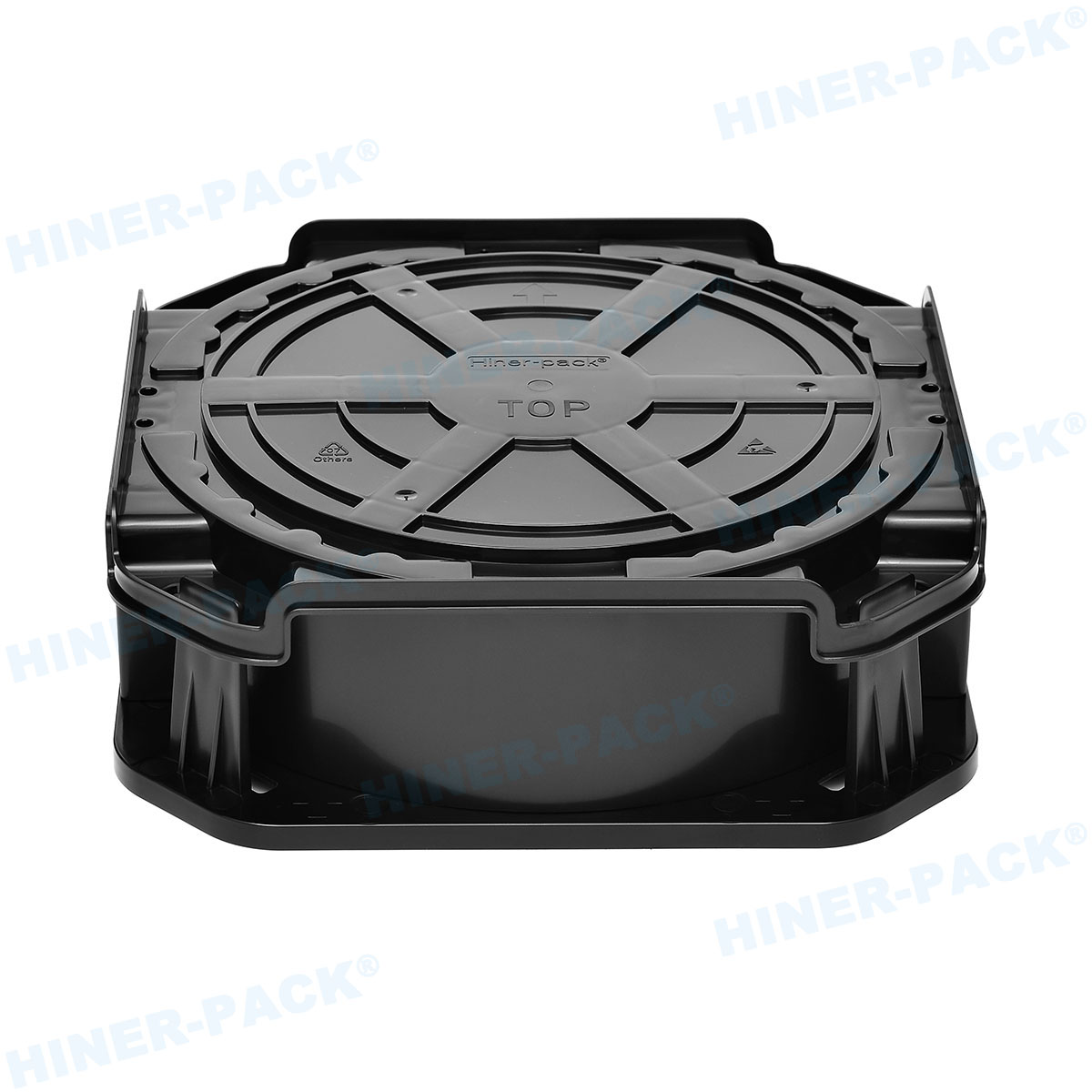
6. How to choose a reliable plastic waffle packs wholesale partner
Selecting a vendor involves more than price. Evaluate their engineering support, sampling policy, and ability to scale. Consider these points:
Does the supplier offer custom pocket design for new devices?
Are there quick‑turn prototypes for qualification?
Can they provide anti‑static or low‑moisture packaging for air shipment?
Experienced buyers often audit the moulding facility and request a quality manual before committing to long‑term plastic waffle packs wholesale contracts.
7. Environmental and reusability considerations
Modern waffle packs are designed for multiple use cycles after proper cleaning. High‑temperature materials allow decontamination via DI water wash or isopropyl alcohol. Many fabs implement return‑logistics programs where empty trays are collected, cleaned, and reused. This circular approach reduces plastic waste and lowers overall packaging spend. Recyclable polymers are also available for plastic waffle packs wholesale orders that prioritise sustainability.
8. Future trends in semiconductor waffle packaging
As wafer diameters increase and 3D stacked dies become common, pocket tolerances tighten. Upcoming innovations include:
Embedded RFID tags for real‑time inventory tracking.
Conductive coatings that maintain ESD protection after repeated washes.
Ultra‑thin waffle packs to maximise magazine capacity.
Wholesale buyers should stay informed about these developments to ensure their packaging remains compatible with next‑gen automation. Partnering with a forward‑thinking manufacturer like Hiner-pack helps you adopt new solutions as soon as they are validated.
In summary, plastic waffle packs wholesale offer semiconductor companies a balance of protection, cost efficiency, and customisation. By focusing on material quality, dimensional consistency, and supplier reliability, you can safeguard delicate dies from the fab to the end user. Whether you need JEDEC‑style trays or fully custom waffle packs, buying wholesale ensures you get the same high standard across every tray.
Frequently Asked Questions (FAQ)
Q1: What exactly are plastic waffle packs used for in the semiconductor industry?
A1: They are used to hold, store, and transport individual semiconductor dies, MEMS, LEDs, or small ICs after dicing. Each pocket isolates one component, preventing mechanical damage and static discharge.
Q2: Can I get custom pocket sizes when ordering plastic waffle packs wholesale?
A2: Yes, most suppliers including Hiner-pack offer custom cavity design. You provide the die dimensions and array layout, and they produce a mould that matches your exact requirements.
Q3: What is the typical minimum order quantity (MOQ) for wholesale waffle packs?
A3: MOQs vary by supplier and complexity. For standard pocket matrices, MOQs often start at 500–1000 pieces. Custom designs may require higher volumes to amortise tooling costs.
Q4: Are plastic waffle packs reusable after they have been used?
A4: Yes, if they are made from high‑temperature materials like PES or conductive PP, they can be cleaned with deionised water, IPA, or specialised detergents. Always verify that the cleaning process does not degrade the ESD properties.
Q5: How do I verify that wholesale waffle packs are cleanroom compatible?
A5: Request a certificate of cleanliness or outgassing test report. Reputable suppliers test per ASTM E595 or ISO 14644‑1 and can provide data on particles, volatile condensables, and ionic residues.
Q6: Do you offer both conductive and antistatic materials for wafer trays?
A6: Absolutely. Conductive (carbon‑filled) materials provide a path to ground, while static‑dissipative materials prevent tribocharging. Your choice depends on the sensitivity of the devices and your handling procedures. Hiner-pack can supply both types in wholesale quantities.