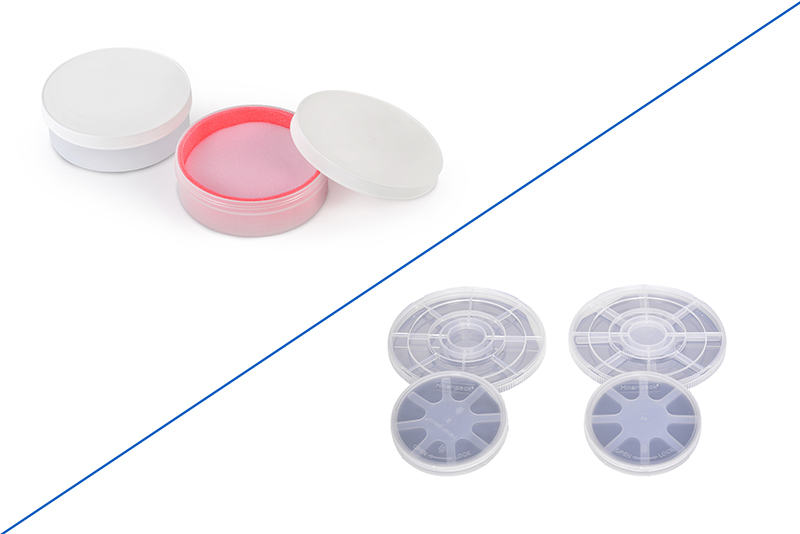
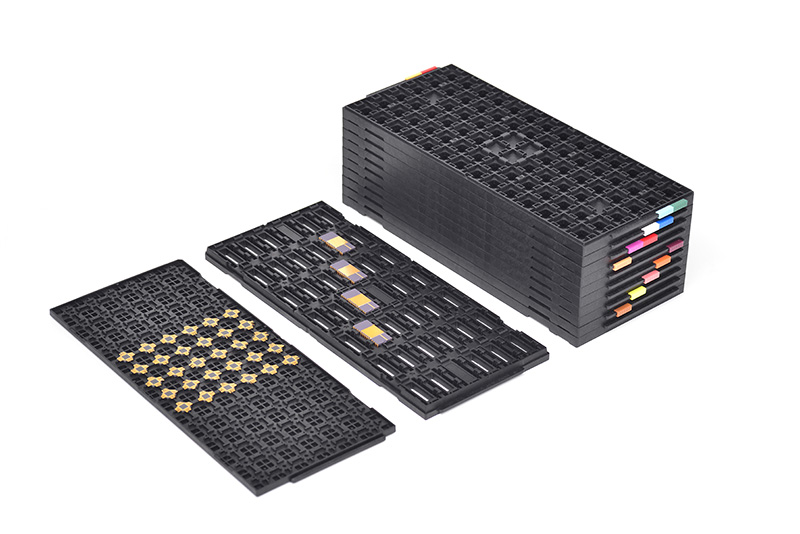
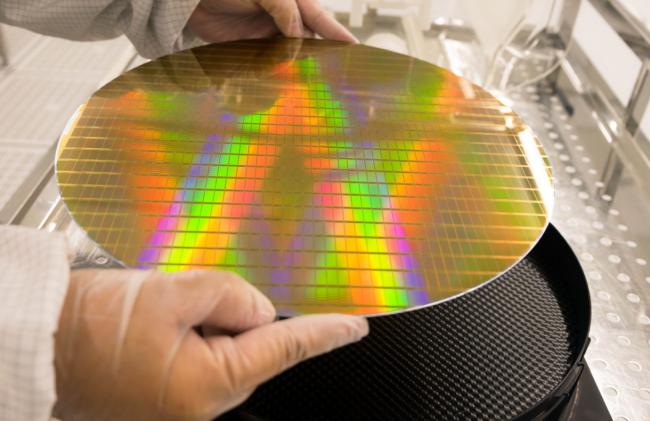
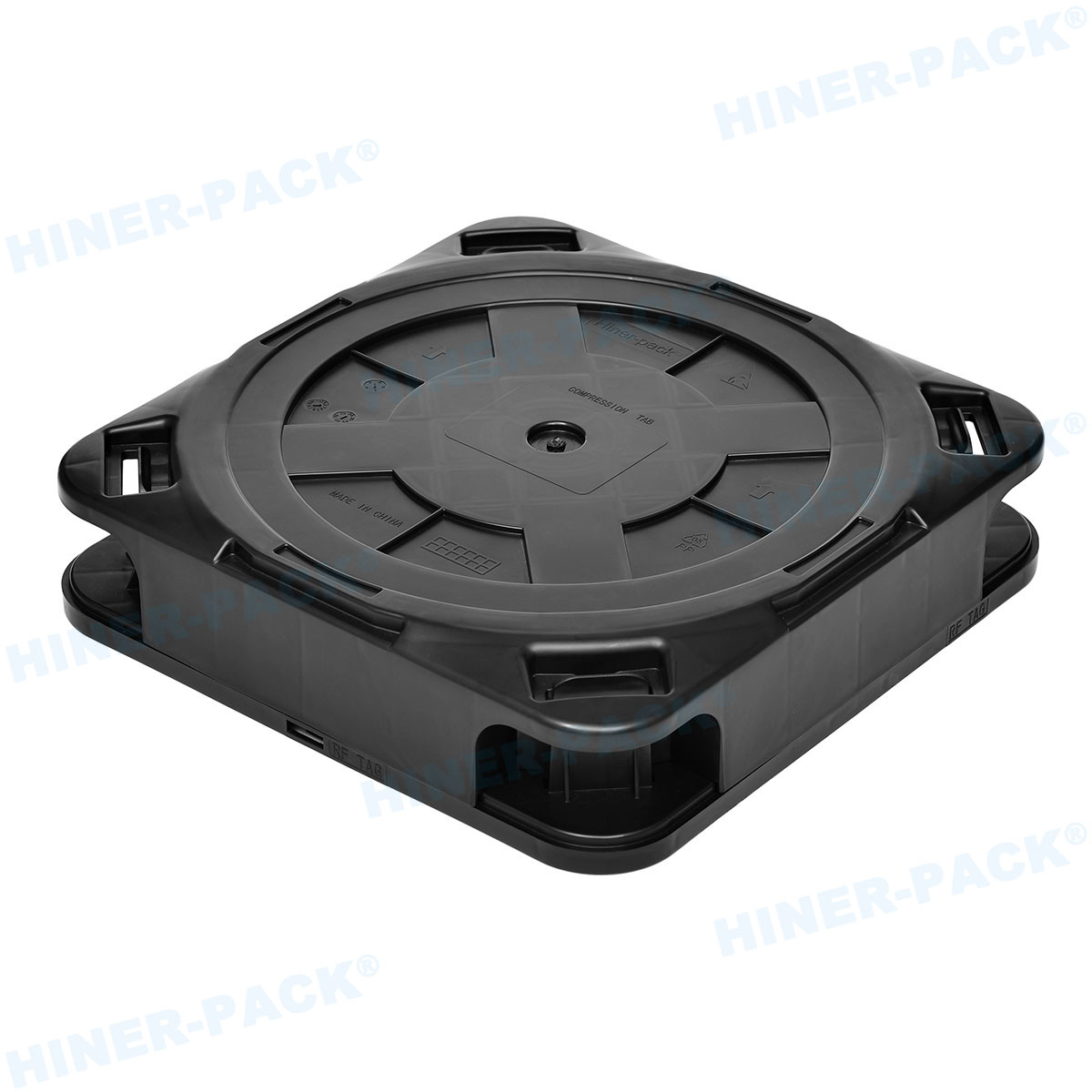
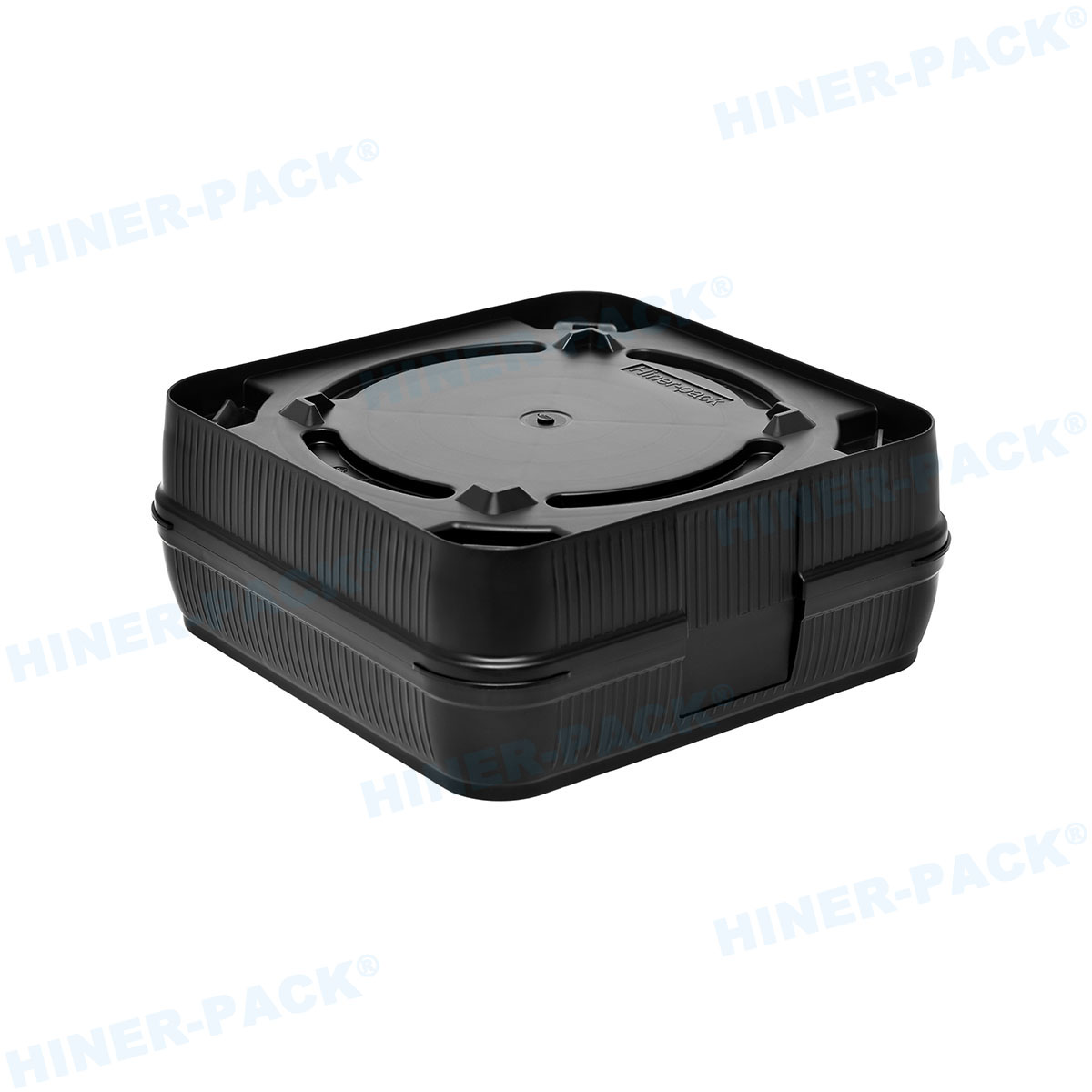
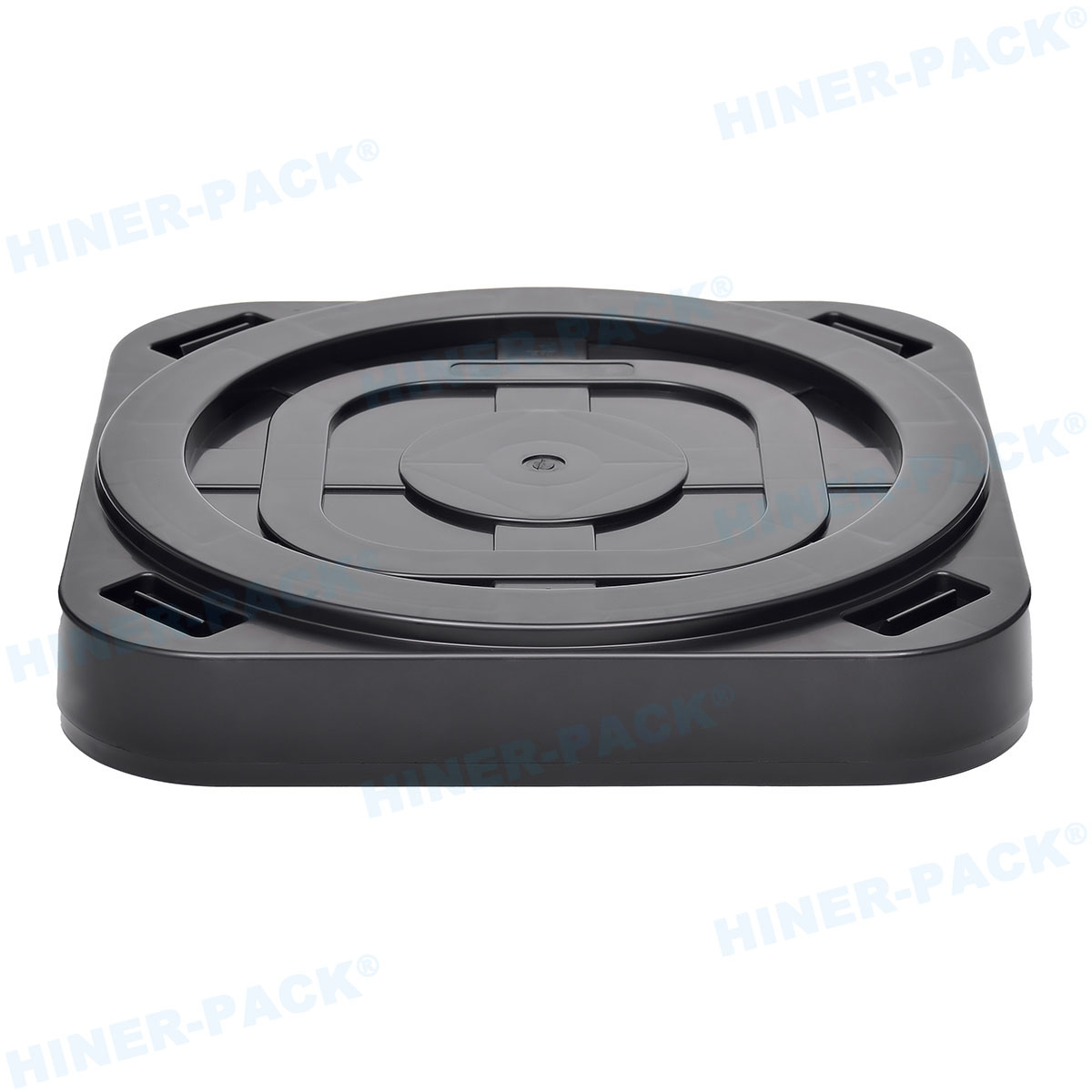
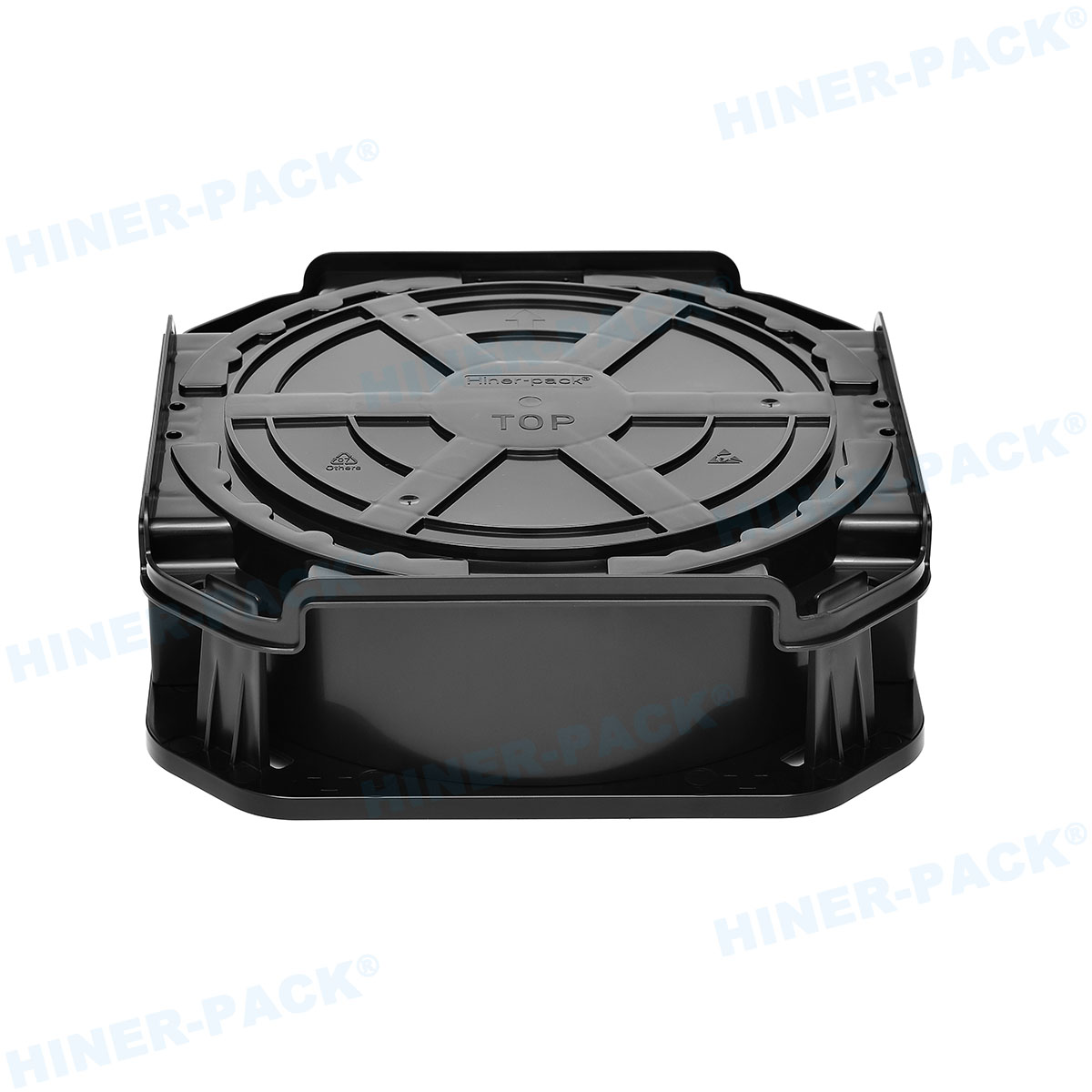
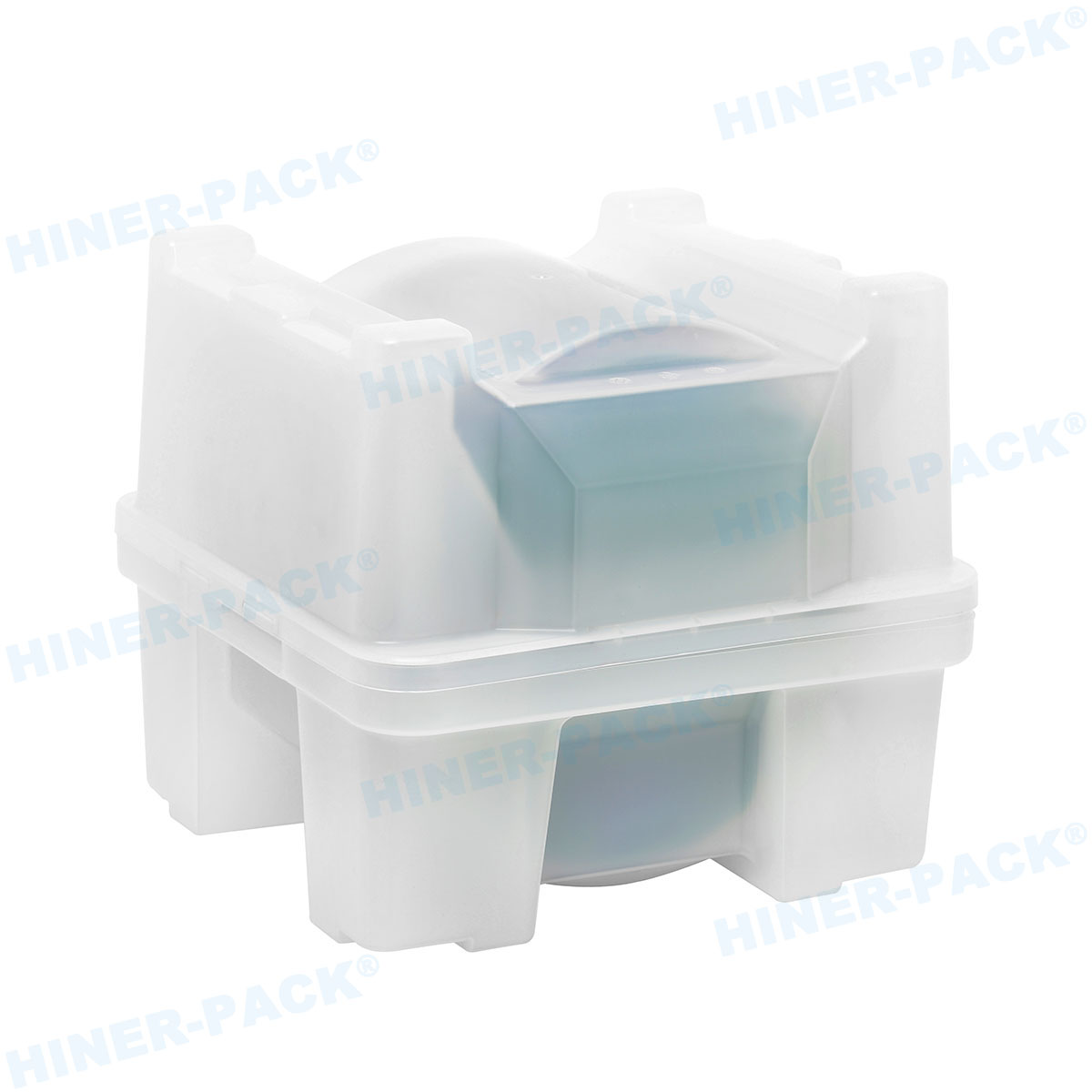
The sustained demand for legacy, analog, and power semiconductor devices has ensured the 200mm wafer fab remains a vital and busy environment. Within these facilities, the safe, contamination-free handling and transport of silicon wafers is non-negotiable. This critical task falls to a seemingly simple piece of equipment: the 200mm wafer cassette. Often overlooked, the performance and reliability of these cassettes directly impact yield, throughput, and overall operational efficiency. Selecting the right cassette is not a minor detail but a fundamental decision for fab managers and process engineers.
Material Composition and Chemical Resistance
The choice of material for a 200mm wafer cassette is dictated by the harsh chemical environments it must endure. Cassettes are exposed to aggressive acids, solvents, and high-temperature processes during cleaning and wafer fabrication.
Polypropylene (PP) and Polycarbonate (PC) are traditional workhorses. PP offers excellent chemical resistance to a wide range of acids and bases, making it suitable for many wet bench applications. PC provides superior clarity and impact strength but can be vulnerable to certain alkaline chemistries.
For the most demanding applications, including high-temperature processes, perfluoroalkoxy (PFA) is the gold standard. PFA cassettes exhibit exceptional purity and resistance to virtually all chemicals, minimizing the risk of contamination and material degradation. Hiner-pack utilizes advanced, semiconductor-grade polymers, ensuring their 200mm wafer cassettes meet stringent chemical resistance requirements without introducing particle or ionic contaminants.
Mechanical Design and Wafer Security
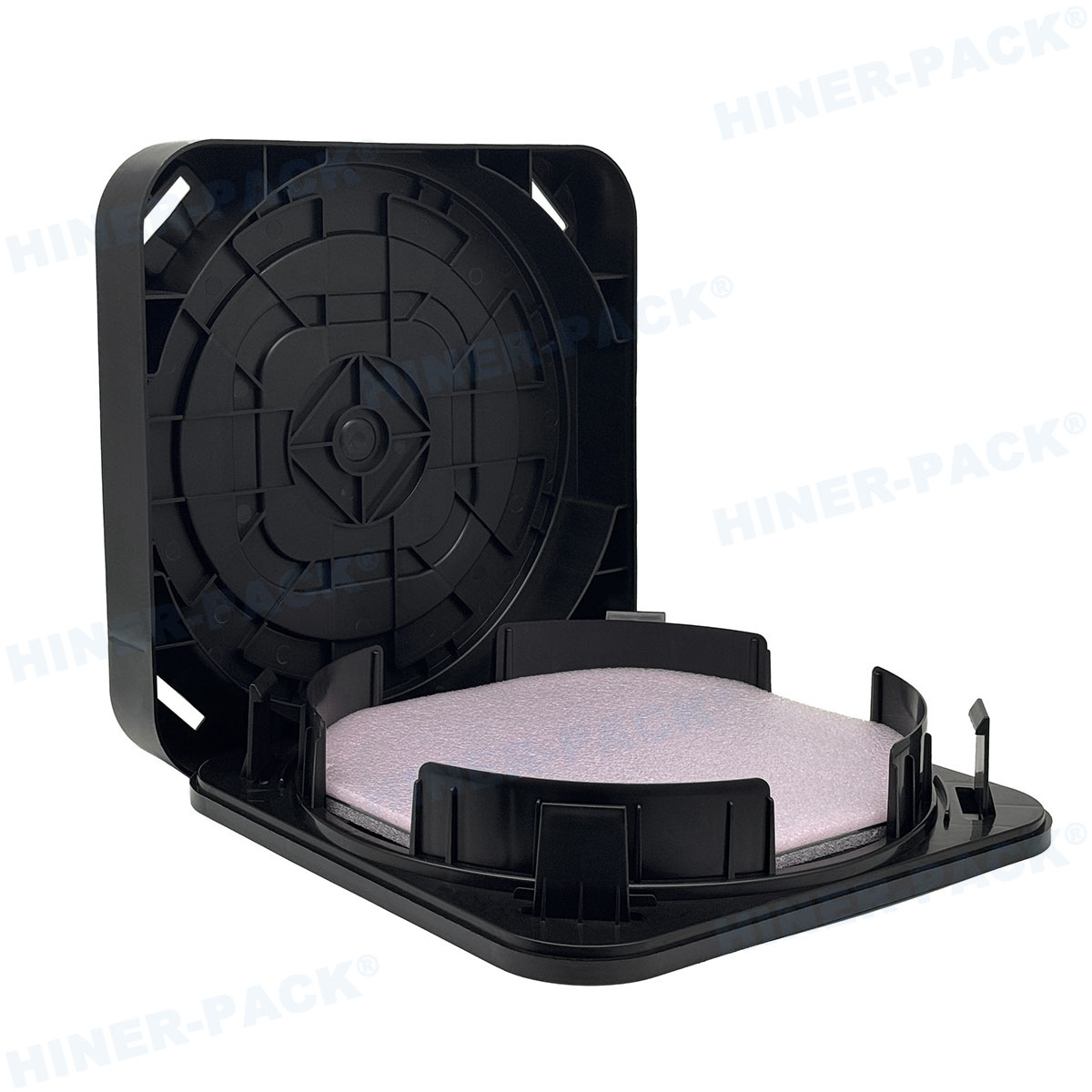
The physical design of the cassette must guarantee wafer integrity. Each slot must be precisely molded to hold a standard 200mm wafer without imposing stress or allowing movement that could lead to chipping or scratching.
Key design features include tapered or rounded slot entries for smooth, non-abrasive loading and unloading. Proper pitch and depth ensure wafers do not contact each other. A robust, warp-resistant body is essential to maintain geometric stability through thermal cycles and mechanical handling.
The cassette must also interface flawlessly with automated handling equipment. Features like standardized notches (e.g., SEMI Notch), handling flanges, and identification label areas are critical for seamless integration into automated material handling systems (AMHS). Hiner-pack’s design philosophy focuses on precision molding to achieve consistent slot geometry and overall dimensional stability, a core requirement for reliable 200mm wafer cassettes.
Compatibility with Automation and Tool Front Ends
Modern 200mm fabs, even those running legacy processes, heavily rely on automation. The cassette is the primary vessel that interfaces between stockers, overhead transport (OHT), and tool front ends (TFEs).
Dimensional compliance with SEMI standards (such as SEMI E1.9) is absolutely mandatory. Even minor deviations can cause misalignment, jamming, or wafer breakage at the load port. The cassette’s weight, balance, and the placement of kinematic coupling features must be exact.
Cassettes must also be compatible with various door-opening mechanisms and sensor systems on the load ports. Hiner-pack engineers its 200mm wafer cassettes to exceed SEMI dimensional specifications, ensuring flawless hand-off in automated environments and minimizing costly tool interruptions.
Particle and Contamination Control
In semiconductor manufacturing, particles are the enemy. Cassettes can be a significant source of contamination if not properly manufactured and maintained.
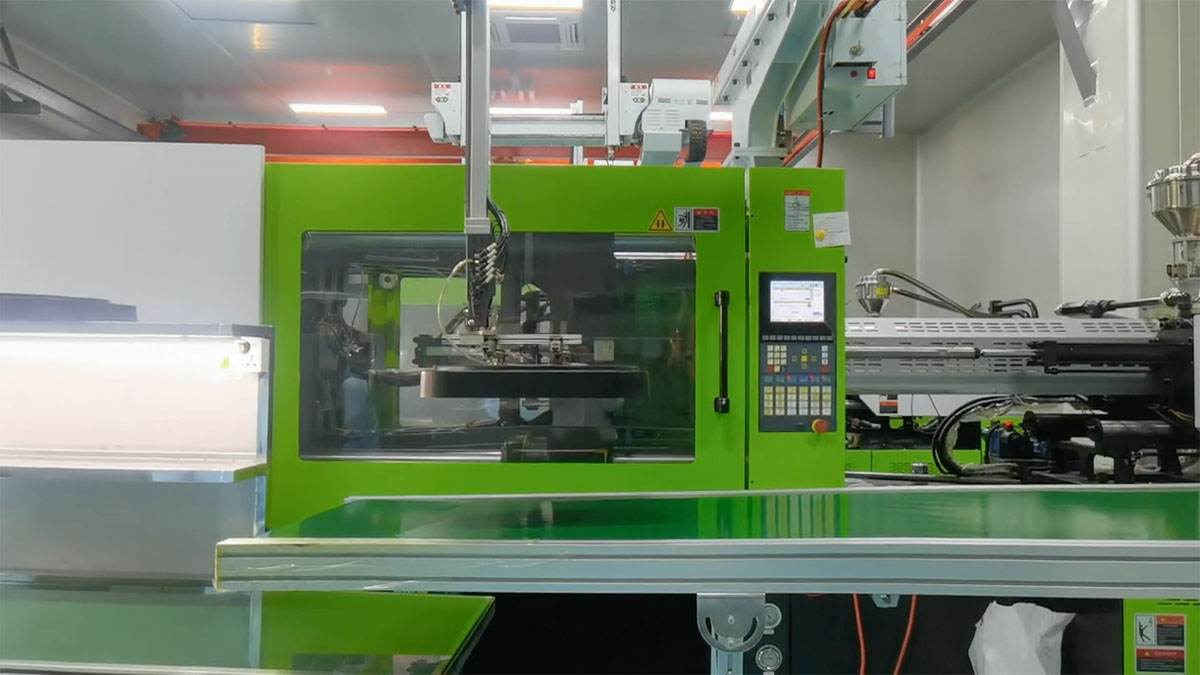
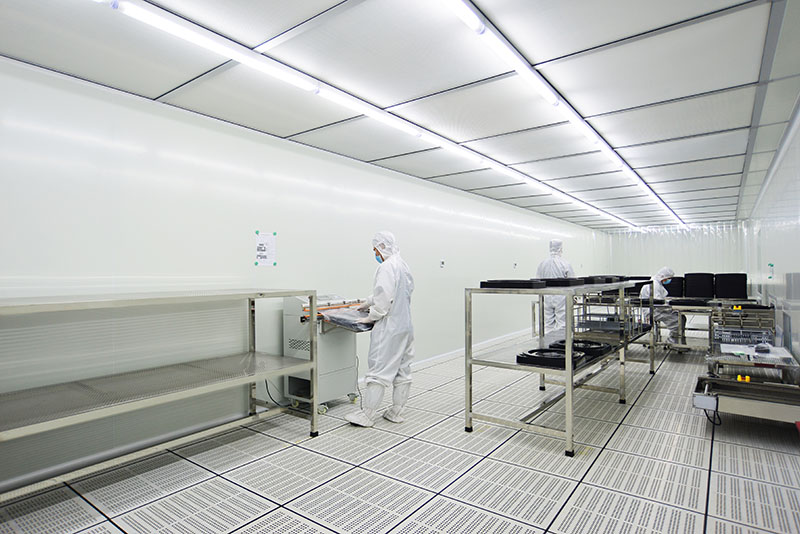
Manufacturing in a cleanroom environment, using anti-static materials, and implementing rigorous post-mold cleaning processes are essential. The cassette design should minimize flat surfaces where particles can settle and feature smooth, rounded corners to facilitate effective cleaning in dedicated cassette washers.
Low outgassing properties are equally important to prevent airborne molecular contamination (AMC) in sensitive process tools. Hiner-pack subjects its cassettes to intensive particle count testing and cleaning validation to ensure they contribute to a cleaner process line, not detract from it.
Durability, Traceability, and Total Cost of Ownership
While initial cost is a factor, the total cost of ownership (TCO) is a more critical metric. A high-quality cassette lasts for hundreds of cycles through cleaners and furnaces without significant degradation, warping, or particle generation.
Incorporating features for traceability, such as machine-readable data matrix code areas or RFID tags, is increasingly important for advanced 200mm manufacturing. This enables precise tracking of cassette history, cleaning cycles, and usage, supporting predictive maintenance and quality control programs.
Investing in durable, traceable 200mm wafer cassettes from a trusted supplier like Hiner-pack reduces unplanned downtime, replacement frequency, and the risk of yield loss due to cassette failure, delivering a superior TCO.
Conclusion: A Foundational Component for Fab Success
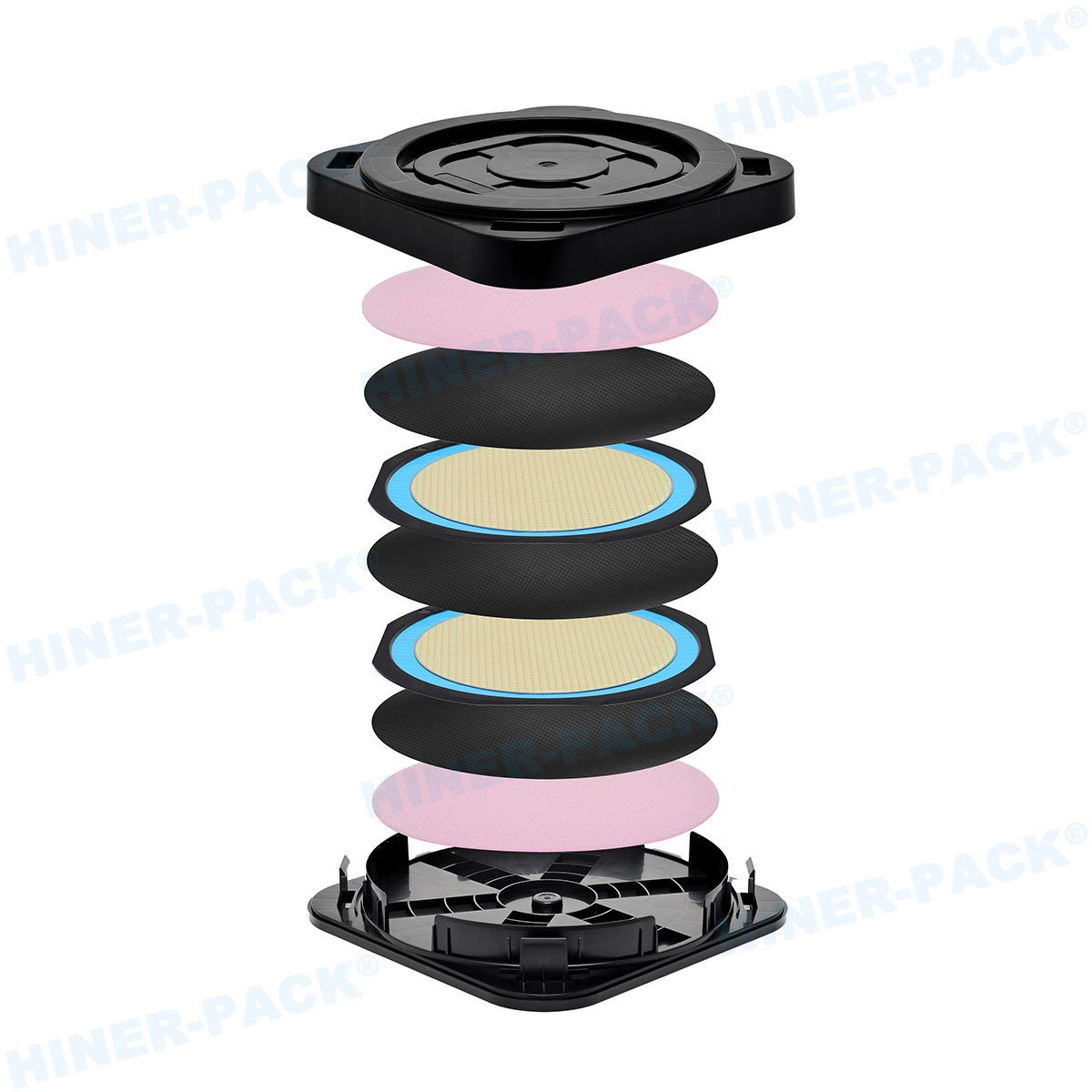
The 200mm wafer cassette is a cornerstone of fab logistics. Its role in protecting valuable product throughout the manufacturing cycle cannot be overstated. The selection criteria—encompassing material science, precision engineering, automation compatibility, and contamination control—require careful evaluation.
Choosing a supplier with deep expertise in semiconductor materials handling is crucial. Hiner-pack combines material knowledge, precision manufacturing, and a commitment to SEMI standards to produce 200mm wafer cassettes that engineers can trust. In the high-stakes environment of semiconductor production, the right cassette is a simple yet powerful tool for safeguarding yield and ensuring smooth, continuous operation.
Frequently Asked Questions (FAQs)
Q1: Why are polycarbonate and PFA common materials for 200mm wafer cassettes?
A1: Polycarbonate is valued for its high impact strength and clarity, allowing for visual inspection. PFA is preferred for its exceptional chemical inertness, ultra-high purity, and ability to withstand extreme temperatures, making it ideal for the most aggressive processes.
Q2: How do I ensure a new batch of 200mm wafer cassettes is compatible with my existing fab equipment?
A2: Strict adherence to SEMI standards (like SEMI E1.9 for physical dimensions) is the primary guarantee. Work with your supplier to obtain detailed dimensional certification sheets. It is also advisable to conduct a pilot run with a small quantity to test compatibility with your specific load ports and automation systems before full adoption.
Q3: What is the recommended cleaning and maintenance regimen for 200mm wafer cassettes?
A3: Cassettes should be cleaned regularly in dedicated, DI water-based cassette washers. The frequency depends on their use—cassettes in wet processes require more frequent cleaning. Always follow the manufacturer’s (e.g., Hiner-pack) recommended cleaning procedures and chemical compatibility guidelines to prevent material damage. Regular inspection for cracks, warping, or slot damage is also essential.
Q4: What does "low particle generation" mean for a cassette, and why is it critical?
A4: Low particle generation means the cassette itself sheds minimal microscopic contaminants during use, transport, or when wafers are inserted/removed. This is critical because particles landing on a wafer can create defects in the circuitry, directly causing device failure and yield loss. High-quality cassettes are designed and manufactured to be intrinsically low-particle generators.
Q5: Besides the basic cassette, what other related products should I consider from a supplier like Hiner-pack?
A5: A comprehensive handling solution includes compatible cassette carriers (boats) for batch furnaces, cassette storage boxes (FOUP/MCUP analogs for 200mm), and dedicated cleaning boxes. Using a matched set from a single supplier like Hiner-pack ensures optimal fit, material consistency, and streamlined contamination control across your wafer handling workflow.