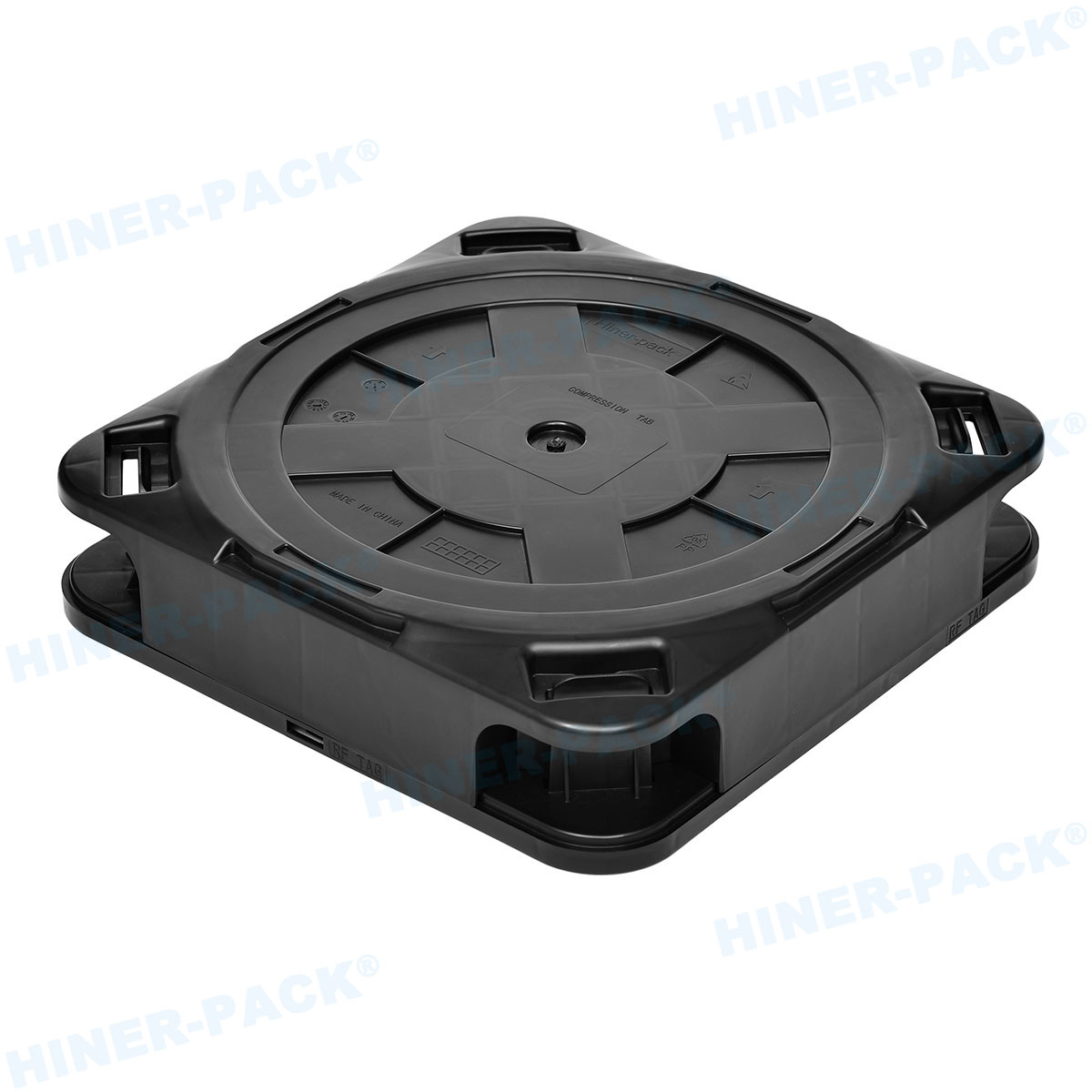
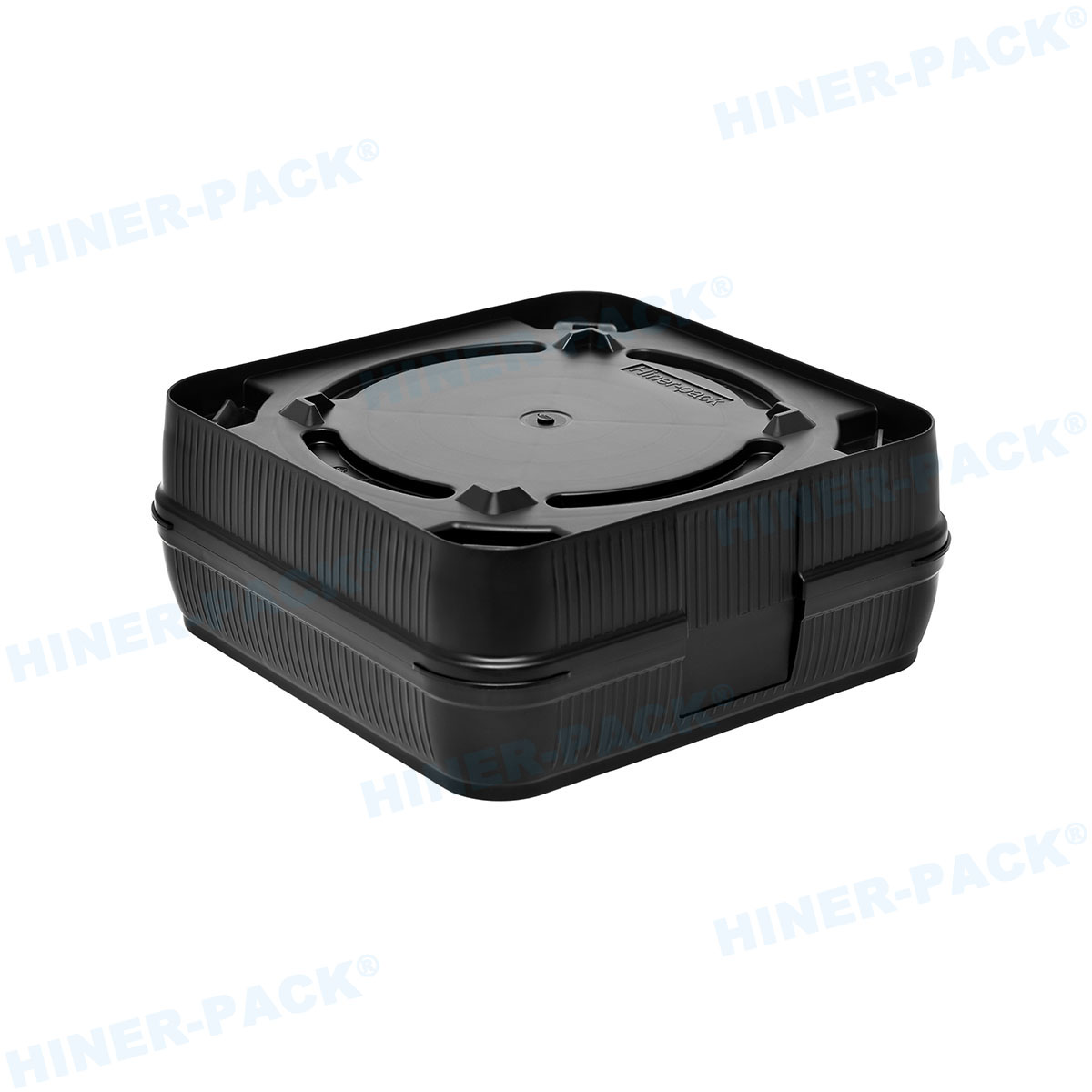
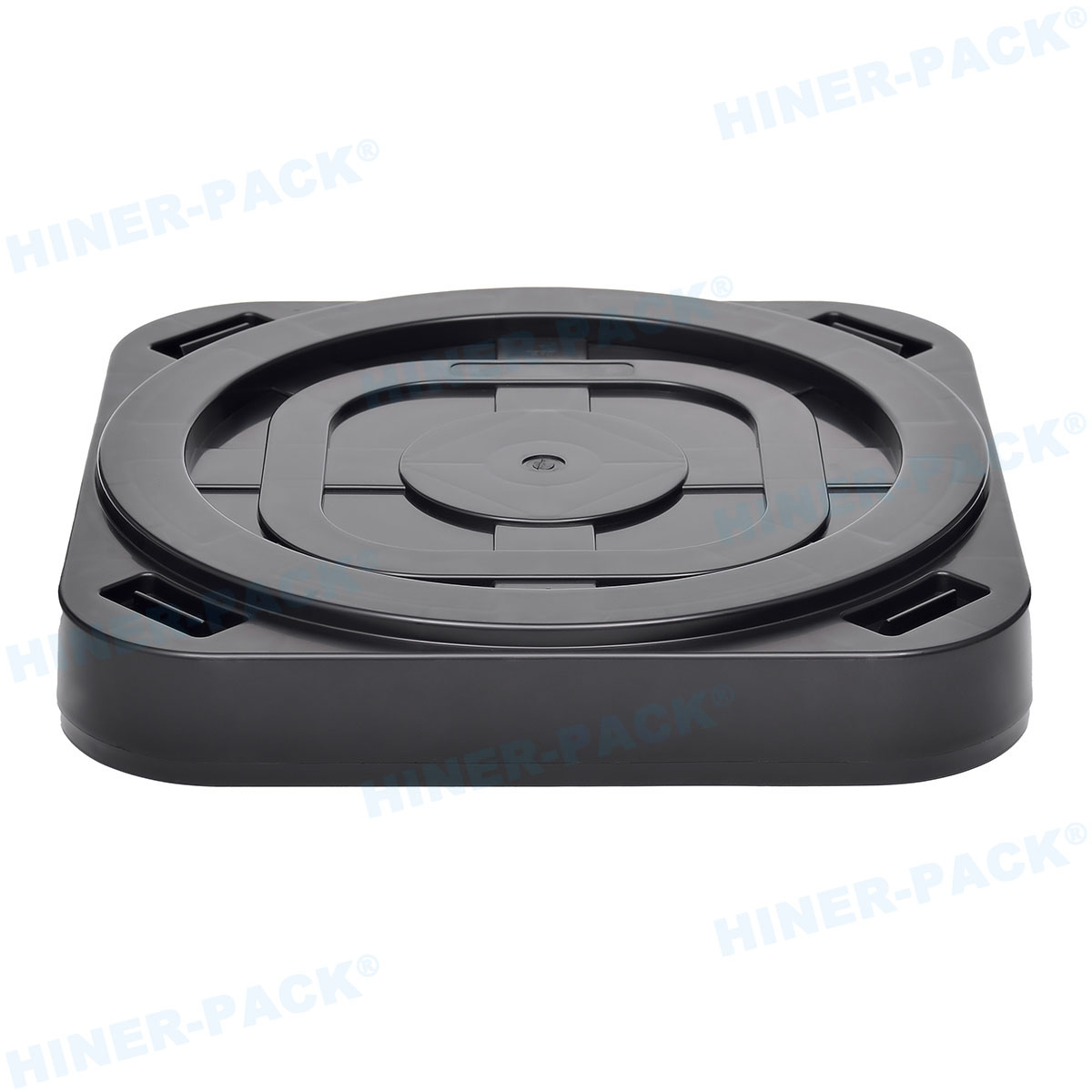
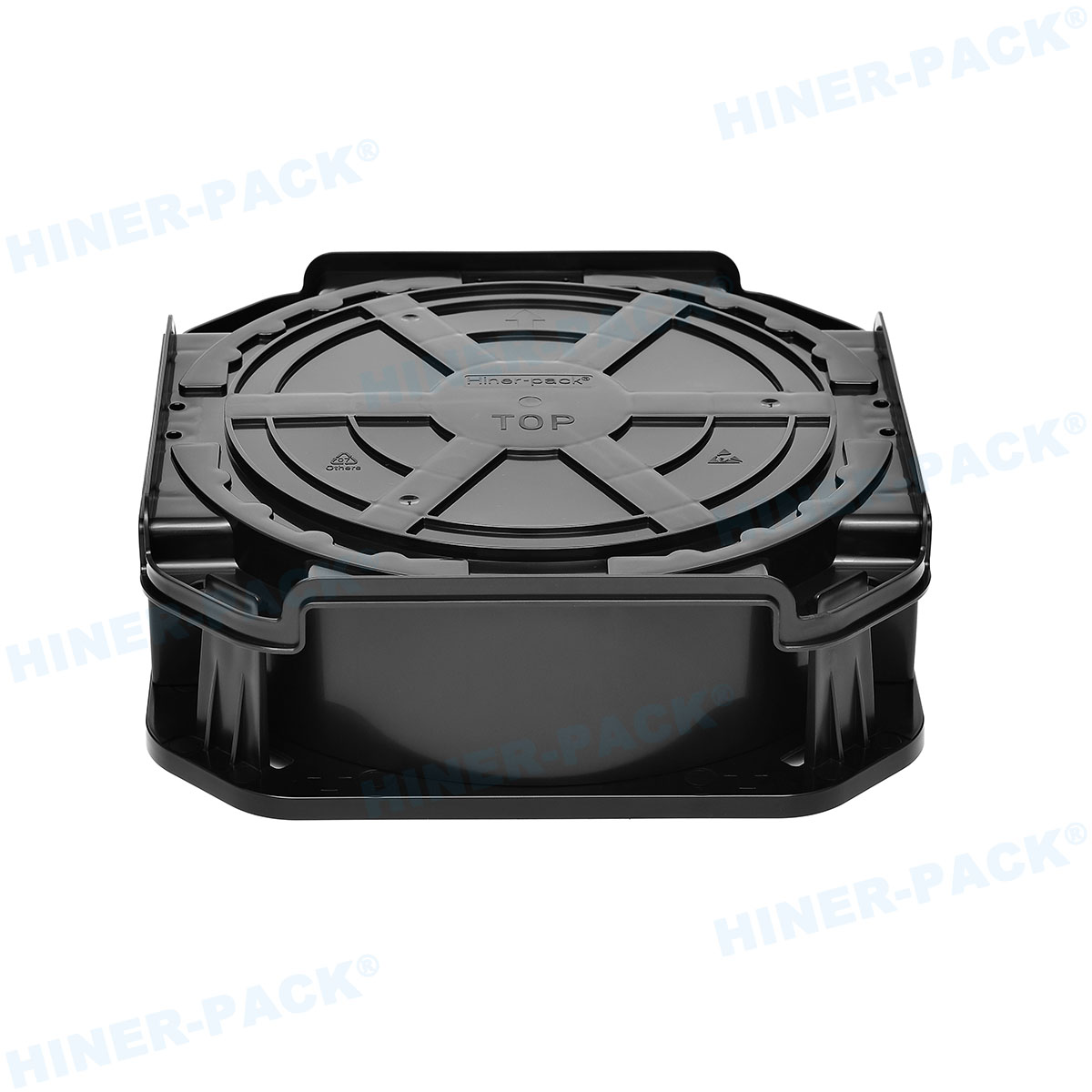
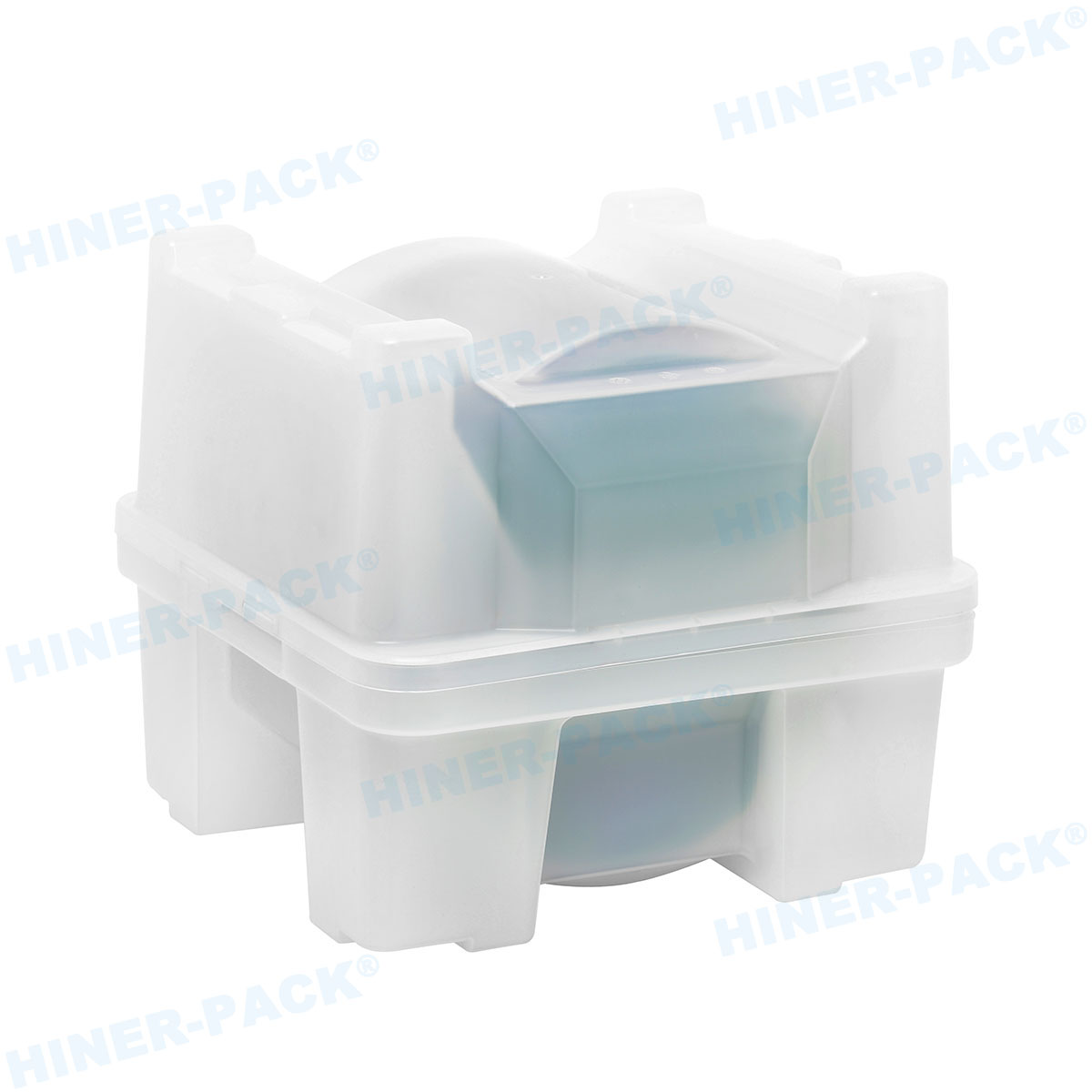
In the intricate ecosystem of semiconductor fabrication, the wafer boat for etching is far from a passive holder. It is a precision-engineered component that directly impacts etch uniformity, defect density, and overall production yield. As device geometries shrink and process complexities increase—from advanced FinFET to 3D NAND—the demands placed on these carriers have intensified. This article provides a technical deep dive into the design, material selection, and application-specific considerations for wafer boats used in both wet chemical etching and dry plasma etching environments, while highlighting solutions from industry specialists like Hiner-pack.
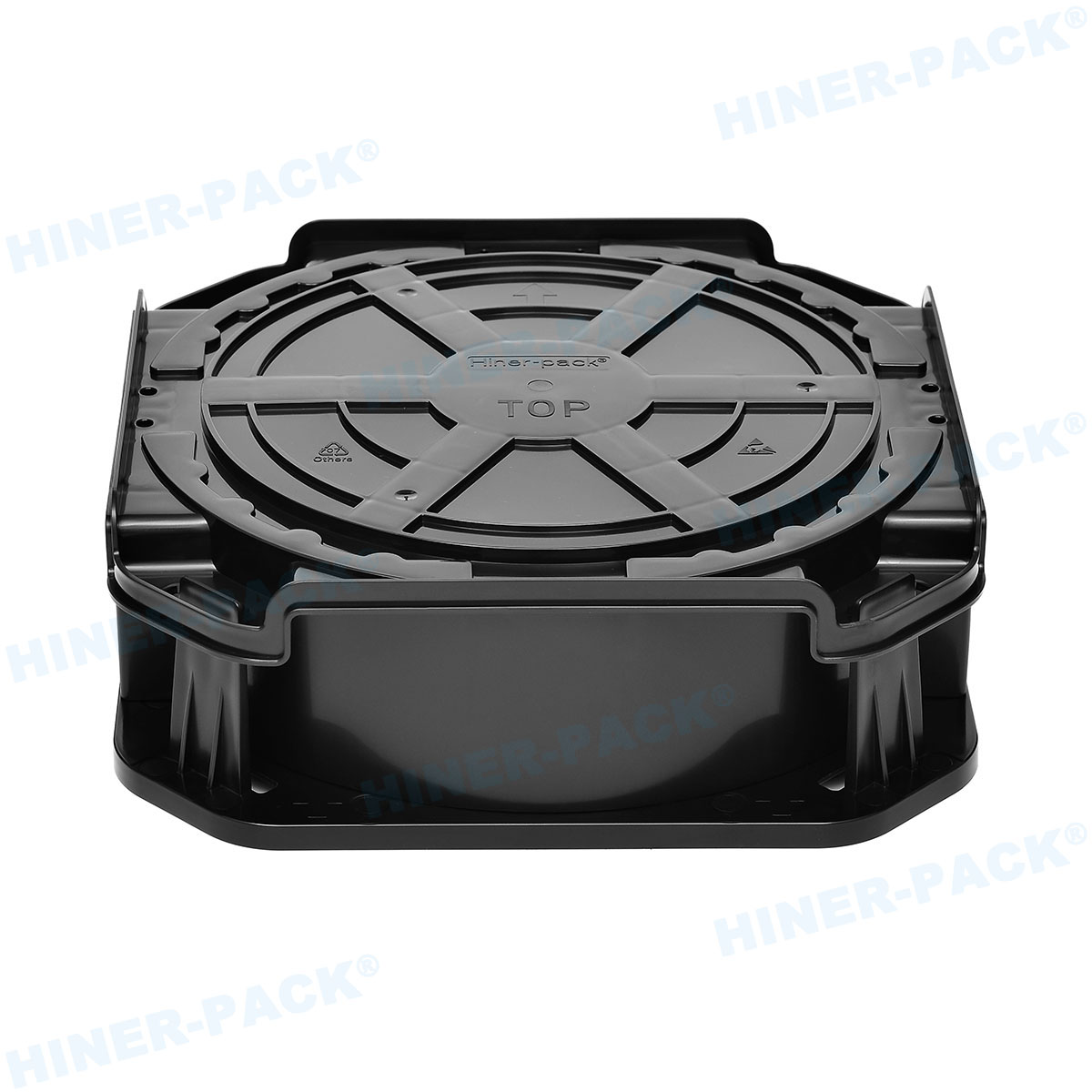
1. The Critical Role of the Wafer Boat in Etching Processes
Whether in a wet bench immersion bath or a high-density plasma etcher, the wafer boat for etching must ensure uniform exposure of the wafer surface to the reactive medium while protecting the wafer edges and backside. Any inconsistency in fluid dynamics (in wet etch) or plasma sheath formation (in dry etch) caused by the boat geometry can lead to critical dimension (CD) non-uniformity or microloading effects. The boat's material must withstand aggressive chemistries (HF, KOH, Cl₂, HBr) and high temperatures without outgassing or degrading.
2. Material Science: Selecting the Right Carrier for the Etch Chemistry
The choice of material for a wafer boat is dictated by the specific etch process. Common materials include high-purity quartz (fused silica), silicon carbide (SiC), and solid silicon. Each offers distinct advantages and trade-offs in terms of chemical resistance, thermal stability, and particle generation.
2.1 High-Purity Quartz (Fused Silica)
Quartz remains the workhorse for many wet etching applications, particularly in pre-diffusion cleaning and oxide etching. Its excellent resistance to hydrofluoric acid (HF) and high-temperature stability (up to 1100°C) make it versatile. However, in plasma environments containing fluorine or chlorine, quartz can erode, leading to particle contamination. Modern quartz boats feature polished contact points to minimize friction-induced defects.
2.2 Silicon Carbide (SiC)
For aggressive dry etching processes (e.g., deep silicon etch or dielectric etch), SiC is the preferred material. Its extreme hardness, high thermal conductivity, and chemical inertness provide exceptional durability and minimal particle generation. Hiner-pack offers a range of SiC boats designed for high-temperature, high-bias plasma environments, ensuring long service life and consistent process performance.
2.3 Solid Silicon
In processes where cross-contamination from different materials must be avoided, solid silicon boats are used. They match the thermal expansion of the wafers perfectly and are often employed in epitaxial silicon etch or specialized cleaning steps. However, they are consumed over time and have a higher cost of ownership.
3. Design Parameters and Their Impact on Etch Uniformity
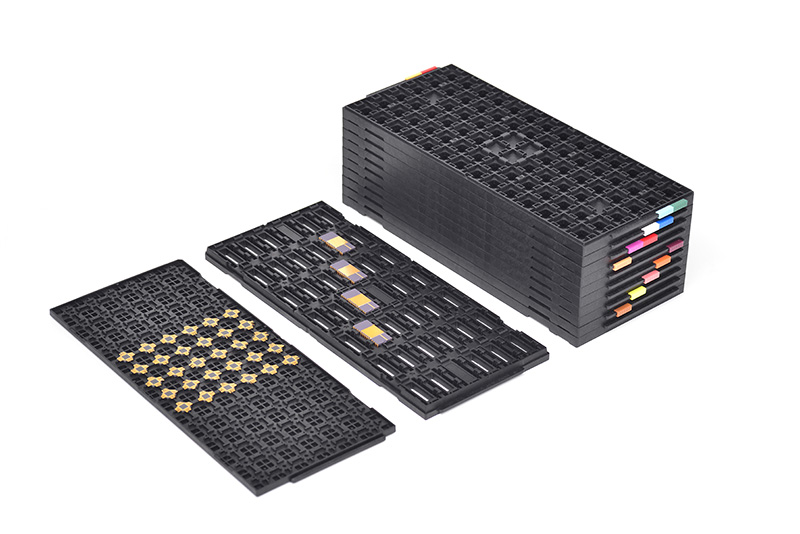
The physical configuration of a wafer boat for etching governs the flow of etchants and the uniformity of the reaction. Key design aspects include:
Slotted vs. Rod-Type Designs: Slotted boats provide maximum support but can create flow shadows in wet processes. Open-architecture rod boats improve liquid/gas circulation but require careful handling to avoid wafer slippage.
Pitch (Spacing): The distance between wafers (pitch) is critical. In plasma etching, a larger pitch reduces microloading but decreases throughput. Advanced boats feature variable pitch configurations for process optimization.
Contact Points: Minimal, knife-edge contacts reduce the risk of particle entrapment and ensure that the etch front reaches the wafer edge uniformly. Hiner-pack utilizes advanced CNC machining to achieve contact points with radii < 50 µm, minimizing surface adhesion.
4. Application-Specific Wafer Boat Solutions
Different etching steps in the fab flow impose unique requirements on the carrier. Understanding these nuances is key to selecting the correct wafer boat for etching.
4.1 Wet Etching: Immersion and Single-Wafer
In batch wet etching (e.g., using HF for oxide removal or H₃PO₄ for silicon nitride), the boat must allow rapid, uniform fluid exchange. Quartz boats with optimized slot designs minimize the boundary layer thickness, ensuring consistent etch rates across the wafer and from wafer to wafer. For single-wafer wet processing, specialized carriers that hold the wafer horizontally are used, but batch boats remain essential for high-volume manufacturing of legacy nodes.
4.2 Dry Etching: Plasma and RIE
Reactive Ion Etching (RIE) and Inductively Coupled Plasma (ICP) systems often use boats that are part of the cathode assembly. Here, the material must be conductive or have controlled resistivity to manage RF biasing. SiC boats are common, and their design must account for gas distribution across the boat. Hiner-pack provides custom-engineered boats for etchers from major OEMs (Lam Research, TEL, Applied Materials), ensuring precise fit and electrical characteristics.
4.3 Vertical vs. Horizontal Furnace Etching
While primarily used for deposition and oxidation, horizontal furnaces are sometimes employed for high-temperature etching (e.g., hydrogen bake or native oxide removal). The boat design for horizontal furnaces (often called "paddles") requires robust mechanical strength to resist sagging at high temperatures. Vertical furnace boats (or "cages") typically support larger wafer loads (up to 150 wafers) and require stringent dimensional tolerances to prevent wafer slippage during transfer.
5. Industry Pain Points and Engineering Solutions
Process engineers constantly grapple with issues related to wafer carriers. Here are common challenges and how advanced boat designs address them:
Particle Generation: Mechanical friction between the wafer and boat slots generates particles. Solution: Coating boat slots with a thin, low-friction film (e.g., CVD SiC on quartz) or using non-contact support designs where feasible.
Chemical Attack and Degradation: Quartz boats in hot phosphoric acid baths gradually etch, changing slot dimensions. Solution: Use sapphire-coated quartz or solid SiC boats for aggressive chemistries.
Thermal Mass and Ramp Rates: In rapid thermal processing (RTP) etch steps, the boat's thermal mass can slow down temperature ramping. Solution: Open-frame designs with low-mass materials like SiC foam or thin-walled quartz.
Cross-Contamination: A boat used for one type of etch can carry residues to the next batch. Solution: Dedicated boats for specific processes, or boats with smooth, non-porous surfaces that are easier to clean. Hiner-pack's boats feature proprietary surface finishing that reduces chemical entrapment.
6. Innovations in Wafer Boat Technology
The industry is moving toward larger wafer sizes (300mm and transitioning to 450mm) and more demanding process conditions. This drives innovation in wafer boat design:
Hybrid Materials: Combining quartz frames with SiC slot inserts to balance cost and performance.
Integrated Sensors: Boats with embedded thermocouples or RFID tags for better process monitoring and lot tracking.
Automated Handling: Designs optimized for robotic end-effectors, with precise alignment features to prevent crashes.
Predictive Lifetime Modeling: Using finite element analysis (FEA) to predict mechanical and chemical degradation over thousands of thermal cycles.
As a leader in this space, Hiner-pack continuously invests in R&D to produce next-generation carriers that meet the stringent requirements of sub-10nm nodes.
7. Frequently Asked Questions (FAQ)
Q1: How often should a quartz wafer boat for etching be inspected or replaced?
A1: The inspection frequency depends on the aggressiveness of the etch chemistry and process temperature. For typical wet etching (e.g., HF baths), boats should be visually inspected monthly for signs of hazing, pitting, or dimensional changes. In dry plasma etching, SiC boats may last 6-12 months, while quartz boats in similar environments might degrade faster. Hiner-pack recommends establishing a baseline based on your specific process conditions and monitoring critical dimensions (slot width, warpage) periodically.
Q2: Can the same wafer boat be used for both wet and dry etching processes?
A2: It is strongly discouraged. A boat used in a wet chemical bath can absorb contaminants or moisture, which can outgas in a vacuum dry etch chamber, causing process drift and contamination. Additionally, the material requirements differ significantly. Boats should be dedicated to either wet or dry processing to ensure process integrity and safety.
Q3: What are the main causes of wafer "sticking" in the boat slots during etching?
A3: Sticking is often caused by the deposition of reaction by-products (polymers in plasma etching) or the formation of a gel-like layer in wet etching (e.g., during BOE etching). It can also result from micro-welding at high temperatures. Solutions include optimizing the slot contact geometry (using three-point contacts), applying anti-stick coatings, or ensuring thorough rinsing and drying between processes.
Q4: How does the pitch (wafer spacing) in a boat affect etch rate uniformity?
A4: In wet etching, a larger pitch allows better fluid exchange and reduces the depletion of reactants near the wafer center, leading to more uniform etch rates. In dry etching, a larger pitch reduces the "microloading" effect, where densely packed wafers consume reactants faster, causing non-uniformity. However, larger pitch reduces throughput. Process engineers must find the optimal balance, often using simulation tools, and boats with variable pitch capabilities are becoming more common.
Q5: Are there industry standards for wafer boat dimensions?
A5: Yes, SEMI (Semiconductor Equipment and Materials International) provides guidelines (e.g., SEMI M1 for wafer specifications) that indirectly influence boat design. However, boat dimensions are often specific to the equipment manufacturer (OEM) and the process tool. Companies like Hiner-pack offer boats designed to meet both SEMI standards and the precise mechanical interface specifications of leading etcher models, ensuring compatibility and optimal performance.
Q6: What is the advantage of using a solid silicon wafer boat over quartz or SiC?
A6: Solid silicon boats offer the ultimate in material matching—they have the same coefficient of thermal expansion (CTE) as the wafers, which minimizes stress and warpage at high temperatures. They are also the purest option regarding metal contamination. However, they are consumed by etch chemistries, have a shorter lifespan, and are significantly more expensive than quartz. Their use is typically reserved for critical cleaning steps or epitaxial processes where contamination from other materials is unacceptable.
Selecting the correct wafer boat for etching is a decision that influences process capability, defect density, and cost of ownership. By understanding the interplay between material properties, design geometry, and the specific etch chemistry, process engineers can significantly improve yield and tool uptime. With decades of combined experience in semiconductor materials and precision engineering, Hiner-pack continues to provide robust, high-performance wafer carriers that meet the evolving demands of the industry—from legacy nodes to leading-edge 3D architectures.