In the fast-paced world of semiconductor manufacturing, precision and reliability are non-negotiable. Every component in the production line must function flawlessly to ensure high yields and minimal downtime. One such critical component is the metal expander ring cassette. This tool plays a pivotal role in wafer handling, safeguarding delicate silicon wafers during processing and storage. As industry demands evolve, innovations like those from Hiner-pack are setting new standards for performance. This article delves into the intricacies of metal expander ring cassettes, exploring their design, applications, and benefits in the semiconductor sector.
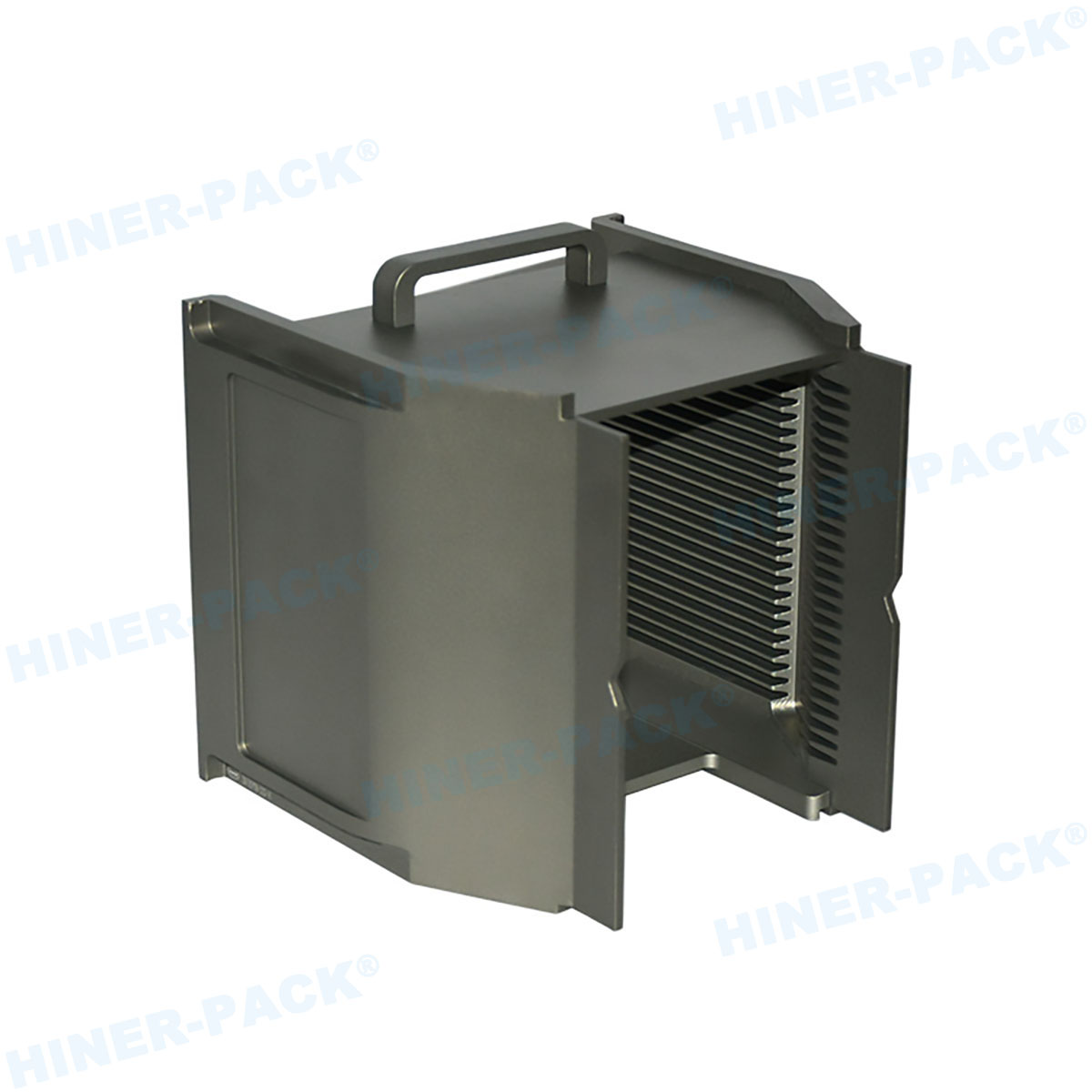
What is a Metal Expander Ring Cassette?
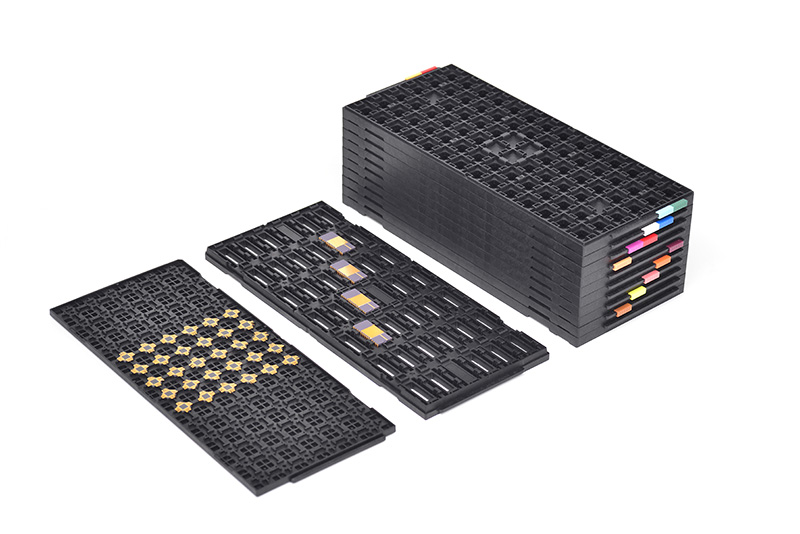
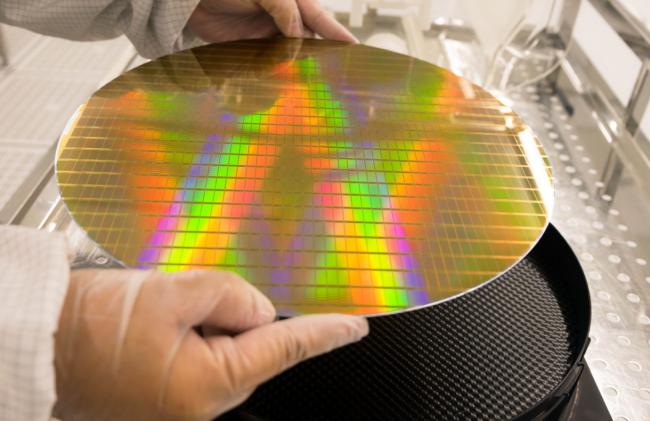
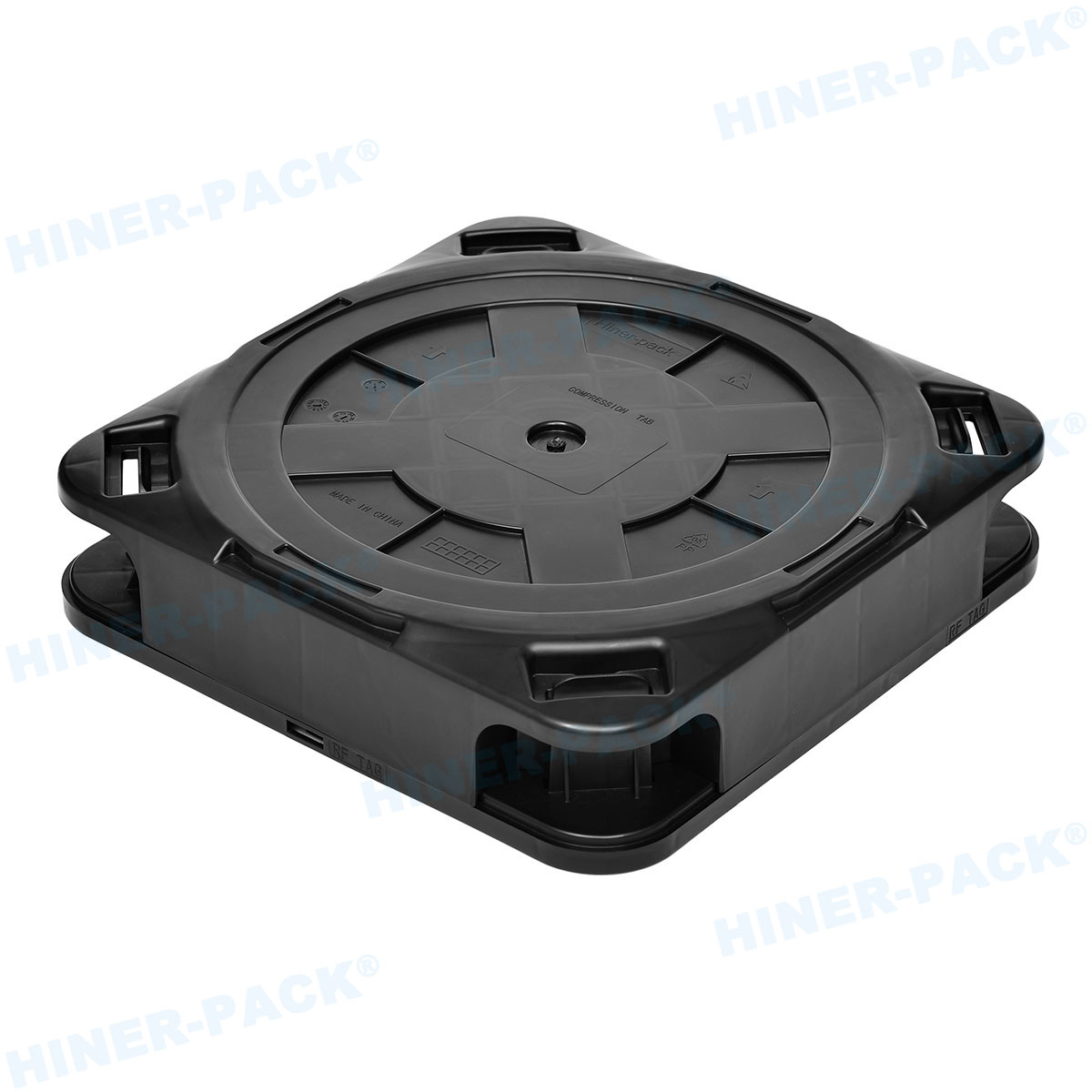
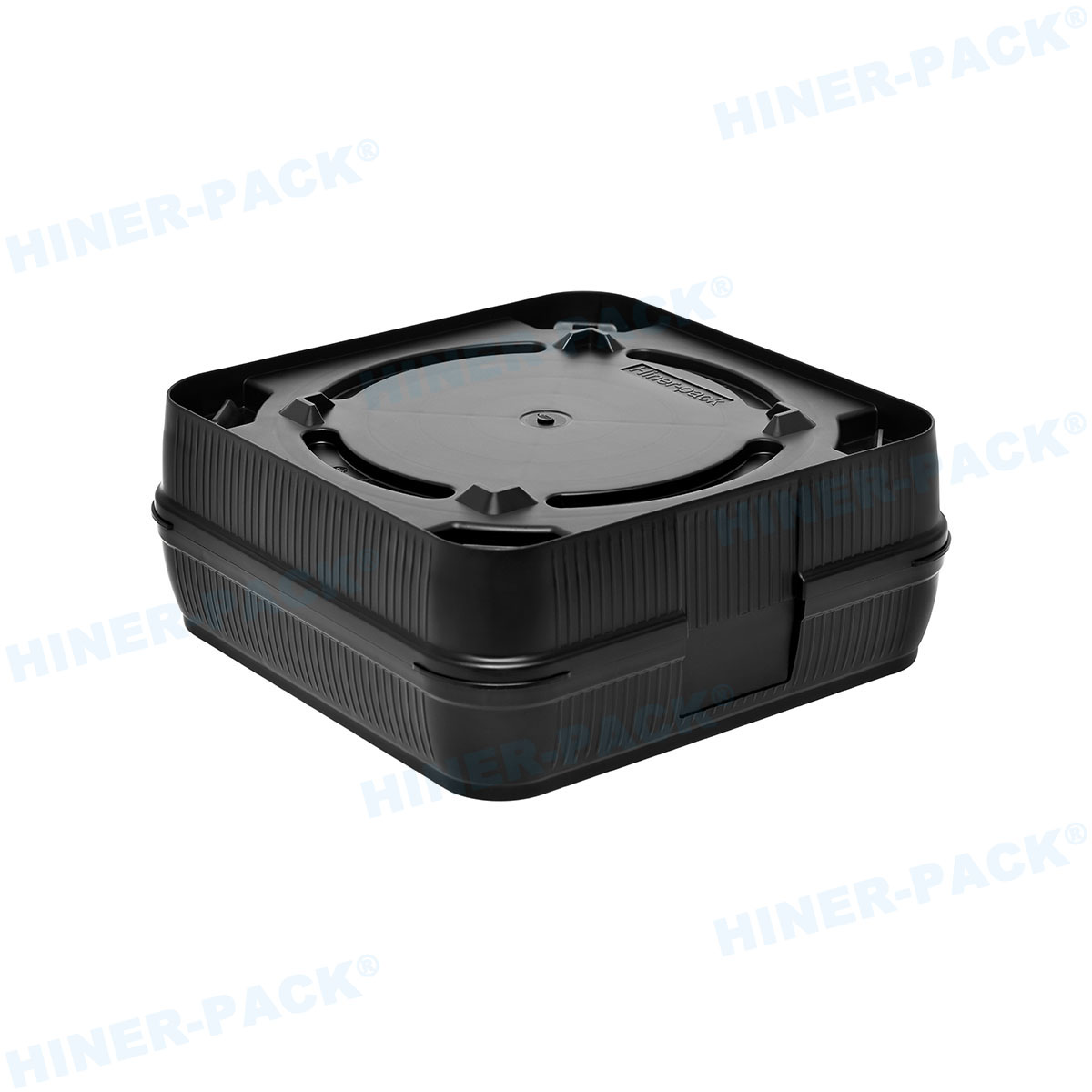
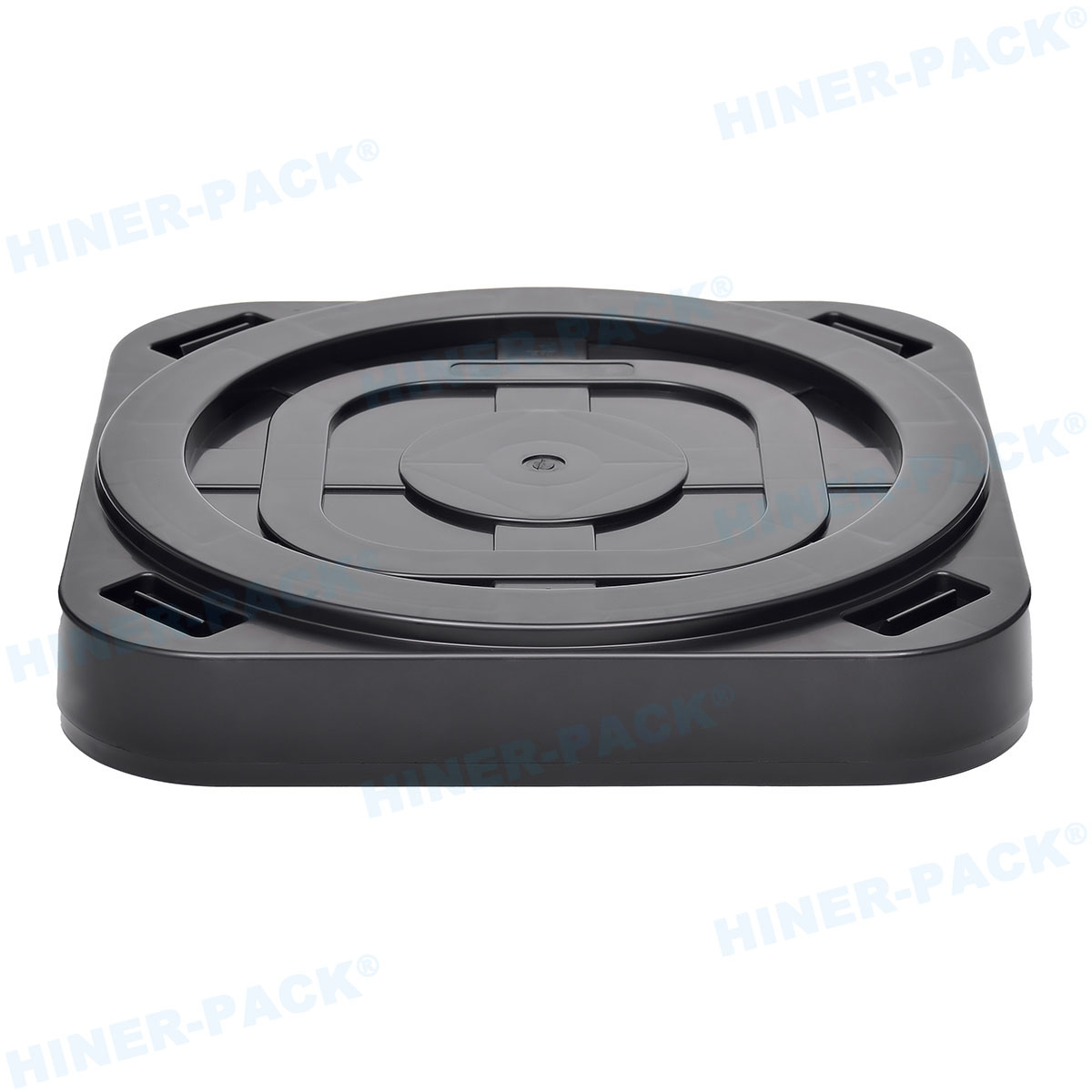
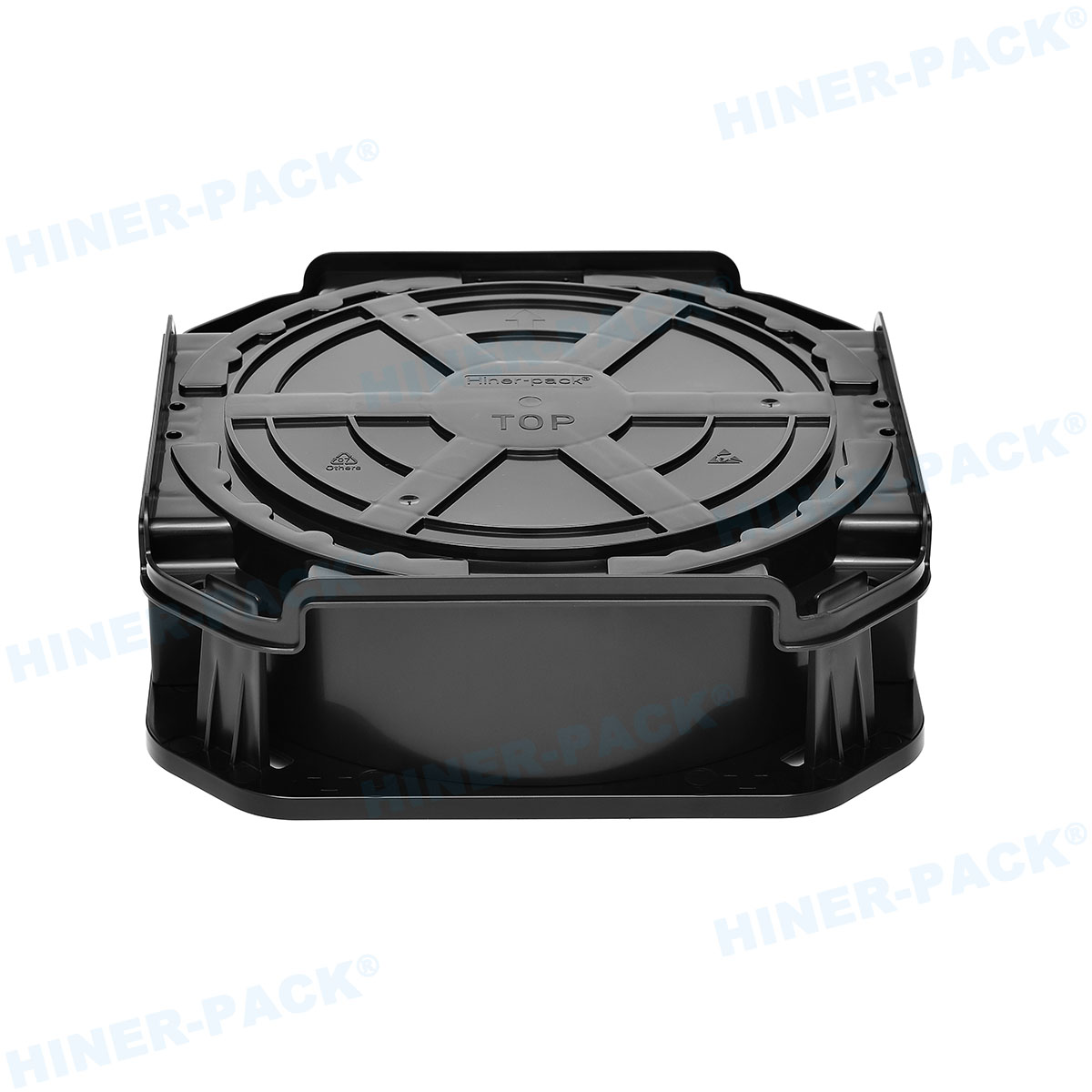
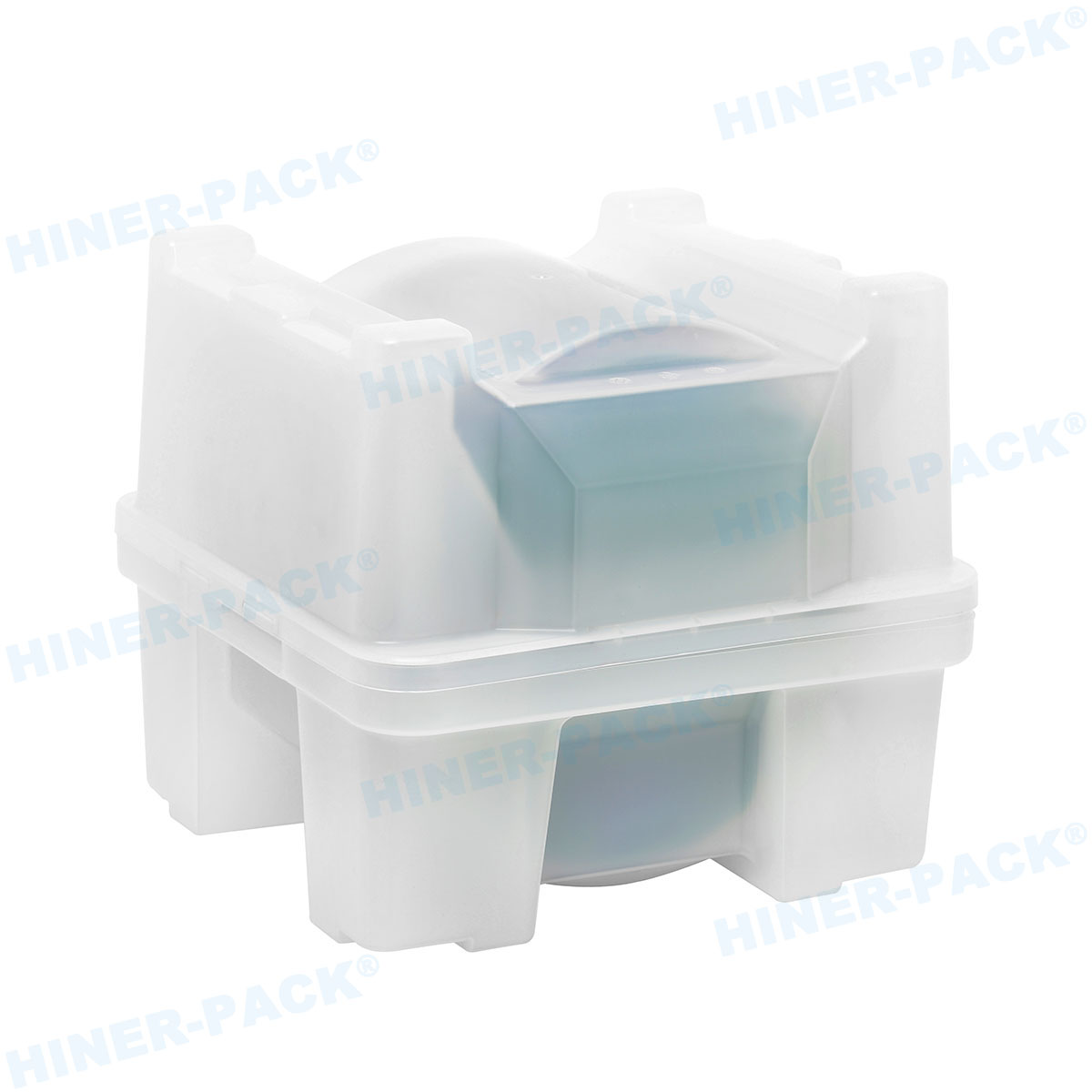
A metal expander ring cassette is a specialized container used in semiconductor fabrication for holding and transporting silicon wafers. Unlike standard cassettes, it incorporates an expander ring—typically made of durable metals like stainless steel or aluminum—that gently secures wafers in place. This design minimizes contact points, reducing the risk of contamination and damage. The cassette is engineered to maintain wafer alignment and spacing, which is crucial for automated handling systems. In essence, it acts as a protective shell, ensuring wafers remain pristine from one process step to another.
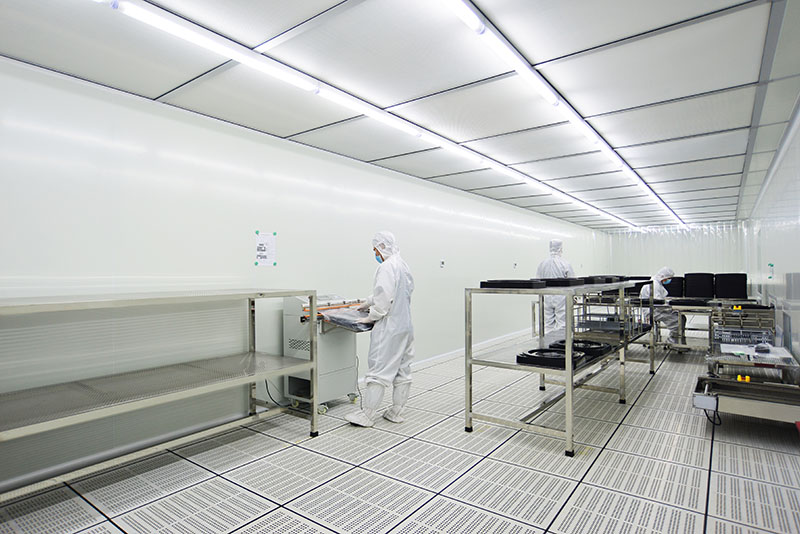
The metal expander ring cassette is often customized to fit specific wafer sizes, such as 200mm, 300mm, or larger. Its robust construction allows it to withstand harsh environments, including cleanrooms and high-temperature processes. By using a metal expander ring, manufacturers achieve better control over wafer positioning, which enhances overall efficiency. This tool has become indispensable in modern fabs, where even minor errors can lead to significant losses.
How Metal Expander Ring Cassettes Work in Wafer Handling
In semiconductor manufacturing, wafers move through multiple stages—from etching and deposition to inspection and packaging. The metal expander ring cassette facilitates this movement by providing a stable platform. When wafers are loaded, the expander ring adjusts to accommodate slight variations in wafer thickness, ensuring a snug fit without excessive pressure. This adaptability prevents slippage and scratches, which are common issues with rigid cassettes.
During automated transfers, robots interact with the cassette to pick and place wafers. The metal expander ring cassette is designed with precise slots and guides that align with robotic arms, enabling smooth operations. Its metal components offer durability against repeated use, unlike plastic alternatives that may warp over time. Additionally, the expander ring helps in dissipating static charge, reducing electrostatic discharge (ESD) risks that can damage sensitive circuits. This functionality is vital for maintaining wafer integrity in high-volume production lines.
Key Benefits of Using Metal Expander Ring Cassettes
The adoption of metal expander ring cassettes brings numerous advantages to semiconductor facilities. First, they enhance wafer protection. By minimizing physical contact, they reduce particle generation and contamination, which is critical for yield improvement. Second, their durability translates to longer lifespans and lower replacement costs. Metal cassettes can endure thousands of cycles without degradation, making them a cost-effective investment.
Third, these cassettes improve handling accuracy. The expander ring ensures consistent wafer spacing, which aids in precise robotic interactions. This reduces misalignment errors and boosts throughput. Fourth, they support scalability. As fabs transition to larger wafer sizes or more automated systems, metal expander ring cassettes can be adapted to meet new requirements. Companies like Hiner-pack offer customizable solutions that align with evolving industry trends. Lastly, they contribute to cleaner processes. Metal surfaces are easier to clean and sterilize compared to porous materials, helping maintain strict cleanroom standards.
Applications in the Semiconductor Industry
Metal expander ring cassettes find use across various semiconductor manufacturing stages. In front-end processes, such as lithography and chemical mechanical planarization (CMP), they hold wafers during transport between tools. Their stability prevents vibration-induced defects, which is crucial for nanoscale patterning. In back-end operations, like testing and dicing, these cassettes organize wafers for efficient processing, reducing handling time.
They are also employed in storage and logistics. Wafers often need to be stored temporarily or shipped between facilities. The metal expander ring cassette provides a secure enclosure that shields wafers from environmental factors like humidity and dust. Moreover, in research and development labs, these cassettes enable safe experimentation with novel materials and processes. Their versatility makes them a staple in both high-volume production and niche applications, underscoring their importance in the global semiconductor supply chain.
Design and Material Considerations for Optimal Performance
The design of a metal expander ring cassette is tailored to meet rigorous industry standards. Materials like stainless steel are preferred for their corrosion resistance and strength. The expander ring itself is often spring-loaded or mechanically adjustable, allowing it to accommodate wafer batches with slight dimensional variations. This flexibility prevents over-tightening, which could cause wafer bowing or breakage.
Engineers also focus on weight and ergonomics. While metal adds sturdiness, it must not be so heavy that it hampers automated handling. Therefore, alloys like aluminum are sometimes used to balance durability and lightness. Surface finishes, such as electropolishing, are applied to reduce friction and prevent particle adhesion. Hiner-pack, for instance, incorporates advanced coatings that enhance cleanability and extend cassette life. These design elements ensure that metal expander ring cassettes perform reliably under demanding conditions.
Integration with Automated and Smart Manufacturing Systems
As semiconductor fabs embrace Industry 4.0, metal expander ring cassettes are evolving to integrate with smart systems. They can be equipped with RFID tags or barcodes for tracking wafer lots in real-time. This connectivity improves traceability and reduces manual errors. In automated lines, the cassette’s precise dimensions allow seamless interfacing with robots and conveyors, enabling uninterrupted flow.
The expander ring mechanism can be synchronized with sensors to monitor wafer presence and alignment. This data feeds into central control systems, allowing for predictive maintenance and process optimization. By leveraging such innovations, manufacturers achieve higher efficiency and lower downtime. Hiner-pack’s solutions often include compatibility with mainstream automation platforms, making them a go-to choice for modern fabs aiming to digitize their operations.
Maintenance and Best Practices for Longevity
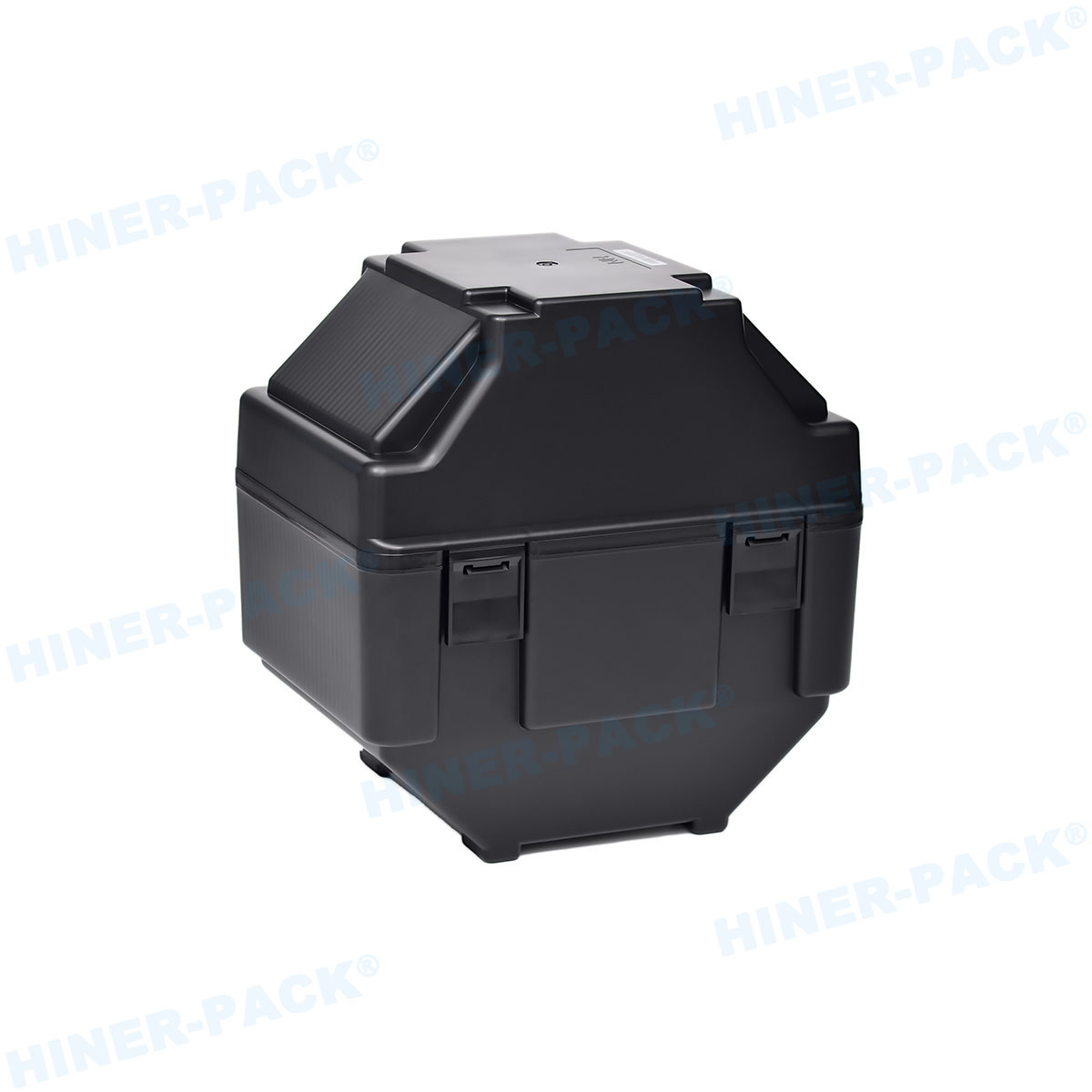
To maximize the lifespan of metal expander ring cassettes, regular maintenance is essential. They should be cleaned periodically using approved solvents and techniques to remove residues. Inspection for wear and tear, especially on the expander ring and contact points, helps prevent sudden failures. It’s recommended to follow manufacturer guidelines, such as those provided by Hiner-pack, for proper handling and storage.
Best practices include avoiding overloading cassettes beyond their capacity and ensuring compatibility with handling equipment. Training staff on correct usage reduces human error. Additionally, keeping spare cassettes on hand minimizes disruptions during maintenance cycles. By adhering to these practices, facilities can extend the service life of their metal expander ring cassettes, safeguarding their investment and maintaining high production standards.
The Future of Metal Expander Ring Cassettes in Semiconductor Innovation
The semiconductor industry is constantly pushing boundaries, with trends like smaller nodes and 3D integration gaining traction. Metal expander ring cassettes will continue to adapt, incorporating materials like advanced composites for lighter weight or enhanced thermal properties. Innovations may focus on reducing particulate generation further or enabling faster wafer exchanges.
Sustainability is another driver. Manufacturers are seeking eco-friendly materials and designs that reduce waste. Hiner-pack is at the forefront, exploring recyclable metals and energy-efficient production methods. As wafer sizes increase beyond 300mm, these cassettes will play a key role in enabling next-generation fabs. Their evolution reflects the industry’s commitment to precision and reliability, ensuring they remain integral to semiconductor manufacturing for years to come.
In summary, the metal expander ring cassette is a vital tool in semiconductor wafer handling, offering protection, efficiency, and durability. Its design and functionality address the stringent demands of modern fabs, from automated processing to cleanroom compliance. Brands like Hiner-pack contribute to this landscape by delivering high-quality solutions that enhance operational performance. As technology advances, these cassettes will evolve, continuing to support the innovation that drives the global semiconductor industry. By understanding their role and benefits, manufacturers can make informed decisions to optimize their production lines.
Frequently Asked Questions (FAQs)
Q1: What is the primary purpose of a metal expander ring cassette in semiconductor manufacturing?
A1: The primary purpose is to securely hold and transport silicon wafers during various processing stages, minimizing damage and contamination through its expander ring design.
Q2: How does a metal expander ring cassette differ from a standard wafer cassette?
A2: Unlike standard cassettes, a metal expander ring cassette features an adjustable metal ring that gently secures wafers, reducing contact points and improving alignment for automated handling.
Q3: Can metal expander ring cassettes be used for different wafer sizes?
A3: Yes, they are often customizable to fit common wafer sizes like 200mm or 300mm, and can be adapted for emerging sizes based on manufacturer specifications, such as those from Hiner-pack.
Q4: What maintenance is required for metal expander ring cassettes?
A4: Regular cleaning with approved solvents, inspection for wear, and adherence to handling guidelines are essential to ensure longevity and performance.
Q5: How do metal expander ring cassettes integrate with automated systems in fabs?
A5: They are designed with precise dimensions and features like RFID tags for seamless integration with robots and tracking systems, enhancing efficiency and traceability in smart manufacturing environments.