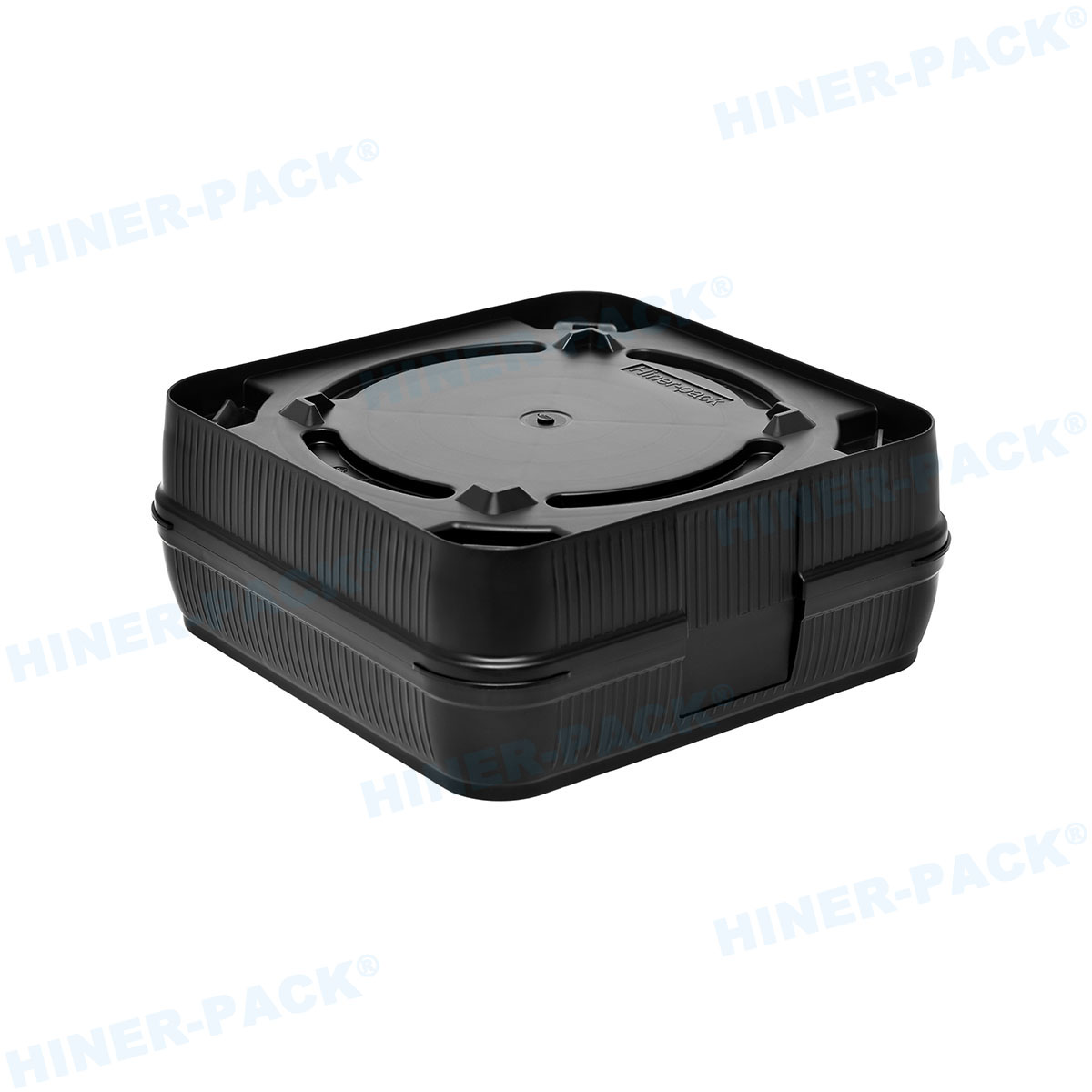
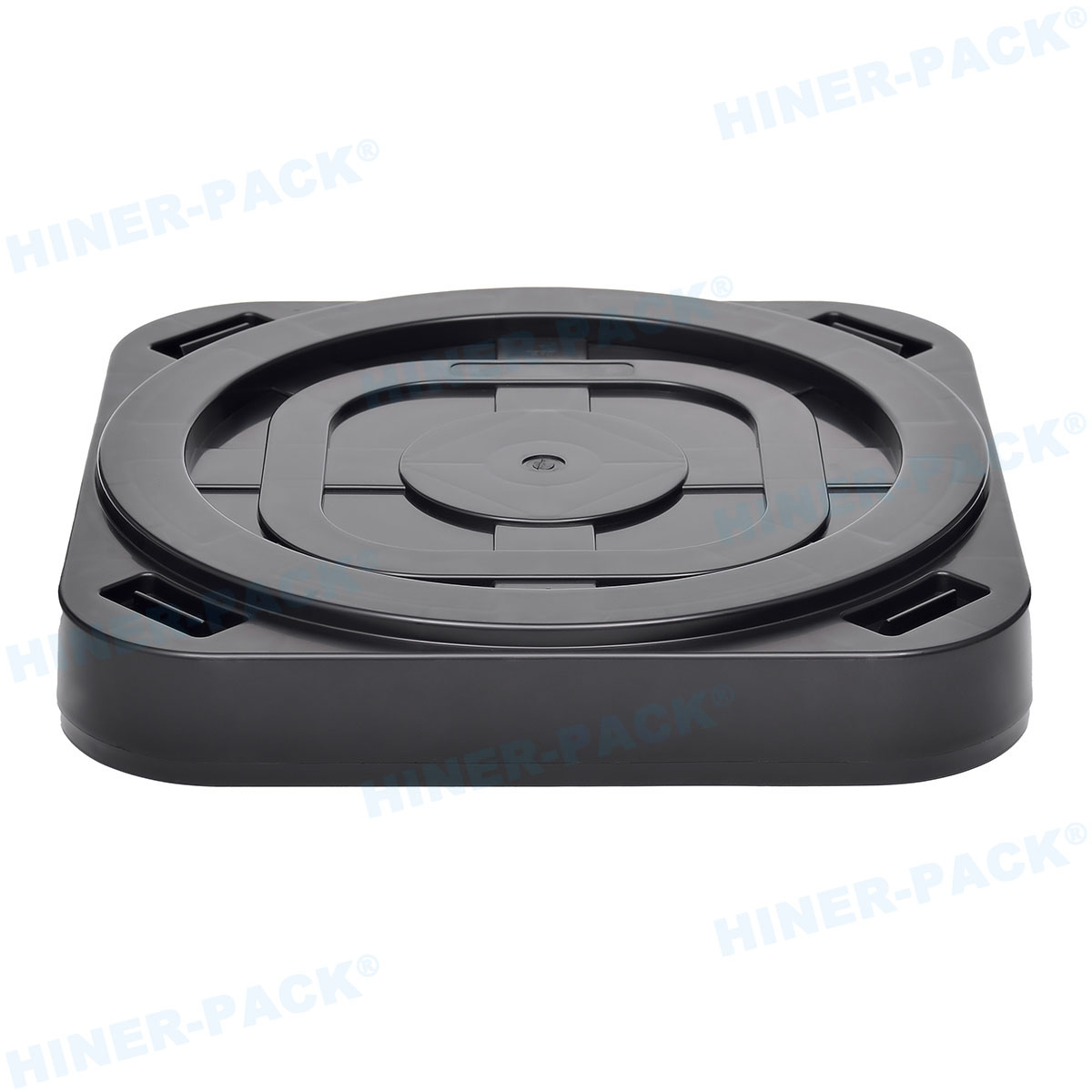
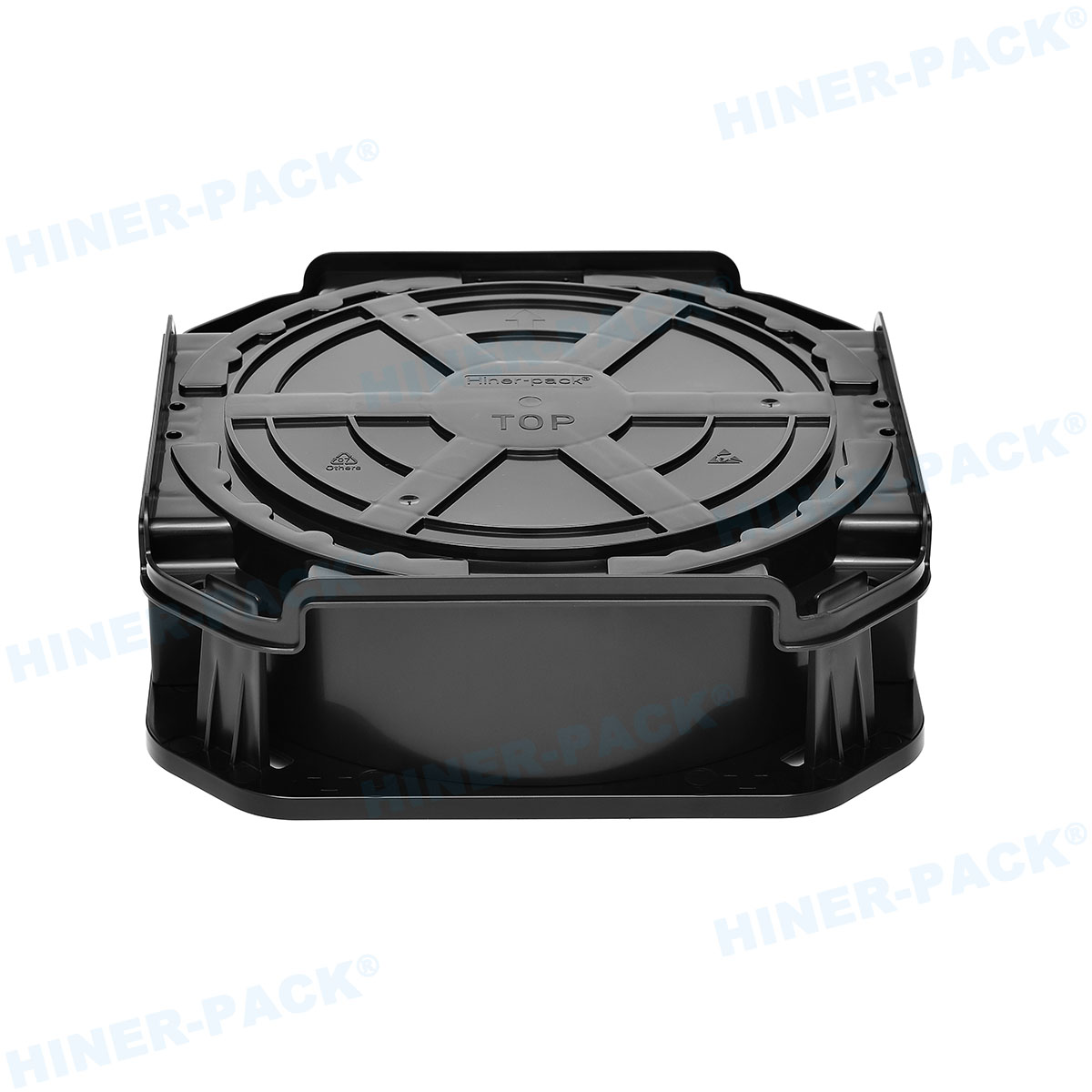
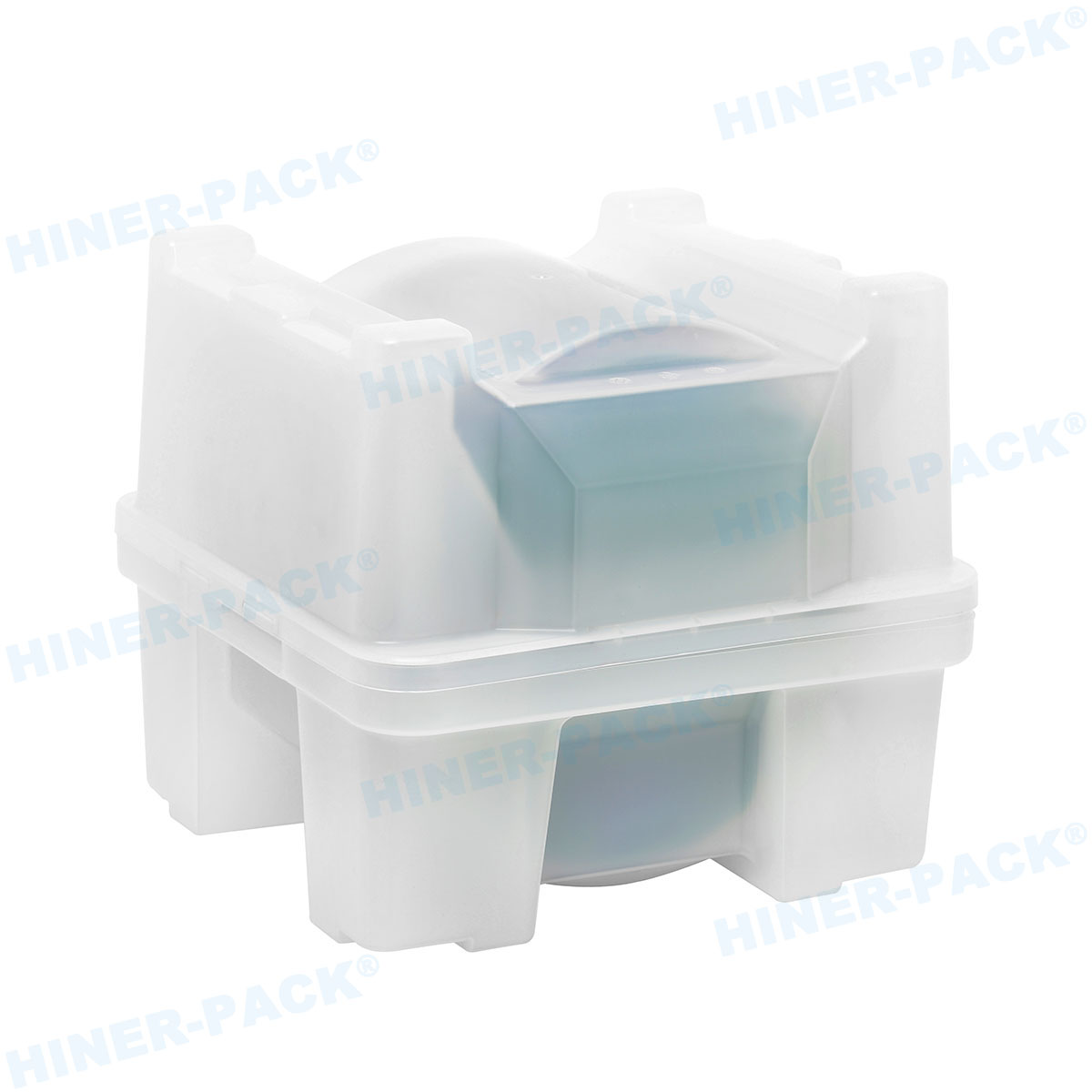
In the world of microelectronics manufacturing, the integrity of the substrate is everything. For facilities specializing in 100mm wafers, selecting the right carrier is not just a matter of convenience; it is a critical decision that affects yield and process consistency. The 4-inch Teflon Wafer Cassette has long been the industry standard for handling wafers through some of the most aggressive chemical environments. At Hiner-pack, we focus on providing carriers that withstand the rigors of modern semiconductor fabrication while maintaining the highest levels of purity.
Whether you are working with silicon, Gallium Nitride (GaN), or Silicon Carbide (SiC), the 4-inch format remains a powerhouse for power devices and MEMS applications. These materials often require harsh etching and cleaning steps where standard plastics would simply fail. By utilizing a high-purity fluoropolymer construction, these cassettes ensure that your wafers are protected from both physical damage and chemical contamination during critical wet-bench operations.
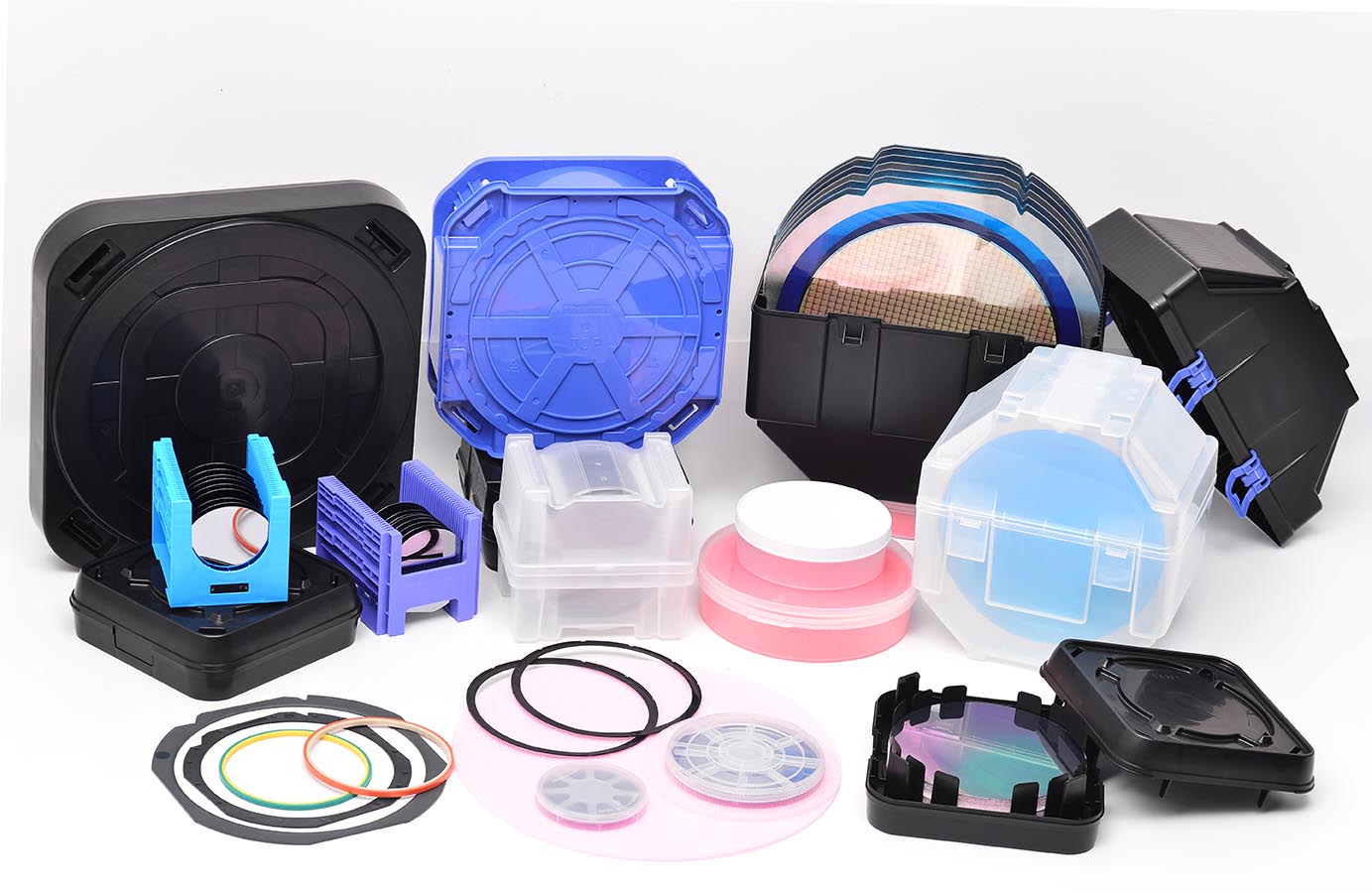
The Technical Necessity of the 4-inch Teflon Wafer Cassette
The semiconductor industry relies heavily on Fluoropolymers, commonly referred to by the brand name Teflon. Specifically, materials like PFA (Perfluoroalkoxy) and PTFE (Polytetrafluoroethylene) are chosen for their near-total chemical inertness. A 4-inch Teflon Wafer Cassette manufactured by Hiner-pack is designed to survive prolonged exposure to Hydrofluoric acid (HF), Sulfuric acid (H2SO4), and various alkaline developers without degrading.
Unlike cheaper polypropylene alternatives, Teflon does not leach metallic ions or organic contaminants into the process bath. This is vital because even parts-per-billion levels of contamination can lead to catastrophic device failure. When a wafer sits in a Hiner-pack carrier, the material stability ensures that the chemical composition of your cleaning or etching bath remains exactly as intended by your process engineers.
Beyond chemical resistance, the thermal stability of these carriers is unmatched. Wet processes often occur at elevated temperatures to speed up reaction rates or ensure thorough cleaning. A Teflon-based carrier can typically operate at temperatures up to 200°C or higher, depending on the specific fluoropolymer blend, without losing its shape or structural integrity.
Design Precision for 100mm Substrates
A wafer cassette is more than just a box with slots. It is a precision-engineered tool. The spacing between the slots, known as the "pitch," must be perfectly uniform to ensure that chemicals can flow freely between the wafers. If the wafers are too close, "bridging" can occur, where surface tension traps liquid between two substrates, leading to uneven etching or drying spots.
Hiner-pack engineers its cassettes with optimized open-profile designs. This allows for maximum fluid circulation and rapid drainage. When the carrier is lifted out of a chemical bath, the liquid needs to exit the cassette quickly to prevent "carry-over" contamination into the next tank. Our design minimizes areas where liquid could be trapped, such as sharp corners or deep recesses.
The 4-inch format also presents unique challenges regarding wafer security. Since 100mm wafers are lighter than their 300mm counterparts, they can sometimes "float" or shift during high-flow agitation. Hiner-pack cassettes are designed with secure slot geometries that hold the wafer firmly at the edges while minimizing the contact area. This ensures the "exclusion zone" of the wafer is respected, protecting the active circuitry from mechanical stress.
Compatibility with Automated and Manual Systems
While many 4-inch fabs still utilize manual handling for certain R&D steps, the trend is moving toward increased automation. A high-quality wafer carrier must be compatible with robotic transfer arms and automated wet benches. This requires strict adherence to SEMI standards for external dimensions and indexing features.
The Hiner-pack 100mm carrier is built with these standards in mind. The "H-bar" and end-wall designs are reinforced to prevent flexing when picked up by a robotic gripper. If a cassette warps over time due to heat or chemical exposure, it can cause robotic handling errors, leading to expensive "wafer breakage" events. Our use of premium PFA materials ensures that the cassette maintains its dimensions over hundreds of process cycles.
For manual operations, ergonomics and safety are paramount. The weight and grip surfaces of the cassette are designed to be easily handled by technicians wearing bulky cleanroom gloves. The non-slip nature of the Teflon surface, combined with strategically placed handles, reduces the risk of accidental drops during the transfer between the transport box and the process bath.
Thermal Cycling and Material Longevity
One of the hidden costs in a semiconductor fab is the replacement of consumables. A low-quality carrier might be cheaper upfront but will likely warp or become brittle after a few months of thermal cycling. This is where the value of a Hiner-pack solution becomes clear.
In a typical wet process, a cassette might go from a room-temperature DI water rinse to a hot phosphoric acid bath at 160°C. This rapid temperature change causes materials to expand and contract. Standard plastics will develop micro-cracks or "creep" (permanent deformation) under these conditions.
The fluoropolymers used in our 4-inch carriers are specifically selected for their low coefficient of thermal expansion and high fatigue resistance. This means the cassette stays "true" even after repeated trips through the hot-acid bench. For the fab manager, this translates to fewer process interruptions and a lower total cost of ownership.
Purity and Outgassing in High-Vacuum Environments
While these cassettes are primarily used in wet benches, they often reside in storage cabinets or transport containers where outgassing is a concern. Some plastics release volatile organic compounds (VOCs) that can settle on the surface of a wafer, creating a "haze" that interferes with subsequent lithography or deposition steps.
Teflon is renowned for its extremely low outgassing profile. At Hiner-pack, we use virgin resins that are free from fillers or pigments that could potentially outgas. This makes our carriers suitable for use in high-end cleanrooms where air molecular contamination (AMC) is strictly monitored.
Furthermore, the hydrophobic nature of the Teflon surface means it does not "absorb" chemicals. In a porous plastic carrier, small amounts of acid can soak into the material and be released later during a water rinse, a phenomenon known as "chemical memory." With a Teflon carrier, a standard rinse cycle is usually sufficient to return the carrier to a neutral state, ensuring there is no cross-contamination between different process batches.
Specialized Applications for Power and RF Devices
The 4-inch wafer size is currently seeing a massive resurgence in the production of power semiconductors and Radio Frequency (RF) components. Materials like Silicon Carbide (SiC) are significantly harder and more brittle than standard silicon. Handling these expensive substrates requires a carrier that offers a "soft" touch.
Teflon’s natural lubricity provides a low-friction interface for the wafer edge. This reduces the chance of "edge chipping" when wafers are loaded or unloaded. For RF applications using Gallium Arsenide (GaAs), which is extremely fragile, the vibration-dampening properties of the fluoropolymer frame provide an extra layer of security during transport within the fab.
Hiner-pack works closely with specialized fabs to ensure that our cassette designs meet the specific needs of these emerging technologies. Whether it is adjusting the slot depth or reinforcing the side rails for heavier SiC wafers, we understand that a "one size fits all" approach doesn't always work in the high-stakes world of semiconductor manufacturing.
Maintenance and Cleaning Protocols
To maximize the lifespan of your wafer carriers, a proper maintenance routine is essential. Even though Teflon is highly resistant to chemicals, it can still accumulate "salts" or dried chemical residues over time if not rinsed properly.
We recommend a regular inspection of the slot teeth for any signs of physical wear or accumulation of particles. Because Teflon is a relatively soft material compared to silicon, it shouldn't scratch your wafers, but it can be scratched by improper handling with metal tools. Using plastic-tipped tweezers and dedicated cassette washing stations will ensure that your Hiner-pack carriers remain in peak condition for years.
The ability to "strip" a Teflon carrier is also a major advantage. If a cassette becomes heavily contaminated with photoresist or metallic residues, it can often be cleaned with aggressive "piranha" solutions (a mix of sulfuric acid and hydrogen peroxide) that would destroy other types of carriers. This recyclability within the process flow makes it a sustainable choice for high-volume manufacturing.
Why Hiner-pack is the Preferred Choice
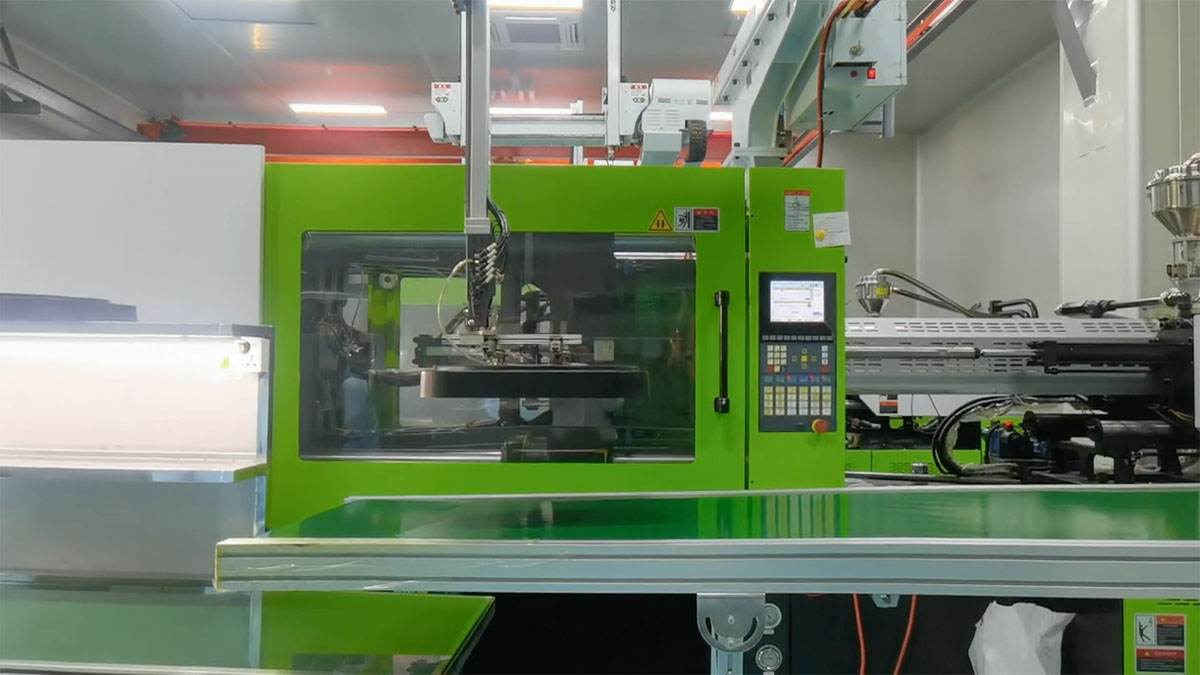
Hiner-pack has built a reputation on precision and reliability. We don't just sell plastic boxes; we provide integrated handling solutions. Our manufacturing facility utilizes advanced injection molding and machining techniques to ensure that every cassette meets the micron-level tolerances required by the semiconductor industry.
Our quality assurance process involves rigorous testing for both dimensional accuracy and material purity. We understand that our customers are trusting us with wafers that may be worth thousands of dollars each. That is why we never compromise on the quality of the raw resins we source or the precision of our molds.
By choosing Hiner-pack, you are partnering with a company that understands the nuances of the 100mm market. We stay updated on the latest SEMI standards and industry trends to ensure that our products are ready for the challenges of tomorrow’s technology.
The Enduring Value of the 4-inch Teflon Wafer Cassette
In an industry that is constantly pushing toward the "next big thing," the 100mm format remains a vital and growing segment. Protecting these assets requires a carrier that is as robust as it is pure. The 4-inch Teflon Wafer Cassette remains the definitive solution for wet process environments, offering a unique combination of chemical inertness, thermal stability, and mechanical precision.
Through careful material selection and design innovation, Hiner-pack ensures that your wafers are shielded from the harsh realities of the fab environment. Investing in high-quality Teflon carriers is not just about logistics; it is about protecting your yield, your equipment, and your company’s reputation for quality.
As we look toward the future of power electronics and integrated sensors, the demand for reliable handling solutions will only increase. Hiner-pack is committed to supporting this growth by providing the best-in-class carriers that the industry demands.
Frequently Asked Questions
Q1: What is the difference between PFA and PTFE in a 4-inch Teflon Wafer Cassette?
A1: While both are "Teflon" fluoropolymers, PFA (Perfluoroalkoxy) is melt-processible, allowing it to be injection-molded into complex shapes with very high precision and a smooth surface finish. PTFE is usually machined or compression-molded. Most high-quality Hiner-pack cassettes are made from PFA because it offers superior purity and a smoother surface, which reduces particle entrapment.
Q2: Can these cassettes be used in "Piranha" etch baths?
A2: Absolutely. The PFA/Teflon material used in our cassettes is specifically designed to withstand the aggressive oxidizing environment of a Piranha etch (H2SO4 and H2O2). It will not degrade or leach contaminants into the bath, even at high temperatures.
Q3: How many wafers does a standard 4-inch cassette hold?
A3: The standard capacity for a 4-inch wafer cassette is 25 wafers. This is based on industry-standard SEMI spacing (pitch), which allows for optimal chemical flow and robotic handling compatibility. However, custom capacities are sometimes available for specific R&D applications.
Q4: Will a Hiner-pack 4-inch carrier fit into a standard 100mm spin dryer?
A4: Yes, our cassettes are designed according to international SEMI standards. This means they are compatible with most standard spin-rinse dryers (SRDs), automated wet benches, and manual transfer tools used in the 100mm semiconductor industry.
Q5: How do I know when it is time to replace my Teflon cassette?
A5: You should inspect your cassettes regularly for signs of warping, deep scratches in the w