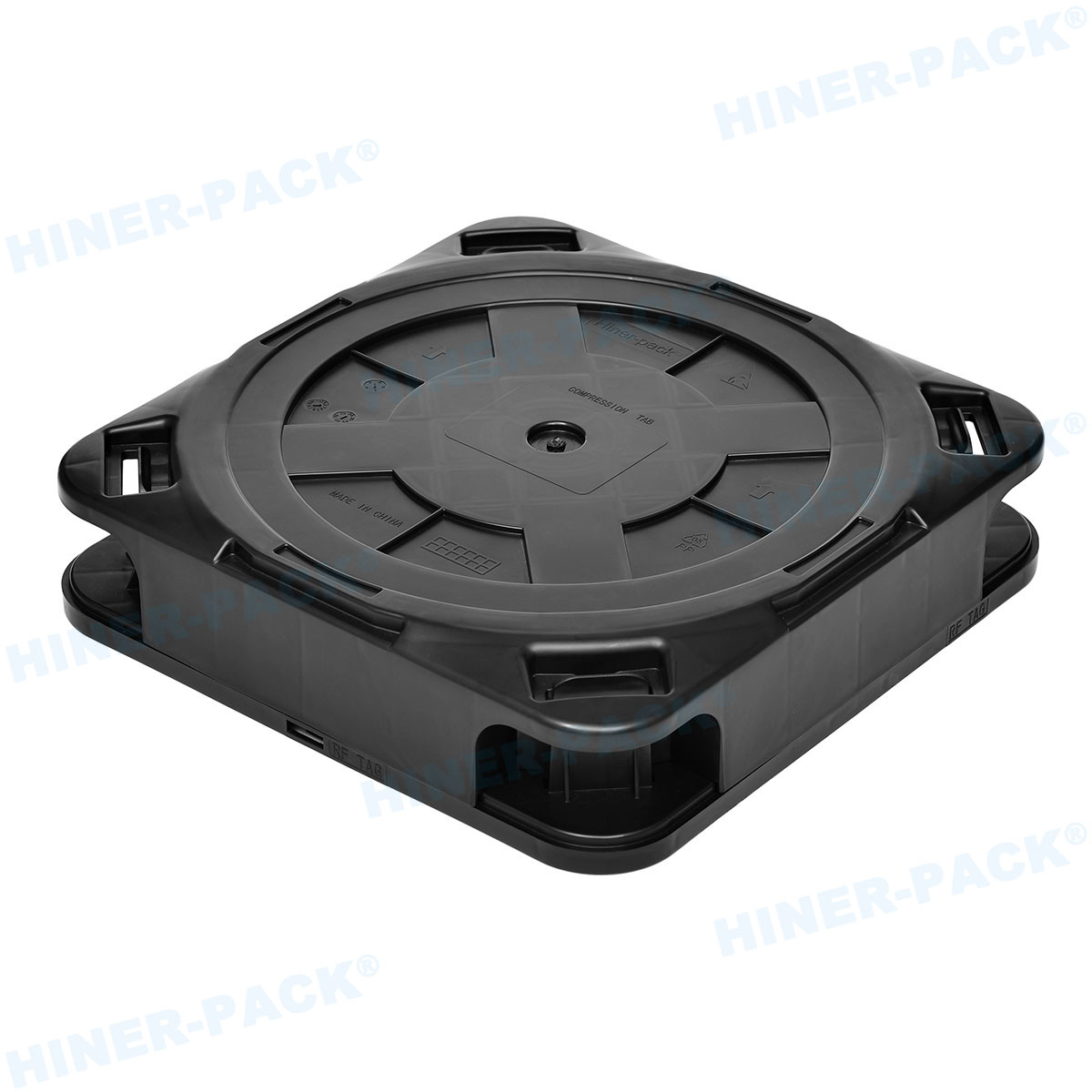
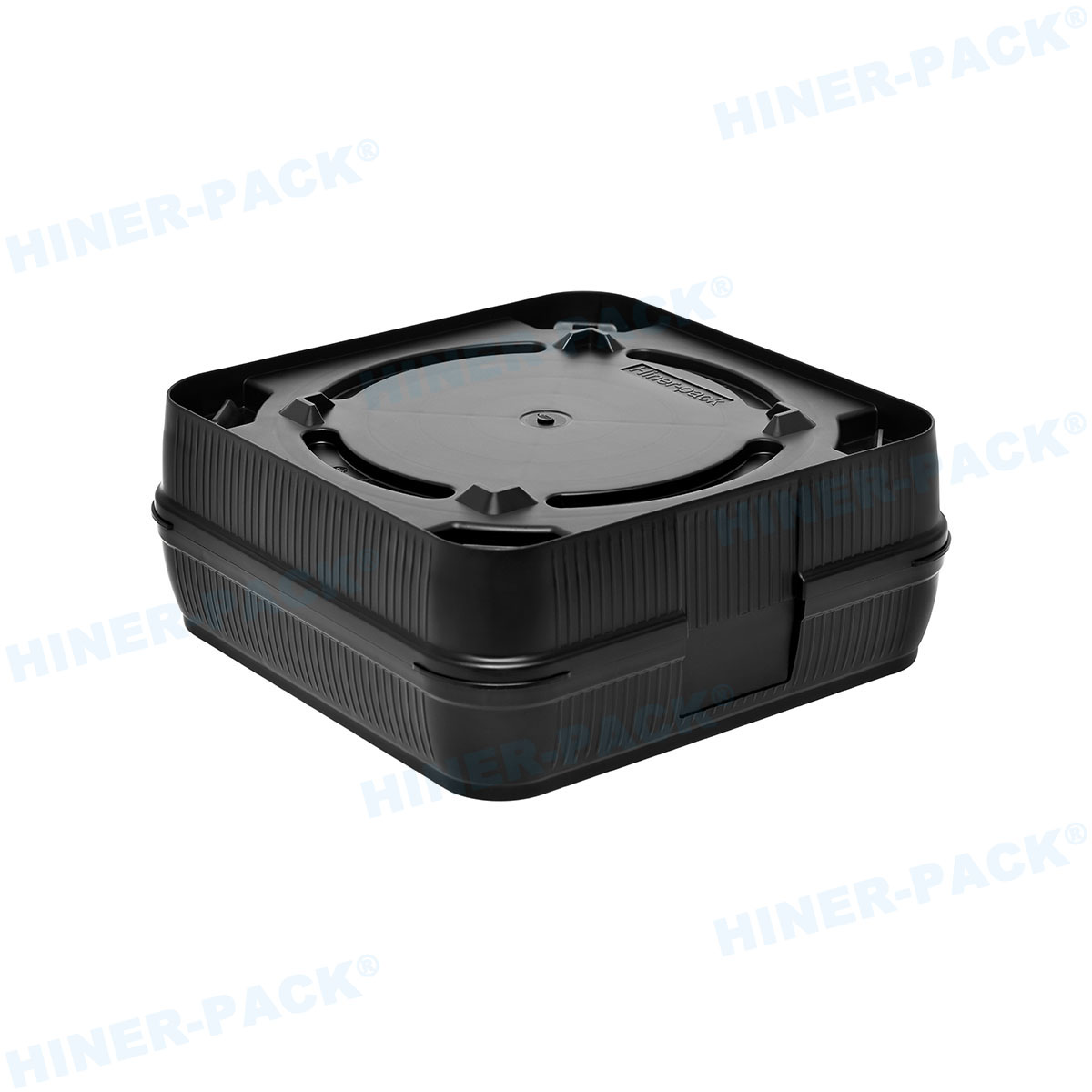
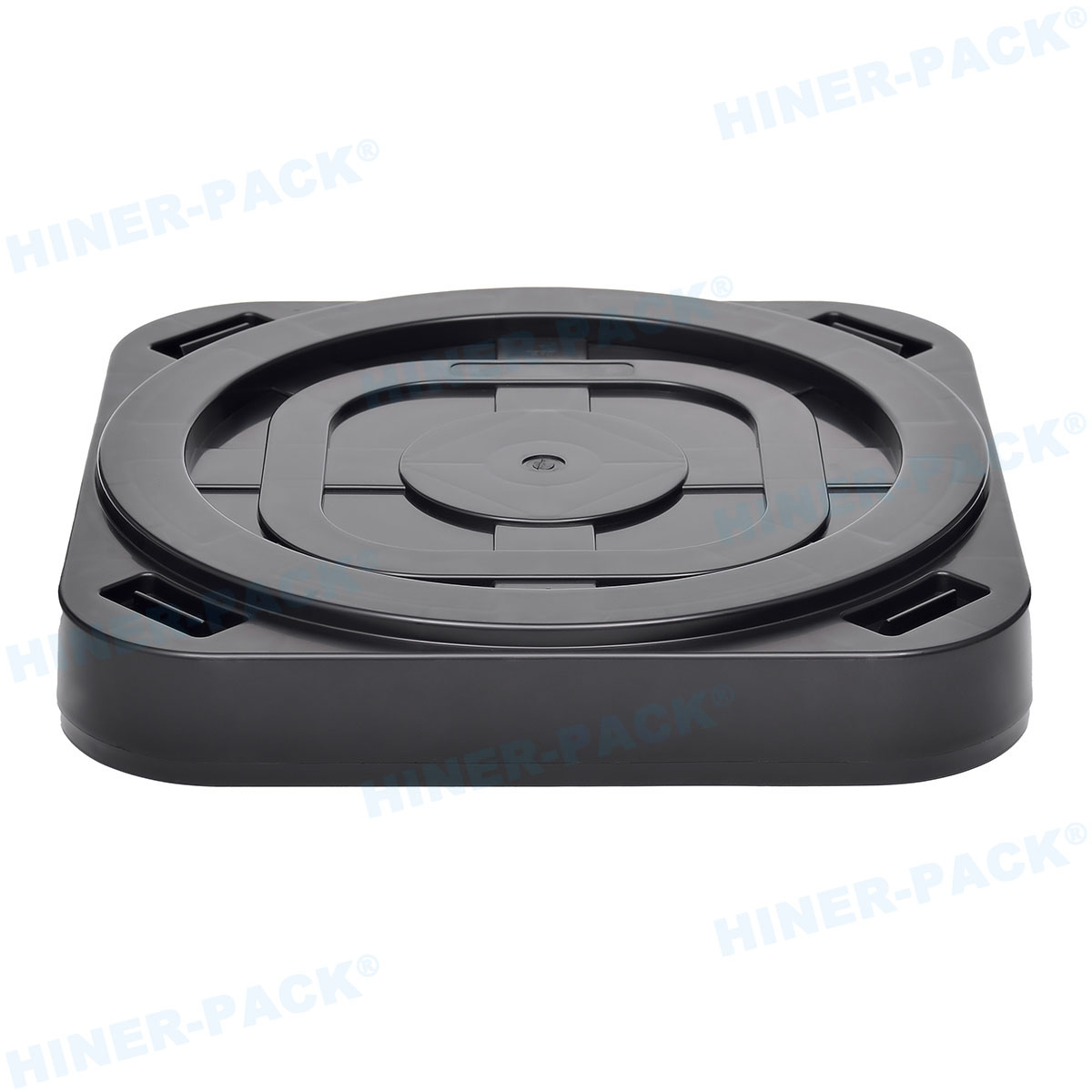
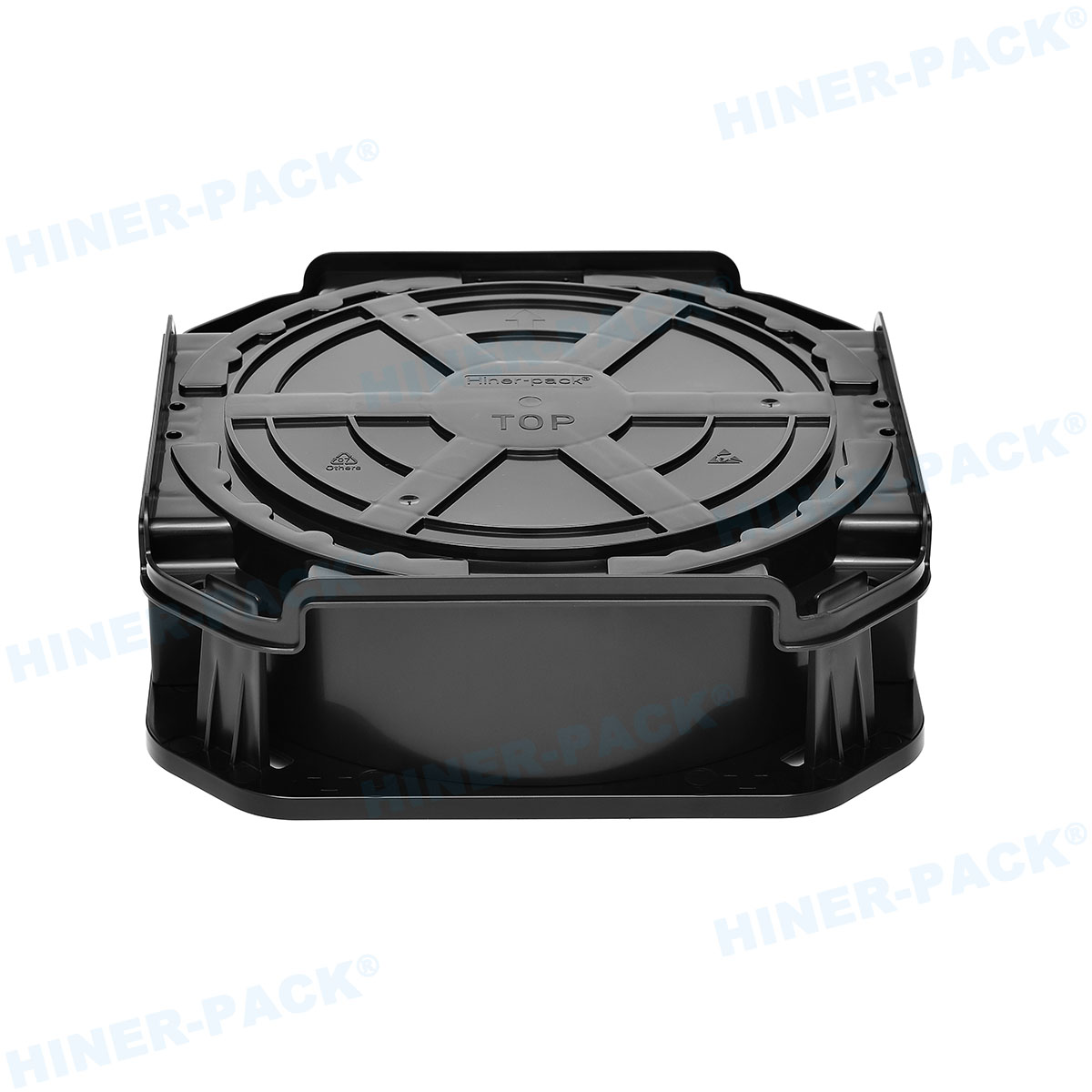
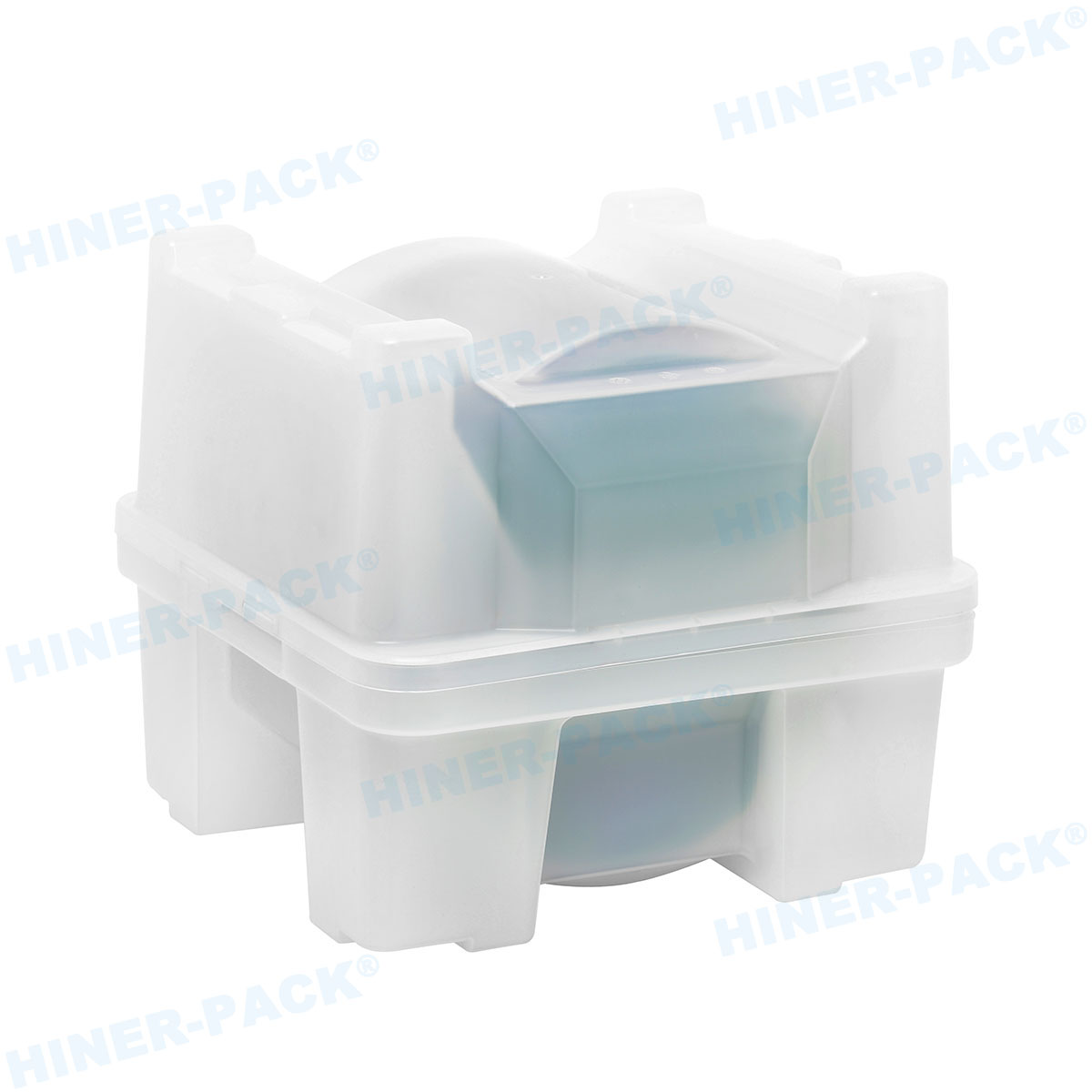
The semiconductor manufacturing landscape is built on precision. From the initial growth of an ingot to the final dicing of a die, every step requires an environment free from contaminants and physical stress. For facilities handling 150mm substrates, the 6-inch Vacuum-Formed Flex Frame Single Wafer Shipper has become a critical tool in the logistics chain.
Transporting a single wafer might seem simpler than moving a full cassette, but the risks are often higher. Single wafers are frequently high-value prototypes, specialized GaN-on-Silicon substrates, or fragile MEMS devices. Hiner-pack understands that when a single wafer travels between labs or to a customer, it needs a specialized housing that balances rigidity with shock absorption.
In this article, we will examine how vacuum-forming technology and "flex frame" designs work together to safeguard semiconductor assets. We will also look at why Hiner-pack’s approach to these containers meets the rigorous standards of modern cleanrooms and international shipping.
The Engineering Logic of the 6-inch Vacuum-Formed Flex Frame Single Wafer Shipper
When we talk about the 6-inch Vacuum-Formed Flex Frame Single Wafer Shipper, the name itself describes a sophisticated engineering solution. Vacuum forming is a process where a plastic sheet is heated until it becomes pliable, then stretched over a mold and sucked into shape using a vacuum.
This manufacturing method is ideal for creating the precise geometries required for wafer carriers. It allows Hiner-pack to produce lightweight yet incredibly durable shells that can withstand the rigors of global courier services. Unlike injection-molded boxes, which can sometimes be too rigid, vacuum-formed parts offer a slight natural elasticity that is beneficial for energy dissipation.
The "Flex Frame" element is the real star of the design. Traditional wafer boxes often hold the wafer in a fixed position with hard plastic ribs. If the box is dropped, the energy travels directly to the wafer edge, often causing micro-cracking or "chipping." A flex frame design incorporates a suspension-like quality that allows the internal support structure to move slightly under impact, shielding the wafer from the brunt of the force.
Material Science and ESD Protection
Semiconductor wafers are not just sensitive to physical bumps; they are also extremely vulnerable to Electrostatic Discharge (ESD). A tiny spark, invisible to the human eye, can ruin the delicate circuitry on a 6-inch wafer. This is why Hiner-pack prioritizes advanced material selection in every shipper produced.
Most of these shippers are manufactured using Carbon-Filled Polystyrene or similar conductive/dissipative materials. By maintaining a surface resistivity within a specific range, the shipper ensures that static charges are bled off safely rather than accumulating and discharging into the wafer.
Furthermore, the materials used by Hiner-pack are chosen for their low outgassing properties. In a vacuum-sealed or even a standard cleanroom environment, chemicals leaching out of cheap plastics can settle on the wafer surface, causing "haze" or chemical contamination. Our vacuum-formed shippers are designed to keep the wafer as clean as the day it was polished.
Why 6-inch Wafers Still Dominate Specialty Markets
While the "mega-fabs" have moved to 300mm (12-inch) wafers, the 6-inch (150mm) format remains the backbone of many specialized industries. Power electronics, Radio Frequency (RF) chips, and many Micro-Electro-Mechanical Systems (MEMS) are still primarily manufactured on 6-inch substrates.
Silicon Carbide (SiC) and Gallium Nitride (GaN) wafers, which are essential for electric vehicles and 5G infrastructure, are frequently processed in the 150mm size. These materials are much more expensive and brittle than standard silicon. Losing a single SiC wafer due to poor packaging is a significant financial hit.
The 6-inch Vacuum-Formed Flex Frame Single Wafer Shipper is specifically tailored for these high-value, high-fragility applications. It provides a snug fit that prevents lateral movement (rattling) while ensuring the polished surface of the wafer never touches the interior of the lid.
Design Features That Enhance Workflow
Efficiency in the fab is just as important as safety. Hiner-pack designs its shippers with the end-user—the lab technician or the automated handling system—in mind. Several small but significant design features make these shippers stand out in a production environment.
First, the stackability of the shippers is a key consideration. In a storage setting, these containers must sit securely on top of one another without sliding. The exterior geometry of the Hiner-pack shipper includes interlocking features that allow for stable stacking, saving precious space in nitrogen-purged cabinets or cleanroom shelves.
Second, the latching mechanism is engineered for ease of use. A shipper that is too hard to open can lead to "flicking" motions that might send the wafer flying. Conversely, a latch that is too loose might open during transit. Hiner-pack uses a secure, snap-fit design that provides a tactile confirmation of closure while remaining easy to operate with gloved hands.
Contamination Control and Cleanroom Compatibility
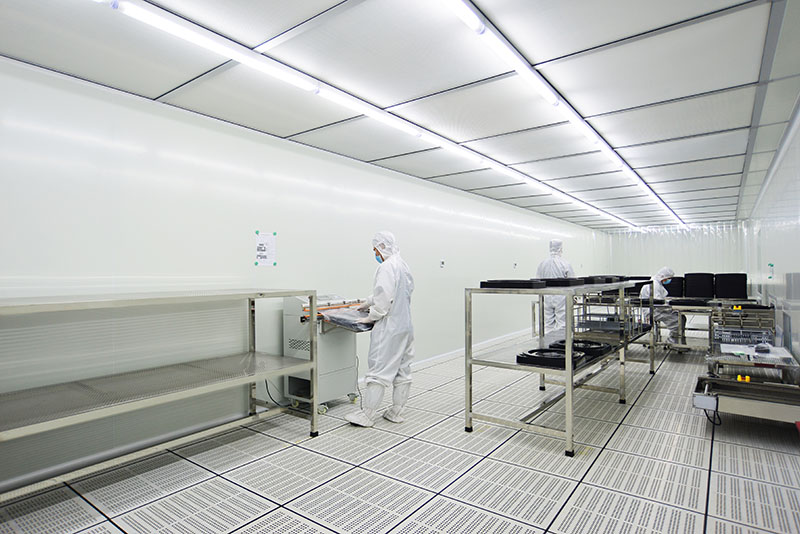
A wafer shipper is more than just a box; it is a temporary cleanroom. If the shipper itself generates particles, it fails in its primary mission. Friction between the wafer and its housing is the most common source of particulate contamination.
Hiner-pack addresses this by minimizing the contact points between the wafer and the shipper. By supporting the wafer only at its edges (the "exclusion zone"), we ensure that the active area of the wafer remains untouched. The vacuum-forming process also results in smooth, non-porous surfaces that do not trap dust and are easy to wipe down before entering a higher-class cleanroom.
Our quality control process ensures that every 6-inch Vacuum-Formed Flex Frame Single Wafer Shipper leaves the factory meeting strict cleanliness protocols. This reduces the need for extensive pre-cleaning by the customer, allowing for a faster transition from the shipping dock to the fab floor.
Protecting the Edge: The Danger of Chipping
For 150mm wafers, edge integrity is vital. A small nick on the edge can act as a stress concentrator, leading to a full wafer fracture during high-temperature processing steps like annealing or CVD.
The flex frame design is specifically intended to cradle the wafer's circumference. By using a series of flexible "fingers" or a continuous flexible rim, the Hiner-pack shipper absorbs vibration during air or road transport. This is especially important when shipping internationally, where packages may be subjected to turbulent flights and rough handling at sorting facilities.
By choosing a dedicated 6-inch Vacuum-Formed Flex Frame Single Wafer Shipper, companies are essentially buying insurance for their most valuable R&D assets. It is a small investment that prevents the massive cost of lost time and destroyed materials.
Sustainability in Semiconductor Packaging
In today's industrial world, sustainability cannot be an afterthought. While the primary goal is protection, Hiner-pack is committed to reducing the environmental impact of its packaging solutions.
Because our shippers are made from durable, high-quality polymers, they are often reusable. Many of our clients use a "closed-loop" system where the shippers are returned to the starting point, cleaned, and put back into service. When the shipper finally reaches the end of its life, the materials are often recyclable, depending on local industrial plastic processing capabilities.
Furthermore, the lightweight nature of vacuum-formed shippers reduces the overall weight of the shipment. In the world of air freight, every gram counts toward the total carbon footprint of the logistics chain. By optimizing the strength-to-weight ratio, Hiner-pack helps its partners meet their green goals without compromising on wafer safety.
Comparing Single Wafer Shippers to Coin-Style Carriers
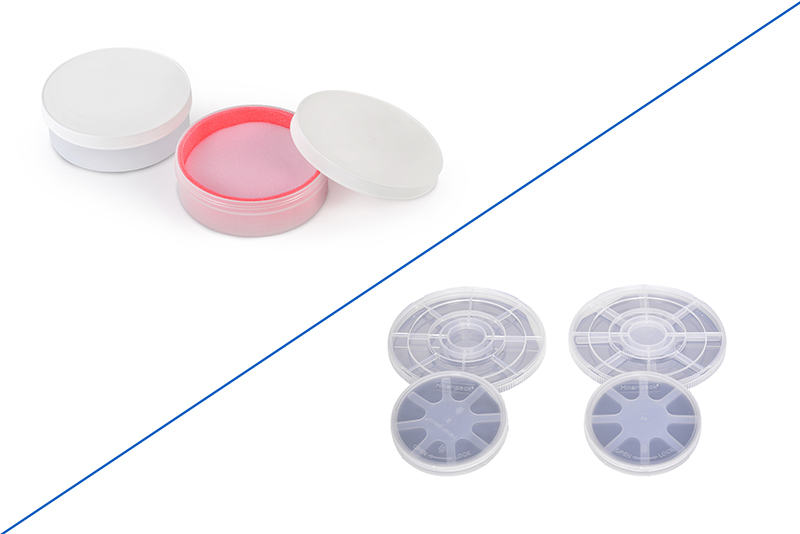
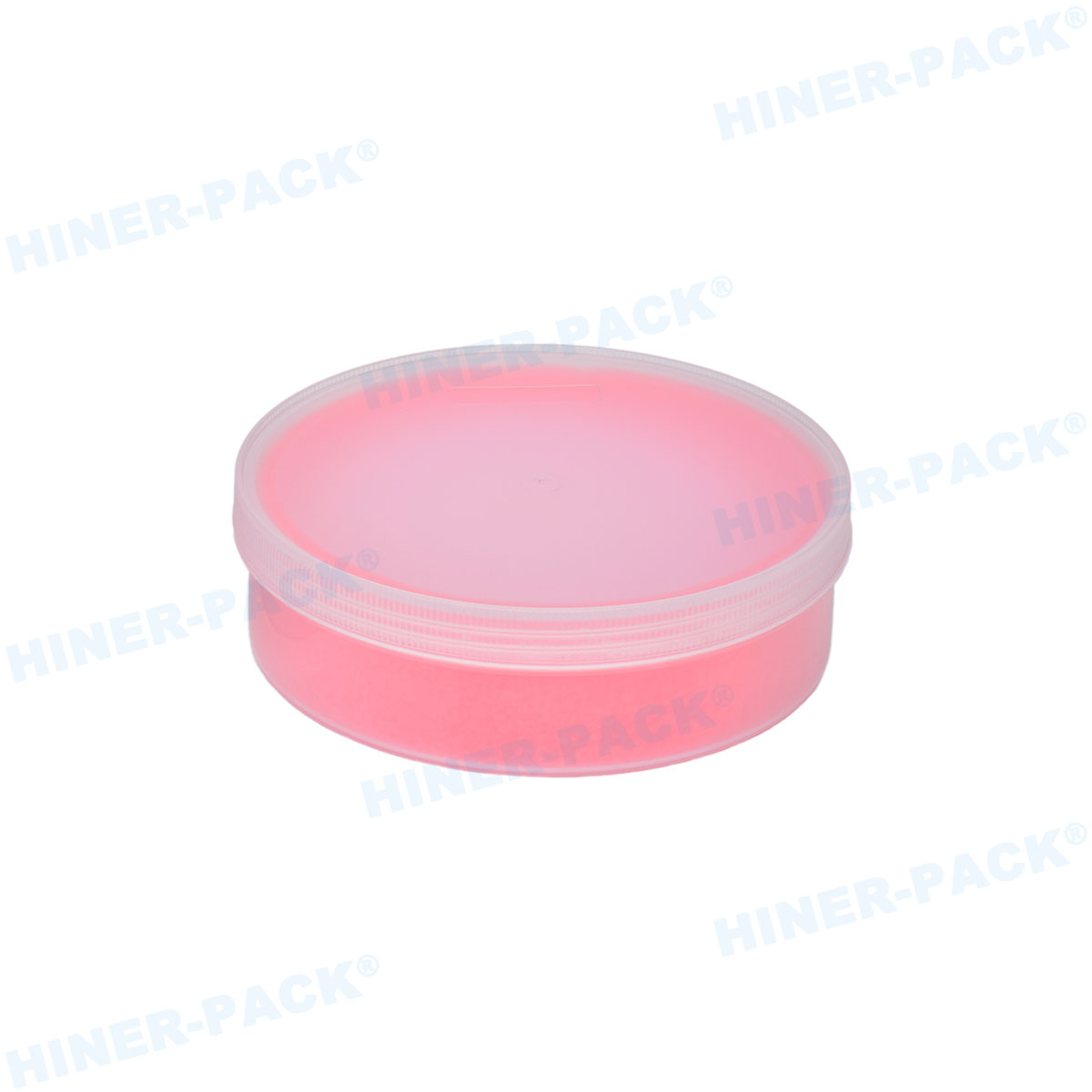
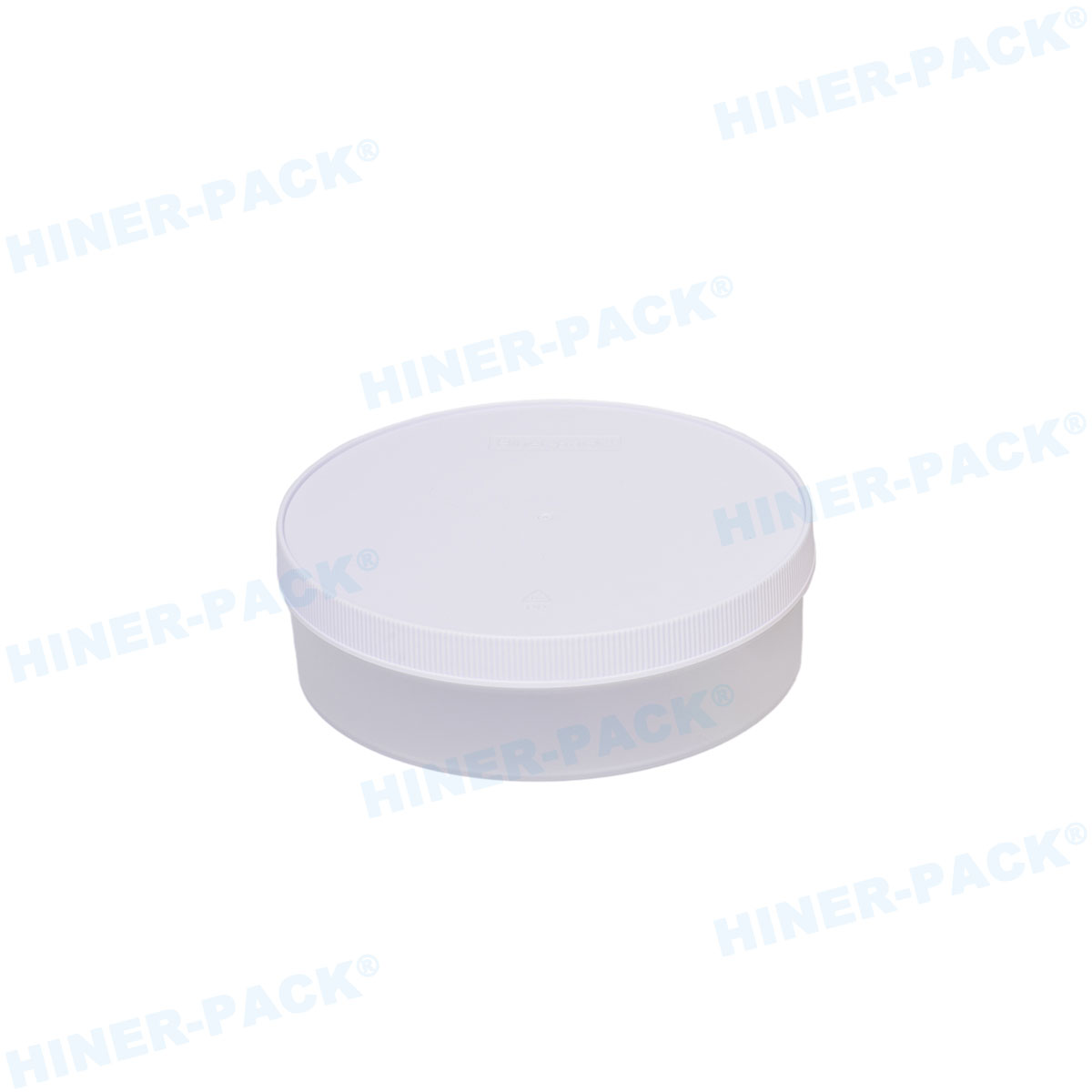
Some might wonder why a flex-frame shipper is necessary when "coin-style" shippers (simple round containers) exist. The answer lies in the level of protection and the value of the wafer.
Coin-style shippers are excellent for low-cost wafers or for moving items very short distances within the same building. However, they typically lack the sophisticated shock absorption of a flex-frame design. They also often rely on a foam insert to hold the wafer in place. Foam can be a major source of particles and outgassing, which is unacceptable for prime-grade silicon or sensitive epitaxial layers.
The Hiner-pack 6-inch Vacuum-Formed Flex Frame Single Wafer Shipper provides a "contactless" experience for the wafer's surface, relying instead on mechanical suspension. This is the professional standard for shipping across borders or between different manufacturing sites.
The Role of Hiner-pack in the Global Supply Chain
Hiner-pack has spent years refining its manufacturing processes to serve the semiconductor industry. We recognize that the 150mm market is diverse, ranging from university research labs to high-volume power semiconductor fabs.
Our commitment to quality starts with the mold design. Each vacuum-formed part is inspected for dimensional accuracy to ensure the wafer fits perfectly—not too tight, not too loose. This precision is what allows our customers to trust their wafers to our containers.
As the industry evolves, Hiner-pack continues to innovate. We are constantly testing new material blends to provide even better ESD protection and even lower outgassing. Our goal is to ensure that when you use a Hiner-pack product, you are using the most advanced protection available on the market.
Securing the Future of 150mm Manufacturing
The semiconductor world may be obsessed with smaller transistors, but the physical reality of wafer handling remains a constant challenge. The 6-inch Vacuum-Formed Flex Frame Single Wafer Shipper represents the pinnacle of single-wafer protection, combining the benefits of material science, mechanical engineering, and cleanroom-ready manufacturing.
Whether you are shipping a single prototype of a new sensor or a batch of high-value SiC wafers for an automotive client, the container you choose matters. It is the only thing standing between your hard work and the unpredictable environment of global logistics.
By partnering with Hiner-pack, you are choosing a solution that is proven, reliable, and designed with the specific needs of the 150mm market in mind. Our shippers ensure that your wafers arrive in the same pristine condition they left the fab, ready for the next step in their journey toward powering the modern world.
Frequently Asked Questions
Q1: What is the primary material used in the Hiner-pack 6-inch Vacuum-Formed Flex Frame Single Wafer Shipper?
A1: Our shippers are primarily made from high-quality, carbon-filled or anti-static Polystyrene (PS). This material is chosen for its excellent ESD (Electrostatic Discharge) properties and its ability to be precisely vacuum-formed while maintaining structural integrity.
Q2: Can these shippers be used for wafers thinner than the standard 625 microns?
A2: Yes, the flex frame design is versatile enough to accommodate various wafer thicknesses. However, for ultra-thin or "thinned" wafers (below 200 microns), we recommend a consultation with the Hiner-pack technical team to ensure the suspension system is optimized for your specific wafer's fragility.
Q3: Is the Hiner-pack shipper compatible with automated pick-and-place systems?
A3: Many of our designs feature standard external dimensions and notches that allow for easy integration with fab automation. The precise nature of vacuum forming ensures that the wafer is always centered, making it easier for robotic vacuum wands or grippers to access the wafer without manual intervention.
Q4: How does the "flex frame" specifically prevent damage during a drop?
A4: The flex frame acts as a shock absorber. When the shipper hits a hard surface, the energy is transferred into the flexible plastic fingers or rim rather than directly into the wafer. This momentary "flex" slows down the deceleration of the wafer, significantly reducing the G-forces that lead to edge chipping or fracturing.
Q5: Are these shippers cleanroom-ready upon arrival?
A5: Hiner-pack manufactures these shippers in controlled environments and follows strict cleanliness protocols. However, depending on your facility's specific ISO class requirements, we usually recommend a standard ionized air blow-off or a cleanroom wipe-down before introducing the shipper into Class 10 or Class 1 environments.
Q6: Does Hiner-pack offer customized colors or branding for the shippers?
A6: While our standard shippers are usually black (due to the carbon loading for ESD safety) or transparent/natural (for non-ESD versions), we can discuss custom options for large-volume orders. This includes custom embossing or labeling to help with inventory management and brand recognition.