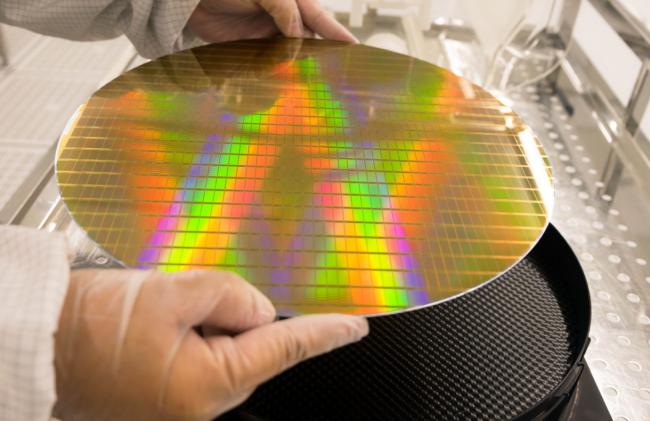
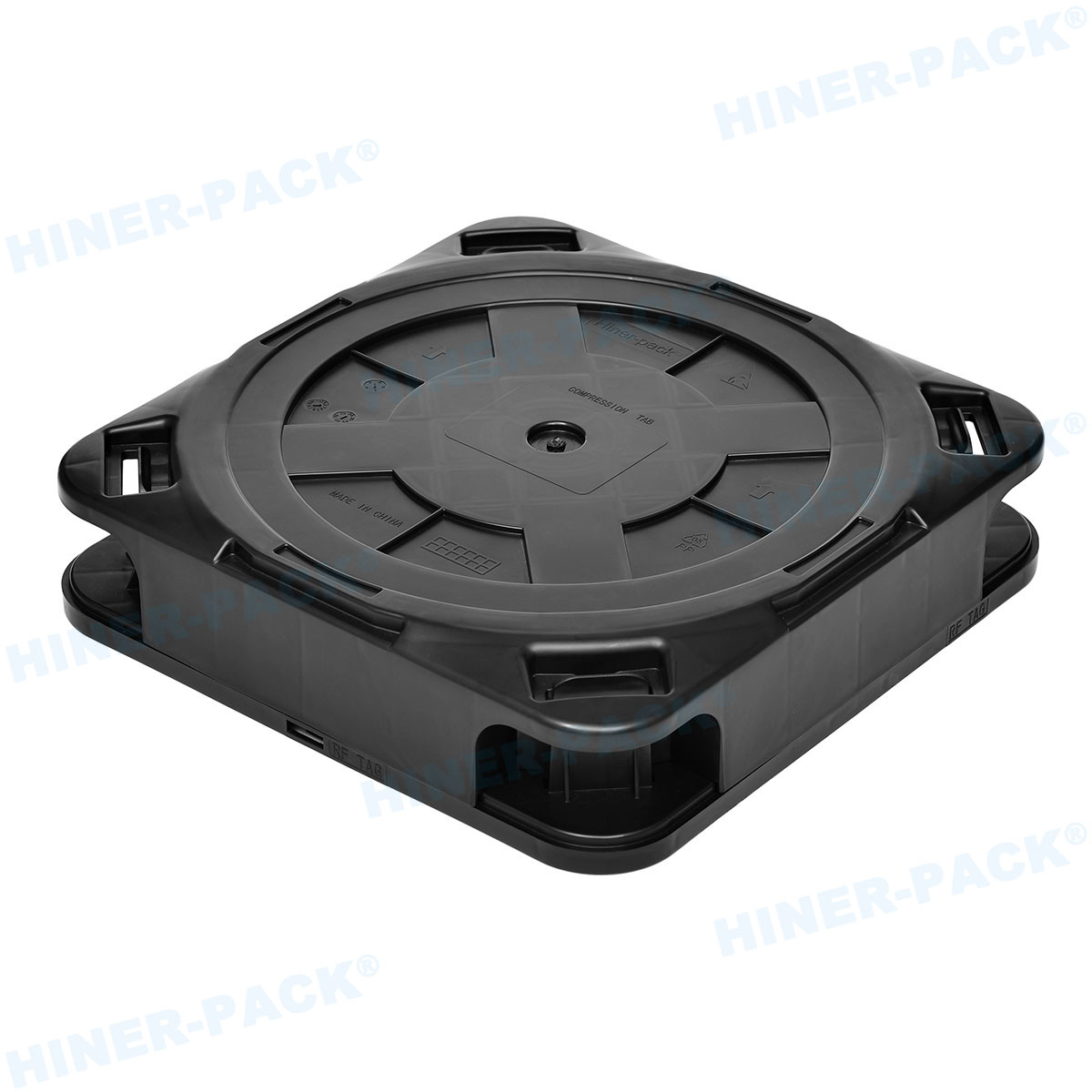
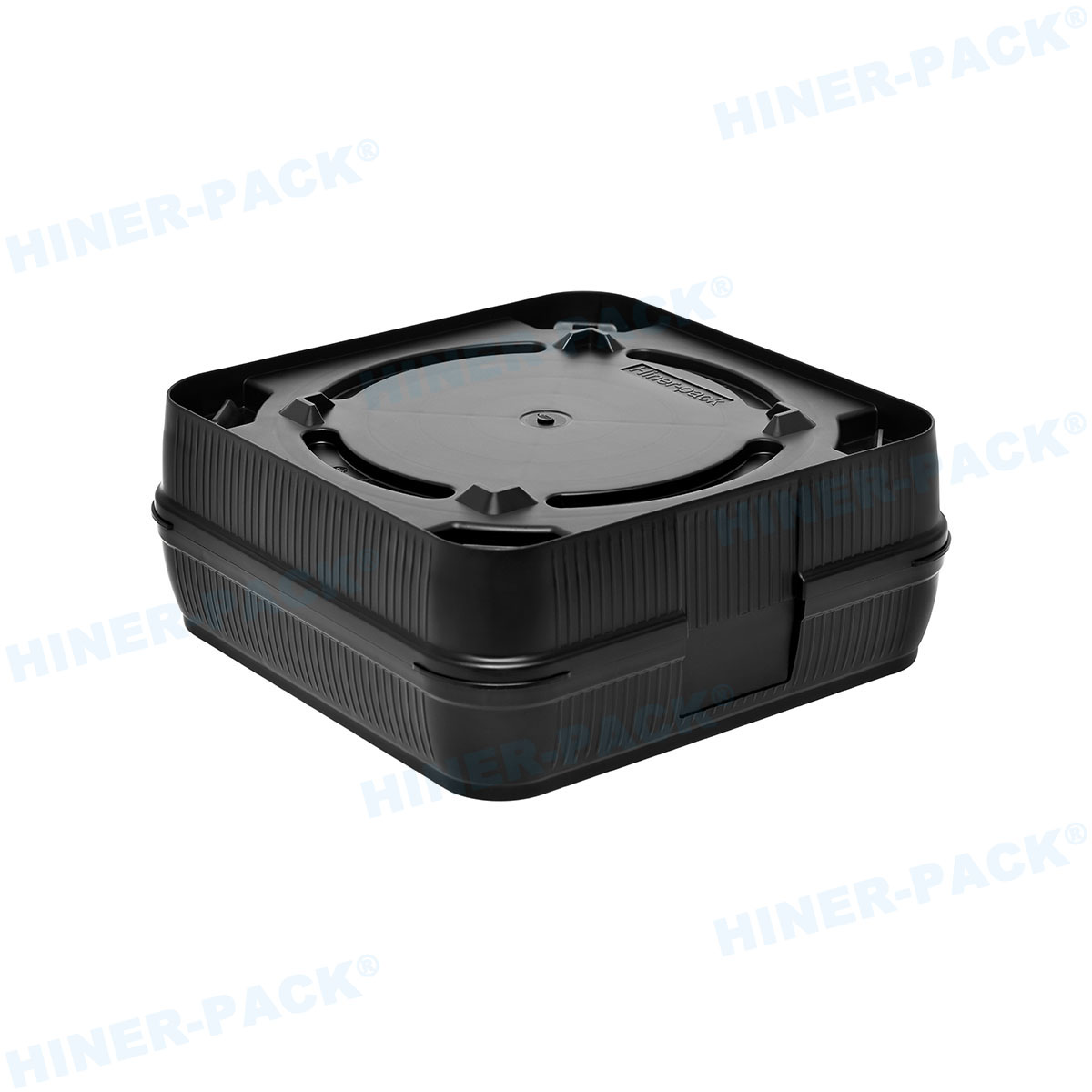
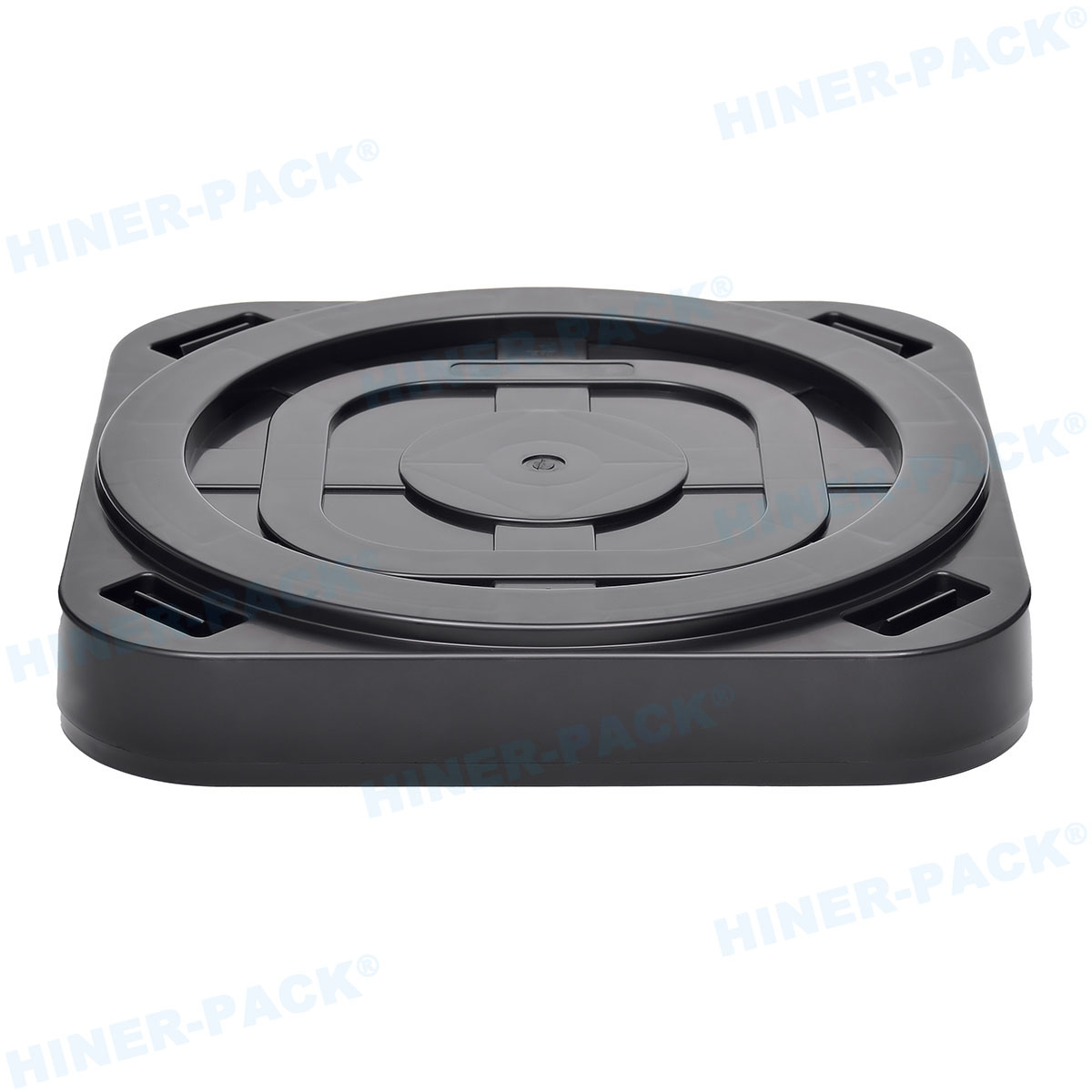
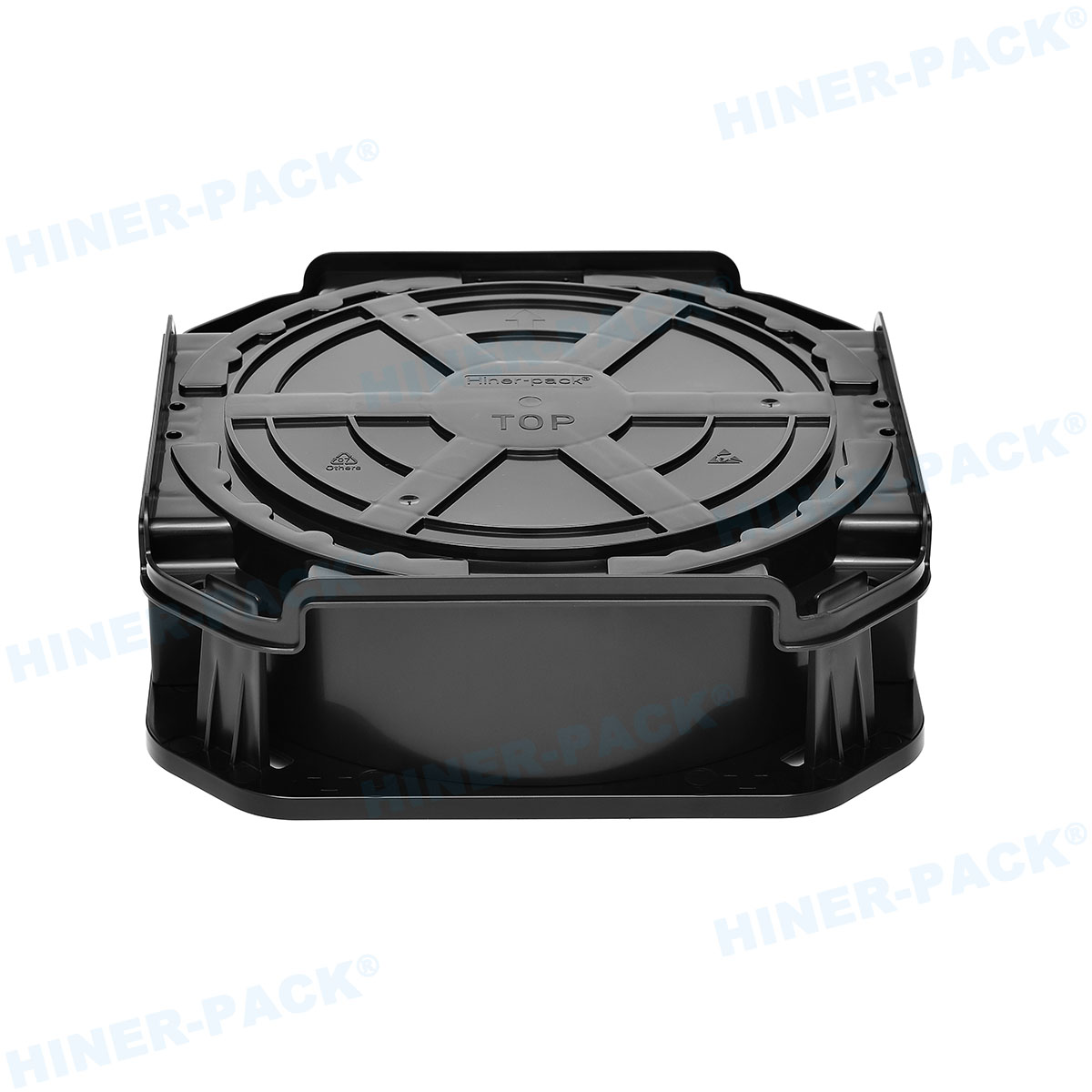
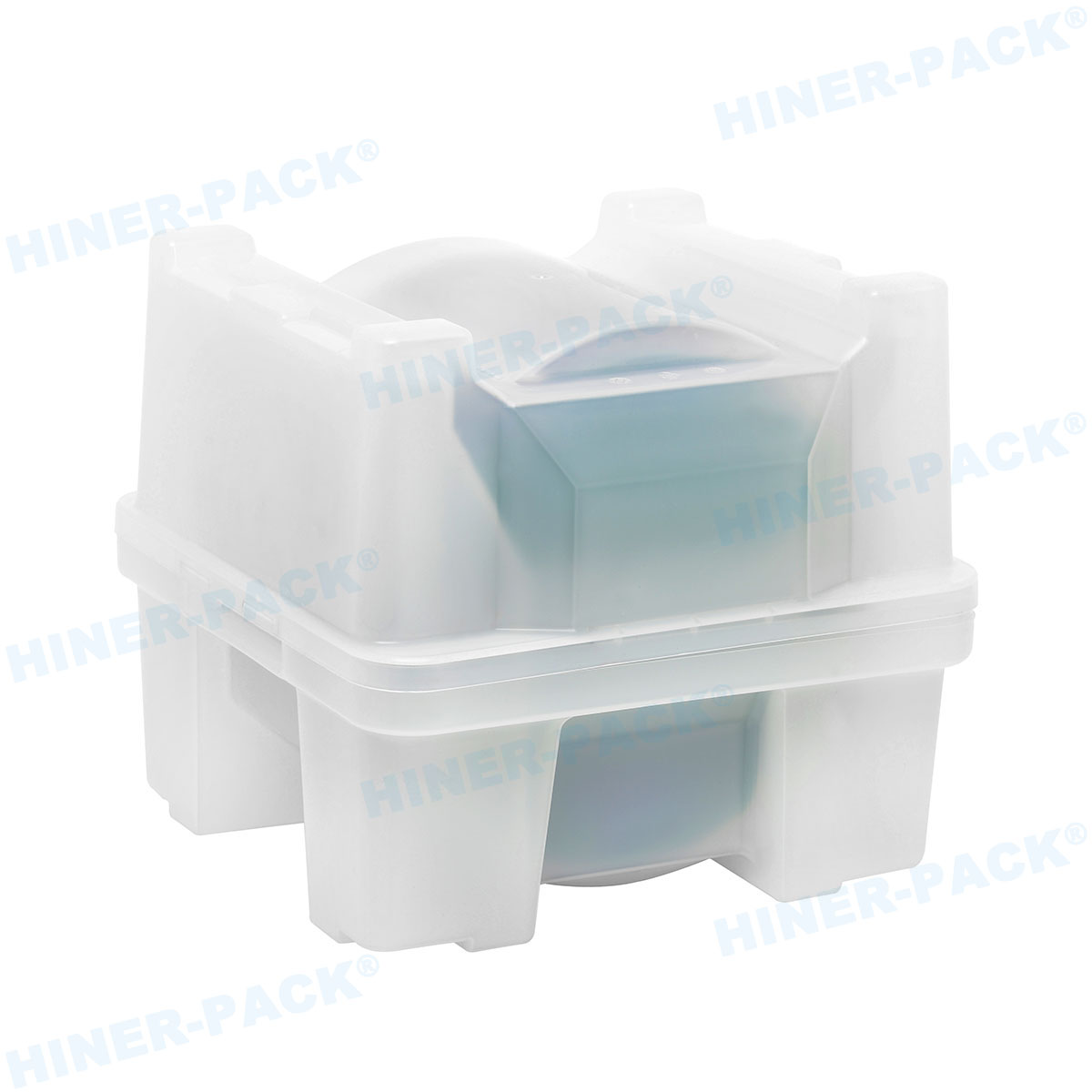
In semiconductor manufacturing, the journey of a silicon wafer from bare substrate to fully processed die involves hundreds of process steps. Throughout this flow, the wafer carrier manufacturer provides the fundamental hardware that safeguards each wafer against contamination, mechanical damage, and electrostatic discharge. While often overlooked, the design, material purity, and dimensional precision of wafer carriers directly influence die yield, especially in advanced nodes and heterogeneous integration.
This article delivers a deep technical examination of wafer carrier specifications, application-specific requirements, and engineering solutions for modern fabs, assembly houses, and OSATs. As an industry expert with two decades of experience in wafer handling and packaging, I will break down the criteria that separate commodity trays from high-performance process carriers. Hiner-pack has been at the forefront of custom carrier engineering, aligning with these stringent demands.
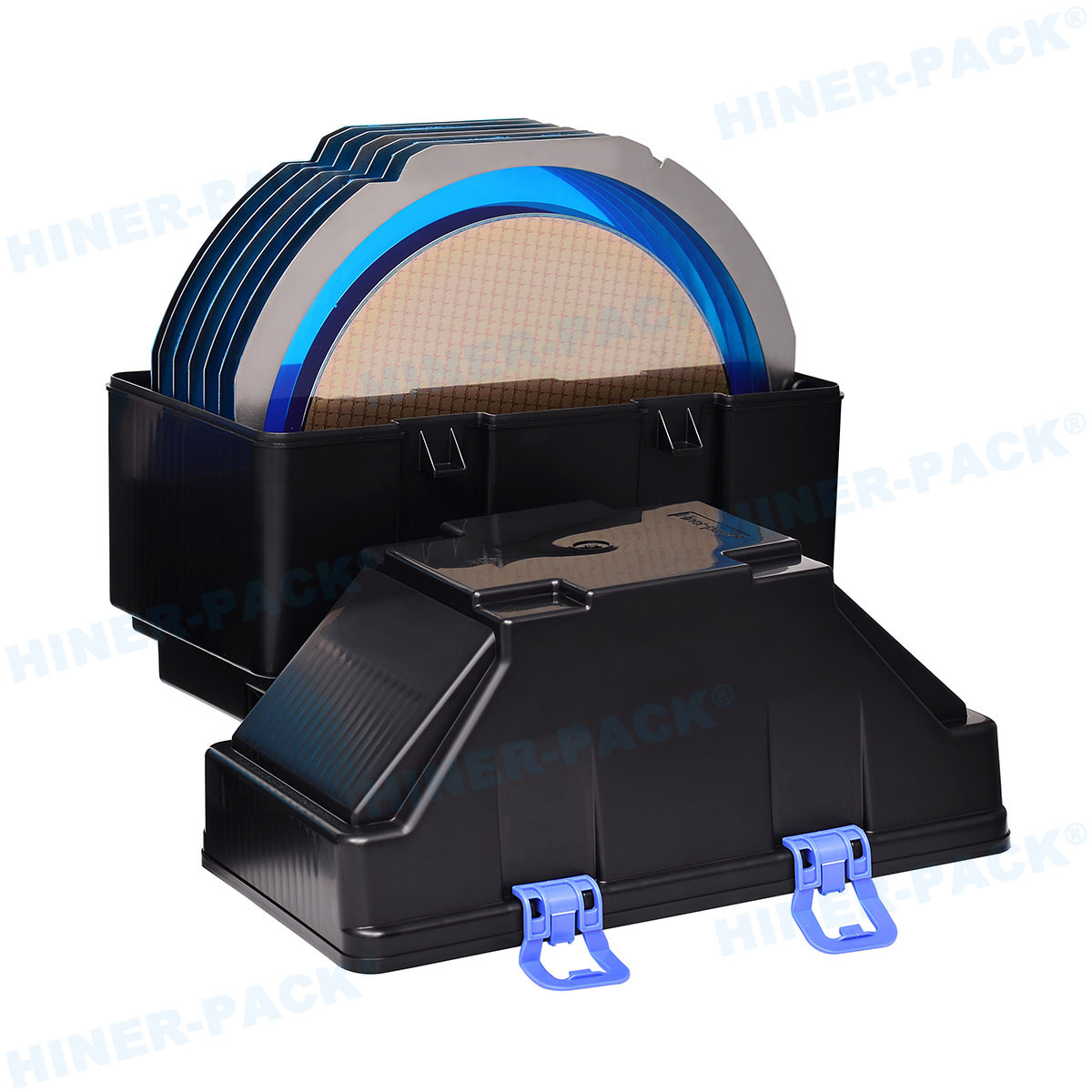
1. Material Science and ESD Performance: Core Differentiators for Process Carriers
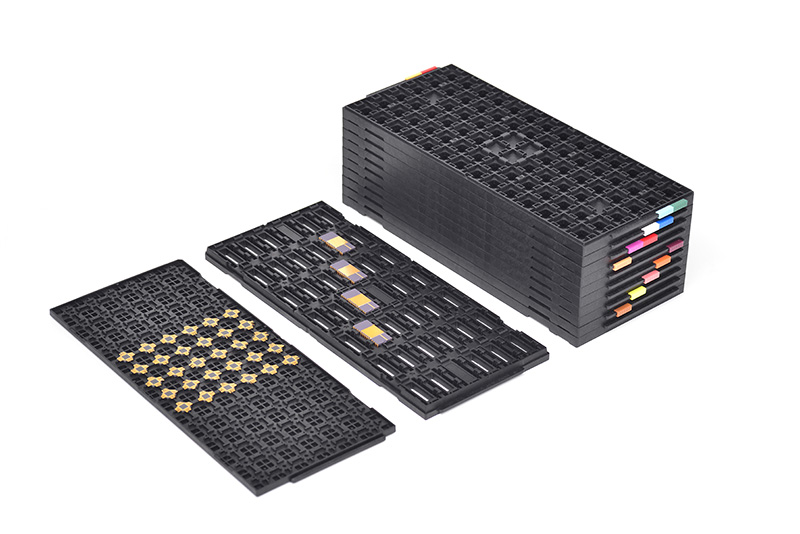
Not all wafer carriers are equivalent. The base polymer—whether PEEK, PFA, PEI, or conductive polycarbonate—determines chemical resistance, thermal stability, and outgassing profiles. For front-end-of-line (FEOL) applications, carriers must withstand aggressive solvents and elevated temperatures up to 250°C without warping or releasing volatile compounds. Meanwhile, back-end processes such as wafer-level chip-scale packaging (WLCSP) and fan-out wafer-level packaging (FOWLP) require static-dissipative carriers to prevent ESD-induced gate oxide damage.
Leading wafer carrier manufacturer solutions incorporate carbon nanotube or permanent antistatic additives achieving surface resistivity between 10⁵–10¹¹ Ω/sq. This range prevents triboelectric charging while avoiding metallic contamination. For high-temperature processes like polyimide curing or reflow simulation, PEEK carriers with low extractable ions (below 10 ppb) are specified. The table below highlights key material criteria:
Thermal performance: Continuous use temp up to 260°C (PEEK), short-term peaks to 300°C.
Chemical compatibility: Resistance to NMP, PGMEA, TMAH, and buffered oxide etch (BOE).
Particle generation: ≤ 0.1 particles/cm² for class 100 cleanroom compatibility.
Outgassing: Meets SEMI S2/S8 and ISO 14644-14 for molecular contamination.
Advanced injection molding combined with CNC post-processing ensures pocket depths, edge clearances, and coplanarity are maintained within ±25 µm. An improperly fitted carrier leads to wafer edge chipping or misalignment during automated handling—reasons why fabs audit carrier suppliers rigorously.
2. Application-Specific Carrier Architectures: From Bulk Transport to Thin Wafer Processing
Wafer carriers are not a monolithic category. Based on the application environment, they are divided into shipping carriers, process carriers, and storage cassettes. Each must address distinct mechanical stresses and cleanliness levels.
2.1 High-volume shipping carriers (HVM shipping trays)
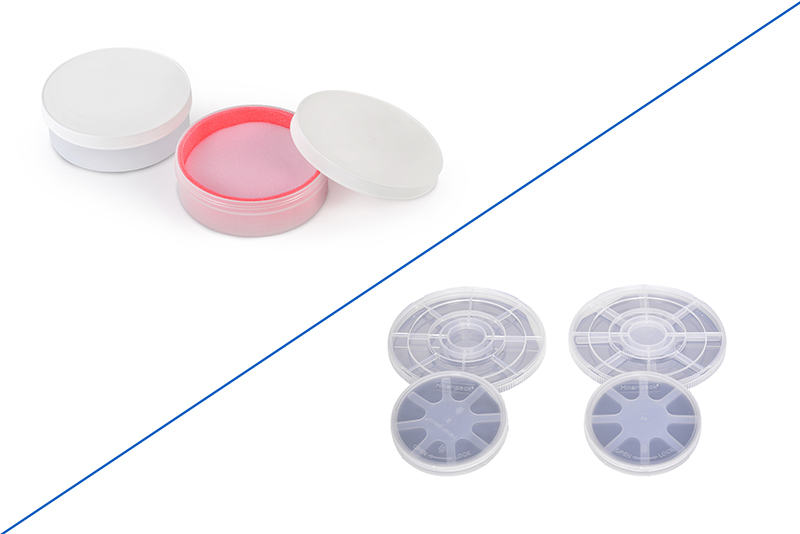
Designed for inter-fab and international logistics, these carriers must absorb vibration and thermal fluctuations. They often feature interlocking lids and foam inserts, but for sensitive 300mm wafers, rigid injection-molded carriers with cushioning ribs are preferred. A credible wafer carrier manufacturer provides moisture-barrier packaging options and RFID tagging for traceability.
2.2 Process carriers for wet etching and plating
Wet benches require carriers with open geometries to allow chemical flow and drainage. Carrier designs include vertical slots with minimal contact area (point contact to reduce shadow effects). For silicon interposers and MEMS devices, carriers integrate fences to prevent wafer floatation. Material choice shifts to PTFE or PFA for concentrated HF or KOH baths, ensuring no metal leaching.
2.3 Thin-wafer handling rings and support frames
With wafer thinning down to 30–50 µm for 3D-IC and stacked memory, traditional carriers cannot prevent warpage or breakage. Here, carriers take the form of dicing rings bonded with UV tapes or temporary bonding carriers using adhesive. However, for non-taped handling, specialized thin-wafer carriers with edge-gripping mechanisms and vacuum grooves are used. These require exceptional flatness (≤10 µm) and low surface roughness (Ra < 0.8 µm).
Specialty manufacturer Hiner-pack offers engineering consultation to convert thin-wafer requirements into tool-ready carrier designs, including automated handling fiducials.
3. Industry Pain Points: Contamination, Cross-Slot Cracks, and Carrier Lifecycle Management
Despite robust specifications, semiconductor fabs face recurring obstacles with wafer carriers. Solving these requires deep collaboration between process engineers and the carrier supplier.
Particle shedding from carrier wear: Repeated processing cycles and carrier-to-slot friction generate submicron particles that deposit on wafer backsides, causing focus errors in lithography. Solution: Use lubricious polymers (e.g., PEEK with internal lubricant) and design slot ribs with rounded edges.
Electrostatic charge accumulation during automation: Standard carriers allow charge buildup when wafers are robotically transferred. ESD events can destroy gate oxides. Mitigation: Specify carriers with volume resistivity 10⁶–10⁹ Ω·cm and integrate ground pins.
Cross-slot wafer cracking: Carriers that lack precision slot pitch cause wafer edges to contact adjacent slots during thermal expansion. Simulation-driven design can optimize pitch and incorporate expansion gaps.
Cross-contamination from previous batches: Carriers used for multiple process steps (e.g., Cu plating then oxide etch) must undergo validated cleaning. However, porous materials or rough finishes trap residues. Advanced carriers feature closed-cell surfaces and are cleanroom-compatible.
Professional wafer carrier manufacturer services include designing cleanable geometries and providing baseline contamination test reports per SEMI E45. The best suppliers also offer a requalification program for carriers after extended use.
4. Selecting a Wafer Carrier Manufacturer: Technical Audit Criteria
When evaluating potential partners, procurement and engineering teams must go beyond price. The following audit checklist aligns with semiconductor industry best practices:
Material traceability and batch-to-batch consistency: ISO 9001:2015 with lot-level testing for ash content, metal traces, and resistivity drift.
Metrology infrastructure: In-house CMM, optical comparators, and surface roughness testers to verify each cavity.
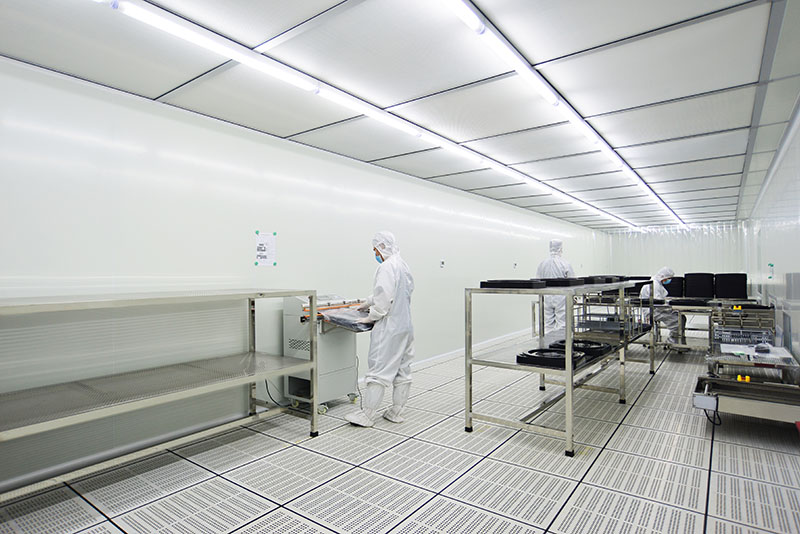
Cleanroom assembly and packaging: Class 100 (ISO 5) assembly lines and double-bagging with ESD-safe foam.
Custom tooling capability: Ability to modify slot profiles for warped wafers or add locating features for automated guided vehicles (AGV).
Process simulation support: Finite element analysis (FEA) for shock drop testing and thermal stress mapping.
Hiner-pack maintains a dedicated engineering team that provides these audit documents and collaborates on co-development for next-generation panel-level packaging carriers. Their facility includes mold-flow simulation and particle measurement per ISO 14644.
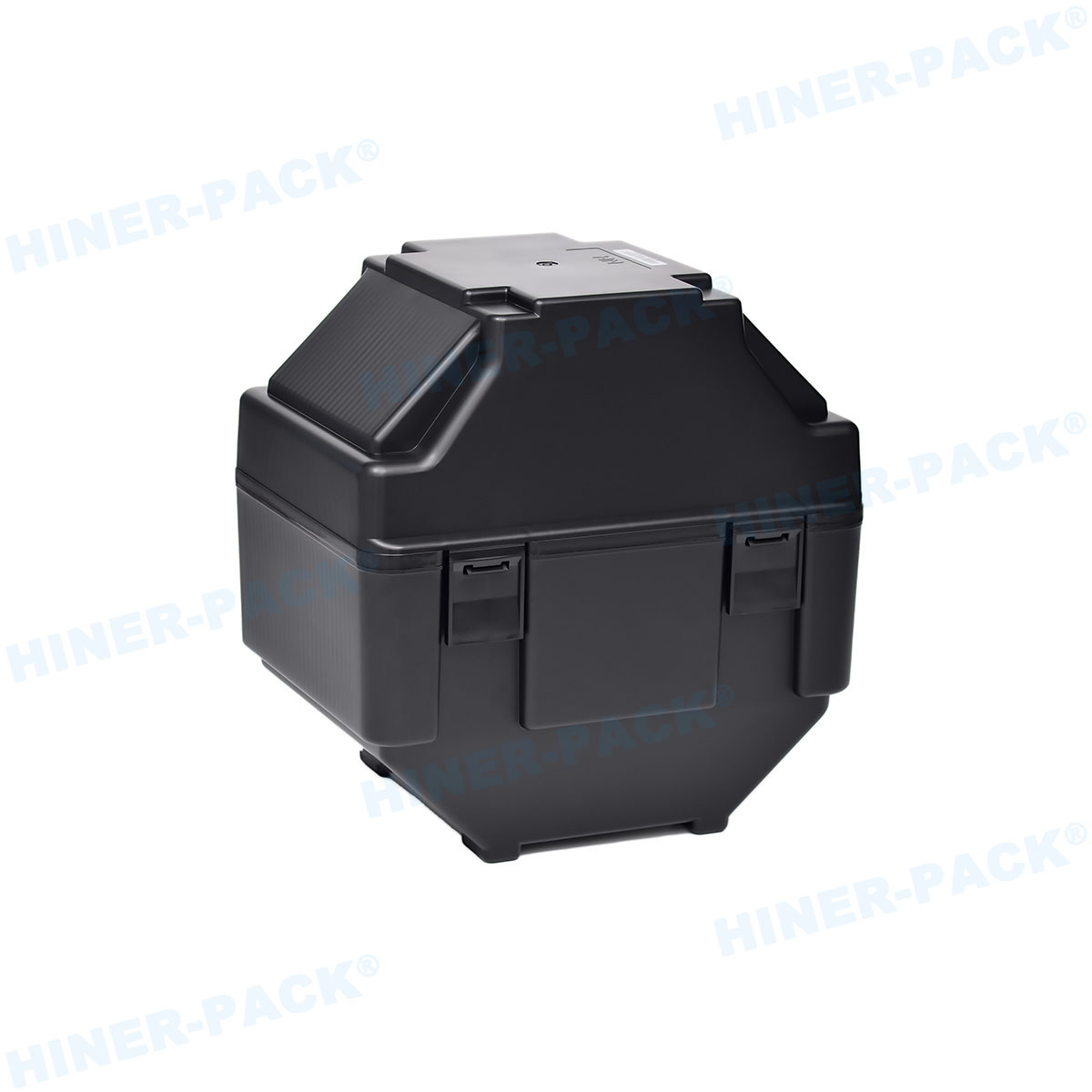
5. Advanced Packaging Trends: Panel-Level, Hybrid Bonding, and Embedded Bridge Impacts on Carrier Design
The shift from traditional wire bonding to hybrid bonding and embedded multi-die interconnect bridges (EMIB) places new demands on carriers. For panel-level packaging (PLP) using 510x515mm or 600x600mm panels, wafer carriers are being replaced by panel carriers. However, for chip-on-wafer (CoW) and wafer-on-wafer (WoW) processes, carriers must sustain higher bonding forces and temperatures up to 400°C with minimal deflection.
Moreover, for temporary bonding and debonding processes (used in thin-wafer handling for memory stacking), carrier wafers (glass or silicon) act as support substrates. While these are distinct from polymer carriers, precision-machined plastic carriers are being developed as low-cost alternatives for low-temperature debonding processes (using laser or thermal slide). Expect to see hybrid carriers integrating metal alignment pins and elastomeric layers to accommodate wafer bow. Manufacturers that understand these trends are prepared to deliver beyond standard catalog products.
A forward-looking wafer carrier manufacturer will already have evaluated high-temperature LCP (liquid crystal polymer) carriers for fan-out applications and carriers with integrated RFID for Industry 4.0 tracking.
Frequently Asked Questions (FAQs) – Wafer Carrier Engineering
Q1: What materials are best for wafer carriers used in aggressive
chemical processes like wet etching?
A1: For wet
etching environments (including HF, HNO₃, or KOH at elevated temperatures),
perfluoroalkoxy (PFA) or polytetrafluoroethylene (PTFE) carriers offer
near-universal chemical resistance. For less aggressive acidic baths,
high-purity polypropylene (PP) or PVDF provides a balance of cost and
cleanliness. Always require a material compatibility certificate from the wafer carrier
manufacturer before deployment.
Q2: How often should wafer carriers be replaced to maintain
yield?
A2: Replacement frequency depends on usage
cycles and process aggressiveness. Standard guidelines suggest requalifying
carriers every 200–300 cycles in high-temperature or abrasive environments. Fabs
often perform optical particle inspection every 50 cycles and replace carriers
when particle shedding exceeds 0.05 particles/cm² >0.3 µm. A reputable
manufacturer can provide accelerated wear test data.
Q3: Can wafer carriers be cleaned and requalified for cross‑process
use?
A3: Yes, but cleaning must avoid surface
degradation. Ultrasonic cleaning with deionized water and non-ionic surfactants,
followed by hot DI rinsing and drying in laminar flow, is common. However,
carriers used in metal deposition (e.g., Cu, Au) should be dedicated to avoid
cross-contamination. Always requalify surface resistivity and particle
generation after cleaning.
Q4: What industry standards govern wafer carrier dimensions and
quality?
A4: Primary standards include SEMI E1.9
(200mm and 300mm wafer carrier specifications), SEMI E15 (carrier handling
interfaces), and SEMI E111 (guide for thin-wafer carriers). For cleanliness, ISO
14644-10 and SEMI E49.6 are used. Leading manufacturers provide certification to
these standards with every shipment.
Q5: How do I handle warped or ultrathin wafers (below 100 µm) with
standard carriers?
A5: Standard carriers are not
suitable. Instead, request edge‑grip or multi‑point support carriers with
adjustable side clamps. For heavily warped wafers (>2mm bow), vacuum‑assisted
carriers or carriers with form‑fitting slots based on wafer topography are
needed. Custom engineering from an experienced wafer carrier
manufacturer is recommended, including scanning of actual sample wafers to
define cavity geometry.
Need a custom wafer carrier solution for your specific process flow? Our engineering team at Hiner-pack provides free technical consultation, material test reports, and prototype development for wafer handling challenges. From high-temperature PEEK carriers to ESD‑safe shipping trays, we align with your production schedule and quality KPIs.
Send your wafer carrier inquiry to our engineers today – include wafer size, process media, temperature range, and required cleanliness class. We will respond within 24 hours with preliminary design suggestions and compliance documentation. Click here to submit your inquiry →