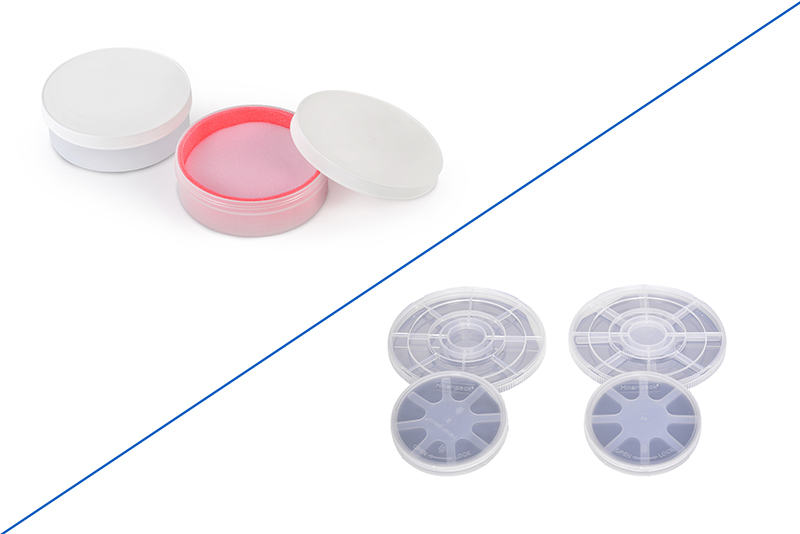
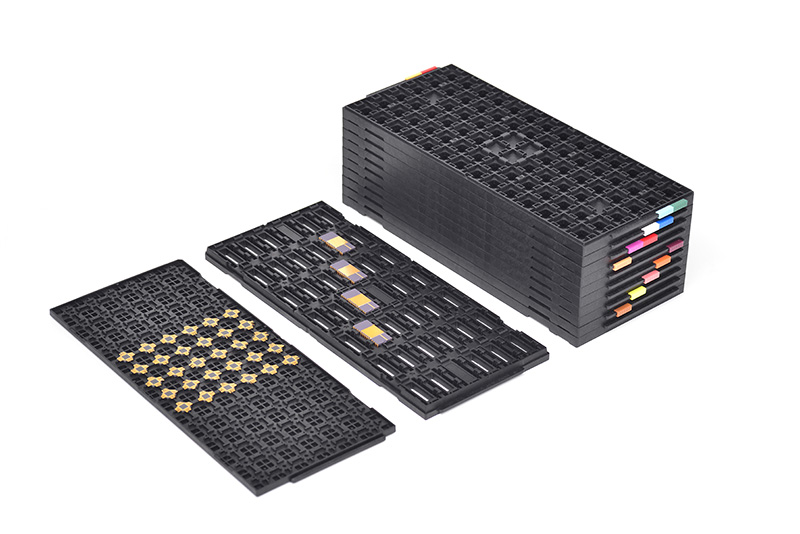
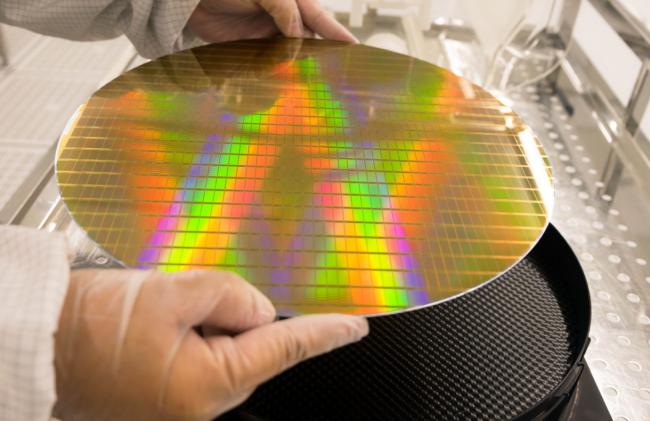
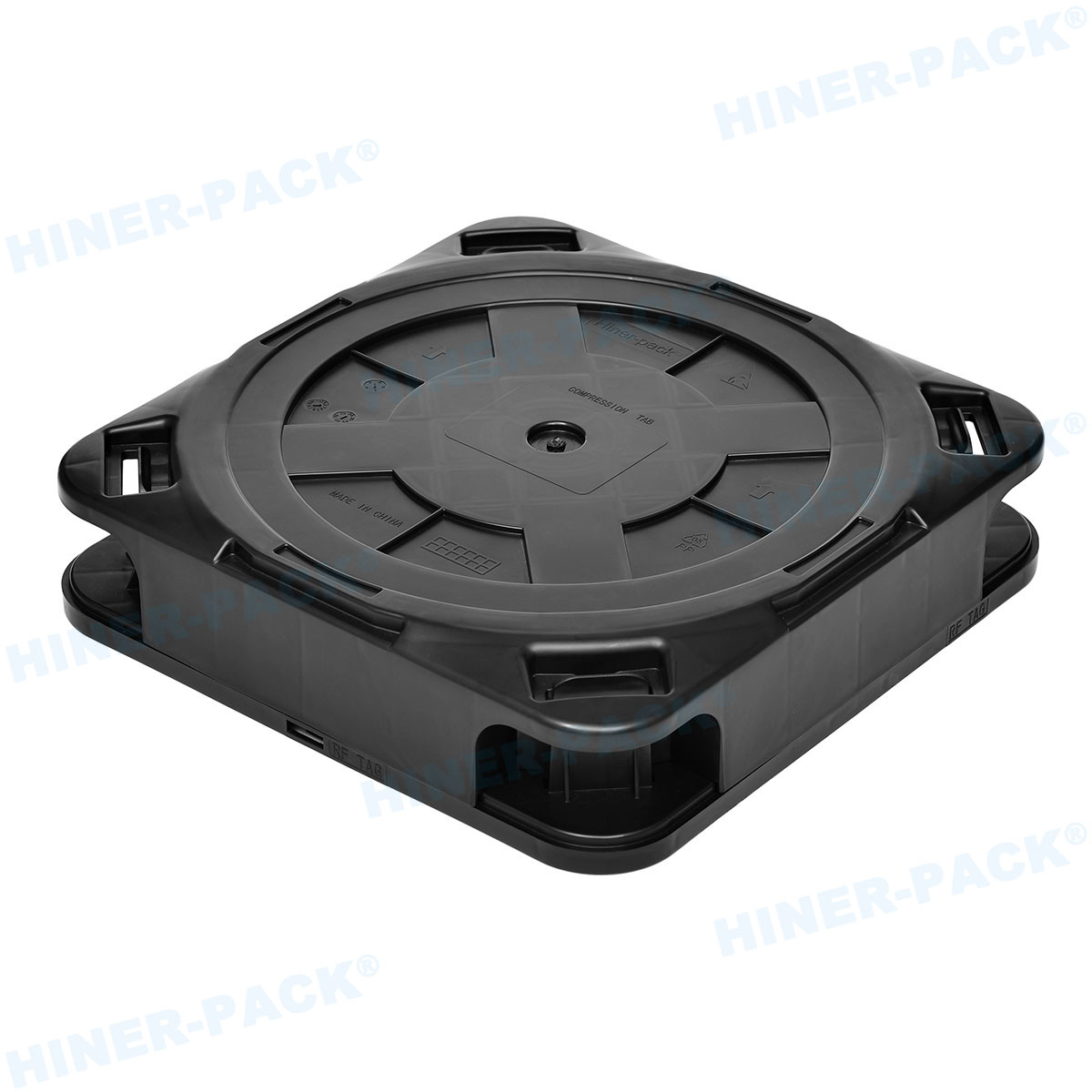
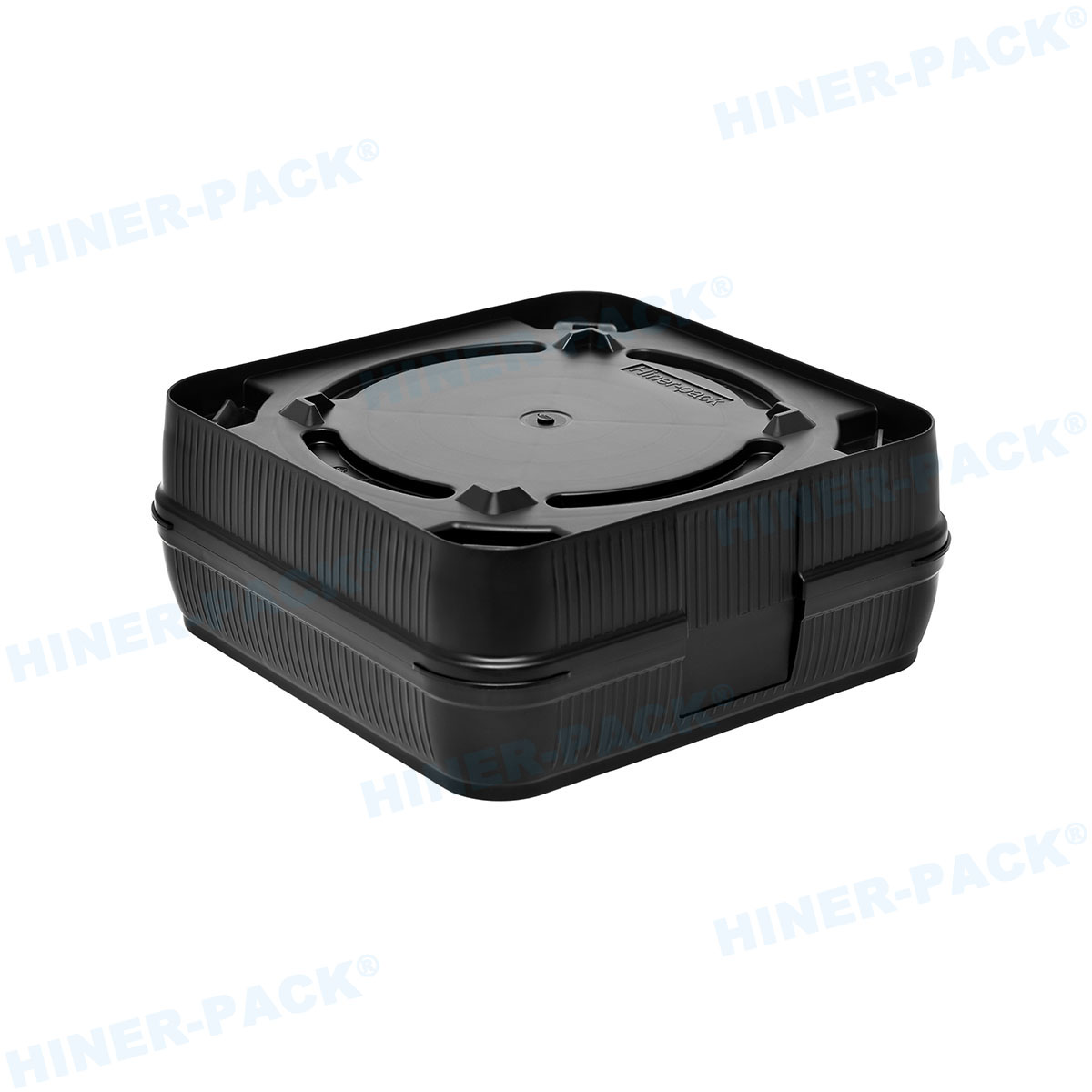
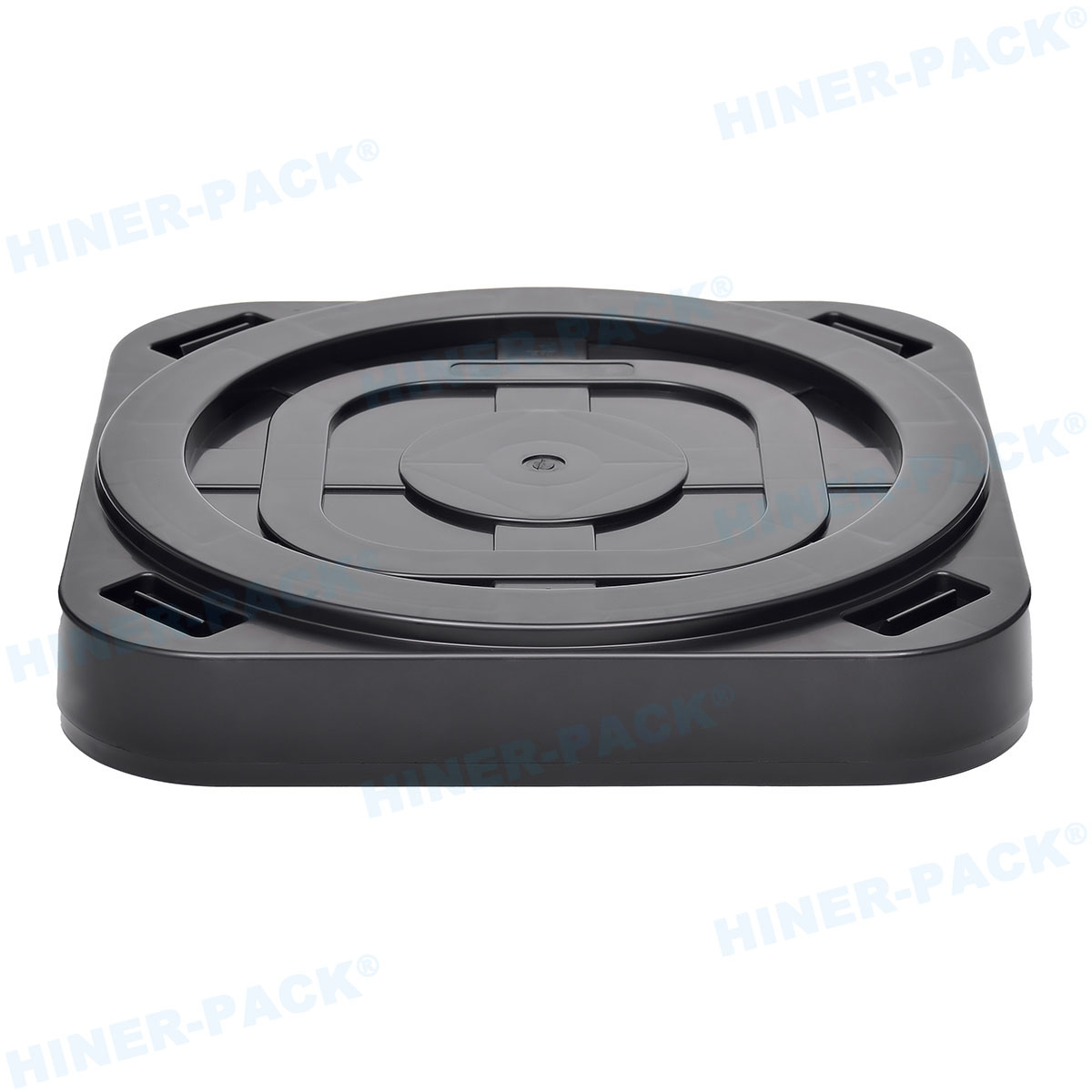
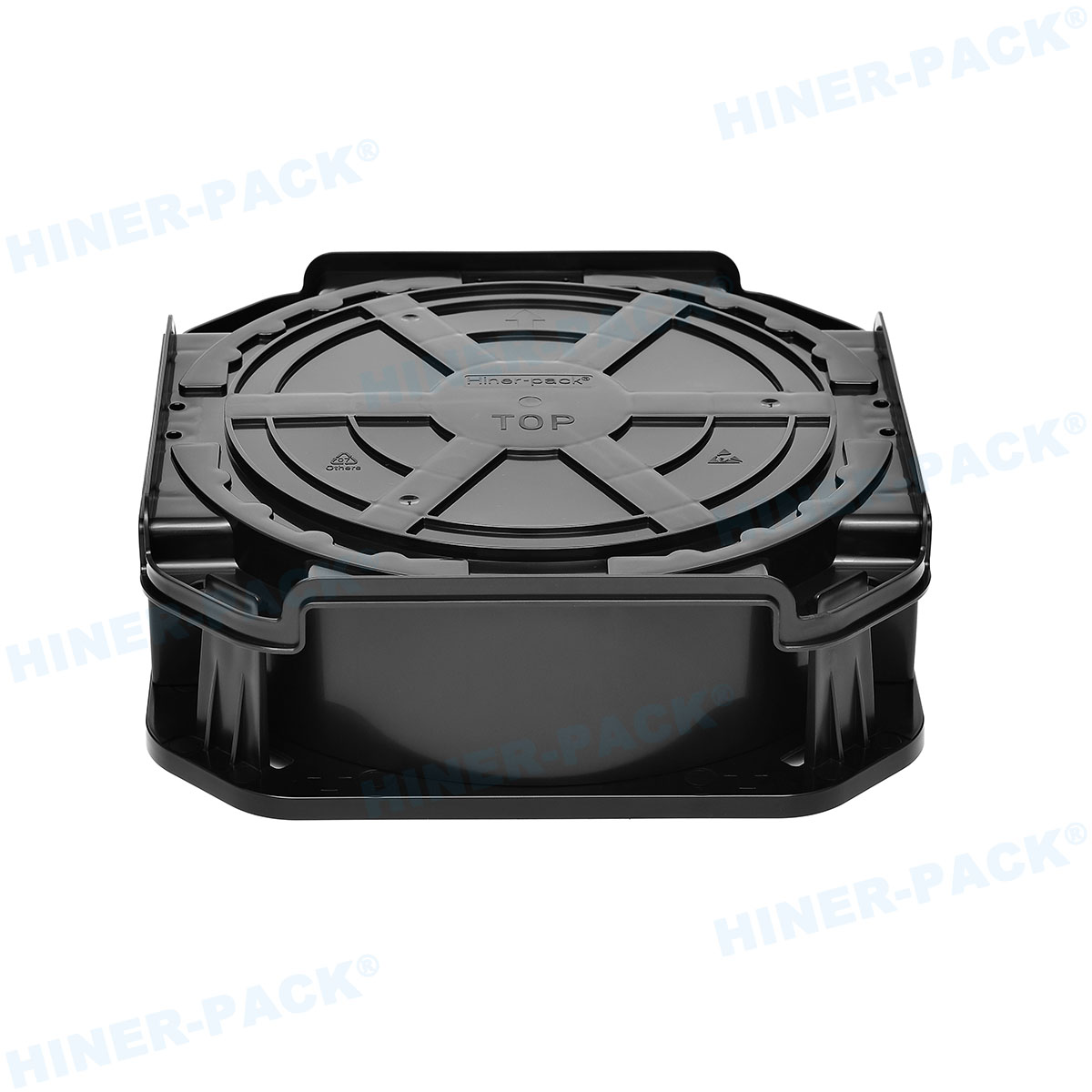
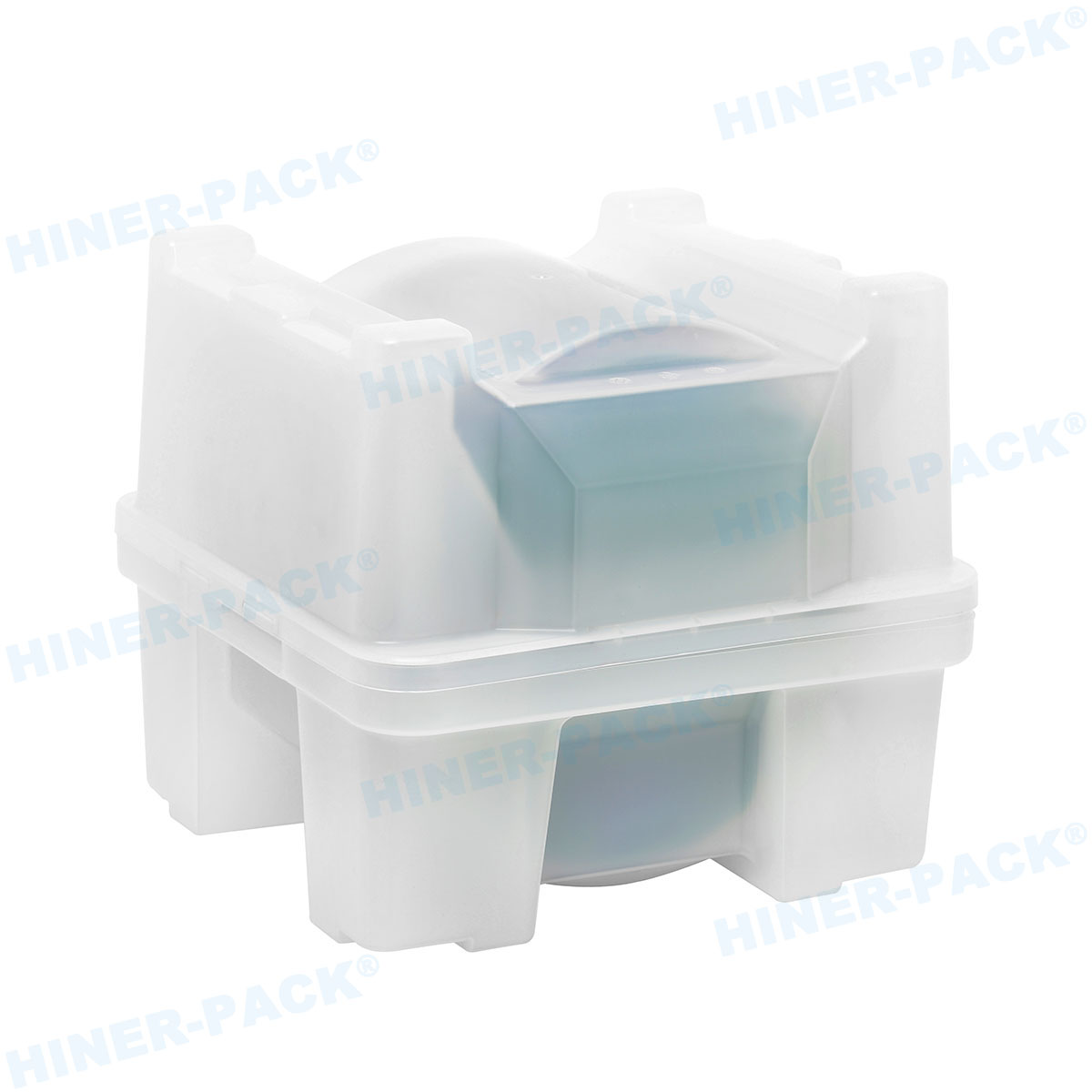
A wafer carrier factory is not merely a molding shop—it is a specialized manufacturing environment that combines material science, sub-micron metrology, and contamination control protocols. The carriers produced in such facilities directly affect wafer breakage rates, particle-induced defects, and electrostatic discharge (ESD) failures in semiconductor fabs. This article provides a detailed examination of what separates a commodity tray supplier from a high-performance wafer carrier factory that serves leading foundries and OSATs (outsourced semiconductor assembly and test).
With over two decades of hands-on experience in wafer handling solutions, I will break down the engineering steps, quality checkpoints, and application-driven design rules that define a reliable manufacturing partner. Hiner-pack operates one such advanced facility, integrating in-house tooling, class 1000 cleanroom molding, and full traceability systems.
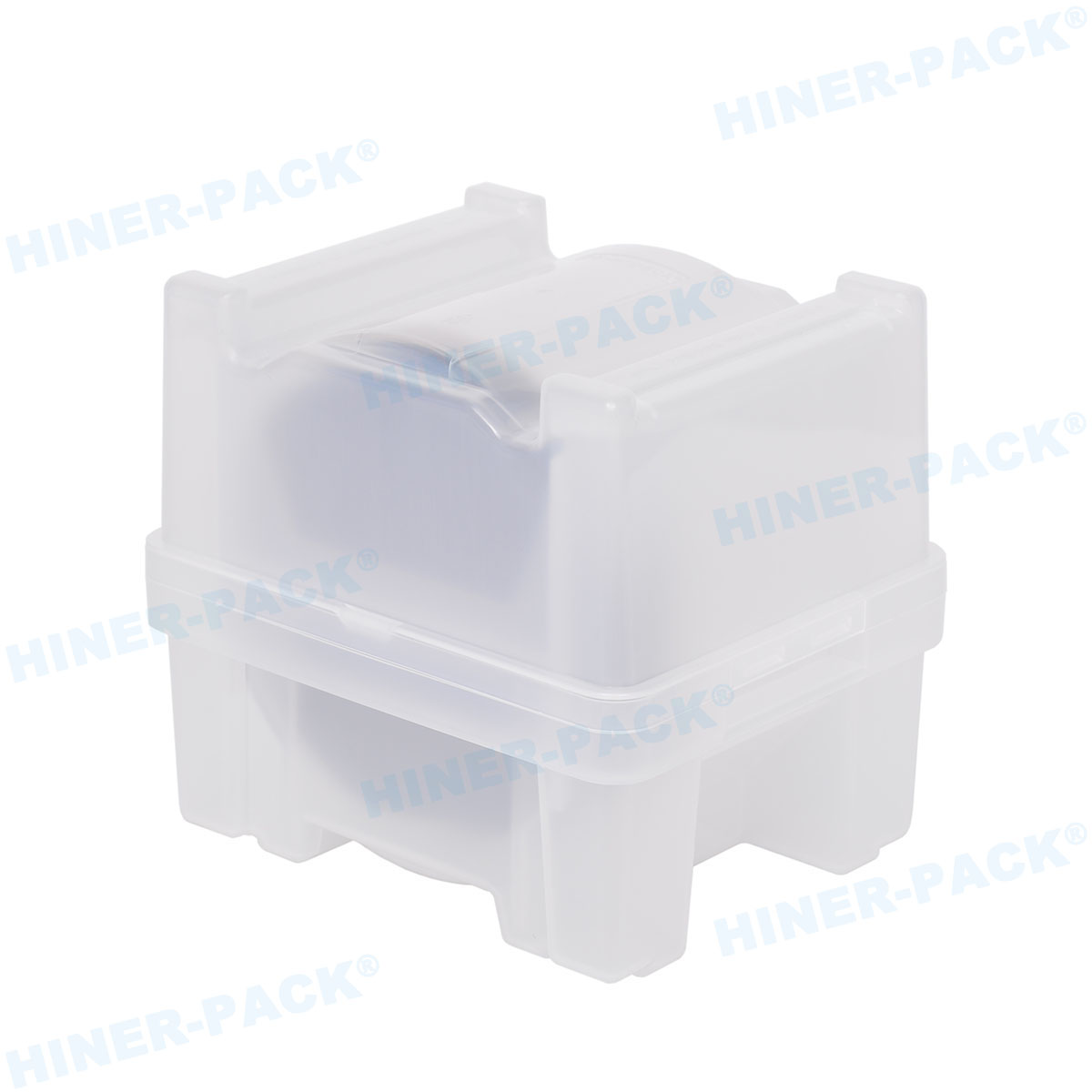
1. Core Infrastructure of a Modern Wafer Carrier Factory: Cleanroom Classes and Injection Molding Precision
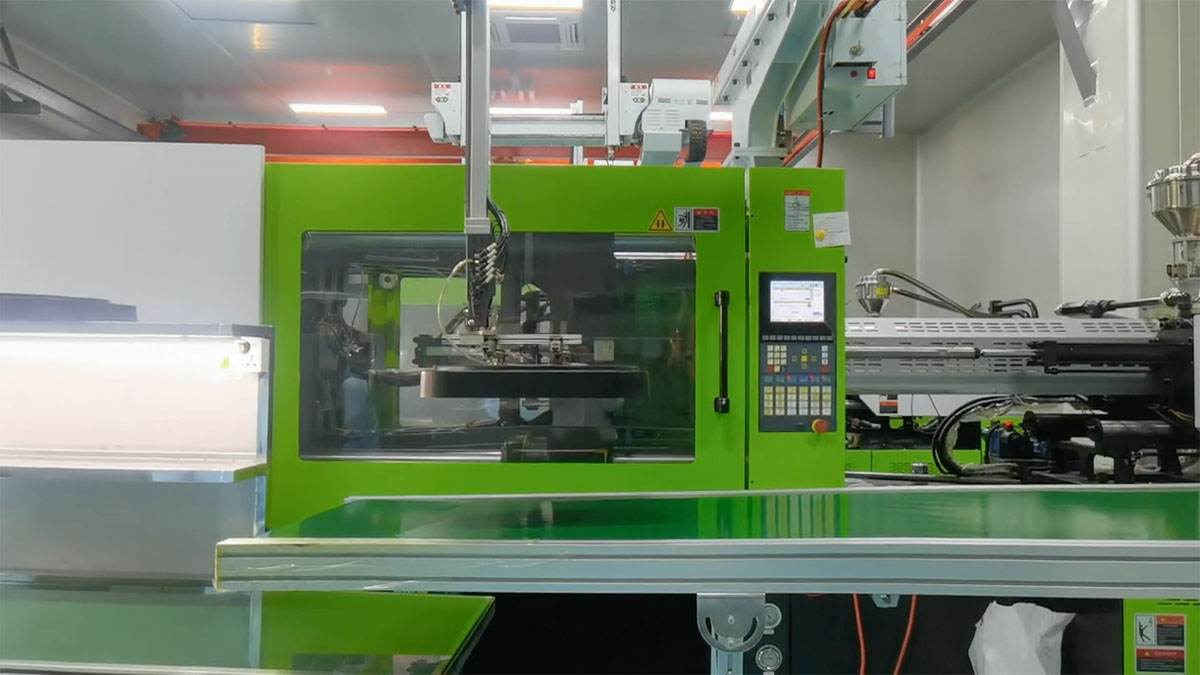
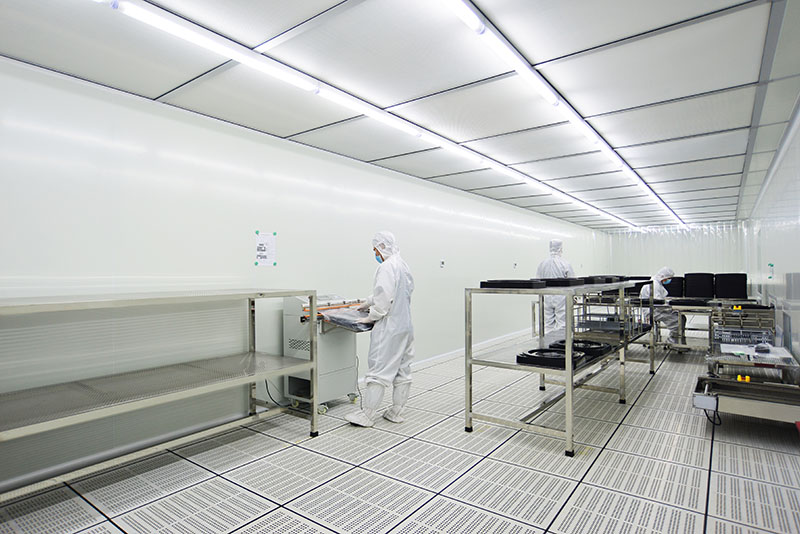
The production environment for wafer carriers must match the cleanliness levels of the fabs they serve. A professional wafer carrier factory maintains at least ISO 7 (Class 10,000) cleanrooms for molding, with assembly and packaging areas upgraded to ISO 5 (Class 100) or better. This prevents airborne particles from embedding into carrier surfaces during manufacturing. Beyond cleanrooms, key equipment includes:
Electric injection molding machines with closed-loop process control, ensuring shot-to-shot consistency for cavities holding 200mm, 300mm, or panel-level substrates.
CNC machining centers for rapid tool modifications and prototype carriers, enabling iterative design for warped wafers or non-standard thicknesses.
Coordinate measuring machines (CMM) and optical profilers to verify pocket depth (±15 µm), slot pitch, and coplanarity across the entire carrier array.
Surface resistivity testers and ion chromatography for validating ESD performance and extractable ion levels (often below 5 ppb for sensitive nodes).
Each production lot undergoes statistical process control (SPC) on critical dimensions. For carriers used in wet benches or high-temperature curing, the factory must also provide post-molding annealing to relieve internal stresses, preventing warpage when exposed to 200°C+ cycles.
2. Material Science and Customization Capabilities: Tailoring Carriers for Specific Process Steps
Semiconductor processes require carriers resistant to chemicals, thermal shocks, and static buildup. A competent wafer carrier factory maintains a library of engineered thermoplastics and offers application-specific recommendations. Common base polymers and their process windows include:
PEEK (polyether ether ketone): Continuous use to 260°C, excellent for burn-in, curing, and high-temperature handling. Minimal outgassing and compatible with aggressive solvents like NMP and PGMEA.
PEI (polyetherimide): Good dielectric properties and creep resistance; often specified for ESD-critical environments when loaded with conductive fillers.
Conductive polycarbonate (PC): Cost-effective for shipping and storage carriers, surface resistivity 10⁵–10⁹ Ω/sq to avoid tribocharging.
PFA/PTFE: For wet etching and plating lines where concentrated HF, H₂SO₄, or KOH are used; these fluoropolymers provide near-inert behavior.
Beyond material selection, the factory’s engineering team must adapt cavity profiles. For thin wafers (under 100 µm), edge-grip designs or vacuum-assisted pockets replace traditional support ribs. For warped wafers (bow >2mm), the factory can generate 3D scans of sample wafers and produce form-fitting slot surfaces. Hiner-pack offers such custom tooling with lead times as short as 4 weeks for prototype iterations.
3. Quality Assurance Protocols: From Raw Material Receiving to Outgoing Shipment
High-volume wafer fabs cannot tolerate batch-to-batch variation. Therefore, a reliable wafer carrier factory implements a multilayered QA system. The following checkpoints are industry standard:
Incoming material verification: Each resin lot is tested for melt flow index, ash content, and metal impurity levels (ICP-MS for 15+ elements).
In-process monitoring: Cavity pressure sensors and mold temperature mapping ensure filling uniformity. Automated vision systems inspect each molded part for flash, sinks, or short shots.
Dimensional audit: Sample carriers from every cavity (in multi-cavity tools) are measured on a CMM. Critical dimensions include slot width, wafer support height, and edge clearance.
Particle and cleanliness test: Carriers are rinsed with DI water, then analyzed for particle shedding per SEMI E49.6 (≤0.1 particles/cm² for particles >0.3 µm is typical for high-end products).
ESD verification: Surface and volume resistivity measured per ANSI/ESD STM11.11 or ASTM D257. Carriers are also checked for electrostatic decay time.
Documentation packages accompany each shipment, including certificate of conformance, dimensional reports, and cleanliness test data. This traceability allows fabs to correlate carrier batches with yield performance—an essential feature for automotive or medical device semiconductor lines.
4. Solving Field Failures: How a Wafer Carrier Factory Addresses Common Fab Complaints
Even well-designed carriers encounter issues in production environments. A proactive factory uses root cause analysis to modify designs or processes. Below are frequent problems and engineering responses:
Cross-slot wafer scratching: Caused by insufficient pitch or sharp slot edges. The factory solution involves increasing slot pitch by 0.2–0.5mm, radiusing all contact edges, and applying a lubricious coating (MoS₂ or PTFE) on ribs.
Carrier sticking to wafer after high-temperature step: Often due to thermal expansion mismatch or surface adhesion. The factory can add micro-structuring (dimples) to reduce contact area and select polymers with lower coefficient of friction at elevated temperatures (e.g., carbon-filled PEEK).
Electrostatic damage during automated handling: Standard carriers may not provide adequate grounding paths. Factories respond by integrating conductive inserts, designing grounding pin features, or switching to inherently dissipative polymer alloys (volume resistivity 10⁶–10⁹ Ω·cm).
Carrier warpage after repeated cleaning cycles: Residual molding stresses or improper annealing cause deformation. The factory modifies the molding parameters, adds a post-molding stress-relief step, or changes to a more amorphous resin with lower shrinkage anisotropy.
Leading Hiner-pack provides an 8D report for any quality deviation, along with corrective action samples within 10 working days—a level of service expected by top-tier semiconductor manufacturers.
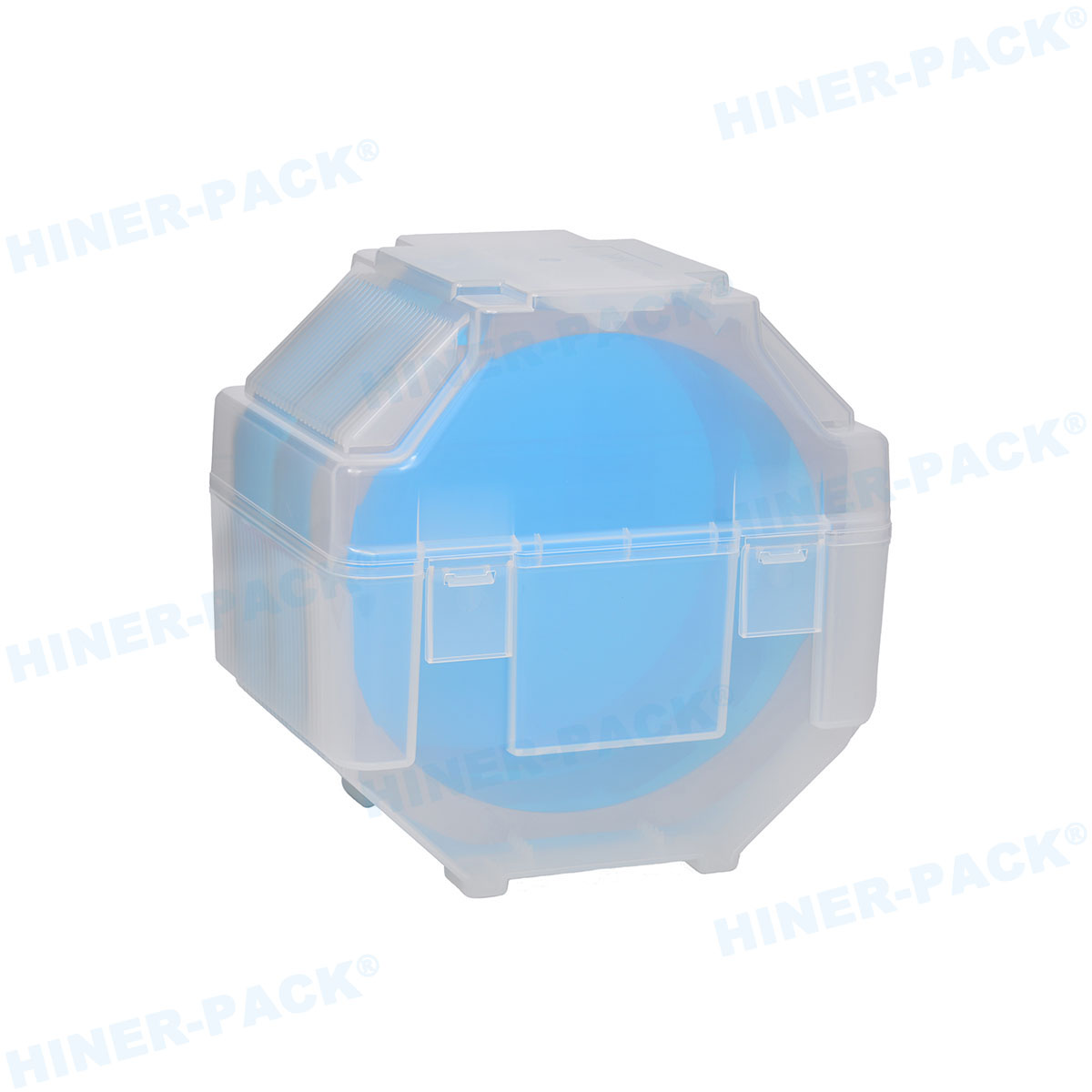
5. New Process Requirements: Fan-Out Packaging, Panel-Level Handling, and High-Temperature Carriers
As the industry transitions from conventional wafer-level packaging to panel-level packaging (PLP) and hybrid bonding, wafer carrier factory capabilities must evolve. For fan-out wafer-level packaging (FOWLP), reconstituted wafers have varying thicknesses and edge profiles. Carriers now need adjustable side supports or compliant materials to accommodate non-uniform wafers.
In panel-level processing (510mm x 515mm or larger), traditional round wafer carriers are replaced by rectangular panel carriers, but the same design principles apply: low particle generation, ESD control, and thermal stability up to 300°C for dielectric curing. A forward-thinking factory invests in large-platen injection molding machines (clamping force > 800 tons) and CNC routers capable of handling panel-sized substrates.
Additionally, temporary bonding and debonding carriers (glass or silicon carrier wafers) are increasingly used for thin-wafer handling. While these are not plastic, some factories produce protective polymer rings and edge-grip fixtures that interface with glass carriers. The key is collaboration—the factory must be willing to co-develop solutions with the fab’s process integration team.
Frequently Asked Questions (FAQs) – Wafer Carrier Factory & Manufacturing Standards
Q1: What certifications should I look for when selecting a wafer
carrier factory?
A1: Essential certifications
include ISO 9001:2015 (quality management) and ISO 14001 (environmental). For
cleanroom manufacturing, look for ISO 14644-1 classification (Class 7 or
better). SEMI S2/S8 compliance for equipment safety and ESD Association
certification (ANSI/ESD S20.20) are also strong indicators. A reputable wafer carrier
factory will gladly share these certificates.
Q2: How does a wafer carrier factory validate particle performance
for carriers used in sub-10nm fabs?
A2: Factories
use liquid particle counters (LPC) and optical surface scanners to quantify
shedding. The standard test involves dynamic agitation (vibration or rotation)
followed by particle extraction and measurement per SEMI E49.6. For sub-10nm
nodes, the limit is often <0.05 particles/cm² ≥0.1 µm. The factory should
also provide outgassing analysis (via GC-MS) to ensure no volatile
condensables.
Q3: Can a wafer carrier factory produce carriers for non-standard
wafer sizes (e.g., 150mm, 200mm or custom
substrates)?
A3: Yes, most factories can supply
carriers for diameters from 100mm to 300mm, as well as small quantities for
R&D. Custom rectangular carriers for SiC or GaN substrates are also
possible. The key is providing detailed drawings or sample substrates. Many
factories, including Hiner-pack, offer low-volume
prototyping via CNC machining before committing to injection molding
tooling.
Q4: How many cycles can a typical process carrier withstand before
requiring replacement?
A4: Cycle life depends on
process severity. For aggressive wet etching at 80°C, carriers may last 300-500
cycles before showing wear or increased particle shedding. For less demanding
storage and handling, thousands of cycles are possible. A reliable factory will
provide accelerated life test data for each material-grade combination and
recommend requalification intervals.
Q5: What is the typical lead time for custom injection molding
tooling for wafer carriers?
A5: For a single-cavity
prototype tool (aluminum or soft steel), lead time ranges from 4 to 6 weeks. For
production-grade multi-cavity hard steel tools (up to 4 cavities for 300mm
carriers), 8 to 12 weeks is typical. The timeline includes mold flow analysis,
tool design, sampling, and dimensional validation. Expedited services are
available for urgent projects.
Need a reliable partner for high-precision wafer carriers? The engineering team at Hiner-pack is ready to review your wafer specifications, process conditions, and required cleanliness levels. We offer free preliminary design reviews and sample runs for evaluation.
Send your wafer carrier inquiry now – include wafer diameter, thickness range, process temperature, chemicals involved, and ESD requirement. We will respond with a customized proposal, dimensional drawings, and material recommendations within 24 hours. Click here to submit your factory-direct inquiry →