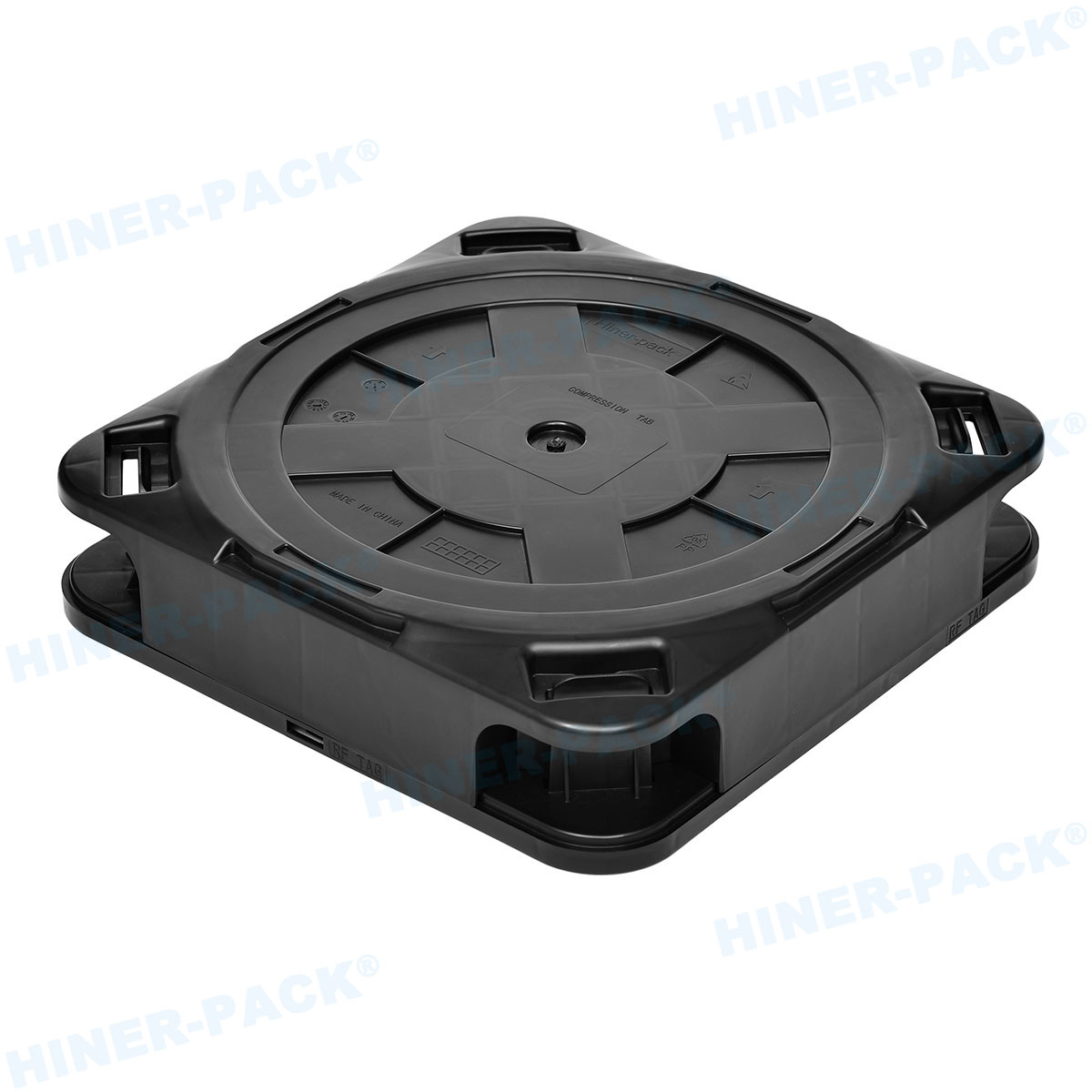
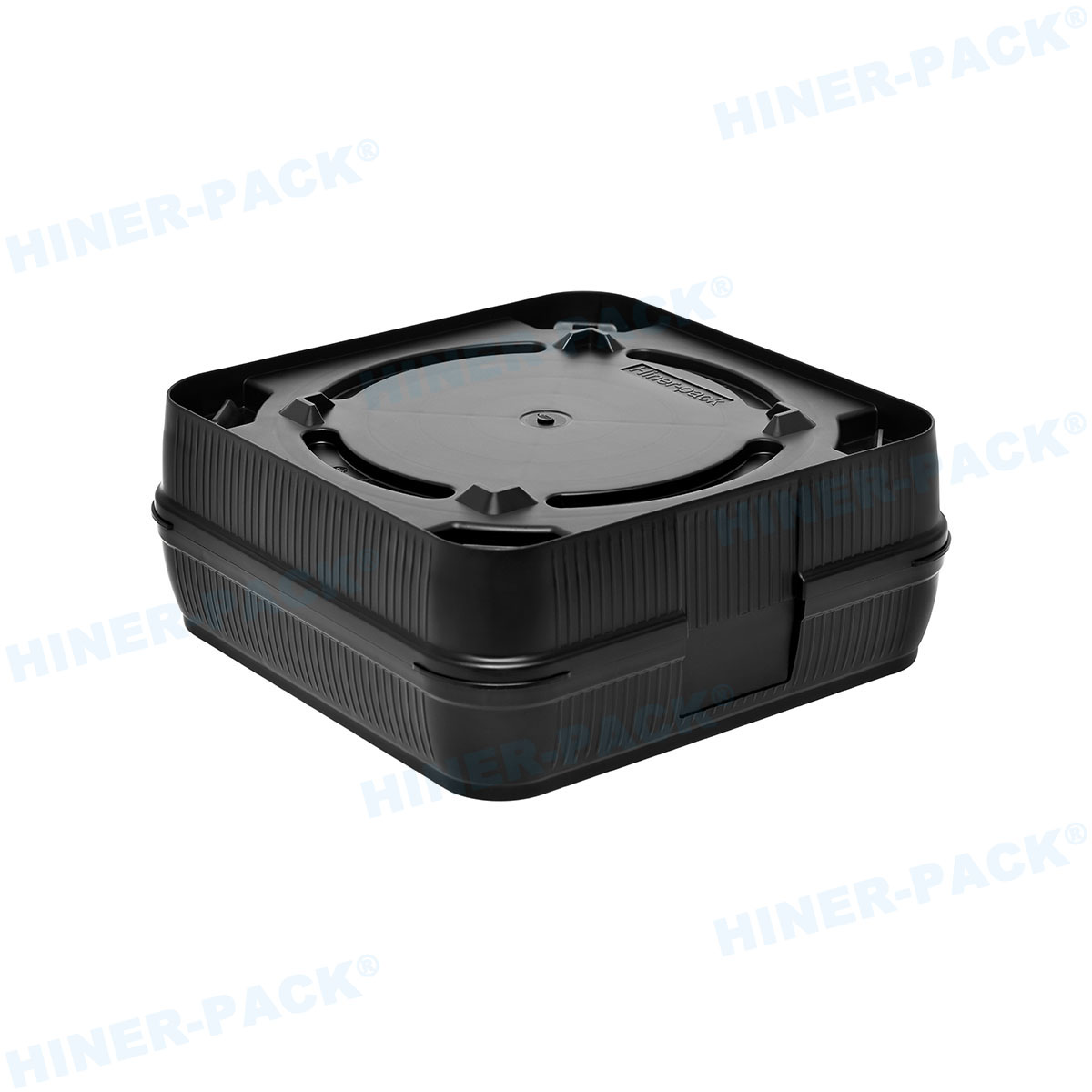
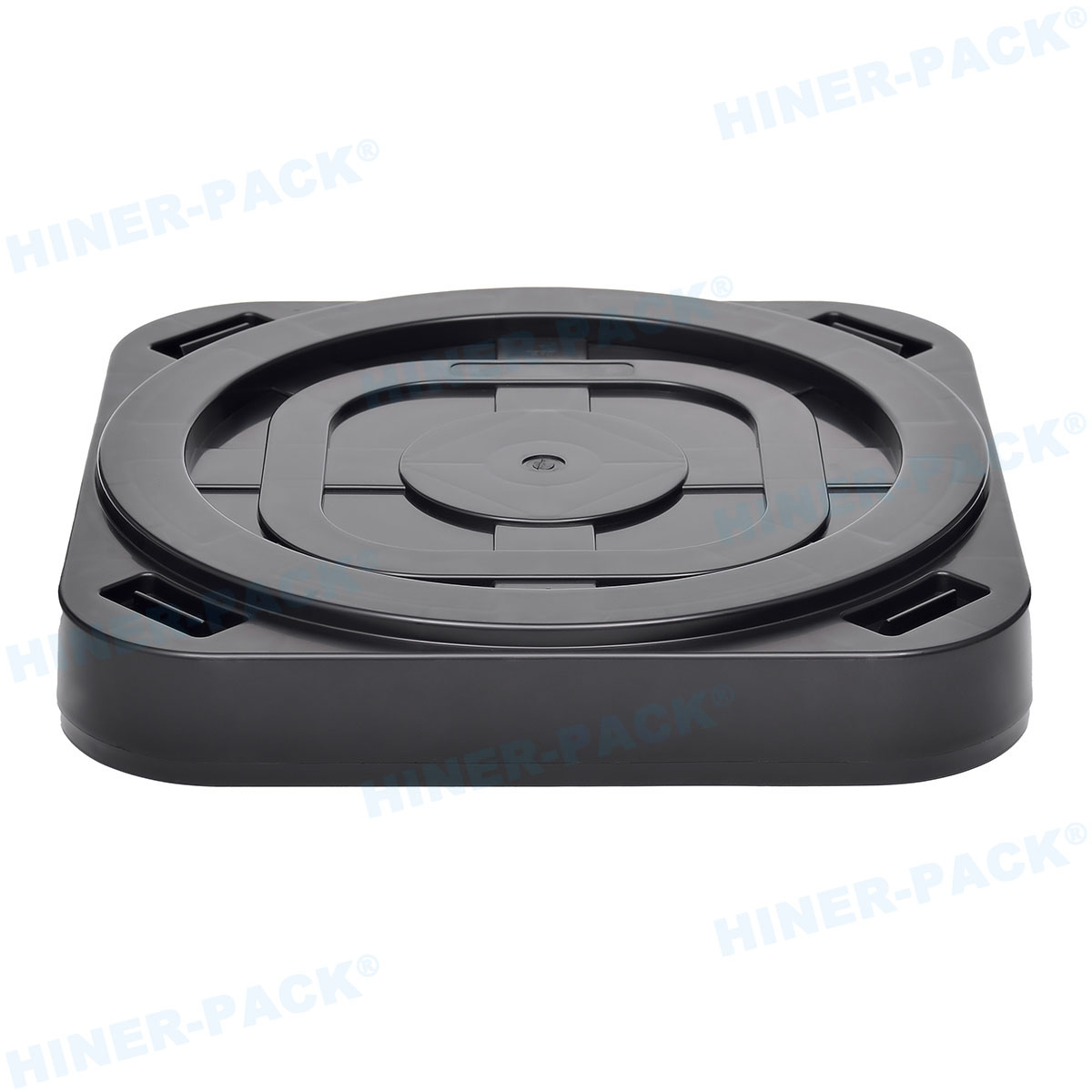
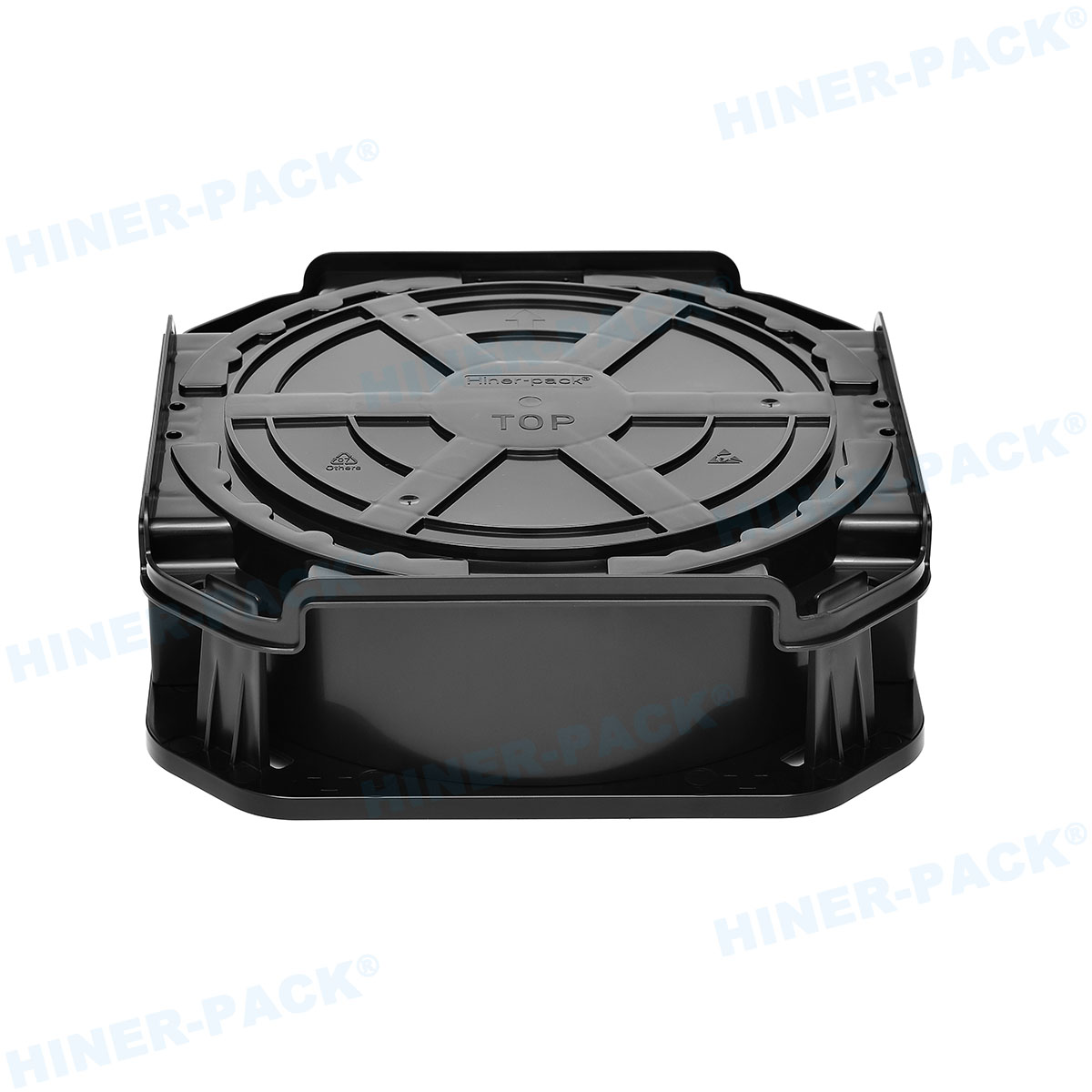
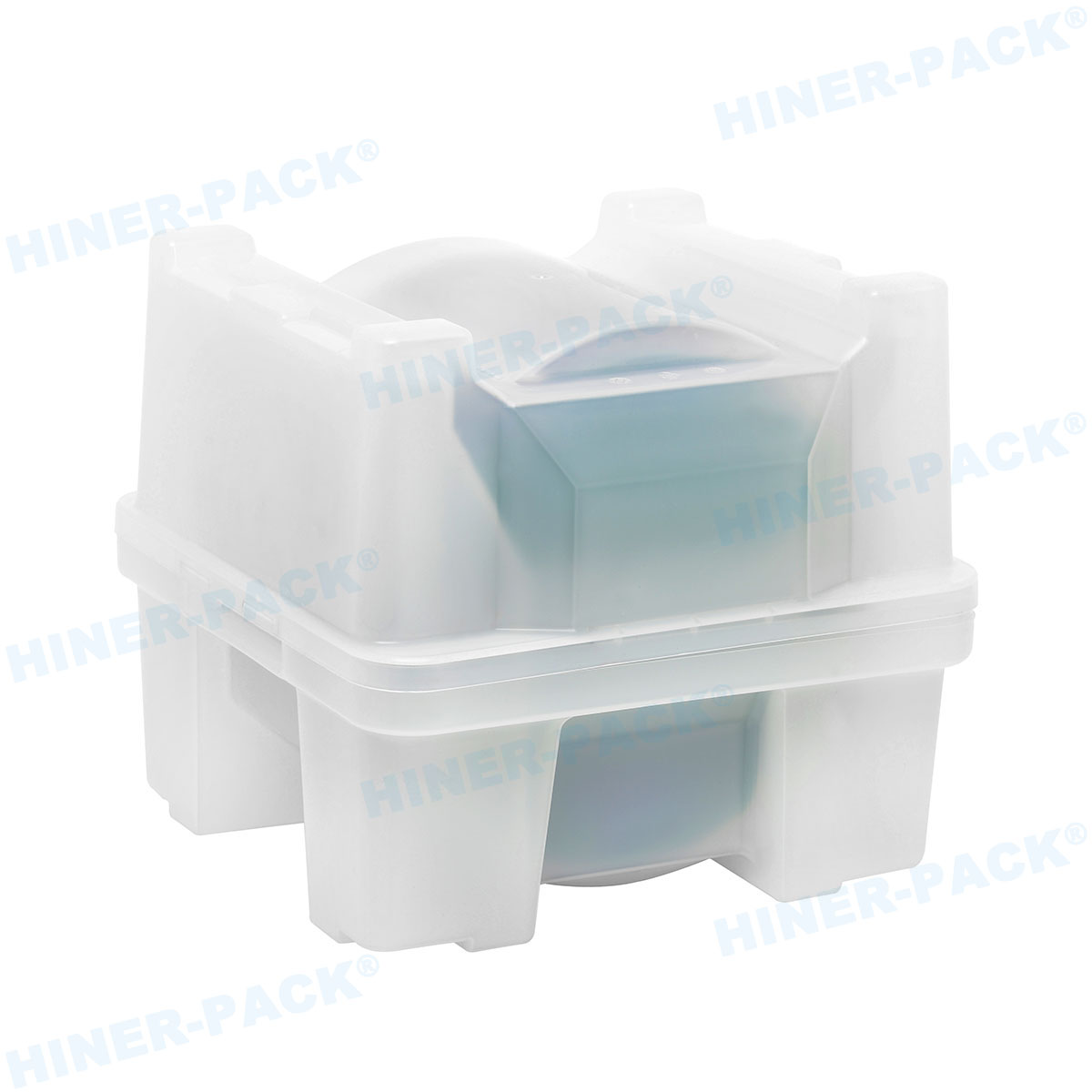
The semiconductor industry is currently navigating a period of unprecedented complexity. As chips become smaller and wafers grow larger, the physical vulnerability of the substrate increases. In the 300mm era, a single silicon wafer can represent tens of thousands of dollars in value before it even reaches the dicing stage. This high value makes the logistics of wafer transport a top priority for fabs and assembly houses alike. One of the most reliable solutions developed to mitigate transport risks is the 12-inch Vacuum-Formed Flex Frame Single Wafer Shipper.
When moving high-end processors or memory modules between global facilities, traditional bulk carriers often fall short. They are designed for internal movement within a controlled cleanroom environment. However, once a wafer leaves the fab, it encounters the unpredictable world of international shipping. This is where specialized packaging from companies like Hiner-pack becomes essential. These shippers are engineered to bridge the gap between the ultra-clean environment of the fab and the rugged realities of global logistics.
The Shift Toward Individual Protection for 300mm Substrates
For years, the industry relied on "coin-stack" or horizontal canisters that held multiple wafers. While efficient for space, these containers posed a significant risk. If one wafer broke, the resulting shards could scratch or destroy every other wafer in the stack. As we transitioned to 12-inch (300mm) wafers, this risk became unacceptable. The sheer surface area of a 300mm wafer makes it more susceptible to bowing and stress fractures.
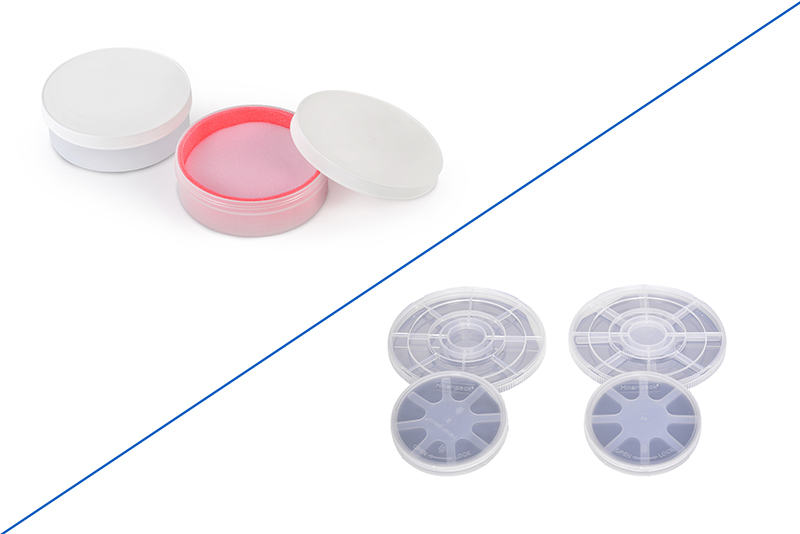
The adoption of the 12-inch Vacuum-Formed Flex Frame Single Wafer Shipper changed the game. By isolating each wafer in its own protective environment, manufacturers eliminated the "domino effect" of breakage. Each unit acts as a standalone survival pod for the silicon. This individual isolation is particularly critical for wafers that have undergone thinning or have sensitive bumps and pillars on the surface.
Engineering the 12-inch Vacuum-Formed Flex Frame Single Wafer Shipper
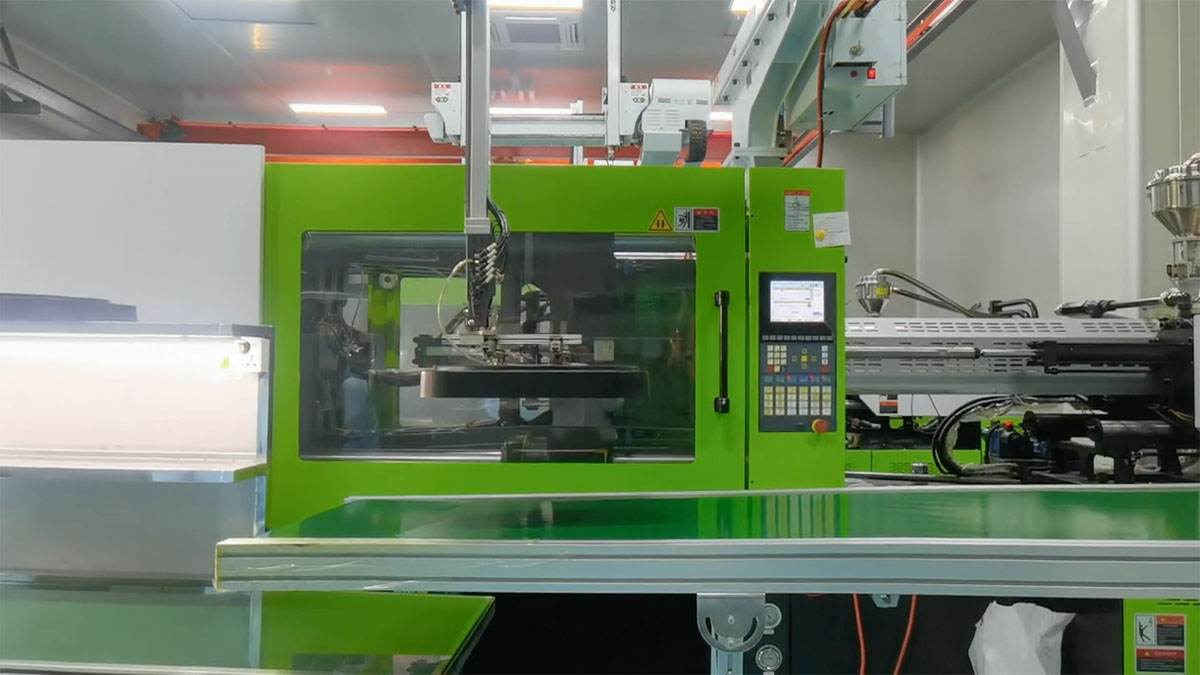
The term "vacuum-formed" refers to the specific manufacturing process used to create the shipper’s shell. Unlike injection molding, which creates thick, rigid walls, vacuum forming allows for thinner, more resilient structures. A plastic sheet is heated and drawn over a mold using a vacuum. This results in a container that has a certain degree of "give."
This inherent flexibility is not a weakness; it is a primary safety feature. When a shipping box is dropped or shaken, a rigid container transmits that kinetic energy directly to the contents. In contrast, a vacuum-formed shell can deform slightly, absorbing and dissipating the energy before it reaches the wafer. This is the fundamental principle behind the flex frame design.
The "flex frame" itself is an internal architecture that suspends the wafer. Instead of the wafer resting flat against a hard surface, it is gripped securely along its perimeter by a series of flexible ribs. These ribs act like shock absorbers. In a 12-inch Vacuum-Formed Flex Frame Single Wafer Shipper, the wafer essentially "floats" within the box, isolated from the vibrations of airplane engines or the jolts of delivery trucks.
Material Science: Beyond Simple Plastic
In the semiconductor world, the choice of material is as important as the mechanical design. A shipper made of standard plastic would be a disaster for a 300mm wafer. Static electricity is the most immediate threat. As a shipper moves, the friction between surfaces can generate thousands of volts of static charge. If this charge discharges into the wafer, it can destroy the delicate circuitry.
To prevent this, Hiner-pack and other industry leaders use specialized ESD-safe (Electrostatic Discharge) materials. These polymers are usually impregnated with carbon or other conductive agents to ensure the surface resistivity stays within a specific range. This allows any static buildup to bleed off safely rather than accumulating and jumping to the wafer.
Contamination is the second major concern. Many plastics release volatile organic compounds (VOCs) through a process called outgassing. In the sealed environment of a shipping container, these chemicals can condense on the wafer surface, leading to "haze" or chemical contamination that interferes with subsequent manufacturing steps. Professional-grade shippers are made from low-outgassing, high-purity resins to maintain the wafer’s pristine state.
Operational Benefits for Cleanrooms and Labs
The design of a 12-inch Vacuum-Formed Flex Frame Single Wafer Shipper also takes human and robotic factors into account. In a modern cleanroom, efficiency is measured in seconds. Technicians wearing multiple layers of gloves need to be able to open and close these shippers without struggling.
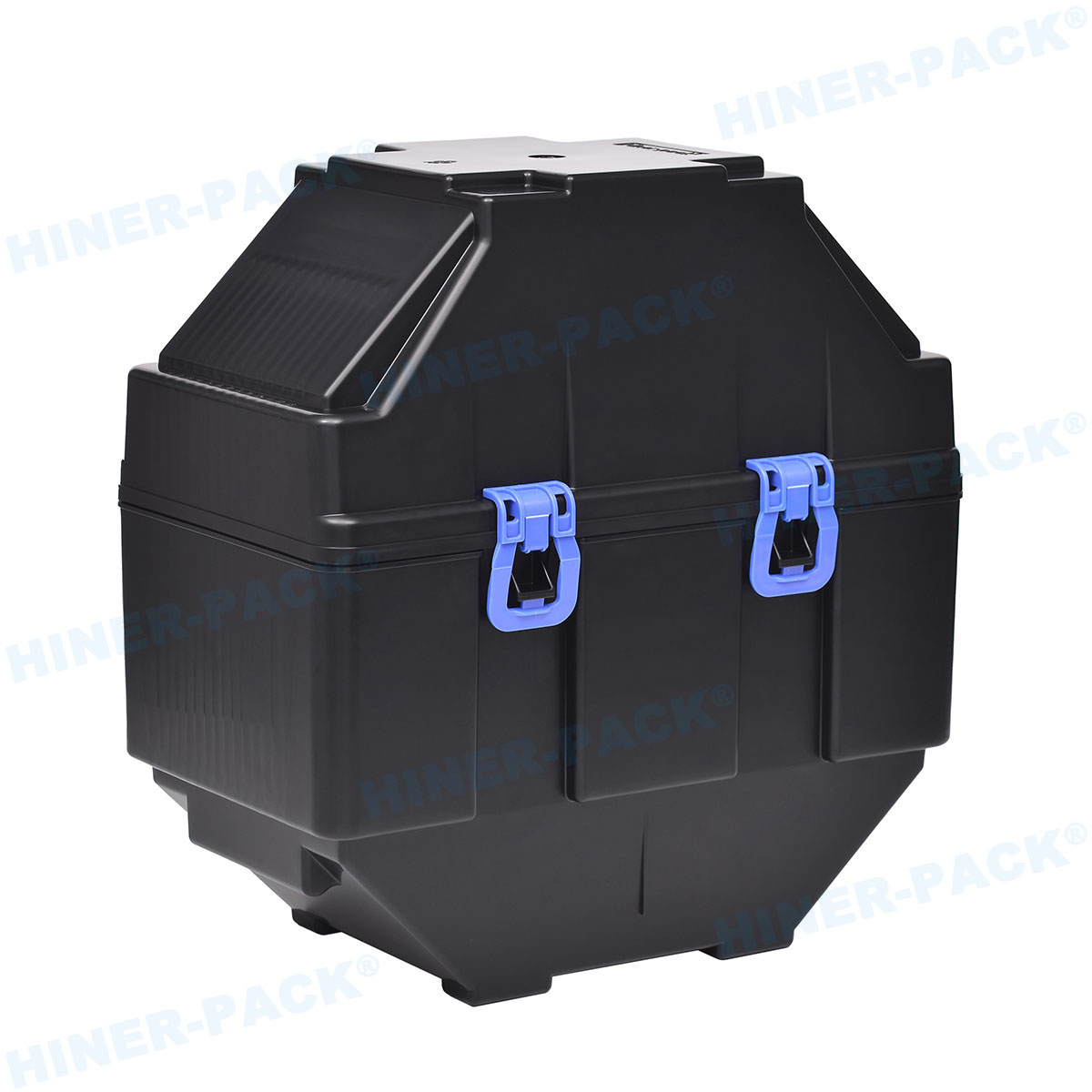
Most flex frame shippers feature a secure but easy-to-operate latching mechanism. They are also designed with "finger notches" or access points that allow for the safe use of vacuum wands. This minimizes the risk of the wafer being dropped or scratched during the transfer from the shipper to the metrology tool or the dicing saw.
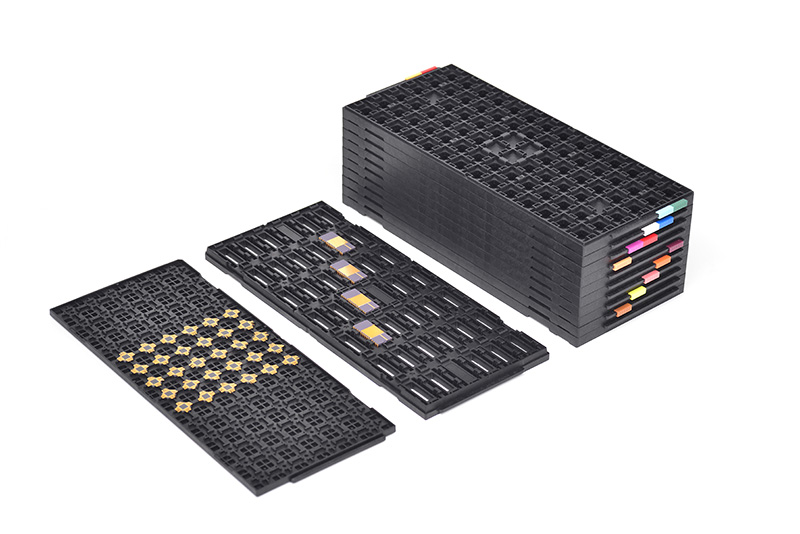
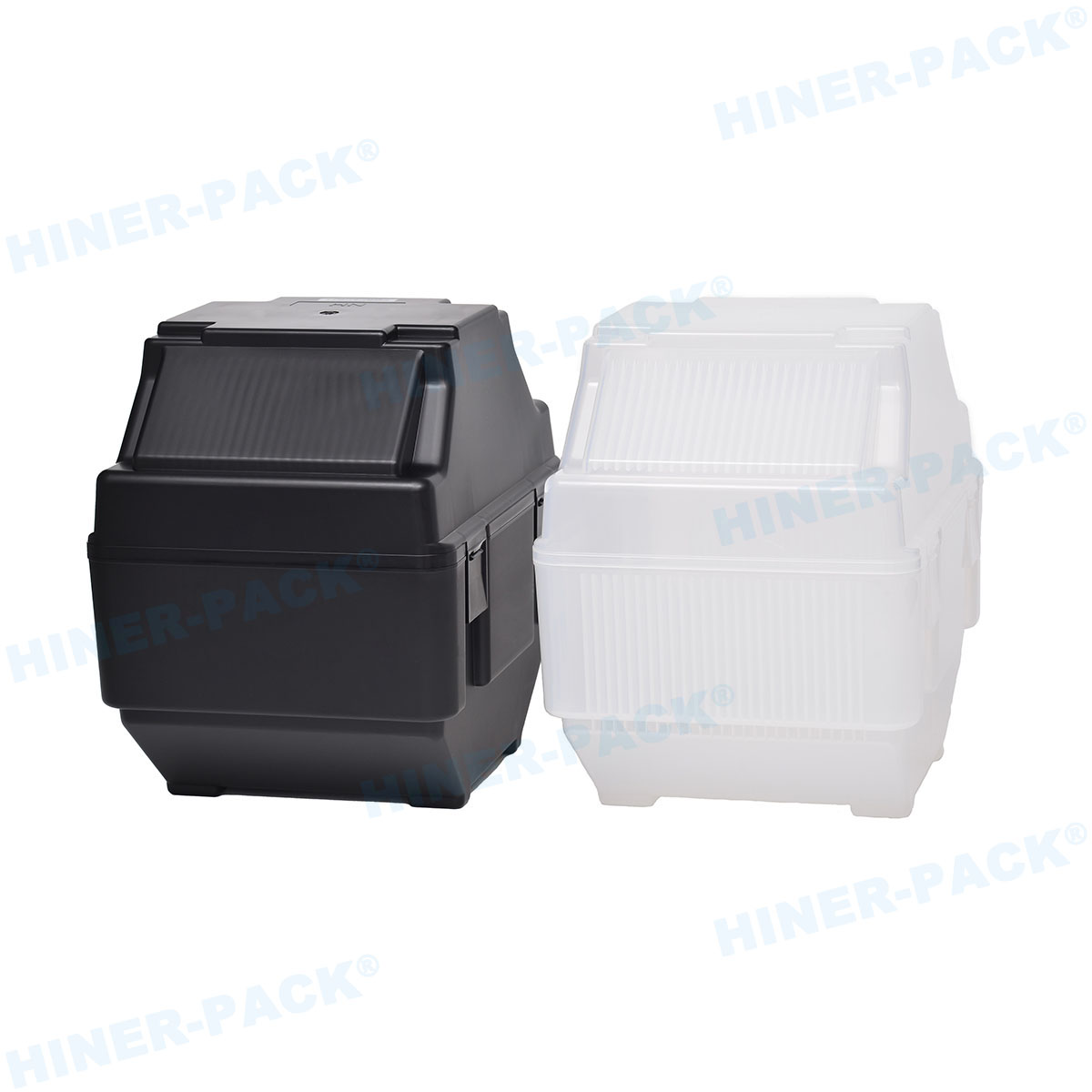
Furthermore, these shippers are designed to be stackable. Despite their "single wafer" nature, they can be organized efficiently in dry cabinets or storage racks. The outer dimensions are often standardized to ensure they fit into existing logistics workflows, making them a seamless addition to any facility's inventory.
Protecting Sensitive Topographies
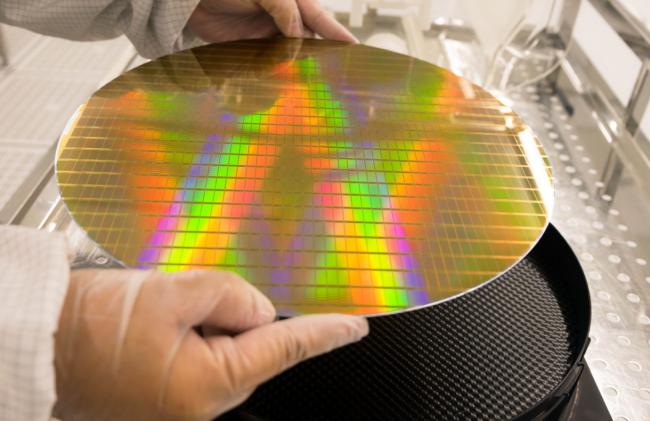
Modern 300mm wafers are rarely flat pieces of silicon. They often feature complex topographies, including solder bumps, micro-bumps, or fragile MEMS structures. A standard container that touches the surface of the wafer would crush these features.
The 12-inch Vacuum-Formed Flex Frame Single Wafer Shipper is specifically designed to provide "top-side clearance." By securing the wafer only at its extreme edges, the shipper ensures that nothing ever touches the active area of the chip. This is vital for wafers that are being sent to outsourced assembly and test (OSAT) providers.
Hiner-pack has focused on refining this edge-grip technology. The contact points are engineered to be as small as possible while providing enough friction to prevent the wafer from rotating during transit. This balance between security and "non-contact" is what defines a high-quality single wafer shipper.
Sustainability and the Circular Economy in Semis
As environmental regulations tighten, the semiconductor industry is looking for ways to reduce plastic waste. While these shippers are incredibly high-tech, they are also durable. This durability makes them ideal for reuse.
Many companies now operate "closed-loop" logistics systems. A wafer manufacturer sends a 12-inch Vacuum-Formed Flex Frame Single Wafer Shipper to a customer; the customer extracts the wafer and returns the empty shipper to a centralized cleaning facility. After a rigorous cleaning process involving deionized water and specialized detergents, the shipper is inspected and put back into circulation.
This approach significantly reduces the cost per shipment over time. It also aligns with the corporate social responsibility (CSR) goals of major tech firms who are under pressure to lower their carbon footprint. By using high-quality materials that don't degrade after a single use, manufacturers can ensure a long service life for each unit.
Why Hiner-pack is a Trusted Name in Wafer Security
Selecting a packaging partner is a high-stakes decision. A failure in the shipping container can lead to a loss of material that takes months to replace. Hiner-pack has built its reputation by focusing on the minute details that other manufacturers might overlook. From the precision of the vacuum-forming molds to the consistency of the ESD-safe additives, every aspect of their production is geared toward zero-defect logistics.
The 12-inch Vacuum-Formed Flex Frame Single Wafer Shipper produced by Hiner-pack undergoes extensive testing. This includes drop tests from various heights, vibration simulations that mimic long-haul flights, and thermal cycling tests to ensure the plastic doesn't warp in extreme temperatures. This data-driven approach gives fabs the confidence that their most valuable assets are in safe hands.
The Future of 300mm Logistics
As we look toward the future, the requirements for wafer shipping will only become more stringent. With the rise of 2.5D and 3D packaging technologies, wafers are becoming even thinner and more fragile. The "flex frame" concept is likely to evolve, perhaps incorporating even more advanced damping materials or smart sensors that can track the environmental conditions inside the box in real-time.
However, the core principles of the 12-inch Vacuum-Formed Flex Frame Single Wafer Shipper—isolation, vibration damping, and ESD protection—will remain the foundation of the industry. It is a classic example of how a relatively simple-looking product is actually the result of decades of engineering and material science.
Final Thoughts on Wafer Protection
In the end, the goal of any semiconductor logistics team is a "boring" arrival. You want the wafer to arrive at its destination exactly as it left the cleanroom, with no surprises, no cracks, and no contamination. The 12-inch Vacuum-Formed Flex Frame Single Wafer Shipper is the primary tool that makes these "boring" arrivals possible.
By investing in high-quality shipping solutions from experts like Hiner-pack, companies are not just buying plastic boxes; they are buying peace of mind. In an industry where a single micron can be the difference between a working chip and a piece of scrap, the importance of a well-engineered 12-inch Vacuum-Formed Flex Frame Single Wafer Shipper cannot be overstated.
Common Questions About 300mm Wafer Shippers
Q1: Why is vacuum forming preferred over injection molding for these specific shippers?
A1: Vacuum forming allows for a thinner, more flexible wall structure that can absorb kinetic energy from impacts. Injection molding results in a rigid, brittle shell that is more likely to transfer shocks directly to the wafer. For a 12-inch Vacuum-Formed Flex Frame Single Wafer Shipper, this flexibility is a critical safety feature for protecting fragile 300mm silicon.
Q2: How does the shipper protect the wafer from static electricity?
A2: These shippers are made from specialized ESD-safe polymers. These materials have controlled surface resistivity (usualy between 10* and10’' ohms) which prevents the buildup of static charges. This ensures that any electrical energy generated during handing is safely dissipatedprotecting the sensitive integrated circuits on the wafer.
Q3: Can these shippers be used for "thinned" wafers?
A3: Yes, but it requires careful selection. Thinned wafers (often used in 3D stacking) are extremely flexible and fragile. The "flex frame" design is actually better for thinned wafers than standard boxes because it supports the wafer only at the edges, preventing any contact with the center of the wafer which could cause it to crack or bow.
Q4: What is the benefit of a "single wafer" shipper versus a 25-wafer canister?
A4: The main benefit is risk mitigation. In a single wafer shipper, if one unit is damaged, only one wafer is affected. In a bulk canister, a single breakage can cause shards to fly around, scratching and destroying all 25 wafers. For high-value or processed wafers, the 12-inch Vacuum-Formed Flex Frame Single Wafer Shipper is a much safer investment.
Q5: Are these shippers compatible with standard fab automation?
A5: Most are designed with automation in mind. They feature standardized exterior dimensions and specific points for robotic pick-and-place tools. They are also compatible with vacuum wands, allowing technicians to remove the wafer safely in a cleanroom environment without touching the surface.
Q6: How does Hiner-pack ensure the cleanliness of these shippers?
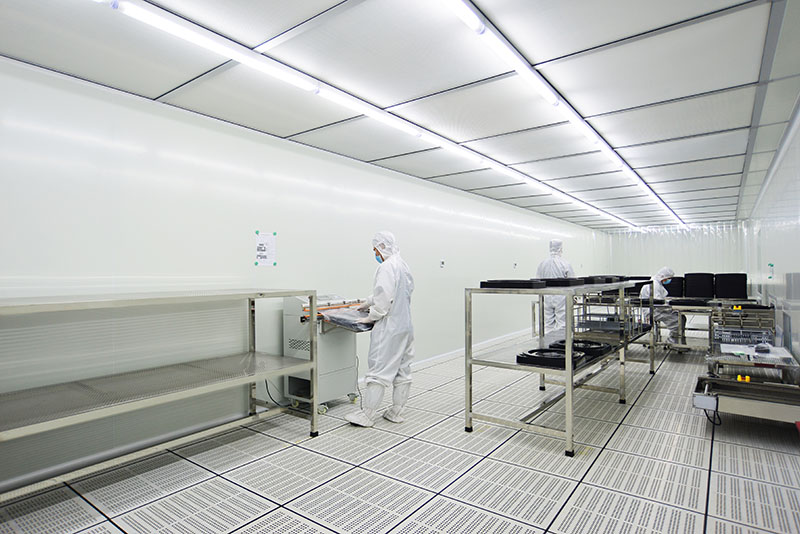
A6: Quality manufacturers like Hiner-pack produce these shippers in certified cleanroom environments. After manufacturing, the shippers can be cleaned using deionized water and dried with filtered air to ensure they meet the stringent particulate requirements of the semiconductor industry before they are ever used to hold a wafer.