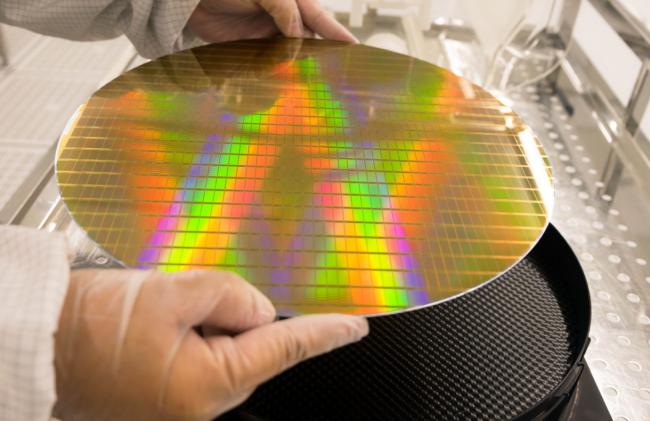
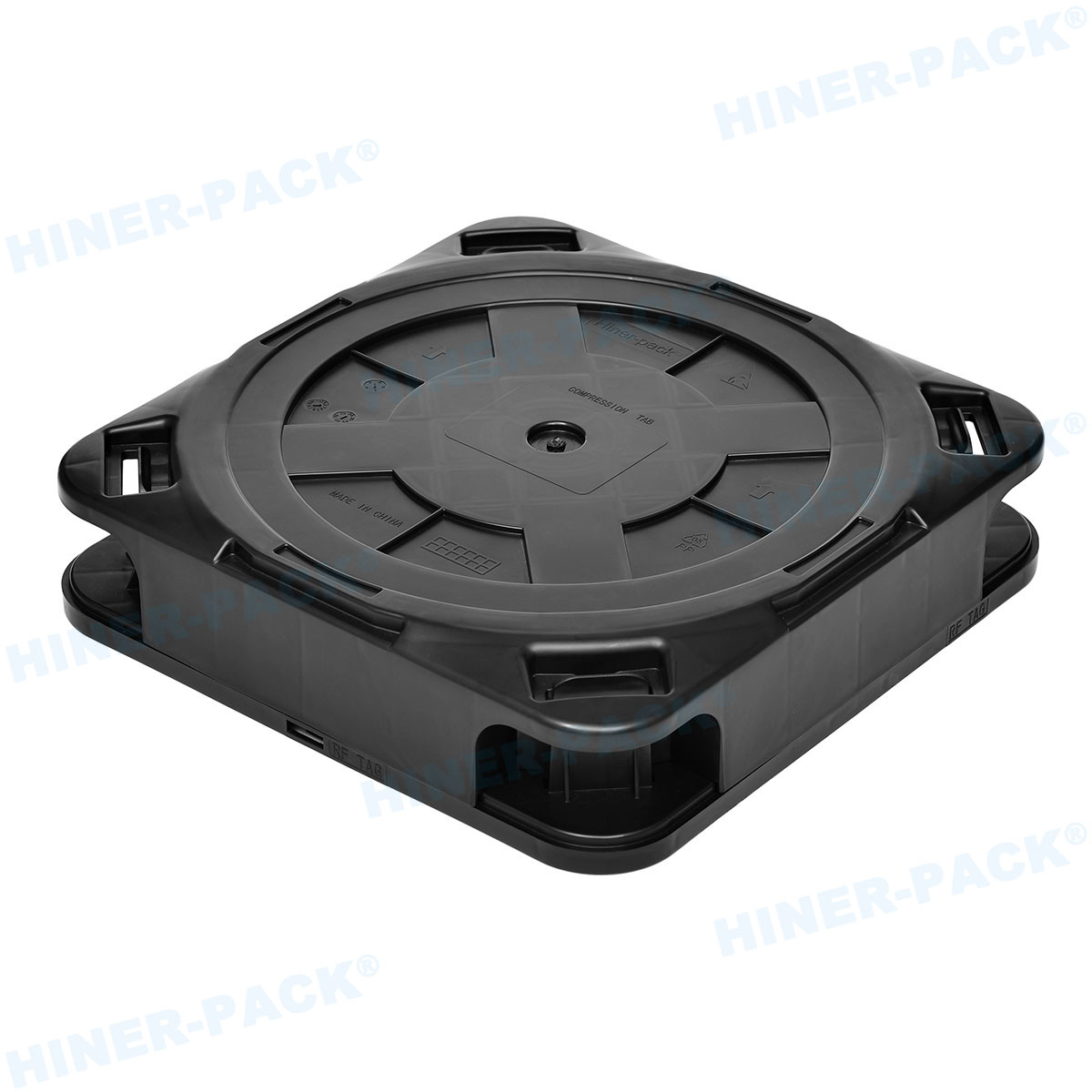
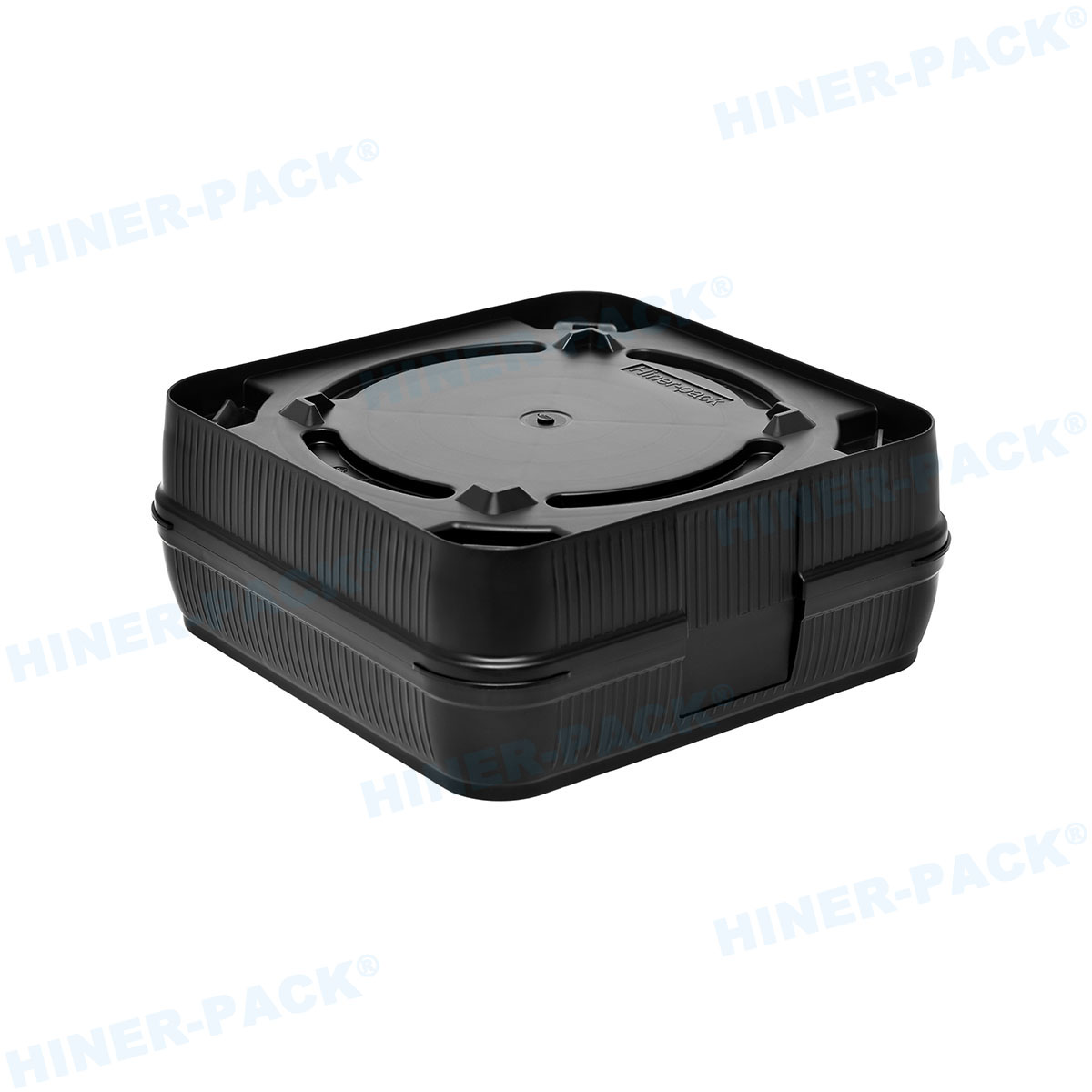
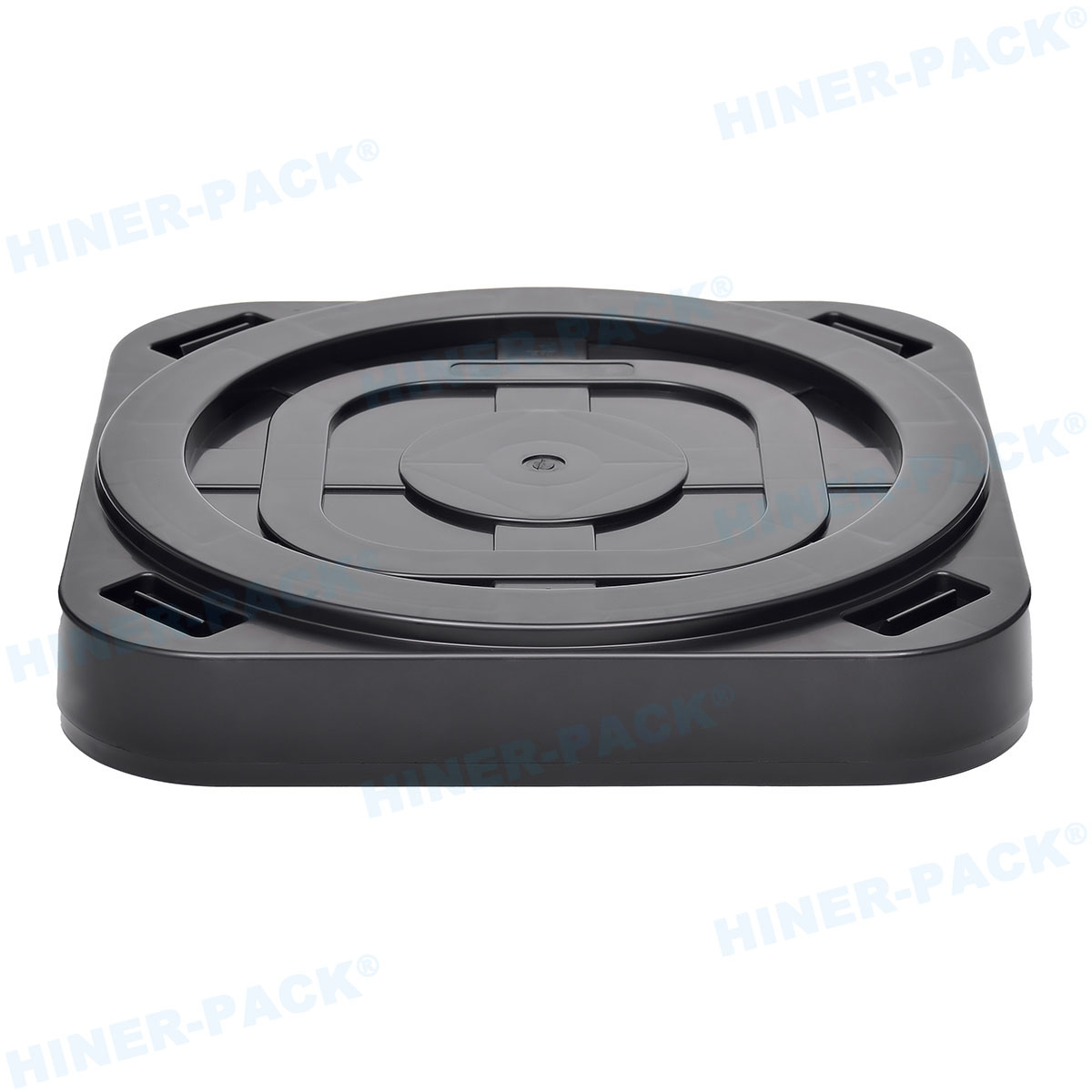
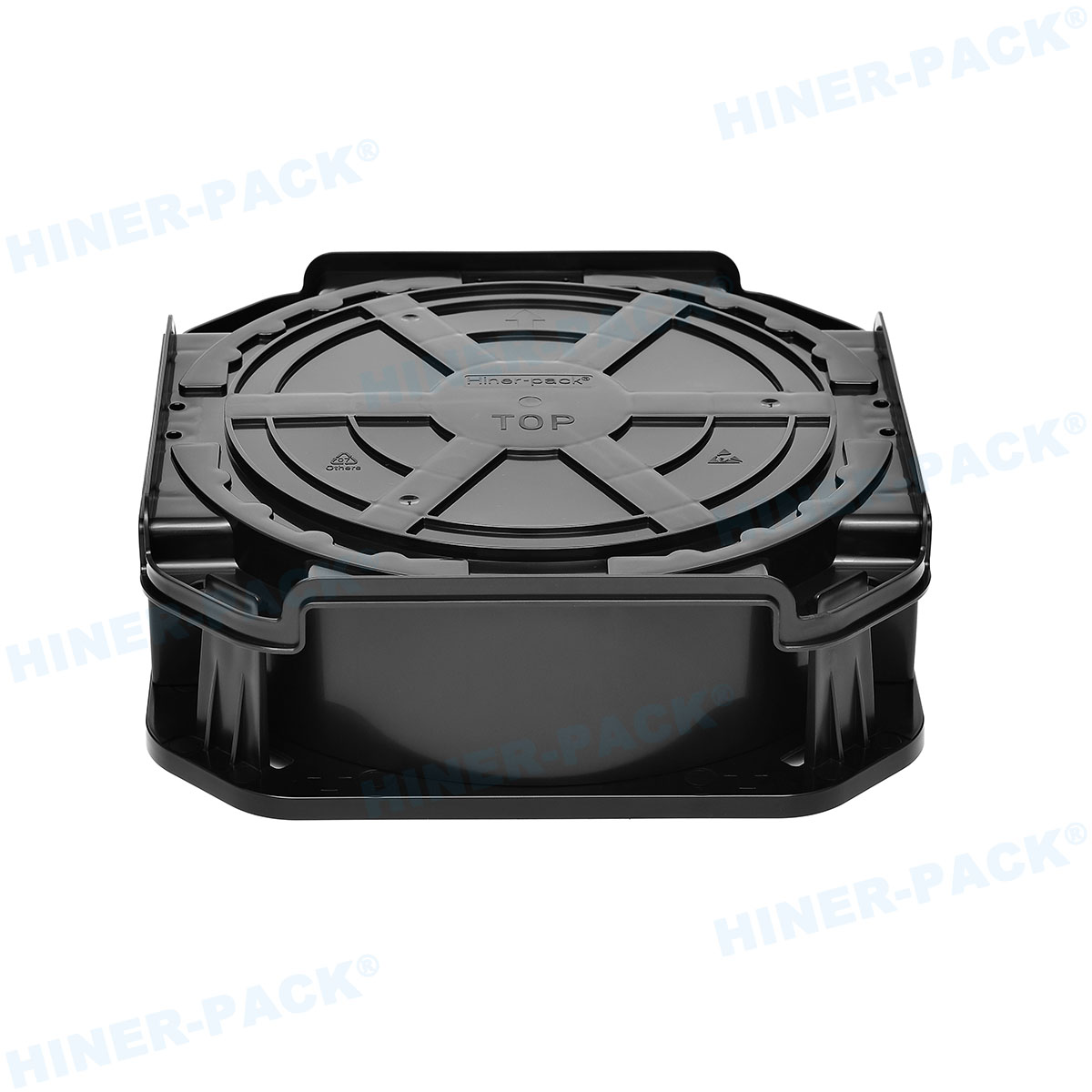
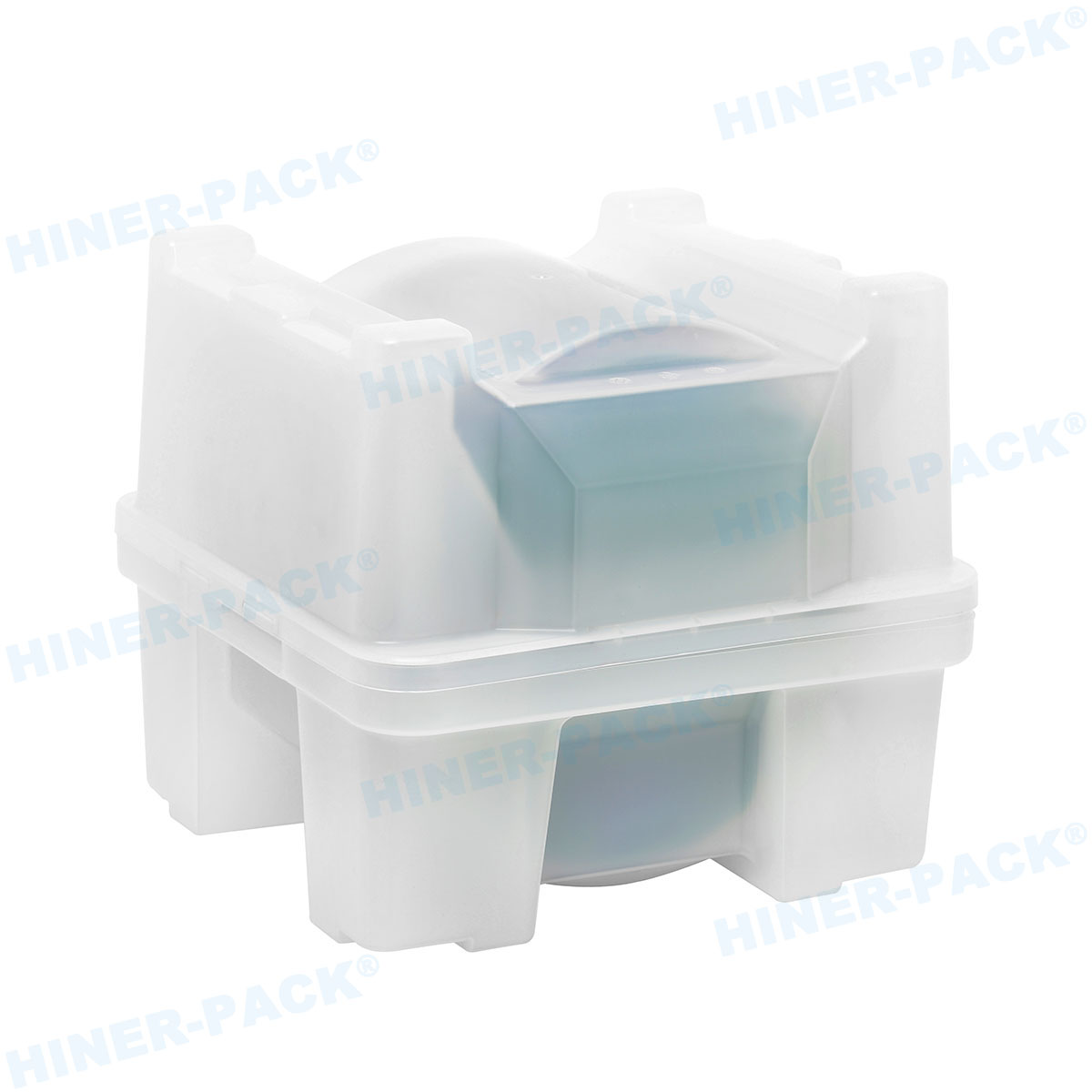
The semiconductor industry is currently witnessing a massive resurgence in the 200mm (8-inch) wafer market. Driven by the demand for automotive chips, IoT sensors, and power management ICs, the need for reliable transport solutions has never been higher. When a single wafer can hold thousands of dollars in potential revenue, the packaging used to move it between fabrication sites and assembly houses is not just a container; it is a critical piece of insurance. Among the various options available, the 8-inch Vacuum-Formed Flex Frame Single Wafer Shipper has emerged as a preferred standard for high-value substrates.
Manufacturers like Hiner-pack have focused on refining the structural integrity of these shippers to meet the rigorous demands of modern cleanrooms. Unlike bulk carriers designed for internal fab movement, a single wafer shipper is built for the "outside world." It must withstand the vibrations of air freight, the temperature fluctuations of shipping containers, and the manual handling of logistics personnel.
The Engineering Behind Vacuum-Forming Technology
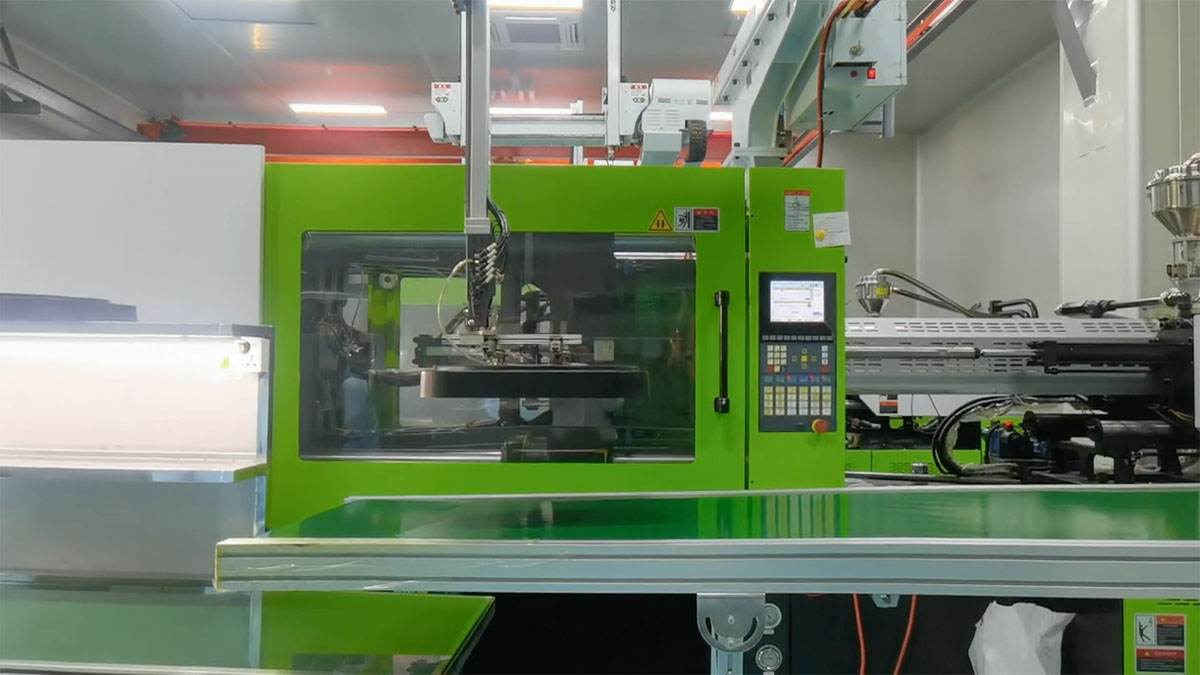
Vacuum forming is a manufacturing process that provides a unique set of benefits for wafer packaging. By heating a plastic sheet until it is pliable and then stretching it over a mold using a vacuum, engineers can create complex geometries that are incredibly thin yet structurally sound.
In the context of an 8-inch Vacuum-Formed Flex Frame Single Wafer Shipper, this process allows for the creation of precise "flex" points. These points are designed to yield slightly under pressure, absorbing kinetic energy rather than transferring it directly to the brittle silicon wafer. This is a significant departure from injection-molded designs, which tend to be more rigid and can sometimes transmit harmful harmonics during transport.
The lightweight nature of vacuum-formed plastic also contributes to lower shipping costs. In an industry where air freight is the primary mode of international transport, reducing the tare weight of packaging without sacrificing protection is a constant goal for logistics managers.
How the Flex Frame Design Protects Fragile Substrates
The "Flex Frame" terminology refers to the internal architecture of the shipper. Silicon wafers are notoriously fragile, especially as they undergo back-grinding processes to become thinner. A standard rigid box might hold a wafer in place, but any sudden impact to the exterior can cause a "chatter" effect inside the box, leading to edge chipping or micro-cracks.
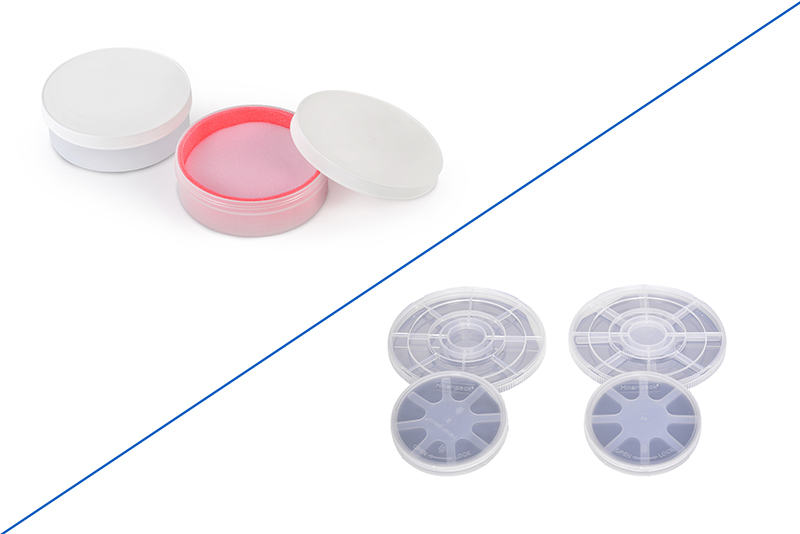
The 8-inch Vacuum-Formed Flex Frame Single Wafer Shipper solves this by utilizing a suspension-style design. The wafer is typically supported at its edges by a series of flexible ribs or a perimeter frame that acts like a shock absorber. This ensures that the wafer remains "floating" within the enclosure, isolated from the outer shell.
This design is particularly important for wafers that have already undergone expensive processing steps, such as bumping or the application of sensitive thin films. Hiner-pack designs these frames to ensure that the active surface of the wafer—the side containing the circuitry—never comes into contact with the packaging material itself.
Material Science and ESD Mitigation
In the world of semiconductors, static electricity is a silent killer. A single Electrostatic Discharge (ESD) event can fry a circuit, rendering an entire wafer useless. Therefore, the material used in an 8-inch Vacuum-Formed Flex Frame Single Wafer Shipper must be more than just strong; it must be electronically active.
Most high-quality shippers are constructed from specialized polymers, such as Carbon-Filled Polypropylene (PP) or intrinsically dissipative PETG. These materials are engineered to bleed off static charges at a controlled rate. This prevents the buildup of high-voltage potential that occurs when plastic surfaces rub together during transit.
Furthermore, outgassing is a major concern. If the plastic releases volatile organic compounds (VOCs) inside the sealed container, they can condense on the wafer surface, causing molecular contamination. Leading providers like Hiner-pack use high-purity, low-outgassing resins to ensure that the wafer arrives at its destination as clean as it was when it left the fab’s FOUP.
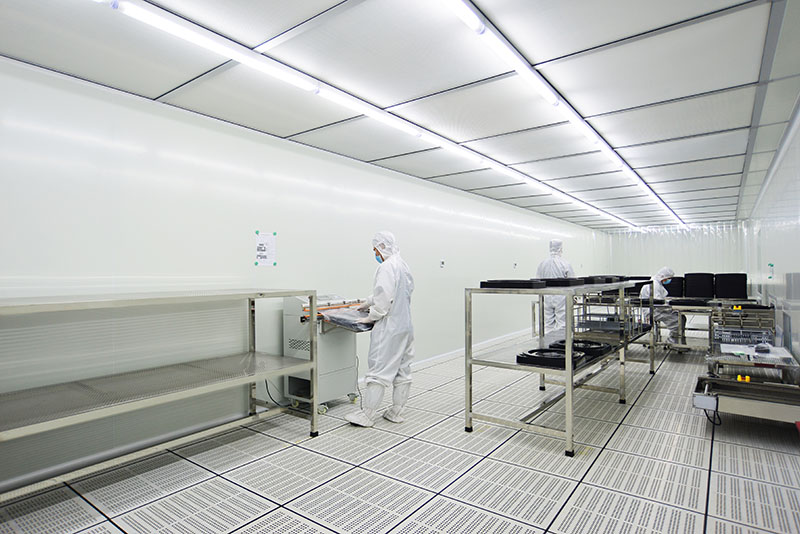
Operational Efficiency in the Cleanroom Environment
Logistics is not just about the journey; it is also about the arrival. When an 8-inch Vacuum-Formed Flex Frame Single Wafer Shipper reaches a testing facility or a packaging house, it must be easy to open and process.
Most flex frame shippers feature a simple, secure latching mechanism that can be operated by a technician wearing bulky cleanroom gloves. The design often includes a "finger notch" or a specialized lift point, allowing the wafer to be removed by vacuum wand or automated pick-and-place tools without the risk of scratching the edges.
Standardization is another key factor. These shippers are designed to be stackable, which optimizes storage space in dry cabinets and nitrogen-purged environments. The transparent or semi-transparent nature of some materials also allows for quick visual inspections and barcode scanning without opening the package, maintaining the integrity of the mini-environment.
Comparing Single Wafer Shippers to Coin-Stack Containers
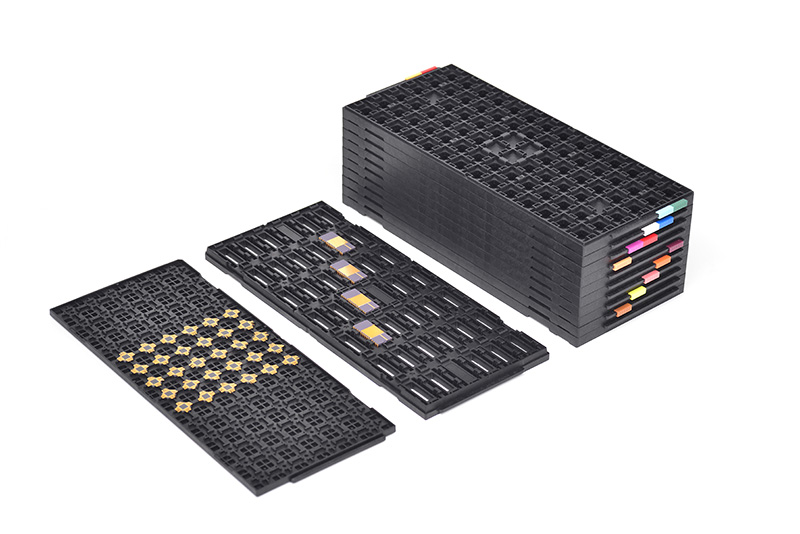
While "coin-stack" containers (which hold 25 wafers in a single tube) are efficient for bulk transport, they carry a much higher risk profile. In a coin-stack, wafers are separated by thin liners or interleaf paper. If the container is dropped, the cumulative weight of the stack can cause catastrophic failure for the wafers at the bottom.
The 8-inch Vacuum-Formed Flex Frame Single Wafer Shipper eliminates this cumulative pressure. By isolating each wafer in its own protective shell, companies can ship small batches or high-value individual units with a near-zero failure rate. This is especially critical for R&D samples, low-volume ASIC production, and "Golden Wafers" used for equipment calibration.
For specialized applications, such as GaN-on-Silicon or SiC (Silicon Carbide) wafers, which are even more prone to breakage than standard silicon, the individual flex frame approach is considered the industry gold standard.
Environmental Impact and Reusability
The semiconductor industry is under increasing pressure to adopt more sustainable practices. Traditional single-use plastics are being scrutinized. Fortunately, the durability of the 8-inch Vacuum-Formed Flex Frame Single Wafer Shipper makes it an excellent candidate for circular economy initiatives.
Many fabs have implemented "return and reuse" programs. After the wafer is extracted at the assembly site, the empty shippers are collected, cleaned using deionized water in a specialized facility, and then sent back to the wafer manufacturer.
The high-quality polymers used by companies like Hiner-pack are designed to withstand multiple cleaning cycles without losing their ESD properties or structural stiffness. This not only reduces the carbon footprint of the manufacturing process but also provides a significant long-term cost saving for the end-user.
The Role of Hiner-pack in Global Wafer Logistics
As global supply chains become more complex, the partnership between wafer producers and packaging experts becomes vital. Hiner-pack has positioned itself as a key player in this niche by focusing on the intersection of material science and mechanical protection. Their approach to the 8-inch Vacuum-Formed Flex Frame Single Wafer Shipper involves rigorous testing, including drop tests and vibration table simulations that mimic the harsh realities of global shipping.
By providing a reliable interface between different stages of the semiconductor manufacturing process, these shippers ensure that the "Moore's Law" pace of innovation is not slowed down by simple logistics failures. Whether it is for a legacy 200mm fab in Europe or a new power semi facility in Asia, the protection of the substrate remains the top priority.
Conclusion: A Small Component with a Big Impact
In conclusion, while the 8-inch Vacuum-Formed Flex Frame Single Wafer Shipper might seem like a simple plastic box, it is a highly engineered solution to a multi-billion dollar problem. It combines the physics of shock absorption, the chemistry of ESD protection, and the practical requirements of cleanroom operations into a single, efficient package.
As wafers become more expensive and the industries they support—like electric vehicles and AI—become more critical, the demand for high-performance packaging will only grow. Choosing a trusted partner like Hiner-pack ensures that every 200mm wafer, no matter how delicate, reaches its destination ready for the next step in its journey toward becoming the heart of a modern electronic device.
Common Questions About Wafer Shipping Solutions
Q1: What is the primary benefit of using a vacuum-formed shipper over an injection-molded one?
A1: Vacuum-formed shippers, such as the 8-inch Vacuum-Formed Flex Frame Single Wafer Shipper, offer superior flexibility and shock absorption. The process creates "flex zones" that act as suspension for the wafer. Additionally, vacuum forming allows for lower weight and more cost-effective production for specialized designs compared to the rigid, heavy-walled nature of injection molding.
Q2: How does the "Flex Frame" specifically prevent wafer breakage during air transit?
A2: During flight, cargo is subjected to high-frequency vibrations. A flex frame secures the wafer only by its edges, allowing the center of the wafer to remain untouched. The "flex" components of the frame absorb the energy from sudden movements or drops, preventing the vibration from reaching the wafer's critical surfaces and causing fractures.
Q3: Are these shippers compatible with automated wafer handling systems?
A3: Yes. Most designs are engineered to be "automation-friendly." This means they have standard dimensions and pickup points that allow robotic arms or vacuum wands to extract the wafer without human intervention. This is crucial for maintaining cleanliness and preventing manual handling errors in modern fabs.
Q4: Can the 8-inch Vacuum-Formed Flex Frame Single Wafer Shipper be used for different wafer thicknesses?
A4: While most shippers are designed for standard SEMI-standard thicknesses, the "flex" nature of the internal frame allows for some minor variations. However, for ultra-thin wafers (e.g., those ground down for 3D stacking), specialized inserts or custom-molded flex frames from providers like Hiner-pack are recommended to ensure a snug fit without applying excessive vertical pressure.
Q5: What should I look for when verifying the ESD safety of a wafer shipper?
A5: You should check the surface resistivity of the material, which typically should be in the dissipative range (10* to 10’" ohms/square). High-guality shippers wil also have a low tribocharge generation rate. t is also important to ensure that the ESD properties are "intrinsic" to the plasticmeaning they won't wash off or wear away over time, especially if the shipper is intended for reuse
Q6: How are these shippers cleaned for reuse in a Class 10 or Class 100 cleanroom?
A6: Shippers undergo a multi-stage cleaning process involving ultrasonic baths, deionized (DI) water rinsing, and drying in a controlled environment using ionized nitrogen. This removes any particulate matter or ionic contamination that may have accumulated during the shipping process, making them safe for re-entry into the most sensitive areas of a semiconductor fab.