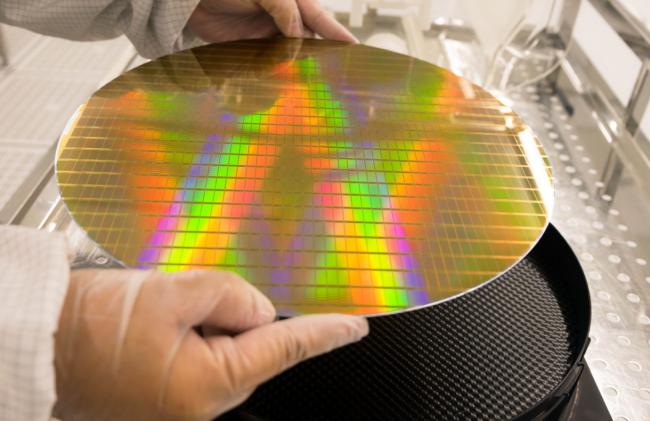
The journey of a semiconductor wafer is perilous. After weeks of processing and thousands of dollars in added value, the transition from the fabrication plant (Fab) to the Outsourced Semiconductor Assembly and Test (OSAT) facility is a moment of high risk. This is especially true for 200mm wafers that have undergone back-grinding. Once a wafer is thinned and mounted on a dicing frame, standard cassettes are no longer an option.
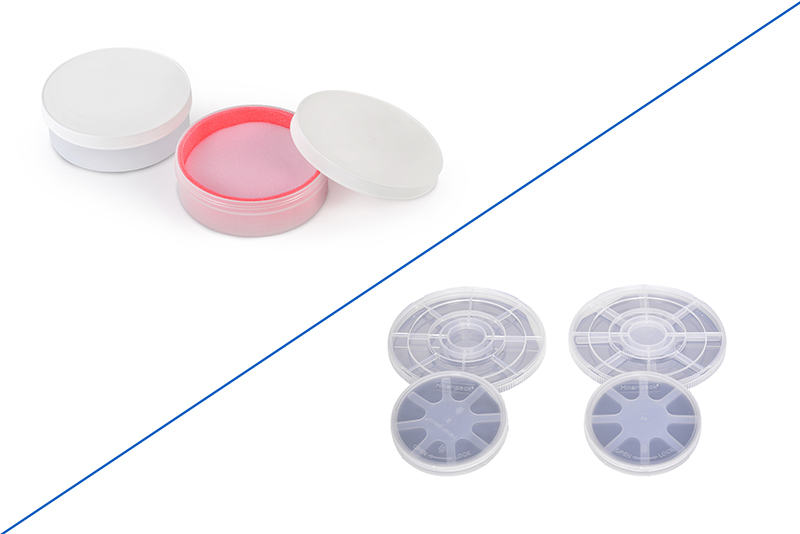
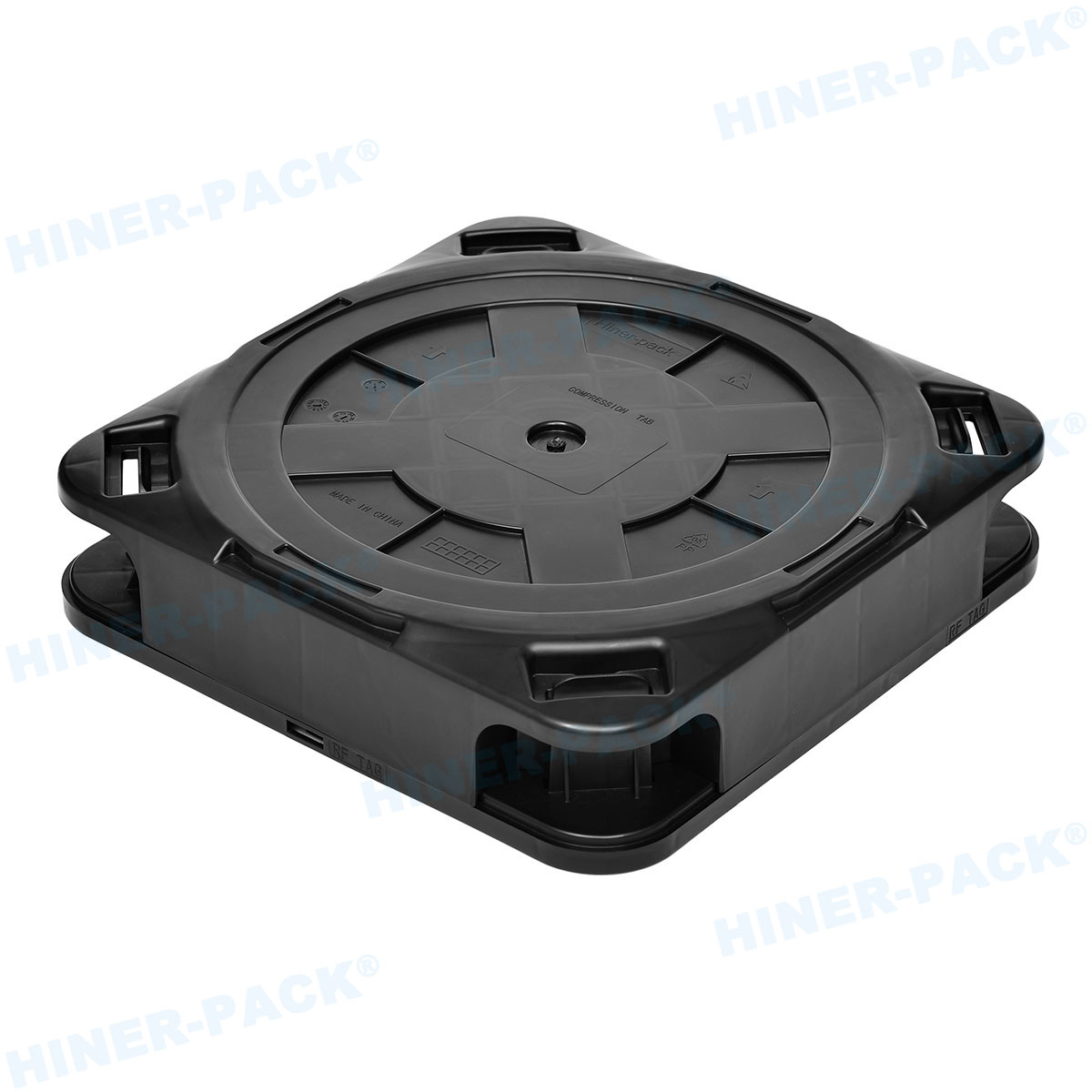
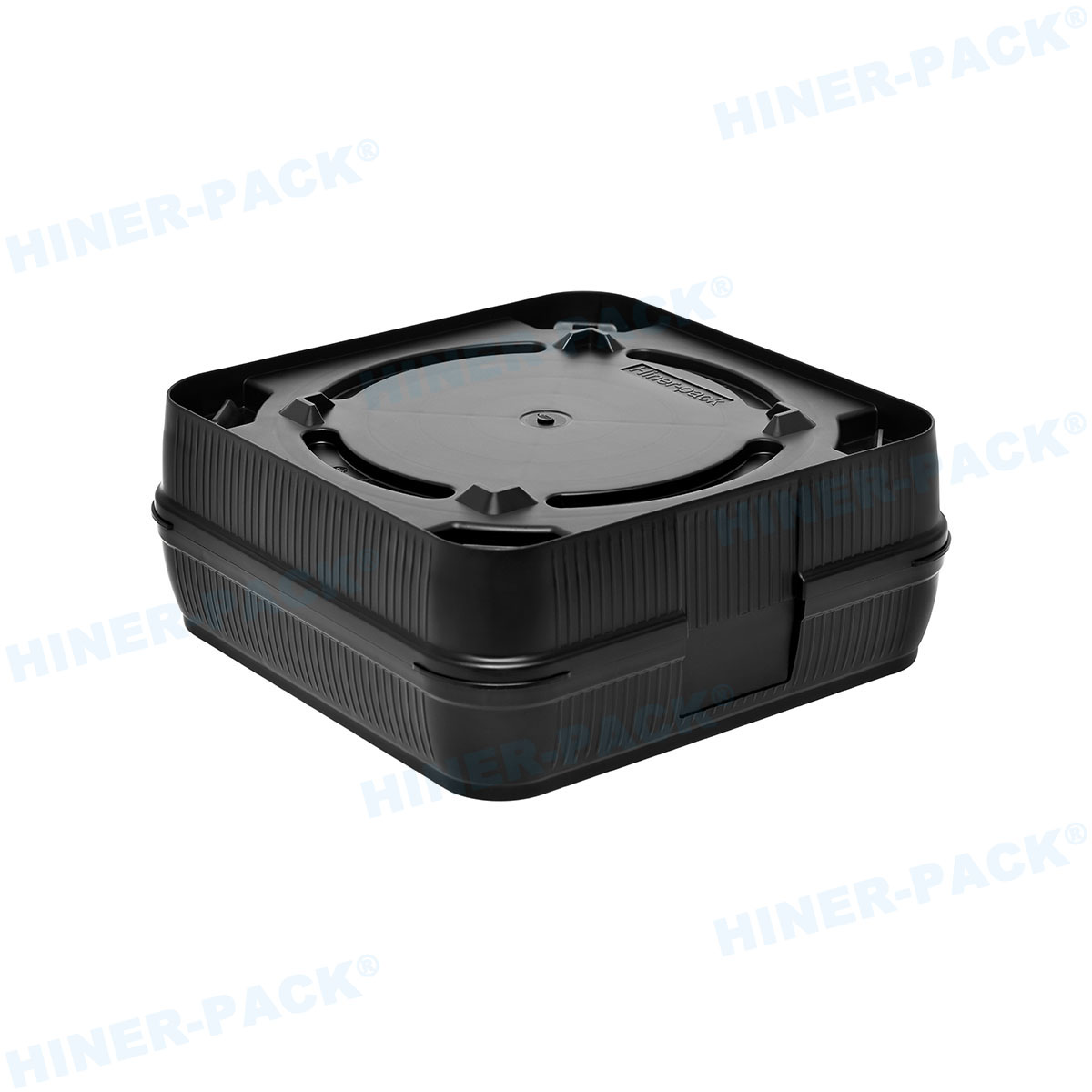
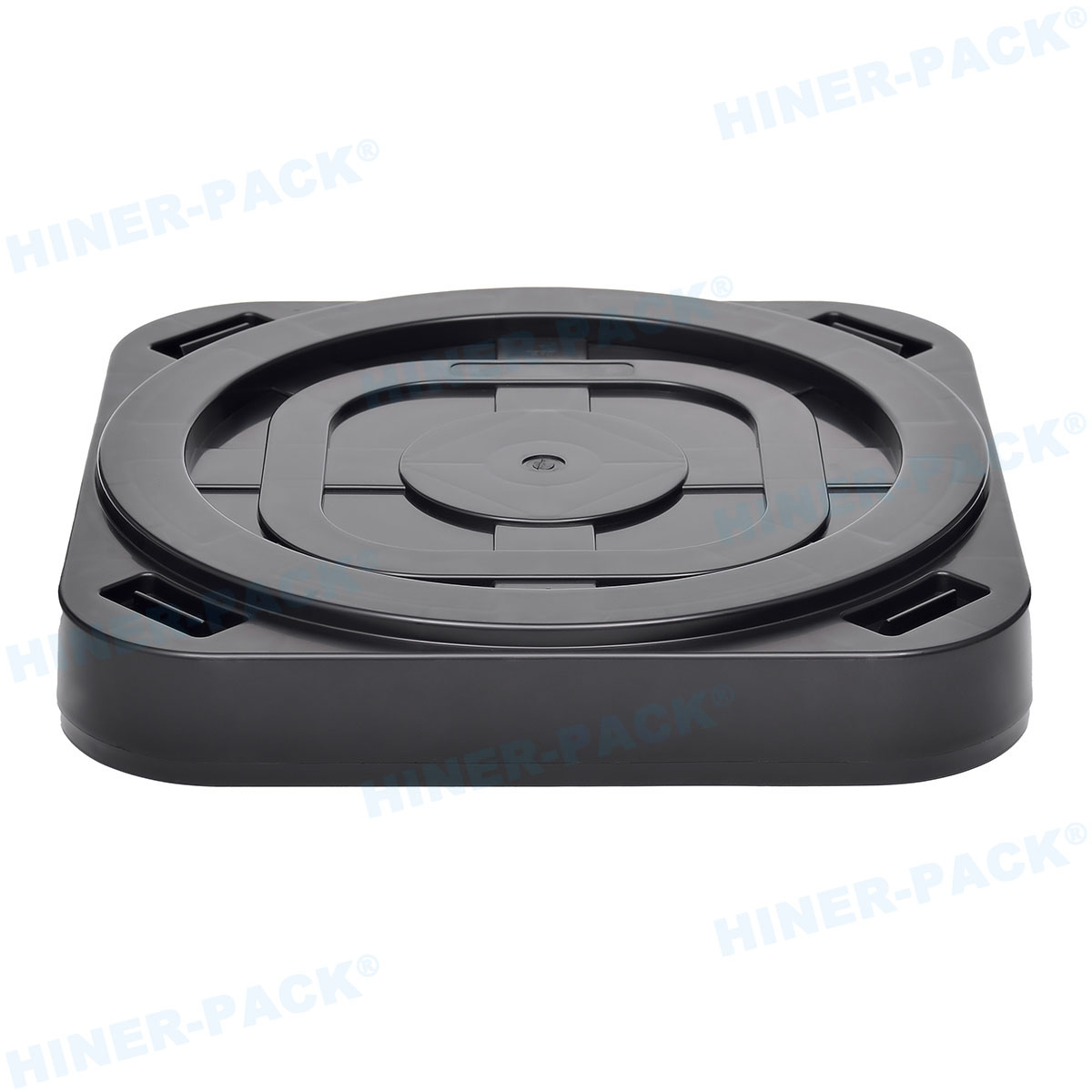
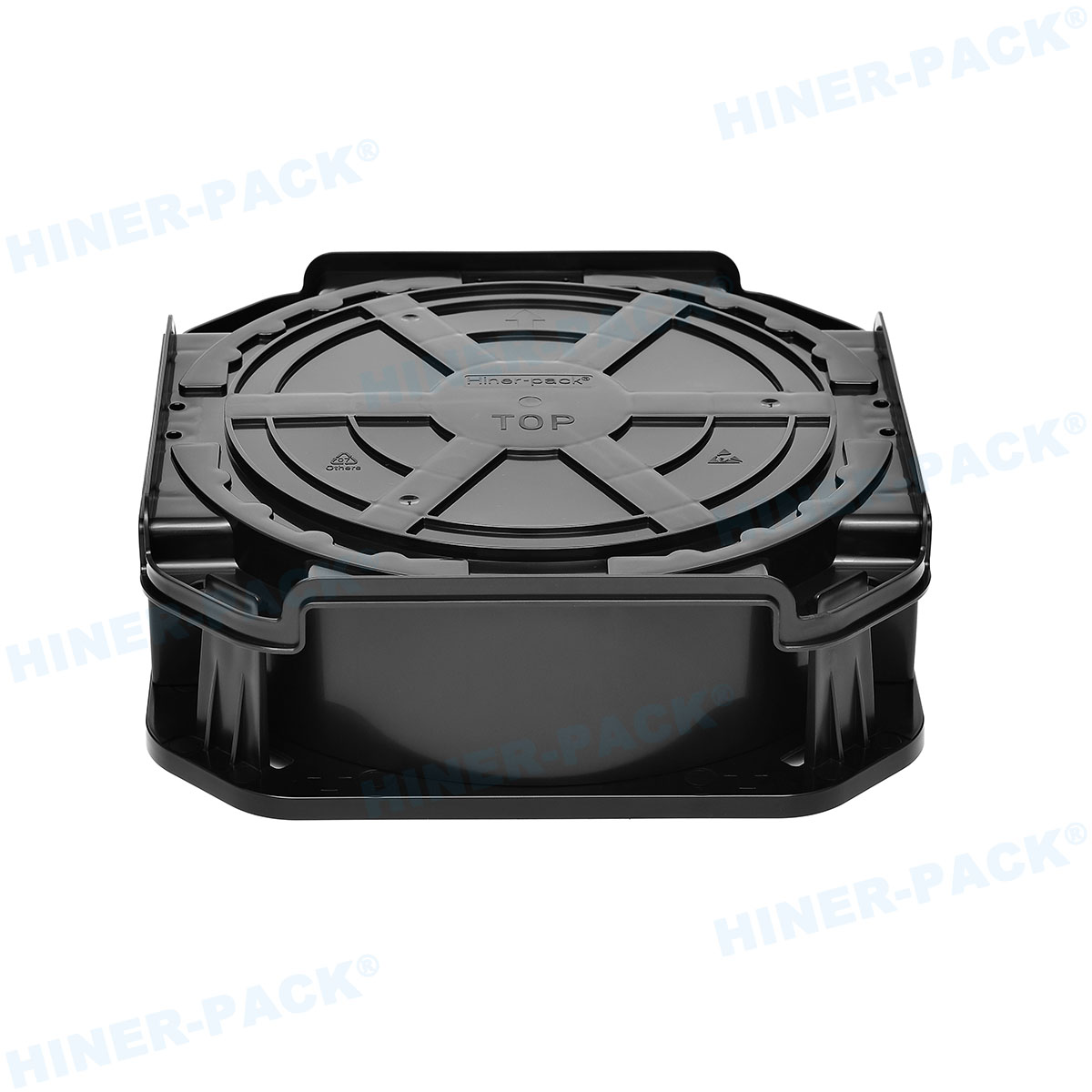
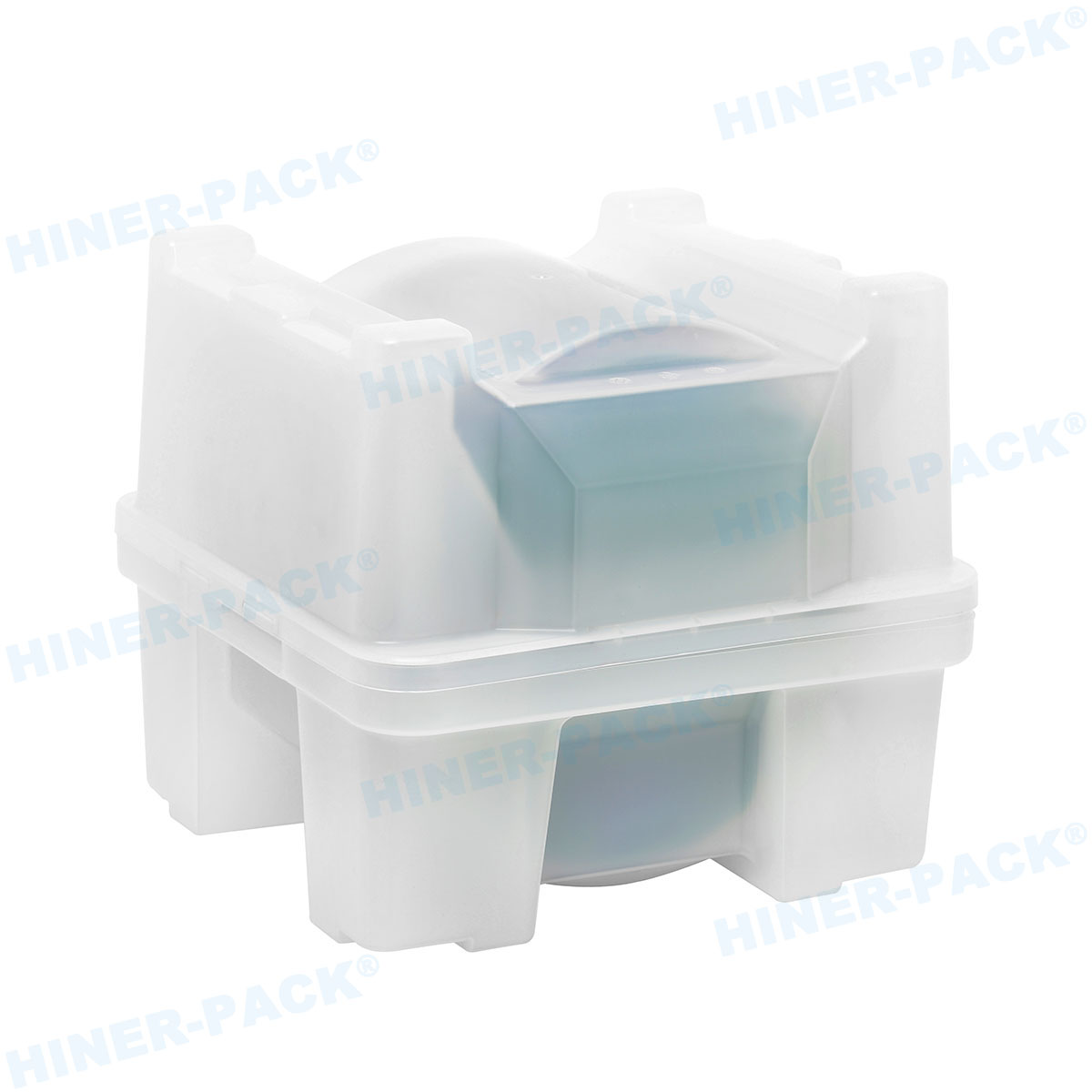
This is where specialized packaging becomes essential. Engineers and logistics managers often look for a solution that combines physical rigidity with shock absorption. The 8-inch Horizontal Flex Frame Wafer Shipper has become a standard requirement for protecting these fragile payloads. At Hiner-pack, we understand that a shipping box is not just a container; it is an insurance policy for your yield rates.
When wafers are mounted on flex frames (also known as film frames), they are suspended on dicing tape. This suspension protects the dies, but the frame itself creates a new geometric challenge for shipping. You cannot slide these into a vertical boat. They must lie flat. The industry has shifted toward horizontal shippers to minimize the stress on the thinned silicon.
Why Horizontal Configuration Matters for Diced Wafers
Gravity is the primary concern when shipping thinned wafers. In a vertical orientation, a wafer that has been ground down to 100 microns or less can warp or bow under its own weight, or due to vibrations during truck or air transport.
Horizontal shipping changes the physics of the transport. By laying the frame flat, the weight is distributed evenly across the frame's surface area. The 8-inch Horizontal Flex Frame Wafer Shipper allows the metal or plastic ring of the film frame to bear the load, rather than the silicon itself.
Hiner-pack engineers design these shippers to ensure that the contact points are strictly limited to the frame edges. There is zero contact with the active area of the wafer. This "floating" concept is vital. If the shipping container allows the wafer surface to touch the lid or the base, micro-scratches can ruin the circuitry.
Designing for Electrostatic Discharge (ESD) Safety
Physical damage isn’t the only threat. Electrostatic discharge can fry a chip before it ever reaches the wire bonder. Standard plastics are insulators, which means they can build up static charge during movement.
A professional wafer shipper must be made from static-dissipative or conductive materials. We typically see two main categories in the market:
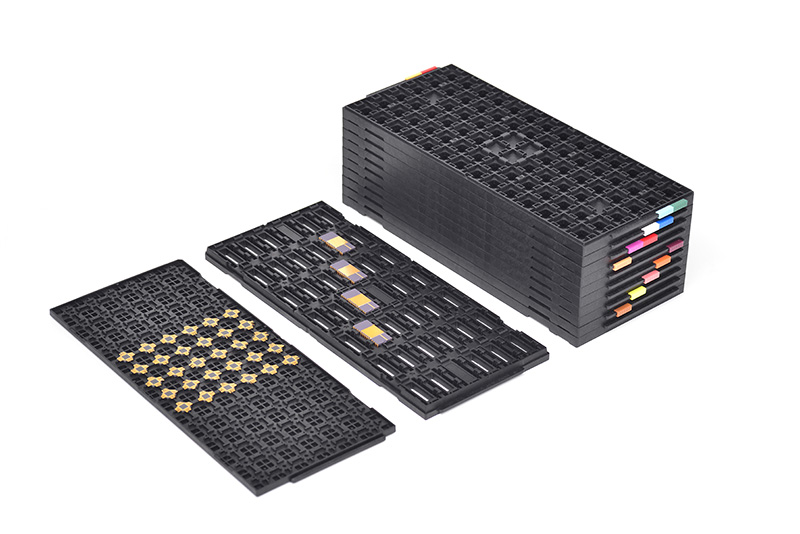
Carbon-Loaded Polypropylene (PP): This material is permanently conductive. It doesn’t rely on humidity or surface coatings.Coated Polymers: These are clear or translucent plastics with an anti-static dip.
For high-value logic or power management ICs, Hiner-pack recommends carbon-loaded options. These materials ground any charge instantly. When you place a frame into our shipper, you are essentially placing it inside a Faraday cage. This blocks external static fields from influencing the sensitive dies on the tape.
The Role of the "Flex Frame" in Shipping
The term "Flex Frame" usually refers to the combination of the dicing tape and the rigid ring (often stainless steel or plastic) that holds the wafer. The tape is flexible, but the ring is rigid.
Shipping these assemblies requires a precise fit. If the shipper is too loose, the frame creates a rattle effect. This vibration transmits energy directly to the tape, which can cause dies to "fly off" or delaminate from the adhesive.
Our manufacturing tolerances at Hiner-pack are strict. We ensure that the internal dimensions of the shipper match the standard industry specifications for 200mm disco-style or generic frames. The fit is snug but allows for easy robotic or manual retrieval.
Choosing the Right 8-inch Horizontal Flex Frame Wafer Shipper
Not all shippers are created equal. When sourcing these containers, procurement teams need to look at the latching mechanism and the hinge durability.
A weak latch can pop open if a pallet is dropped. This is a catastrophic failure mode. Hiner-pack utilizes a secure snap-lock design that requires intentional force to open. It will not disengage due to vibration or shock.
Furthermore, the stacking capability is crucial for logistics efficiency. These shippers are rarely sent one by one. They are stacked in boxes and placed on pallets. The lid of one shipper must lock into the base of the one above it. This interlocking design prevents stacks from toppling over during the rocky movements of air cargo or ground freight.
Materials Science: Polypropylene vs. Polycarbonate
The choice of base material affects durability and cost. Polypropylene (PP) is lightweight and offers good impact resistance. It creates a "soft" failure; if it breaks, it tends to tear rather than shatter. This reduces the risk of creating plastic particulate matter inside the cleanroom.
Polycarbonate (PC) is harder and clearer, but it can be more brittle and expensive. For the vast majority of 8-inch applications, specially formulated PP is the material of choice. It withstands the temperature variations found in cargo holds—from freezing high-altitude temperatures to hot tarmacs—without warping.
The Importance of Interleaves and Cushioning
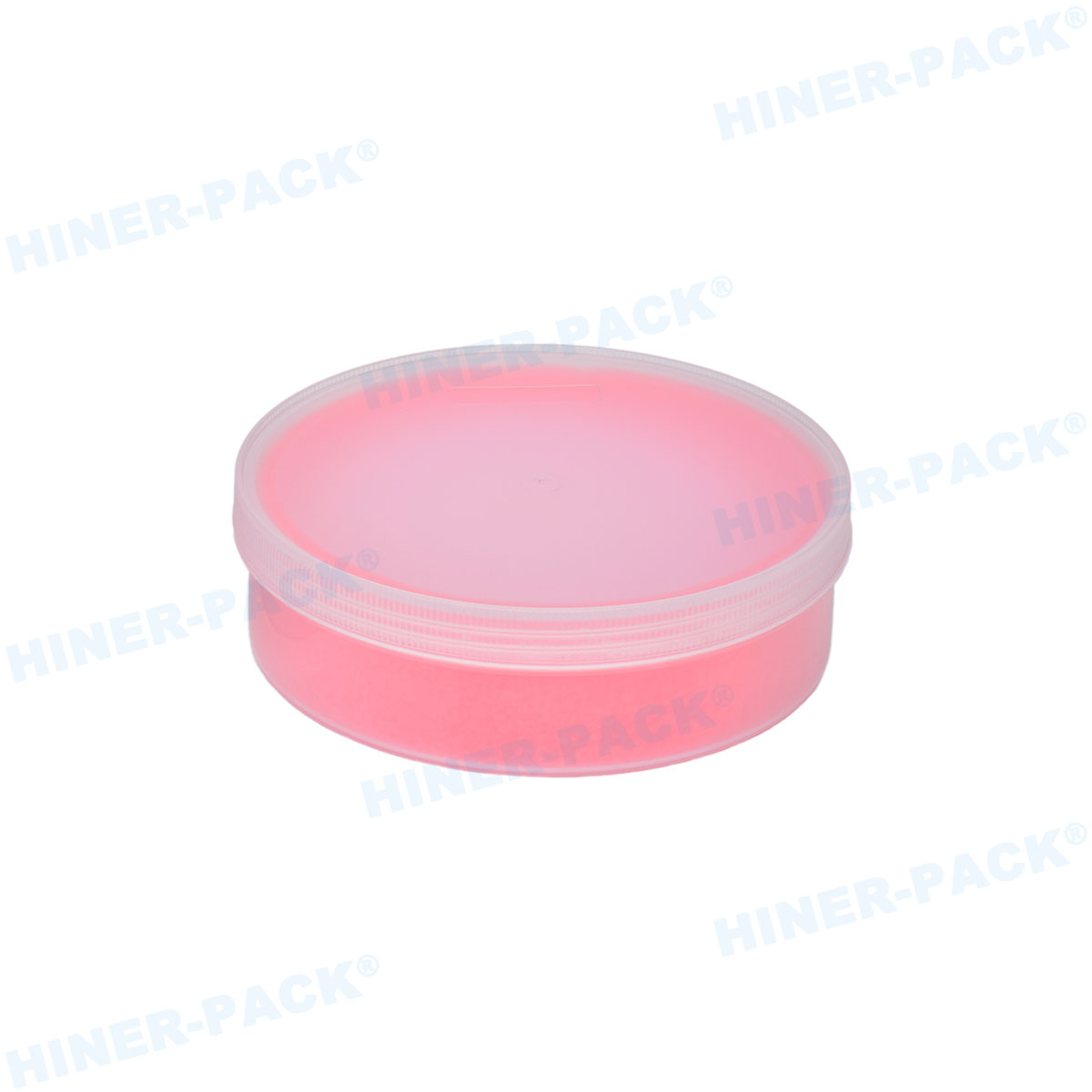
Even with a high-quality 8-inch Horizontal Flex Frame Wafer Shipper, internal movement must be dampened. This is usually achieved using Tyvek separators or pink anti-static foam.
When stacking multiple frames inside a single shipper box (if the design allows for multi-frame capacity), interleaves prevent the back of one tape from sticking to the dies of the wafer below it.
However, many shippers for flex frames are "single shippers," meaning one box holds one frame. This is the safest method for high-value wafers. In this configuration, Hiner-pack often includes cushioning pads on the lid to apply gentle downward pressure on the frame edge, immobilizing it completely.
Cleanroom Compatibility and Washing
A shipper is part of the cleanroom ecosystem. It cannot introduce dust or particles. Hiner-pack manufactures these items in controlled environments.
However, reuse is a common topic in the industry. Can you reuse a wafer shipper? The answer is yes, provided it can be washed. The material must withstand ultrasonic cleaning and isopropyl alcohol (IPA) wipes without degrading its ESD properties.
Carbon-loaded PP is excellent for this. Since the carbon is embedded in the plastic matrix, washing does not remove the conductive properties. Surface-coated anti-static boxes, conversely, degrade after washing and are often considered single-use items.
Addressing the Legacy Node Boom
The 8-inch (200mm) wafer market is not dying; it is thriving. Demand for automotive chips, IoT sensors, and power MOSFETs has kept 200mm fabs running at full capacity.
This resurgence means that the supply chain for 8-inch consumables must be robust. Many packaging suppliers shifted focus to 12-inch (300mm) FOSBs, leaving a gap in the 8-inch market. Hiner-pack has committed to maintaining strong stock and mold quality for 200mm logistics. We recognize that legacy nodes require modern protection standards.
Cost Reduction in the OSAT Supply Chain
Packaging costs add up. For an OSAT receiving thousands of wafers a day, the cost per shipper matters. However, the cost of breakage is far higher.
A balanced approach involves using durable, reusable shippers for internal transport between local facilities, and lighter, perhaps single-trip optimized shippers for long-haul international flights if return logistics are too expensive.
Hiner-pack works with clients to analyze their loop. If you have a closed loop (e.g., Fab A sends to Assembly B, and Assembly B sends empties back to Fab A), investing in heavy-duty, washable shippers yields the best ROI.
Stacking and Palletization
Logistics coordinators care about volume weight. A well-designed shipper minimizes empty space. It should have a low profile while maintaining structural integrity.
Our designs focus on "nestability" for the lids and bases when empty, and secure stacking when full. This maximizes the number of wafers you can fit on a standard industrial pallet, reducing air freight costs which are calculated by volume as often as by weight.
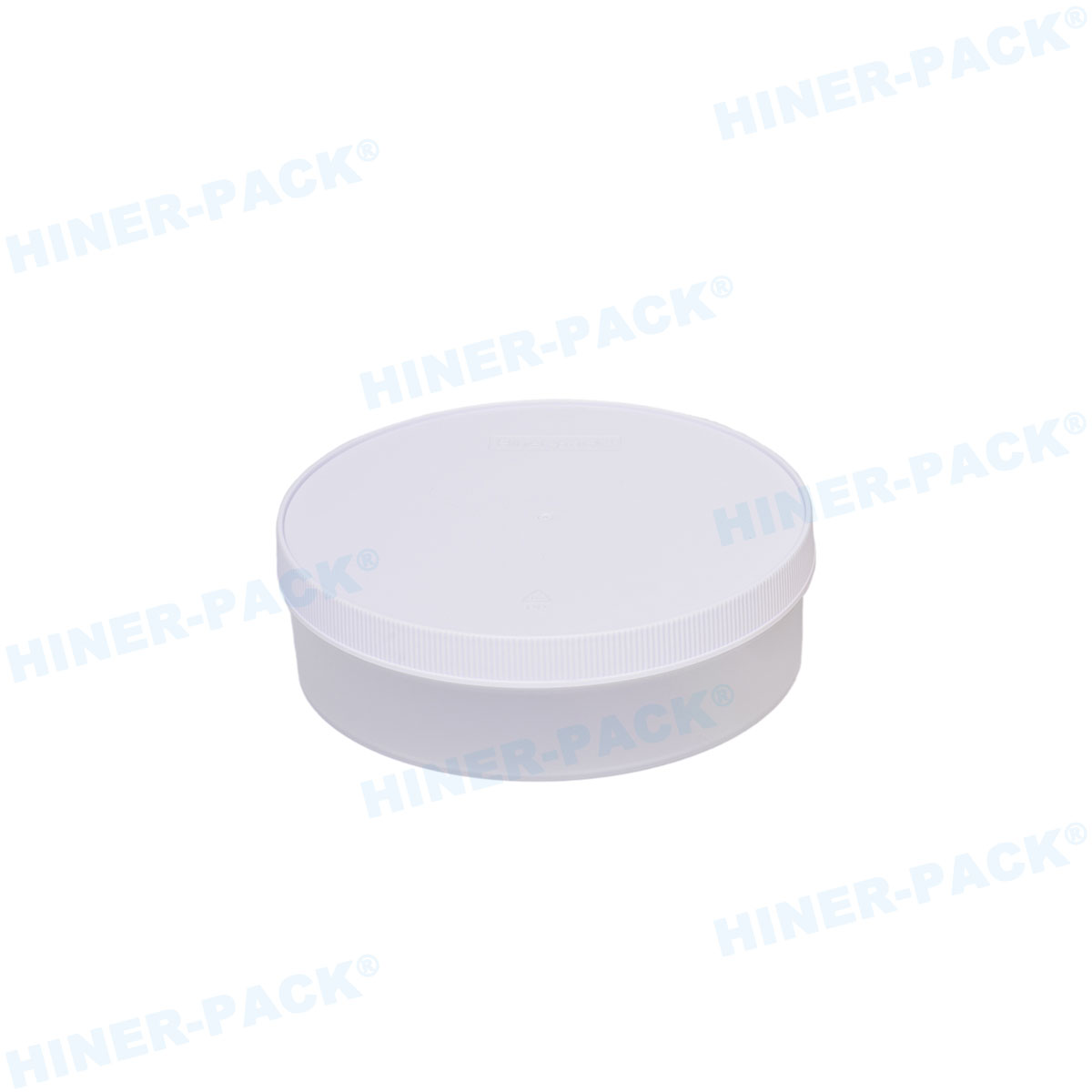
Impact of Environmental Regulations
Sustainability is becoming a requirement in semiconductor contracts. The plastics used in shipping must be recyclable.
Polypropylene is highly recyclable (Resin Code 5). Hiner-pack encourages a circular economy where end-of-life shippers are ground down and recycled into non-critical industrial pallets or other plastic goods, keeping waste out of landfills.
Hiner-pack: Your Partner in Wafer Safety
We believe that the package is the protector of innovation. Whether you are shipping MEMS, IGBTs, or standard logic on 200mm wafers, the container must perform flawlessly.
The 8-inch Horizontal Flex Frame Wafer Shipper represents a specific engineering response to the problem of transporting thinned, frame-mounted silicon. It is not just a box; it is a system of ESD control, impact mitigation, and cleanroom compatibility.
By choosing Hiner-pack, you are selecting a partner that understands the rigorous demands of the global semiconductor supply chain. We ensure that when your wafers arrive at the wire bonder, they are in the exact same condition as when they left the dicing saw.
Common Questions About Wafer Shipping
Below are some frequently asked questions regarding the logistics and specifications of wafer shippers.
Q1: What is the primary advantage of a horizontal shipper over a vertical cassette for flex frames?
A1: Horizontal shippers prevent the warping and bowing of thinned wafers. Since the wafers are mounted on tape, they lack the structural integrity to stand vertically. Horizontal transport distributes the weight across the frame ring, preventing the silicon from cracking or touching adjacent surfaces.
Q2: Can the Hiner-pack 8-inch Horizontal Flex Frame Wafer Shipper be washed and reused?
A2: Yes, our shippers made from carbon-loaded polypropylene are designed for reuse. They are durable enough to withstand standard cleanroom washing processes and ultrasonic cleaning without losing their ESD (electrostatic discharge) protective properties.
Q3: Does the shipper come with separator rings or cushioning foam?
A3: Standard configurations often include the outer box and the internal support mechanism. However, depending on the specific model and customer requirement, we can supply Tyvek interleaves and anti-static pink foam cushions to ensure the frame is immobilized during rough transport.
Q4: Is the material used in these shippers permanently conductive?
A4: If you choose the Black Conductive PP version, the conductivity is permanent. It is achieved by embedding carbon powder into the plastic resin. This is superior to topical anti-static coatings, which can wear off over time or be removed during cleaning.
Q5: What standard frame sizes fit into the 8-inch shipper?
A5: Our shippers are designed to fit the industry-standard 200mm (8-inch) film frames, compatible with major dicing equipment manufacturers like Disco and ADT. We recommend checking the outer diameter specifications of your specific metal or plastic frames against our datasheet to ensure a perfect fit.