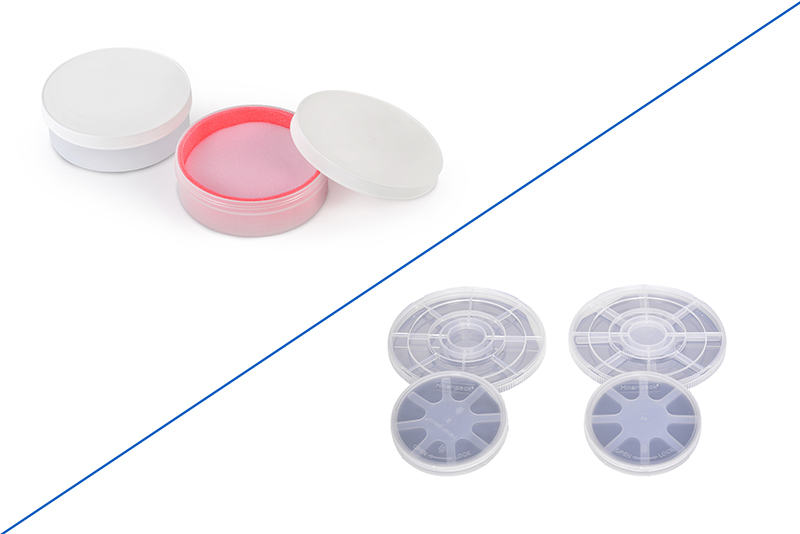
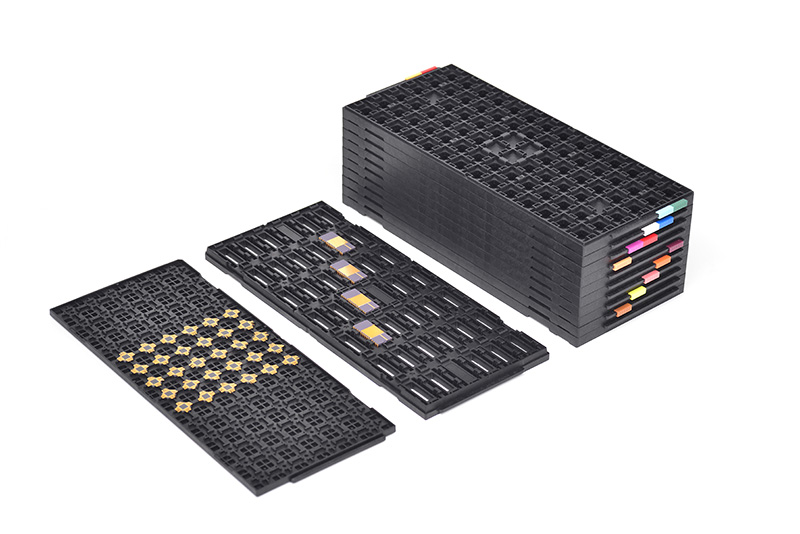
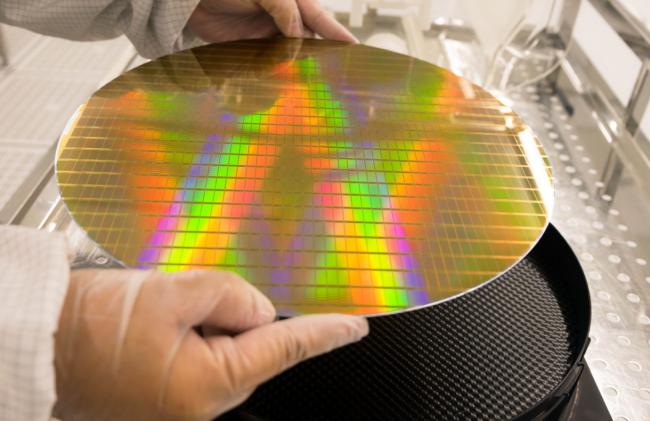
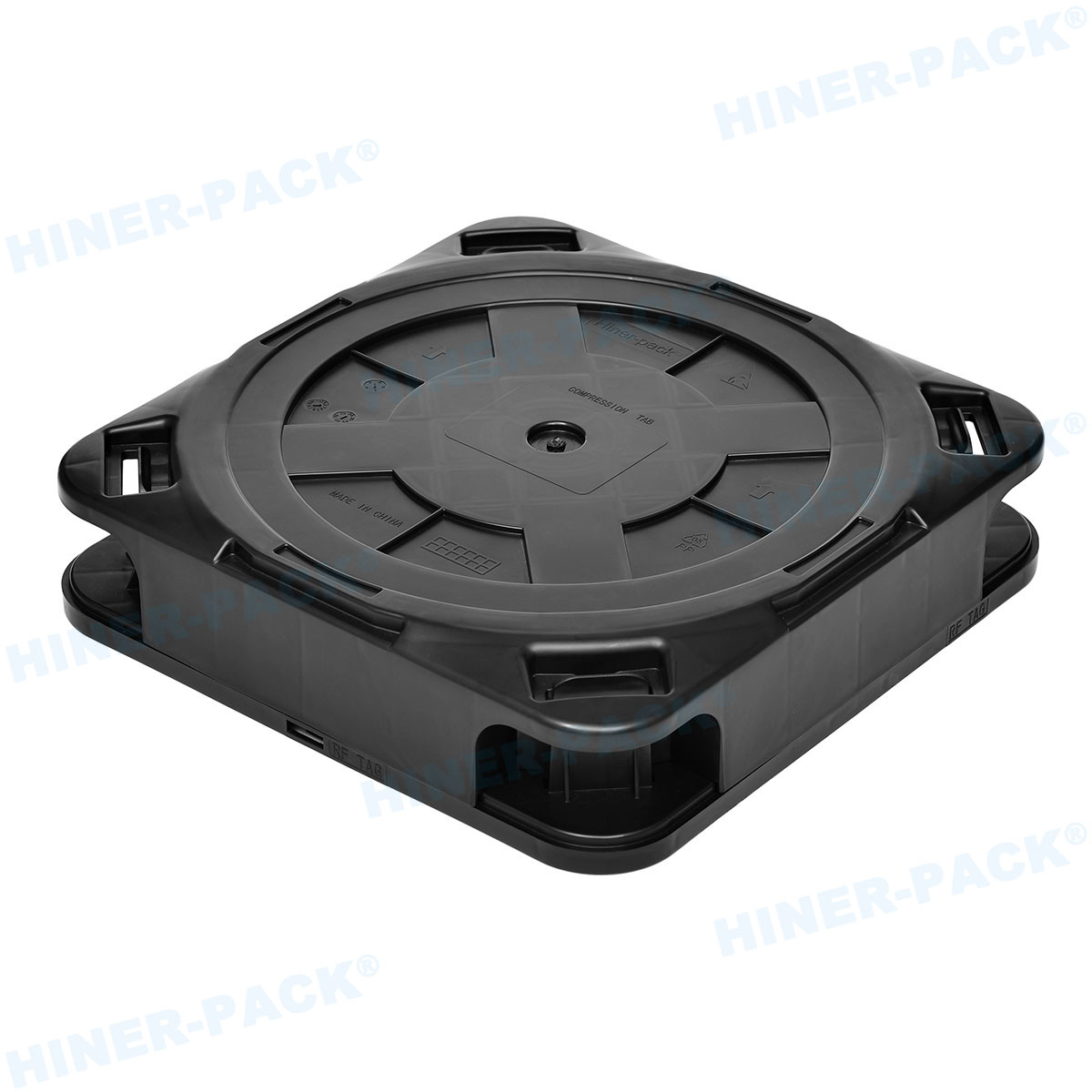
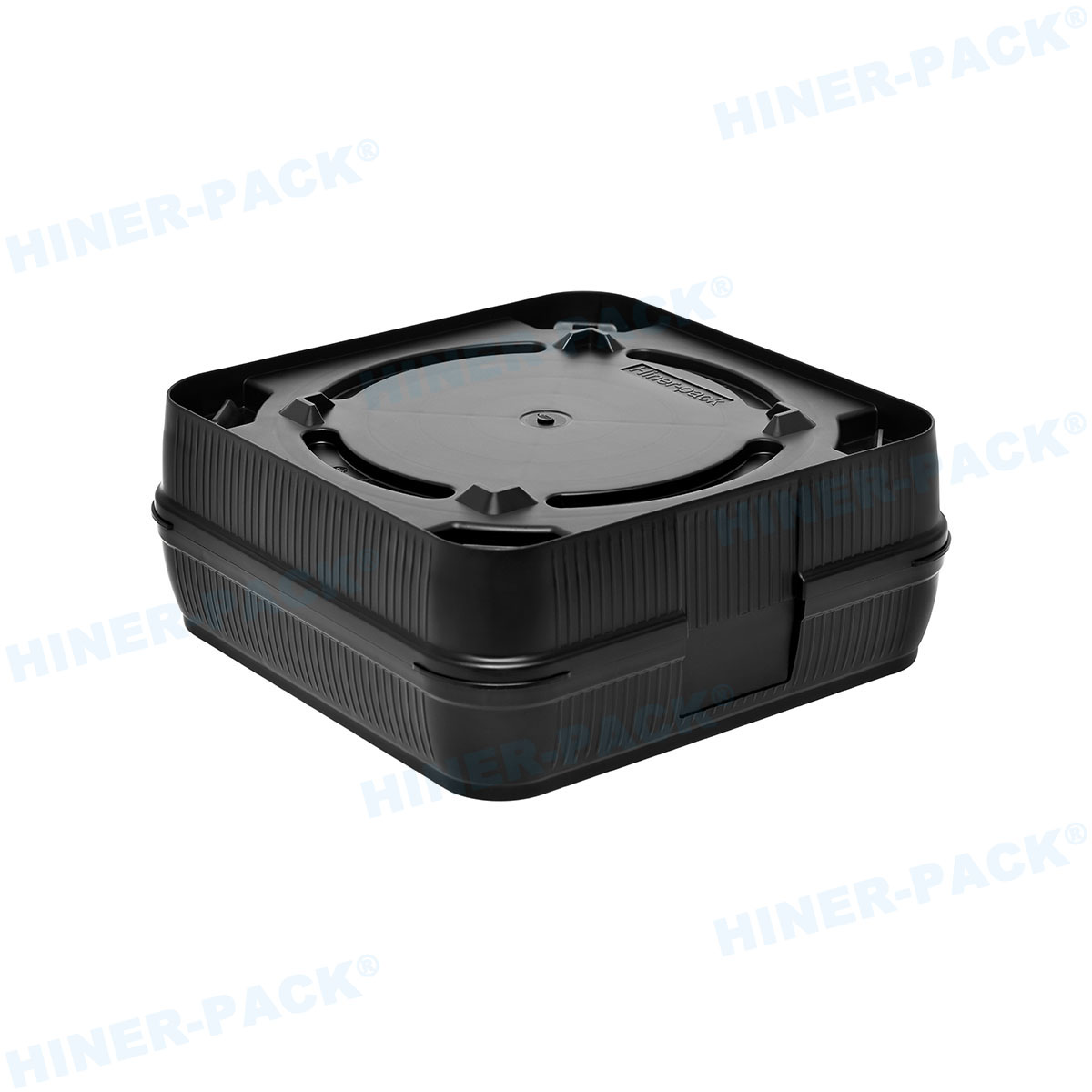
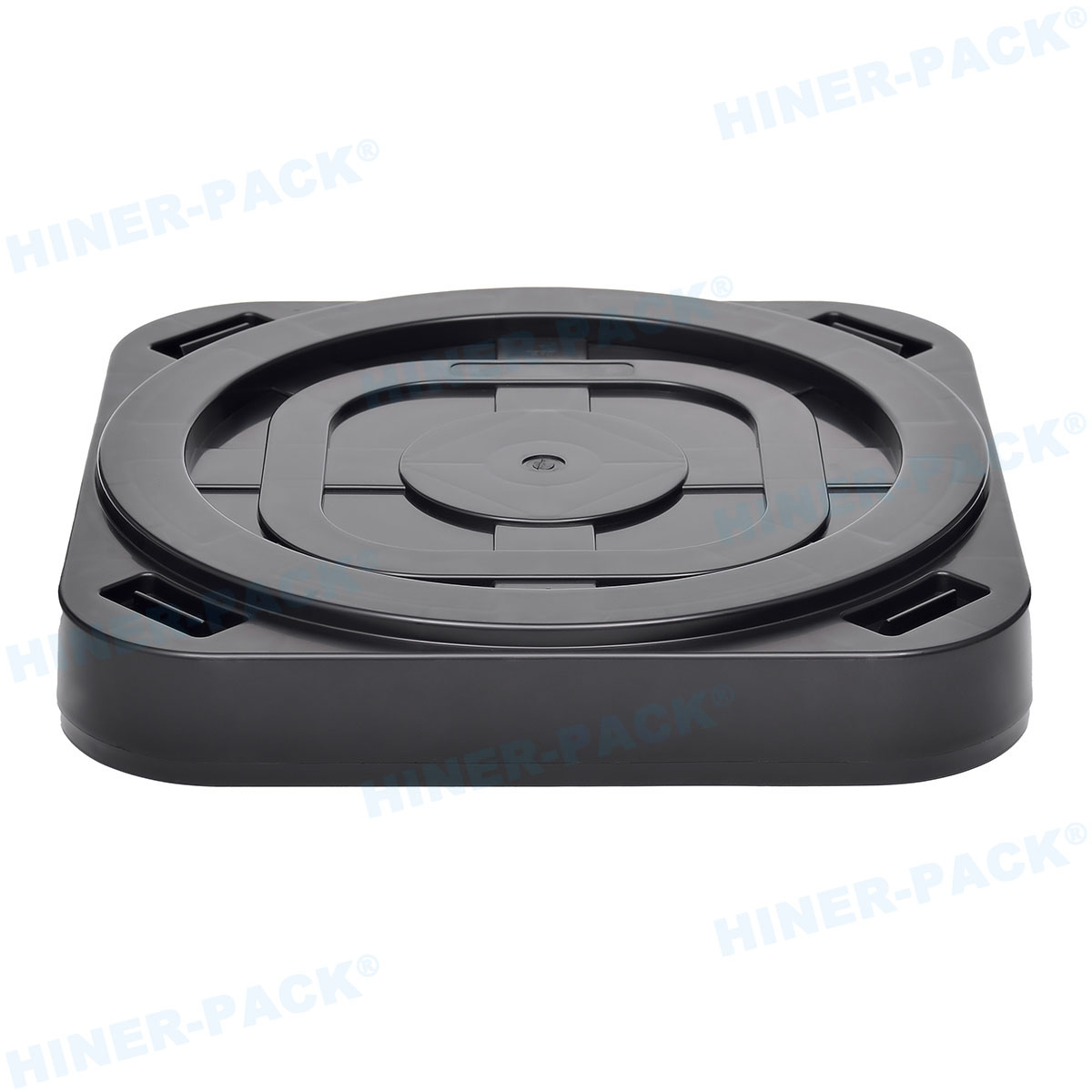
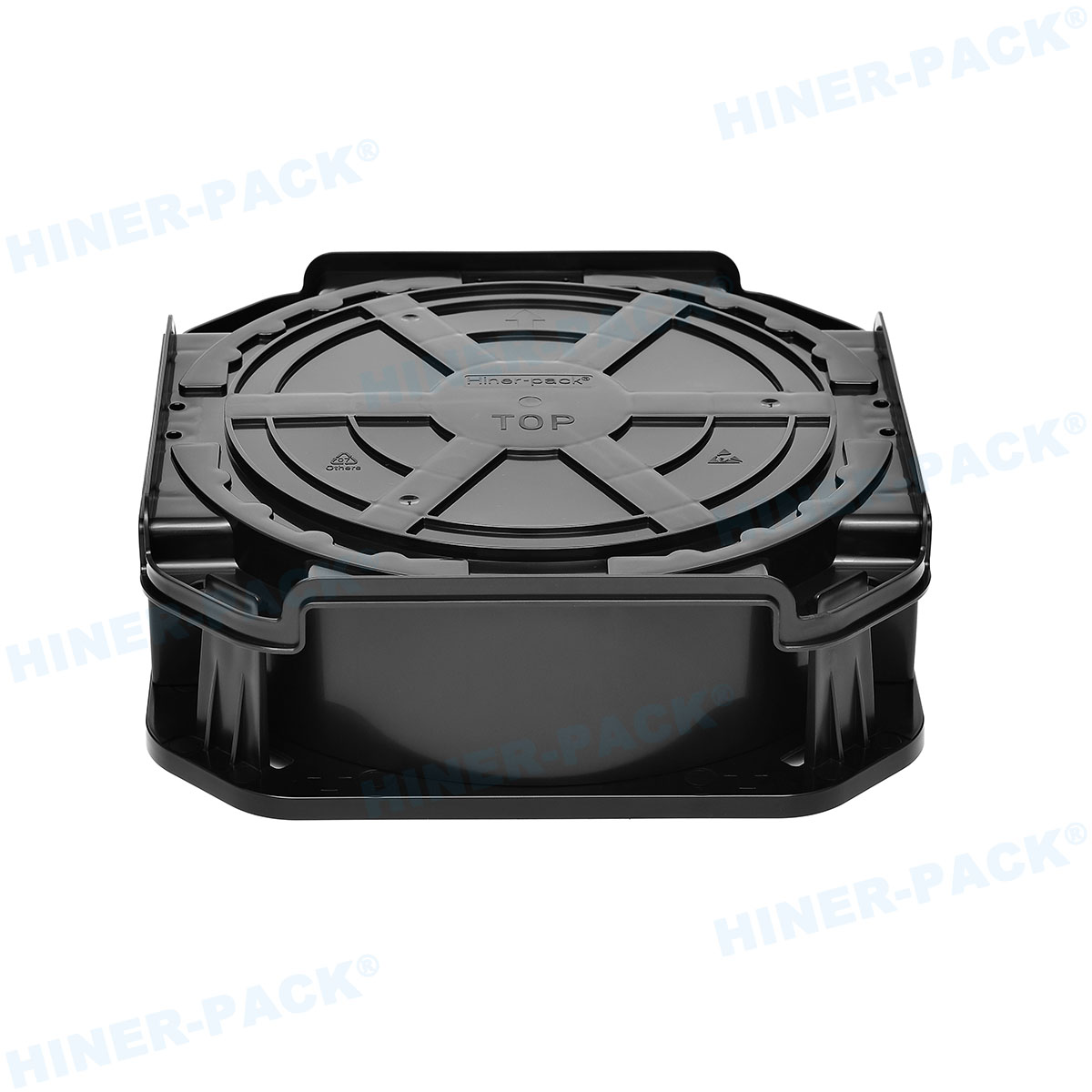
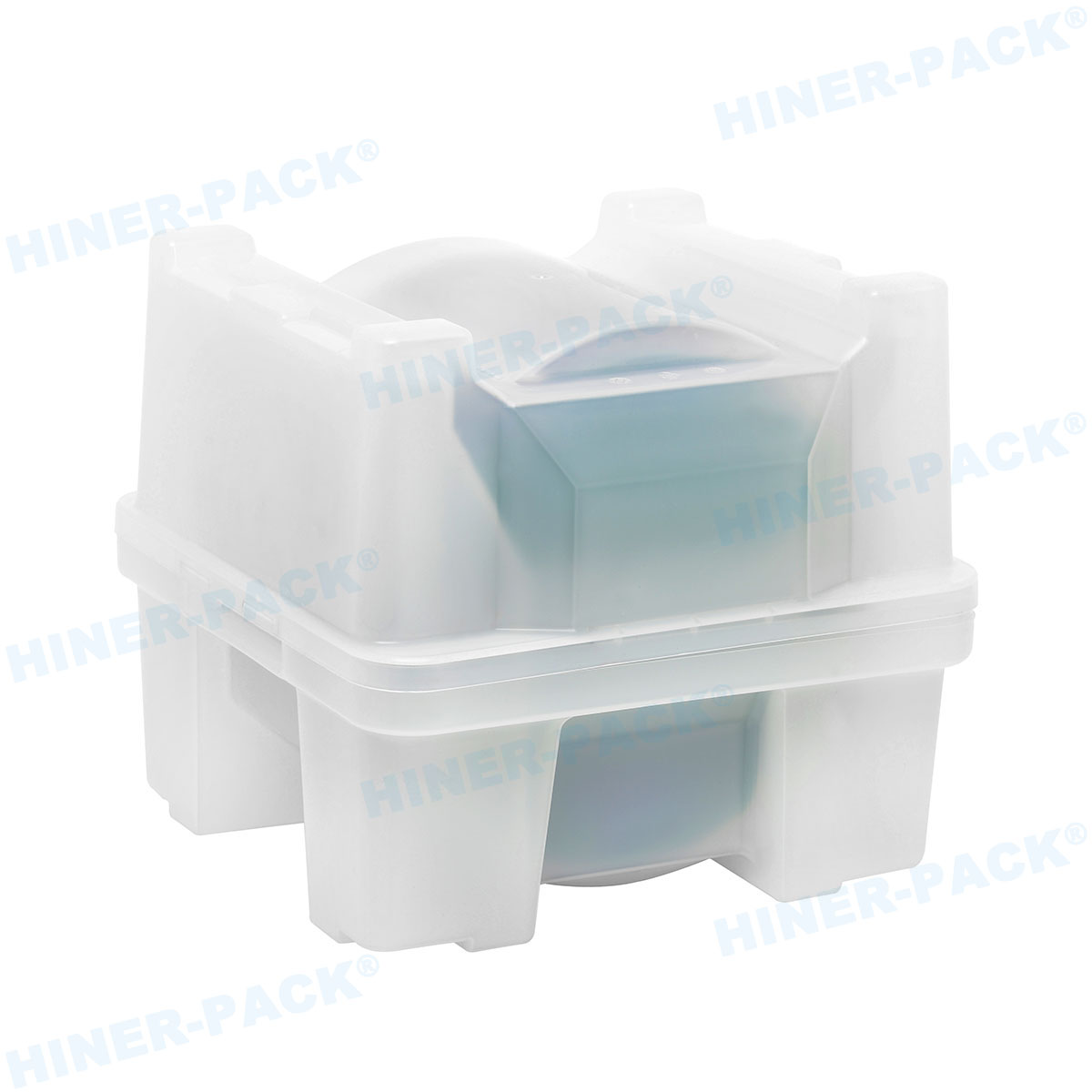
In semiconductor manufacturing, the wafer cassette—often referred to as a wafer carrier, wafer box, or JEDEC tray—is the primary interface between the cleanroom environment and the delicate substrate during storage, transport, and processing. The choice of wafer cassette suppliers directly influences defectivity, tool uptime, and overall equipment effectiveness (OEE). With geometries shrinking below 5nm and the increasing use of alternative substrates (SiC, GaN), the technical demands on cassettes have intensified. This article provides a data-driven analysis of supplier capabilities, material science, and qualification methodologies essential for procurement engineers and fab managers.
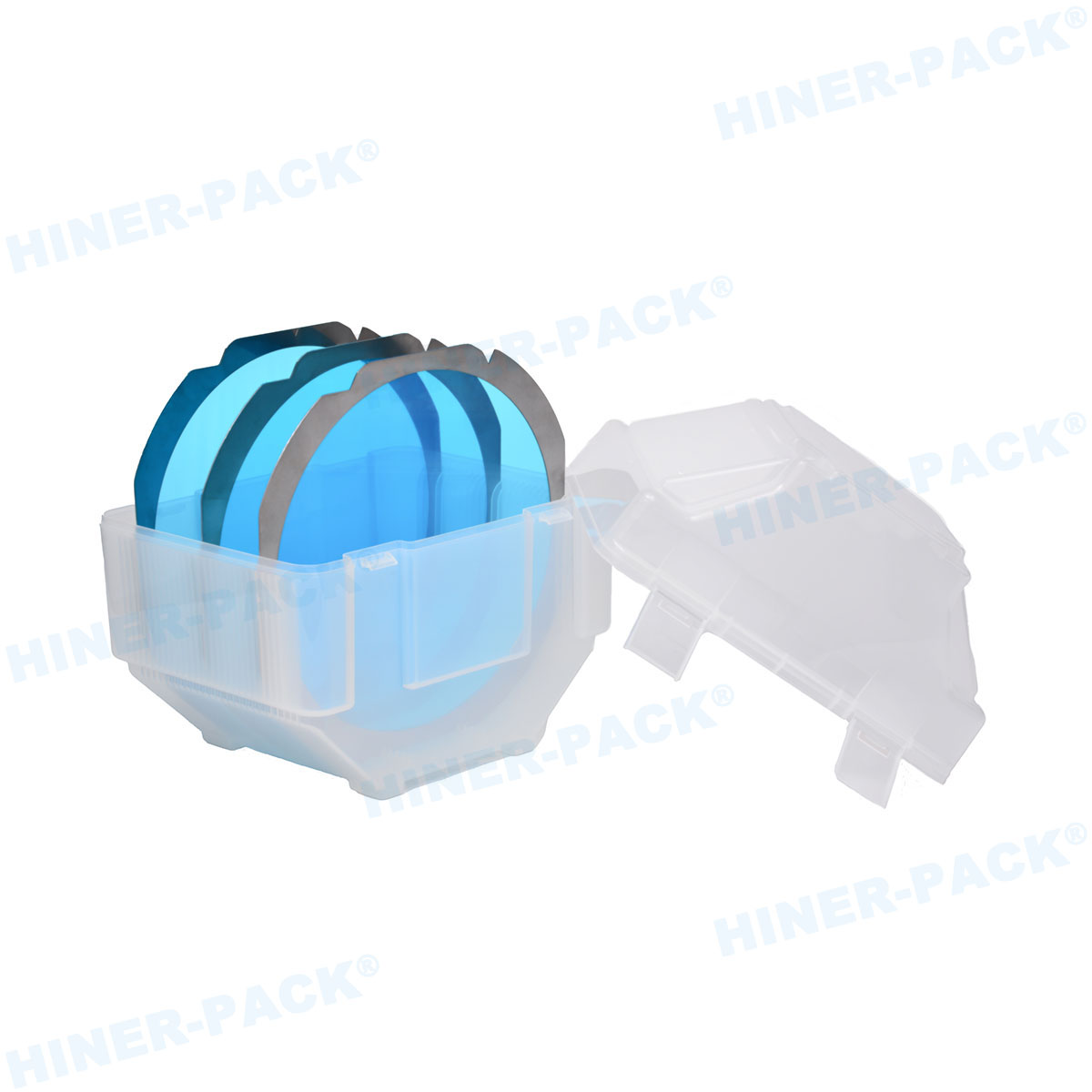
1. Beyond Basic Containment: Defining the Modern Wafer Cassette
A wafer cassette is no longer a simple plastic holder. It must satisfy multiple, often conflicting, requirements:
Ultra-low particle generation: < 10 particles (>0.1 µm) per cycle, verified by wet processing tests (e.g., WP-2500).
ESD control: Surface resistance between 10⁵ and 10⁹ Ω/sq to prevent electrostatic discharge damage to sensitive devices.
Chemical resistance: Compatibility with aggressive chemistries (HF, SCI, etc.) used in wet benches.
Thermal stability: Dimensional integrity from -40°C (shipping) to 150°C (baking).
Automation interface: Precise alignment features for robotic handling (EFEM, load ports) conforming to SEMI standards.
Leading wafer cassette suppliers like Hiner-pack differentiate themselves by offering tailored solutions that address these parameters simultaneously, backed by full material traceability and cleanroom manufacturing.
2. Material Science: How Substrate Choice Affects Yield
The polymer selection for cassettes is perhaps the most critical decision. Common materials include:
PEEK (Polyetheretherketone): High mechanical strength, low outgassing, and excellent chemical resistance. Preferred for 300mm front‑opening unified pods (FOUPs) and high‑temperature processes.
PFA (Perfluoroalkoxy): Nearly inert to all chemicals; used in wet process cassettes where acid resistance is paramount.
Conductive Polypropylene (PP): Cost‑effective for 200mm and 150mm applications, often with carbon or stainless steel fillers for ESD control.
PC (Polycarbonate) with anti‑static coatings: Common in shipping boxes due to transparency and impact resistance, but coatings must be evaluated for durability.
Each material’s storage modulus and coefficient of thermal expansion (CTE) affect how the cassette interacts with the wafer edge. For instance, a CTE mismatch can induce micro‑cracks in brittle substrates like GaAs. Hiner-pack provides detailed material datasheets including dynamic mechanical analysis (DMA) curves, enabling customers to match cassette properties to their specific process thermal budgets.
3. Cleanroom Compatibility: Quantifying Outgassing and Particle Shedding
Fabs operating at 3nm/5nm nodes require cassettes that do not become contamination sources. Key metrics provided by reputable wafer cassette suppliers include:
Outgassing by GC‑MS: Total mass loss < 0.1% after 24h at 120°C per ASTM E595. Specific species (e.g., silicones, plasticizers) must be below 1 ppb to avoid optics fogging in EUV scanners.
Non‑volatile residue (NVR): Measured by solvent extraction; values < 0.5 µg/cm² are typical for advanced nodes.
Particle shedding test: Cassettes are agitated in a cleanroom while airborne particle counters (0.1 µm, 0.2 µm) record spikes. Top‑tier suppliers guarantee < 10 particles added per wafer slot per cycle.
Hiner‑pack manufactures its cassettes in ISO Class 4 cleanrooms, and each batch is shipped with a certificate of cleanliness that includes actual particle counts from representative samples.
4. Automation and Standard Compliance: SEMI Standards That Matter
Interoperability with automated material handling systems (AMHS) is non‑negotiable. Key standards include:
SEMI E15.1: Specification for 300mm carrier physical dimensions and mapping flags.
SEMI E62: General cassette specifications for 200mm and below.
SEMI S2: Environmental, health, and safety guidelines (relevant for cleanroom compatibility).
SEMI E111: Carrier orientation and identification (RFID) requirements.
Suppliers must demonstrate that their cassettes pass mechanical interface tests with leading OEM load ports (Brooks, Kensington, etc.). Dimensional tolerances on critical features—like the kinematic coupling pockets—are often ±0.1 mm or tighter. Wafer cassette suppliers that provide 3D CAD models and first‑article inspection reports reduce integration risks for fab engineers.
5. The 200mm vs. 300mm Challenge: Adapting to Legacy and Leading‑Edge
While 300mm dominates logic and memory fabs, the 200mm market remains robust for power devices, MEMS, and analog ICs. Requirements differ:
200mm cassettes often need to accommodate thicker wafers (up to 1 mm) and may be used in wet benches with aggressive chemistries. PFA and ETFE are common materials.
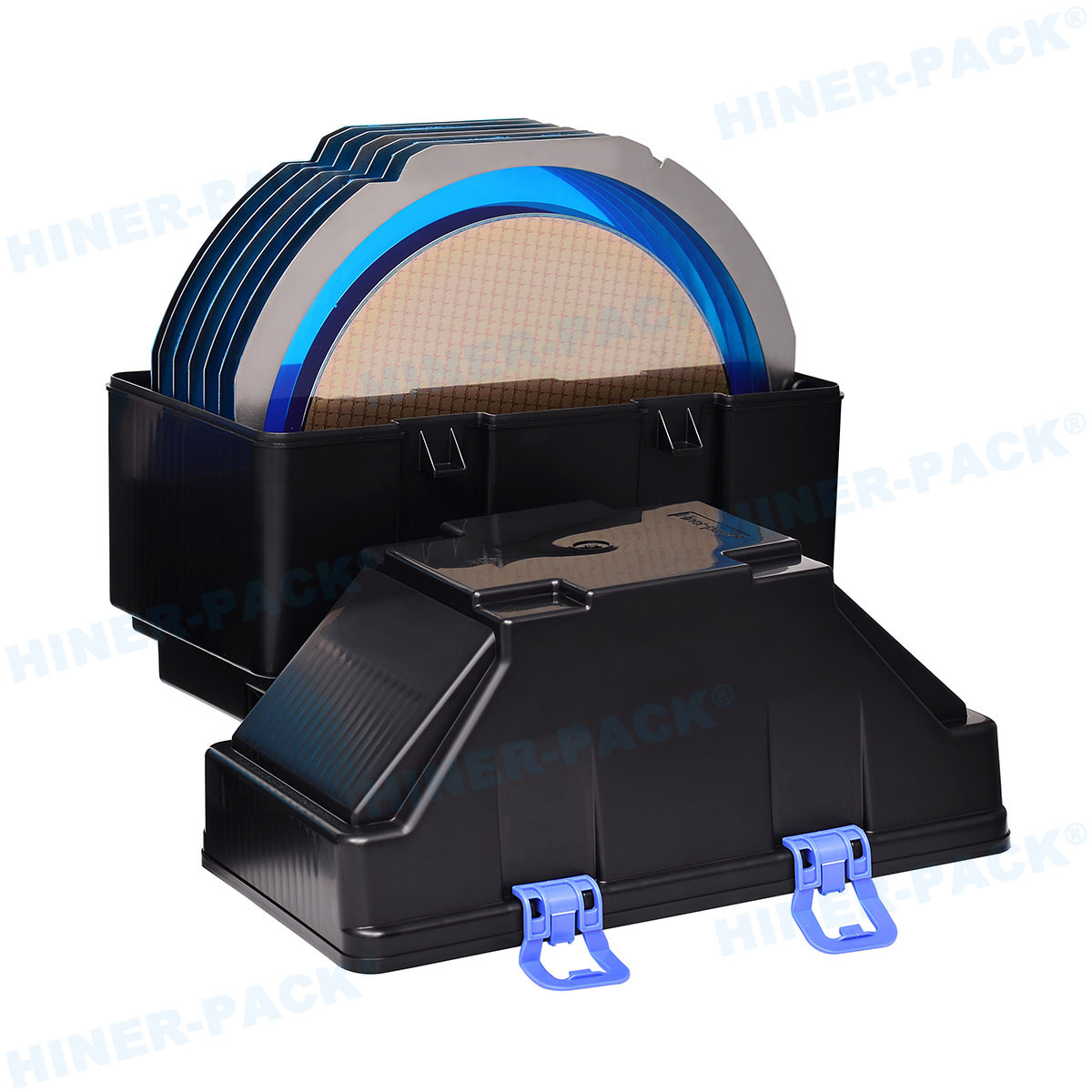
300mm cassettes (FOUPs) must integrate with purge systems (N2 or clean dry air) to prevent moisture absorption and native oxide growth. Suppliers like Hiner-pack offer FOUPs with precision purge plates and pressure‑control valves.
Cross‑platform compatibility is also vital—some fabs run both 200mm and 300mm lines and seek suppliers that can provide consistent materials and quality systems across both formats.
6. Evaluating Wafer Cassette Suppliers: A Qualification Protocol
To ensure long‑term reliability, procurement teams should request the following from potential wafer cassette suppliers:
Material certification: Resin manufacturer, grade, lot number, and additive package (e.g., carbon nanotube loading for conductivity).
Dimensional inspection report: CMM measurements of all critical features, including wafer pocket pitch, depth, and flatness.
Cleanliness validation: Particle shedding and outgassing data per recognized methods (IEST‑RP‑CC031, etc.).
Mechanical durability test: 10,000+ open/close cycles (for boxes) or 2,000+ robotic insertion cycles (for cassettes) with no degradation.
Chemical compatibility matrix: Documented resistance to common fab chemicals at operating temperatures.
Traceability system: Laser marking, RFID, or 2D barcode for genealogy tracking.
Hiner‑pack supports customers with comprehensive validation packages, including on‑site audits and accelerated life testing tailored to specific fab conditions.
7. Case Example: Reducing Defectivity with High‑Performance Cassettes
A 300mm logic fab producing 7nm devices experienced intermittent scratch defects traced to wafer backside contact with cassette ribs. After switching to a Hiner‑pack cassette with a proprietary low‑friction coating and optimized rib geometry, scratch counts dropped by 73%. The new cassettes also incorporated static‑dissipative PEEK, eliminating ESD‑induced charging events that had caused wafer misalignment in the load port. This case underscores the value of partnering with suppliers that invest in R&D and offer application‑specific engineering support.
8. Frequently Asked Questions About Wafer Cassette Suppliers
Q1: What certifications should a reputable wafer cassette supplier
hold?
A1: Look for ISO 9001 (quality management), ISO 14644‑1
cleanroom manufacturing certification, and compliance with SEMI standards. Some
suppliers also have ISO 14001 (environmental) and OHSAS 18001 (health and
safety). For advanced nodes, IATF 16949 (automotive quality) is sometimes
required due to its rigorous defect‑reduction methodology.
Q2: How do I select the right material for my application (wet vs.
dry, hot vs. cold)?
A2: For wet processes with strong acids, PFA or
ETFE are recommended. For dry storage and transport, PEEK or conductive PP are
common. High‑temperature processes (>120°C) require PEEK or PI (polyimide).
Suppliers like Hiner‑pack provide chemical compatibility charts
and can suggest alternative materials based on your exact chemistry and
temperature.
Q3: Can wafer cassettes be customized for non‑standard wafer sizes or
thicknesses?
A3: Yes, many suppliers offer custom molds or machined
prototypes for R&D, MEMS, or compound semiconductor wafers (e.g., 100mm,
125mm, 150mm). Minimum order quantities vary, but established wafer cassette
suppliers often accommodate low‑volume custom runs for pilot
lines.
Q4: What is the typical lead time for a new cassette
design?
A4: For off‑the‑shelf designs, lead times range from 2–6
weeks depending on quantity and material availability. Custom‑molded designs
typically require 12–20 weeks for tooling, first articles, and validation.
Hiner‑pack offers rapid prototyping (3D‑printed or machined)
for fit checks before committing to production tooling.
Q5: How often should cassettes be cleaned or replaced in a
high‑volume fab?
A5: Cleaning frequency depends on the process—wet
benches may require weekly cleaning, while dry storage cassettes can last
months. Replacement is necessary when visual inspection reveals wear marks,
discoloration, or if particle counts exceed control limits. Many fabs perform
preventive replacement every 6–12 months based on usage cycles. Suppliers can
provide accelerated aging data to estimate useful life.
Q6: Are there any standards specifically for anti‑static properties
of cassettes?
A6: Yes, SEMI E78 covers electrostatic compatibility
of 300mm carriers. It specifies surface resistance ranges and decay time
measurements. ANSI/ESD STM11.11 and STM11.13 are also commonly referenced.
Always verify that the supplier’s ESD claims are backed by independent test
reports.
Q7: What role does RFID play in modern wafer
cassettes?
A7: RFID enables automated tracking of cassette location,
wafer count, process history, and cleaning cycles. Suppliers should offer
cassettes with molded‑in RFID pockets and provide recommendations on tag types
(low‑frequency vs. UHF) that withstand fab temperatures and chemicals.
Building a Resilient Supply Chain for Wafer Cassettes
The selection of wafer cassette suppliers is a strategic decision that impacts defect density, equipment reliability, and operational efficiency. By demanding technical rigor—from material science to automation compatibility—fabs can mitigate risks and ensure consistent quality across their process nodes. Hiner‑pack exemplifies the supplier partner that combines manufacturing precision with deep process knowledge, offering a portfolio that spans 150mm to 300mm applications. As the semiconductor industry moves toward heterogenous integration and new materials, the collaboration between fabs and cassette engineers will only grow in importance.