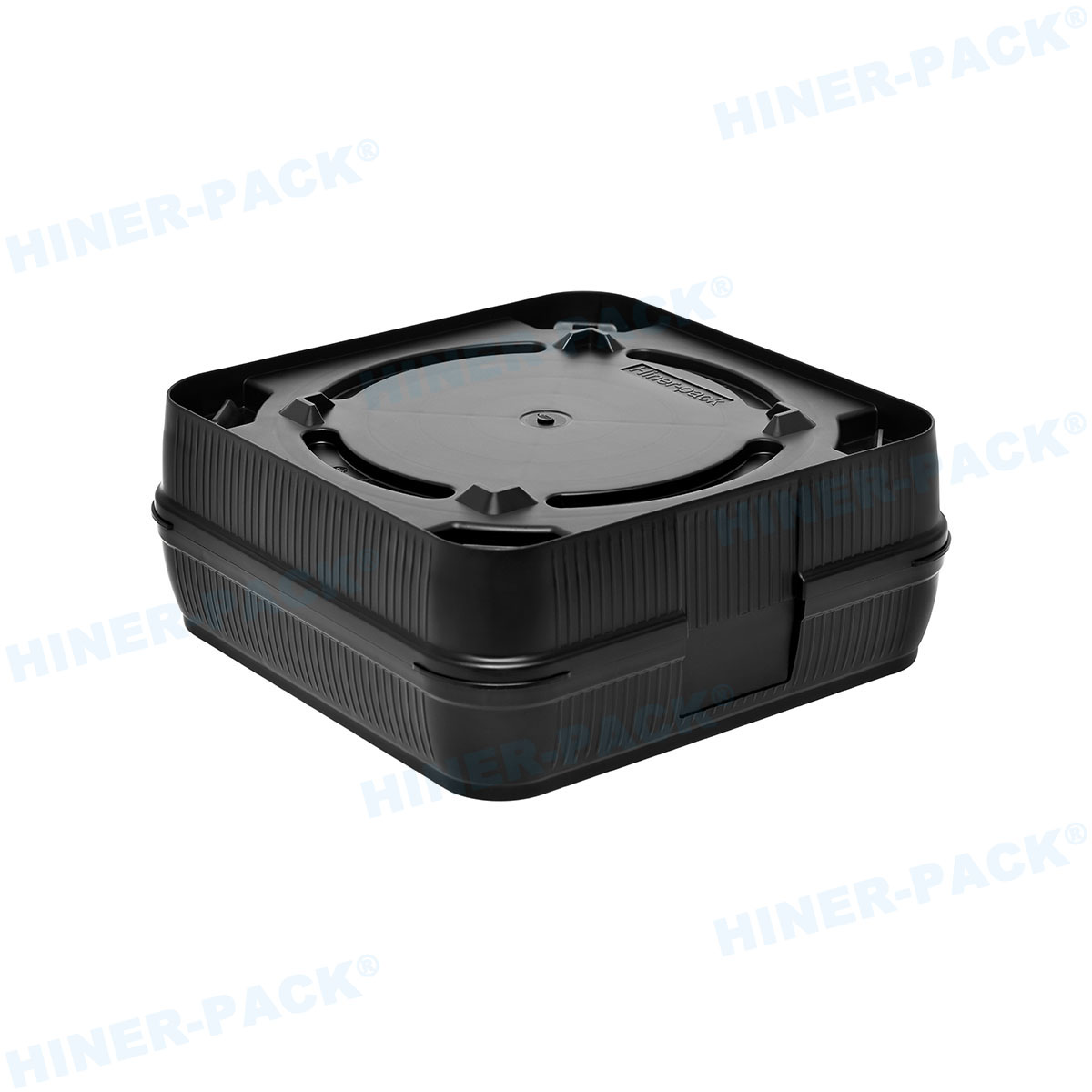
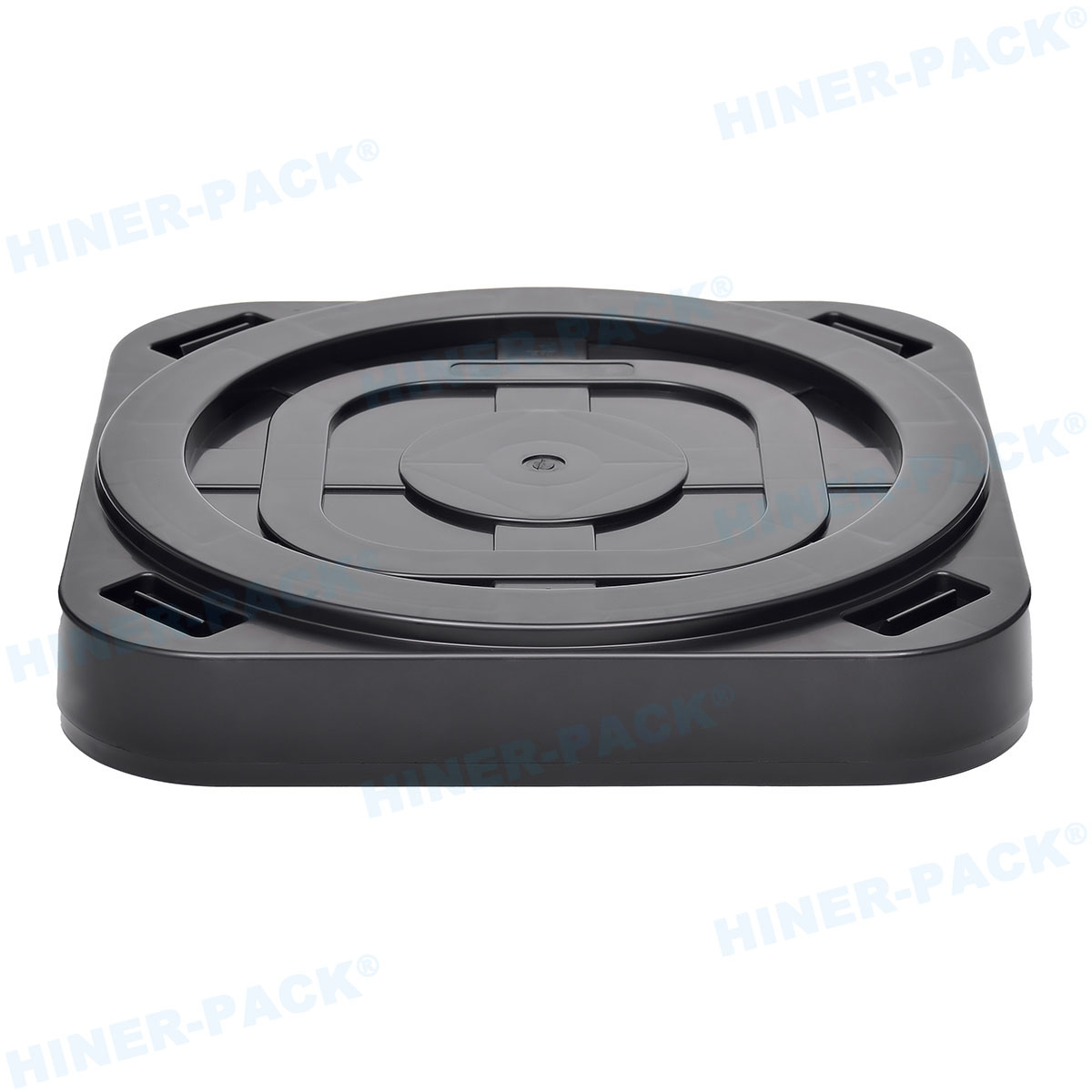
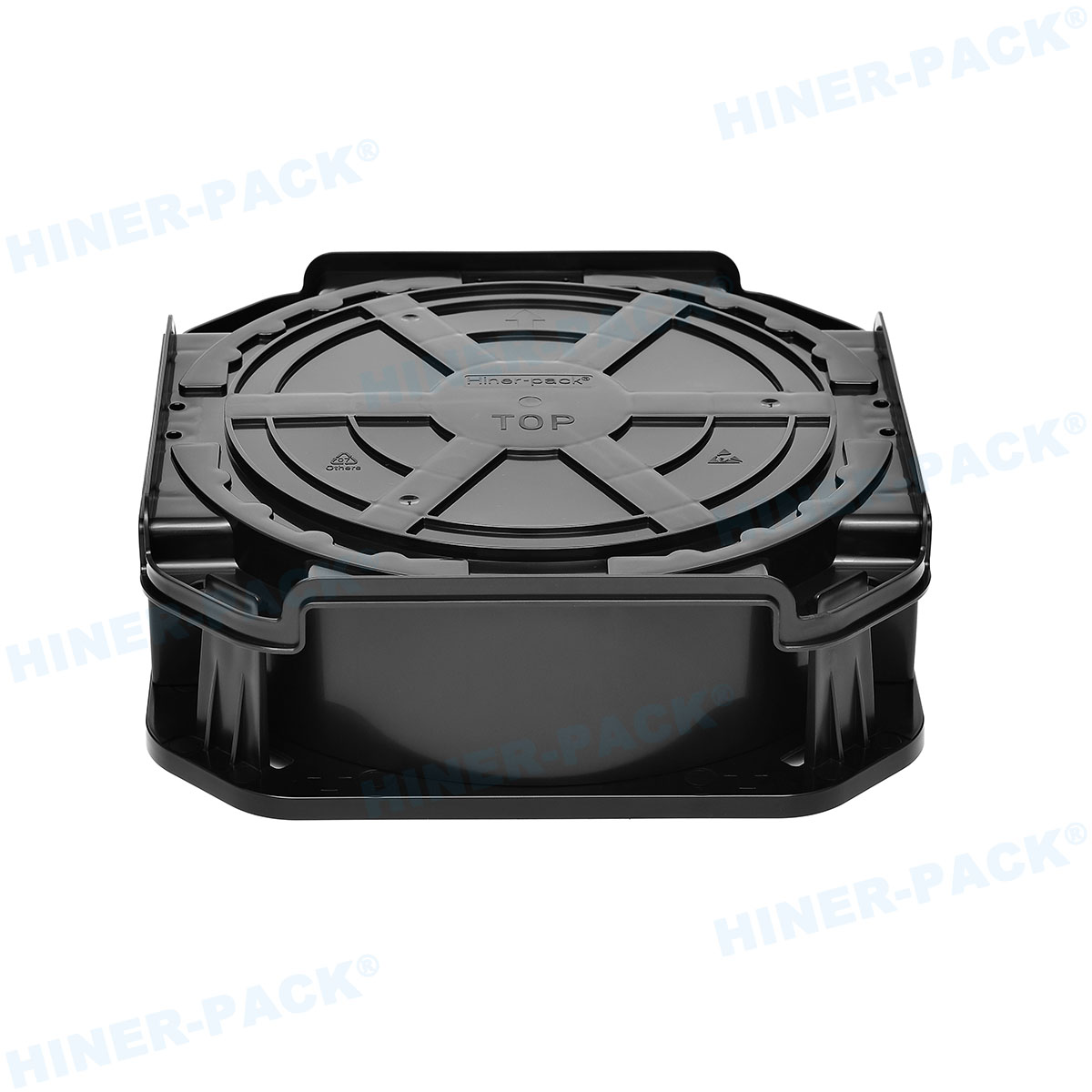
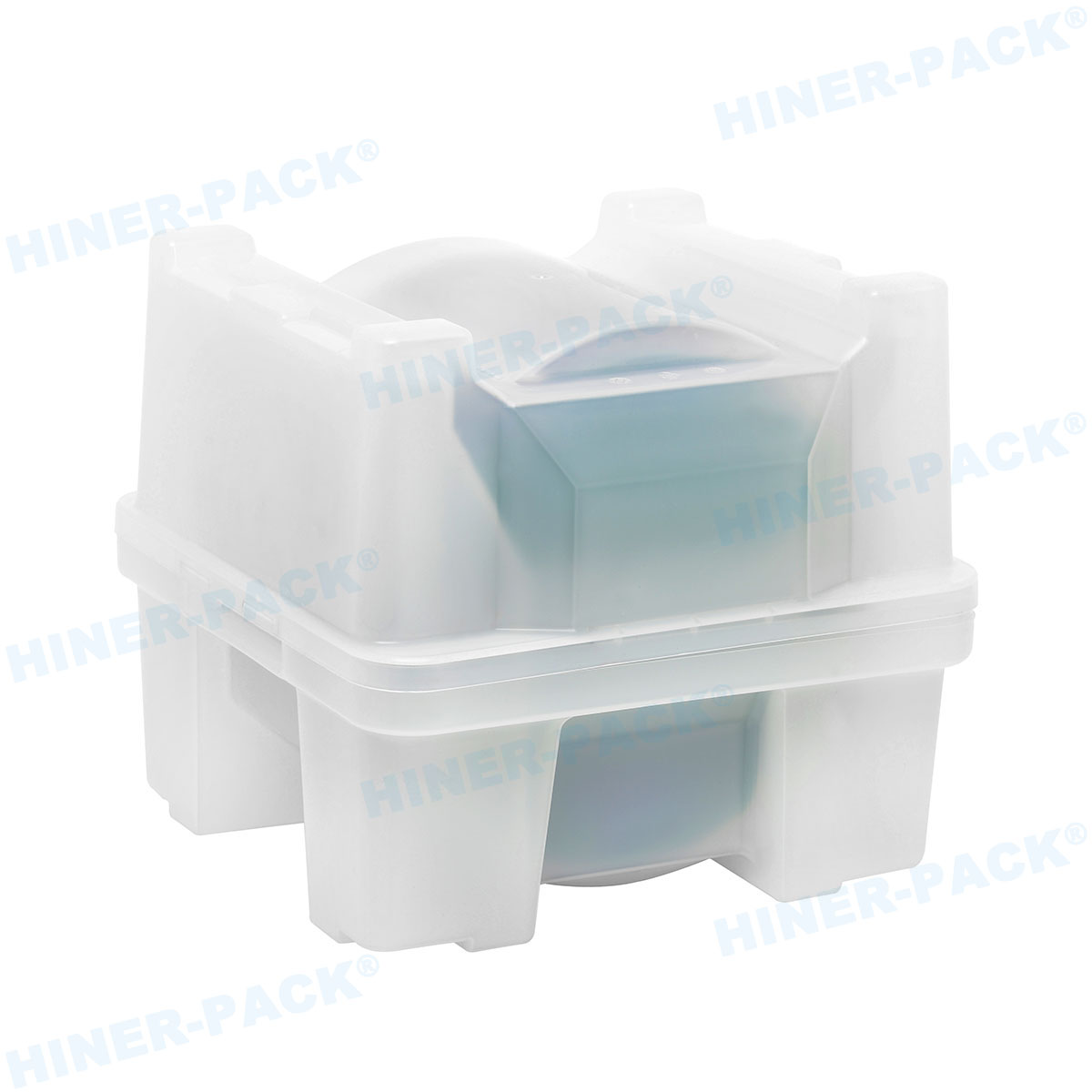
For high‑volume semiconductor manufacturers and OSAT facilities, wafer shippers are not a discretionary consumable—they are a critical component of the supply chain that directly impacts die protection and yield. The decision to buy wafer shippers in bulk involves complex trade‑offs between unit price, inventory carrying costs, and quality consistency. Unlike one‑off purchases, bulk procurement requires a deep understanding of material science, packaging standards (SEMI E15, E62, E179), and the supplier’s ability to maintain dimensional tolerances across thousands of units. This article provides a data‑driven framework for semiconductor professionals evaluating volume contracts for wafer shippers, with specific focus on technical specifications, failure modes, and supplier qualification.
Technical and Economic Drivers for Bulk Purchasing
When a fab decides to buy wafer shippers in bulk, the immediate motivation is often cost reduction. However, the economics extend far beyond the invoice line item. A comprehensive total cost of ownership (TCO) model must include:
Unit price elasticity: Volume discounts typically range from 15% to 30% for annual contracts covering 5,000+ FOSBs.
Inventory carrying cost: Warehousing cleanroom‑certified shippers requires humidity‑ and temperature‑controlled space, which adds 8‑12% annually to the purchase value.
Quality hold costs: If a batch fails incoming particle inspection, the entire inventory may be quarantined, disrupting fab throughput.
Transportation and logistics: Consolidating shipments reduces freight cost per unit, especially for international sourcing.
Beyond economics, bulk agreements with certified suppliers like Hiner‑pack guarantee that each shipper meets the same rigorous standards as the first article—essential for maintaining low defect densities in advanced nodes.
Quality Consistency Across Volume Lots
One of the greatest risks when you buy wafer shippers in bulk is lot‑to‑lot variation. Injection molding tools wear over time, and slight changes in melt temperature or cooling rate can alter the warpage of the kinematic coupling interface. A qualified supplier implements statistical process control (SPC) on critical dimensions: wafer pocket depth, door sealing force, and kinematic pin location. Hiner‑pack, for instance, uses automated optical inspection on every shipper produced for bulk orders, ensuring that each unit’s dimensional data is traceable to the molding cycle. This level of control prevents mis‑picks by the automated material handling system (AMHS) and reduces wafer edge chipping.
Critical Specifications for Bulk‑Procured Wafer Shippers
When negotiating a volume contract, the purchasing team must verify that the shippers comply with the latest SEMI standards and the fab’s internal specifications. Below are the key technical parameters that separate commodity boxes from OEM‑grade shippers.
SEMI Compliance and Dimensional Tolerances
FOSB (Front Opening Shipping Box) standards: SEMI E179 defines the interface for 300 mm shipping boxes, including the outer profile, door latch geometry, and stacking features. Bulk shippers must maintain ±0.2 mm on critical datums to fit automated de‑nesters and load ports.
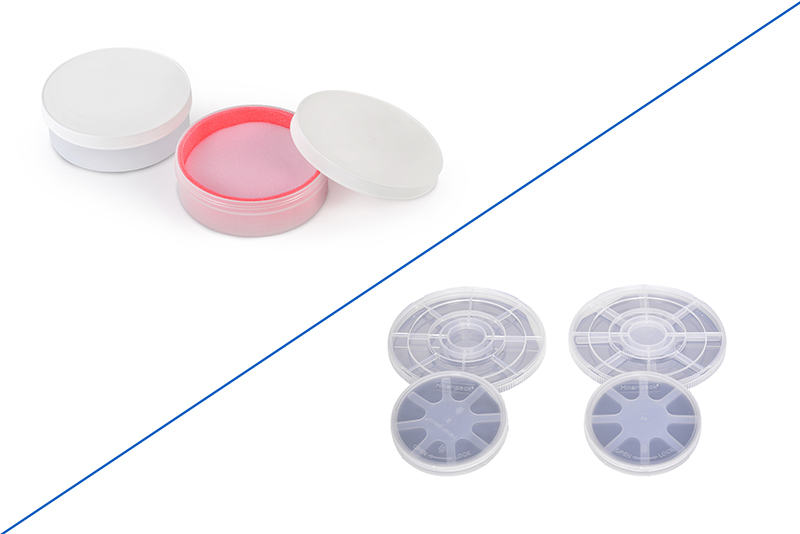
Wafer support cushions: The cushions, typically made of conductive polyetheretherketone (PEEK) or polypropylene, must exert uniform pressure on the wafer edge. Cushion hardness and shape retention after 100,000 compression cycles are vital for long‑term use. Suppliers like Hiner‑pack provide test reports showing cushion compression set below 2%.
Cleanliness certification: Each shipper should be double‑bagged in a Class 10 cleanroom and certified for particles ≥ 0.1 µm. A bulk purchase agreement should specify acceptable quality limits (AQL) for particle adders, often set at ≤ 10 particles per cubic foot.
Material Properties and Outgassing Control
The polymer resin used in wafer shippers must balance electrostatic discharge (ESD) protection with low outgassing. Conductive fillers—carbon nanotubes, carbon fiber, or specialty carbon black—are compounded to achieve surface resistivity between 10⁴ and 10⁹ Ω/sq. However, the filler content can increase moisture absorption and outgassing of organic species. When you buy wafer shippers in bulk, insist on material lot certificates and outgassing data per SEMI F30 (thermal desorption GC‑MS). Hiner‑pack uses a proprietary conductive polycarbonate blend that reduces extractable metals (Na, Fe, Ni) below 1 ppb, safeguarding sensitive gate oxides during long‑term storage.
Mechanical Robustness and Stacking Strength
Bulk shipments often involve palletizing hundreds of empty shippers. Each FOSB must withstand a top load of at least 200 N without permanent deformation to protect wafers stored inside. Compression testing per ASTM D642 is a standard requirement. Additionally, the boxes should survive vibration profiles defined in ISTA 2A or 3E to simulate truck or air freight. Suppliers for high‑volume fabs provide finite element analysis (FEA) data on rib designs that maximize stiffness while minimizing weight.
Industry Pain Points Addressed by Bulk Procurement
Operating a 300 mm fab with a throughput of 50,000 wafer starts per month consumes thousands of shippers annually. Inefficient sourcing of these carriers leads to several operational headaches that a well‑structured bulk purchase can mitigate.
Inventory Shortages and Production Stoppage
Pain point: Running out of qualified FOSBs forces a fab to delay shipments of completed wafers to the backend, causing revenue loss.
Solution: Bulk contracts often include a consignment stock or vendor‑managed inventory (VMI) program. The supplier holds a buffer stock at a nearby hub, releasing units against a blanket purchase order with 24‑hour lead time. Hiner‑pack offers such VMI services for clients in major semiconductor hubs, ensuring continuity even during demand spikes.
Inconsistent Quality Across Batches
Pain point: Receiving a lot of 500 shippers where 20% fail incoming particle count due to mold contamination.
Solution: A well‑written bulk purchase agreement mandates that each lot be accompanied by a cleanroom test report. It also defines the process for quarantine and replacement of non‑conforming units. Top suppliers for buying wafer shippers in bulk perform 100% inspection of critical surfaces using automated vision systems, reducing the risk of field failures.
Rising Costs Due to Design Changes
Pain point: A fab updates its load port hardware and discovers that the old shipper door latch no longer mates correctly.
Solution: Bulk procurement should include a design freeze clause or an engineering change notification (ECN) process. The supplier agrees to notify the buyer of any material or dimensional changes at least 90 days in advance, allowing time for re‑qualification. Hiner‑pack maintains a dedicated engineering liaison for each bulk customer, ensuring that shipper designs evolve with fab requirements.
Selecting a Supplier for High‑Volume Wafer Shipper Contracts
The decision to buy wafer shippers in bulk is ultimately a decision to partner with a supplier for the long term. The evaluation process must go beyond commercial terms to include technical depth and operational reliability.
Auditing Supplier Cleanroom and Manufacturing Capabilities
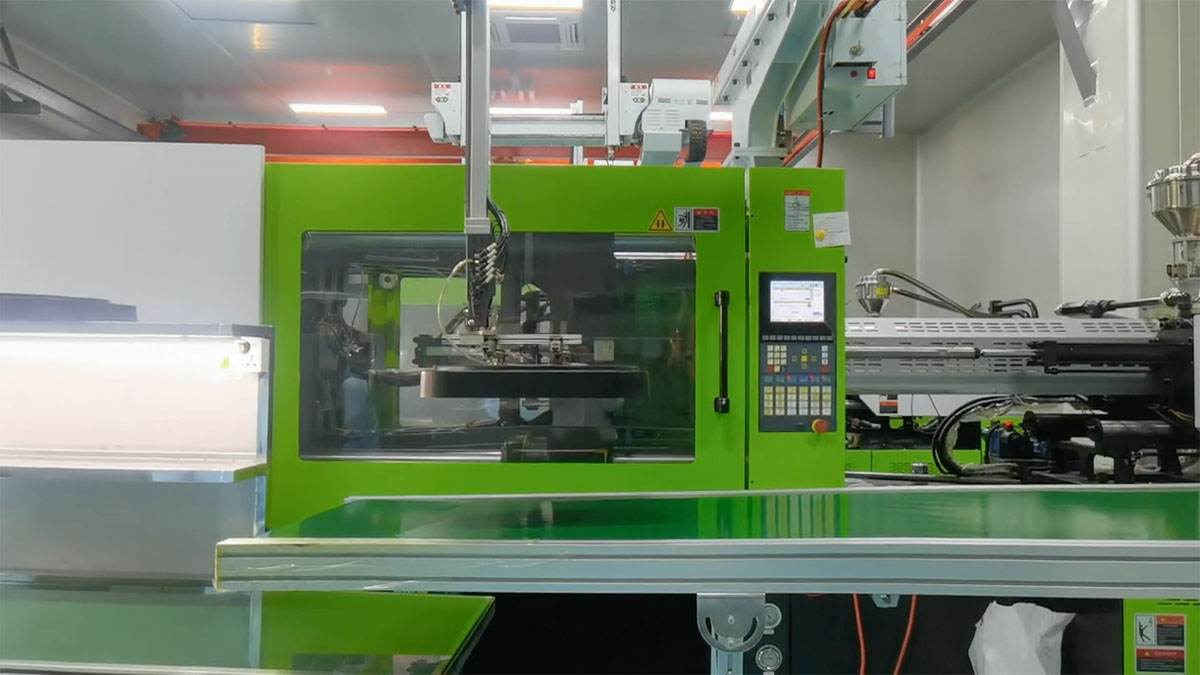
Visit the supplier’s molding facility and verify that the cleanroom environment meets ISO Class 5 or better. Check that the molding machines are equipped with real‑time process monitoring and that the finished goods are stored in nitrogen‑purged cabinets to prevent moisture absorption. A supplier like Hiner‑pack operates multiple ISO‑certified cleanrooms in Asia and North America, with full traceability from raw resin to finished box.
Customization and Engineering Support
Bulk buyers often require modifications—such as custom RFID tag placement, a specific cushion hardness for thin wafers (under 100 µm), or a bar‑code engraving on the door. The supplier should have in‑house tool modification capability and a rapid prototyping service to validate changes before mass production. Hiner‑pack’s engineering team collaborates with fabs to optimize shipper designs for 3D NAND and logic applications, reducing cycle time for new product introductions.
Global Logistics and Tariff Management
Given the geopolitical landscape, bulk buyers must assess the supplier’s ability to navigate trade restrictions. A multi‑site manufacturing footprint allows the supplier to shift production to avoid tariffs or supply chain disruptions. When you negotiate a bulk contract, ask about the country of origin for raw materials and final assembly. Hiner‑pack sources resins globally but maintains final assembly in bonded warehouses, providing flexibility in customs clearance.
Best Practices for Structuring a Bulk Purchase Agreement
To maximize the benefits of bulk procurement, semiconductor supply chain managers should incorporate the following elements into their contracts:
Volume flexibility: A firm commitment for 80% of the estimated volume, with an option to increase by 20% at the same unit price.
Quality escrow: Samples from each production lot are retained for six months for arbitration in case of field failures.
Audit rights: The buyer can conduct unannounced audits of the supplier’s cleanroom and quality records.
Cost reduction roadmap: Agree on annual price reductions based on learning curve and material cost savings.
With such provisions, the decision to buy wafer shippers in bulk becomes a strategic enabler rather than a mere purchasing exercise.
Frequently Asked Questions
Q1: What is the minimum order quantity to qualify for bulk pricing on wafer shippers?
A1: Bulk pricing thresholds vary by supplier, but typically you need to commit to at least 1,000 to 2,000 units per year for FOSBs. For single‑wafer shippers, the threshold may be higher (5,000+). Hiner‑pack offers tiered pricing based on annual volume, with discounts starting at 1,000 pieces.
Q2: How do I ensure that bulk‑purchased shippers maintain cleanliness after long storage?
A2: Shippers should be stored in a clean, dry environment (relative humidity < 50%) and kept in their original sealed bags until use. Some bulk buyers request that the supplier nitrogen‑purge the bags before sealing. It is also advisable to rotate stock on a first‑in, first‑out basis to prevent degradation of antistatic properties.
Q3: Can I mix different shipper types (FOSB, single‑wafer, 200 mm) in one bulk order?
A3: Yes, many suppliers offer volume discounts across their product portfolio. When you buy wafer shippers in bulk, you can combine different SKUs to reach the volume threshold. Hiner‑pack provides a consolidated pricing model for mixed shipments, simplifying logistics.
Q4: What tests should be performed on the first article from a bulk production lot?
A4: The first article should undergo dimensional inspection (CMM), particle fallout test, surface resistivity measurement, and outgassing analysis. Also, a small sample should be run through the fab’s load port to confirm automation compatibility. These tests ensure that the bulk lot replicates the approved sample.
Q5: How long does it typically take to receive a bulk order of customized shippers?
A5: For standard designs, lead times are 4‑6 weeks after receipt of a purchase order. Customized shippers requiring new mold inserts may take 12‑16 weeks, including sampling and qualification. Hiner‑pack offers expedited sampling for urgent requirements, often within 2 weeks.
Q6: What are the cost advantages of buying in bulk compared to just‑in‑time orders?
A6: Bulk buying typically reduces unit cost by 15‑25% due to economies of scale in materials and manufacturing. Additionally, it reduces administrative overhead per order and can secure freight consolidation savings. However, it must be balanced against inventory holding costs. A TCO analysis should guide the decision.
Q7: Are there specific environmental regulations affecting bulk wafer shippers?
A7: Yes, regulations such as RoHS and REACH restrict certain flame retardants and plasticizers. Ensure your supplier provides declarations of compliance. Hiner‑pack certifies that all materials meet current EU and Asia‑Pacific environmental standards, and they offer halogen‑free options upon request.
For semiconductor companies scaling to meet global chip demand, the ability to buy wafer shippers in bulk with confidence is a competitive advantage. It requires rigorous supplier qualification, clear technical specifications, and a partnership approach that aligns quality with cost efficiency. By focusing on material science, dimensional control, and logistics flexibility, fabs can protect billions of dollars of work‑in‑progress and ensure seamless inter‑fab transfers. Partnering with an experienced manufacturer like Hiner‑pack provides the technical depth and supply chain resilience needed for today’s high‑mix, high‑volume production environment.