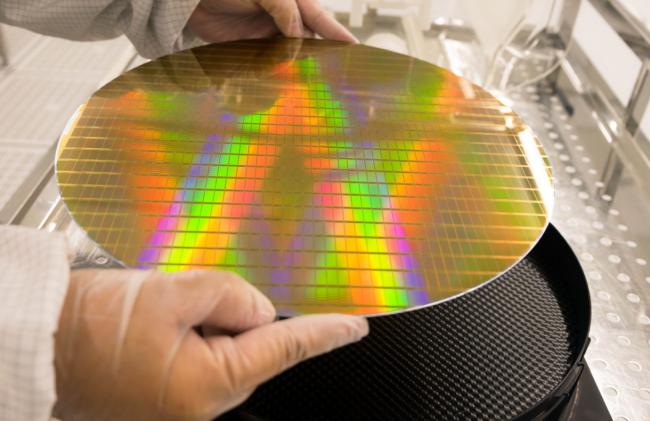
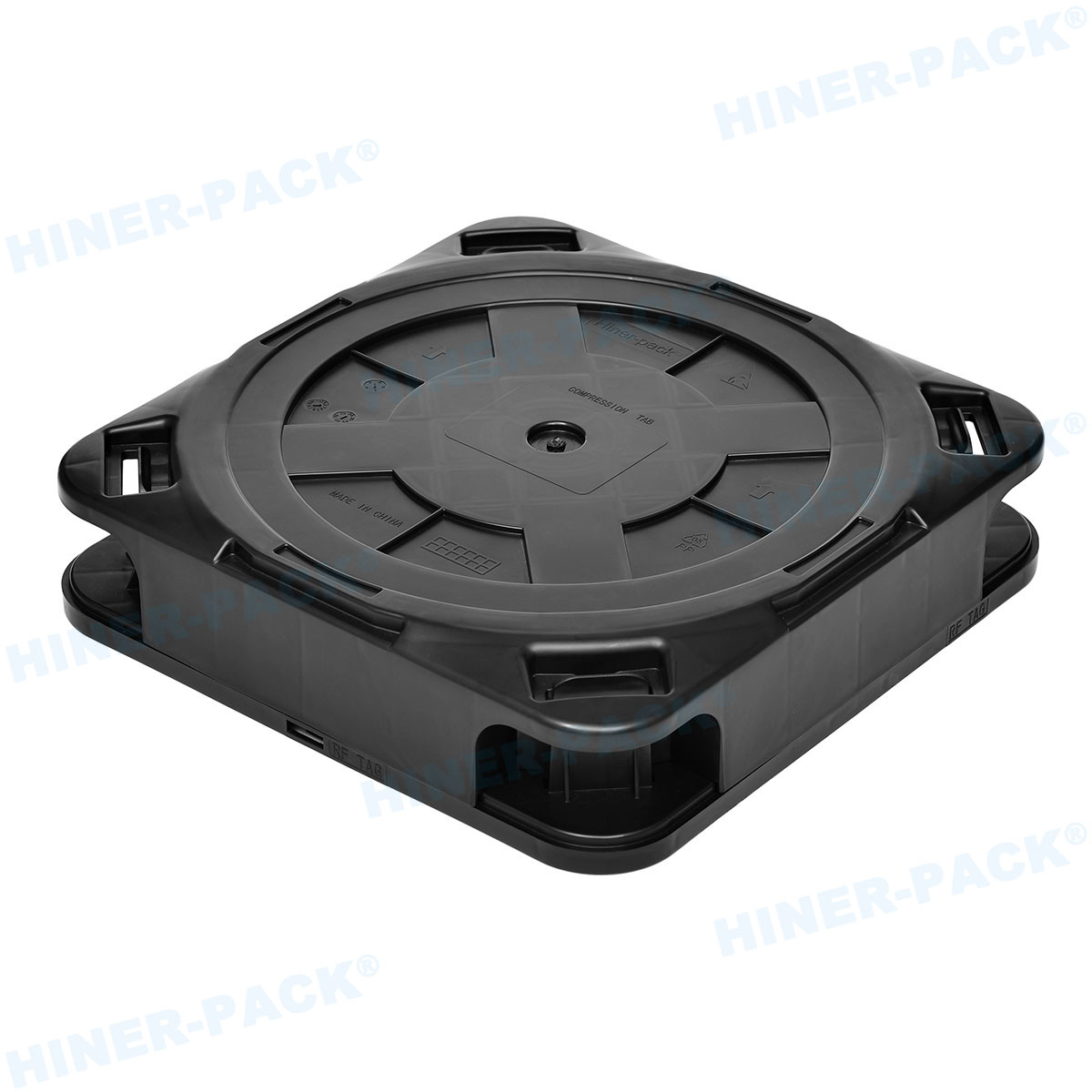
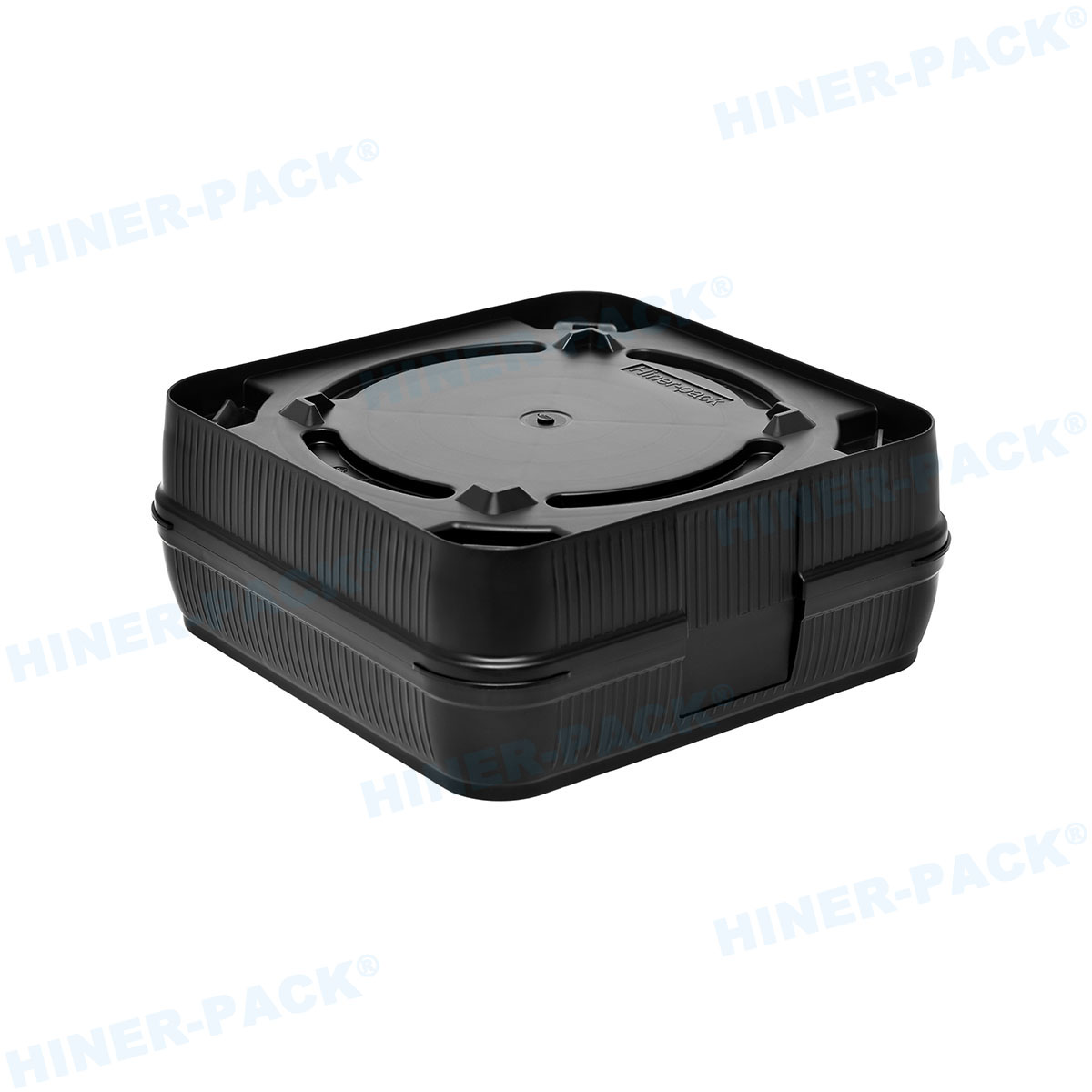
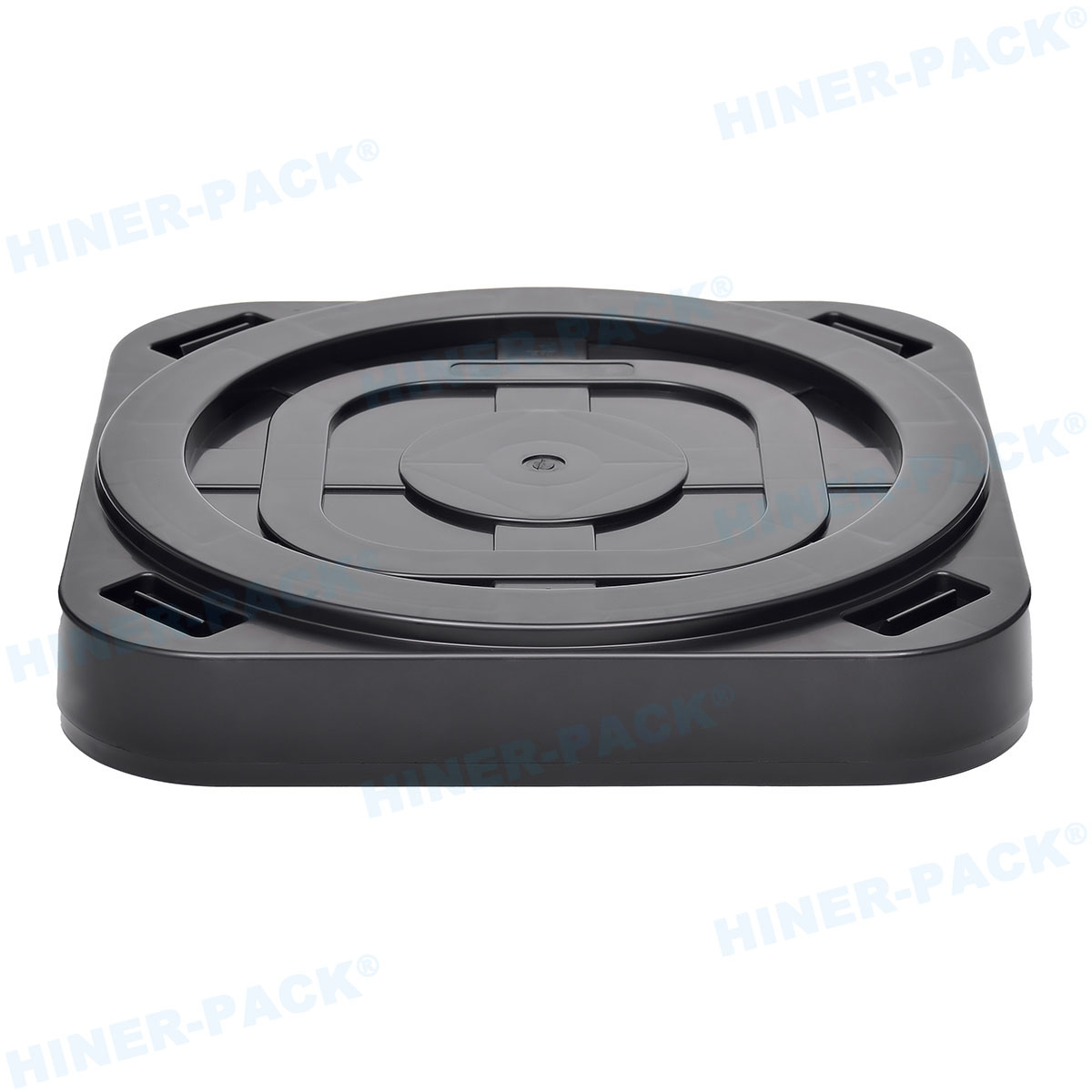
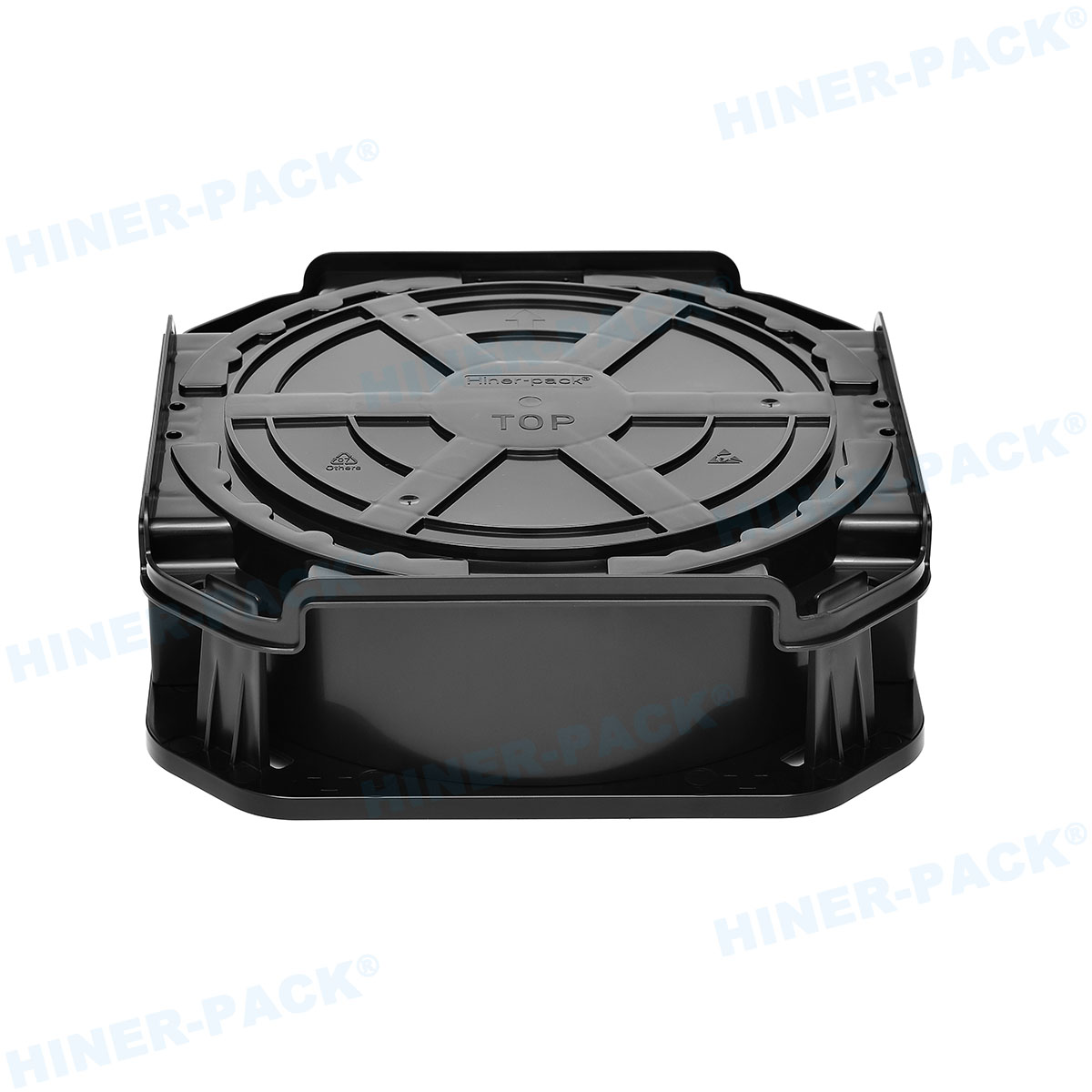
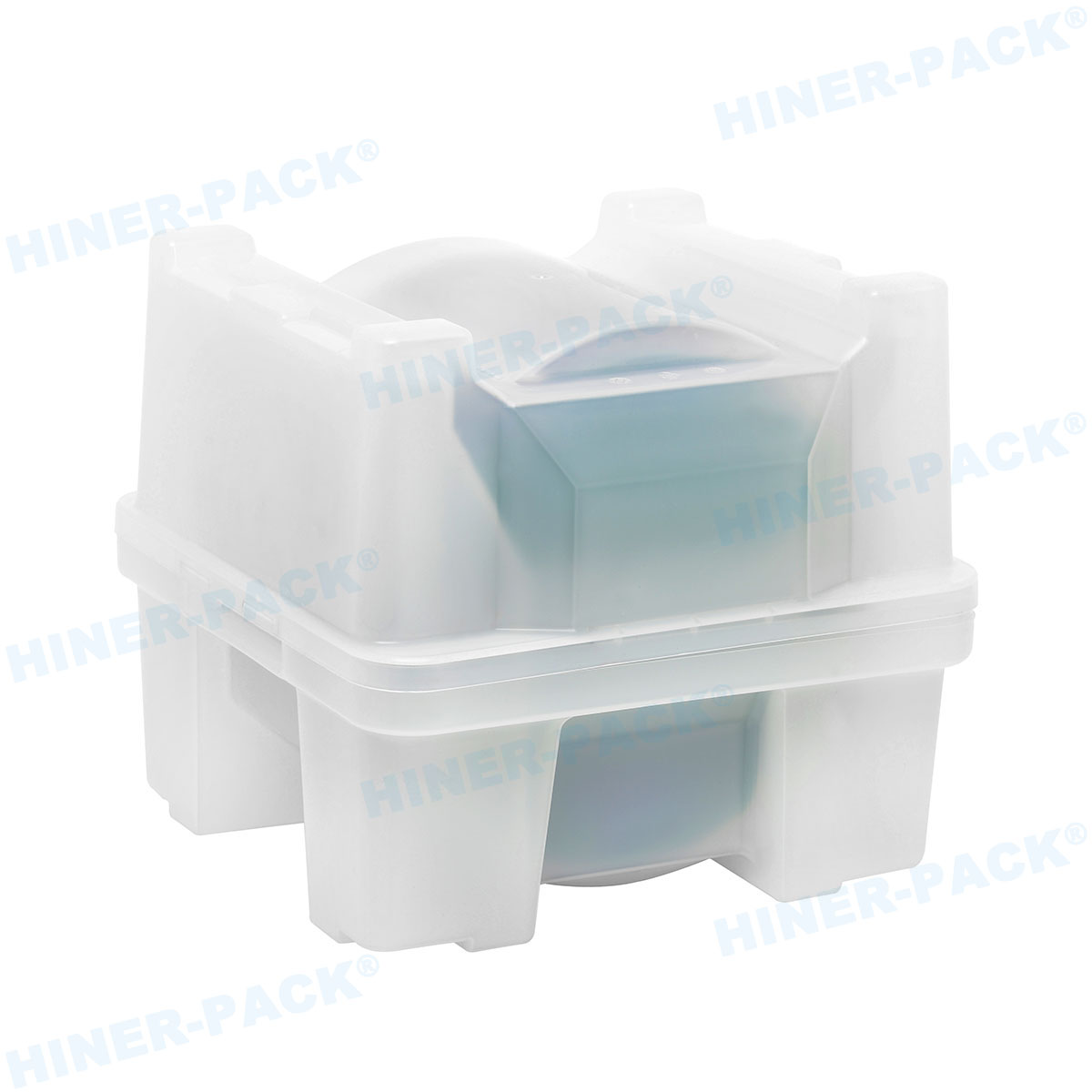
In semiconductor manufacturing, temperature excursion is a silent yield killer. Epoxy molding compounds, flux residues, and advanced photoresists exhibit glass transition behaviors that, if disturbed during transit, can lead to die delamination, outgassing inconsistencies, or mask pattern distortion. For high-value shipments—300mm wafers, EUV reticles, or wafer-level packages—a deviation of ±2°C from specified range can render an entire lot unsalvageable. This is why engineered temperature-controlled shippers have become non-negotiable assets in global semiconductor supply chains. Hiner-pack integrates thermal engineering with semiconductor-specific contamination control, delivering solutions that maintain temperature fidelity from fab to fab.
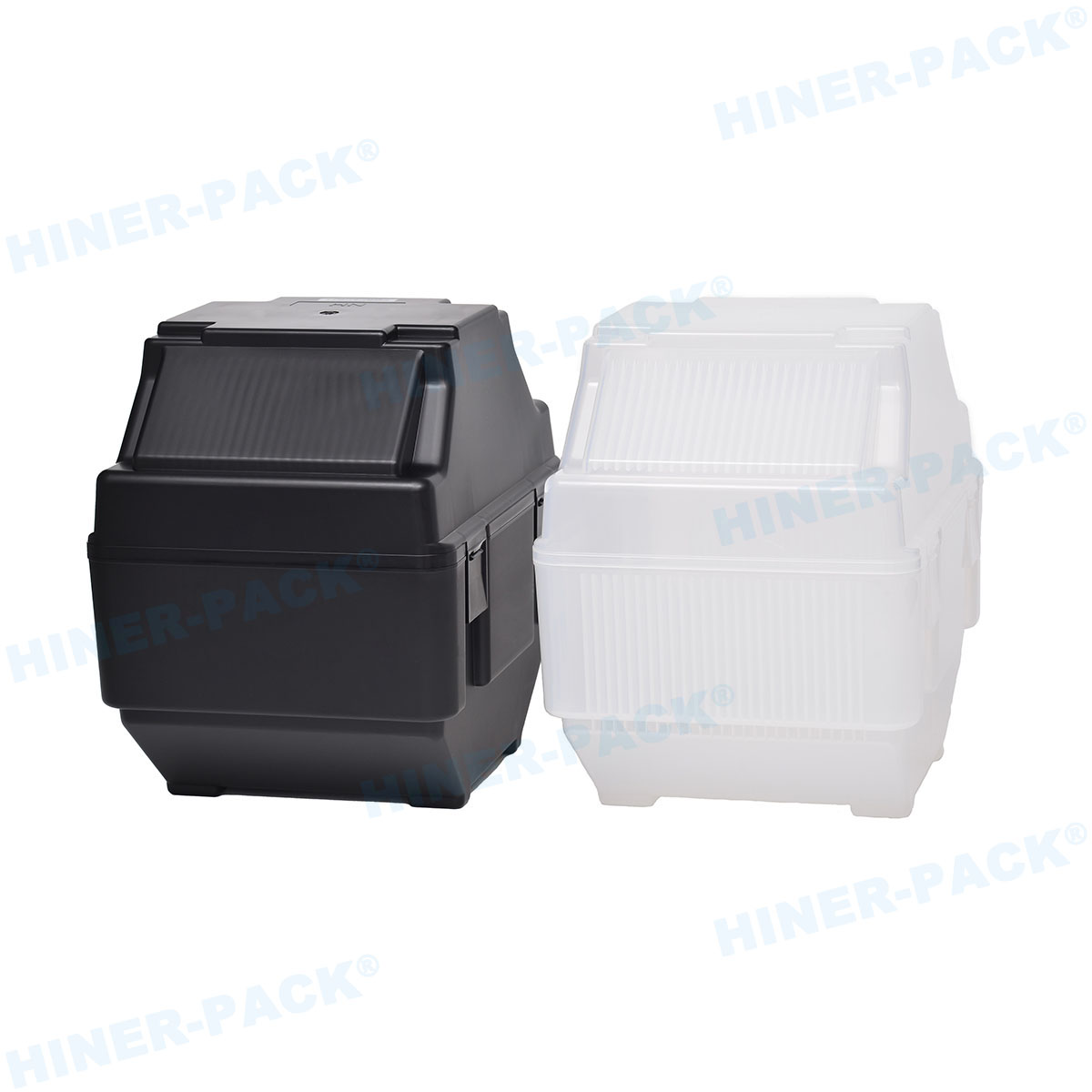
1. Thermal Sensitivity in Semiconductor Logistics: Beyond Ambient Fluctuations
Unlike standard pharmaceutical cold chains, semiconductor temperature requirements are both narrower and more material-specific. A typical wafer shipment may mandate 22°C ± 1.5°C to prevent moisture absorption in hygroscopic low-k dielectrics, while solder bump arrays require storage below -40°C to avoid intermetallic degradation. Industry data indicates that 18% of semiconductor quality excursions are linked to uncontrolled temperature exposure during transport. Key risk factors include:
Phase transitions in polymer dielectrics: Even short-term exposure above Tg (glass transition) can induce stress voids.
Outgassing variability: Temperature spikes increase volatile organic compounds (VOCs) that deposit on wafer surfaces.
Moisture ingress: Thermal cycling during air freight can cause condensation inside sealed carriers, promoting corrosion.
Mechanical warpage: Temperature gradients across stacked FOUPs or reticle pods induce differential expansion, leading to micro-cracks.
Generic insulated containers or ice-pack solutions lack the precision and data traceability required for advanced nodes. True temperature-controlled shippers incorporate validated thermal barriers, phase change materials (PCMs), and often active monitoring to ensure end-to-end compliance with customer-supplier quality agreements.
2. Core Technologies in High-Performance Temperature-Controlled Shippers
2.1 Phase Change Materials (PCM) and Thermal Buffering
Modern passive temperature-controlled shippers leverage engineered PCMs with precise melting points. For semiconductor applications, common PCM formulations include paraffin-based blends for 0°C to 25°C ranges and salt-hydrate systems for -20°C to -10°C applications. These materials absorb or release latent heat during phase transition, maintaining interior temperature within a narrow band for 72–120 hours depending on insulation thickness. Advanced designs incorporate multi-PCM compartments to handle both low and high ambient extremes during multimodal transport (truck, air, warehousing).
2.2 Vacuum Insulation Panels (VIPs) vs. Polyurethane Foam
Thermal resistance (R-value) directly impacts payload stability. Vacuum insulation panels offer three to five times the thermal performance of conventional polyurethane foam at equivalent thickness, reducing external package footprint by up to 40%—critical when shipping via air freight where dimensional weight governs cost. However, VIPs are susceptible to puncture and performance degradation over time. Leading temperature-controlled shippers often employ hybrid construction: VIP core for primary insulation with an outer layer of closed-cell foam to protect against mechanical damage and ensure durability across multiple reuse cycles.
2.3 Active Systems: Compressor-Based and Thermoelectric
For shipments exceeding five days or when extreme ambient conditions are anticipated (e.g., desert or arctic routes), active temperature-controlled shippers provide real-time refrigeration or heating. Thermoelectric (Peltier) modules offer precise temperature control without compressor vibration—critical for MEMS and optical components sensitive to mechanical noise. Compressor-based units, while heavier, deliver superior cooling capacity for bulk payloads such as wafer cassettes or multiple reticle boxes. Both systems integrate with telemetry platforms, enabling remote setpoint adjustment and contingency management during transit delays.
2.4 Data Logging and IoT Integration
Regulatory and quality standards (SEMI E176, ICH Q1A) demand proof of temperature integrity. Modern temperature-controlled shippers are embedded with multi-sensor data loggers that record temperature, humidity, shock, and tilt at intervals as frequent as every 30 seconds. These loggers transmit data via cellular or satellite to cloud platforms, enabling proactive intervention. When combined with GPS tracking, logistics teams can redirect shipments or prepare expedited inspection upon arrival if a deviation is detected.
3. Industry-Specific Applications and Qualification Protocols
The semiconductor cold chain is not monolithic; each application demands a tailored thermal strategy:
Advanced logic wafers (7nm and below): Strict 20°C–24°C range to maintain photoresist stability and avoid micro-bridging. Shippers must also meet SEMI E89 ESD requirements, often combining carbon-loaded shells with PCM inserts.
EUV photomasks: Require 22°C ± 0.5°C with extremely low outgassing. Specialized temperature-controlled shippers employ PFA-coated interiors and active temperature stabilization to prevent pellicle sag.
Wafer-level packaging (WLP): Bumped wafers require storage below -40°C to preserve solder integrity. Here, dry ice or liquid nitrogen-based passive systems are used, with advanced vacuum insulation to minimize sublimation rates.
Epoxy and die attach materials: Many adhesives require continuous 2°C–8°C storage to prevent premature curing. Temperature-controlled shippers for these consumables often include thermal buffers that maintain range even during repeated warehouse door openings.
Qualification of a temperature-controlled shipper for semiconductor use follows rigorous protocols based on ISTA 7E (thermal transport) and ASTM D4169. Leading suppliers like Hiner-pack conduct seasonal profiling—summer and winter mapping—to validate performance across the actual global lanes used by clients. This includes dynamic testing under vibration and altitude pressure changes simulating aircraft cargo holds.
4. Economic Rationale: Total Cost of Ownership (TCO) Analysis
While the per-use cost of a premium temperature-controlled shipper may be 3–5x higher than a simple insulated box, the TCO perspective reveals substantial savings:
Excursion avoidance: A single rejected 300mm wafer lot (25 wafers) at 5nm node represents $500,000–$750,000 in loss. Thermal integrity eliminates this risk.
Reusability: High-quality passive shippers designed for 100+ cycles reduce per-shipment packaging cost by 60% after the first year.
Insurance and liability: Carriers and insurers offer reduced premiums for shipments using validated, data-logging temperature-controlled shippers due to lower claims history.
Supply chain resilience: Real-time thermal monitoring prevents costly last-minute testing or quarantine upon arrival, improving on-time delivery metrics.
An internal study by a major IDM showed that switching from dry ice-based packaging to reusable PCM-based temperature-controlled shippers for their wafer-level packaging shipments reduced annual logistics costs by 22% while eliminating 97% of temperature-related quality alerts.
5. Validation, Compliance, and Documentation Standards
Semiconductor customers demand strict adherence to international standards. Key compliance frameworks include:
SEMI E15 (Environmental, Health, and Safety): Specifies material purity and outgassing limits for shipping components in contact with wafers or masks.
ISTA 7D / 7E: Standardized thermal performance testing for refrigerated and temperature-controlled packages.
ISO 23412:2020: International standard for indirect temperature-controlled refrigerated delivery services.
GDP (Good Distribution Practice) for medical devices: Often applied when shipping semiconductor components intended for implantable or critical medical applications.
Documentation packages typically include thermal mapping reports, material certificates, cleaning validation (for reusable units), and a certificate of conformance. Hiner-pack provides fully traceable validation dossiers with each shipment, aligning with automotive IATF 16949 expectations for semiconductor suppliers.
6. Future Trends: Sustainable Cold Chain and Predictive Thermal Modeling
The industry is moving toward sustainable temperature-controlled shippers. Single-use expanded polystyrene (EPS) is being replaced by recyclable polypropylene or polyurethane systems with reduced carbon footprint. Additionally, machine learning models now predict thermal performance based on historical route data, ambient forecasts, and real-time telemetry, allowing dynamic route adjustments. Temperature-controlled shippers are also shrinking in size while increasing insulation efficiency, enabling more direct-to-tool delivery without intermediate warehousing.
Another frontier is the integration of active temperature control with miniaturized compressed CO2 systems, offering precise cooling for high-value individual reticles or engineering samples without the weight of traditional compressor units. These innovations align with semiconductor industry goals of reducing logistics cycle times from weeks to days while maintaining defect-free arrival.
7. The Importance of Engineering Collaboration
Selecting a temperature-controlled shipper is not a commodity procurement; it requires understanding the thermal profile of the product, the transit lane, and the handling environment. Hiner-pack employs thermal engineers who work alongside semiconductor process engineers to characterize product sensitivity, simulate thermal maps using finite element analysis, and design custom PCM combinations that match the exact time-temperature requirements. This collaborative approach ensures that the shipper is neither over-engineered (adding unnecessary cost) nor under-engineered (creating risk).
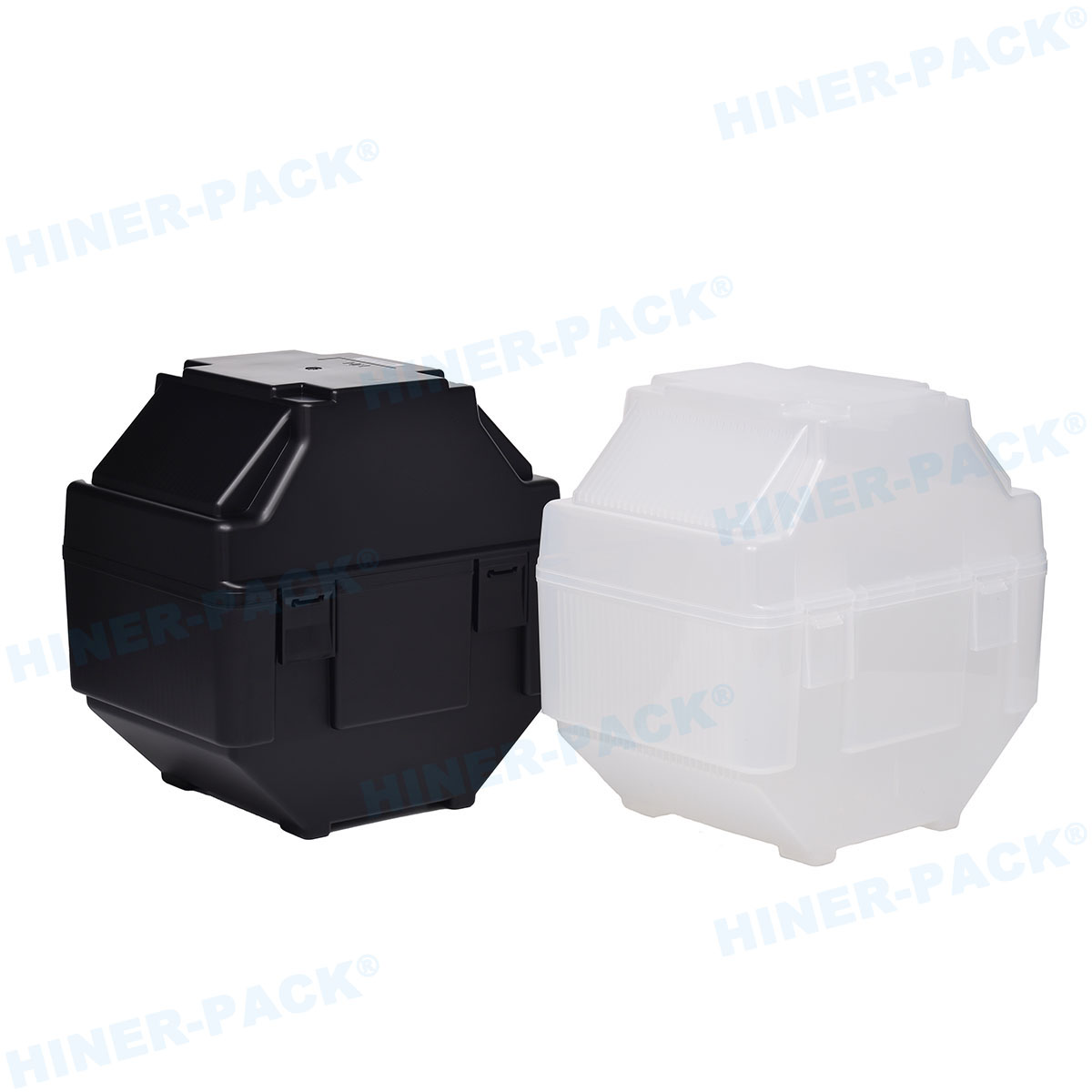
By integrating thermal solutions with wafer-specific handling features—such as conductive foam inserts and cleanroom-compatible materials—Hiner-pack delivers unified solutions that address both temperature control and particulate contamination in a single logistics asset.
Thermal Integrity as a Competitive Advantage
In semiconductor manufacturing, where profit margins hinge on yield and cycle time, temperature excursions are not mere inconveniences—they are direct threats to profitability. The transition from makeshift cold chain practices to purpose-engineered temperature-controlled shippers represents a maturation of the industry’s logistics discipline. With advanced materials, IoT-enabled monitoring, and rigorous validation, these systems ensure that the precision achieved in the fab is not compromised on the road. For semiconductor firms looking to eliminate a persistent variable in their supply chain, investing in validated, application-specific temperature-controlled shipping is a decision with measurable returns in quality, cost, and reliability.
Frequently Asked Questions (FAQ)
Q1: What is the difference between active and passive temperature-controlled shippers?
Passive temperature-controlled shippers rely on phase change materials (PCMs) and high-performance insulation to maintain temperature for a defined duration (typically 48–120 hours) without external power. Active systems incorporate refrigeration or heating elements (thermoelectric or compressor) and require a power source; they are used for extended durations, extreme ambient conditions, or when precise temperature control is required regardless of external fluctuations. In semiconductor logistics, passive systems dominate for predictable lanes, while active units are reserved for high-value, long-duration, or last-mile sensitive shipments.
Q2: How are temperature-controlled shippers validated for semiconductor use?
Validation follows ISTA 7E (standardized thermal performance testing) and often includes dynamic lane mapping—placing data loggers inside the shipper during actual transport routes across seasons. Additional testing includes altitude simulation (to account for air cargo pressure drops), vibration profiles, and door-open recovery tests. For reusable shippers, validation also verifies performance after multiple cleaning cycles. Hiner-pack provides full validation dossiers including thermal maps, material purity certificates, and cycle-life data.
Q3: Can temperature-controlled shippers be reused, and how are they cleaned?
Yes, high-end temperature-controlled shippers are designed for multiple reuse cycles—often exceeding 100 trips. Cleaning protocols depend on the materials: polyurethane and polypropylene shells can be cleaned with isopropyl alcohol wipes or mild detergents in cleanroom environments. PCM cartridges are typically removed, inspected, and reconditioned. Some models feature replaceable liners to ensure cleanliness for wafer-contact surfaces. Hiner-pack offers cleaning validation services and certification for returnable fleets.
Q4: What data is typically recorded by modern temperature-controlled shippers?
Integrated data loggers record temperature (multiple zones, including payload and ambient), relative humidity, shock (XYZ axis), tilt angle, and GPS location. Data is logged at intervals as frequent as 1–5 minutes and transmitted via cellular or satellite to cloud platforms. Real-time alerts for temperature excursions, route deviations, or prolonged door-open events allow immediate corrective actions. All data is stored in compliance with SEMI E176 and can be provided as part of quality documentation for customer review.
Q5: What are typical temperature ranges required for wafer and reticle shipments?
Requirements vary by material and process step. For standard silicon wafers with photoresist: 20°C–24°C. For EUV reticles: 22°C ± 0.5°C. For bumped wafers or solder-based packaging: -40°C or below. For epoxy and die attach adhesives: 2°C–8°C (refrigerated). Custom temperature-controlled shippers can be engineered to maintain any of these ranges with appropriate PCM selection and insulation design.
Q6: Are temperature-controlled shippers compatible with automated material handling systems (AMHS)?
Yes, when designed with automation in mind. Hiner-pack offers temperature-controlled shippers that conform to SEMI standard footprints (e.g., FOUP or reticle pod dimensions) for seamless integration with load ports, conveyors, and stockers. Features include RFID slots, barcode readability, and robotic-compatible grip points. For non-standard designs, engineering collaboration ensures compatibility without compromising thermal performance.
For technical consultation or to request thermal mapping data for specific shipping lanes, visit Hiner-pack to speak with our semiconductor cold chain engineering team.