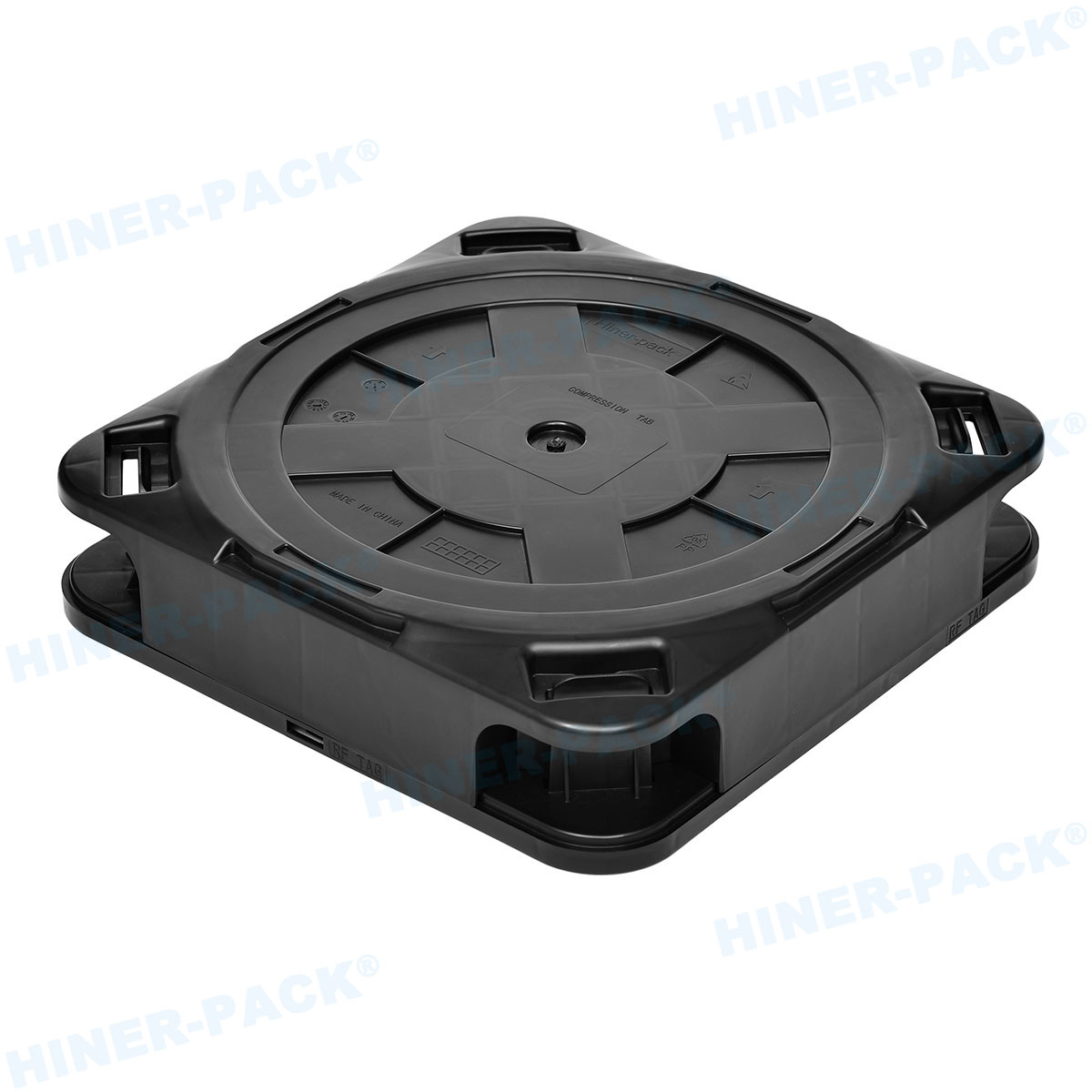
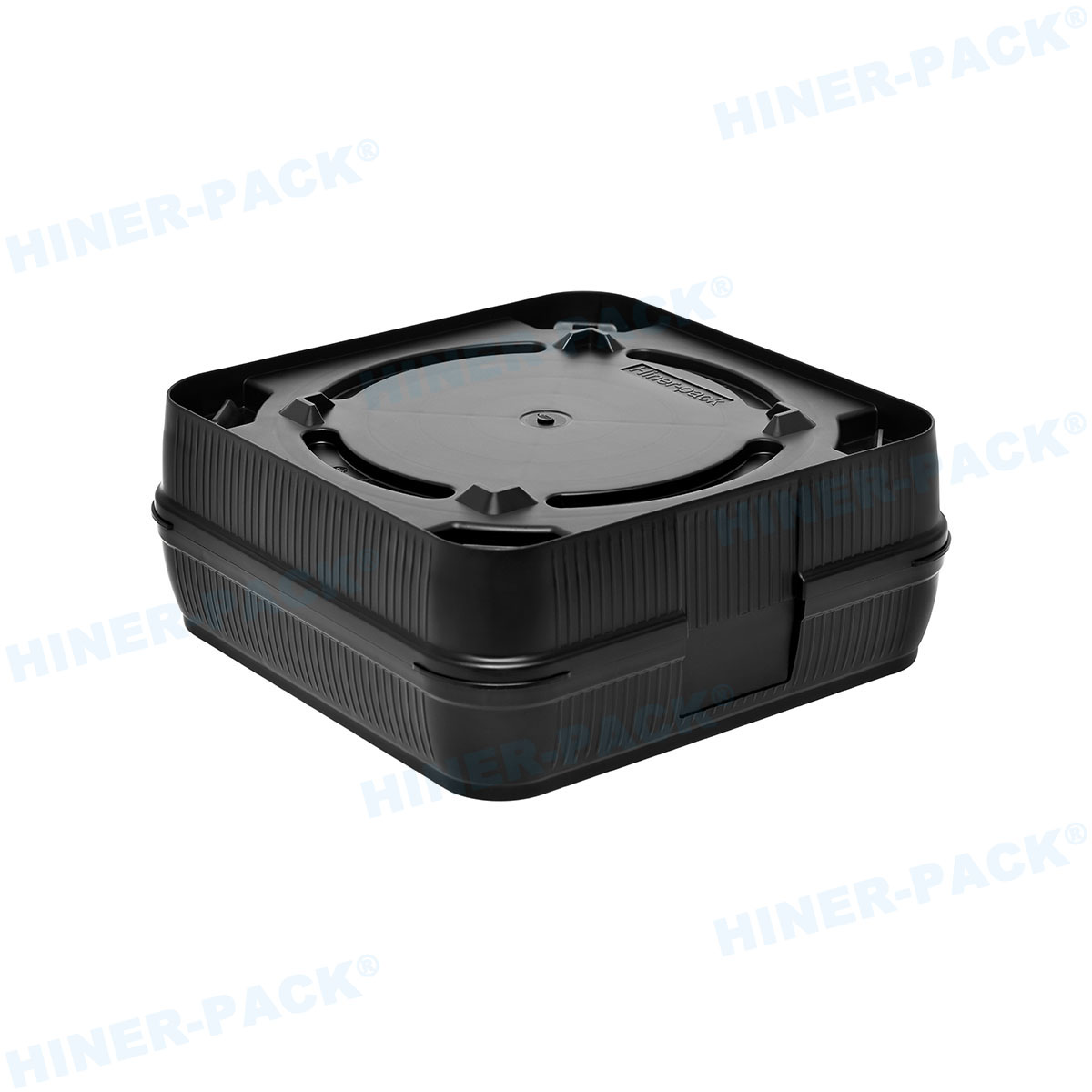
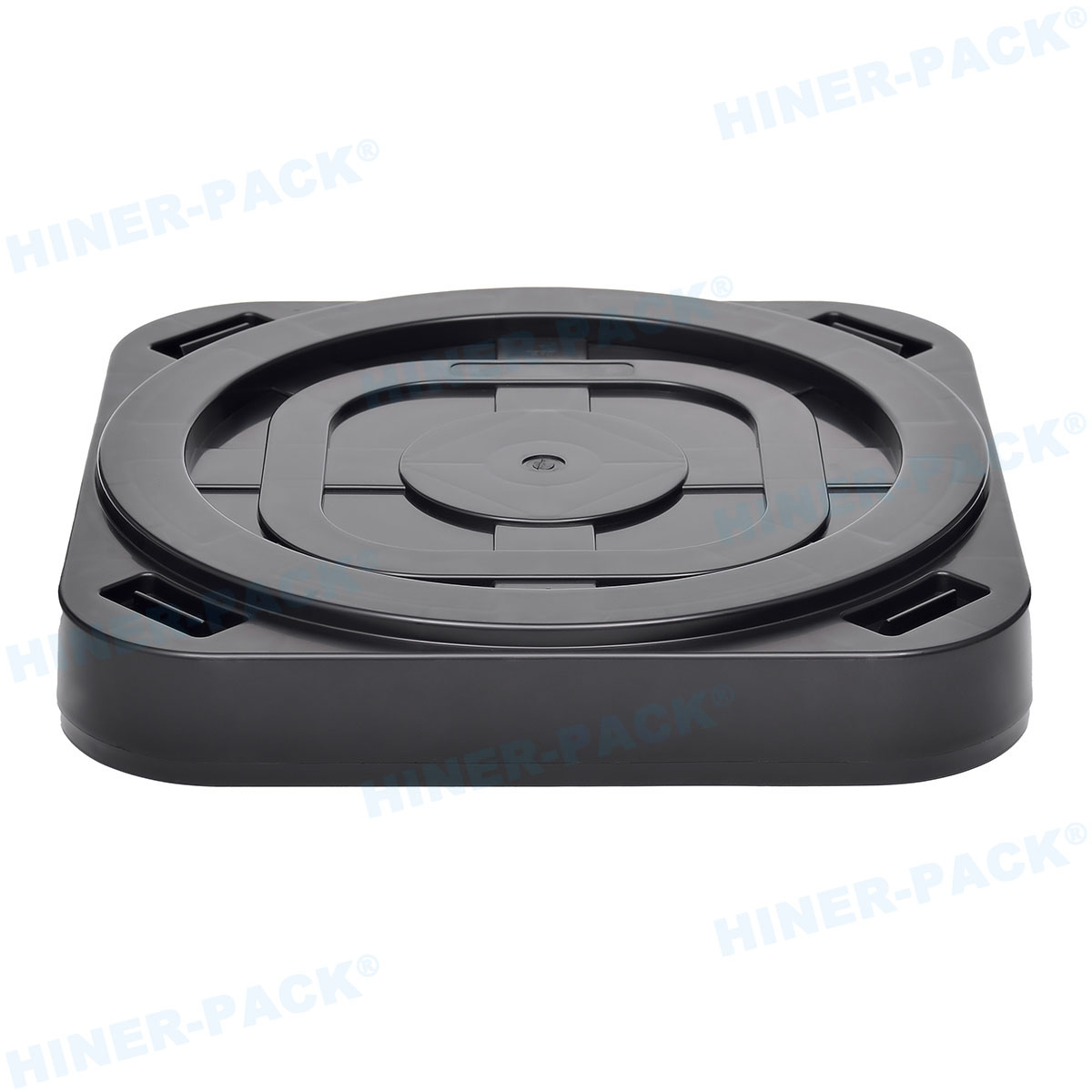
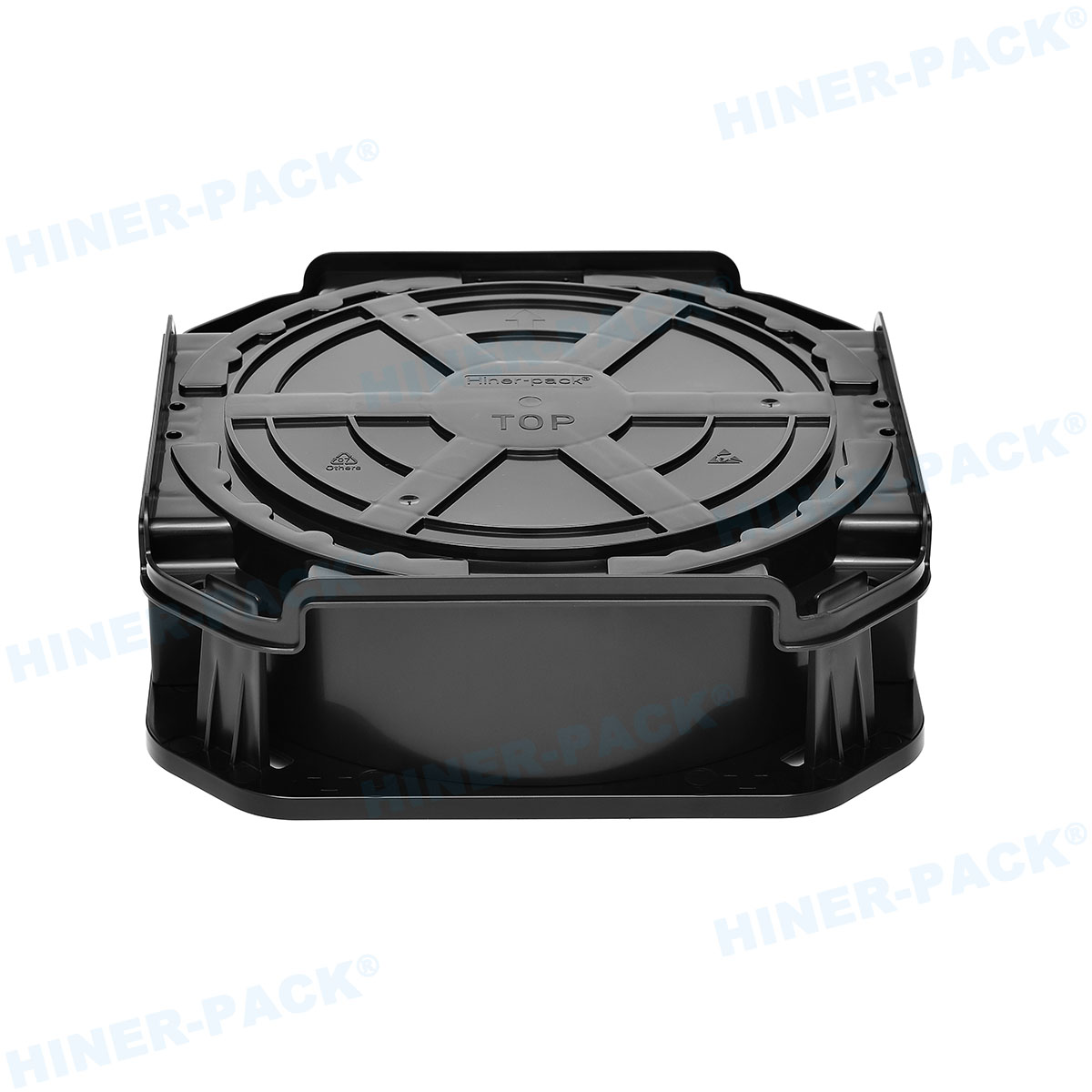
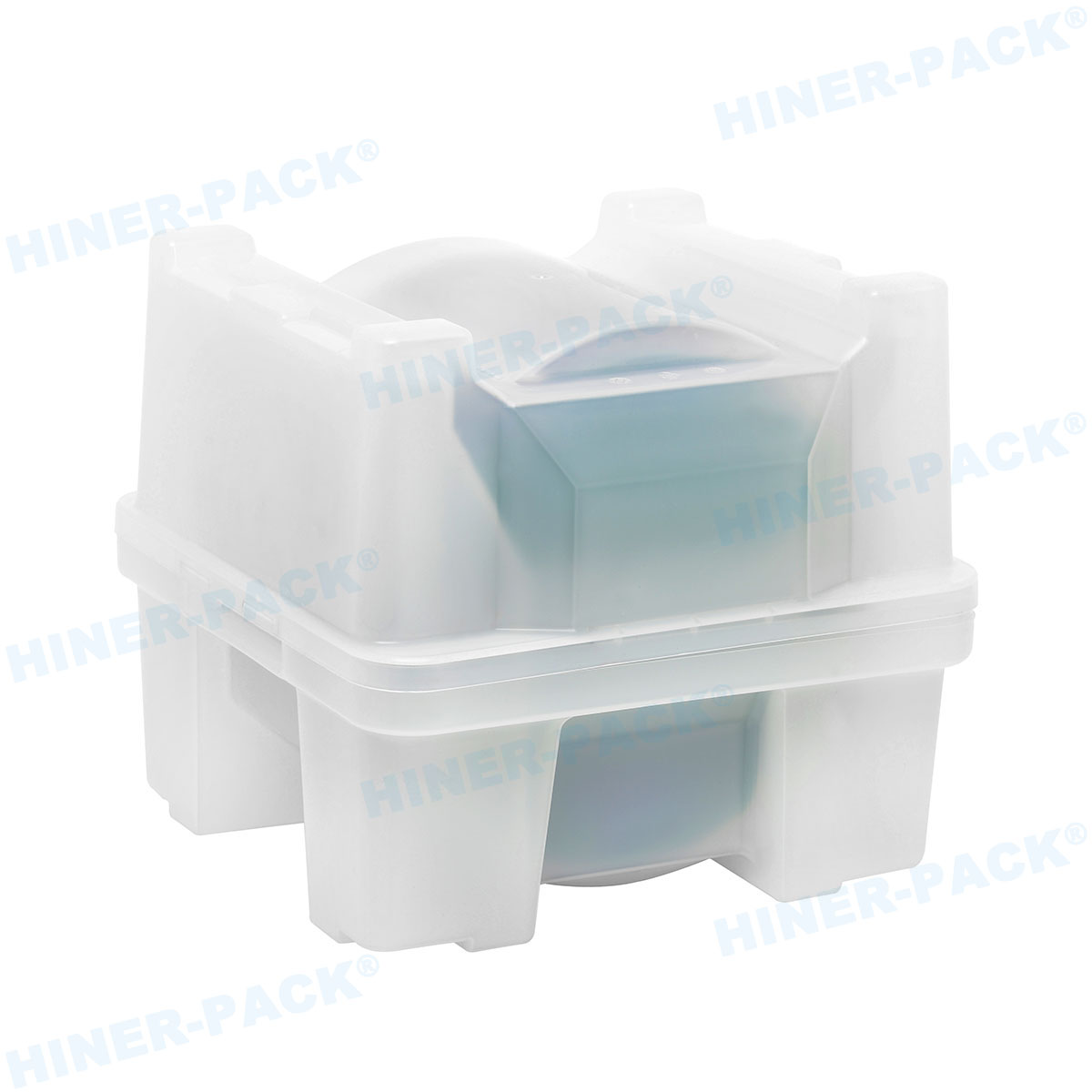
In the precise world of semiconductor manufacturing, every step in the supply chain carries immense risk. Moving valuable and fragile 6-inch wafers between fabrication facilities, assembly sites, and research labs requires a specialized container designed for maximum protection. The 6-inch Vertical Wafer Shipper is the unsung hero of this process, a critical piece of equipment engineered to preserve wafer integrity during transit. Its design directly impacts yield, contamination control, and overall operational cost.
For engineers and procurement specialists, selecting the right shipper is a technical decision, not just a logistical one. This article breaks down the key aspects of a high-performance 6-inch Vertical Wafer Shipper, focusing on the practical considerations that ensure wafers arrive in the same condition they left.
Core Design Principles of a Modern Wafer Shipper
The primary function of a 6-inch Vertical Wafer Shipper is to immobilize wafers in a fixed, vertical position. This orientation minimizes particle generation from wafer movement and prevents contact between wafer surfaces.
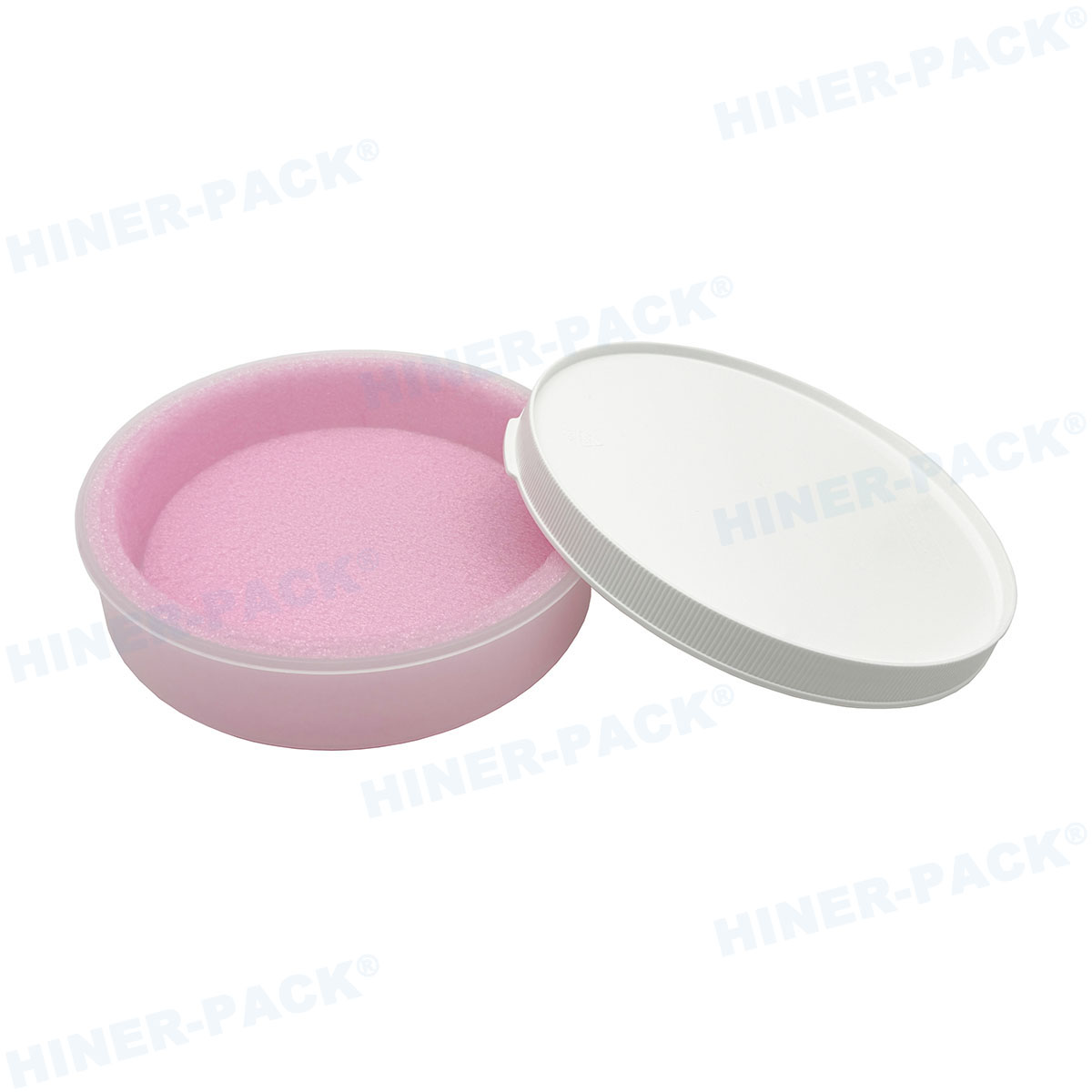
A robust design features precisely molded slots within a polycarbonate or PFA carrier. These slots must hold wafers securely without applying excessive point pressure that could lead to chipping or cracking. The carrier then fits snugly inside a durable outer shell.
This shell provides the first line of defense against physical shocks, environmental changes, and contamination. The interplay between the inner carrier and the outer shell is where engineering excellence becomes apparent.
Material Science: Building for Purity and Strength
The materials used in construction are non-negotiable. They must meet two often conflicting demands: exceptional strength and supreme cleanliness.
High-grade, static-dissipative polycarbonate is common for outer shells. It offers excellent impact resistance and can be formulated to control electrostatic discharge (ESD), a critical factor in protecting sensitive devices. For ultra-high-purity applications, perfluoroalkoxy (PFA) is the material of choice for inner components.
PFA offers extremely low levels of ionic and metallic extractables. It also has superior chemical resistance, allowing for aggressive cleaning protocols between uses. Brands like Hiner-pack invest in advanced polymer processing to ensure their materials are certified for use in Class 1 cleanroom environments straight from the packaging.
Contamination Control: The War on Particles
Particles are the arch-nemesis of wafer yield. A superior 6-inch Vertical Wafer Shipper is designed to be a particle-free environment. This starts with smooth, non-shedding interior surfaces that have no places for particles to hide.
Sealing technology is paramount. High-performance shippers use dual sealing mechanisms. A primary gasket on the door creates an airtight seal against the shell. Often, a secondary environmental seal, such as a laminated foil bag, is used for the entire container.
This double-layer approach maintains a neutral or inert atmosphere inside, shielding wafers from humidity, oxygen, and airborne molecular contamination (AMC) during transport.
Mechanical and Environmental Protection
Transport involves vibrations, drops, and pressure changes. A well-designed shipper incorporates structural ribs in the shell to absorb and distribute impact energy. Corner protectors and reinforced edges are essential.
Internally, the wafer carrier must have a slight flex to act as a shock absorber, but not so much that it allows wafer movement. Compliance with international shipping standards, such as ISTA 3A or FedEx Precipient, is a clear indicator of a shipper’s protective capabilities.
Furthermore, the container must protect against environmental stressors. This includes maintaining a seal under altitude-related pressure differentials encountered during air freight. Pressure equalization valves, often incorporating hydrophobic filters, are a key feature on professional-grade units.
Compliance and Standardization
The semiconductor industry thrives on standards. A 6-inch Vertical Wafer Shipper must align with common industry benchmarks. Dimensions often conform to SEMI E1.9 specifications for 150mm wafer carriers, ensuring interoperability with automated handling equipment like overhead transport (OHT) and stockers at different facilities.
Compatibility with standard front-opening unified pods (FOUPs) or standard mechanical interfaces (SMIF) is also a consideration for seamless integration into the manufacturing line. Using a standardized shipper reduces handling risks and training time.
How to Select the Right Shipper for Your Application
Choosing a shipper is not one-size-fits-all. Consider these factors:
- Wafer Type: Are you shipping prime wafers, epi wafers, or patterned device wafers? More sensitive devices may require higher ESD protection and purer materials.
- Transport Mode: International air freight demands more robust pressure management and certification than local courier transport.
- Cleanroom Compatibility: Ensure the shipper is certified for the cleanroom class at both the sending and receiving locations.
- Total Cost of Ownership: Look beyond unit price. Consider durability, reusability, cleaning costs, and the potential cost of wafer loss from a failure. A reliable shipper from a trusted brand like Hiner-pack represents a long-term investment in supply chain security.
Industry Applications Beyond Basic Transport
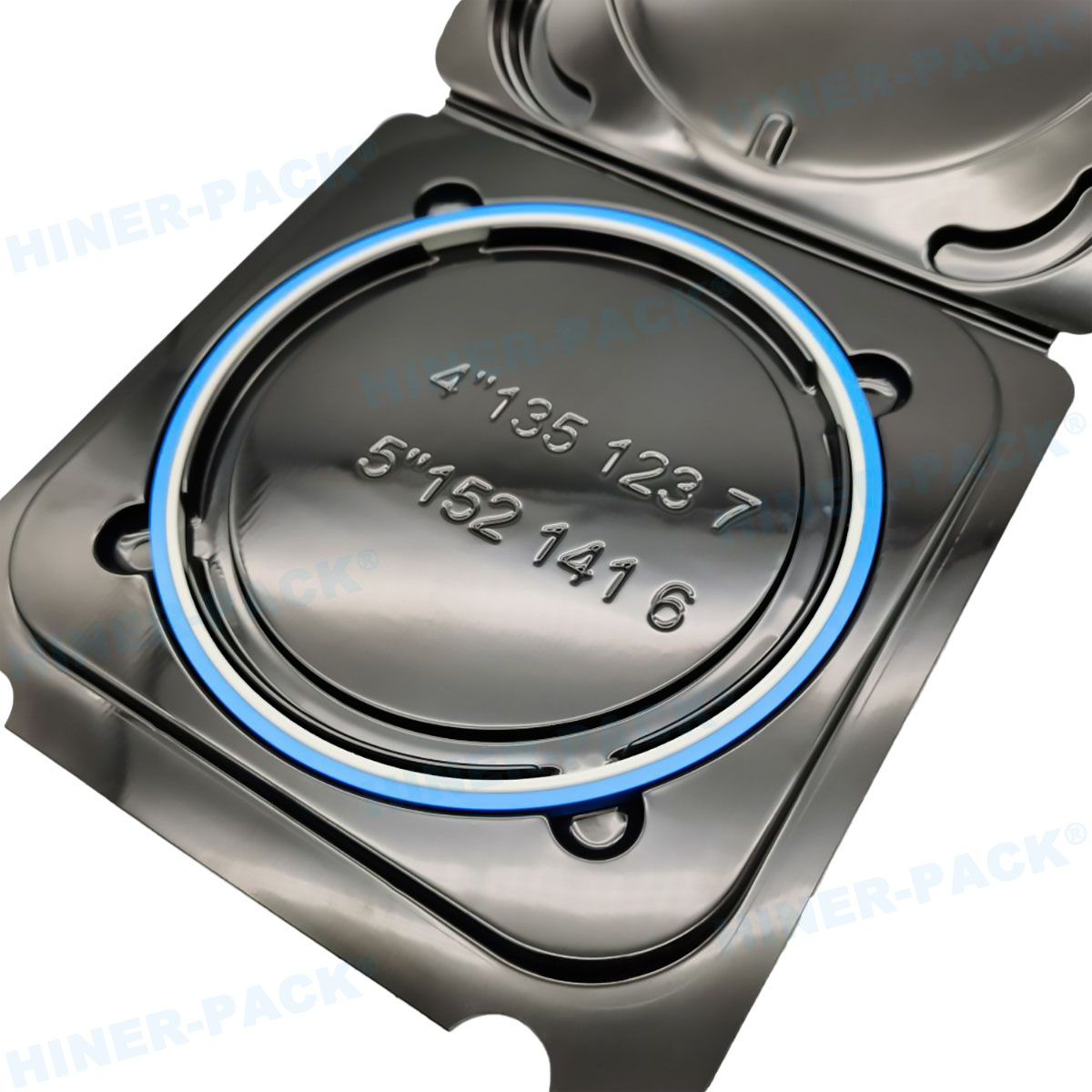
While core transport is its function, the 6-inch Vertical Wafer Shipper plays roles in other scenarios. It is used for long-term, safe storage of wafers in controlled environments. It serves as a secure container for wafer archives or sample libraries.
In research and development settings, these shippers allow for the safe exchange of experimental wafers between institutions. Their standardized nature makes them ideal for multi-party collaboration projects where process tools may differ, but handling containers remain constant.
In conclusion, the 6-inch Vertical Wafer Shipper is a cornerstone of semiconductor logistics. Its value is measured in the wafers it protects and the yield it preserves. By prioritizing design integrity, material purity, and proven mechanical protection, companies can significantly mitigate the risks inherent in moving critical semiconductor substrates.
Frequently Asked Questions (FAQs)
Q1: What is the typical wafer capacity of a standard 6-inch Vertical Wafer Shipper?
A1: A standard 6-inch Vertical Wafer Shipper typically holds 25 wafers. This aligns with common industry batch sizes and carrier standards. However, configurations exist for smaller lots, such as 13-wafer or 5-wafer carriers, often used for high-value or sample wafers.
Q2: What cleanroom class are these shippers certified for?
A2: High-quality shippers from manufacturers like Hiner-pack are typically manufactured and bagged in a Class 10 (ISO Class 4) or cleaner environment. They are certified to be suitable for use directly in Class 1 (ISO Class 5) cleanrooms without introducing contamination, provided they are opened according to protocol.
Q3: How many times can a wafer shipper be reused?
A3: Reusability depends heavily on the material, construction quality, and handling. A robust polycarbonate shipper from a quality brand can withstand hundreds of cycles with proper inspection and cleaning. PFA components may have a shorter lifecycle due to the material's softer nature but offer higher purity. Regular inspection for cracks, wear, and seal integrity is crucial.
Q4: How do I properly clean and maintain a wafer shipper between uses?
A4: Follow the manufacturer's instructions precisely. Generally, the inner carrier and shell can be cleaned with DI water and mild, semiconductor-grade detergents in a dedicated cleaning station. For deeper decontamination, megasonic cleaning or chemical rinses may be used. All parts must be thoroughly dried in a clean, particle-free environment before reassembly. Never use abrasive materials or non-compliant chemicals.
Q5: What certifications should I look for to ensure safe air transport?
A5: Look for shippers that are tested and certified to meet ISTA (International Safe Transit Association) procedures, specifically ISTA 3A for parcel delivery. For air freight, the shipper’s design should include a pressure equalization valve that complies with relevant aviation regulations. The manufacturer should provide documentation of this testing upon request.