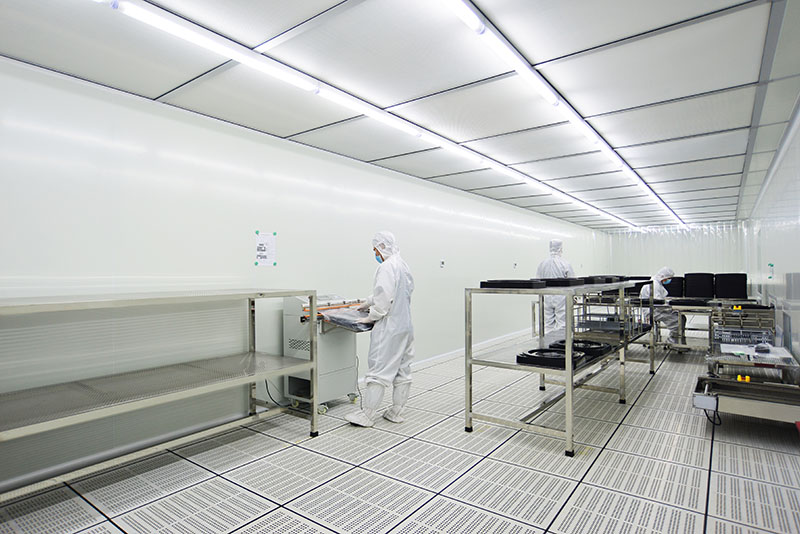
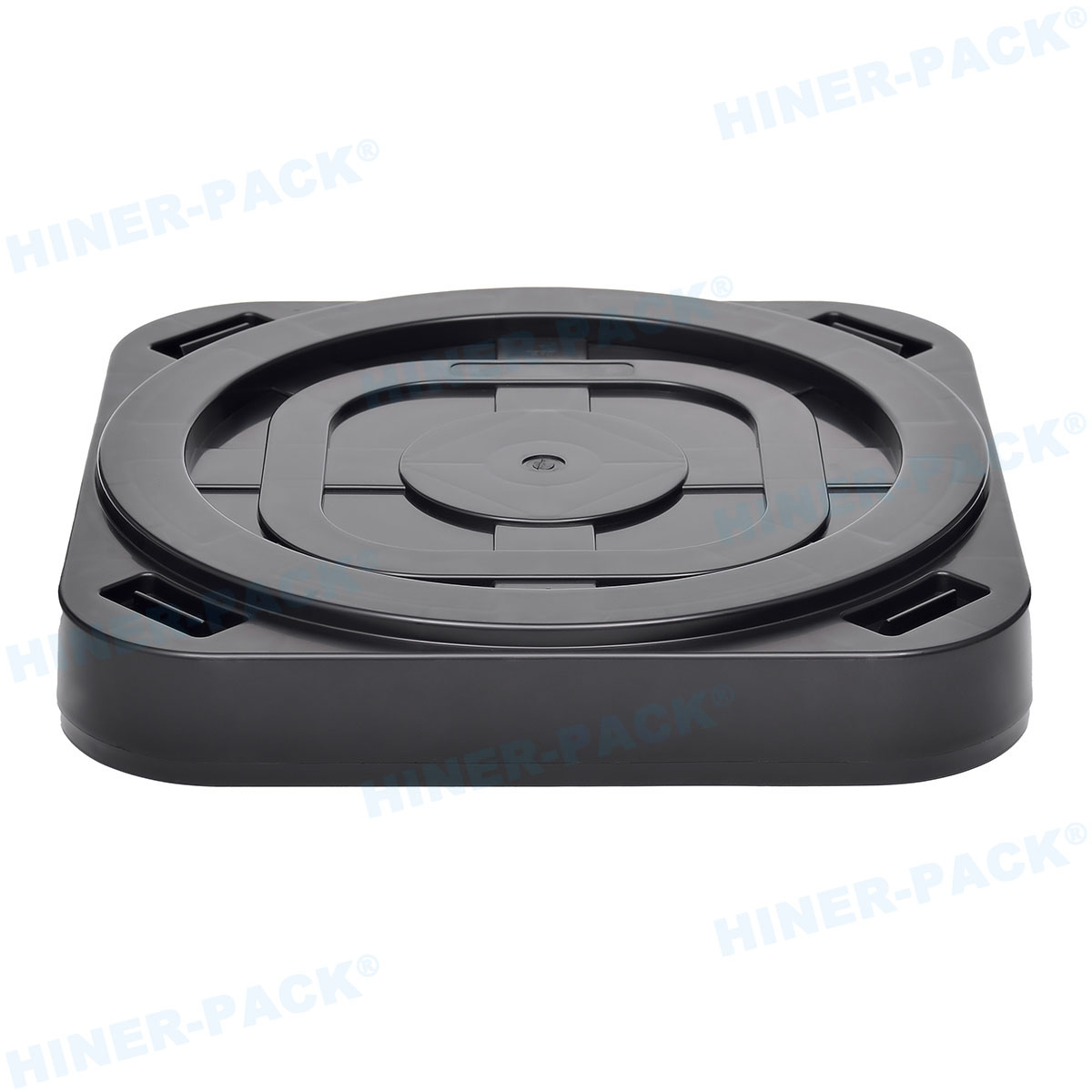
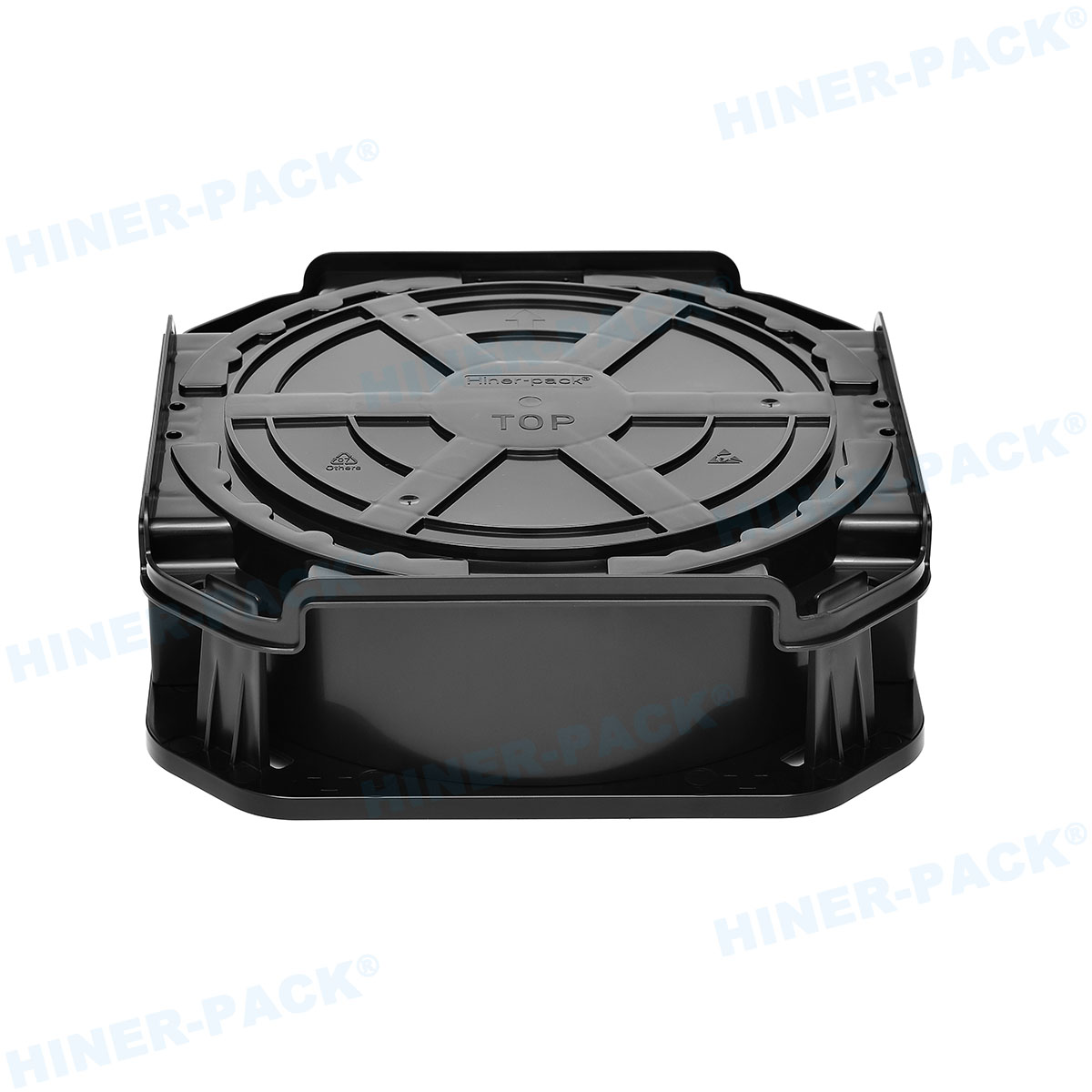
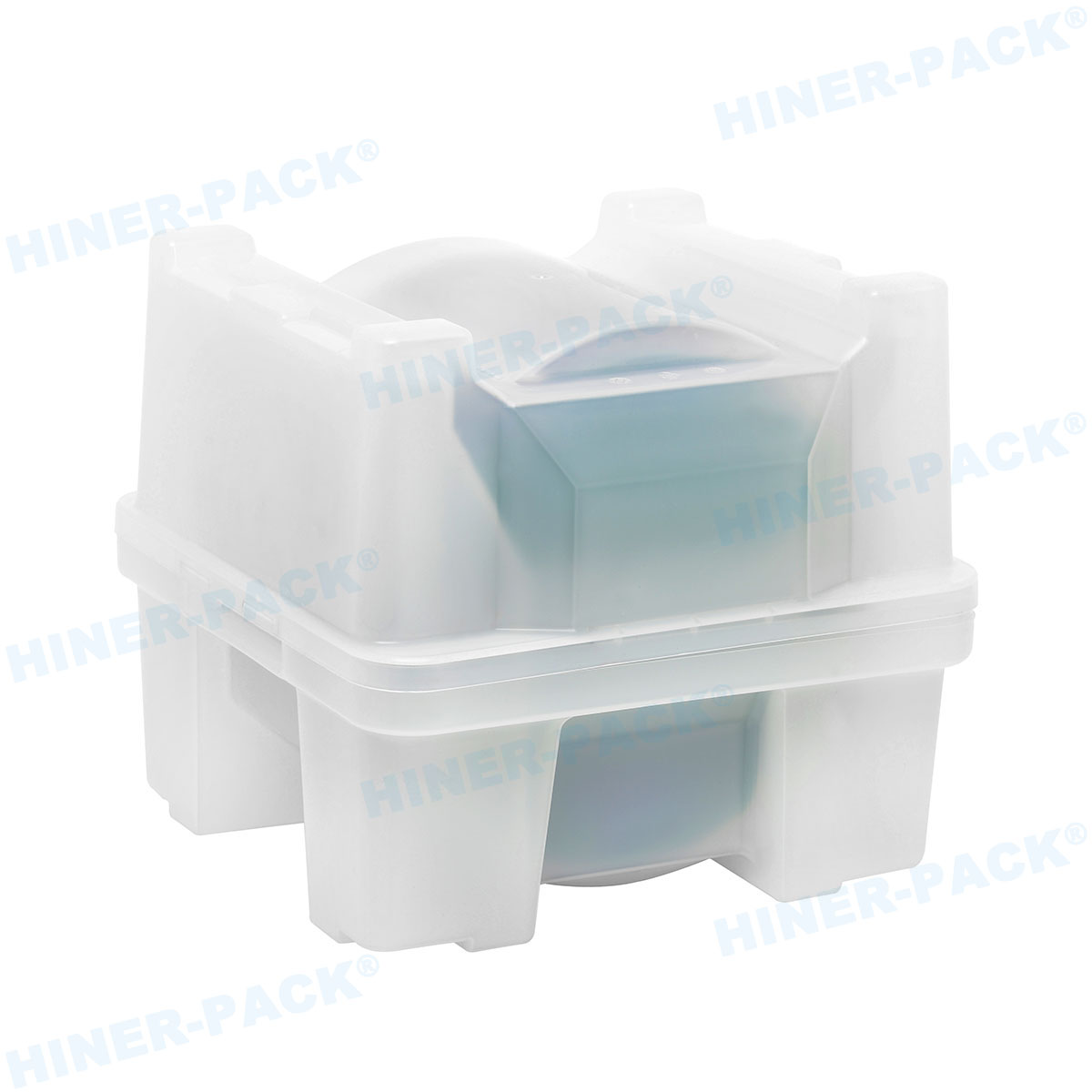
In the highly precise world of semiconductor manufacturing, the journey of a silicon wafer from blank substrate to a complex integrated circuit is fraught with potential hazards. Among the most critical phases is the period when wafers are not actively being processed. Cleanroom wafer storage is not merely about putting wafers on a shelf; it is a sophisticated discipline central to preserving yield, ensuring device performance, and protecting massive capital investment. Effective storage solutions must guard against contaminants, physical damage, electrostatic discharge (ESD), and environmental fluctuations. Companies like Hiner-pack have dedicated years to engineering storage systems that meet these rigorous demands, understanding that proper storage is a foundational pillar of fab operations.
Why Cleanroom Wafer Storage is Non-Negotiable
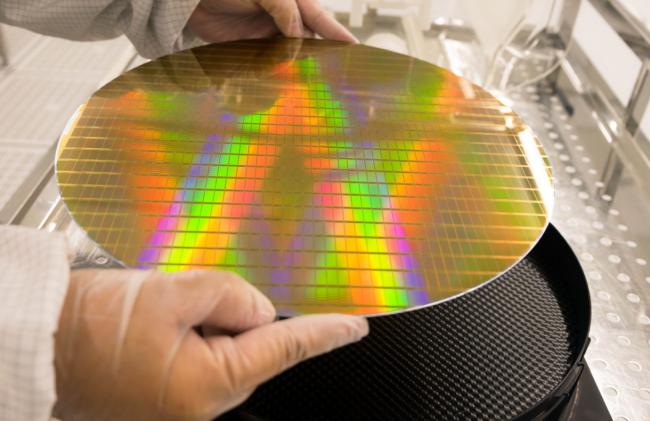
The sensitivity of modern semiconductor wafers, especially at advanced nodes of 7nm and below, cannot be overstated. A single particle measuring just a few nanometers can ruin multiple die, leading to significant financial loss. Beyond particles, the threats are multifaceted.
- Microscopic Contamination: Dust, skin cells, and airborne molecular contaminants (AMCs) can adhere to wafer surfaces, causing defects during lithography or etching processes.
- Electrostatic Discharge (ESD): Uncontrolled static can attract contaminants or, worse, directly damage sensitive circuit patterns.
- Mechanical Damage: Chips, scratches, or warping from improper handling or support can render wafers useless.
- Environmental Degradation: Uncontrolled humidity can lead to oxidation or hazing, while temperature swings can induce stress.
Therefore, cleanroom wafer storage systems act as a protective sanctuary, maintaining wafer integrity during queue times, transportation within the fab, and long-term archiving.
Core Components of an Effective Storage System
A holistic storage strategy involves the seamless integration of environment, hardware, and protocol.
The Storage Environment: More Than Just Clean Air
The cleanroom itself sets the first parameter. Storage areas must maintain the same or higher classification as the processing tools they support.
- ISO Class and Airflow: Wafers are stored in ISO Class 3 (Class 1) or better environments for the most critical work. Laminar airflow benches or mini-environments are often used.
- Temperature and Humidity Control: Tight control (e.g., 22°C ±0.5°C and 45% ±5% RH) is standard to prevent material expansion, chemical changes, and condensation.
- Vibration and Acoustic Damping: Sensitive metrology or inspection wafers may require storage isolated from fab floor vibrations.
Choosing the Right Wafer Containers
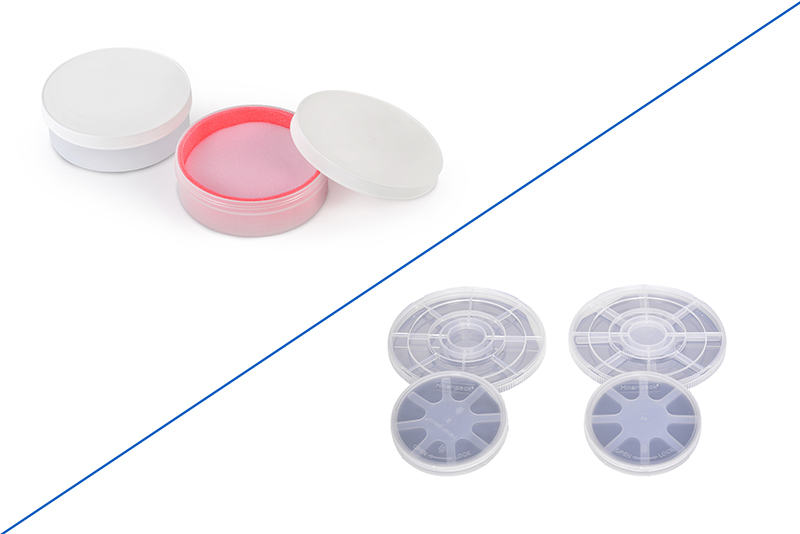
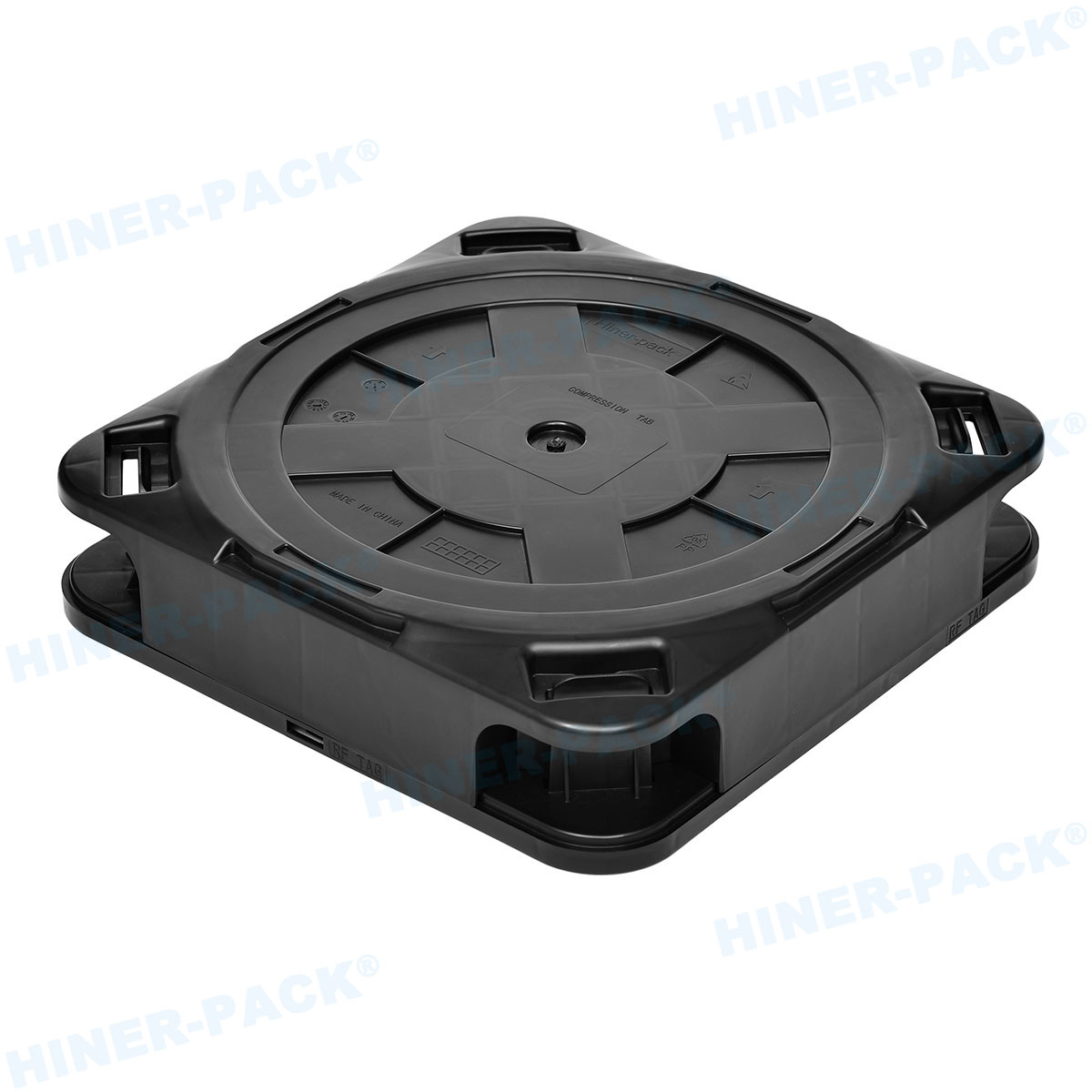
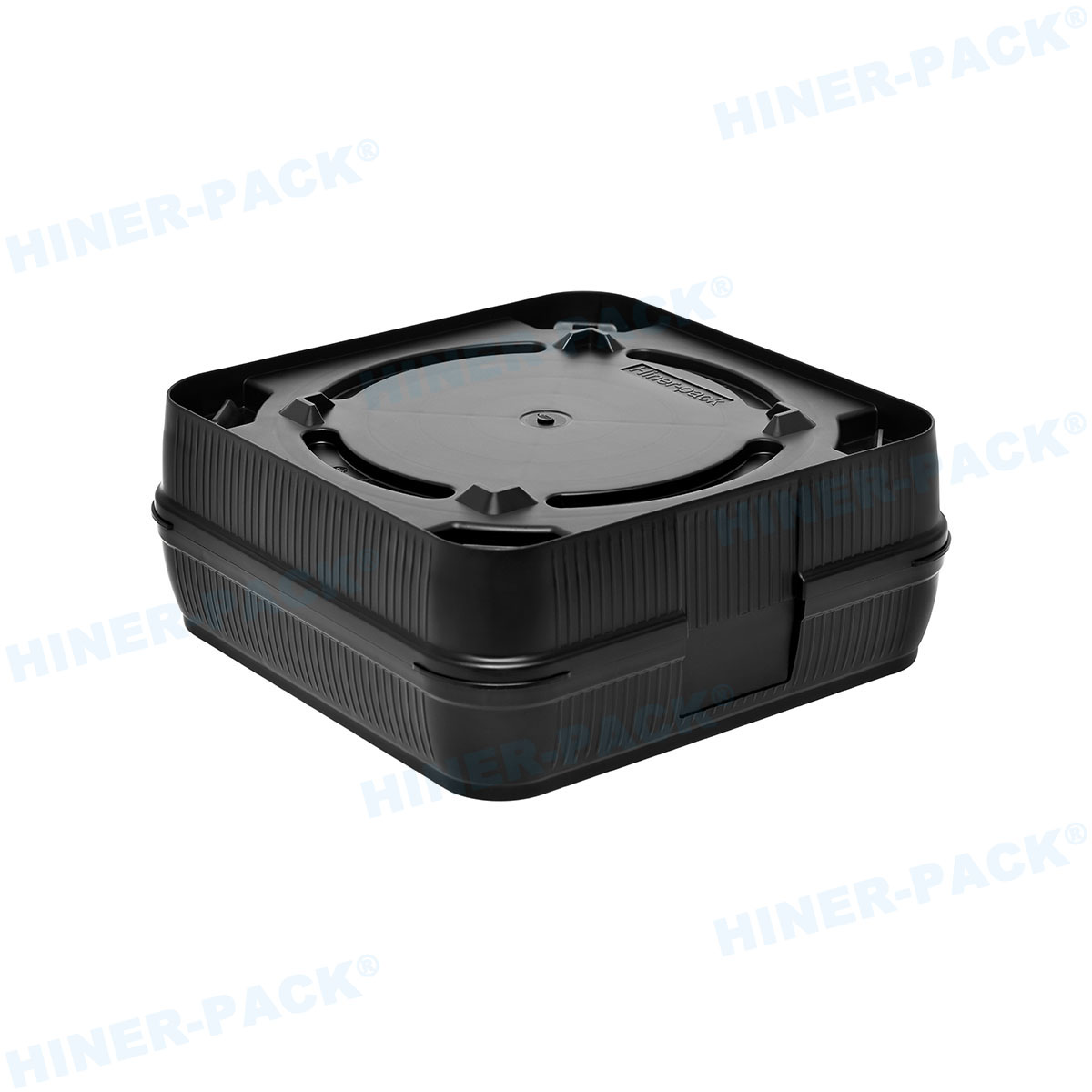
The front-opening unified pod (FOUP) is the industry workhorse for 300mm wafers, but its design and material are crucial.
- Material Purity: High-performance polymers like PC (polycarbonate), PBT, or PEI are used for their low particulate generation and chemical resistance.
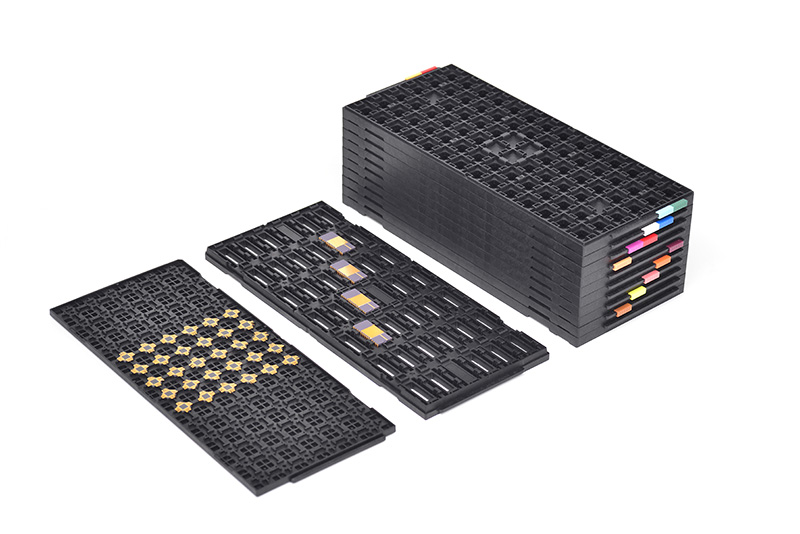
- ESD-Safe Properties: Static-dissipative materials prevent charge buildup. Proper grounding via the fab’s automated material handling system (AMHS) is essential.
- Sealing and Purge Capability: Advanced FOUPs feature excellent seals and ports for nitrogen purge, creating an inert, low-oxygen, low-moisture internal atmosphere. This is where the material science expertise of suppliers like Hiner-pack becomes vital, as they develop containers that minimize outgassing and maintain ultra-clean interiors.
Storage Furniture and Hardware
The racks and cabinets that hold these containers are equally engineered.
- SMIF (Standard Mechanical Interface) Compatibility: Storage racks must integrate perfectly with the robotic load ports of processing tools.
- Ergonomic and Safe Design: For 200mm or legacy wafers, manual storage cabinets must allow for safe, easy access without risking operator-induced contamination.
- Modularity and Scalability: Storage systems should adapt to changing fab layouts and process flows.
Operational Protocols for Maximum Protection
Even the best hardware can be undermined by poor procedures. Strict protocols govern wafer storage.
- Mandatory Garmenting: Operators must always be fully gowned before interacting with any storage unit.
- Limited Open Time: The time a FOUP door remains open for wafer transfer should be minimized to seconds.
- Regular Audits and Cleaning: Scheduled cleaning of storage cabinets, pods, and shelves using approved cleanroom solvents is mandatory.
- First-In-First-Out (FIFO) Management: Effective inventory tracking ensures no wafer lot is stored beyond its specified queue time, preventing degradation.
Automation and the Future of Storage
The trend toward fully automated fabs is transforming cleanroom wafer storage. Automated Material Handling Systems (AMHS) and stockers have become the standard.
- Benefits of Automated Stockers:Reduced Human Intervention: Minimizes the largest source of contamination.Enhanced Traceability: Every wafer lot’s location and history are tracked in real-time.Optimized Throughput: Software dynamically manages storage and retrieval, speeding up logistics.Consistent Environment: Stockers maintain a pristine, controlled mini-environment.
This shift places a premium on the reliability and mechanical precision of the wafer pods that interface with these robots. Partners who understand this interplay, such as Hiner-pack, provide critical components that ensure seamless automation.
In semiconductor manufacturing, there are no minor details. Cleanroom wafer storage is a critical control point that directly impacts yield, cost, and time-to-market. It requires a deliberate approach combining a controlled environment, meticulously engineered containers and furniture, and uncompromising operational discipline. As fabs pursue more advanced nodes and greater automation, the requirements for storage solutions will only become more stringent. Investing in robust storage systems and practices is not an overhead cost; it is an essential investment in product quality and fab productivity. By working with experienced suppliers who grasp the full scope of this challenge, manufacturers can ensure their wafers are preserved in a state of perfect readiness for their next manufacturing step.
Frequently Asked Questions (FAQs) on Cleanroom Wafer Storage
Q1: What is the most critical factor to control in cleanroom wafer storage?
A1: While controlling all factors is important, particulate contamination remains the primary concern. A single particle can cause a fatal defect. Effective storage systems are designed first and foremost to physically shield wafers from particles through sealed containers, clean air environments, and protocols that minimize human interaction.
Q2: How do I choose between a manual storage cabinet and an automated stocker?
A2: The choice depends on wafer size, fab automation level, and process criticality. Automated stockers are the standard for high-volume 300mm fabs due to their contamination control and efficiency. Manual cabinets are still used in older 200mm fabs, for R&D lines, or for storing qualification and monitor wafers that are accessed less frequently.
Q3: Why is nitrogen purging used in wafer storage pods?
A3: Nitrogen purging displaces oxygen and moisture from inside the wafer pod (FOUP). This creates an inert, dry storage atmosphere that prevents:
- Oxidation of metal layers on the wafer surface.
- "Hazing" or clouding of sensitive films.
- The growth of airborne molecular contaminants (AMCs).
Q4: How often should wafer storage containers like FOUPs be cleaned?
A4: Cleaning frequency is defined by the fab's strict protocol, based on container usage and particle monitor data. Typically, FOUPs undergo a thorough wet-cleaning process after a set number of cycles (e.g., every 25 uses) or if in-situ particle sensors indicate contamination levels are rising. Daily or weekly external wipe-downs are also common.
Q5: Can proper cleanroom wafer storage practices improve overall fab cost-efficiency?
A5: Absolutely. While requiring upfront investment, robust storage systems directly reduce costs by:
- Increasing Yield: Fewer storage-related defects mean more functional die per wafer.
- Extending Tool Uptime: Clean wafers prevent tool contamination and unscheduled maintenance.
- Reducing Rework/Scrap: Proper FIFO management and environmental control prevent wafer degradation that leads to scrap.Partners that provide reliable, innovative storage solutions, like Hiner-pack, contribute directly to this operational efficiency.