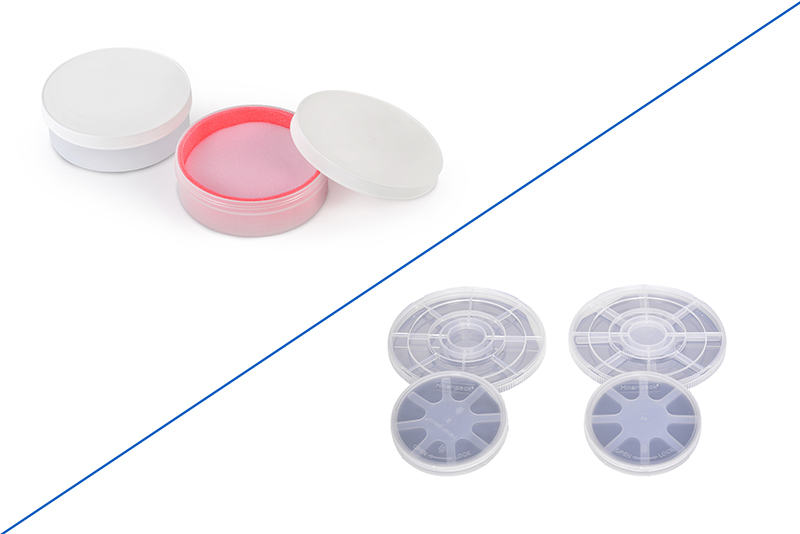
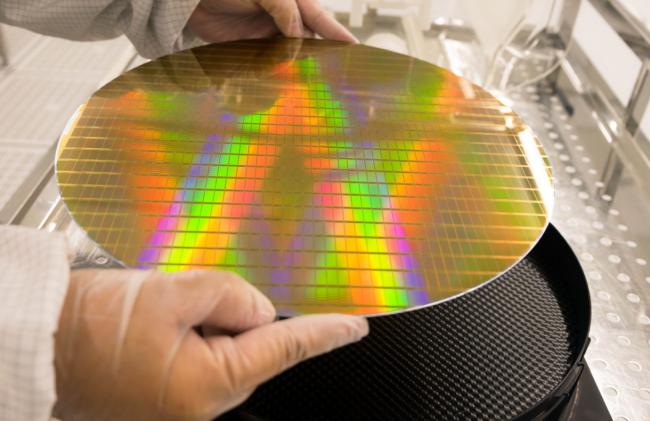
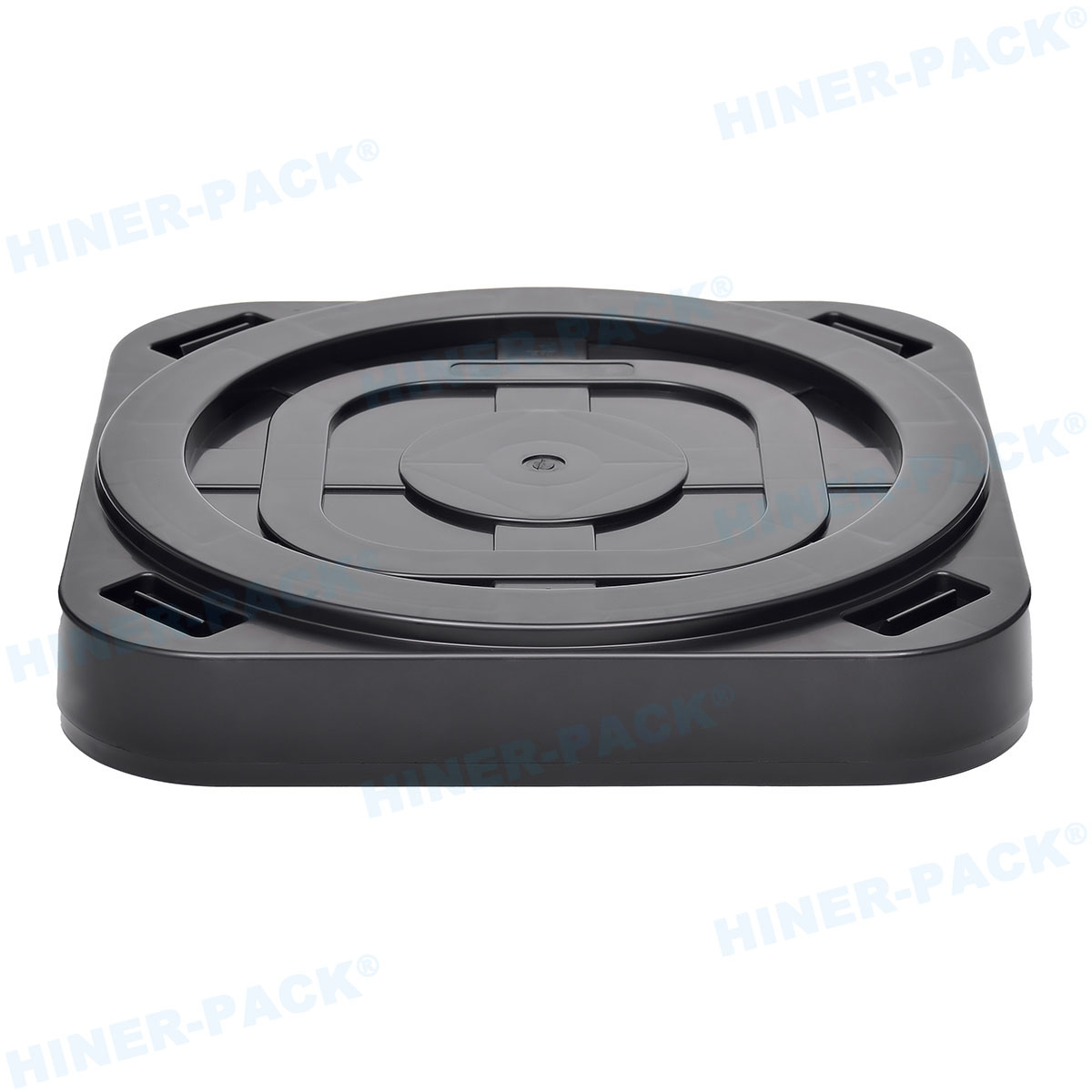
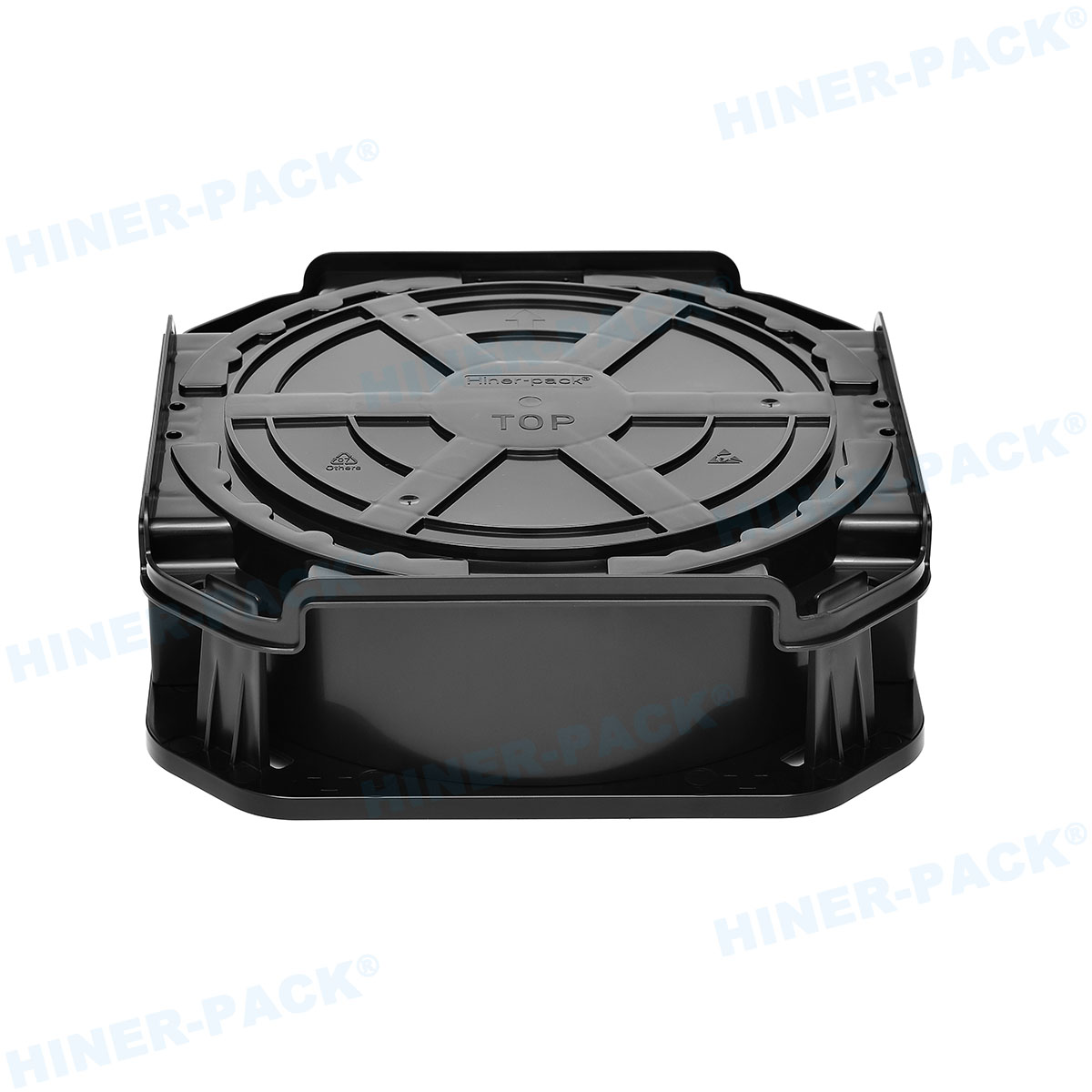
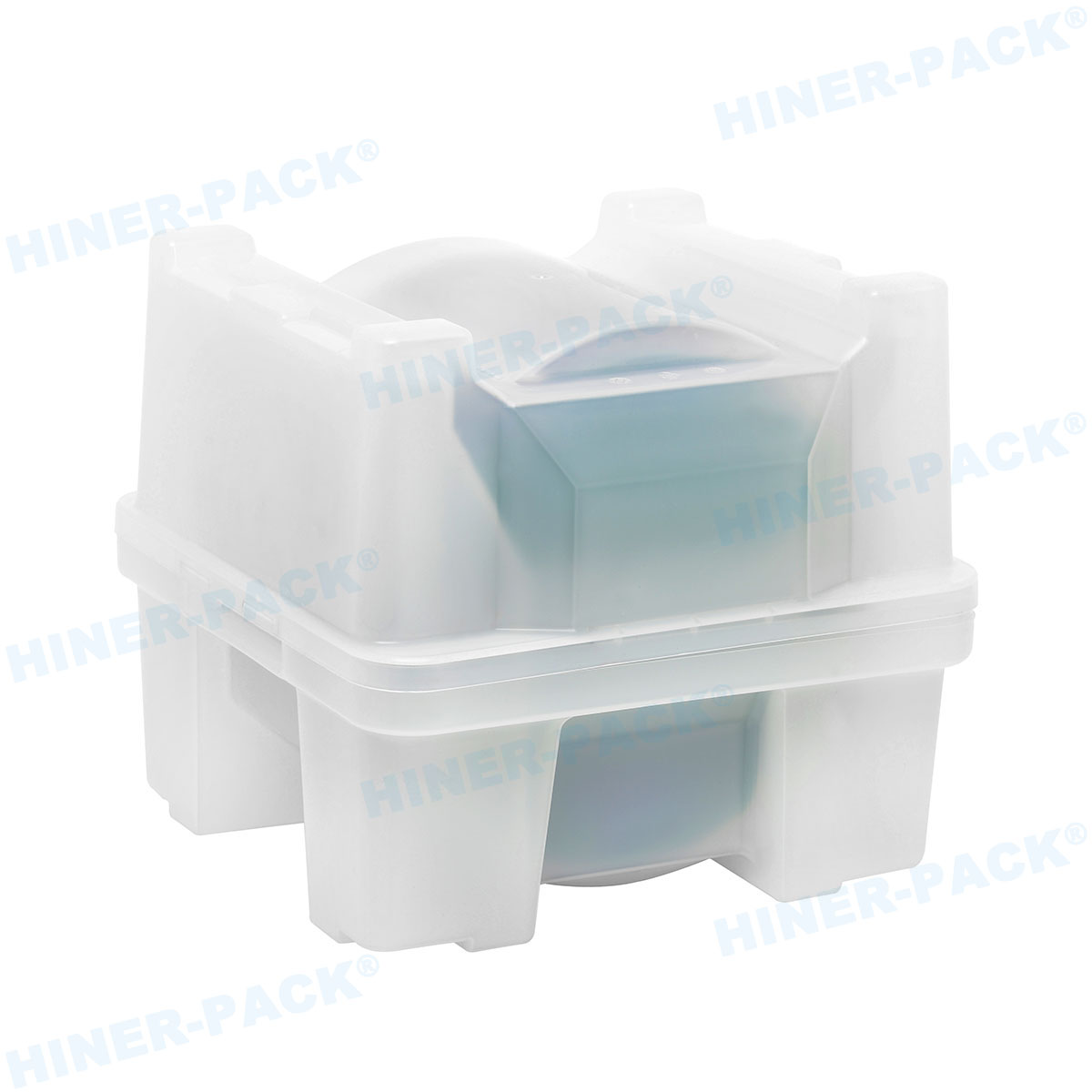
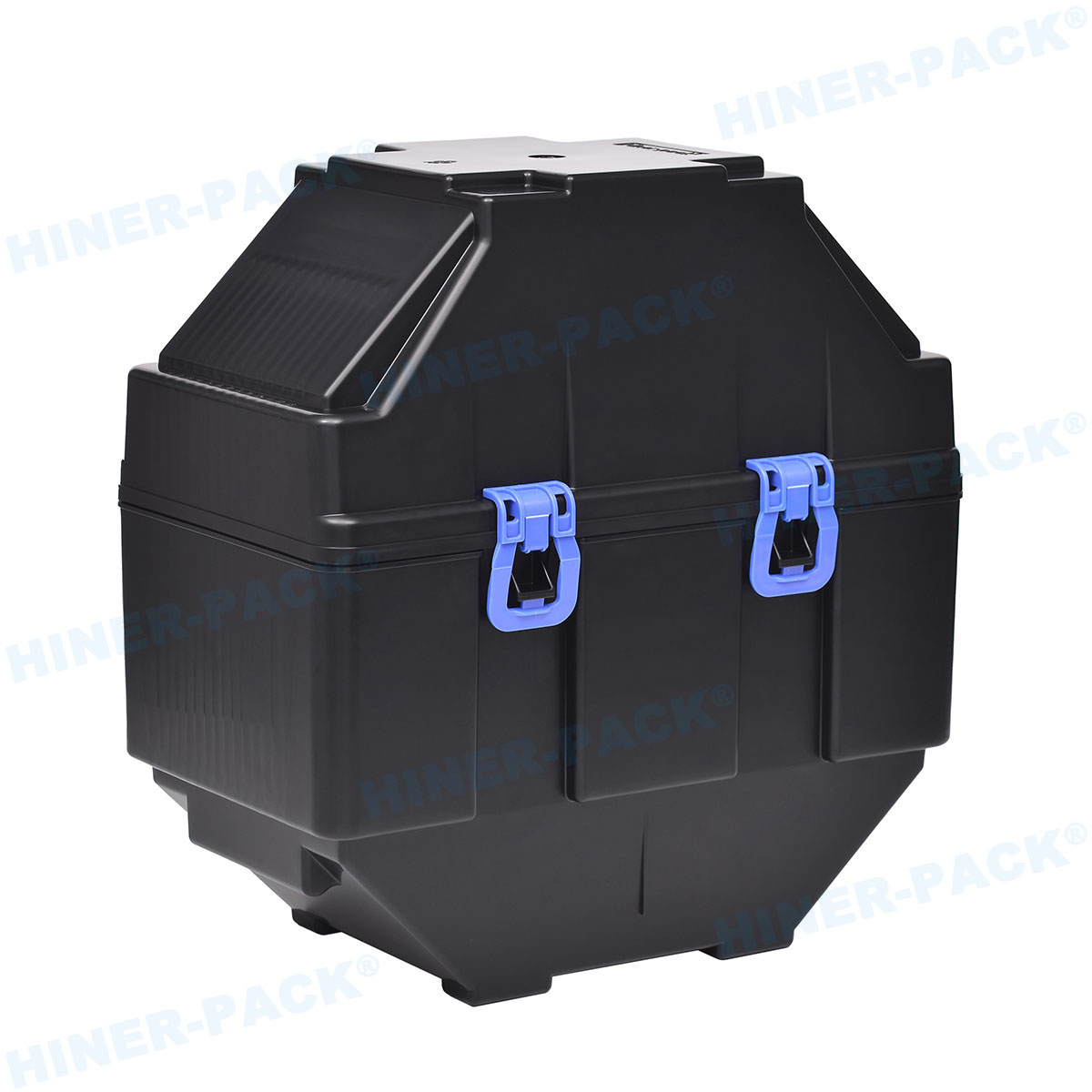
In the high-stakes environment of semiconductor manufacturing, every component in the supply chain must perform with absolute precision and reliability. Protecting sensitive devices like integrated circuits, advanced sensors, and bare semiconductor wafers from electrostatic discharge (ESD) and physical damage is not just a best practice—it’s a fundamental requirement for yield preservation. This is where specialized packaging plays a critical, often underappreciated role. For engineers, procurement specialists, and operations managers seeking robust protection during transport, storage, and handling, Gel Pak conductive trays from Hiner-pack have emerged as a trusted standard. These trays offer a unique combination of secure mechanical immobilization and continuous static control, directly addressing the pain points associated with delicate, high-value microelectronic components.
The Critical Role of ESD Protection in Modern Fabs
As semiconductor nodes shrink to nanometers, device geometries become increasingly susceptible to invisible threats. Electrostatic discharge, a sudden flow of electricity between two charged objects, can instantly destroy or latent-damage these miniature circuits. The cost of a single ESD event can escalate from component loss to entire batch contamination and production downtime.
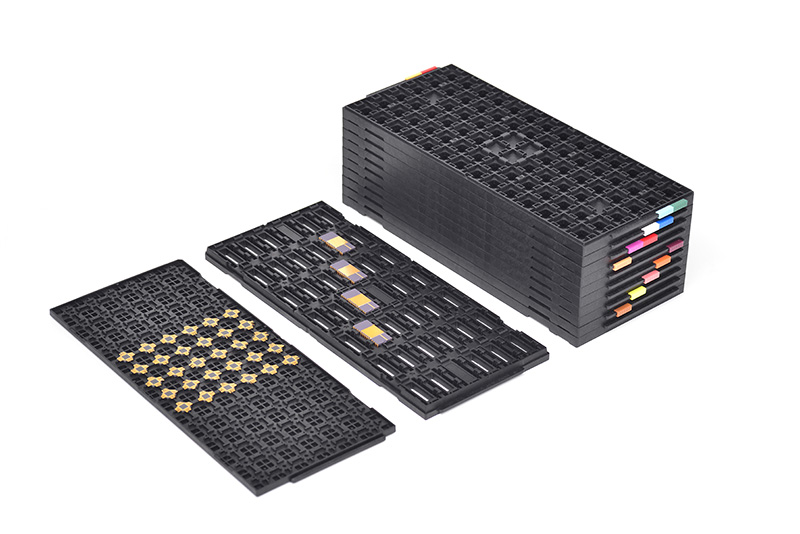
Traditional trays and carriers often rely on surface conductivity alone. While helpful, they may not prevent movement-induced charging or physical abrasion. The industry needed a solution that addressed both static dissipation and mechanical stability simultaneously. This drove the development and adoption of the Gel Pak conductive trays system, a two-part design that secures devices firmly while providing a permanent path to ground.
How Hiner-pack Gel Pak Conductive Trays Secure Your Devices
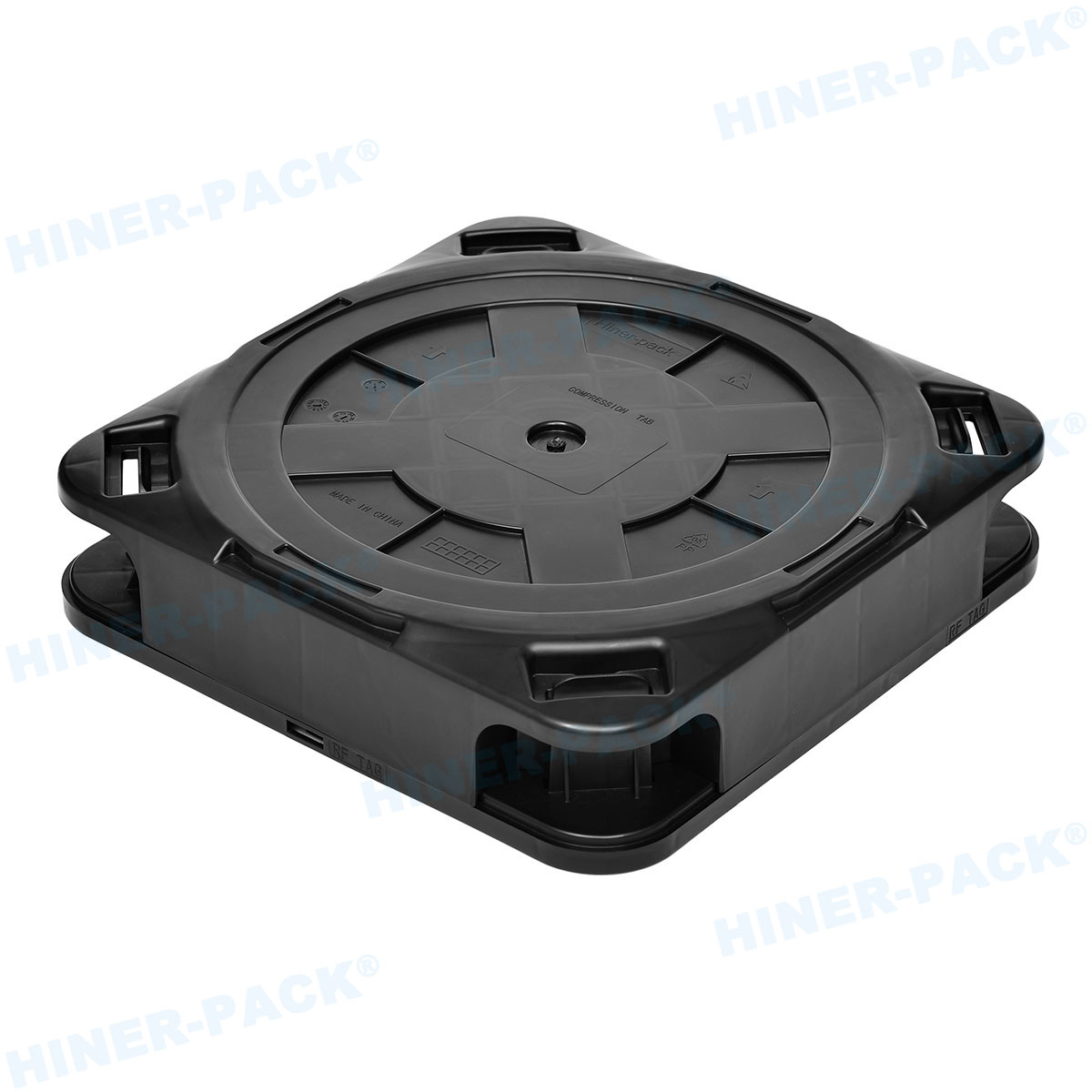
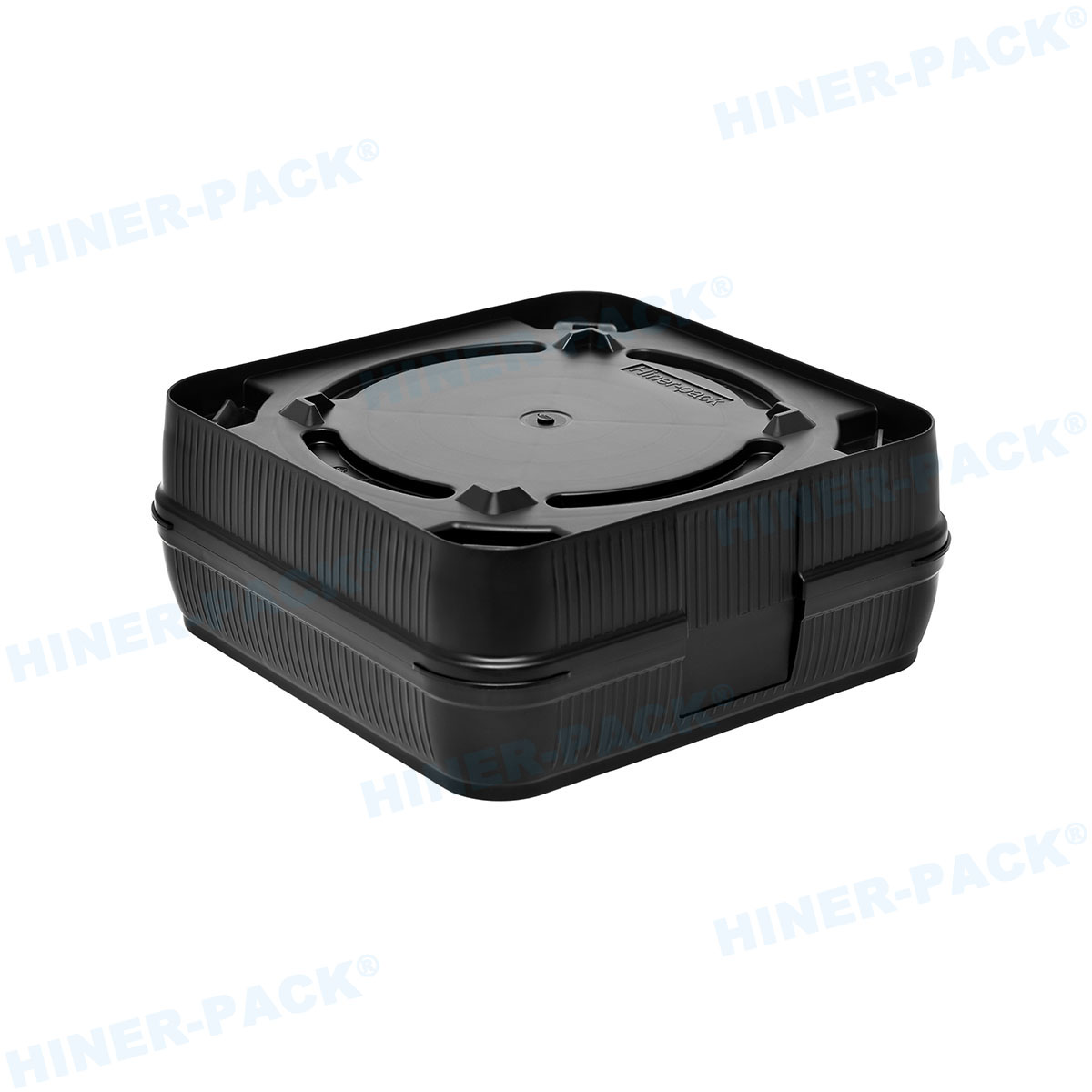
The design principle behind these trays is elegantly effective. A Hiner-pack tray typically consists of a durable, static-dissipative polypropylene body. This material has a controlled surface resistivity, safely bleeding away any accumulated charge without the rapid discharge of conductive materials.
The defining feature is the integrated gel pad. This is not a standard adhesive. It is a specially formulated, soft, pressure-sensitive hydrogel layer. Its surface is tacky enough to hold devices—from tiny die to full wafers—securely in place, even when the tray is inverted or subjected to vibration. Yet, the bond is low-tack, allowing for easy, residue-free removal using a simple vacuum pick-up tool or tweezers. This non-abrasive holding method eliminates the scratching and particle generation associated with friction-based retention.
Superior Materials for Demanding Applications
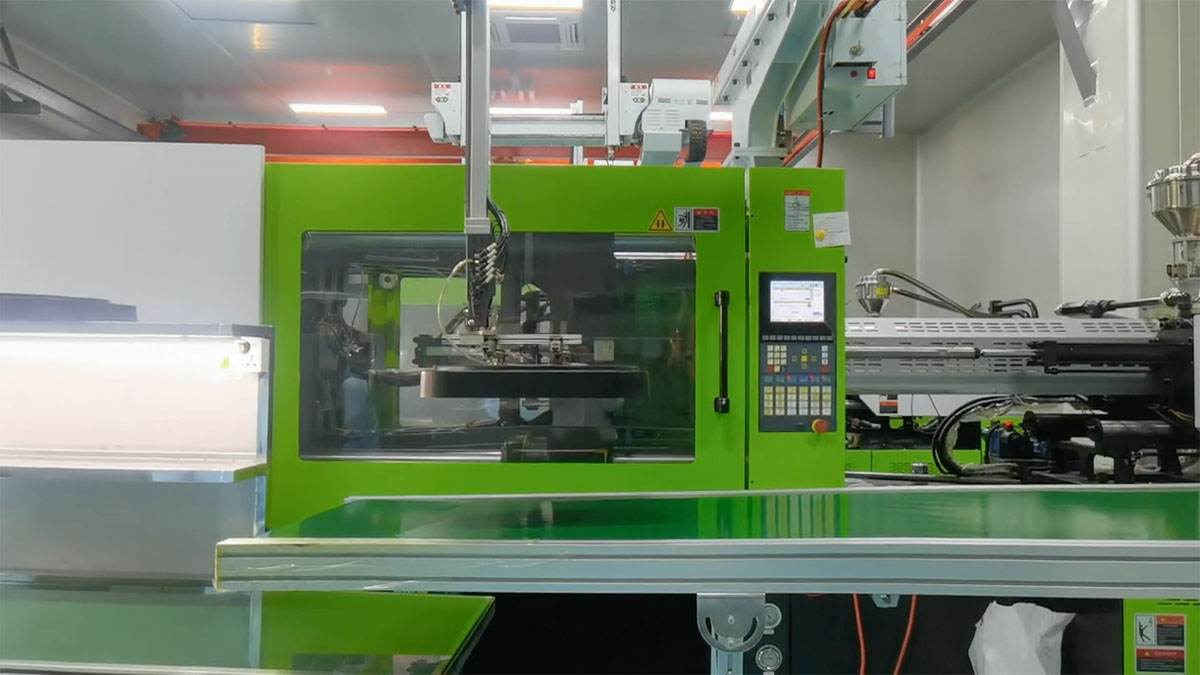
Hiner-pack invests significantly in material science. The gel formulation is key. It is permanently static-dissipative, maintaining its electrical properties over time and across a wide range of humidity levels. Unlike some alternatives, it does not dry out, migrate, or leave oily residues. The tray body is designed for compatibility with automated handling equipment (AMHS), with precise dimensions and stacking features.
Furthermore, materials are selected for low outgassing and low ionic contamination, which is crucial for cleanroom environments. The trays are also resistant to common cleaning solvents, allowing for controlled reusability in many cases, provided they pass strict inspection protocols.
Applications Across the Semiconductor Workflow
The versatility of Gel Pak conductive trays makes them indispensable at multiple stages:
- Bare Die Shipment and Storage: Post-dicing, individual die are placed onto the gel pad for safe distribution to packaging and assembly facilities.
- KGD (Known Good Die) Management: For multi-chip modules or system-in-package (SiP) assembly, ensuring tested, functional die arrive undamaged is paramount.
- Interbay and Intrabay Transport: Moving devices between fabrication, test, and assembly areas within a facility.
- Sensitive Component Storage: Protecting RF filters, MEMS devices, photonic chips, and other non-standard components in inventory.
Selecting the Right Gel Pak Tray for Your Process
Not all trays are created equal. Hiner-pack provides a range of options to match specific needs. Key selection criteria include:
- Size and Cavity Layout: From JEDEC standard trays for uniform die to custom layouts for specialized components.
- Surface Resistivity: Options tailored for different levels of ESD sensitivity, as defined by the ANSI/ESD S20.20 standard.
- Gel Color and Tack Level: Different gel formulations offer varying holding forces; color options (often blue or clear) aid in part visibility and identification.
- Compatibility: Ensuring the tray fits into existing racking systems, automation handlers, and sealing equipment.
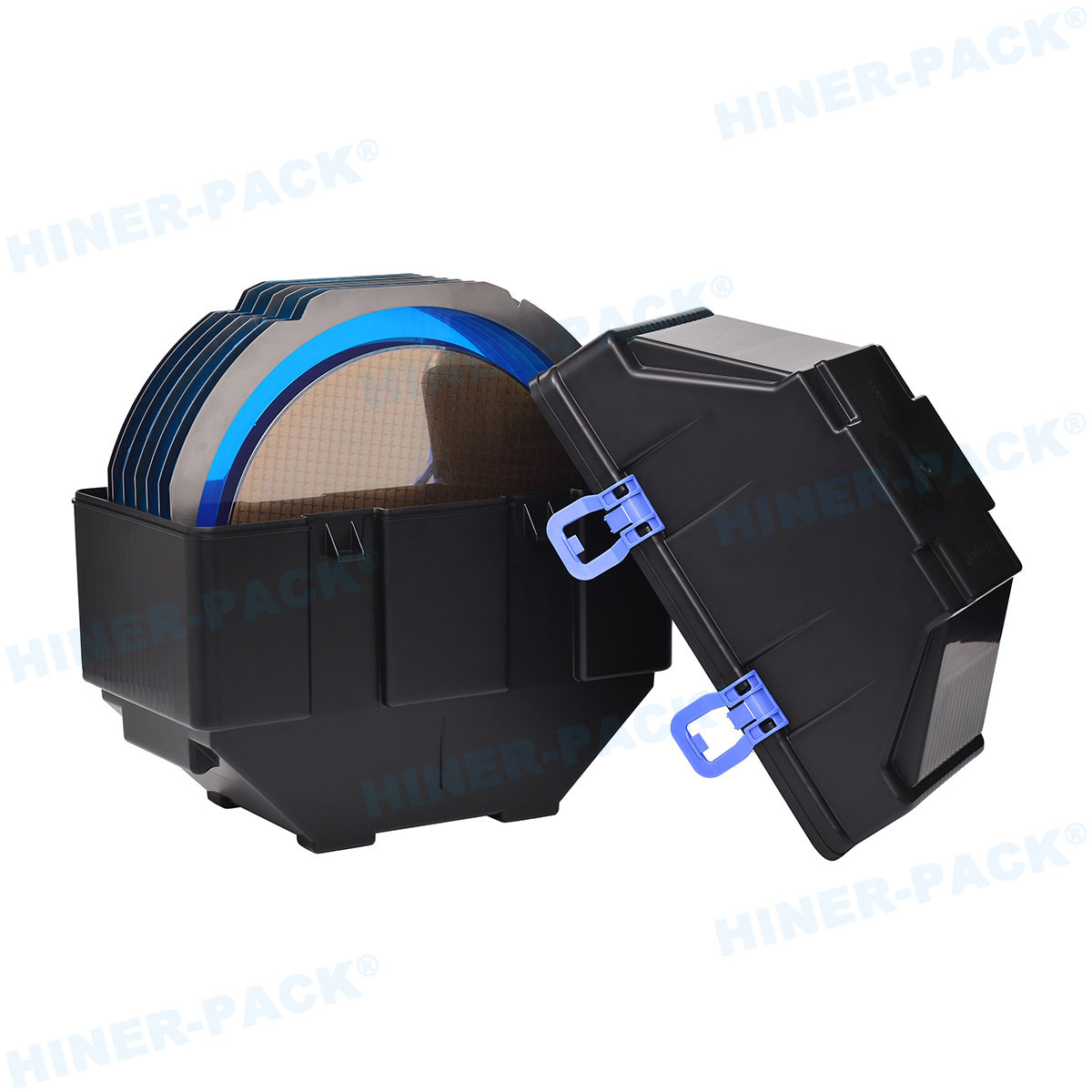
Hiner-pack’s Commitment to Quality and Consistency
In a field where batch-to-batch variation is unacceptable, Hiner-pack maintains rigorous manufacturing controls. Every lot of trays is tested for electrical properties, dimensional accuracy, and gel performance. This commitment to consistency provides peace of mind, ensuring that the protection specified in the design phase is delivered on the production floor. Their technical support team works closely with clients to develop custom solutions for unique components or handling challenges, extending the benefits of the Gel Pak conductive trays concept to even the most demanding applications.
Ultimately, the goal is to reduce risk. By immobilizing components and channeling electrostatic charges safely away, these trays mitigate two major sources of loss. They are a simple yet profoundly effective engineering solution. For companies looking to safeguard their yield, protect their R&D investments, and ensure reliable delivery of sensitive components, integrating Hiner-pack’s system into their packaging and handling protocols is a strategic decision. The reliability of Gel Pak conductive trays makes them a foundational element in the modern semiconductor logistics chain, where failure is not an option.
Frequently Asked Questions (FAQs)
Q1: How do Hiner-pack Gel Pak conductive trays actually drain electrostatic charge?
A1: The trays use a dual-path drainage system. The carbon-loaded, static-dissipative polypropylene tray body provides a primary path with a surface resistivity typically in the range of 10^6 to 10^9 ohms/sq. The gel pad itself is formulated to be permanently conductive, creating a second, direct path from the component to the tray. When placed on a grounded surface or in a conductive tote, the entire assembly safely dissipates charges.
Q2: Can the gel damage or contaminate my delicate gold bond pads or sensitive surfaces?
A2: No, when used correctly. The Hiner-pack gel is specifically designed to be non-outgassing and leave no residue. The bond is mechanical, not chemical. For ultra-sensitive surfaces, a lower-tack gel option is often recommended. Always test with non-critical samples first and follow the recommended component removal procedure using straight-up vertical lift.
Q3: Are these trays reusable, and how should they be cleaned?
A3: They can be reused after careful inspection for damage or contamination. Cleaning is done with mild, lint-free wipes lightly dampened with isopropyl alcohol (IPA) or deionized water. Harsh solvents, abrasives, or ultrasonic cleaning should be avoided as they can degrade the gel's properties. Always consult Hiner-pack's cleaning guidelines for the specific tray model.
Q4: Do you offer custom tray designs for non-standard component shapes?
A4: Yes, Hiner-pack specializes in custom solutions. We can engineer trays with custom cavity sizes, layouts, and depths. We can also adjust gel tack levels and even develop special tray materials for specific environmental or automation requirements. The goal is to provide a perfect fit for your unique handling challenge.
Q5: How do these trays perform in low-humidity environments common in cleanrooms?
A5: This is a key advantage. Unlike some anti-static materials whose performance is highly humidity-dependent, Hiner-pack's gel and tray materials are engineered for stable performance across a wide humidity range, including very low humidity (below 30% RH). Their conductivity is inherent to the material formulation, not reliant on atmospheric moisture.