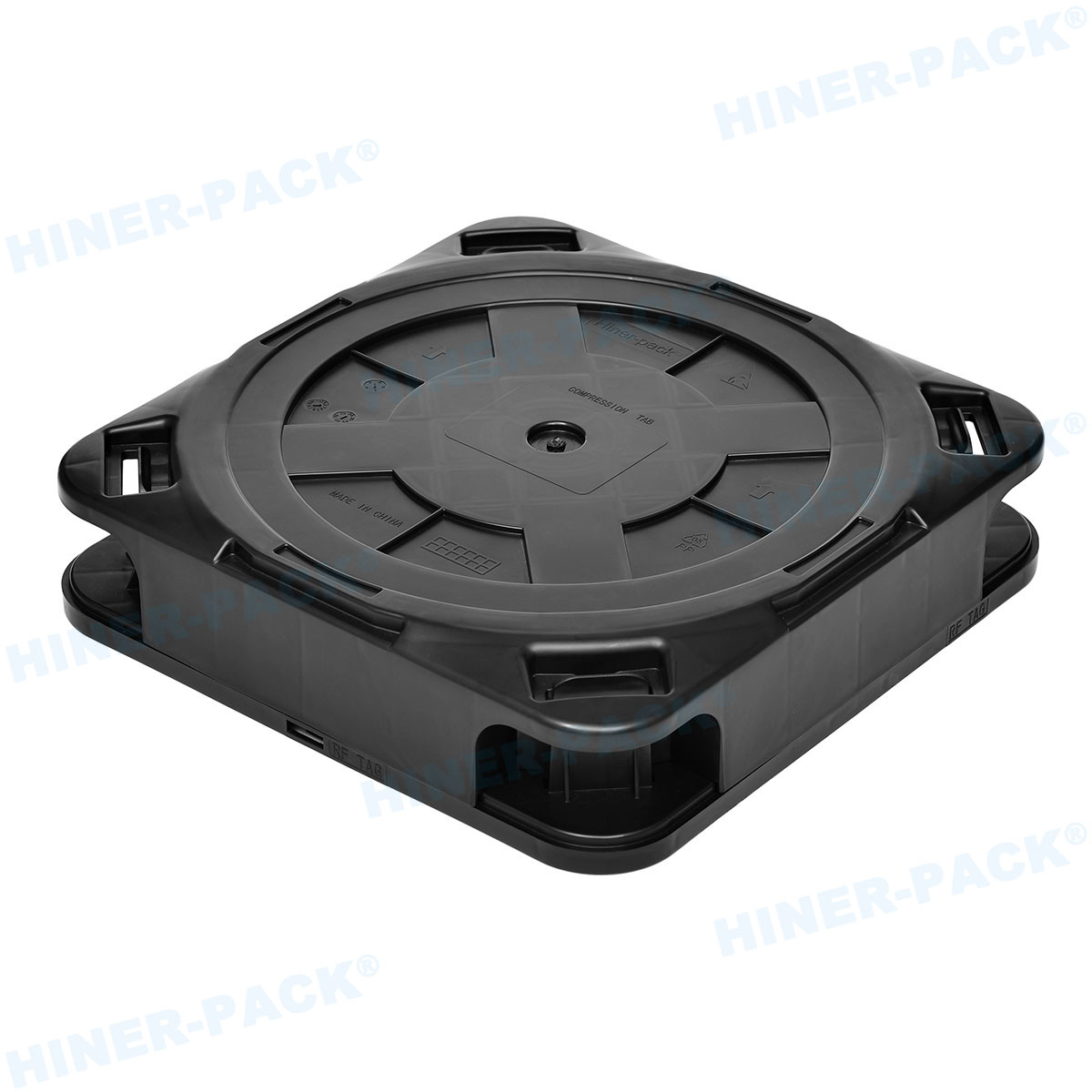
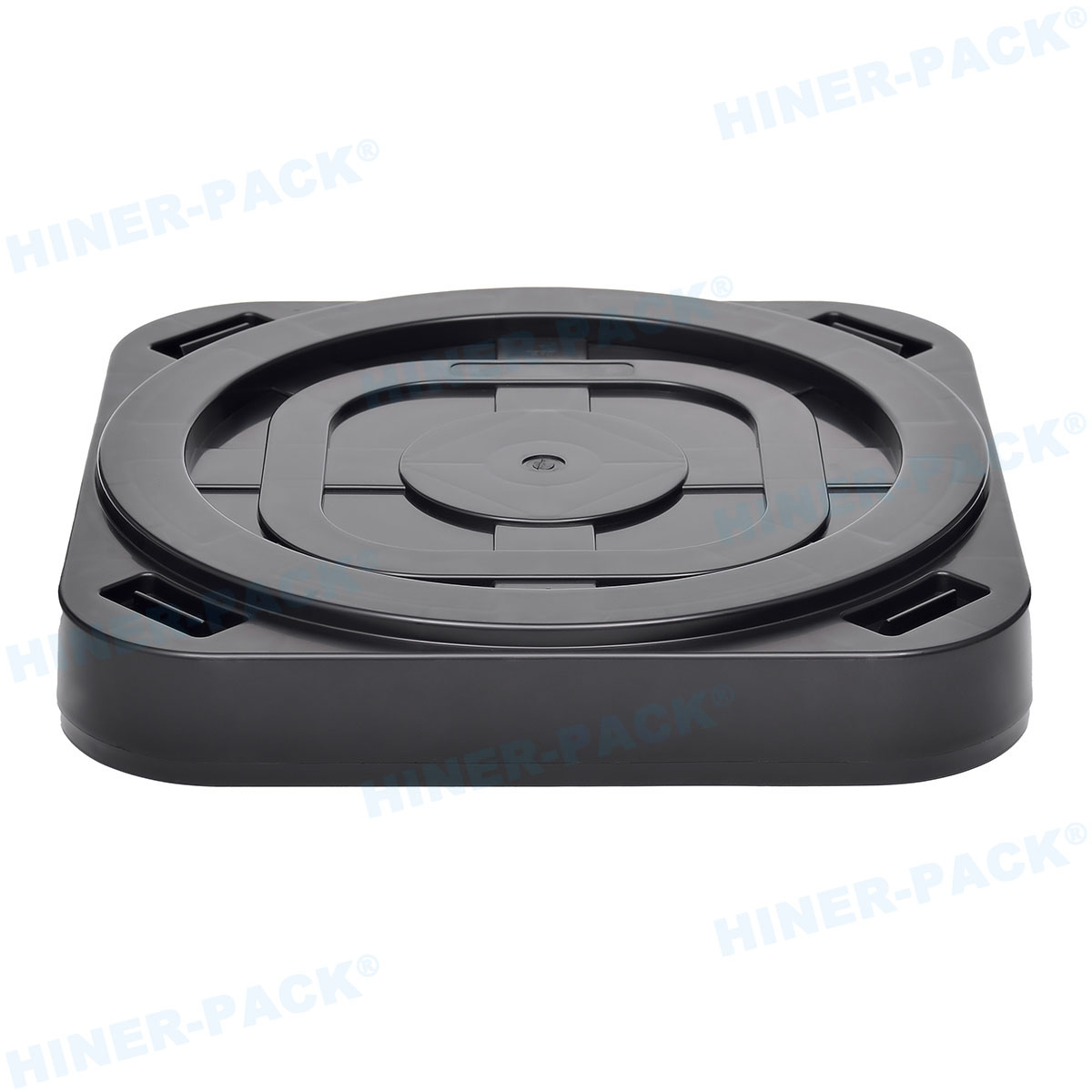
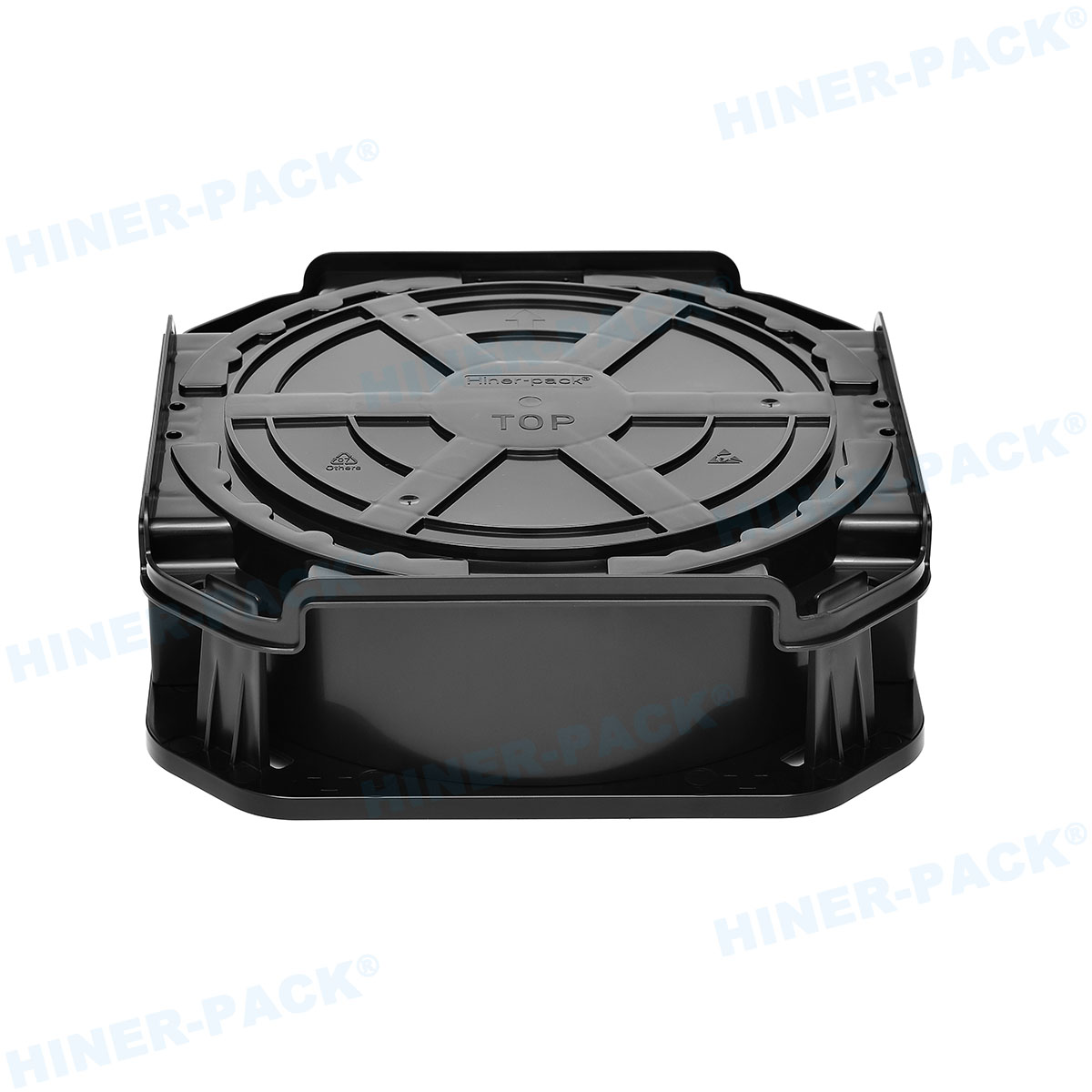
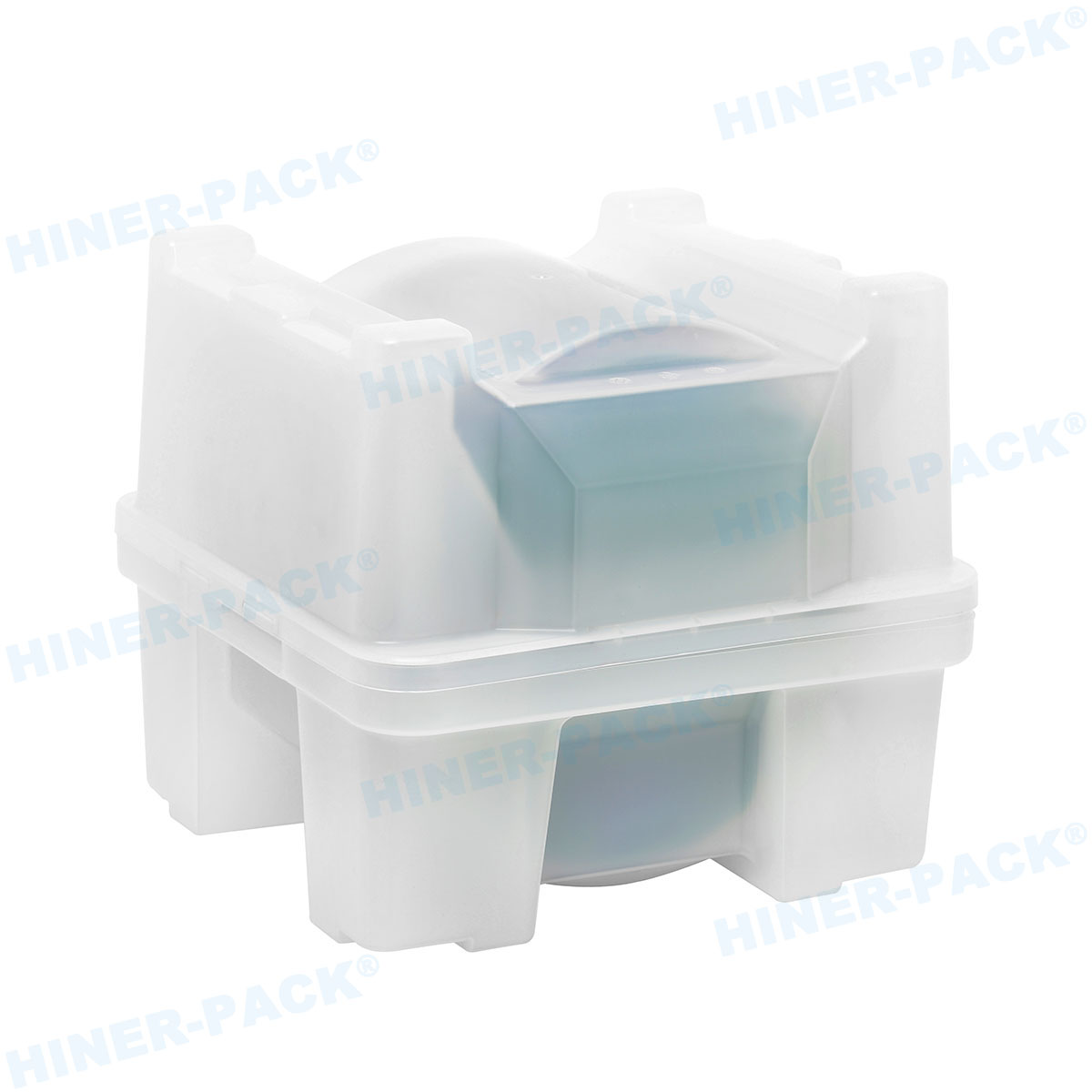
In the ultra-pure ecosystem of semiconductor fabrication, the movement and storage of bare wafers between process steps represent moments of extreme vulnerability. Having spent two decades advising leading fabs and equipment suppliers, I can assert that the integrity of a wafer canister for cleanroom is as critical as the process tool itself. A compromised canister introduces particles, metallic ions, or electrostatic discharge that can decimate yield on advanced nodes. This article provides an engineering blueprint for evaluating these essential containers, ensuring they meet the rigorous demands of modern semiconductor manufacturing.
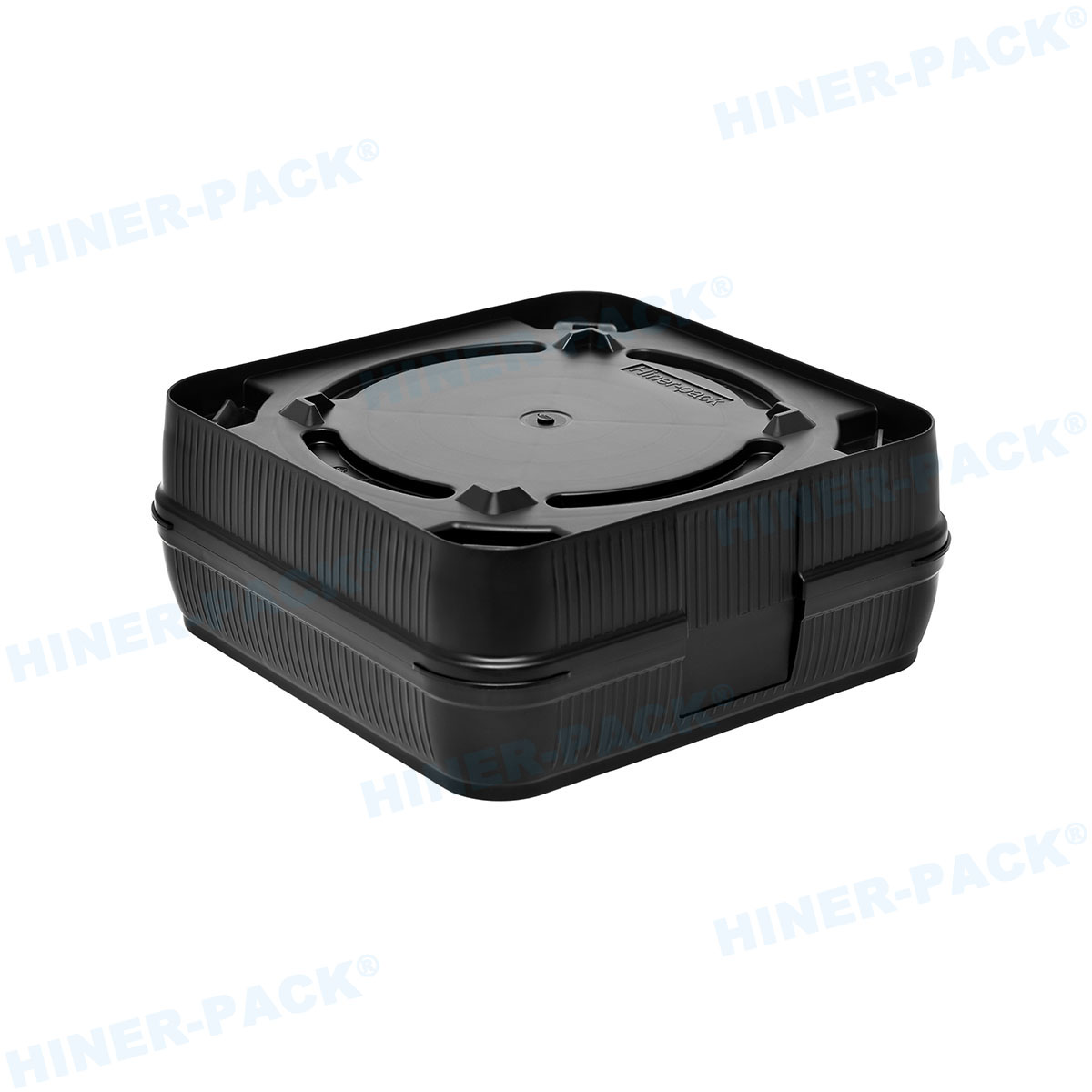
The Critical Role of Wafer Canisters in Advanced Node Manufacturing
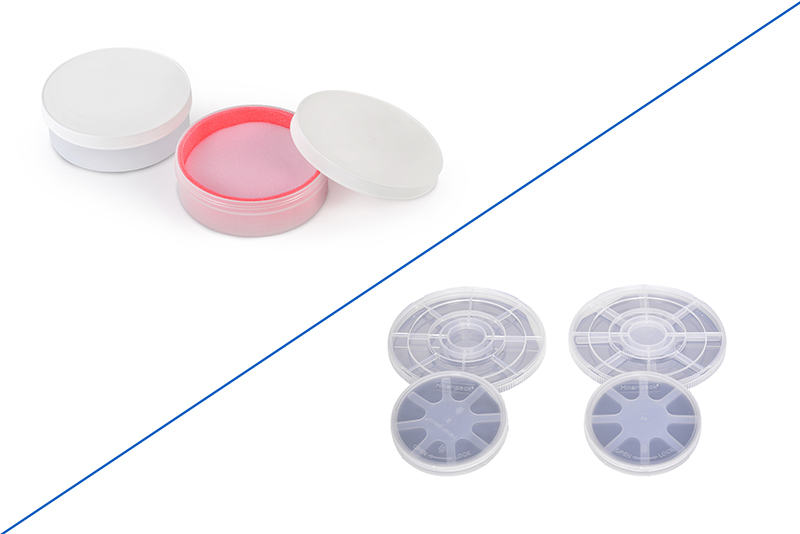
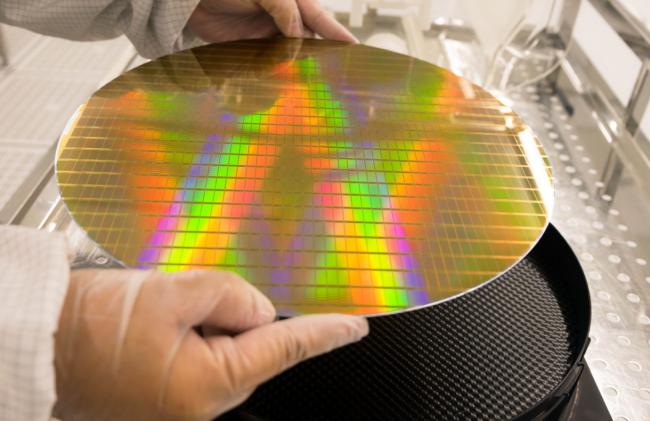
As geometries shrink below 3nm, the tolerance for contamination approaches zero. The wafer canister for cleanroom serves as the primary microenvironment during inter-tool transport and storage. Unlike FOUPs (Front Opening Unified Pods) used for lot transport, canisters often handle single wafers or small batches for metrology, R&D, or specialized processes. They must provide a hermetically sealed, inert atmosphere that prevents native oxide growth, organic contamination, and mechanical damage. Leading suppliers like Hiner-pack engineer their canisters to maintain internal cleanliness better than ISO Class 1, even after hundreds of automated open-close cycles.
Material Science and Contamination Control: The Heart of a Wafer Canister for Cleanroom
The selection of raw materials dictates the canister's performance. Key considerations include:
Purity and Outgassing: Polymers must be virgin, with no slip agents or mold release compounds. Outgassing is quantified via thermal desorption GC-MS; acceptable thresholds for 300mm wafers are < 0.1µg/cm² of volatile condensables.
Ionic Cleanliness: Chloride, sodium, and potassium ions can migrate to wafer surfaces, causing threshold voltage shifts. Reputable suppliers provide ionic contamination reports per SEMI F57, ensuring extractable ions are below 1 ppb.
Mechanical Stability: The canister must maintain dimensional accuracy through repeated thermal cycles (e.g., 60°C bake) and resist creep under stack loads.
Hiner-pack utilizes medical-grade PEEK and advanced carbon-nanotube-filled polycarbonate alloys to achieve these stringent specs, offering a clear advantage in long-term reliability.
Surface Treatments and Coatings
To further reduce particle adhesion, some wafer canister for cleanroom designs incorporate fluoropolymer coatings or super-smooth finishes (Ra < 0.1µm). These minimize frictional shedding and facilitate cleaning.
Decoding Cleanliness Levels: ISO Class and Beyond
While a cleanroom may be ISO Class 3 or 5, the interior of a wafer canister must be far cleaner. Standards such as SEMI E62 and IEST-RP-CC026 define allowable particle adders. A high-performance wafer canister for cleanroom should demonstrate:
Particle Contribution: Less than 0.1 particles ≥ 0.1µm per wafer pass (tested per SEMI E52).
Purge Efficiency: Ability to replace ambient air with N₂ to below 100 ppm O₂ within 2 minutes at typical flow rates.
Filter Integration: Some advanced canisters incorporate mini-environment filters to scrub internal atmosphere continuously.
I’ve audited suppliers whose canisters consistently achieve zero added particles down to 0.05µm when tested with state-of-the-art wafer surface scanners.
ESD Protection and Electrical Properties
Electrostatic discharge is a silent yield killer. The canister material must provide controlled resistivity:
Surface Resistivity: Typically in the range of 10⁴ to 10⁹ Ω/sq for static dissipative materials. This prevents tribocharging during wafer insertion and removal.
Charge Decay: MIL-STD-3010 decay times of less than 2 seconds ensure any accumulated charge is quickly neutralized.
Shielding Effectiveness: For sensitive devices, conductive canisters can also provide Faraday cage protection.
Top-tier wafer canister for cleanroom providers, including Hiner-pack, offer fully documented electrical properties with lot traceability.
Automation Compatibility and Wafer Handling
Modern fabs rely on automated material handling systems (AMHS). Canisters must interface seamlessly:
Robotic Gripping Features: Precision-grooved side rails that align with overhead hoist transports (OHT) and shelf storage.
RFID Integration: Embedded, cleanroom-compatible RFID tags for real-time tracking and process control.
Wafer Centering: Internal guides that ensure the wafer is centered to within ±0.5mm to avoid collisions during robotic extraction.
During a recent 300mm memory fab expansion, we standardized on Hiner-pack canisters specifically because their design minimized kinematic coupling variations, reducing robot retries by 30%.
Industry 4.0 and Traceability in Wafer Canisters
The smart factory demands data. Next-generation wafer canister for cleanroom designs incorporate sensors for humidity, particle count, and even vibration. This real-time data feeds into predictive maintenance models, preventing excursions. Laser-engraved serial numbers and machine-readable 2D codes enable paperless traceability from epitaxy to final test.
Addressing Common Pain Points: Warpage, Outgassing, and Wear
Based on field failure analyses, I’ve identified three recurrent issues that engineers must vet with suppliers:
Thermal Warpage: Canisters subjected to repeated 150°C bakes can deform. Suppliers must provide coefficient of thermal expansion (CTE) data and warpage measurements after accelerated aging.
Outgassing in Vacuum: For load locks and vacuum transfer modules, outgassing rates must be < 1×10⁻⁶ Torr·L/s·cm².
Abrasive Wear: Contact points (kinematic pins, door seals) should be tested to 10,000 cycles with no particle generation.
Hiner-pack subjects its designs to exhaustive validation, providing customers with detailed wear curves and lifetime predictions.
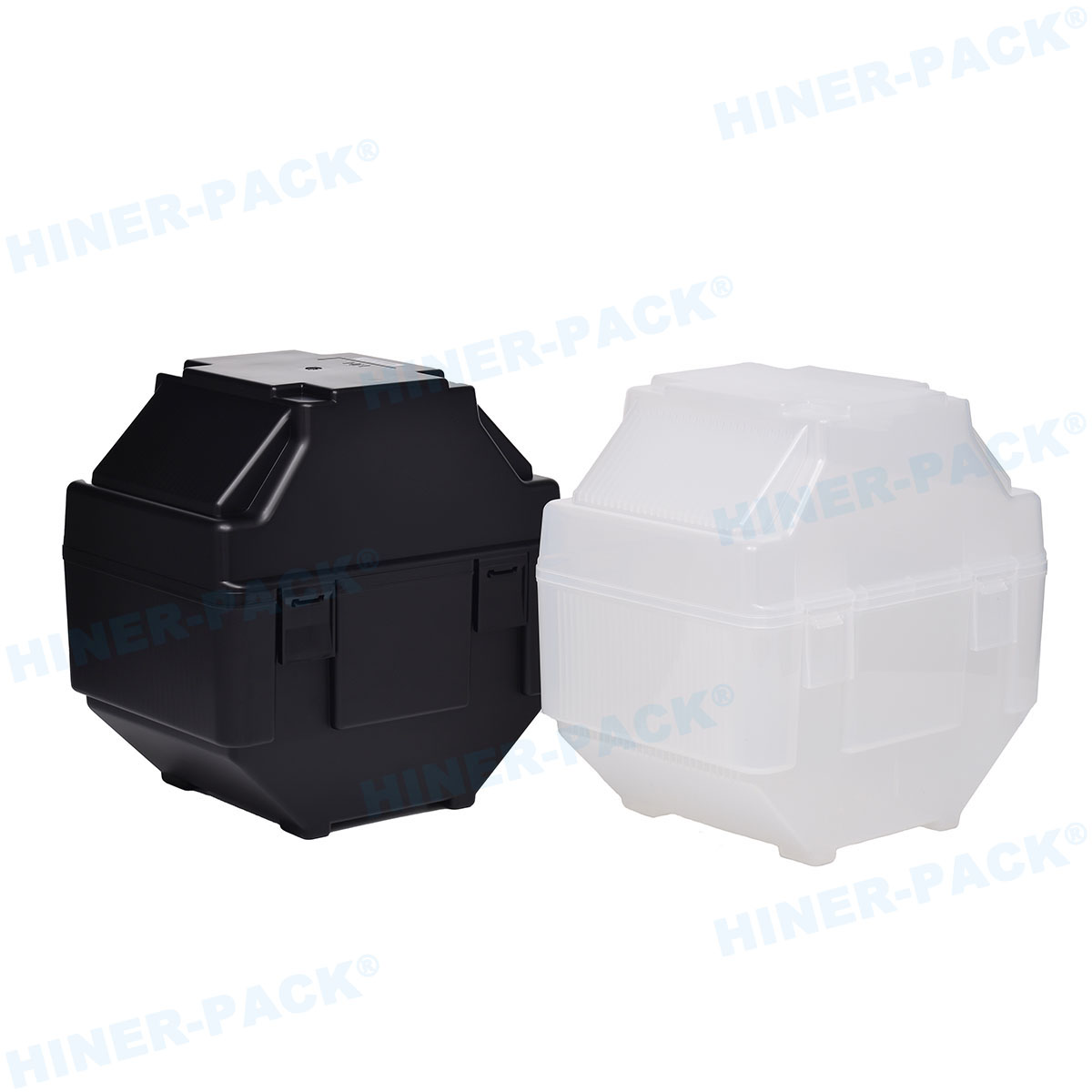
Why Partner with Specialized Manufacturers like Hiner-pack
In a field where a single contaminant can scrap a million-dollar lot, generic suppliers are a liability. Specialized manufacturers bring deep process knowledge and customization capabilities. Hiner-pack, for example, offers bespoke designs for non-standard wafer sizes (e.g., 200mm, 450mm prototypes) and materials tailored to specific process chemistries (e.g., ozone resistance for UV cure steps). Their engineering team collaborates directly with fab integration groups to optimize canister geometry for existing tool load ports.
Frequently Asked Questions (FAQ)
Q1: What is the difference between a FOUP and a wafer canister for cleanroom use?
A1: FOUPs (Front Opening Unified Pods) are designed for lot transport (typically 25 wafers) with a standard mechanical interface to equipment load ports. A wafer canister for cleanroom is often smaller, holding 1–13 wafers, and used for metrology, R&D, or specialized processes where rapid access and minimal volume are required. Canisters may also feature different sealing mechanisms and are optimized for single-wafer tracking.
Q2: How often should a wafer canister be cleaned, and what methods are recommended?
A2: Cleaning frequency depends on fab usage and sensitivity. Typically, canisters are cleaned every 30–90 days. Recommended methods include DI water rinsing with megasonic agitation, followed by IPA vapor drying and Class 1 cleanroom bake-out. Some suppliers, like Hiner-pack, offer contract cleaning services with certified particle counts post-cleaning.
Q3: Can I use a standard wafer canister for both 200mm and 300mm wafers?
A3: No. Wafer canisters are diameter-specific due to precise wafer support features. Using the wrong size can lead to wafer edge damage or contamination. Hybrid canisters exist for very specific applications but are rare. Always specify wafer diameter when ordering from wafer canister for cleanroom suppliers.
Q4: What certifications should I request from a wafer canister manufacturer?
A4: At a minimum, request: (a) SEMI F57 compliance report (material purity), (b) particle adder test per SEMI E52, (c) outgassing profile via GC-MS, (d) surface resistivity and static decay data, and (e) dimensional certification with Cpk >1.33. Suppliers with IATF 16949 or ISO 9001:2015 demonstrate quality system maturity.
Q5: How does the canister material affect copper contamination risk?
A5: Copper is a deep-level trap in silicon, severely degrading device performance. Materials must be verified to contain no copper or heavy metals. High-quality canisters use virgin polymers compounded with pure carbon or stainless steel fillers. Hiner-pack provides certification of heavy metal content via ICP-MS analysis, ensuring compliance with the most stringent copper contamination specs.
Q6: Are there specialized canisters for extreme UV (EUV) lithography?
A6: Yes, EUV applications require canisters that maintain ultra-high vacuum (UHV) compatibility and minimize hydrogen outgassing (since H₂ is used for EUV optics cleaning). Materials such as PTFE or specialized perfluoroelastomers are used. The canister must also be opaque to EUV light to prevent resist outgassing.
Q7: What is the typical lifespan of a wafer canister in high-volume manufacturing?
A7: With proper cleaning and handling, a quality canister can last 3–5 years. However, wear parts such as door seals and kinematic pins may need replacement annually. Regular inspection for discoloration, crazing, or increased particle counts is recommended.
Conclusion: The Strategic Importance of the Right Wafer Canister for Cleanroom Operations
As we push the boundaries of Moore's Law, every element in the manufacturing chain must be optimized. The humble wafer canister for cleanroom is a silent guardian of yield. By applying the rigorous technical criteria outlined above—material purity, cleanliness, ESD control, automation fit, and smart features—procurement and engineering teams can select partners that enhance, rather than jeopardize, fab performance. Companies like Hiner-pack exemplify the deep expertise required to deliver such mission-critical components. In a world where a single wafer can be worth tens of thousands of dollars, investing in the right canister is simply common sense.