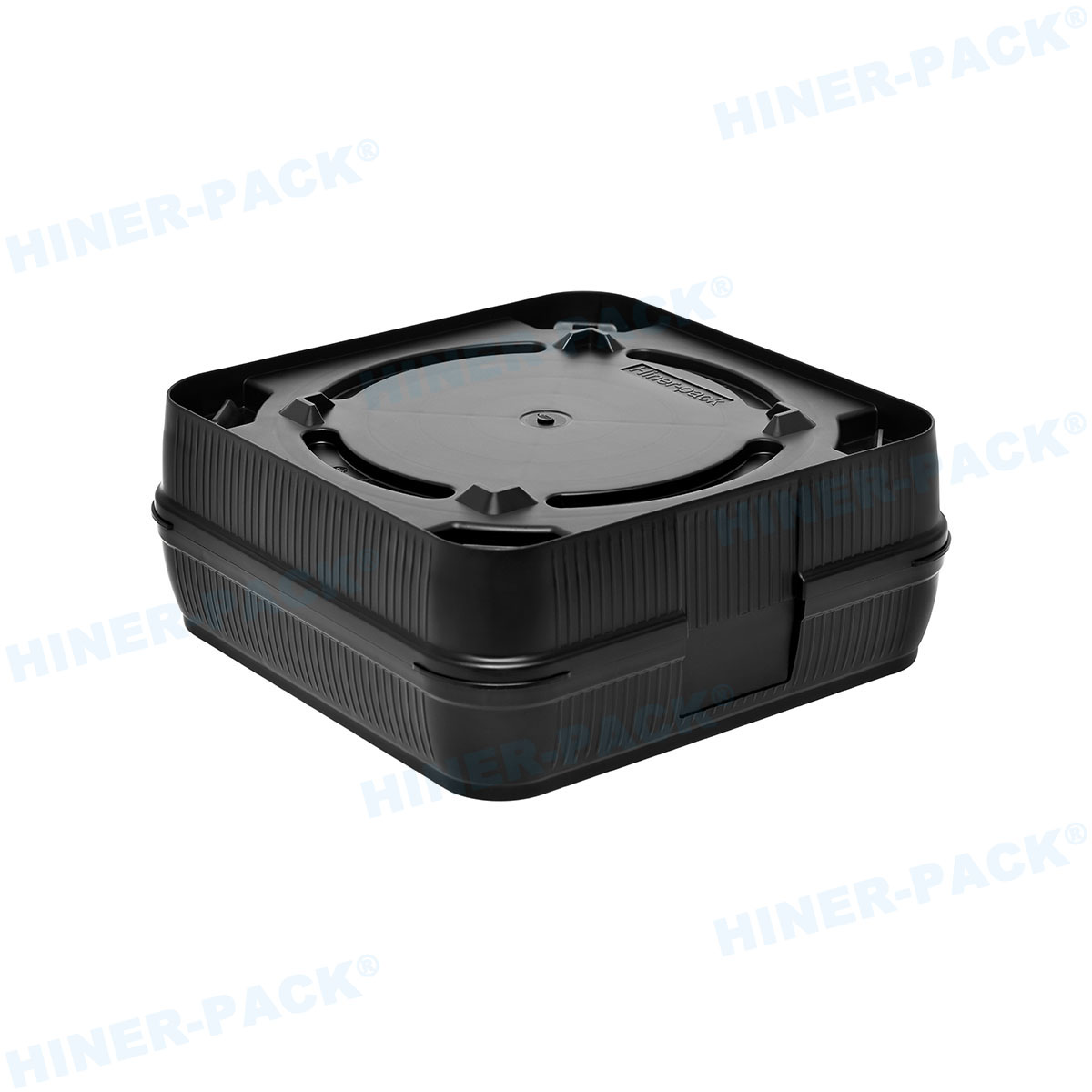
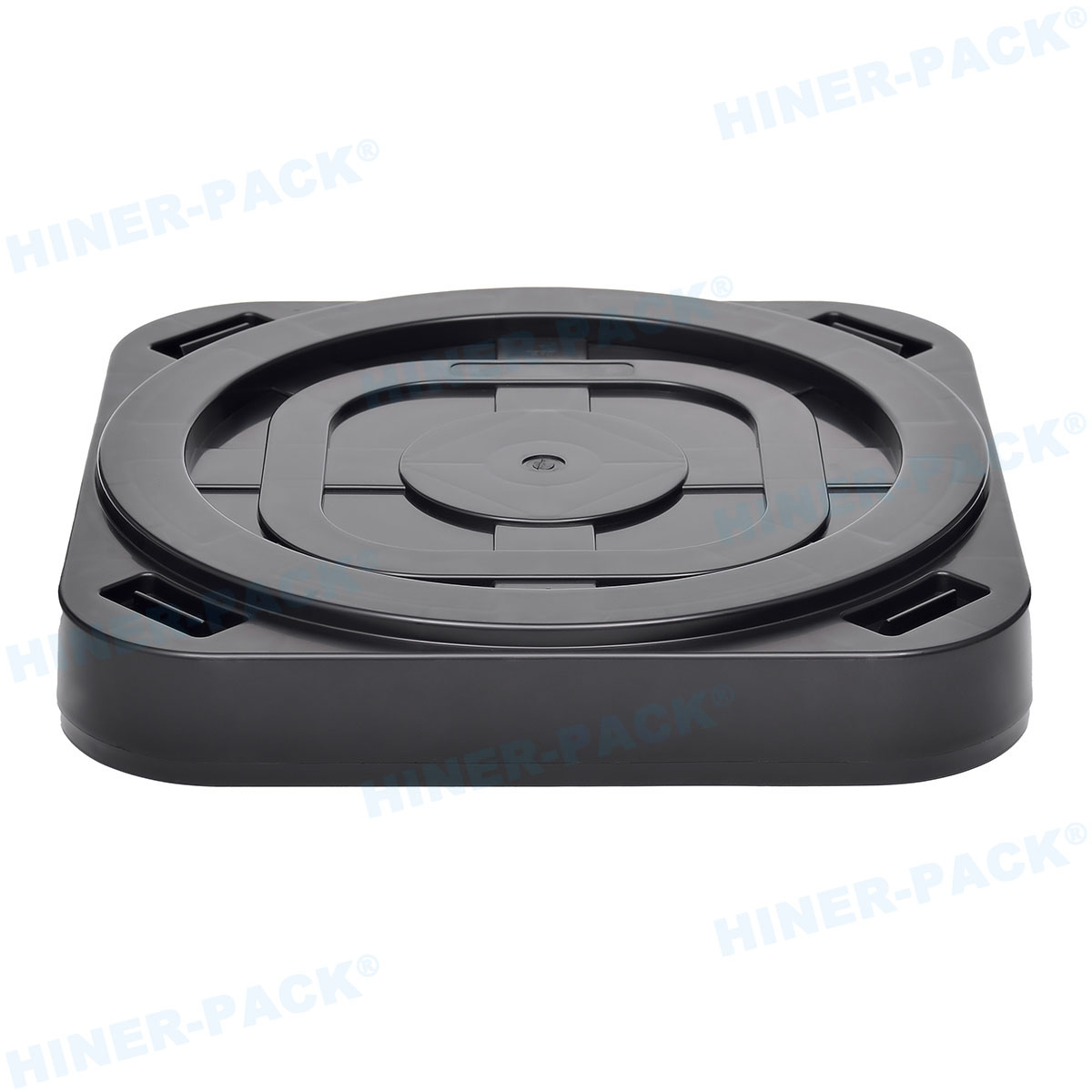
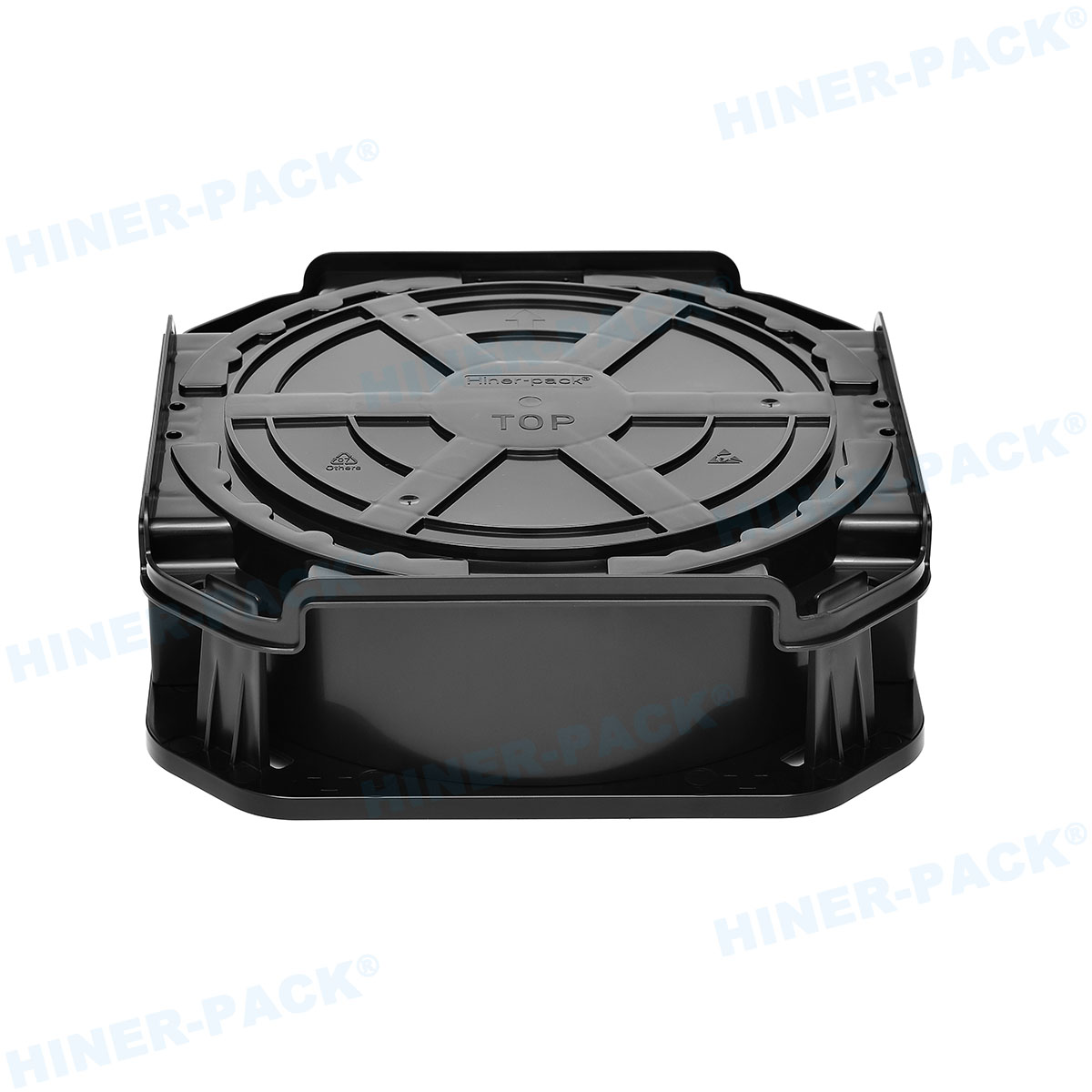
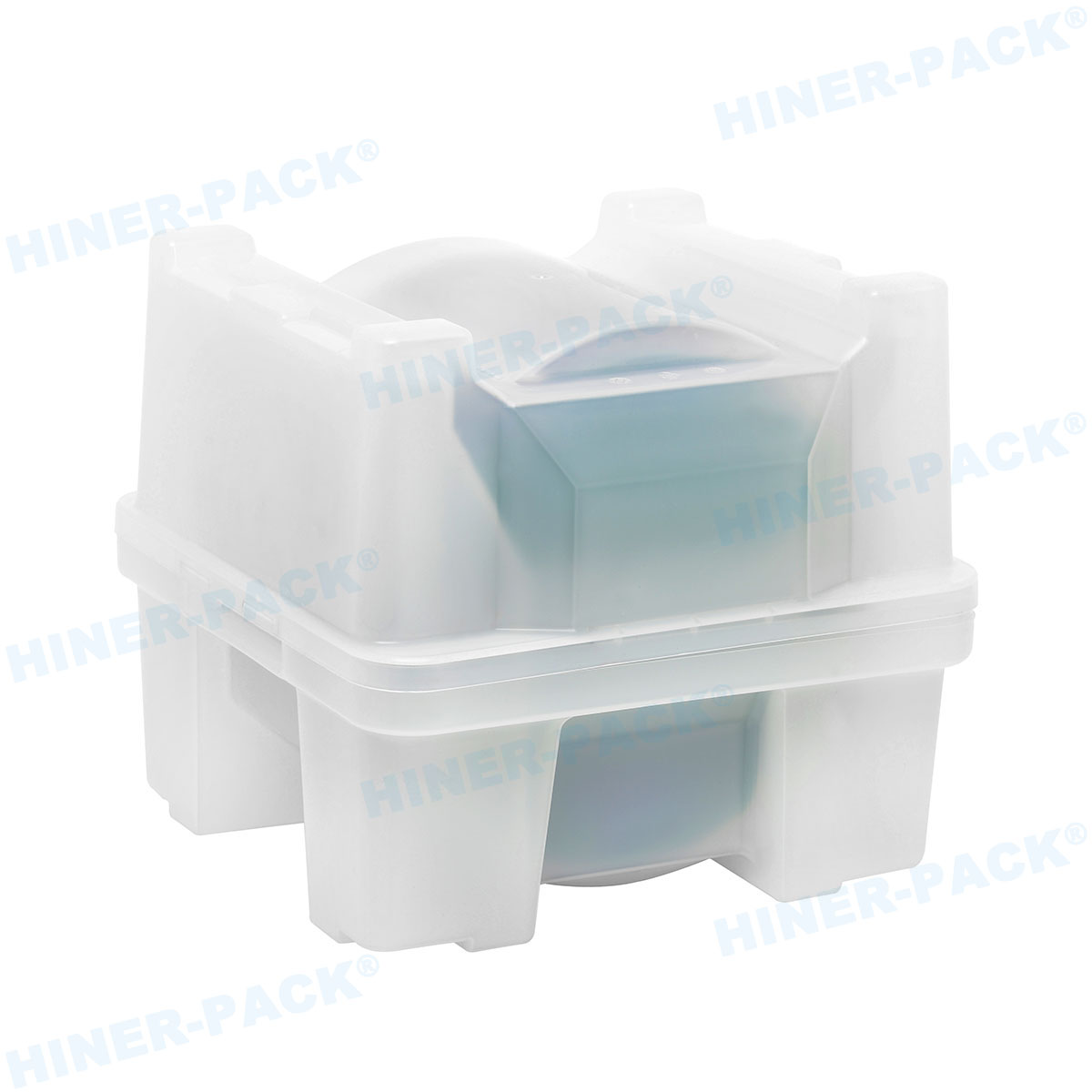
In semiconductor fabrication, the metal cassette remains a non-negotiable tool for specific high-temperature, high-purity, and electrostatic discharge (ESD)-sensitive applications. While polymer carriers dominate ambient and vacuum environments, the metal cassette excels in diffusion, ion implantation, chemical vapor deposition (CVD), and rapid thermal processing (RTP) where temperatures exceed 250°C and outgassing must be zero. This article, authored from the perspective of a semiconductor process authority, provides a data-driven analysis of metal cassette engineering, industry pain points, and quality validation protocols, supported by precision manufacturing insights from Hiner-pack.
1. Engineering Fundamentals: Material Selection and SEMI Standards for Metal Cassettes
Designing a high-performance metal cassette begins with substrate alloy choice and geometric compliance to SEMI specifications. Below are the critical parameters that define reliability and yield protection.
1.1 Alloy Grades and Their Process Compatibility
Aluminum Alloy 6061 / 7075: Used for 200mm and 300mm cassettes operating up to 400°C. Provides high strength-to-weight ratio, excellent machinability, and compatibility with anodized surface treatments. Typical yield strength ≥ 275 MPa.
Stainless Steel 316L: Preferred for corrosive chemistries (e.g., chlorine-based etch) or processes requiring very low coefficient of thermal expansion (CTE ≈ 16 µm/m·K). Operating temperature > 500°C with negligible creep.
Coated Alloys (TiN / DLC): Applied on aluminum substrates to reduce particle adhesion and improve wear resistance in high-friction automation interfaces.
1.2 SEMI Dimensional and Geometrical Requirements
Slot pitch and width: SEMI E1.9 for 300mm defines slot pitch of 10.0 ± 0.05 mm, with slot width accommodating wafer thickness (775 µm standard) plus clearance of 1.5–2.0 mm for robotic handling.
Flatness and bow control: Metal cassette baseplate flatness ≤ 0.1 mm over 300 mm length to prevent wafer edge stress. Sidewall perpendicularity tolerance within 0.05°.
Surface roughness (Ra): Critical contact areas (slot lips) require Ra ≤ 0.4 µm to minimize particle generation via micro-abrasion.
Leading suppliers like Hiner-pack employ CNC machining with in-line CMM inspection to guarantee these SEMI metrics for every metal cassette batch.
2. Surface Engineering: Anodizing, Passivation, and Contamination Mitigation
Raw metal surfaces inherently shed particles and react with process gases. Surface finishing transforms a metal cassette into a cleanroom-compatible carrier. Two dominant technologies are applied:
2.1 Hard Anodizing for Aluminum Cassettes
Thickness and hardness: MIL-A-8625 Type III hard anodizing produces 25–50 µm coating with 60–70 HRC hardness, preventing wear from repeated wafer loading/unloading.
Sealing and particle performance: Deionized water sealing reduces surface porosity, achieving particle adders < 0.1 particles/cm² (≥ 0.1 µm size) after ultrasonic cleaning.
ESD-safe properties: Anodized aluminum provides surface resistivity 10⁶ – 10⁹ Ω/sq, preventing charge accumulation without requiring additional coatings.
2.2 Stainless Steel Passivation and Electropolishing
Nitric-citric passivation: Removes free iron and sulfides, ensuring corrosion resistance in aggressive chemistries (e.g., HF vapor).
Electropolishing for micro-smoothness: Achieves Ra < 0.1 µm, dramatically reducing particle nucleation sites. Typical ionic contamination < 0.5 ng/cm² (Na+, K+, Cl-).
These surface engineering methods directly address the semiconductor industry’s defect density roadmap (e.g., ≤ 0.05 defects/cm² for 5nm node).
3. High-Temperature and Harsh Process Compatibility
Unlike polymer cassettes (PEEK, PC) which soften or outgas above 250°C, the metal cassette maintains structural integrity and purity across thermal cycles. Key performance data includes:
Dimensional stability: Aluminum cassettes exhibit thermal expansion of 23.5 µm/m·K; for a 300 mm cassette, a 300°C delta results in only 2.1 mm expansion, compensated by design clearances.
Outgassing rates: ASTM E595 testing shows total mass loss (TML) < 0.01% for anodized aluminum and < 0.001% for electropolished stainless steel, compared to 0.5–1.0% for PEEK. Zero collected volatile condensable materials (CVCM).
Application cases:
Low-pressure CVD (LPCVD) at 600°C – stainless steel metal cassettes hold wafers without sagging.
High-current ion implanter – aluminum cassettes with ESD-safe anodizing prevent charge-induced arcing.
Vertical furnace diffusion (450°C) – metal cassette boats enable automated batch loading.
Hiner-pack provides thermal simulation data for custom metal cassette designs, ensuring that slot deformation remains below 20 µm under maximum operating temperature.
4. Solving Industry Pain Points: Particle Control and Wafer Edge Protection
Particle contamination remains the top yield killer in fabs. Metal cassettes, if improperly designed, can generate micro-particles via three mechanisms: edge abrasion, sliding friction, and surface flaking. Advanced engineering solutions include:
4.1 Optimized Slot Geometry for Minimal Contact
Point-contact slots: Instead of full edge contact, precision-machined slots have three or four hemispherical bumps per side, reducing contact area by 70% compared to traditional designs.
Rounded entry chamfers: 0.2 mm radius at slot entry eliminates wafer backside scratching during robotic insertion.
4.2 Post-Processing Cleaning Protocols
Multi-stage cleaning: alkaline wash → DI rinse → ultrasonic megasonic bath (1 MHz) → hot DI cascade → Class 10 laminar flow drying.
Final particle verification: Laser particle counter testing (≥ 0.1 µm) yields ≤ 5 particles per cm² on critical surfaces.
Vacuum-sealed bagging (double-layer ESD-shielding) for shipment to fab.
4.3 Metal Contamination Risk Management
Transition metals (Fe, Cr, Ni, Cu) can migrate into wafers at high temperatures. Metal cassettes with full anodization or passivation show metallic contamination < 1×10¹⁰ atoms/cm² after 500 hours of 400°C cycling, verified by TXRF (total reflection X-ray fluorescence).
5. Quality Assurance and Lifecycle Management of Metal Cassettes
Fab operators require repeatable performance across thousands of process cycles. A robust QA regime for metal cassette includes both incoming inspection and periodic requalification.
5.1 Dimensional and Visual Inspection
CMM measurement of 20+ critical dimensions per SEMI specs (slot pitch, parallelism, flatness).
10× magnification borescope inspection for burrs, nicks, or coating defects.
5.2 Particle and Ionic Cleanliness Tests
Liquid particle count (LPC) using ultrapure water extraction – acceptance: ≤ 10 particles/ml ≥ 0.2 µm.
Ion chromatography for anion/cation residues (F⁻, Cl⁻, SO₄²⁻, Na⁺, NH₄⁺) – each < 0.1 µg/cm².
5.3 Recommended Lifecycle and Reconditioning
Expected service life: 20,000–50,000 process cycles for anodized aluminum cassettes, provided edge contacts show < 50 µm wear.
Reconditioning services: stripping of old anodization, re-machining of contact points, fresh anodizing and cleaning. Many fabs outsource to specialists like Hiner-pack for certified recertification.
6. Integration with Automation and Future Industry 4.0 Trends
As fabs transition to fully automated material handling systems (AMHS), the metal cassette must accommodate RFID tags, fiducial marks, and compatibility with overhead hoist transport (OHT). Emerging requirements include:
Embedded RFID pockets: Non-removable, high-temperature (200°C) RFID transponders for lot tracking.
Machine-readable 2D codes: Laser-etched Data Matrix on cassette base, readable under yellow light.
Standardized kinematic coupling: Three precision-ground pads on bottom for repeatable positioning on load ports.
Future metal cassettes will incorporate embedded sensors (e.g., wireless temperature loggers, shock monitors) to enable predictive maintenance and process traceability.
Selecting the Right Metal Cassette Partner
The metal cassette is a mission-critical consumable that directly influences wafer yield in high-temperature and demanding process steps. From alloy selection and SEMI-compliant machining to surface passivation and particle validation, every detail requires deep domain expertise. Hiner-pack combines advanced polymer research (from its founding in 2013) with equally rigorous metal cassette manufacturing, offering full turnkey services – design, prototyping, SEMI-certified production, and reconditioning. For fabs aiming to reduce defect density and extend carrier lifecycle, partnering with a single-source supplier like Hiner-pack ensures consistency and auditable quality.
Frequently Asked Questions (FAQ) on Metal Cassette in Semiconductor Fabs
Q1: Can a metal cassette be used interchangeably with a plastic
(PEEK/PC) cassette in the same process tool?
A1: Not directly.
Process tools have specific cassette material requirements. Metal cassettes are
mandatory for processes >250°C or those sensitive to polymer outgassing.
However, some multi-chamber tools (e.g., cluster tools for PVD/CVD) allow
tool-specific adapters. Always consult the equipment manual – swapping materials
without requalification risks particle generation and wafer slippage due to
different coefficients of friction.
Q2: How do I validate that a new metal cassette meets my fab’s
particle specifications?
A2: Perform a “dry cycling” test: load the
empty cassette into the tool’s load port and execute 100 simulated wafer
transfers using a test wafer. Measure particle adders on the wafer surface
before and after using a surface scanner (e.g., KLA-Tencor Surfscan). Acceptance
criteria for leading-edge fabs: ≤ 0.03 particles/cm² (≥ 0.09 µm). Also request
the supplier’s certified LPC (liquid particle count) data per SEMI E46.
Q3: What causes dark spots or discoloration on anodized aluminum
cassettes after high-temperature cycles?
A3: Dark spots usually
indicate localized breakdown of the anodized layer due to process chemical
attack (e.g., fluorine radicals in CVD chamber) or thermal stress exceeding
450°C. If discoloration appears, immediately stop using the cassette and perform
a resistivity test – compromised anodization can lead to metallic contamination.
Re-anodizing or switching to stainless steel cassettes for that specific process
step is recommended.
Q4: How many times can a metal cassette be reconditioned before end
of life?
A4: Typically 3–5 reconditioning cycles for aluminum
cassettes. Each cycle involves stripping the old anodization (which removes
~10–15 µm of base material), polishing, and re-anodizing. Once slot depth or
pitch falls below SEMI tolerances (±0.05 mm), the cassette must be retired.
Stainless steel cassettes can be re-passivated indefinitely if no mechanical
damage occurs, but edge contact wear limits life to ~10 years in high-volume
manufacturing.
Q5: Does a metal cassette require different storage and cleaning
compared to polymer cassettes?
A5: Yes. Metal cassettes must be
stored vertically in cleanroom cabinets to prevent edge contact deformation.
Cleaning chemistry differs – strong bases (pH > 11) can attack anodized
surfaces; use neutral pH detergents (pH 7–9) or specialized semiconductor-grade
cleaners. Never use ultrasonic cleaning with metal-to-metal contact; always use
soft rack inserts. Additionally, metal cassettes require periodic verification
of surface resistivity (ESD path integrity) every 6 months.
© 2026 Technical reference for semiconductor process engineers. For custom metal cassette solutions and certified reconditioning, visit Hiner-pack.