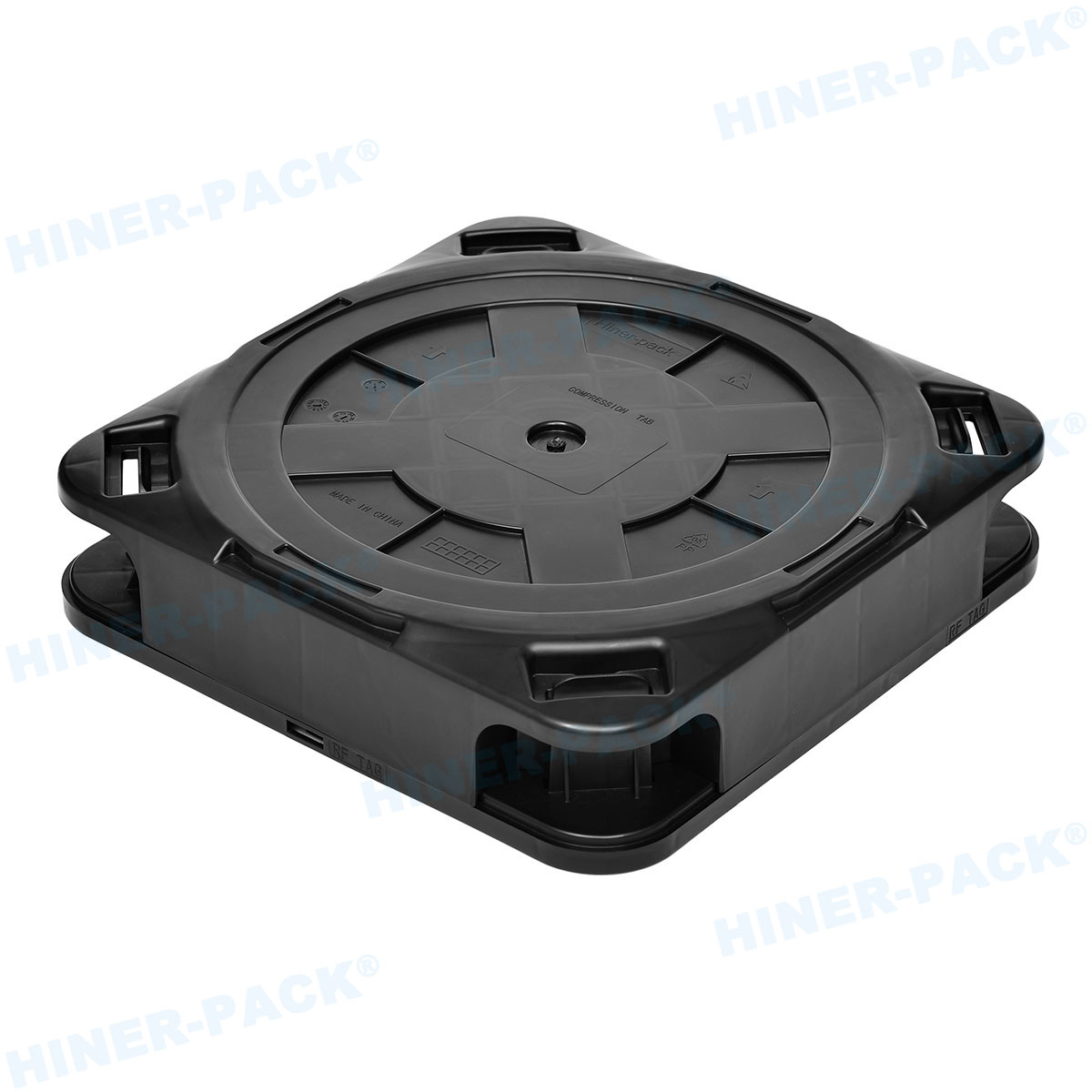
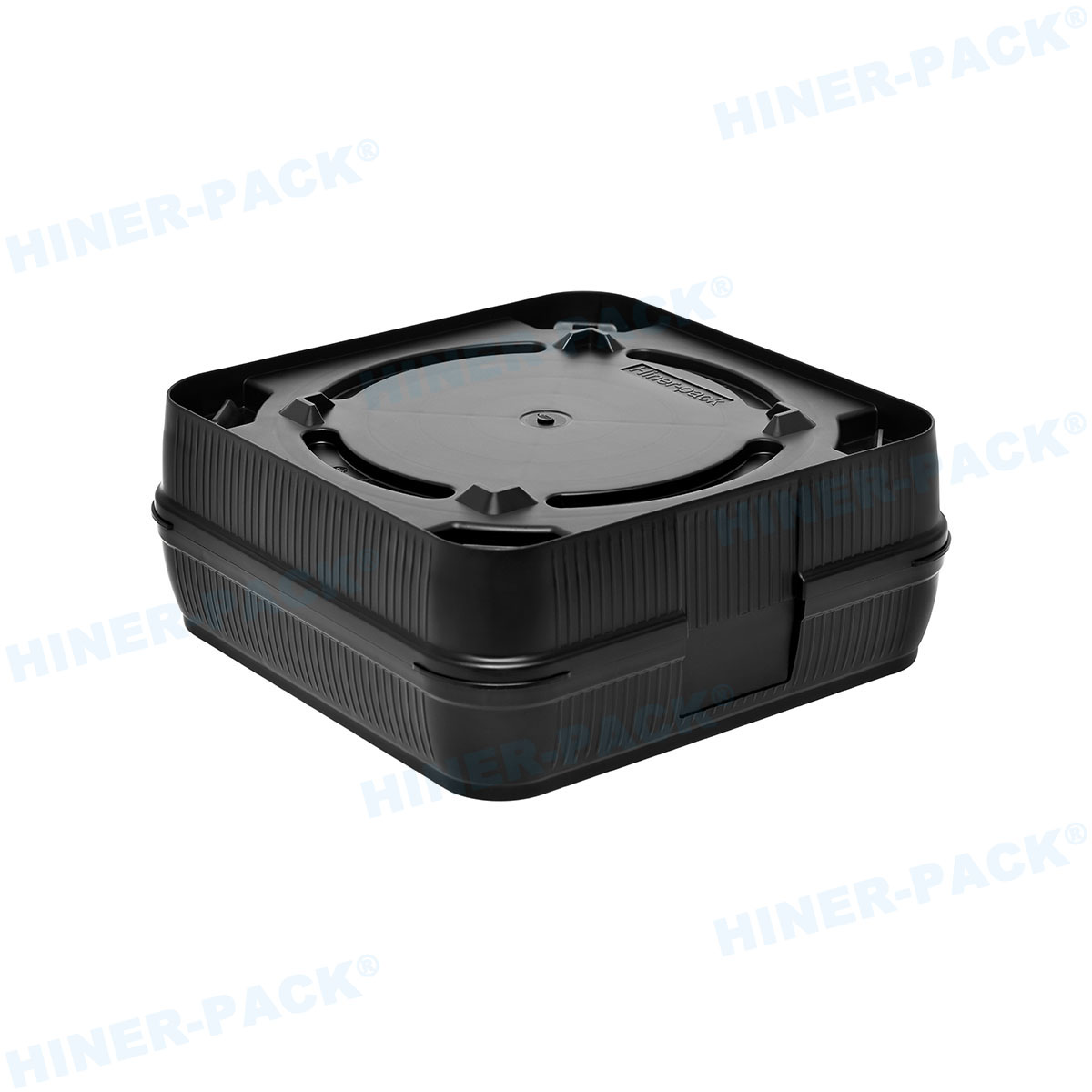
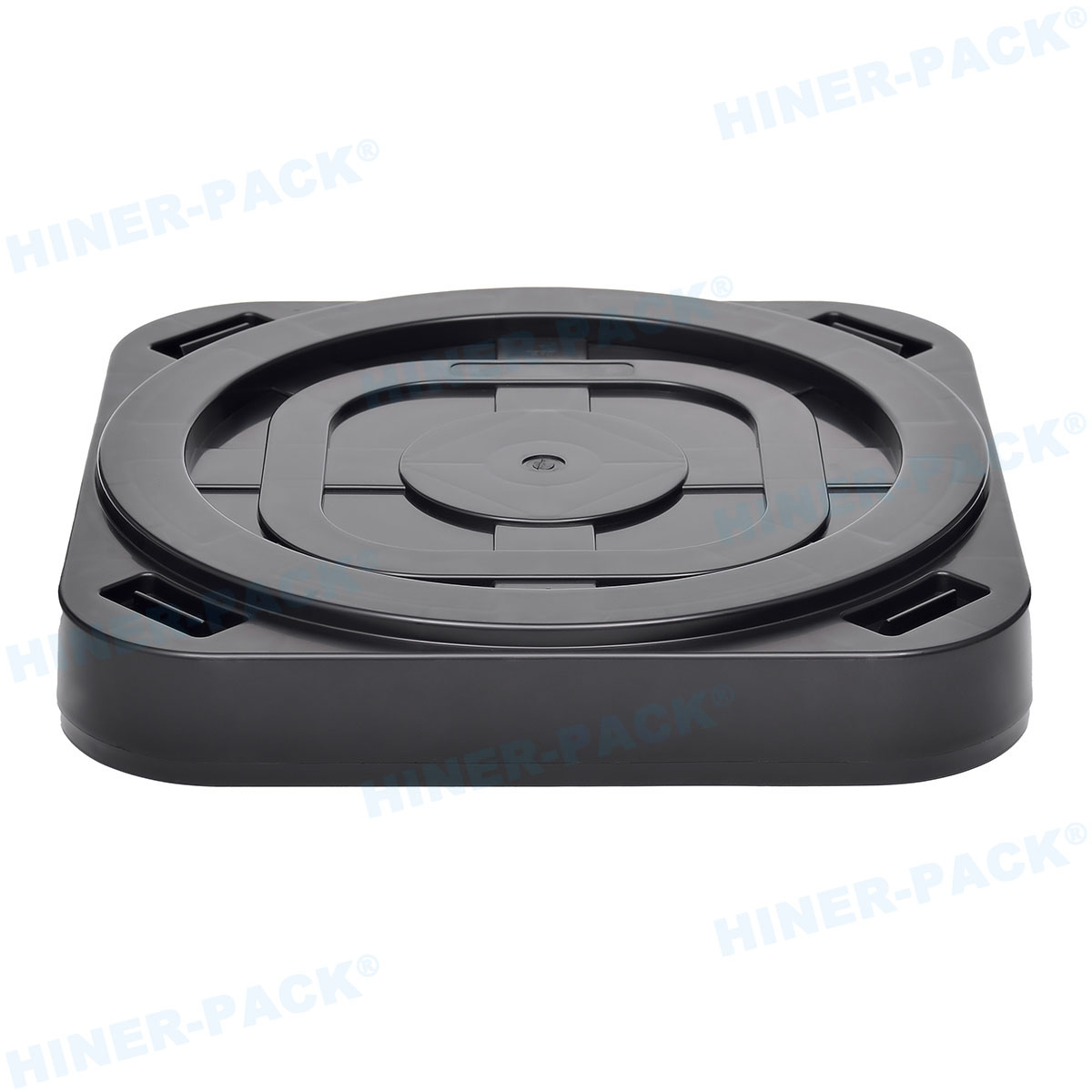
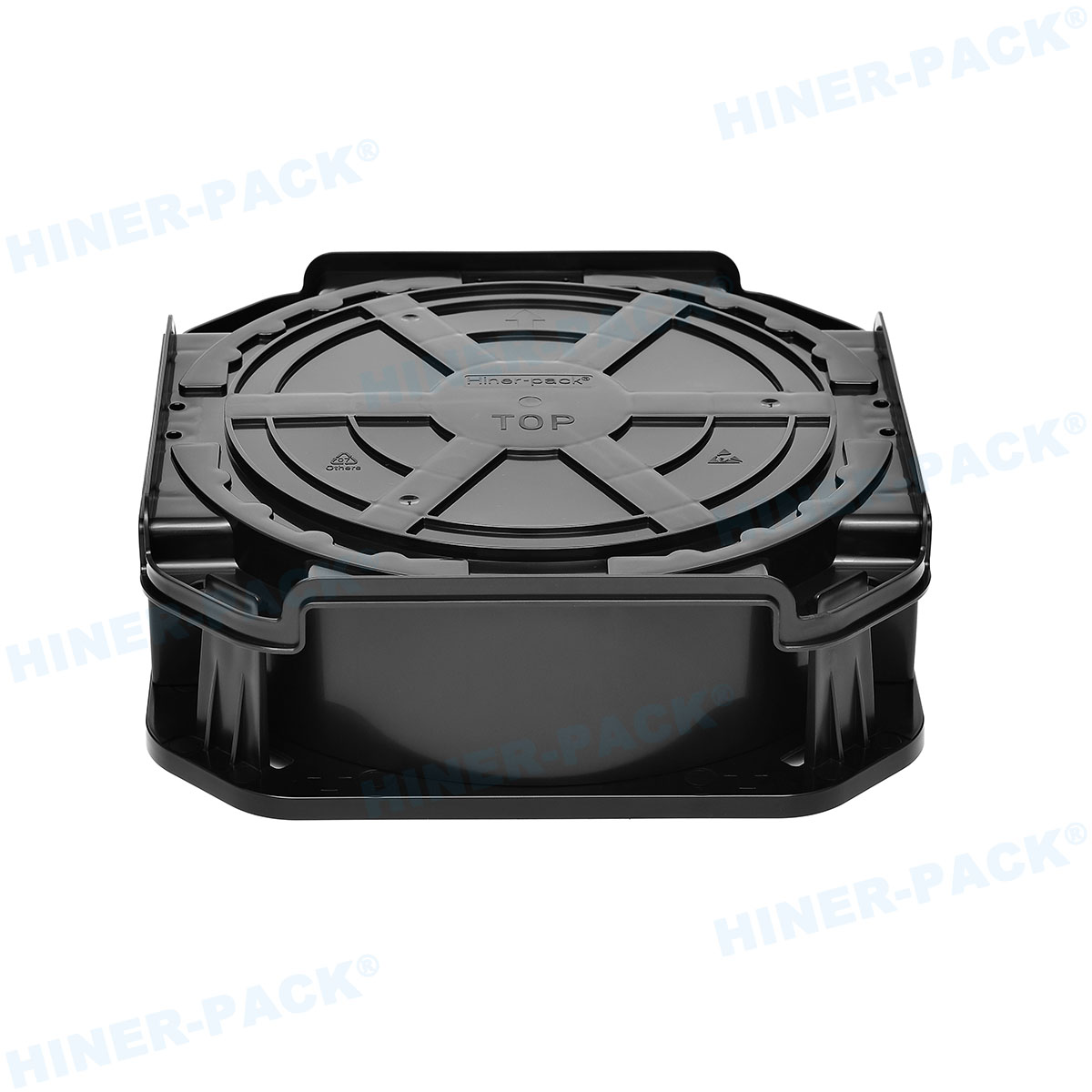
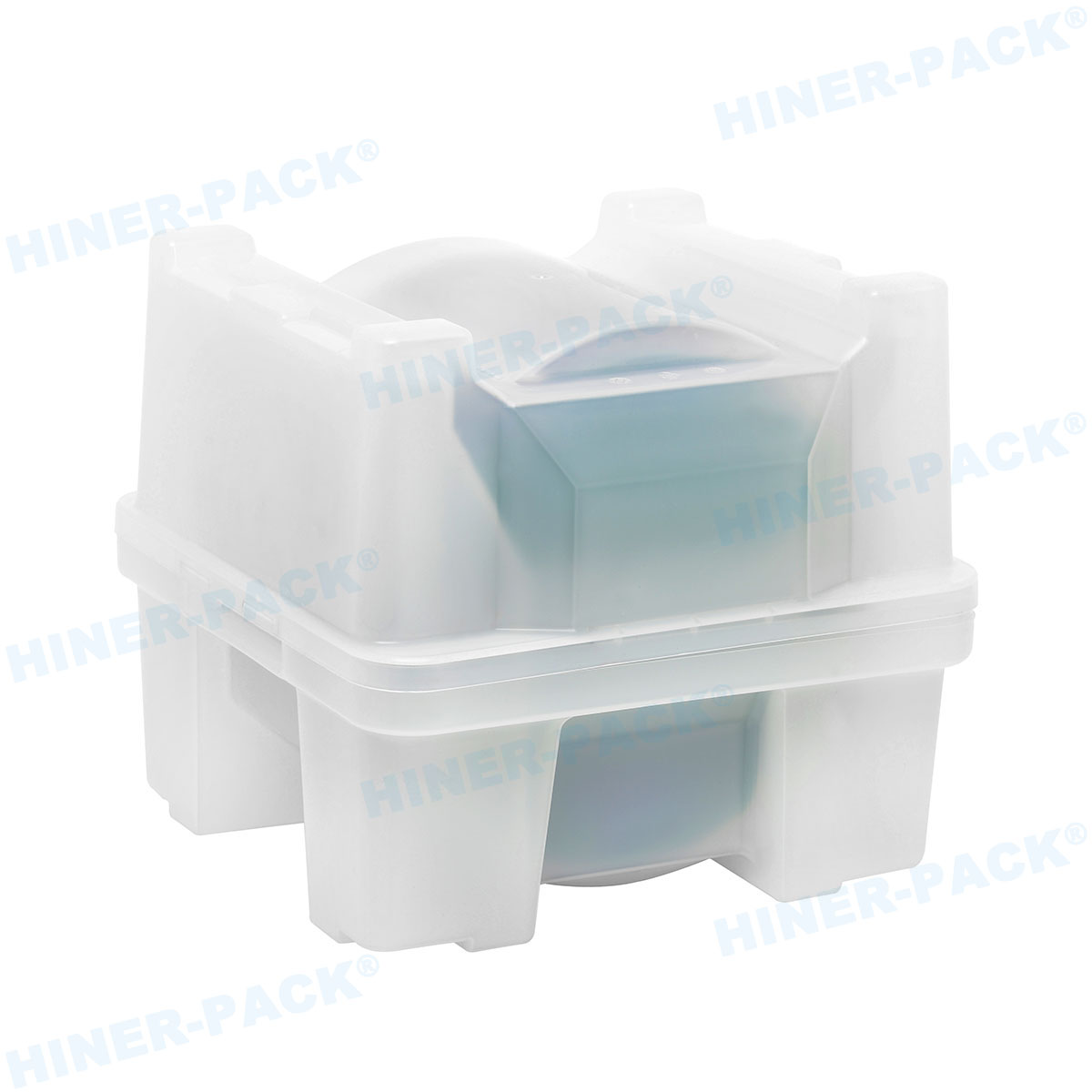
If you work in the semiconductor or photonics industry, you know the sinking feeling of opening a package only to find cracked dies or displaced components. Transporting fragile materials is a high-stakes game. This is where the gel sticky carrier box changes everything.
Unlike traditional storage methods, a gel sticky carrier box uses intrinsic surface tension to hold devices safely in place. It eliminates the rattling associated with waffle packs and the complexity of tape and reel for low-volume runs.
In this guide, we will explore why the gel sticky carrier box is the preferred choice for engineers, how to choose the right retention level, and why brands like Hiner-pack are becoming industry standards for safe device handling.
Understanding the Gel Sticky Carrier Box Technology
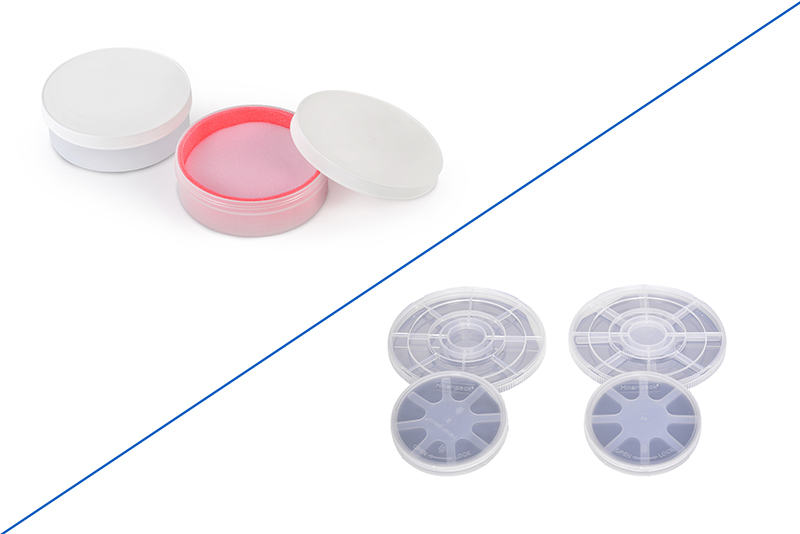
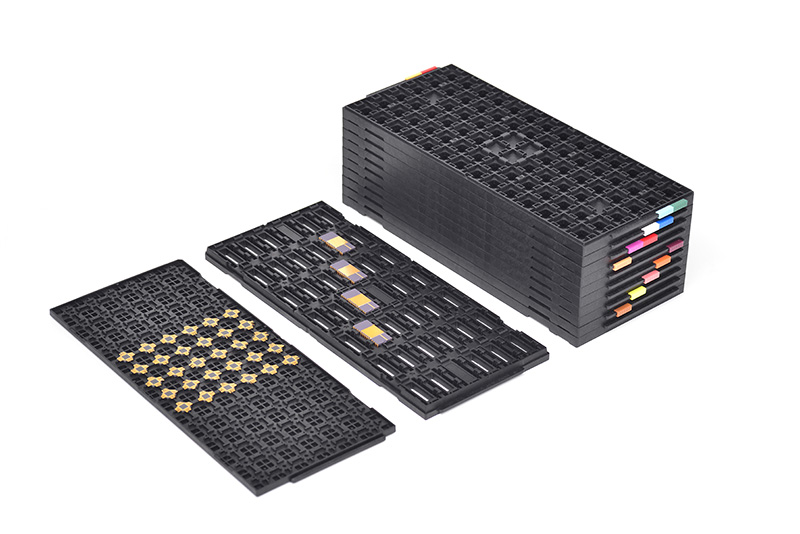
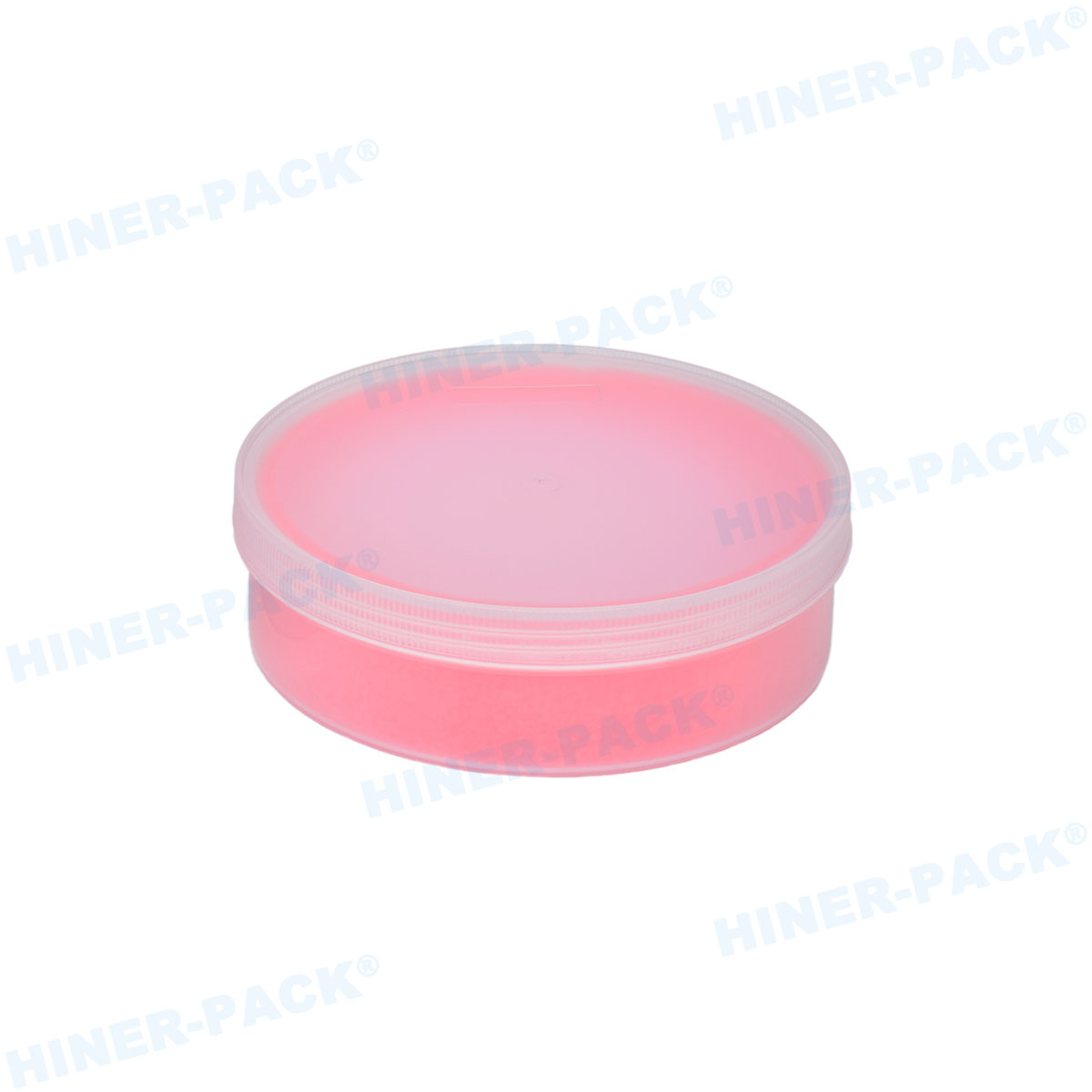
At its core, a gel sticky carrier box is a hinged plastic container, usually made from transparent conductive or anti-static material. The bottom of the box is coated with a proprietary gel layer. This isn't standard glue; it is a cross-linked polymer that relies on surface tension.
When you place a die or a component onto the gel, it adheres immediately. The bond is strong enough to hold the item during shipping, even if the box is tilted or jarred. However, the magic of the gel sticky carrier box is that this bond is temporary.
With the right tools, usually vacuum pickup or tweezers depending on the tackiness, the component releases cleanly. It leaves no residue behind. This "residue-free" characteristic is vital for optical sensors and uncovered microchips where even a microscopic smudge can ruin performance.
Why Hiner-pack Recommends Gel Over Waffle Packs
For decades, waffle packs were the standard. While they work well for robust parts, they have a flaw: movement. In a waffle pack, the component sits in a pocket. If the pack is shaken, the component hits the walls.
A gel sticky carrier box prevents this entirely. Once the device touches the gel, it stays put. There is no lateral movement.
Hiner-pack has observed that for materials like Indium Phosphide (InP) or Gallium Arsenide (GaAs), which are incredibly brittle, the yield loss in waffle packs is statistically higher than in a gel sticky carrier box.
Furthermore, a gel sticky carrier box allows for random placement. You do not need to align the chip perfectly with a pocket grid. This speeds up the manual loading process significantly in laboratory settings.
The Role of Retention Levels in a Gel Sticky Carrier Box
Not all gels are created equal. A heavy, rough ceramic creates different demands than a polished, thinned silicon die. Therefore, a gel sticky carrier box comes in various retention levels (tackiness).
Low Retention (Extra Low to Low)
These boxes are designed for extremely fragile devices or devices with a large surface area. If the gel is too sticky, you might crack the die when trying to remove it. A low-retention gel sticky carrier box provides just enough hold to prevent sliding but releases easily.
Medium Retention
This is the workhorse of the industry. It works for standard silicon dies, small MEMS devices, and general beam-lead components. Most Hiner-pack customers start with a medium retention gel sticky carrier box for testing.
High Retention
High retention is necessary for small components with rough surfaces. Because the contact area is low, you need a stronger chemical grip. A high-retention gel sticky carrier box ensures these tiny parts don't fly off during air transit vibration.
Critical Features of a High-Quality Gel Sticky Carrier Box
When sourcing these boxes, you aren't just buying plastic; you are buying insurance for your chips. Here are the specs that matter.
ESD Protection:Static electricity is the silent killer of semiconductors. A premium gel sticky carrier box will feature improper electrostatic discharge (ESD) protection. The cover and the box body are typically made from conductive or static-dissipative materials.
Optical Clarity:Inspection should happen without opening the box. A high-quality gel sticky carrier box allows for visual inspection or automated optical inspection (AOI) through the transparent lid.
Gridlines:Some gel sticky carrier box models come with printed gridlines on the gel surface. This assists operators in manually populating the box in an organized fashion, making it easier to locate specific dies later.
Application Areas for the Gel Sticky Carrier Box
The versatility of the gel sticky carrier box allows it to serve multiple sectors within the high-tech landscape.
Photonics and Laser Diodes:Laser bars and lenses are highly sensitive to scratches. The non-abrasive surface of the gel cushions these parts perfectly.
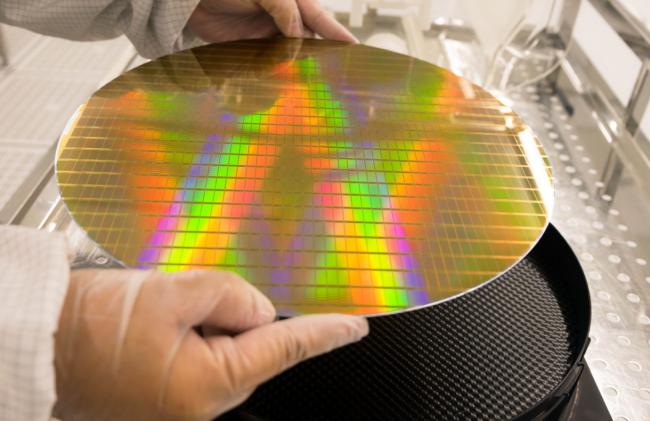
Thinned Wafers:When wafers are ground down to ultra-thin levels, they become flexible and brittle. Transporting diced thinned wafers is nearly impossible without a gel sticky carrier box.
Aerospace and Defense:High-reliability parts used in satellites cannot suffer from micro-cracks. Hiner-pack supplies solutions that meet rigorous transport standards in this sector.
How to Properly Load and Unload a Gel Sticky Carrier Box
Using a gel sticky carrier box requires specific handling techniques to ensure the safety of the components.
Loading:Using vacuum tweezers, gently lower the component onto the gel surface. Do not press down hard. The gravity of the component is usually sufficient to activate the bond of the gel sticky carrier box.
Unloading:This is where mistakes happen. You cannot simply rip the part off.
Use vacuum pens with soft tips.Approach the component vertically.If using a high-retention gel sticky carrier box, a slight twisting motion (if the component shape permits) can help break the surface tension seal.For Vacuum Release (VR) style trays, ensure vacuum is applied to the underside of the tray to deactivate the hold before picking.
Hiner-pack: Innovation in Device Handling
Hiner-pack has established itself as a reliable partner in the semiconductor packaging supply chain. They understand that a gel sticky carrier box is not a commodity; it is a technical tool.
Their manufacturing process ensures consistent gel thickness and uniform tackiness across the batch. Inconsistent gel can lead to "hot spots" where a component sticks too firmly, leading to die breakage upon removal. Hiner-pack strictly controls cross-linking density to prevent this.
Furthermore, Hiner-pack offers customization. Whether you need a specific box dimension or a custom retention level for a unique MEMS device, they can tailor the gel sticky carrier box to your production line.
Cost-Benefit Analysis: Is a Gel Sticky Carrier Box Worth It?
Procurement managers often look at the price of a waffle pack versus a gel sticky carrier box and hesitate. The gel box is more expensive.
However, calculate the cost of the die. If a single prototype chip costs $500 to fabricate, and you ship 100 of them, you are moving $50,000 worth of product. If a cheap plastic tray causes a 2% breakage rate, you lose $1,000.
A gel sticky carrier box might cost a few dollars more, but it eliminates that 2% loss. The ROI is immediate. For high-value items, the gel sticky carrier box is actually the cheapest option when factoring in yield protection.
Common Mistakes When Using a Gel Sticky Carrier Box
Even experienced engineers make errors.
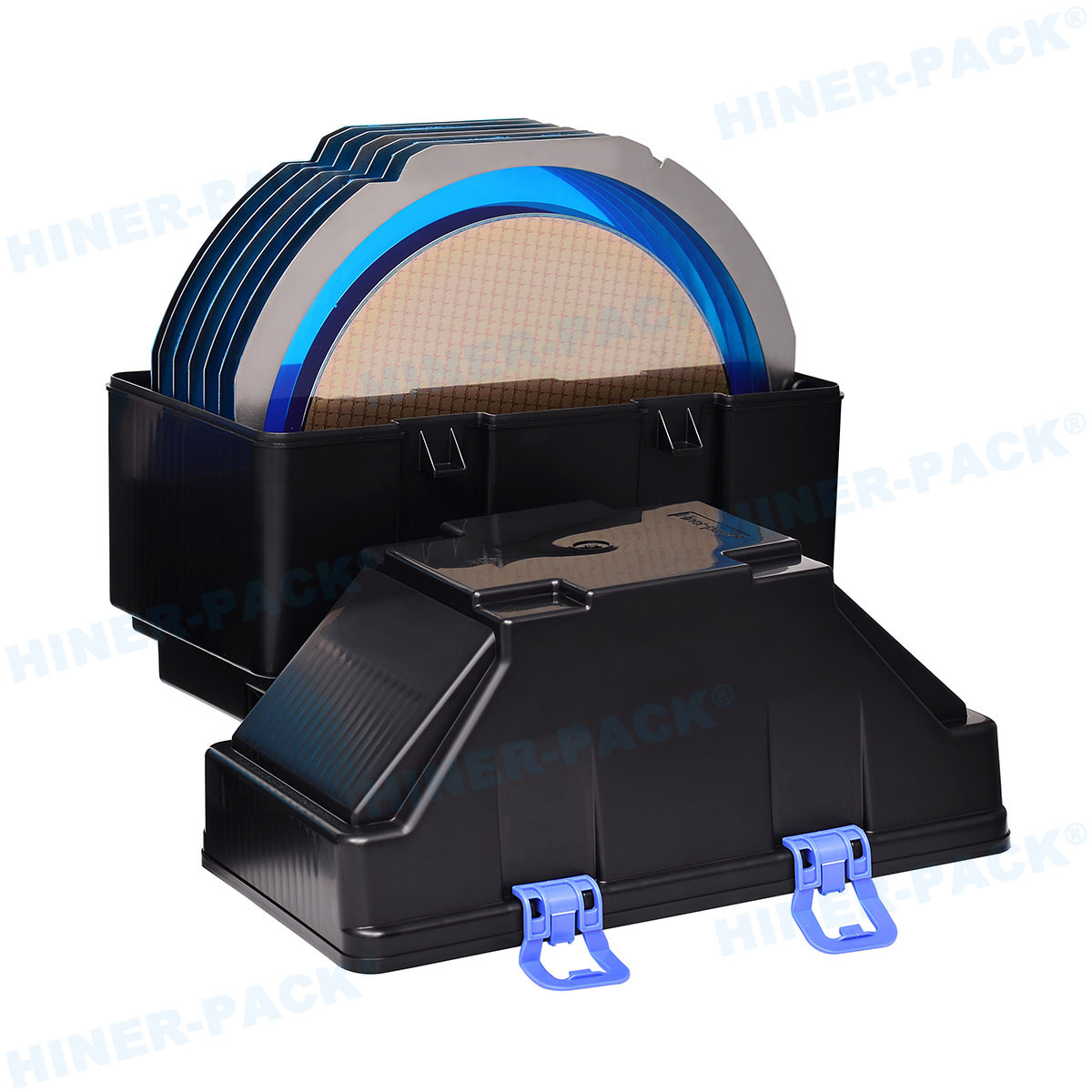
Overloading: Placing components too close together. If they shift slightly during a severe impact, they might touch.Wrong Tackiness: Using high tack for a large, flat, smooth glass die. You will likely break the glass trying to get it out of the gel sticky carrier box.Dirty Tools: Using dirty tweezers transfers oil to the gel. The gel sticky carrier box relies on a clean surface to maintain tackiness. Dust and oils reduce its effectiveness.
Future Trends in Gel Packaging
As chips get smaller and more integrated (heterogeneous integration), the demand for the gel sticky carrier box is growing.
We are seeing a move towards "Vacuum Release" technologies where the gel sticky carrier box changes its surface shape when a vacuum is applied to the bottom, effectively reducing contact area to near zero for easy removal.
Additionally, companies like Hiner-pack are researching eco-friendly materials for the box casing to align with global sustainability goals, without compromising the ESD properties of the gel sticky carrier box.
Handling Storage and Shelf Life
A gel sticky carrier box has a shelf life. Over time, usually roughly two years depending on storage conditions, the gel properties can change.
It is recommended to store the gel sticky carrier box in a cool, dry environment away from direct sunlight. UV exposure can degrade the polymer chains in the gel. Always keep the lid closed and latched when not in use to prevent dust accumulation on the sticky surface.
Final Thoughts on the Gel Sticky Carrier Box
The semiconductor industry is defined by precision. Your packaging should reflect that. The gel sticky carrier box offers a level of security and versatility that traditional methods cannot match.
Whether you are shipping prototypes across the ocean or moving dies from the dicing saw to the wire bonder, the gel sticky carrier box is an essential tool. It protects against shock, vibration, and ESD.
By choosing a reputable manufacturer like Hiner-pack, you ensure that your critical components arrive in the exact same condition they left the lab. Don't let poor packaging be the weak link in your production chain. Invest in a quality gel sticky carrier box today.
Frequently Asked Questions (FAQ)
Q1: Can I reuse a gel sticky carrier box?
A1: Yes, a gel sticky carrier box is generally reusable. However, its lifespan depends on how clean it is kept. If the gel surface becomes covered in dust or debris, the tackiness will decrease. For high-value commercial shipments, companies often use new boxes to guarantee safety, but for internal lab use, they can be reused many times.
Q2: How do I clean the gel surface if it gets dirty?
A2: You can clean the surface of a gel sticky carrier box using invisible tape (Scotch tape). Gently press the tape onto the gel and lift it off; the debris will stick to the tape. Do not use alcohol or solvents, as these can chemically damage the gel layer and ruin the box.
Q3: What temperature range can a gel sticky carrier box withstand?
A3: Most standard boxes are designed for transport temperatures, typically ranging from -10°C to +60°C. There are specialized high-temperature versions available, but a standard gel sticky carrier box should not be used in reflow ovens or cryostats unless specified by the manufacturer like Hiner-pack.
Q4: How do I know which retention level to buy?
A4: The rule of thumb for a gel sticky carrier box is: Large, smooth, thin devices need Low Retention. Small, rough, or heavy devices need High Retention. If you are unsure, Medium Retention is the safest starting point for testing.
Q5: Is the gel sticky carrier box ESD safe?
A5: Yes, most professional-grade boxes, including those from Hiner-pack, are available in ESD-safe configurations. The black boxes are typically conductive, while the transparent ones are often coated with an anti-static layer. Always check the spec sheet to ensure the gel sticky carrier box meets your specific electrostatic requirements.