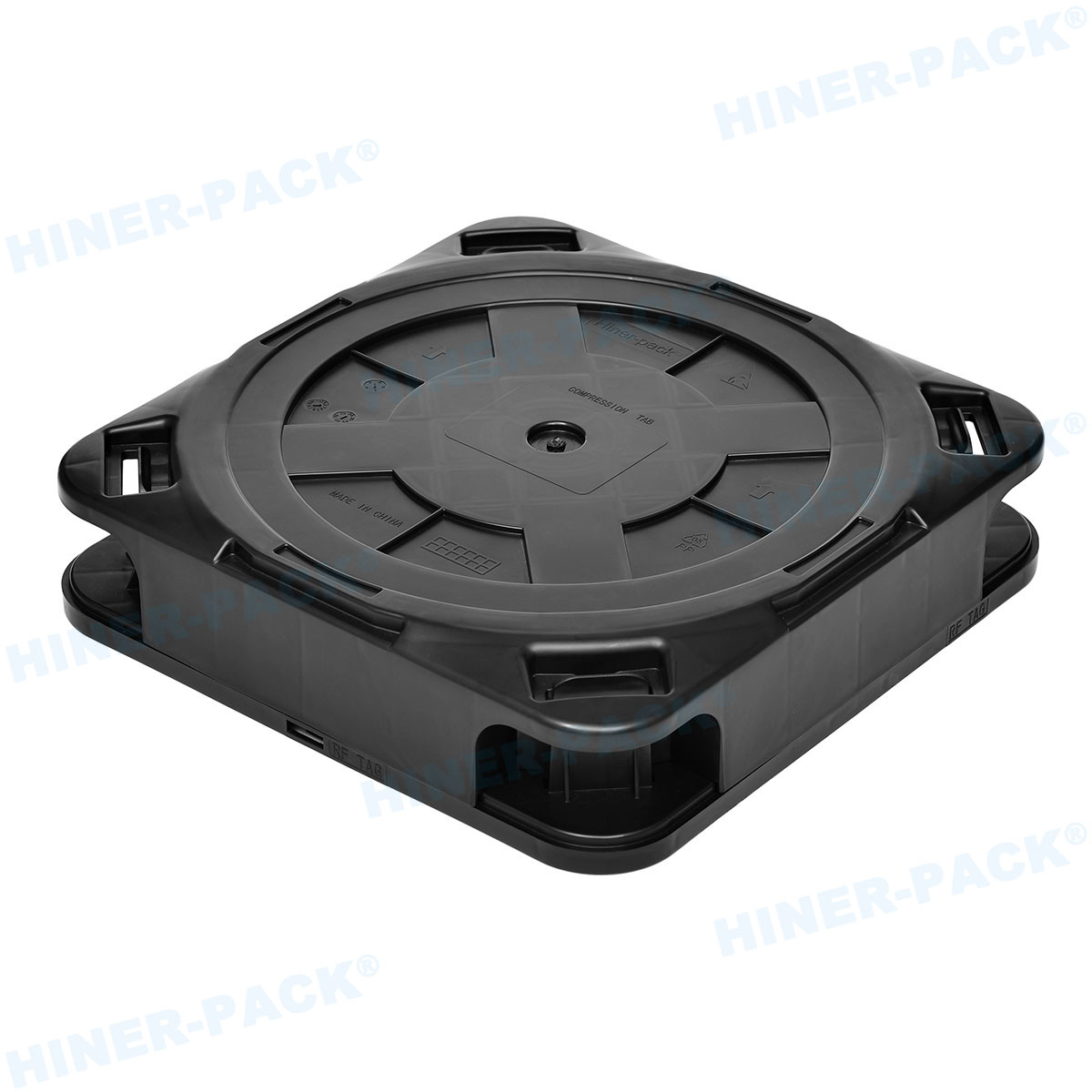
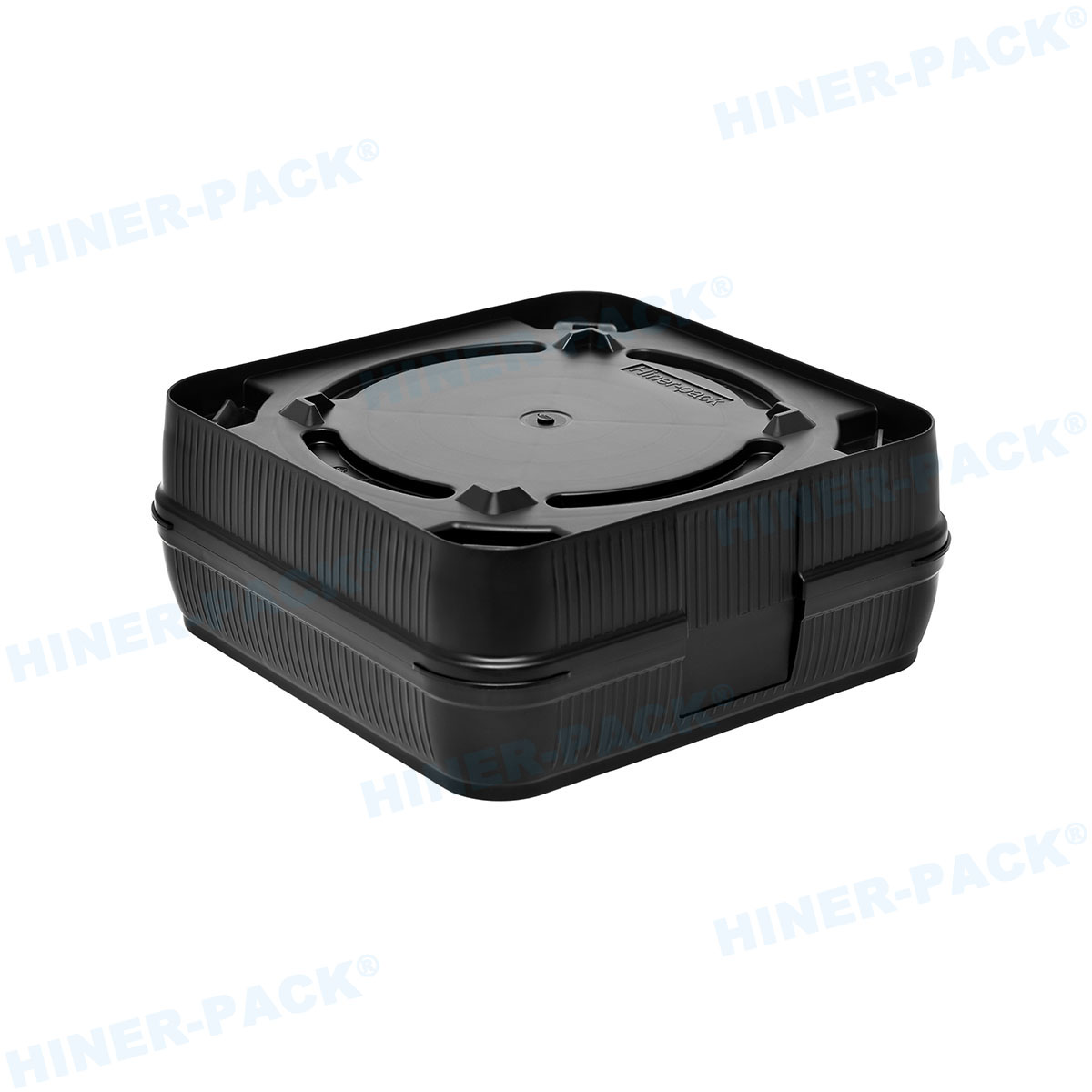
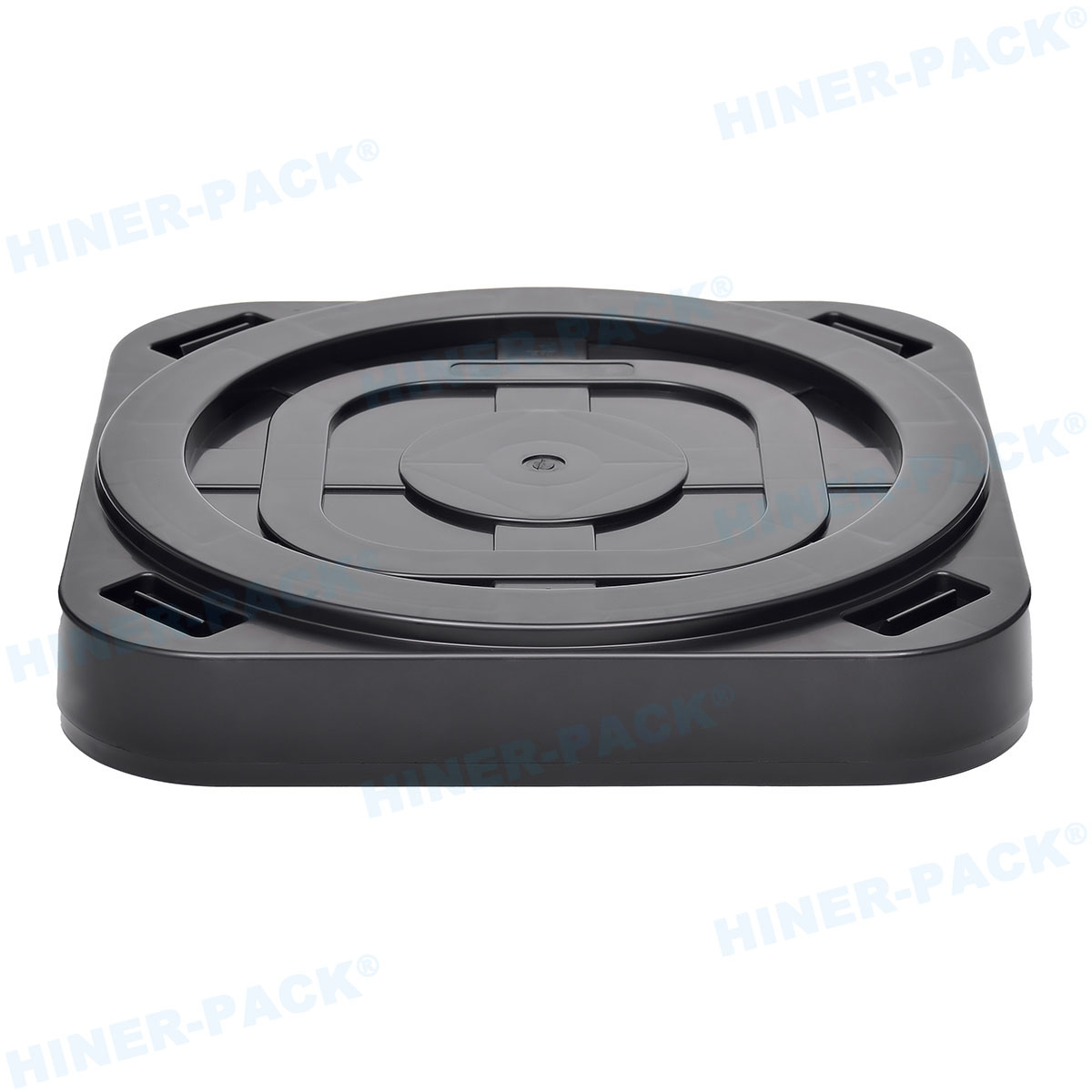
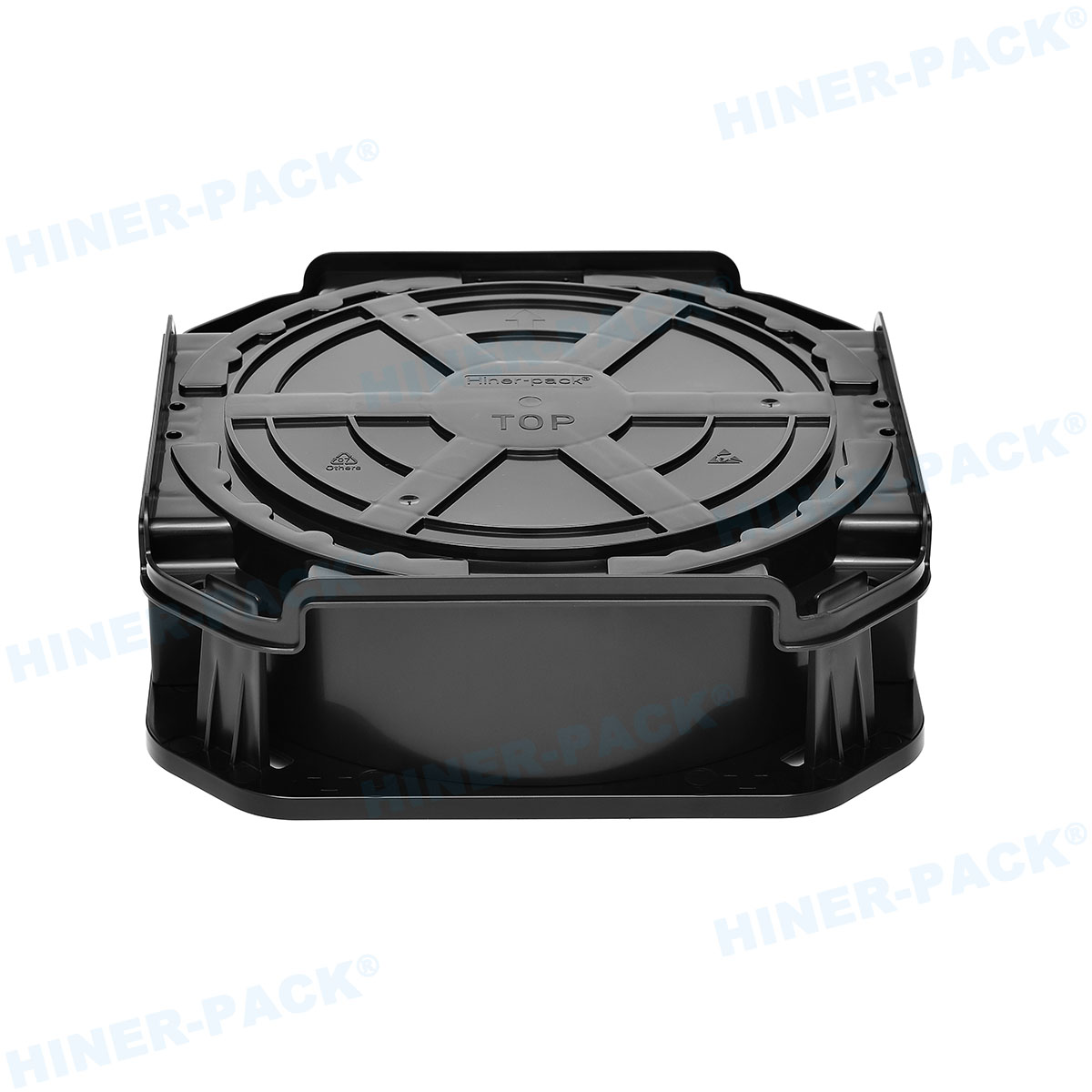
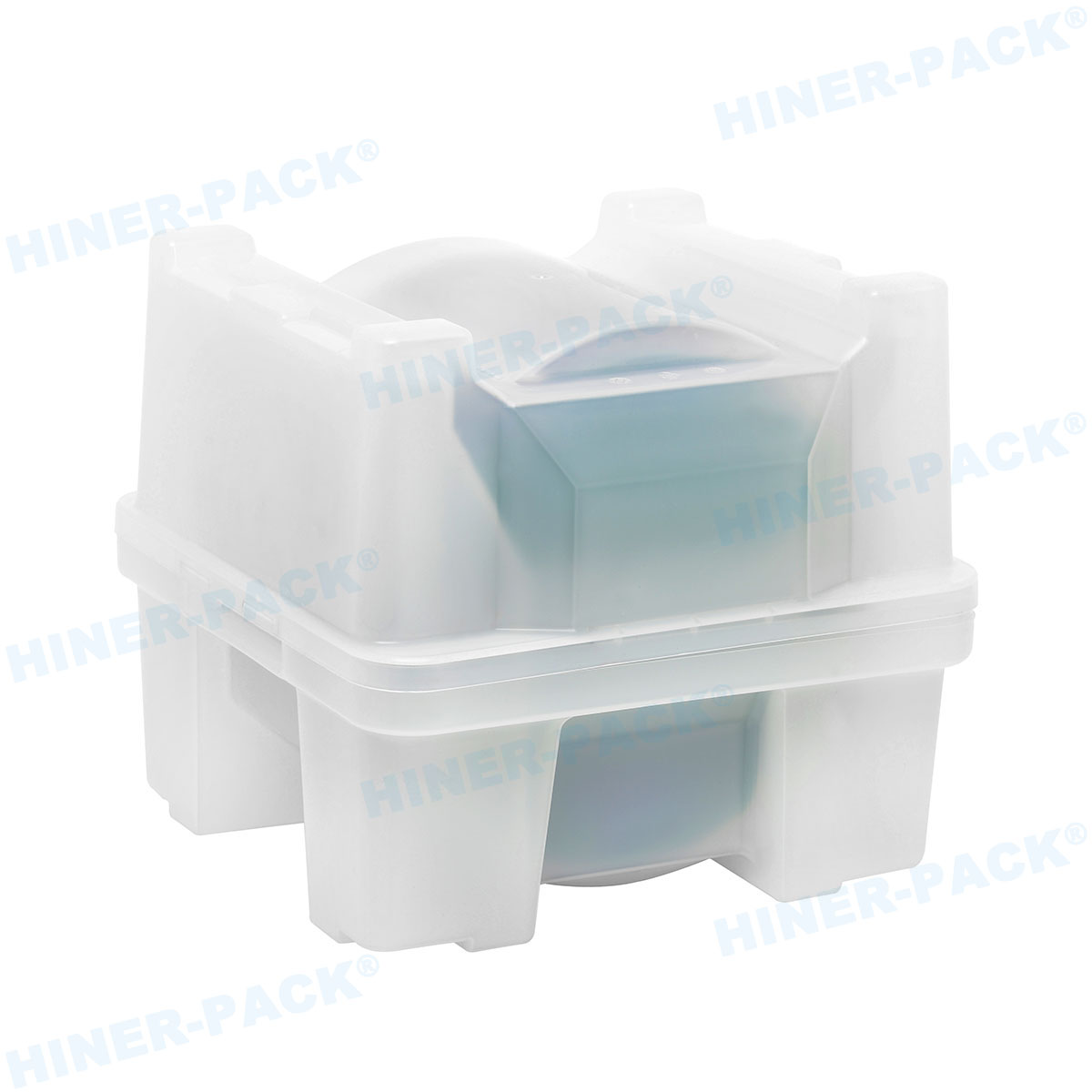
In semiconductor fabrication, the etching process is vital for patterning silicon wafers. A wafer boat for etching process is a specialized carrier that holds wafers securely during this step. It ensures uniform exposure to etching agents, impacting yield and device performance.
This component handles multiple wafers in batch processing. It must resist harsh chemicals, high temperatures, and mechanical stress. Proper selection and use are key to efficient semiconductor production.
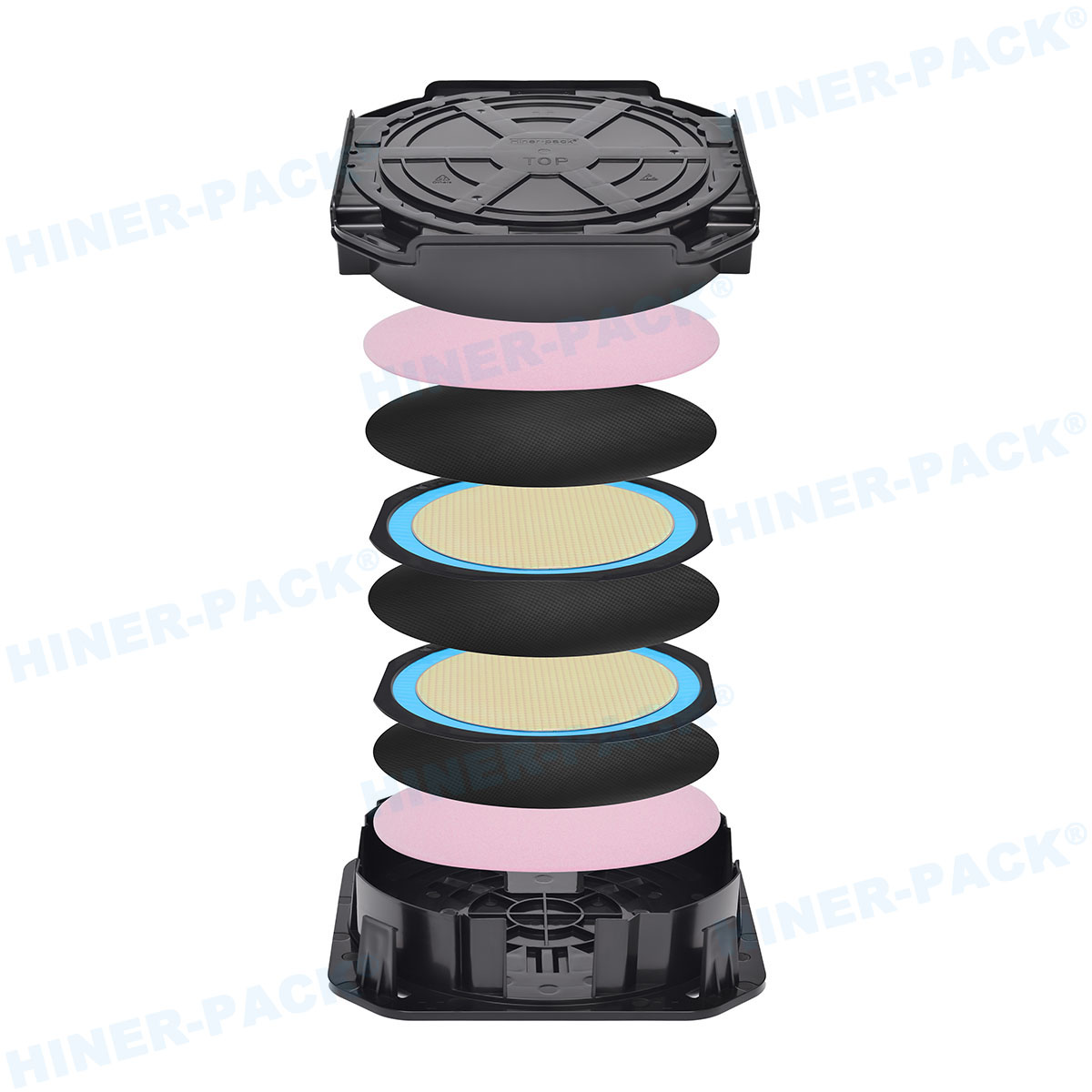
Understanding the Wafer Boat in Semiconductor Etching
A wafer boat, often called a wafer carrier, is designed for etching applications. It positions wafers vertically or horizontally in etching equipment. This setup allows chemicals or plasmas to act evenly across all surfaces.
The wafer boat for etching process minimizes contamination and damage. It is used in both wet and dry etching methods. Its design directly affects process consistency and throughput in fabs.
Basic Components and Structure
Typical wafer boats include slots or grooves to hold wafers. They may have handles for manual or automated handling. The structure is engineered for stability and ease of cleaning.
Slots: Precision-spaced to prevent wafer contact and ensure fluid flow.
Frame: Provides rigidity and compatibility with process tools.
Base: Often detachable for maintenance and loading.
Materials Used in Wafer Boat Construction
Material choice is critical for performance. It must withstand etching environments without degrading or contaminating wafers. Common materials include quartz, PTFE, PFA, and coated metals.
Quartz Wafer Boats
Quartz offers high thermal stability and chemical purity. It is ideal for high-temperature dry etching processes. However, it can be brittle and requires careful handling.
Quartz boats are often used in diffusion and CVD steps. They are compatible with many plasma etching gases. Regular inspection is needed to detect micro-cracks.
Polymer-Based Wafer Boats (PTFE, PFA)
PTFE and PFA are fluoropolymers with excellent chemical resistance. They suit wet etching with aggressive acids like hydrofluoric acid. These materials are lightweight and less prone to breakage.
PTFE: Good for general wet etching, but may have temperature limits.
PFA: Higher purity, often used in advanced semiconductor nodes.
Advantages: Low particle generation and ease of molding into complex shapes.
Suppliers like Hiner-pack provide polymer boats tailored for specific etching chemistries. These boats help maintain cleanroom standards.
Role of Wafer Boats in Different Etching Processes
Etching processes vary, and wafer boats must adapt. Their function ensures wafers are exposed correctly to etching mediums. This impacts critical dimensions and device reliability.
Wet Etching Applications
In wet etching, wafers are immersed in liquid chemicals. The wafer boat for etching process must allow efficient chemical flow and drainage. It prevents pooling and ensures uniform etching rates.
Materials like PTFE are common here. They resist corrosion from acids and bases. Boat design often includes open structures to minimize drag-out of chemicals.
Dry Etching Applications
Dry etching uses plasmas or reactive gases. Wafer boats must tolerate vacuum conditions and high temperatures. They should not outgas or generate particles that interfere with etching.
Quartz boats are frequently used in plasma etchers. Their design promotes even gas distribution across wafers. Proper slot alignment is crucial to avoid shadowing effects.
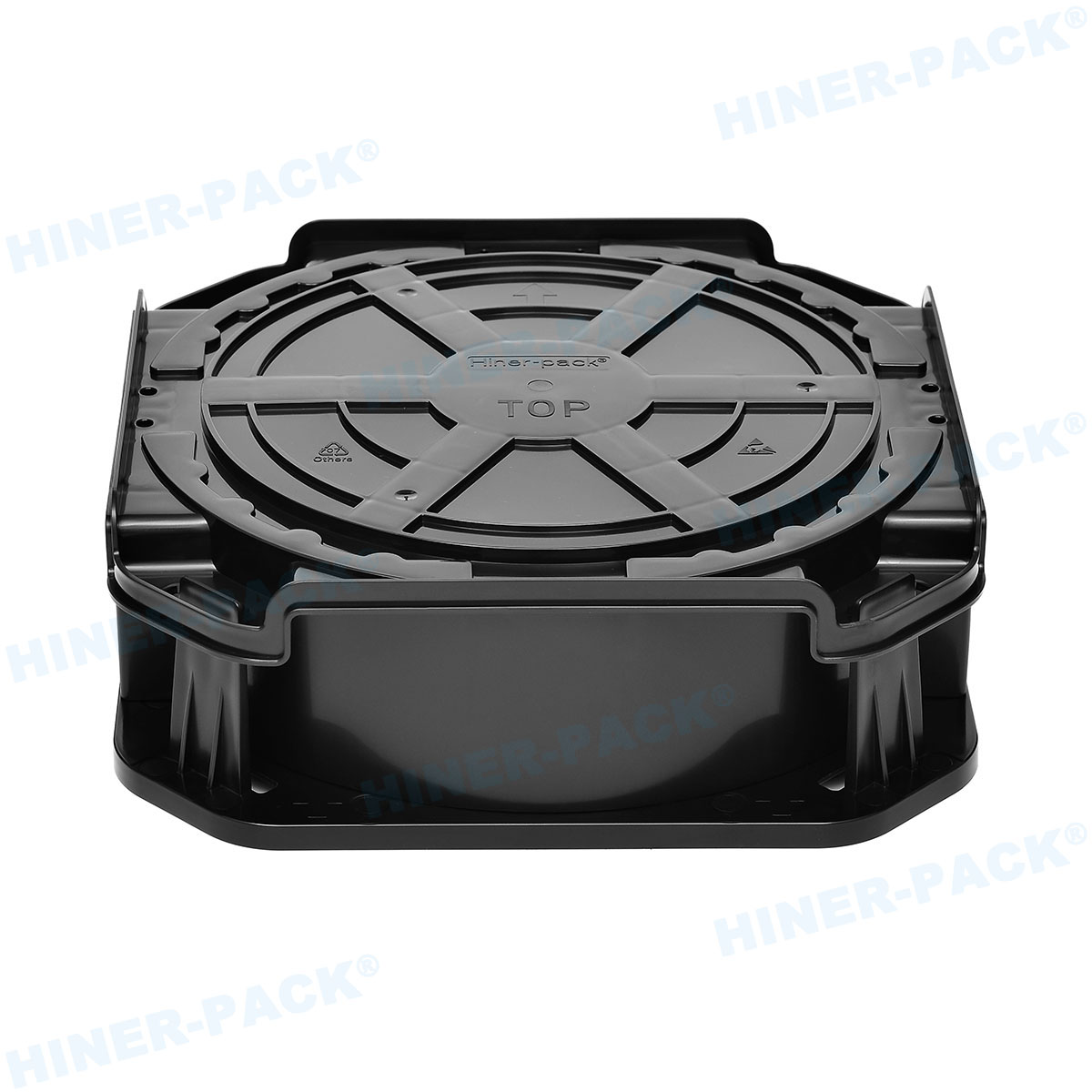
Key Selection Criteria for Etching Wafer Boats
Choosing the right wafer boat involves multiple factors. It affects process yield, cost, and maintenance. Engineers must evaluate based on specific fabrication needs.
Chemical Compatibility: The boat material should not react with etching agents. Compatibility charts from manufacturers guide this.
Temperature Range: Match the boat's thermal limits to process temperatures. Quartz handles up to 1000°C, while polymers may be limited to 200°C.
Purity Levels: Low ionic and metallic contamination is essential for high-yield processes. This is critical in front-end-of-line etching.
Mechanical Durability: The boat should withstand repeated cleaning and handling cycles without warping or cracking.
Cost and Lifespan: Balance initial investment with long-term performance. Durable boats reduce replacement frequency.
Companies like Hiner-pack offer customized solutions. Their expertise helps in selecting boats optimized for specific etching processes.
Maintenance and Cleaning Protocols
Regular maintenance extends wafer boat life and prevents cross-contamination. Residues from etching can build up, affecting subsequent batches. Cleaning must be thorough yet gentle to avoid damage.
Common Cleaning Methods
Several techniques are used based on material and contamination type.
Ultrasonic Cleaning: Uses solvents like DI water or IPA to remove particles. Effective for polymer boats.
Acid Baths: For inorganic residues, such as silicon or oxide layers. Often used with quartz boats in Piranha or HF solutions.
Plasma Cleaning: Removes organic contaminants in dry environments. Suitable for boats used in plasma etching tools.
Manual Wiping: For sensitive areas, using lint-free wipes and cleanroom-grade solvents.
Always follow manufacturer guidelines. For instance, Hiner-pack provides detailed cleaning procedures for their products. This ensures compliance with semiconductor standards.
Inspection and Replacement
Visual and instrumental inspections detect wear. Look for cracks, discoloration, or deformations. Regular schedules prevent unexpected failures in production.
Replace boats when performance declines. Signs include increased particle counts or uneven etching. Keeping spare boats on hand minimizes downtime.
Industry Standards and Compliance
Wafer boats must meet global semiconductor standards. These ensure safety, interoperability, and quality. Adherence is mandatory for high-volume manufacturing.
SEMI Standards
SEMI International sets key specifications. For example, SEMI F1 covers quartz carriers, and SEMI M12 addresses dimensional tolerances. Compliance guarantees that boats fit standard equipment.
Other standards include SEMI E1 for safety guidelines. They cover aspects like load capacity and chemical resistance. Manufacturers often certify their boats to these norms.
Using compliant wafer boat for etching process tools reduces integration issues. It also supports consistent results across fabrication sites.
Technological Advancements and Trends
Innovation in wafer boat design continues. Goals include better performance, lower contamination, and smart features. These trends respond to shrinking semiconductor nodes.
Advanced Materials and Coatings
New composites and coatings enhance durability. For example, silicon carbide coatings on quartz improve chemical resistance. These extend boat lifespan in aggressive etching.
Polymer blends with reduced outgassing are emerging. They suit ultra-high vacuum etching processes. Research focuses on materials that minimize defect introduction.
Automation and Integration
Modern wafer boats integrate with automated material handling systems. Features like RFID tags track usage and maintenance history. This supports Industry 4.0 initiatives in fabs.
Designs are becoming lighter for faster robot handling. They also include ergonomic features for manual operations. Suppliers like Hiner-pack develop boats compatible with various automation platforms.
Environmental and Safety Considerations
Using wafer boats involves safety protocols. Chemicals and high temperatures pose risks. Proper handling and disposal are essential.
Boats made from recyclable materials are gaining preference. They reduce waste in semiconductor facilities. Cleaning processes also aim to minimize chemical usage.
Training for operators includes safe loading and unloading of wafer boat for etching process carriers. This prevents accidents and ensures process stability.
The wafer boat for etching process is a foundational element in semiconductor manufacturing. Its design, material selection, and maintenance directly influence etching accuracy and overall yield. By understanding its role and following best practices, fabs can optimize their processes. For reliable and high-performance solutions, consider products from Hiner-pack, a trusted provider in wafer handling equipment.
Frequently Asked Questions (FAQs)
Q1: What is the main purpose of a wafer boat in etching processes?
A1: The main purpose is to hold semiconductor wafers securely during etching, ensuring uniform exposure to chemicals or plasmas. It prevents wafer damage and contamination, enabling consistent patterning across batches.
Q2: How do I choose between quartz and polymer wafer boats for etching?
A2: Choose based on process conditions. Quartz suits high-temperature dry etching, while polymers like PTFE are better for wet etching with corrosive chemicals. Consult suppliers like Hiner-pack for specific recommendations.
Q3: What are common cleaning methods for wafer boats after etching?
A3: Common methods include ultrasonic cleaning with solvents, acid baths for inorganic residues, and plasma cleaning for organic contaminants. Always use procedures compatible with the boat material to avoid degradation.
Q4: How often should wafer boats be inspected and replaced?
A4: Inspect boats regularly, such as after every cleaning cycle or based on usage hours. Replace them when signs of wear appear, like cracks, discoloration, or increased particle generation, to maintain process integrity.
Q5: Can wafer boats be customized for specific etching tools?
A5: Yes, many manufacturers offer customization. This includes slot counts, dimensions, and material grades to fit specific etchers. Hiner-pack provides tailored solutions to meet unique process requirements in semiconductor fabrication.