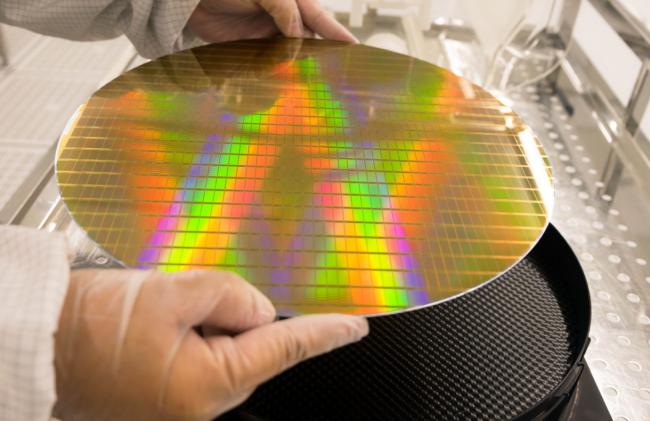
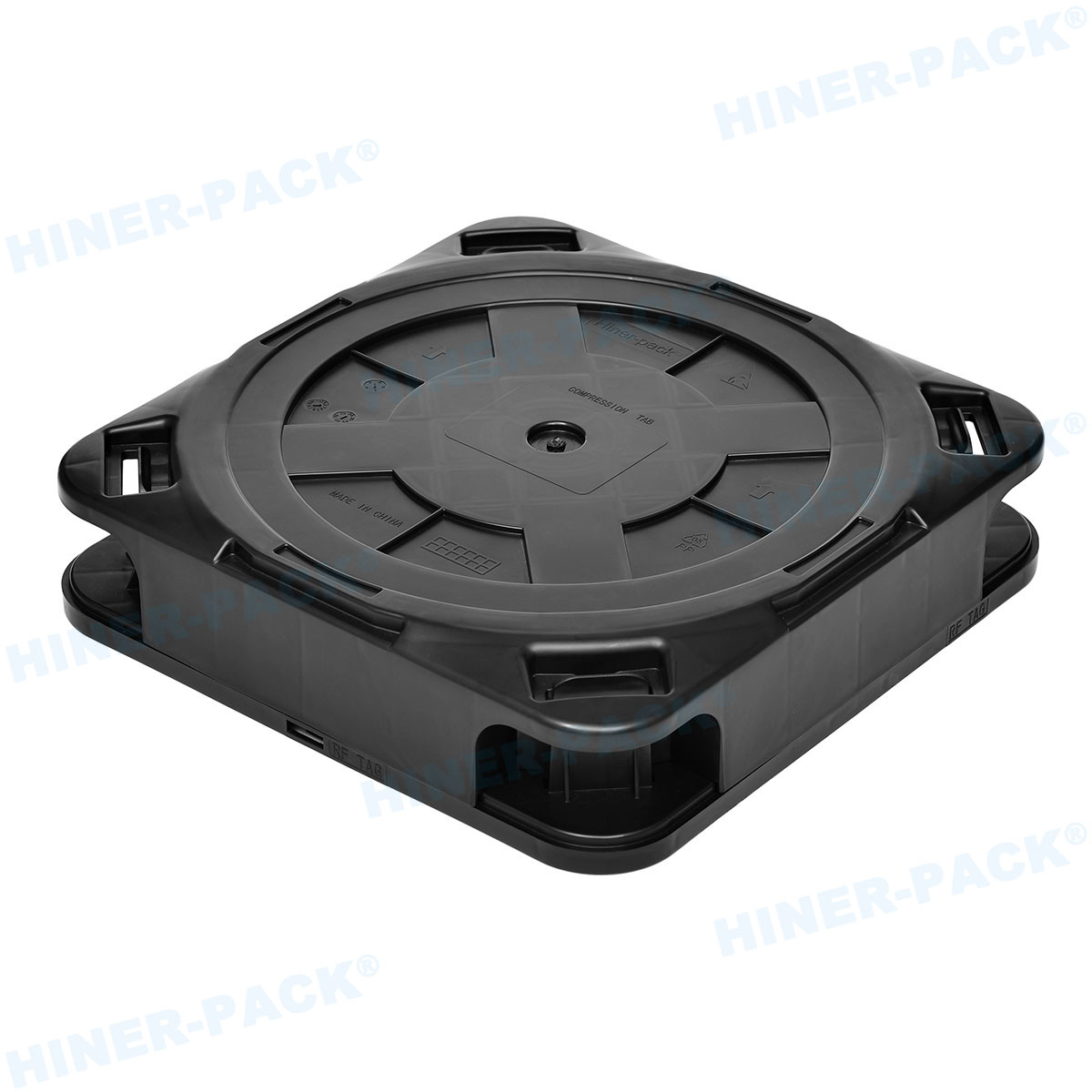
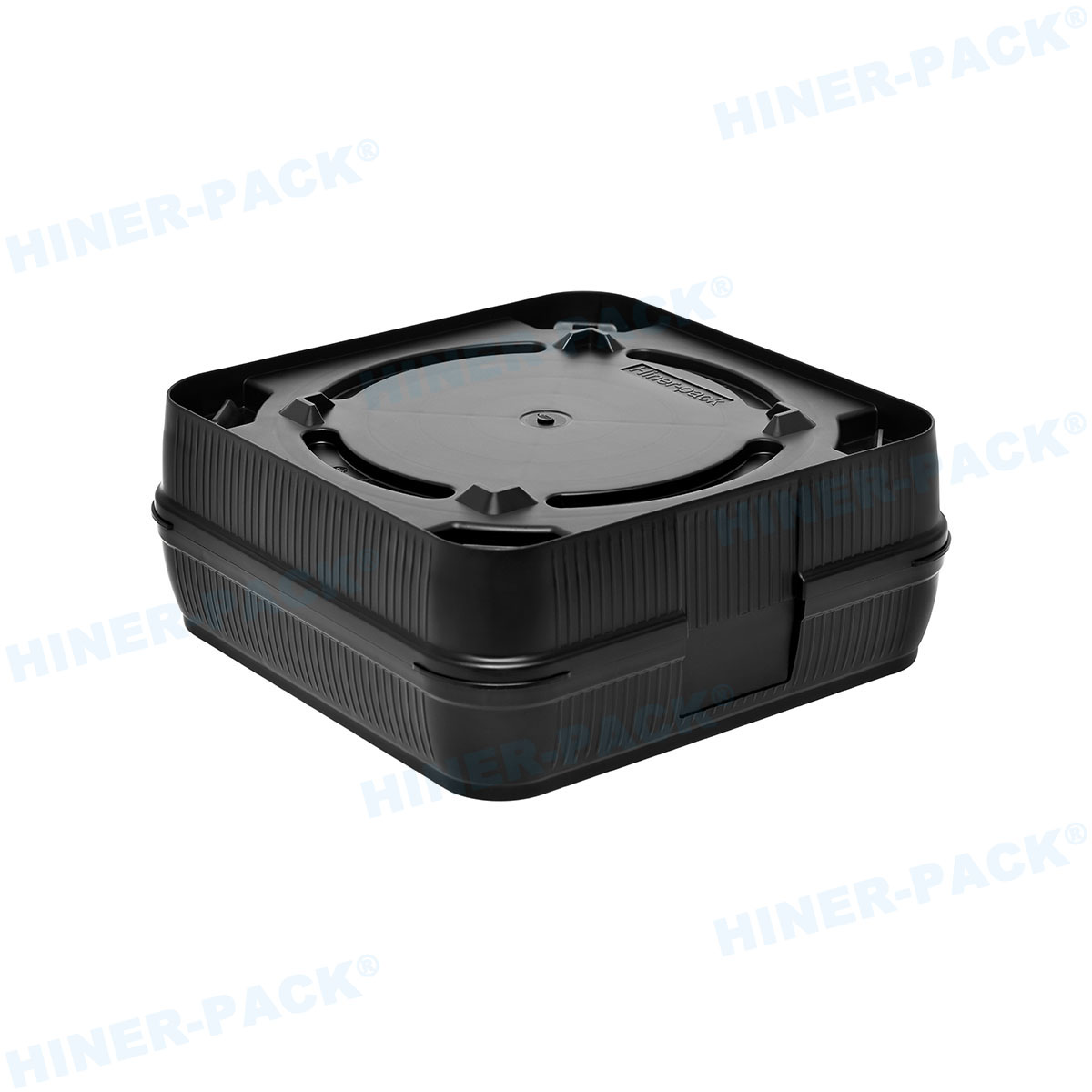
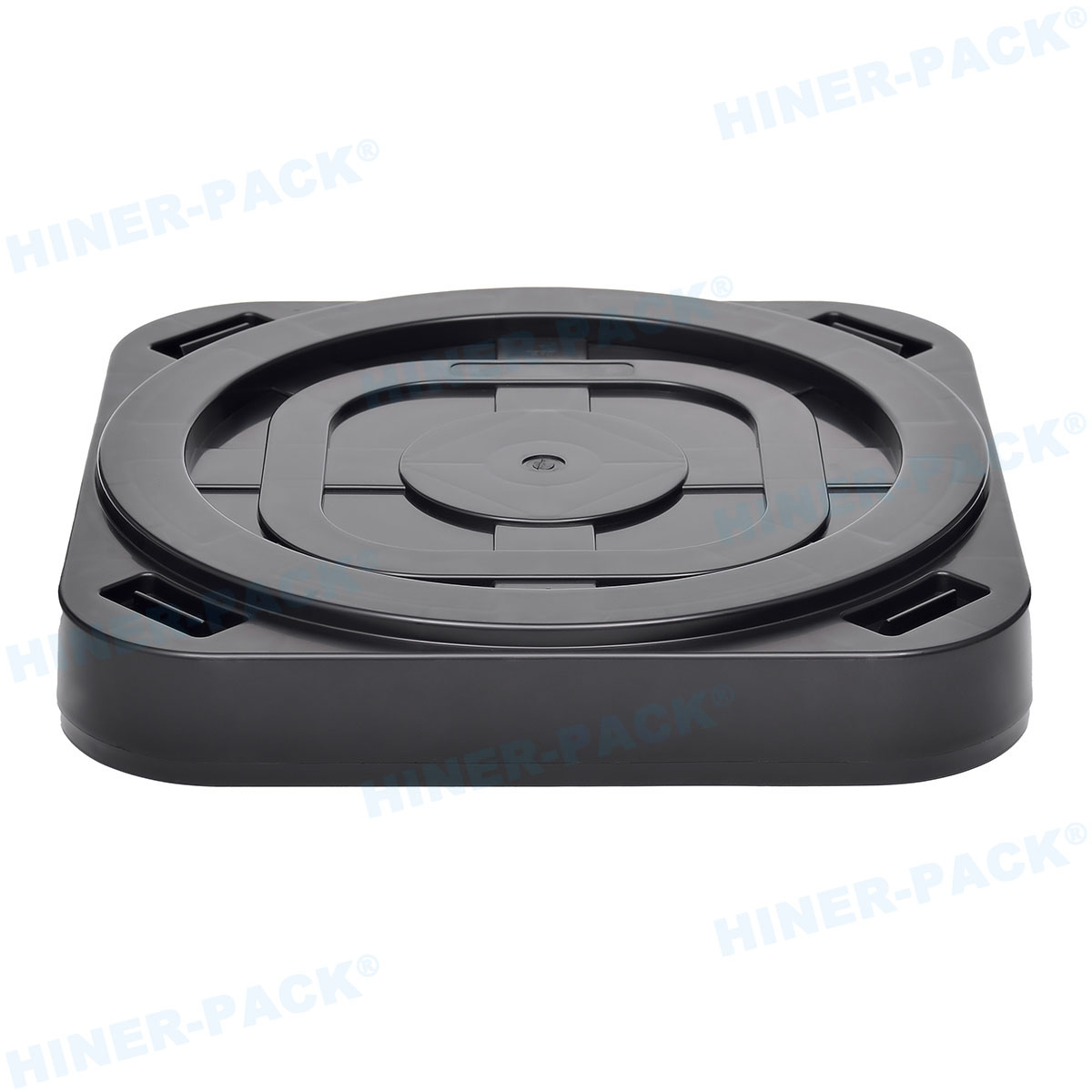
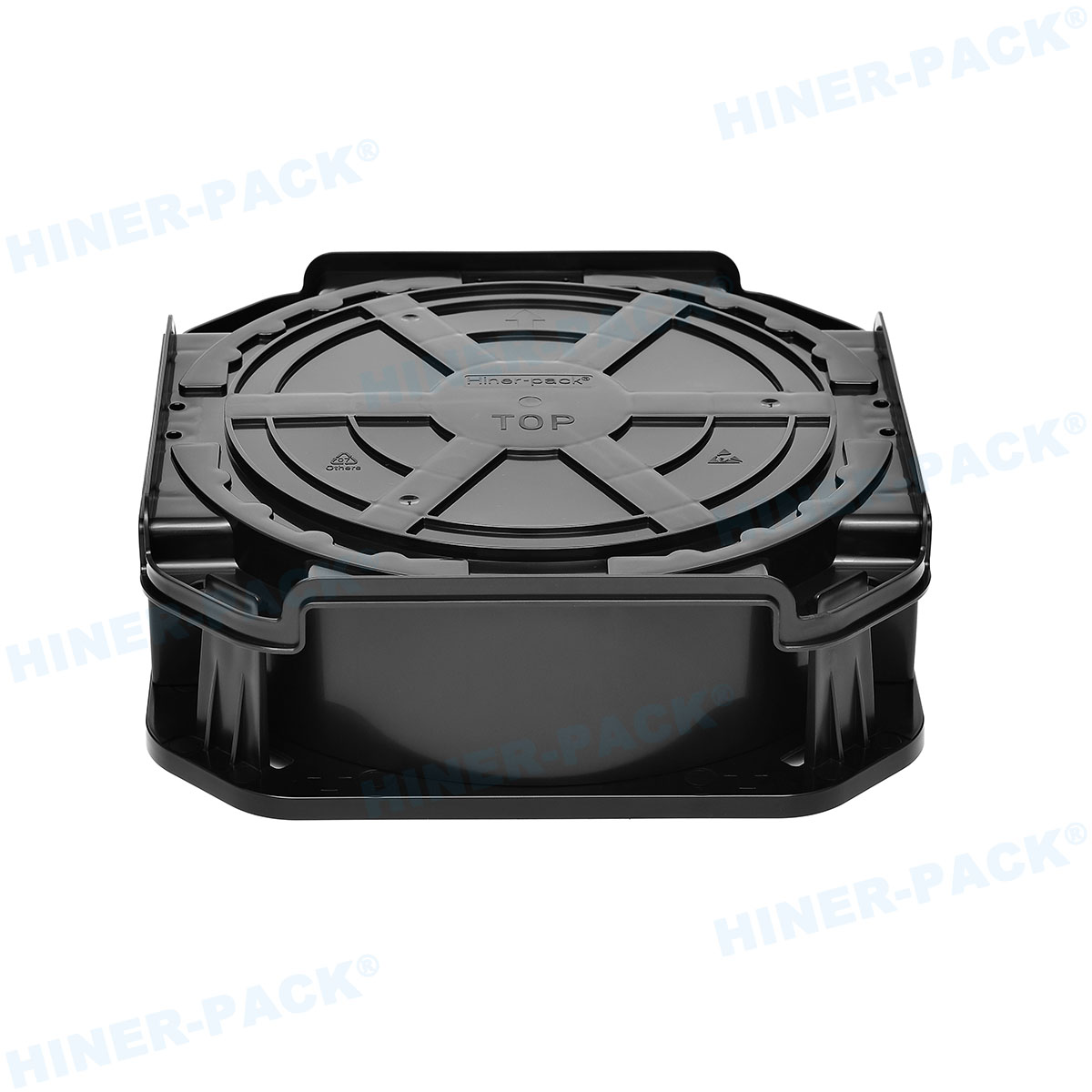
In high-volume semiconductor manufacturing, the thermal processing of silicon wafers—whether for oxidation, diffusion, LPCVD, or annealing—demands precision carriers that withstand extreme conditions while minimizing defects. These carriers, known as wafer boats, are not passive holders; they directly influence thermal uniformity, particle generation, and throughput. For process engineers and fab managers, selecting the correct wafer boat translates into higher yields, lower cost of ownership, and extended furnace tube life. This article provides a data-driven examination of wafer boats, from material science fundamentals to industry-specific solutions, with practical insights from Hiner-pack's two decades of engineering expertise.
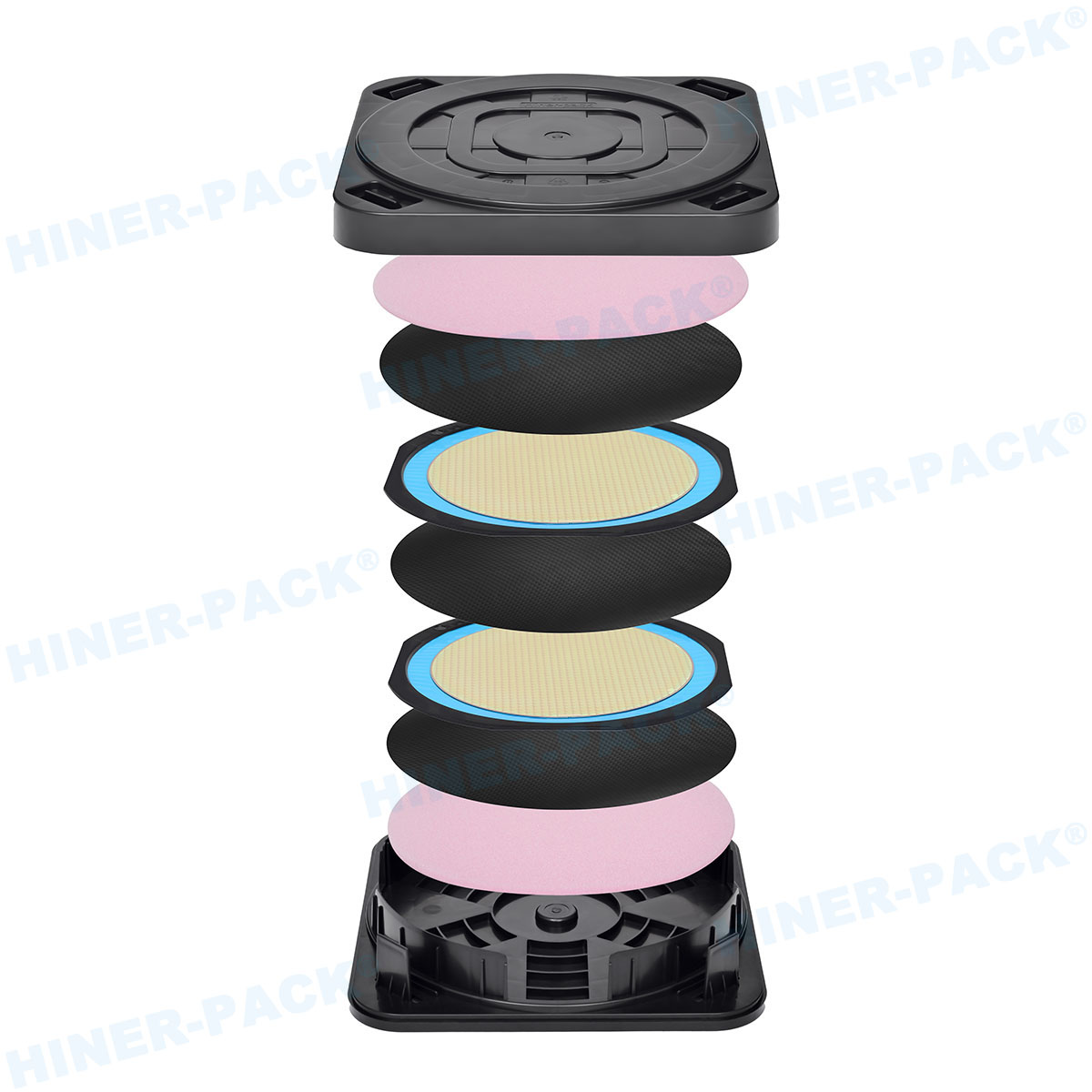
1. The Critical Role of Wafer Boats in Thermal Batch Processing
Diffusion furnaces and vertical/horizontal LPCVD systems rely on wafer boats to support 25 to 150 wafers per batch. Unlike cassette-based single-wafer tools, batch furnaces achieve economies of scale, but only if the boat ensures:
Thermal homogeneity – Temperature variance below ±1°C across all wafer slots.
Chemical compatibility – Resistance to HCl, O₂, N₂, and silane-based precursors at 600–1200°C.
Low particle shedding – ≤0.1 particles/cm² (>0.1 µm) after standard cleaning.
Modern fabs processing 200 mm and 300 mm wafers demand wafer boats with sub-millimeter slot pitch accuracy and minimum contact area to reduce backside contamination. The shift to vertical furnaces has also driven adoption of cantilever and paddle-less designs, where the boat loads directly onto a process tube elevator.
2. Material Selection for Wafer Boats: Quartz, SiC, and Emerging Alternatives
The two dominant material classes for wafer boats are fused quartz (SiO₂) and chemical vapor deposited (CVD) silicon carbide. Each exhibits distinct trade-offs in temperature range, purity, and mechanical durability.
2.1 Fused Quartz Wafer Boats
Quartz remains the baseline for processes below 1150°C, such as wet/dry oxidation and annealing. Advantages include:
High thermal shock resistance – can endure rapid ramp rates up to 50°C/min.
Excellent UV transparency for pyrometric temperature control.
Low cost per unit, especially for R&D and 150 mm legacy fabs.
However, quartz wafer boats suffer from devitrification (crystallization) after extended exposure to halogens, reducing mechanical strength and increasing particle flaking. Typical lifetime: 6–12 months in high-temperature chlorine ambient.
2.2 CVD Silicon Carbide Wafer Boats
For processes exceeding 1150°C (e.g., high-temperature LPCVD, SiC epitaxy), SiC wafer boats are mandatory. CVD SiC offers:
Operating temperature up to 1400°C in inert or reducing atmospheres.
Exceptional creep resistance – sagging less than 0.5 mm after 1000 hours at 1250°C.
Inherent chemical inertness to HF, HCl, and TMA precursors.
Ultra-low particle generation (≥99.999% pure, α-phase SiC).
The main barrier is cost: a 300 mm SiC boat costs 3–5× more than quartz, but extended lifetime (3–5 years) and reduced downtime justify the investment for high-volume fabs.
3. Industry Pain Points: Contamination, Warpage, and Throughput Limitations
Despite advances, many fabs still encounter recurring failures with wafer boats. Below are the top three technical challenges and engineered solutions, many of which are addressed by Hiner-pack's custom boat designs.
3.1 Particle Generation from Slot Wear
Repeated loading/unloading cycles cause micro-fractures at wafer contact points. For quartz boats, these defects propagate due to thermal cycling, releasing SiO₂ particles that adhere to device active areas. Solution: precision-machined slot geometry with radiused edges and reduced contact surface area. Hiner-pack employs laser-profiled slotting to achieve Ra < 0.4 µm surface finish, cutting particle adders by 62% in independent fab audits.
3.2 Thermal Deformation (Sagging) in Long Boats
Horizontal boats longer than 800 mm experience gravitational sag at 1000°C, causing wafer tilt and slip dislocations. Finite element analysis (FEA) optimizes rib spacing and wall thickness. SiC boats with integrated honeycomb structures reduce sag to under 0.2 mm even at 1300°C.
3.3 Metallic Cross-Contamination
Trace metals (Fe, Ni, Cu) from boat fixtures or impure raw materials can diffuse into wafers during high-temperature steps, degrading gate oxide integrity. All wafer boats should meet SEMI S2/S8 standards with total metallic content below 10 ppb. High-end suppliers implement ICP-MS quality control per batch.
4. Technical Specifications: Matching Wafer Boat Design to Your Process
Selecting a wafer boat involves more than material choice. Critical parameters include:
Slot pitch & flatness – Standard 4.76 mm for 150/200 mm wafers; 6.35 mm for 300 mm with warpage allowance ≤ 0.3 mm.
Load capacity – 25, 50, 100, 150 slots per boat. Vertical boats often hold 100–150 wafers for high throughput.
Furnace interface – Flange geometry, cantilever arm compatibility, and boat loading distance.
Cleaning protocol – SC1/SC2 baths, HF dip, or in-situ plasma clean compatibility.
For specialized applications (e.g., phosphorus oxychloride diffusion), wafer boats require protective coatings like SiC over quartz. Hiner-pack provides engineering datasheets with coefficient of thermal expansion (CTE) matching to minimize stress-induced wafer breakage.
5. Performance Data: Quartz vs. SiC Wafer Boats in Production Environment
The following table summarizes empirical data from 12-month trials in a 200 mm logic fab (source: internal Hiner-pack field study, 2024).
| Parameter | Fused Quartz Boat | CVD SiC Boat |
|---|---|---|
| Max continuous temperature | 1150°C | 1400°C |
| Particle adder (≥0.1 µm per wafer pass) | 8–12 | 1–3 |
| Thermal cycle lifetime (1000°C cycles) | ≈400 cycles | >2000 cycles |
| Cost per wafer processed (300 mm) | $0.012 | $0.009 |
| Typical order lead time (custom) | 2–3 weeks | 6–8 weeks |
Note that SiC boats, despite higher upfront cost, achieve lower cost-per-wafer due to reduced requalification and cleaning frequency. For fabs running >500 furnace cycles annually, SiC provides a clear ROI within 14 months.
6. Advanced Cleaning & requalification strategies for Wafer Boats
Even the best wafer boats accumulate films (poly-Si, nitride, oxide) after repeated use. Conventional wet benches with 10:1 HF or BOE remove residues but can etch quartz surfaces, increasing roughness. Alternative methods:
Isotropic vapor-phase cleaning – Anhydrous HF / methanol mixtures strip oxides without immersion, preserving surface smoothness.
Megasonic-assisted DI rinse – Reduces residual particle counts by 90% compared to spray jets.
In-situ plasma clean (remote NF₃) – Eliminates boat removal for LPCVD systems, but only compatible with SiC boats due to plasma resistance.
Hiner-pack offers recertification services including interferometric surface mapping and residual stress measurement to extend boat service life safely.
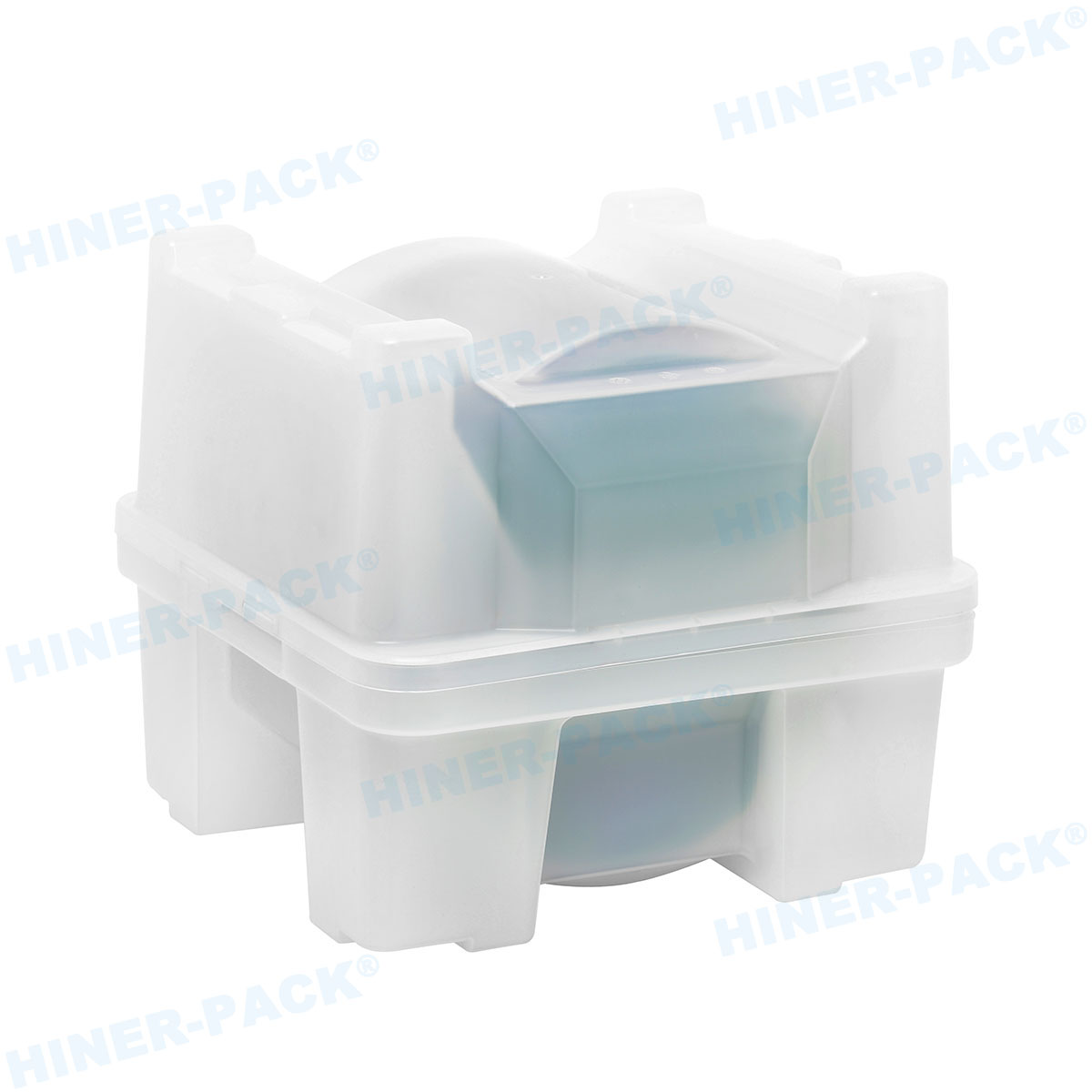
7. Industry Standards and Certification for Semiconductor Wafer Boats
To comply with automotive (IATF 16949) and medical device (ISO 13485) supply chains, wafer boats must adhere to:
SEMI E21-0302 – Specification for quartz and SiC boat dimensions and flatness.
SEMI E113 – Guideline for particle measurement from process carriers.
RoHS 3 / REACH – Restriction of hazardous substances (e.g., no lead in metallization).
Reputable suppliers provide lot traceability and certificate of conformance with each shipment. Wafer boats from non-certified sources risk production line shutdowns due to foreign material outbreaks.
8. Future Trends: Automated Loading, In-Situ Monitoring, and Recycled SiC
As semiconductor fabs move toward Industry 4.0, wafer boats are being integrated with RFID tags for automated inventory tracking and usage counters. Additionally, new developments include:
Embedded thermocouple slots – For real-time wafer temperature mapping during ramp-up.
Additively manufactured SiC boats – Laser powder bed fusion enables complex internal cooling channels.
Circular economy programs – Reclaiming CVD SiC from end-of-life boats to produce raw powder for new carriers, reducing CO₂ footprint by 70%.
Early adopters report 15% higher furnace utilization through predictive maintenance based on boat usage analytics.
Frequently Asked Questions (FAQ) About Wafer Boats
Q1: How often should quartz wafer boats be replaced in a production diffusion furnace?
Q2: Can I use the same wafer boat for both dry oxidation and LPCVD nitride deposition?
Q3: What causes white spots or haze on wafers processed with a new quartz boat?
Q4: Are vertical wafer boats always superior to horizontal designs?
Q5: How do I request a custom-designed wafer boat for a non-standard furnace?
Need to optimize your diffusion or CVD yield? Get a technical assessment and quotation for wafer boats tailored to your exact furnace specifications. Hiner-pack provides fast sampling, SEMI-compliant documentation, and global logistics. Click below to submit your inquiry and receive a detailed proposal within 24 hours.
Send Your Wafer Boat Inquiry →
© 2026 Hiner-pack – Precision semiconductor carrier solutions. All specifications subject to engineering verification.