In back-end semiconductor assembly, the interface between dicing tape, film frame, and the expansion equipment determines whether die shift remains within ±50 µm or becomes a source of pick‑and‑place errors. The wafer expander ring is not a passive component – its dimensional stability, surface resistivity, and radial stiffness directly influence expansion uniformity. This guide reviews failure modes observed across 200+ assembly lines and provides quantifiable selection criteria. Hiner‑pack has supplied precision rings to OSAT facilities for over a decade, and their engineering notes are referenced throughout this technical overview.
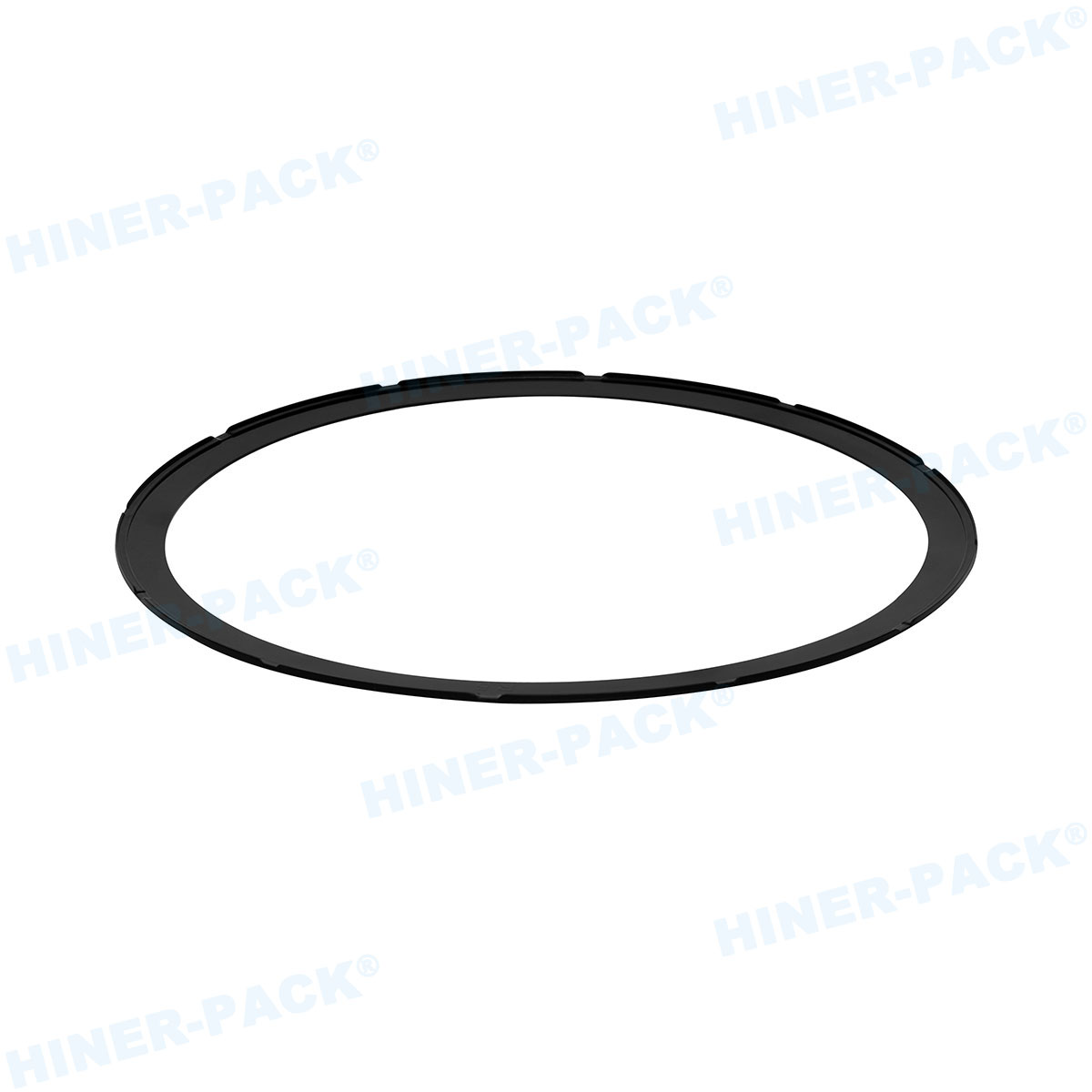
1. The Functional Role of a Wafer Expander Ring in Die Attach Preparation
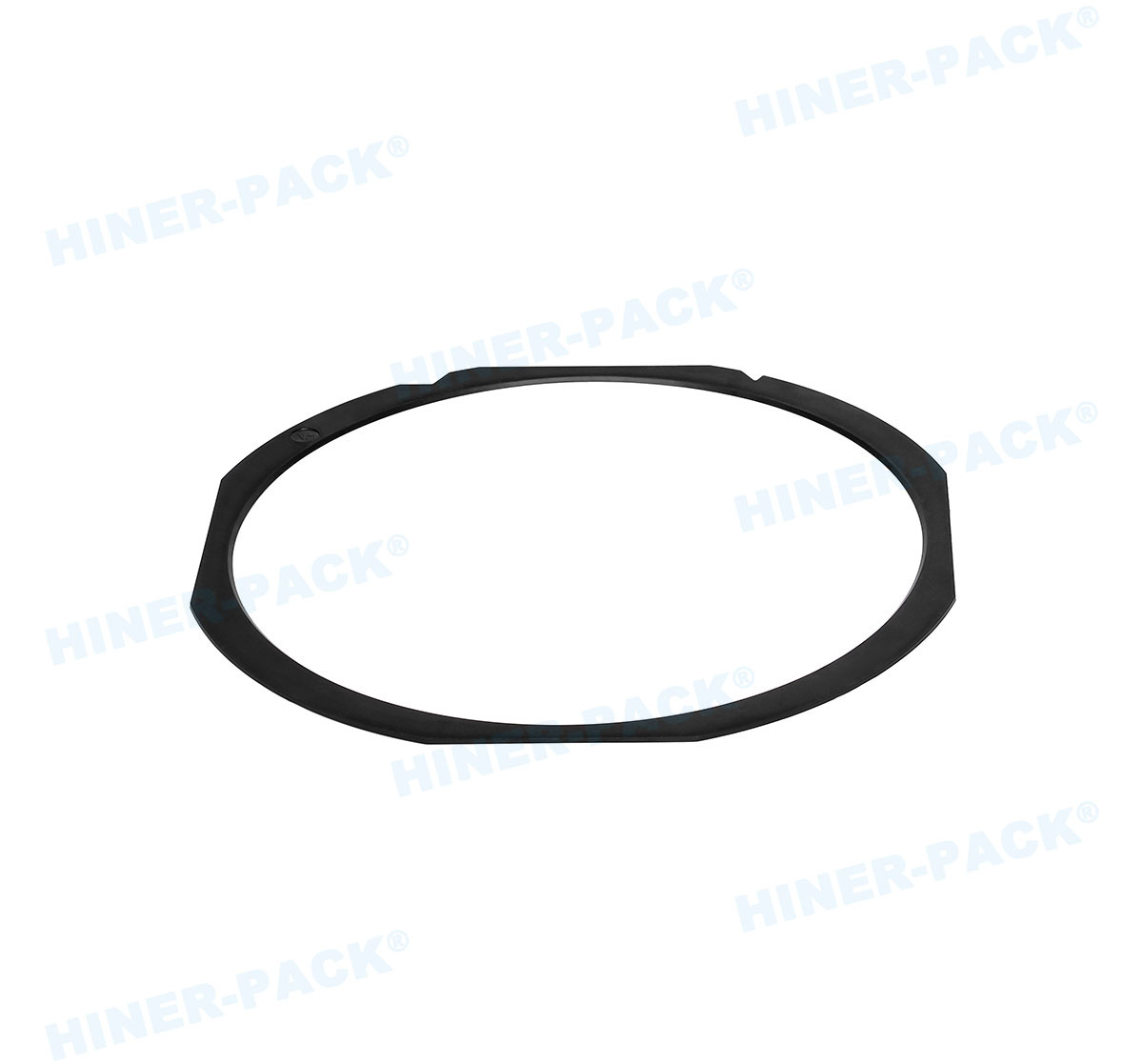
After wafer dicing, individual dies remain adhered to the dicing tape at the original singulation pitch (typically 0.2–0.5 mm). To enable automated die bonding, the tape must be stretched – expanding the gap between dies to 0.8–2.0 mm. This expansion is performed by an expander machine that pushes a wafer expander ring upward against the film frame, creating radial tension. Key technical requirements:
Concentricity: The ring’s outer diameter (OD) must match the film frame’s inner diameter (ID) within ±0.1 mm to avoid uneven stretching.
Surface finish: A polished, burr‑free contact surface prevents micro‑tears in UV or non‑UV dicing tape.
Compressive modulus: High‑density polymers (POM, PEEK) maintain shape after thousands of expansion cycles; low‑grade materials creep and cause non‑planar expansion.
When an assembly engineer sources a wafer expander ring, the most overlooked specification is the edge radius. A sharp edge concentrates stress and leads to premature film fracture at the ring contact line. Premium rings from Hiner‑pack feature a 0.5 mm radius with a secondary polished land, extending tape life by 30% in high‑volume production.
2. Material Science: Antistatic, High‑Temperature, and Chemical Resistance
Expansion rings are exposed to IPA cleaning, UV curing ovens (up to 120°C), and electrostatic discharge (ESD) environments. Four material families dominate the wafer processing accessories market:
Acetal (POM) – Antistatic grade: Surface resistivity 10⁹–10¹¹ Ω/sq. Cost‑effective for 6” and 8” rings. However, prolonged UV exposure (>500 hours) causes yellowing and surface roughness.
PEEK (polyether ether ketone): Withstands 250°C and aggressive solvents (NMP, acetone). Surface resistivity can be tailored to 10⁶ Ω/sq with carbon filler. Recommended for 12” wafer expansion where thermal stability is mandatory.
PPS (polyphenylene sulfide): Excellent creep resistance and low moisture absorption. Used for high‑force expanders (>300 N).
Stainless steel (coated): Rarely used due to weight, but employed in manual expansion fixtures for very large die (>10 mm). Requires ESD coating.
For a typical die attach process running 8” wafers, an antistatic POM wafer expander ring offers the best price‑performance. However, if the line uses UV tape with aggressive adhesion promoters (acrylic‑based), PEEK is preferred because acetal can develop stress cracks after repeated solvent exposure. Hiner‑pack’s PEEK rings are machined from compression‑molded rod, ensuring no weld lines that could fail under cyclic loading.
3. Dimensional Accuracy and Flatness: Impact on Expansion Uniformity
Non‑planar expansion creates die tilt, which breaks vacuum during pick‑up. The critical parameters for any wafer handling ring include:
Total indicated runout (TIR) of the top contact surface: Should be ≤0.05 mm for 8” rings and ≤0.03 mm for 12” rings. Higher TIR causes local over‑expansion and die misalignment.
Parallelism between the ring’s bottom and top faces: Maximum 0.1 mm difference across the diameter. This ensures the expander machine’s push‑plate engages evenly.
Radial thickness consistency: Variation <0.2 mm prevents asymmetric tape tension.
A poorly manufactured wafer expander ring often reveals itself through “crescent‑shaped” die shift – dies near one edge of the film frame move more than those on the opposite side. In a case study from a automotive MEMS fab, switching to Hiner‑pack’s certified rings (flatness 0.02 mm) reduced placement‑related rejects by 21% and improved first‑pass yield from 94.2% to 97.6%.
4. Compatibility with Film Frames and Expander Equipment
Before ordering a replacement wafer expander ring, verify three mechanical interfaces:
Frame inner diameter (ID): Standard film frames for 8” wafers have an ID of 228 mm; the expander ring’s OD must be 227.8–228.0 mm (light press‑fit). Loose fit causes wobbling; tight fit damages the frame coating.
Expander chuck diameter: Most automatic expanders (e.g., NEC, DISCO, MSEC) use a pneumatic chuck that holds the ring by its inner lip. The ring’s bottom groove must match the chuck’s O‑ring profile (usually 3.5 mm radius).
Height under compression: When the expander pushes the ring upward, the tape is stretched by a defined distance (e.g., 15 mm). The ring’s total height plus the film frame’s thickness determines the required stroke. Standard rings are 18 mm tall for 8” and 22 mm for 12”.
Many third‑party wafer expander rings fail because they copy outer dimensions but ignore the bottom locating geometry. Hiner‑pack maintains a library of 40+ OEM‑specific ring profiles, including those for older ESEC and Shinkawa expanders. Their Hiner‑pack team provides a compatibility drawing within 24 hours for any model.
5. Industry Pain Points: Film Tear, Die Shift, and Contamination
Based on field failure analysis, three recurring problems stem directly from poor wafer expander ring design or wear:
Film tearing at the ring edge: Caused by sharp burrs or uneven surface. Mitigation: inspect every new ring with a 10× loupe; specify a polished finish (Ra ≤ 0.4 µm).
Progressive die shift after multiple expansions: Indicates ring creep (permanent deformation). Measure the ring’s OD after 1000 cycles – if it has shrunk by more than 0.1 mm, switch to PEEK or PPS material.
Particle generation: Low‑grade acetal rings shed wear debris (size 50–200 µm) that lands on die surfaces, causing wire bonding voids. Use ESD‑safe, low‑wear grades like Delrin® 150E or Hiner‑pack’s proprietary acetal‑PTFE blend.
An often ignored solution is scheduled ring requalification. Even the best wafer expander ring should be measured for flatness every 5,000 expansion cycles. Hiner‑pack offers a recertification service where rings are resurfaced and re‑inspected, extending useful life by 300% compared to throwaway alternatives.
6. Cleaning and Maintenance Protocols for Maximum Ring Lifespan
Dicing tape residue and adhesive transfer can alter the ring’s coefficient of friction, leading to uneven expansion. A proper cleaning routine for wafer processing rings involves:
Daily cleaning: Wipe with IPA‑soaked lint‑free cloth. Avoid acetone on acetal rings (it causes surface crazing).
Weekly ultrasonic bath: Use deionized water with 2% mild detergent at 40°C for 5 minutes, then rinse and air dry. Do not use aggressive solvents on antistatic coatings.
Monthly dimensional audit: Measure ring OD and flatness using a granite surface plate and dial indicator. Discard any ring with flatness deviation >0.1 mm.
Automated assembly lines benefit from RFID‑tagged rings that track cycle count. Hiner‑pack’s smart rings integrate a passive RFID chip inside the polymer, allowing the expander machine to reject rings past their certified life. This closed‑loop system prevents unexpected die shift events.
7. Selecting a Supplier: Certifications, Traceability, and Customization
When sourcing a wafer expander ring, look for these supplier credentials:
ISO 9001:2015 and IATF 16949: Automotive‑grade quality management ensures statistical process control of injection molding or machining.
Lot traceability: Each ring should have a laser‑etched serial number linking to raw material certificates and dimensional inspection reports.
Custom tooling capability: For non‑standard film frames (e.g., 8.5” ID or 14” ID for large panels), the supplier must offer CNC machining without minimum order quantity penalties.
Hiner‑pack operates a Class 1000 cleanroom for final assembly and inspection of every wafer expander ring. Each ring is shipped with a certificate of conformance including flatness, OD concentricity, and surface resistivity measurement. This level of documentation is mandatory for ISO 14644‑1 compliant facilities.
Frequently Asked Questions (FAQs) About Wafer Expander Rings
Q1: Can I use a wafer expander ring designed for 8” wafers on a 12”
film frame?
A1: No. The ring’s outer diameter is
matched to the film frame’s inner diameter. Using an 8” ring (≈228 mm OD) on a
12” frame (≈380 mm ID) will result in no contact – the tape will not stretch
uniformly. Conversely, a 12” ring cannot fit into an 8” frame. Always match ring
size to the frame size, not the wafer size.
Q2: How do I know when my wafer expander ring needs
replacement?
A2: Three indicators: (1) Visible wear
marks or grooves on the contact surface. (2) Measured flatness exceeding 0.08 mm
for 8” rings. (3) Increased die shift variability – if placement accuracy drifts
beyond ±35 µm after a ring change, suspect ring creep. A well‑maintained POM
ring typically lasts 8,000–12,000 expansion cycles; PEEK rings can exceed 25,000
cycles.
Q3: What is the effect of humidity on wafer expander
rings?
A3: Acetal (POM) absorbs up to 0.5% moisture
at 50% RH, causing dimensional growth of 0.1–0.2%. This can tighten the fit
inside the film frame. If your cleanroom humidity fluctuates, specify a
moisture‑stabilized POM or switch to PEEK, which absorbs <0.1%. Hiner‑pack
offers pre‑conditioned rings shipped in humidity‑controlled packaging to avoid
initial swelling.
Q4: Are there antistatic requirements for wafer expander rings in
sensitive device assembly?
A4: Yes. For CMOS image
sensors, MEMS, or GaAs devices, surface resistivity must be between 10⁶ and 10⁹
Ω/sq to prevent electrostatic damage during tape expansion. Standard acetal is
insulating (10¹⁴ Ω/sq). Specify “conductive” or “static‑dissipative” grade. All
of Hiner‑pack’s
wafer expander
rings are ESD‑safe by default, with measured resistivity printed on
each unit.
Q5: Can I clean a wafer expander ring in an ultrasonic bath with
isopropyl alcohol?
A5: Not recommended. IPA is
flammable and can degrade certain antistatic additives over time. Use a
water‑based semi‑aqueous cleaner (e.g., 2% Micro‑90 in DI water) at 40–50°C.
Rinse thoroughly with DI water and dry with filtered nitrogen. Never use
abrasive brushes; use soft foam swabs.
Q6: Do wafer expander rings come with a warranty for
flatness?
A6: Premium suppliers provide a flatness
warranty (e.g., ±0.03 mm for 12 months). Hiner‑pack guarantees flatness within
0.02 mm for all wafer expander
rings and offers a free replacement if any ring fails to meet
specification upon arrival or after normal use within 90 days.
Prioritize Metrology Over Price for Back‑End Yield
The wafer expander ring is a low‑cost consumable, but its contribution to assembly stability is disproportionately high. A ring with verified flatness, correct material for the chemistry and temperature profile, and precise frame fit eliminates a hidden source of die shift and tape tear. For high‑volume OSAT or IDM facilities, establishing a requalification schedule and using supplier‑provided dimensional certificates is a best practice.
Ready to specify wafer expander rings for your dicing and die attach line? Provide your wafer size, film frame brand, expander machine model, and monthly volume. Hiner‑pack’s engineering team will recommend the optimal material, supply test samples, and include a flatness report with every shipment.
Request a quote or technical datasheet: Send your ring
specifications →
For urgent inquiries, email rainbowzhu@hiner-pack.com with subject “Expander ring inquiry –
[wafer size]” for a 4‑hour response.