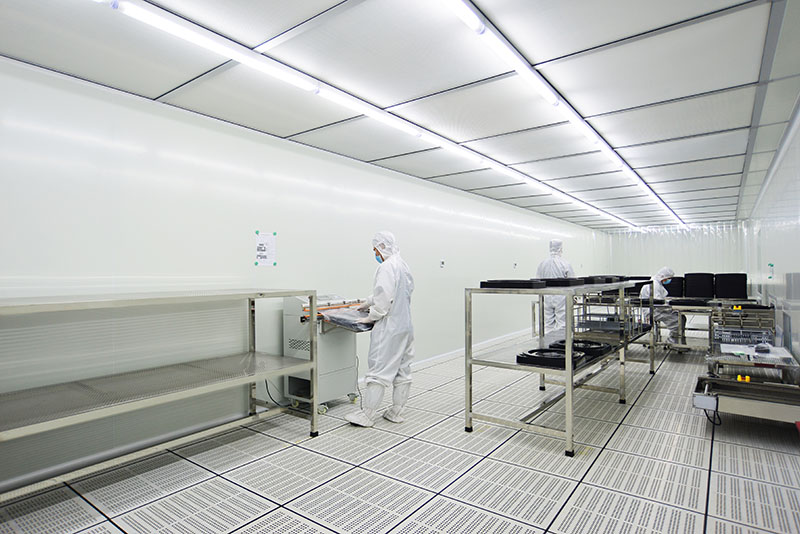
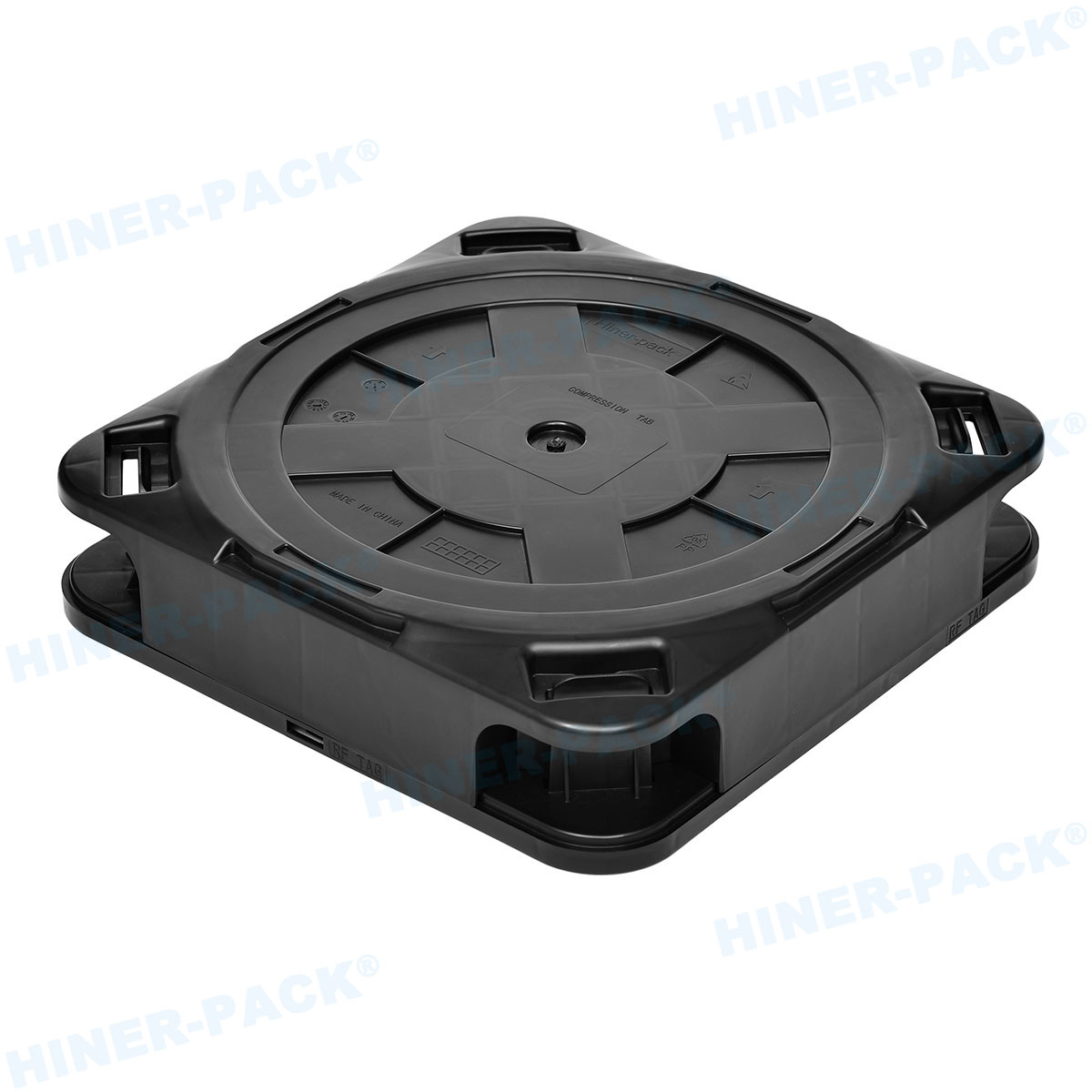
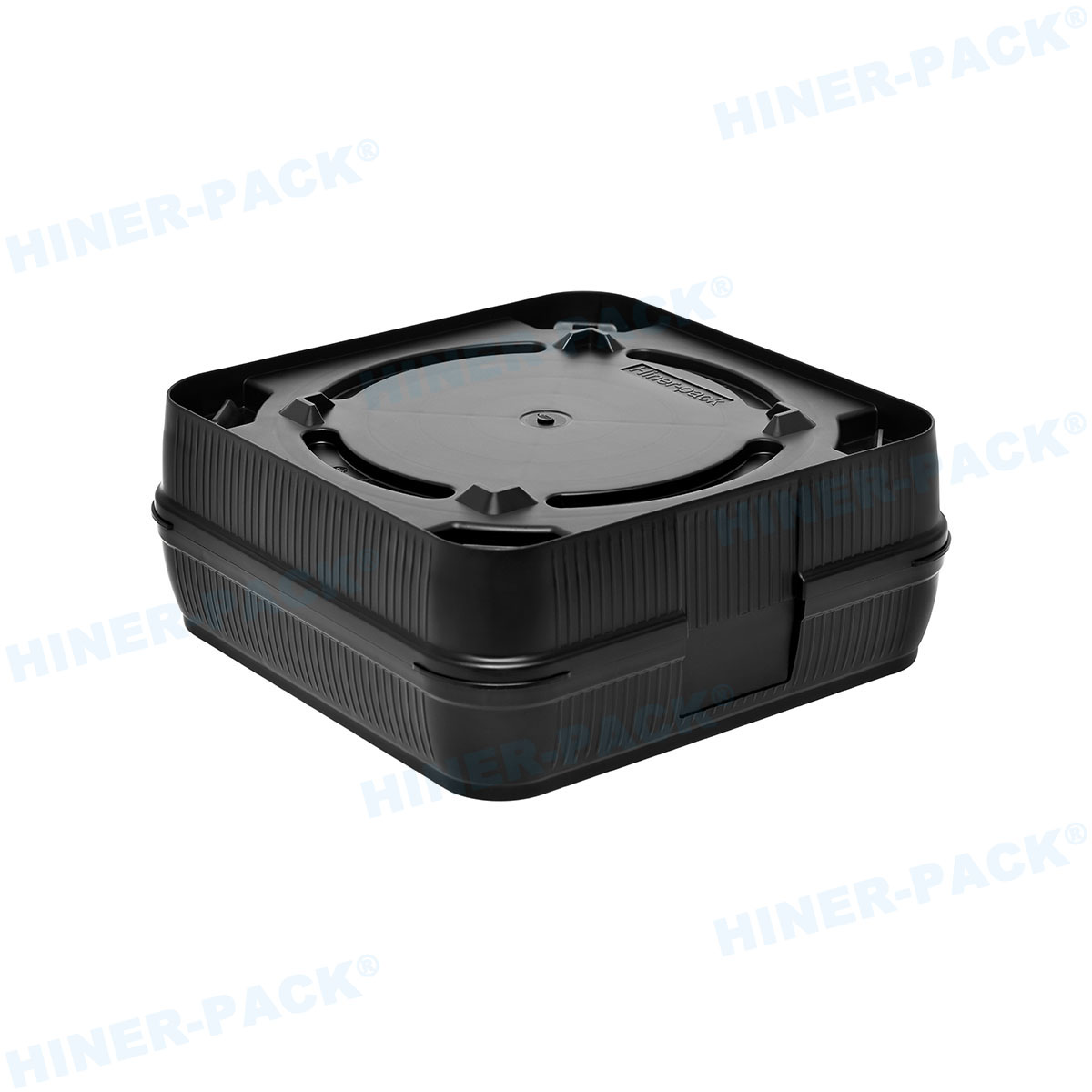
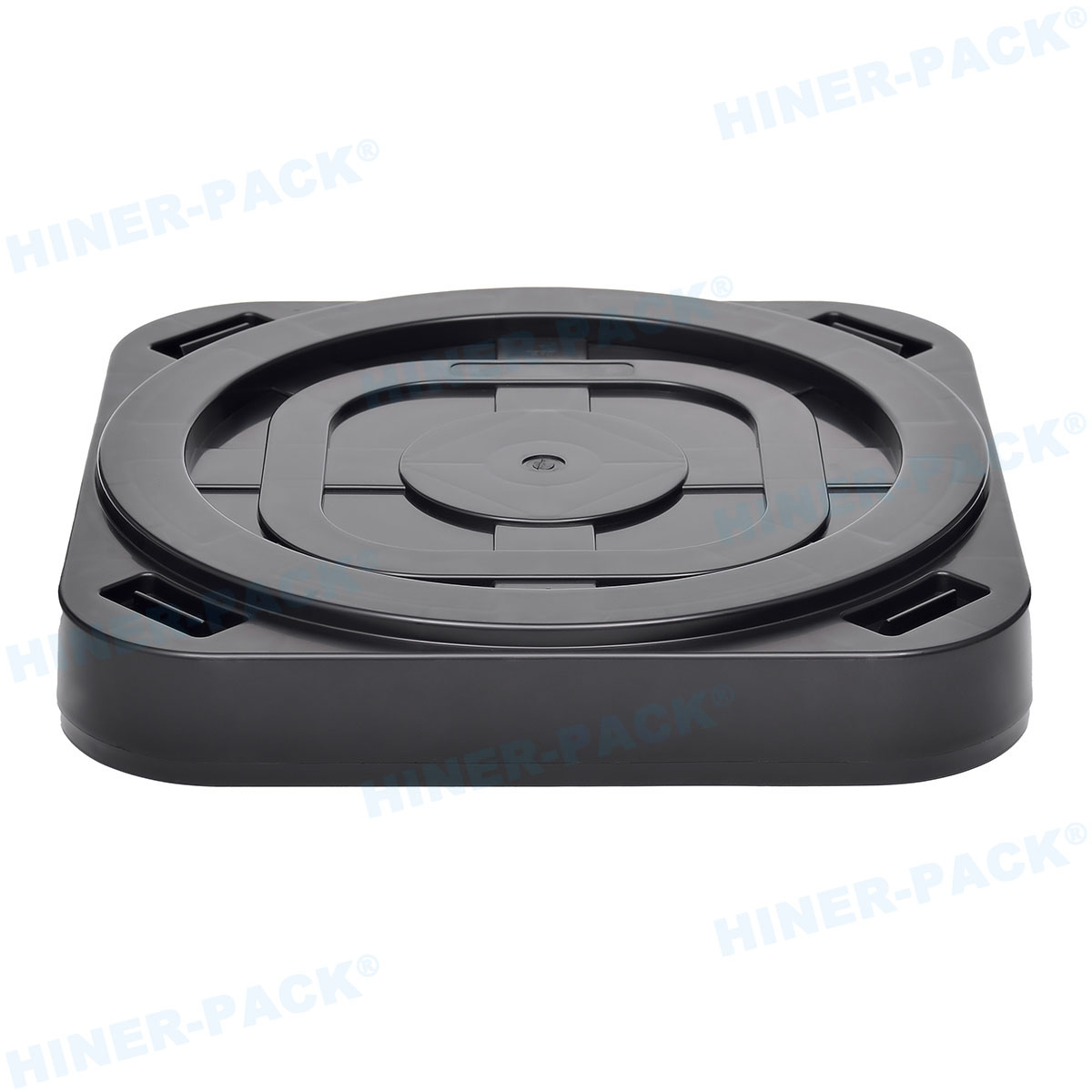
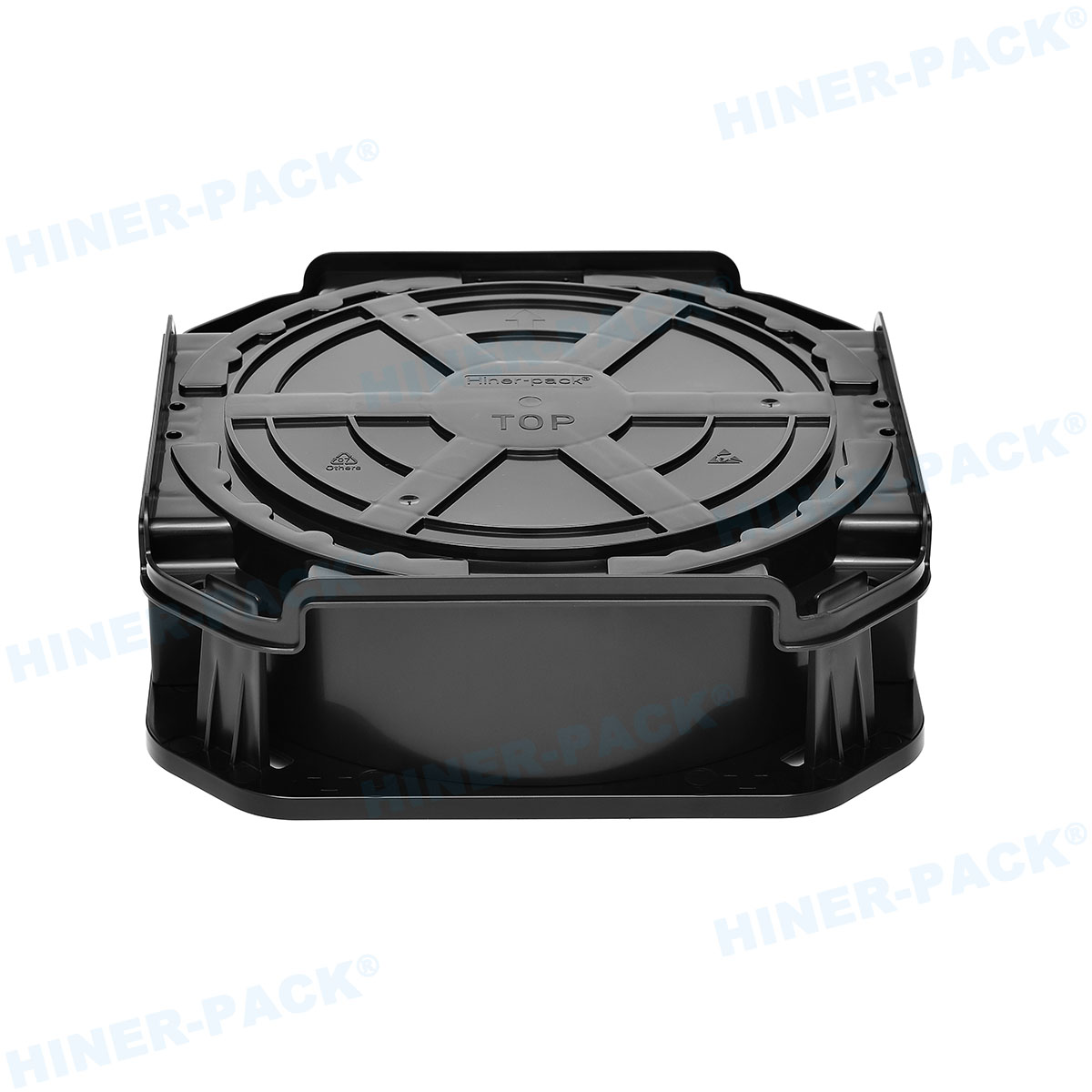
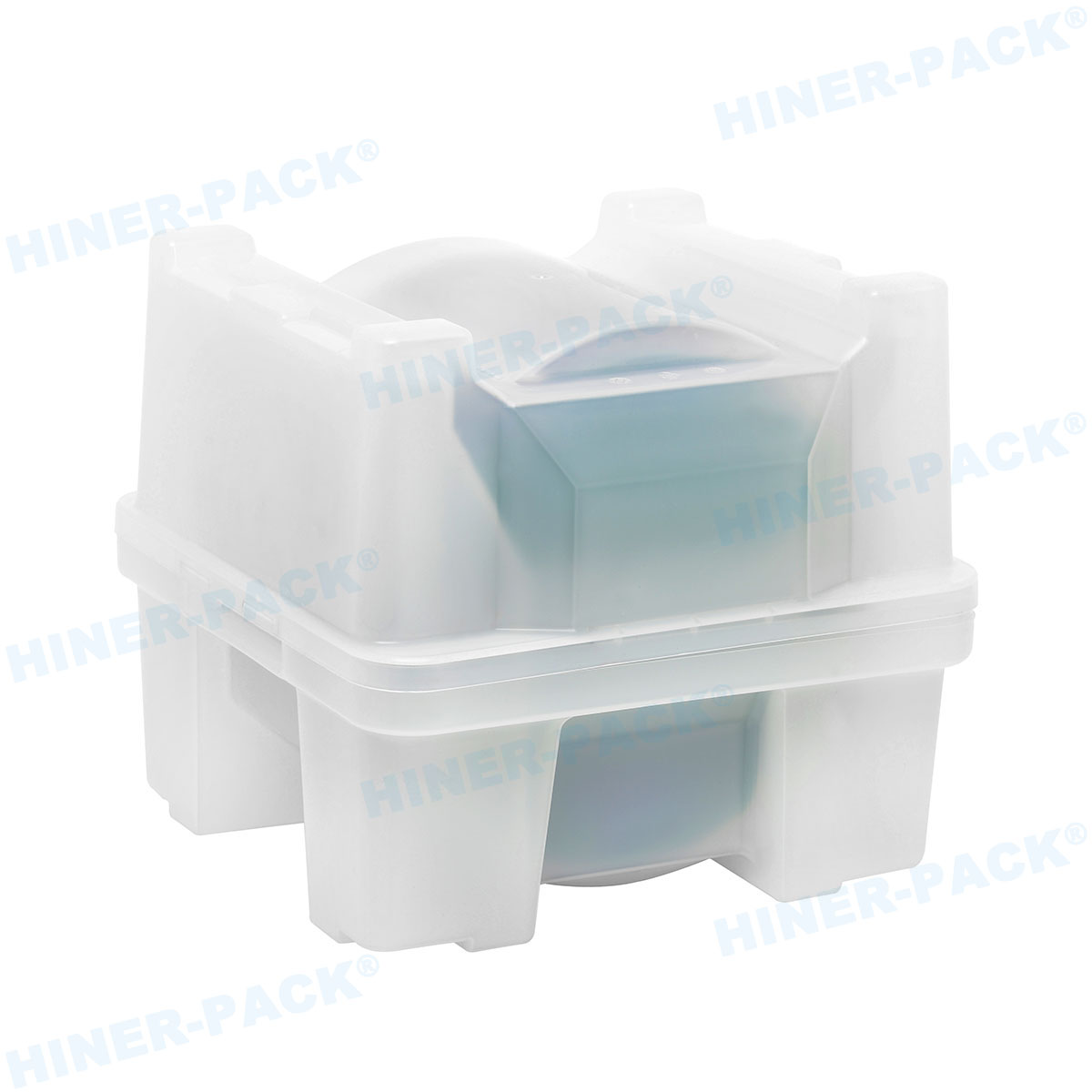
In semiconductor fabrication, the wafer jar—more formally known as the Front Opening Unified Pod (FOUP) or Front Opening Shipping Box (FOSB)—represents the single most frequent interface between process equipment and the wafer environment. For fab engineers and supply chain directors, the wafer jar is not merely a storage box; it is a micro-environment that dictates defect density, particle contamination levels, and ultimately, yield. With the transition to 3nm and 2nm process nodes, where killer defect sizes shrink below 15 nm, the engineering demands placed on wafer jars have escalated beyond simple mechanical protection to precise environmental control, outgassing management, and electrostatic discharge (ESD) mitigation. This analysis dissects the technical specifications, material selection trade-offs, and operational protocols that separate a high-performance wafer jar from a yield-limiting liability.
1. The Structural Role of the Wafer Jar in Automated Manufacturing
Modern 300mm fabs operate with over 90% automation, where wafer jars (FOUPs) are transported by overhead hoist transport (OHT) systems between process tools. Each wafer jar accommodates 25 wafers, maintaining a controlled atmosphere with purge ports for nitrogen or clean dry air (CDA). The interface between the wafer jar and the equipment front end module (EFEM) involves mechanical docking, door opening, and wafer mapping—a sequence repeated thousands of times daily. Failures in this interface—such as misalignment, particle generation during door actuation, or seal degradation—account for approximately 5–8% of unscheduled tool downtime in high-volume manufacturing (HVM) lines. Therefore, selecting a wafer jar requires evaluating mechanical durability (latch cycles), chemical stability, and cleanroom compatibility.
2. Material Science: Polymer Selection for Particle Control and Outgassing
2.1 Polycarbonate (PC) vs. Polyetheretherketone (PEEK) vs. Cyclic Olefin Copolymer (COC)
Historically, wafer jars were manufactured from polycarbonate due to its optical clarity and low cost. However, polycarbonate exhibits high moisture absorption (0.15–0.20% at 23°C) and outgassing of bisphenol A (BPA) and other oligomers, which condense on wafer surfaces and cause micro-droplet defects during thermal processing. For 7nm and below, leading fabs have transitioned to wafer jars fabricated from PEEK or COC blends. PEEK offers superior chemical resistance, lower outgassing (total mass loss < 0.1% per SEMI E46), and higher mechanical strength, allowing for longer lifecycle (> 10,000 clean cycles). COC provides the lowest particle generation during sliding contact, making it preferred for advanced logic where particle adders must remain below 0.05 particles/cm² for >0.1 µm.
Recent industry data from a leading equipment manufacturer indicates that switching from polycarbonate to PEEK-based wafer jars reduced front-end-of-line (FEOL) defect densities by 22% in a 5nm pilot line, attributable to lower volatile organic compound (VOC) outgassing and reduced moisture adsorption.
2.2 Anti-Static and ESD Control
Electrostatic discharge (ESD) events within a wafer jar can result in charge-induced damage to gate oxides. Modern containers incorporate static-dissipative additives (e.g., carbon nanotubes or conductive polymers) to achieve surface resistivity between 10⁶ and 10¹⁰ Ω/sq. Measurement protocols per ANSI/ESD S20.20 mandate that wafer jars maintain discharge times under 2 seconds. Failure to meet these specifications has been linked to 1–3% yield loss in sensitive memory devices, particularly during winter months when humidity drops below 30% in cleanrooms.
3. Contamination Control: Particles, Moisture, and Airborne Molecular Contaminants (AMCs)
The primary function of a wafer jar is to isolate wafers from the fab ambient. Three contamination vectors dominate:
Particle Adhesion: Particles between 10–100 nm adhere via van der Waals forces. The jar's interior surface roughness (Ra < 0.1 µm) and material hardness directly influence particle detachment during transport. A study by SEMI found that wafer jars with textured interior surfaces increased particle adders by a factor of 2.5 compared to smooth-molded variants.
Moisture Control: In-line moisture sensors within FOUPs track relative humidity (RH). For EUV lithography processes, wafers must be maintained below 5% RH to prevent haze formation on reticles and resist blistering. Advanced wafer jars integrate nitrogen purge systems that achieve 1–2% RH within 120 seconds after docking.
Airborne Molecular Contaminants (AMCs): Amines, ammonia, and acid gases from cleanroom materials can adsorb onto wafer surfaces and react with photoresist. High-performance wafer jars employ chemical filters (activated carbon and ion-exchange media) in purge ports to reduce AMC concentrations to below 0.1 ppb for critical process steps.
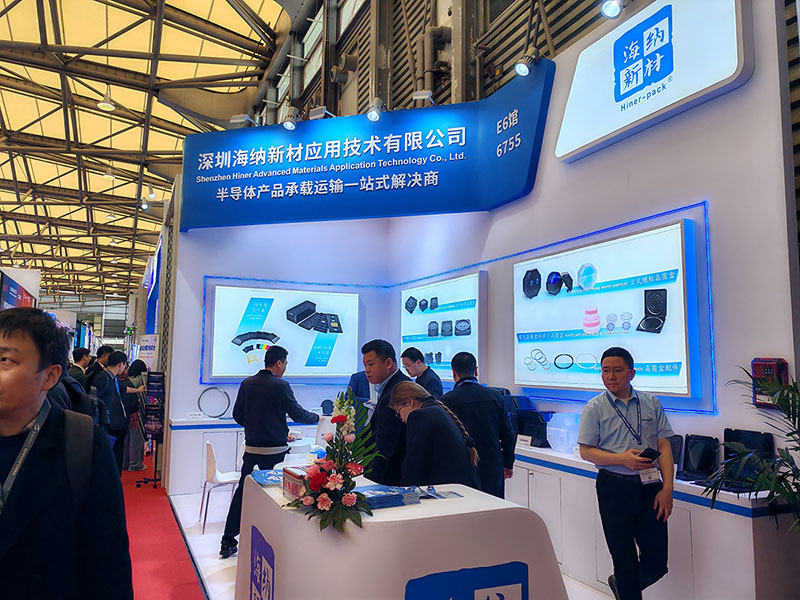
For companies like Hiner-pack, which specializes in certified packaging solutions, the emphasis is on pre-cleaned wafer jars that meet ISO Class 2 cleanroom standards upon delivery. Their validated cleaning processes ensure that particle counts per jar remain under 50 particles >0.1 µm, reducing pre-insertion cleaning time for fab operators.
4. Mechanical Interface and Automation Compatibility
4.1 FOUP vs. FOSB: Operational Distinctions
It is essential to differentiate between FOUPs (used for intra-fab transport) and FOSBs (used for inter-fab shipping). A FOUP wafer jar features a mechanical kinematic coupling that aligns with tool load ports to a precision of ±0.1 mm. FOSBs, in contrast, are designed for shock absorption during shipping, with foam-lined interiors and double-wall construction to withstand 1-meter drop tests. Mixing these applications leads to premature seal failure and contamination ingress; FOUPs used in shipping often exceed 50 particle adder counts due to inadequate vibration dampening.
4.2 Latch Mechanism and Door Sealing
The door interface is the most mechanically stressed component of any wafer jar. A double-lip EPDM or FFKM seal ensures leak integrity, with leak rates maintained below 0.1 sccm at 1 psi differential pressure. Over 10,000 open/close cycles, seal compression set can reduce sealing force by 15%, leading to micro-leaks that allow particle ingress. Predictive maintenance protocols now track cycle counts per wafer jar via RFID tags, triggering re-certification when cycle thresholds (typically 7,500 cycles for FOUPs) are approached.
5. Industry Pain Points: Cross-Contamination, Reusability, and Traceability
5.1 Cross-Contamination from Mixed Products
In foundry environments, the same wafer jar may carry wafers from multiple customers and process flows. Residual metallic contamination (e.g., Cu, Ni) left in the jar from previous lots can cross-contaminate sensitive analog or power device wafers. To mitigate this, advanced fabs enforce strict jar segregation by technology node and implement non-destructive surface extraction sampling (e.g., ICP-MS analysis of swabs) to verify cleanliness before reuse. Data shows that implementing such protocols reduces contamination-related rework by 18% in multi-product fabs.
5.2 Lifecycle Management and Reclamation
A high-quality wafer jar is designed for 5–10 years of service with proper reconditioning. Reclamation involves ultrasonic cleaning, surface resistivity testing, and optical inspection for scratches or deformation. However, over 30% of jars are prematurely retired due to improper cleaning agents that cause surface crazing or embrittlement. Standardized cleaning per SEMI E125 (specifying pH-neutral detergents and deionized water rinses) can extend jar life by 40%.
5.3 RFID and Digital Traceability
Modern wafer jars are embedded with passive RFID tags that store lot history, slot maps, and environmental log data. These tags enable real-time inventory tracking and automated material handling systems to route jars to the correct process tools. A leading memory manufacturer reported that implementing RFID-enabled wafer jars reduced misrouted lots by 97% and improved tool utilization by 4% due to faster identification.
6. Cost-Benefit Analysis: Premium Materials vs. Extended Lifespan
While a standard polycarbonate wafer jar costs between $150 and $250, a PEEK-based jar commands $450–$600. However, total cost of ownership (TCO) models reveal that PEEK jars yield a 35% lower cost per wafer pass due to reduced cleaning frequency (every 12 months vs. 6 months for PC) and lower particle adder-related yield loss. For a 50,000 wafer starts per month (WSPM) fab, switching to high-performance wafer jars yields an estimated $2.8M annual savings from yield improvement alone, making the upfront material premium negligible in the context of overall profitability.
Hiner-pack leverages this TCO analysis to offer tiered product lines—from certified reclaimed jars for non-critical layers to high-purity, ultra-low outgassing jars for EUV and gate-all-around (GAA) processes—allowing customers to match jar performance to process risk tolerance.
7. Future Developments: 450mm Transition, E-Scanning, and Smart Jars
Although the 450mm wafer transition has slowed, the need for larger wafer jars persists for advanced packaging and panel-level processing. Prototype 450mm FOUPs weigh over 12 kg when loaded, necessitating new materials with higher strength-to-weight ratios, such as carbon-fiber-reinforced polymers. Additionally, the industry is moving toward “smart jars” equipped with embedded sensors for continuous monitoring of humidity, particle counts, and shock events. These smart wafer jars transmit data via IoT gateways to fab MES systems, enabling predictive cleaning schedules and real-time lot release decisions. Early adopters report a 60% reduction in excursions caused by out-of-spec storage conditions.
The Wafer Jar as a Yield Enabler, Not Just a Container
For semiconductor manufacturing professionals, the wafer jar represents a critical control point that directly influences defect density, equipment uptime, and logistics efficiency. The evolution from simple storage box to engineered microenvironment demands rigorous attention to material science, contamination control, and automation compatibility. As device geometries continue to shrink and process complexity increases, the strategic selection and management of wafer jars will remain a cornerstone of operational excellence. Companies that invest in advanced jar technologies and disciplined lifecycle management will secure measurable advantages in yield and cost competitiveness.
Frequently Asked Questions (FAQs)
Q1: What is the primary difference between a FOUP and a FOSB in wafer
jar terminology?
A1: A FOUP (Front Opening Unified Pod) is a
wafer jar designed for automated intra-fab transport, featuring
a kinematic coupling for precise tool alignment and nitrogen purge capabilities.
A FOSB (Front Opening Shipping Box) is intended for inter-fab or cross-site
shipping, with reinforced shock absorption and double-wall construction to
withstand transportation vibrations. Using a FOUP for shipping voids its
contamination control performance and accelerates mechanical wear.
Q2: How often should a wafer jar be cleaned, and what standards
apply?
A2: Cleaning frequency depends on process node and
contamination history. For leading-edge logic (<7nm), wafer
jars are typically cleaned every 6–12 months or after 1,500 lot passes.
Cleaning must comply with SEMI E125 for particle removal and SEMI E46 for
outgassing verification. The process involves multi-stage ultrasonic cleaning
with deionized water, followed by Class 1 cleanroom drying and surface
resistivity testing to confirm ESD performance remains within specification.
Q3: What causes particle generation from a wafer jar, and how is it
measured?
A3: Particle generation originates from three main
sources: mechanical abrasion during door opening, static discharge attracting
airborne particles, and material shedding from jar walls. Measurement follows
SEMI E127, where the jar is subjected to 100 opening cycles in a cleanroom, and
particle counts on a test wafer are measured using a surface scanner. Acceptance
criteria for advanced nodes require <0.05 added particles per cm² for >0.1
µm particles.
Q4: Can wafer jars be recycled or repaired after reaching their
lifecycle limit?
A4: Yes, wafer jars can undergo
recertification involving replacement of seals, RFID tags, and latch mechanisms,
followed by full requalification testing. However, if the jar body exhibits
crazing, warpage (>1 mm over 300 mm), or surface resistivity deviation beyond
±2 decades, it must be retired. Some suppliers, including Hiner-pack, offer trade-in programs where retired jars
are recycled into raw polymer materials, supporting sustainability goals in
semiconductor supply chains.
Q5: How does moisture control inside a wafer jar impact
photolithography processes?
A5: High humidity (>10% RH) within a
wafer jar can cause moisture absorption in photoresist layers,
leading to line edge roughness (LER) and pattern collapse in high aspect ratio
features. For immersion lithography and EUV, moisture also interacts with the
resist surface to form watermarks that become printable defects. Advanced jars
incorporate active purge systems that maintain <2% RH using nitrogen flow
rates of 50–100 L/min, ensuring wafer stability during queuing times.
Q6: What role does Hiner-pack play in the wafer jar supply
chain?
A6: Hiner-pack provides
certified, pre-cleaned wafer jars with validated particle and
AMC levels, along with RFID-enabled tracking systems. Their logistics platform
offers just-in-time delivery, bar-coded traceability, and compliance
documentation for SEMI standards, reducing the burden on fabs to qualify and
maintain jar inventories internally.