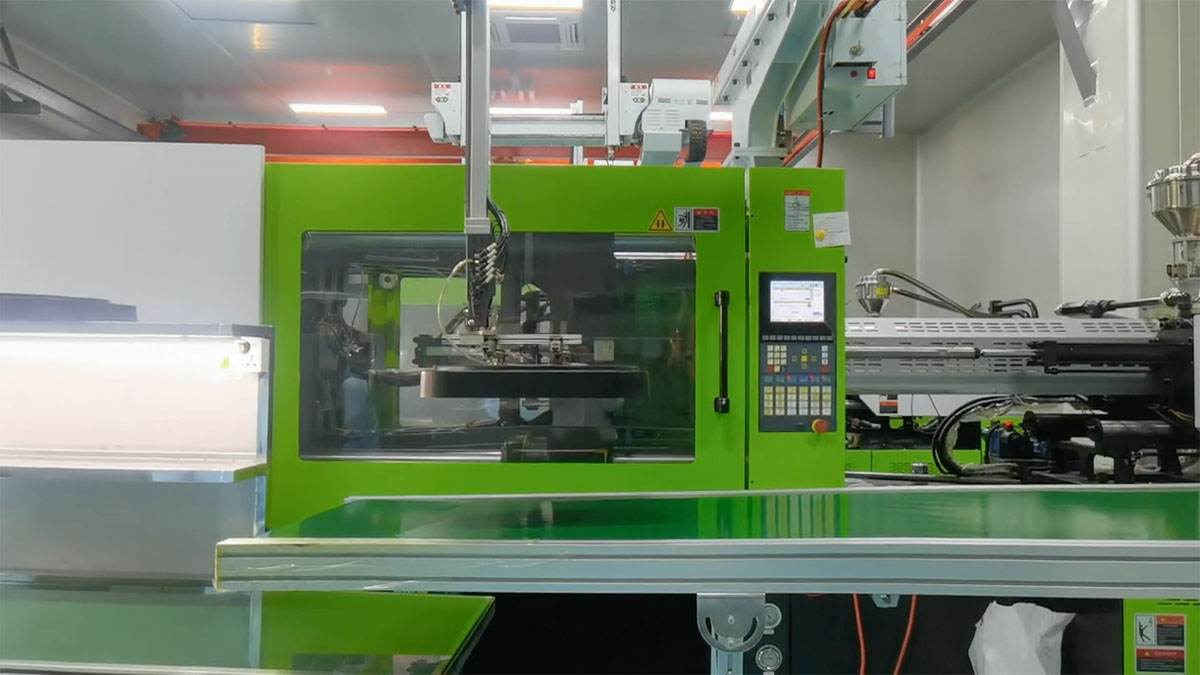
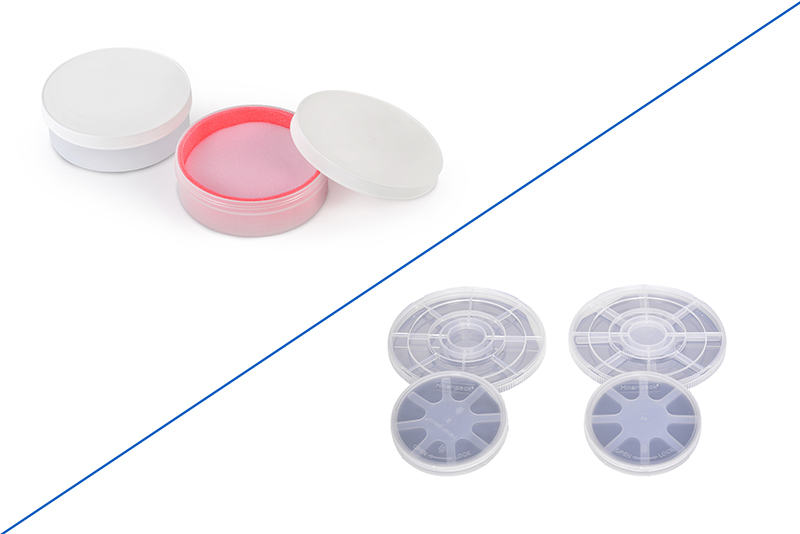
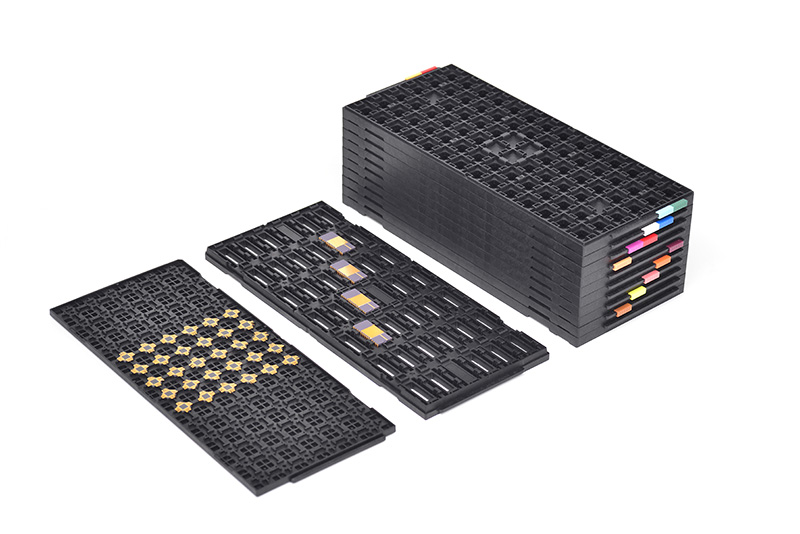
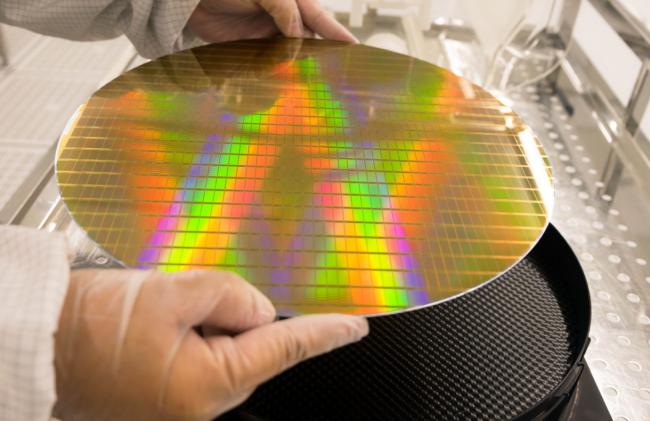
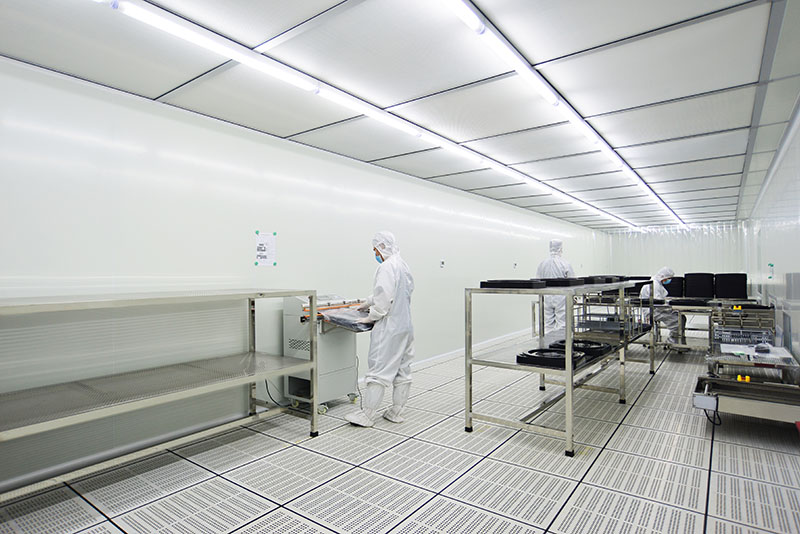
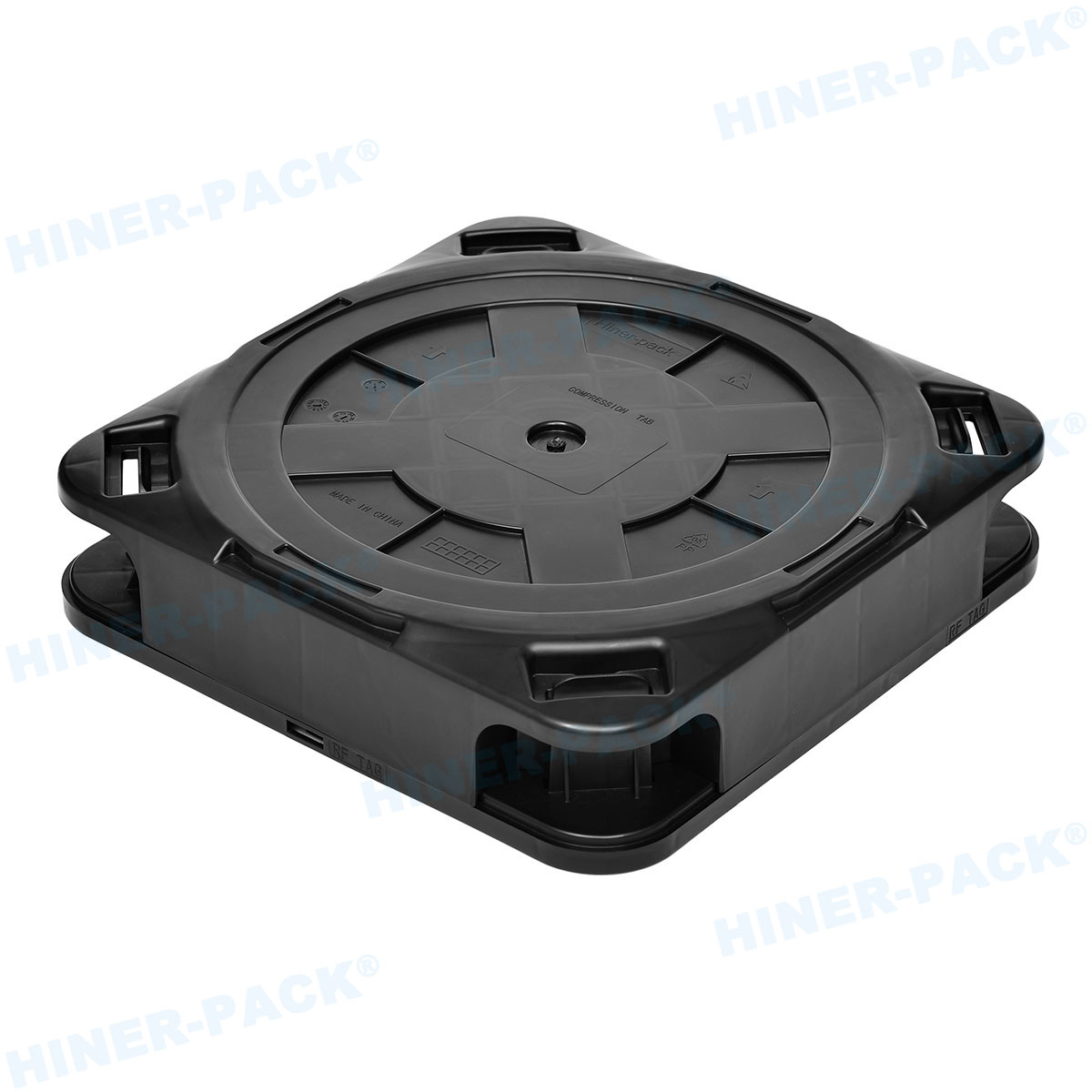
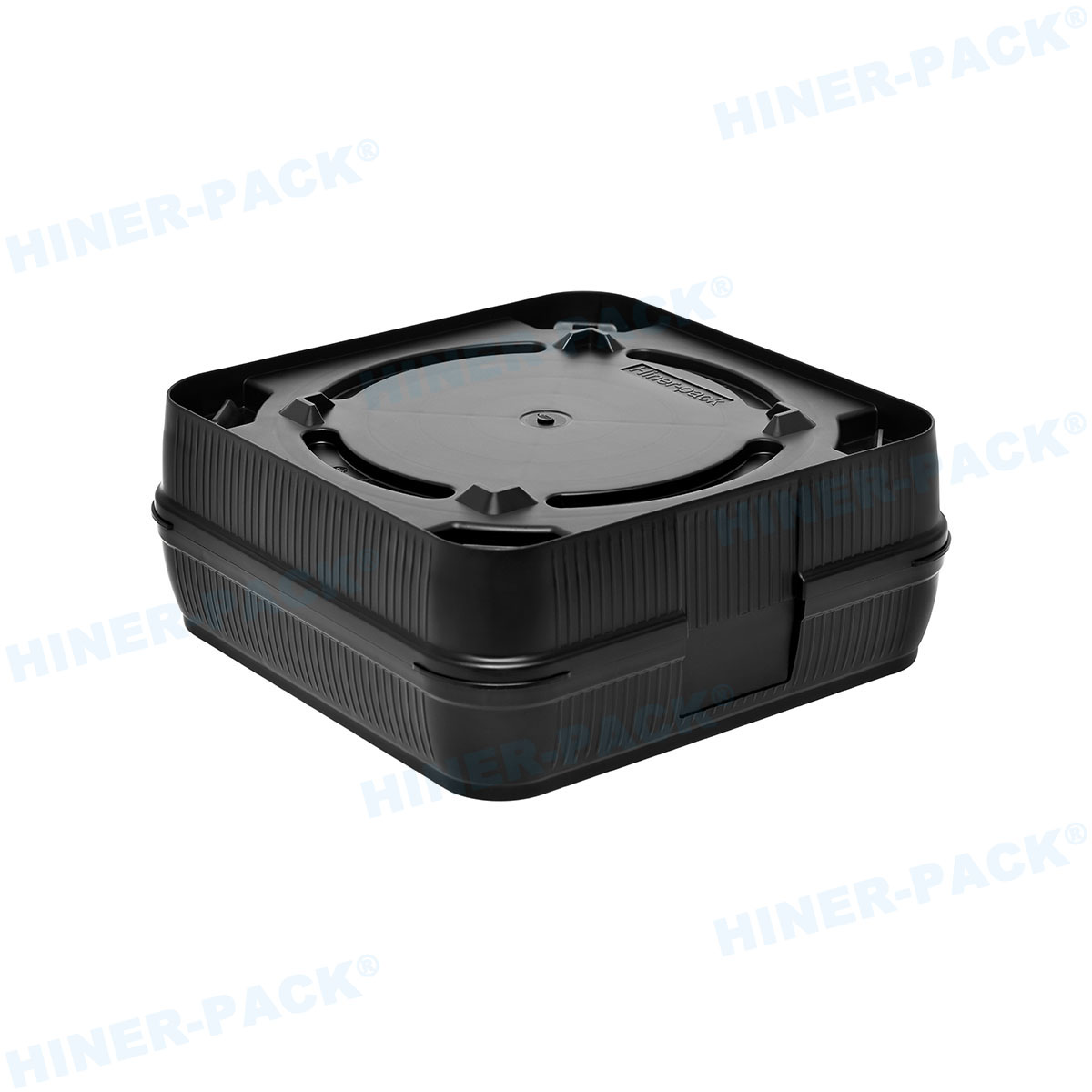
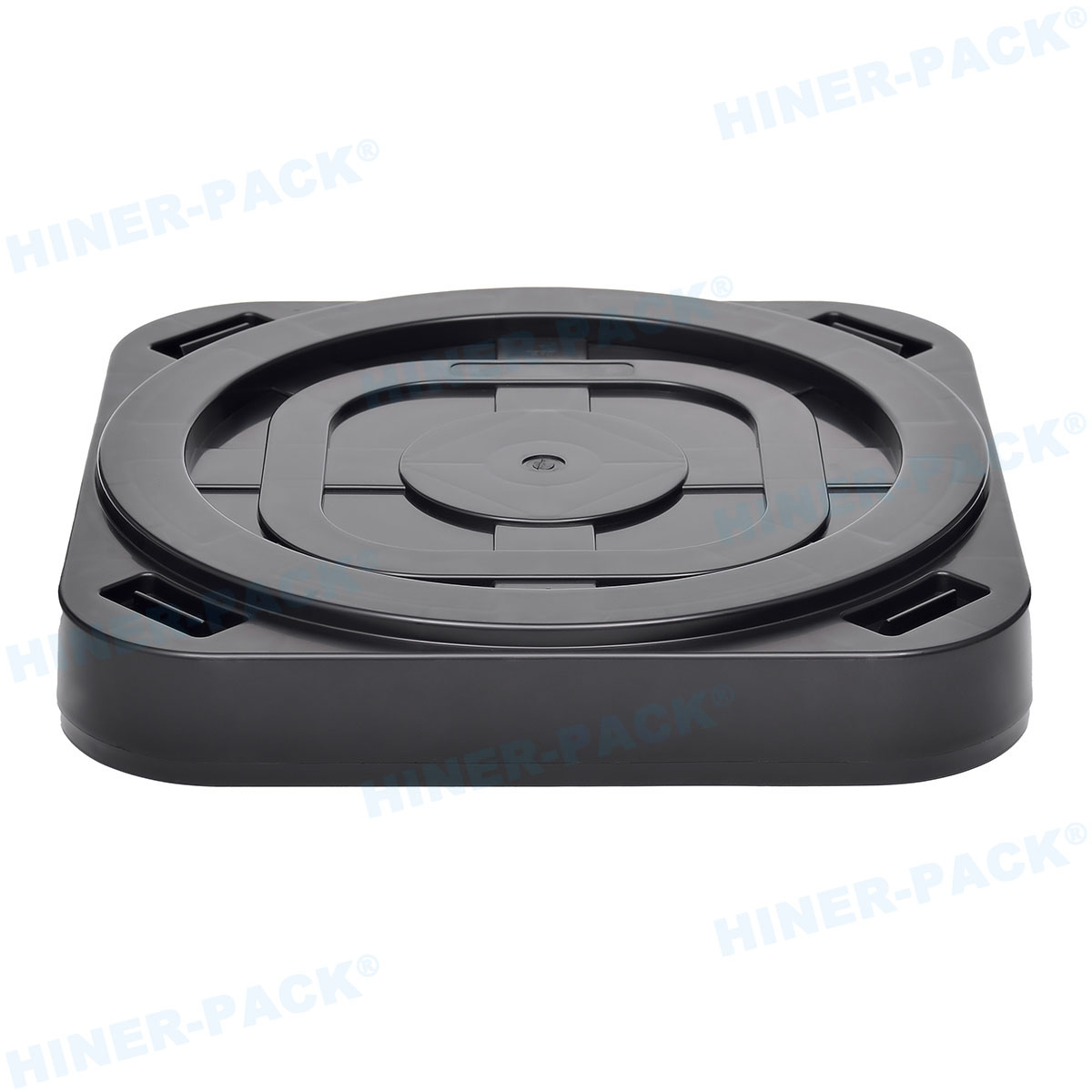
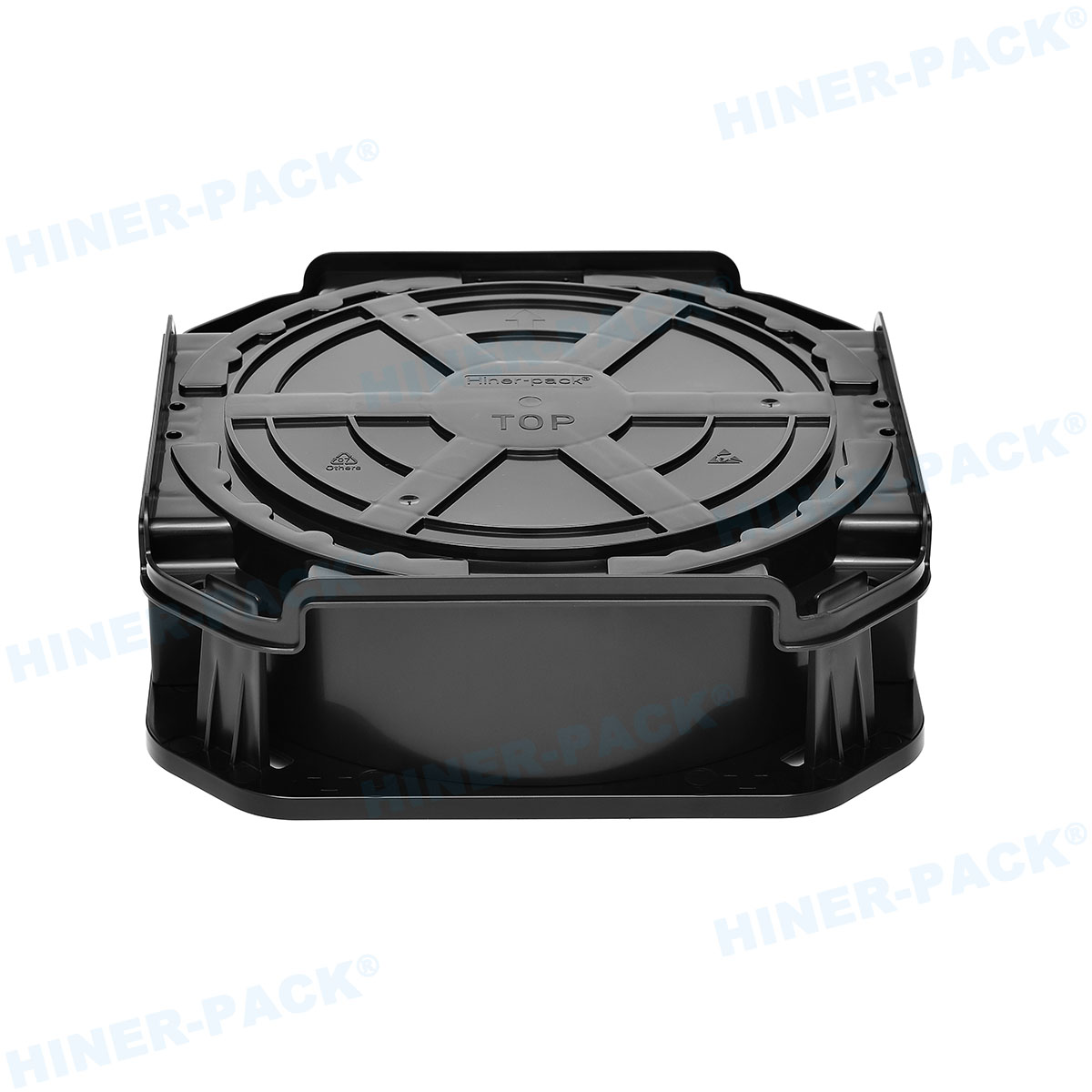
In advanced semiconductor fabs and OSAT facilities, the handling, storage, and inter-process transport of bare wafers demand precision-engineered carriers. Wafer trays are fundamental to maintaining yield integrity, yet their design nuances—surface roughness, dissipation resistance, thermal stability—are often underestimated. This technical deep dive examines material selection criteria, real-world contamination sources, and actionable engineering solutions. Drawing from Hiner-pack’s two decades of cleanroom carrier engineering, we analyze how optimized tray geometries reduce particle adders by over 40% in 300mm pilot lines.
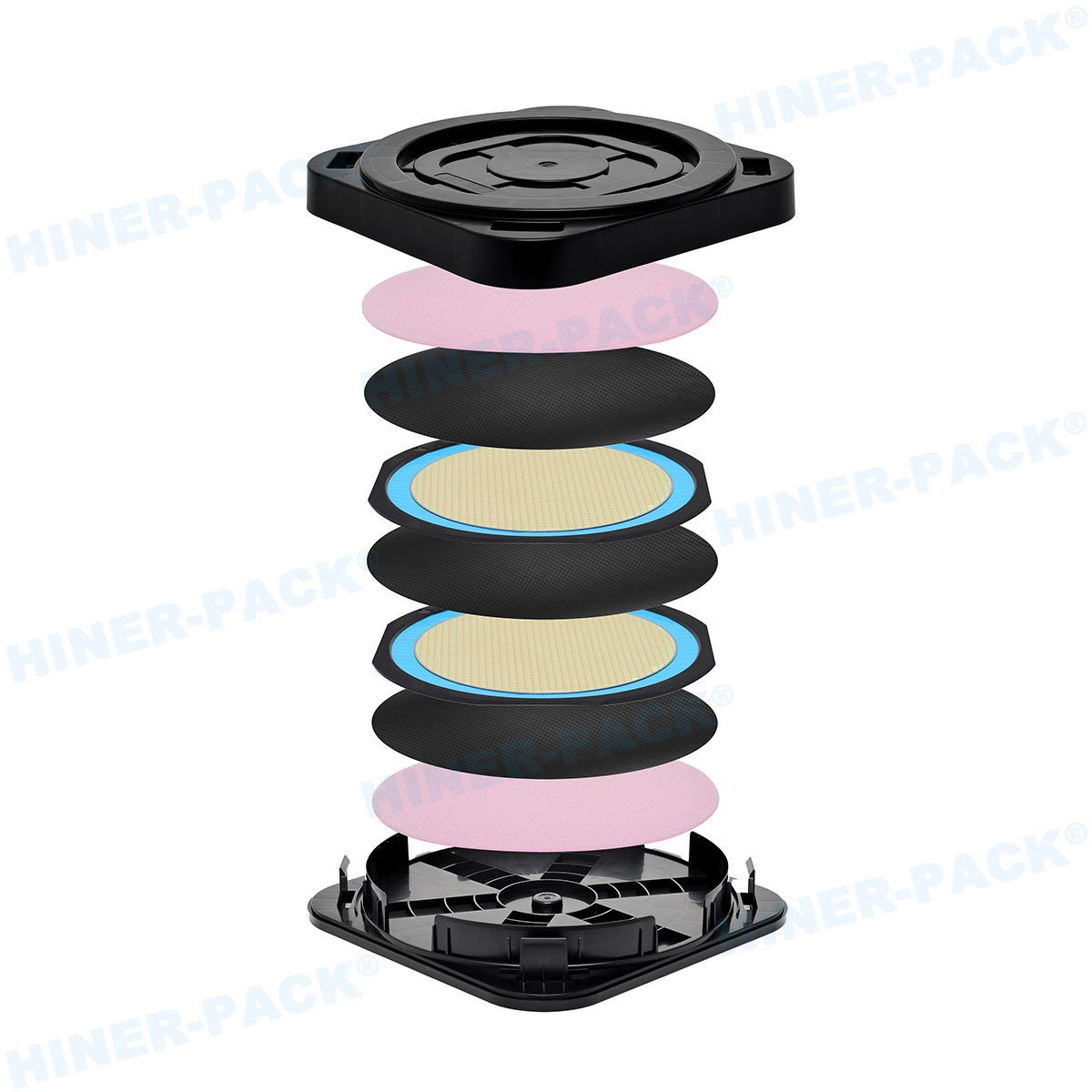
1. Material Science and Structural Integrity of Wafer Trays
The base polymer directly dictates wafer trays performance in cleanroom environments. For diffusion and wet etch processes, engineers prioritize high continuous use temperature (above 160°C) and chemical inertness. Polyetheretherketone (PEEK) offers exceptional plasma resistance and low outgassing, but at a higher cost per unit. For high-volume applications requiring electrostatic discharge (ESD) control, static-dissipative polycarbonate (PC) or polyetherimide (PEI) loaded with carbon nanotubes provides surface resistivity between 10⁶–10⁹ Ω/sq, preventing charge accumulation without sloughing conductive fillers.
Anti-static wafer handling solutions must meet SEMI E108 and E129 standards for cleanroom compatibility.
PFA (perfluoroalkoxy) trays are specified for aggressive chemical exposure (e.g., SPM or HF vapor), though their mechanical creep resistance under load requires ribbed structural designs.
For temporary wafer storage between CMP and metrology, low-friction surfaces prevent microscratches; surface roughness Ra < 0.8 µm is a baseline requirement for 7nm node wafers.
A 2023 internal study across three 200mm fabs showed that replacing standard polypropylene trays with carbon-filled PEI reduced particle adders by 52% for wafers with backside metal films. This directly correlates to the material’s lower coefficient of friction and elimination of sliding abrasion. Wafer trays made from improperly compounded materials also introduce ionic contamination (Cl⁻, Na⁺) above 0.1 ppb, which can shift transistor Vt. Therefore, validated ion chromatography reports per SEMI F57 are mandatory for any production-grade carrier.
2. Critical Application Scenarios: From Front-End Foundry to Back-End Assembly
Wafer processing flows impose vastly different mechanical and thermal demands on carriers. Recognizing these scenarios is key to selecting the correct wafer trays.
2.1 Diffusion and High-Temperature Operations
After gate oxidation or annealing, wafers exit furnaces at temperatures exceeding 300°C. No polymer tray can directly contact such hot wafers; instead, quartz or SiC trays are used, but these are brittle and expensive. For intermediate cooling steps, PEEK trays with integrated standoffs allow radiative cooling while preventing thermal shock fractures. Wafer trays designed for this stage must demonstrate dimensional stability after 500 thermal cycles (25°C ↔ 180°C) with less than 0.02% warpage.
2.2 Wafer Thinning and Dicing Support
Back-grinding reduces wafer thickness to 50–100 µm, creating extreme flexibility and edge chipping risk. Specialized wafer trays for thin wafers incorporate vacuum channels or gel-like support films to prevent die shifting. In dicing frames, trays with raised pocket walls maintain individual die orientation during laser grooving. Statistical process control data from a leading OSAT indicates that using dedicated thin-wafer trays reduces edge breakage by 37% compared to universal JEDEC trays.
2.3 Automated Material Handling Systems (AMHS) Integration
Modern 300mm fabs rely on overhead hoist transports (OHTs) and stockers. Wafer trays used in these systems must feature standardized kinematic coupling interfaces (SEMI E15.1) and RFID pockets for lot tracking. A mismatch in tray thickness by just 0.3 mm can cause OHT gripper misfires, leading to tool idle time. Hiner-pack offers injection-molded trays with embedded 13.56 MHz RFID cavities that survive 500+ autoclave cycles without data corruption.
3. Industry Pain Points: Particle Generation, ESD Damage, and Cross-Contamination
Despite cleanroom protocols, wafer trays remain a leading source of microcontamination. Three recurring failure modes dominate field returns:
Abrasive particle shedding: Repeated contact between wafer edges and tray pocket walls generates sub-0.5 µm particles. Laser surface mapping reveals that trays with sharp corner radii (R < 0.2 mm) produce 3× more particles than radius-optimized designs (R = 0.5 mm).
ESD-induced gate oxide damage: Dry ambient cleanrooms (humidity < 20% RH) cause tribocharging when wafers slide into trays. Even a 50V discharge can rupture 5nm gate oxides. Required: surface resistance consistently below 10¹¹ Ω.
Chemical cross-contamination: Improperly cured trays release plasticizers (e.g., phthalates) that condense onto wafer surfaces, interfering with photoresist adhesion. One fab reported a 12% yield loss traced to recycled trays that absorbed residual solvents from a previous process step.
Quantitative specifications for Class 1 cleanroom compatible wafer trays include: particle test per SEMI E46 (≤ 5 particles ≥ 0.1 µm/cm² after ultrasonic cleaning), outgassing per SEMI F01 (≤ 50 ng/cm² for condensables), and ESD compliance per ANSI/ESD S20.20. Without these validations, trays can nullify millions of dollars in air filtration investments.
4. Engineering Solutions: Optimized Tray Design for Yield Enhancement
Addressing the above pain points requires a systematic approach to geometry, materials, and process control. Wafer trays can be engineered to reduce total cost of ownership while improving defect density.
4.1 Surface Texturing and Contact Point Reduction
Instead of full-pocket contact, advanced trays use three-point or five-point edge-grip supports. Finite element analysis (FEA) shows that point contacts reduce particle generation by 70% compared to full-face nests. Moreover, laser-textured surfaces (peak-to-valley height 3–5 µm) trap loose particles away from the wafer backside, a design validated by Hiner-pack’s proprietary CleanTouch™ technology.
4.2 Dissipative Composite Blends Without Carbon Sloughing
Traditional carbon-black filled trays release conductive debris that can short wire bonds. Newer solutions employ inherently dissipative polymers (IDPs) or carbon nanotubes embedded within the matrix. IDP-based wafer trays maintain 10⁸–10¹⁰ Ω surface resistance even after 1000 chemical wash cycles, with zero particle shedding in DI water immersion tests.
4.3 Warped Wafer Accommodation
Wafer bow exceeding 1.5 mm (common after thin-film deposition) causes conventional trays to scratch the convex side. Engineered trays with spring-loaded edge clamps or adjustable pedestals conform to wafer shape without inducing stress. A major memory manufacturer implemented such adjustable wafer trays and saw a 62% reduction in edge crack rejects.
Process integration example: In a 28nm logic fab, replacing standard trays with optimized five-point contact designs reduced incoming wafer defect counts from 0.35 to 0.12 defects/cm², directly improving die yield by 1.8% per layer. Over 10 metal layers, this translates to an overall fab profitability increase of 4.2%.
5. Role of Advanced Wafer Trays in High-Volume Manufacturing (HVM)
HVM environments cycle thousands of trays daily. Durability, cleanability, and traceability become non-negotiable. Wafer trays must withstand 500+ automated cleaning cycles in 60°C DI water with 0.5% surfactant without warping or losing ESD properties. Material creep under stacking loads (up to 15 trays high) also matters: polypropylene trays show permanent deformation after 2000 hours at 50°C, while glass-filled PEEK maintains flatness within 0.1 mm.
Furthermore, data integration through manufacturing execution systems (MES) requires each tray’s RFID to store process history—etch cycles, cleaning timestamps, and lot assignments. Hiner-pack provides molded recesses for high-temperature RFID inlays that survive 150°C bake cycles, enabling full carrier genealogy. Fabs using this traceability have reduced misload errors by 89% and improved corrective maintenance response by 300%.
For advanced packaging (chip-on-wafer, fan-out WLP), wafer trays often double as shipping and processing carriers. The transition from 200mm to 300mm and 150mm to 200mm for compound semiconductors (SiC, GaN) demands flexible tray designs. Interchangeable inserts allow a single tray frame to accommodate multiple wafer sizes, reducing capital expenditure by 40%.
6. Comparative Analysis: Wafer Trays vs. FOUPs and FOSBs
Front opening unified pods (FOUPs) provide sealed mini-environment protection but are bulky and expensive. Wafer trays offer open architecture for rapid thermal or chemical exposure, with lower per-unit cost—ideal for batch processing inside tools. For interbay transport, however, FOUPs are preferred due to their nitrogen purge capability. Hybrid strategies exist: some fabs use wafer trays inside vacuum loaders and then transfer to FOUPs for storage. The decision matrix depends on required cleanliness level (ISO Class 3 vs. Class 1), wafer exposure steps, and automation compatibility.
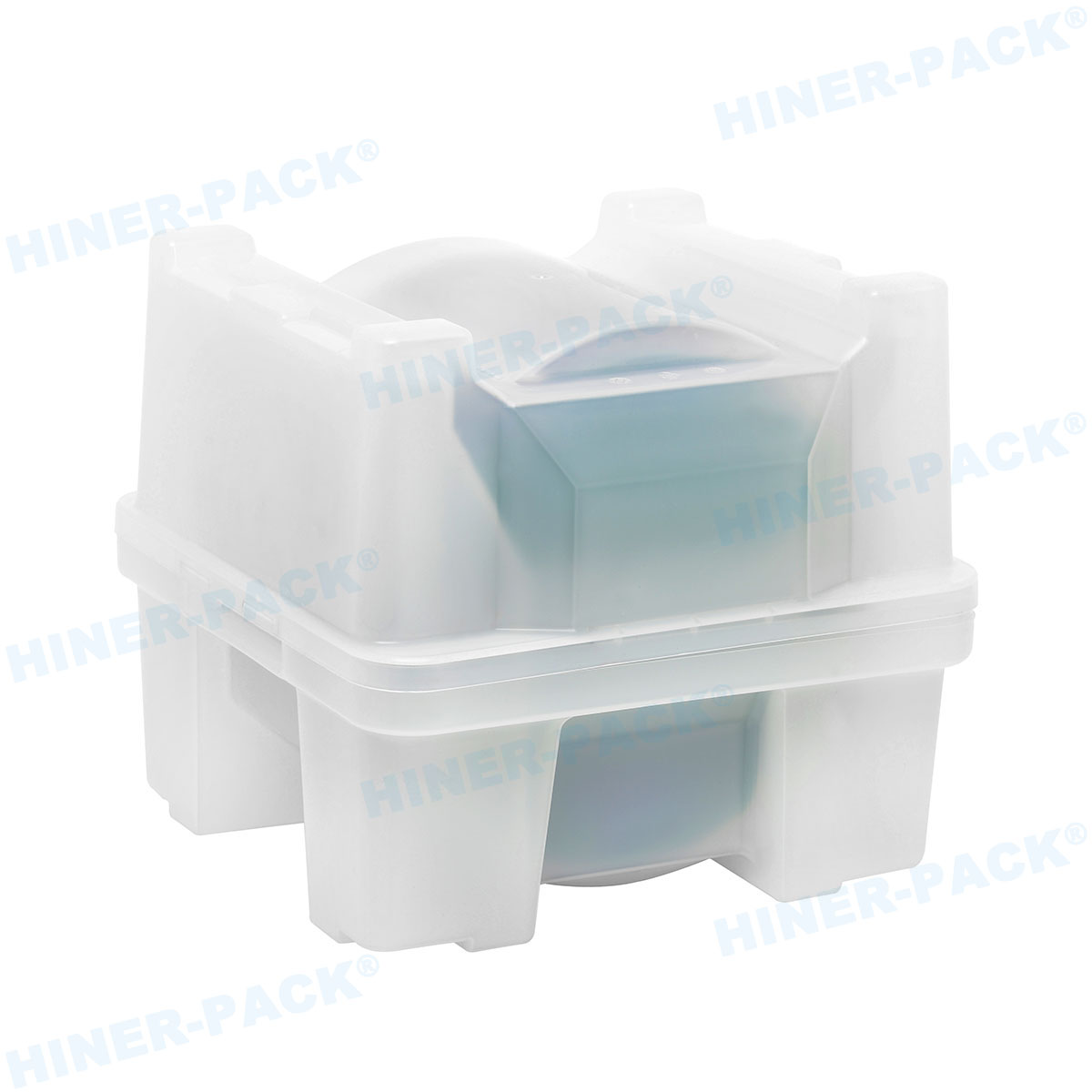
7. Future Outlook: Smart Trays and Inline Monitoring
Next-generation wafer trays integrate embedded sensors for humidity, particle counts, and shock detection. Prototypes using thin-film piezoelectric strain gauges can report excessive clamping force in real time, preventing wafer breakage. Combined with AI-driven scheduling, these smart trays will enable predictive cleaning and retirement, reducing unscheduled downtime. Early adoption by IDMs has shown a 27% extension of tray usable life.
As geometries shrink below 2nm, contamination budgets become vanishingly small. Every wafer tray used in a leading-edge fab must be qualified not just for particles but for metallic contamination (< 0.05 ppb each of Fe, Ni, Cu). The industry is moving toward single-use or dedicated-layer tray pools to eliminate cross-contamination risk. Hiner-pack offers certified cleanroom molded trays with individual serialization, ready for such high-stakes environments.
Frequently Asked Questions (FAQ)
Q1: What are the primary materials used for manufacturing wafer trays, and how do they differ in cleanroom performance?
A1: The most common materials are PEEK (high temperature, chemical resistance), static-dissipative PEI (good ESD and mechanical strength), PFA (aggressive chemical compatibility), and conductive polypropylene (cost-effective for non-critical steps). Performance differences center on outgassing rates (PEEK < 0.1% TML), surface resistivity stability after cleaning, and particle shedding. For Class 1 cleanrooms, PEI or PEEK with carbon nanotube fillers are preferred.
Q2: How do wafer trays differ from FOUPs or FOSBs in daily fab operations?
A2: Wafer trays are open carriers designed for in-process handling, batch furnaces, wet benches, and metrology tools. FOUPs (Front Opening Unified Pods) provide sealed, nitrogen-purged storage for interbay transport. FOSBs (Front Opening Shipping Boxes) are for shipment. Trays are lower cost and allow direct wafer access, but lack environmental isolation. Many fabs use trays for tool-to-tool transfer inside the same bay and FOUPs for stocker storage.
Q3: What are the typical particle contamination specifications for Class 1 cleanroom compatible wafer trays?
A3: According to SEMI E46-0617, a Class 1 compatible tray must produce ≤ 5 particles ≥ 0.1 µm per cm² after a standardized ultrasonic cleaning and rinse procedure. Additionally, liquid particle counts (LPC) from a tray immersion test must show ≤ 100 particles/ml ≥ 0.2 µm. Leading fabs often impose stricter internal specs: ≤ 1 particle ≥ 0.1 µm/cm² for 5nm node trays.
Q4: How can warped or thinned wafers be safely handled using wafer trays?
A4: Specialized trays for warped wafers use either (a) adjustable peripheral contact pins that conform to bow, (b) vacuum-assisted flat chucks with porous ceramics, or (c) gel-film laminates that support the wafer without rigid clamping. For ultra-thin wafers (< 100 µm), trays with full-area support but soft elastomer linings prevent edge lift-off. Hiner-pack offers custom-machined trays with programmable contact maps to match individual wafer warpage profiles.
Q5: What is the typical lifecycle and requalification process for wafer trays in high-volume manufacturing?
A5: In HVM, a polypropylene tray may last 3-6 months (300–500 cycles) before exhibiting wear. PEEK or PEI trays can last 2-3 years (2000+ cycles). Requalification includes monthly particle testing (using a wafer surface scanner on test wafers), quarterly surface resistivity checks, and visual inspection for cracks. After 500 cycles, trays are often sent for full analytical cleaning and re-certification; if outgassing or ESD exceeds limits, they are retired. Hiner-pack provides requalification kits and documented cycle-life data per SEMI guidelines.
Q6: Can wafer trays be customized for non-standard wafer sizes or materials (e.g., SiC, GaN, LiNbO₃)?
A6: Yes. Many compound semiconductor wafers are 100mm, 150mm, or non-standard thicknesses (350–500 µm). Custom injection-molded or CNC-machined trays are available with pocket geometries optimized for edge profiles, laser marking zones, and handling by specific robot end effectors. Hiner-pack has engineered over 200 custom tray designs for SiC, GaN, and lithium niobate, including high-temperature (260°C) stable versions for ohmic contact annealing.
Selecting the appropriate wafer trays is not a commodity decision—it directly impacts defect density, throughput, and equipment uptime. By understanding material science trade-offs, contamination mechanisms, and automation requirements, process engineers can reduce yield killers. For turnkey engineering support, from FEA-optimized designs to cleanroom-certified production, Hiner-pack delivers validated wafer trays and related carrier solutions that meet the most demanding 2nm-ready specifications. Review your current tray qualification data—small changes yield large returns.