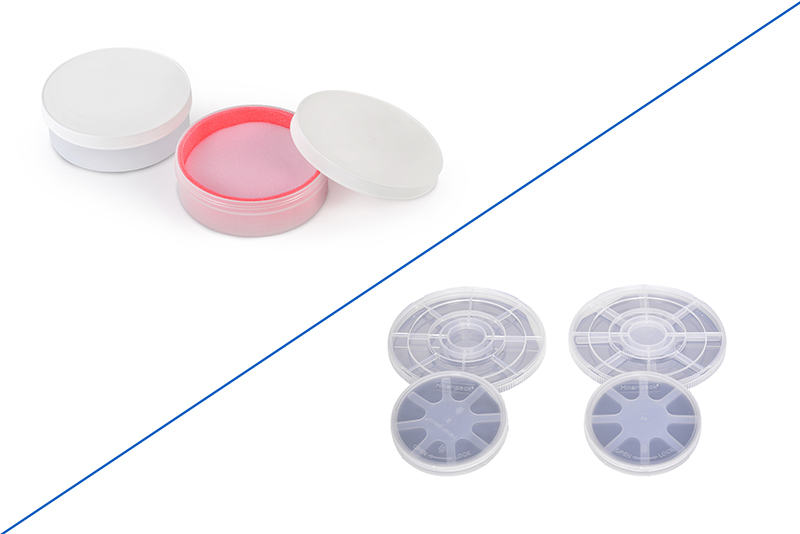
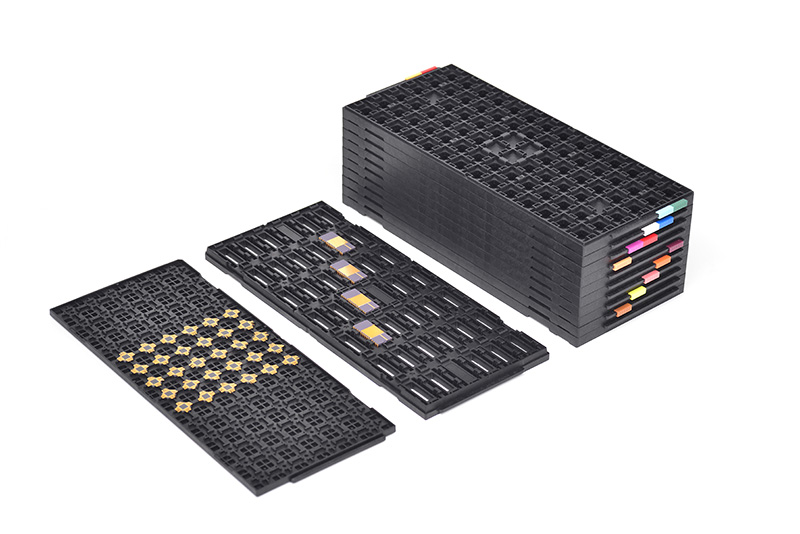
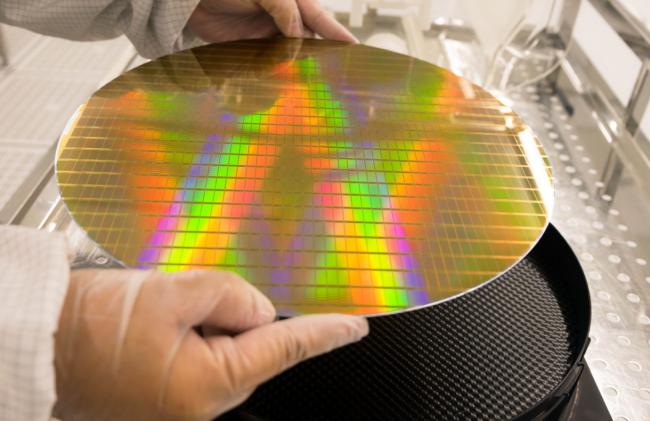
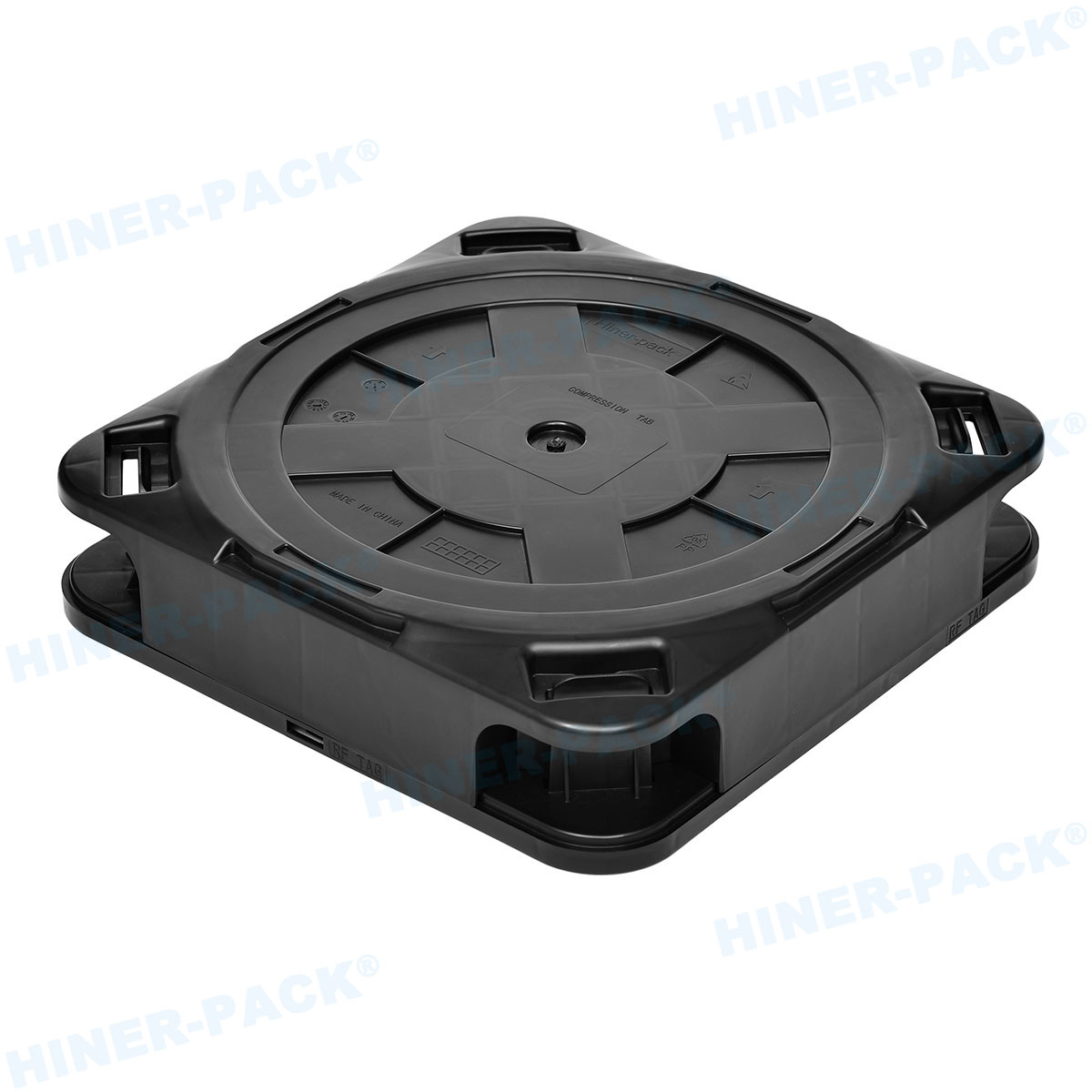
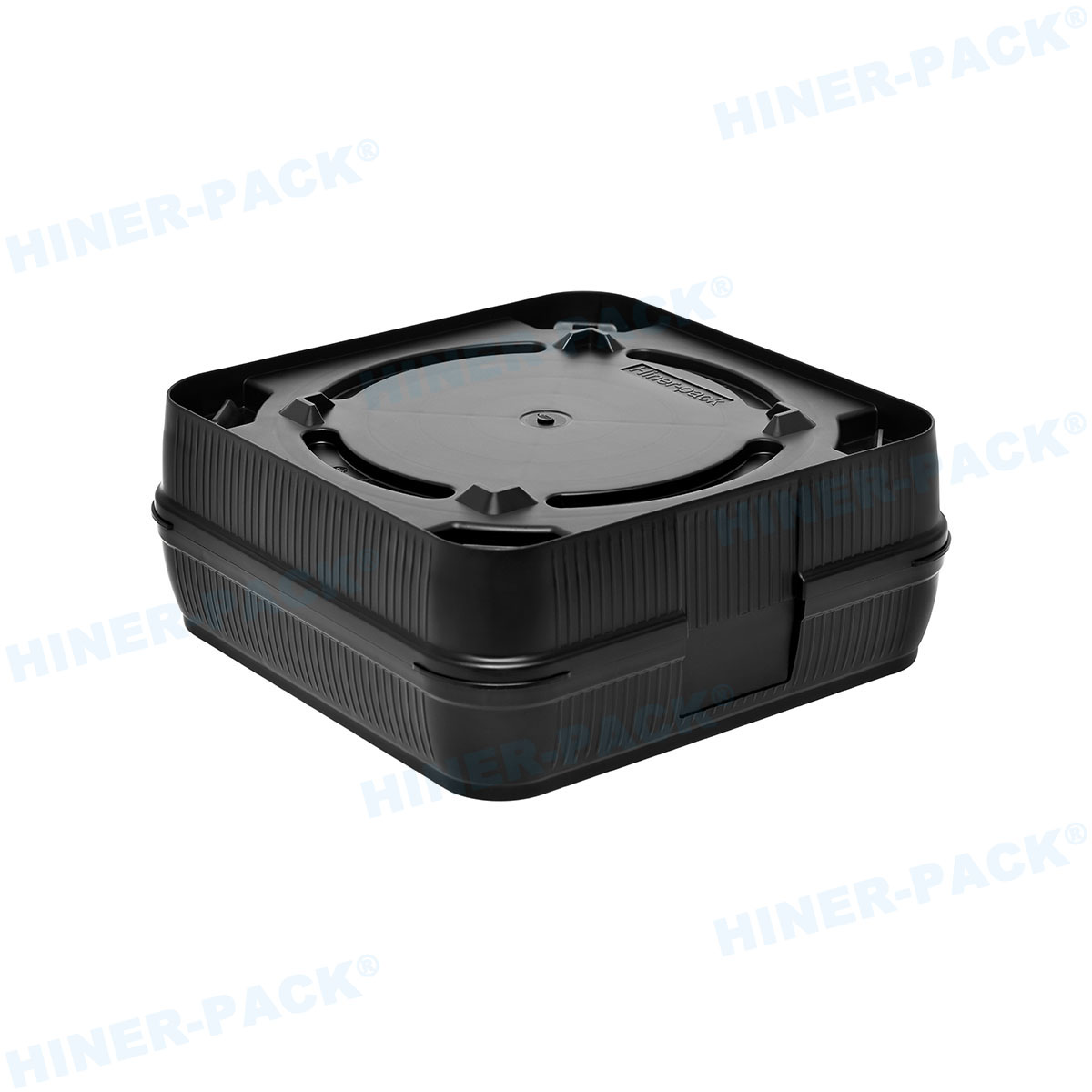
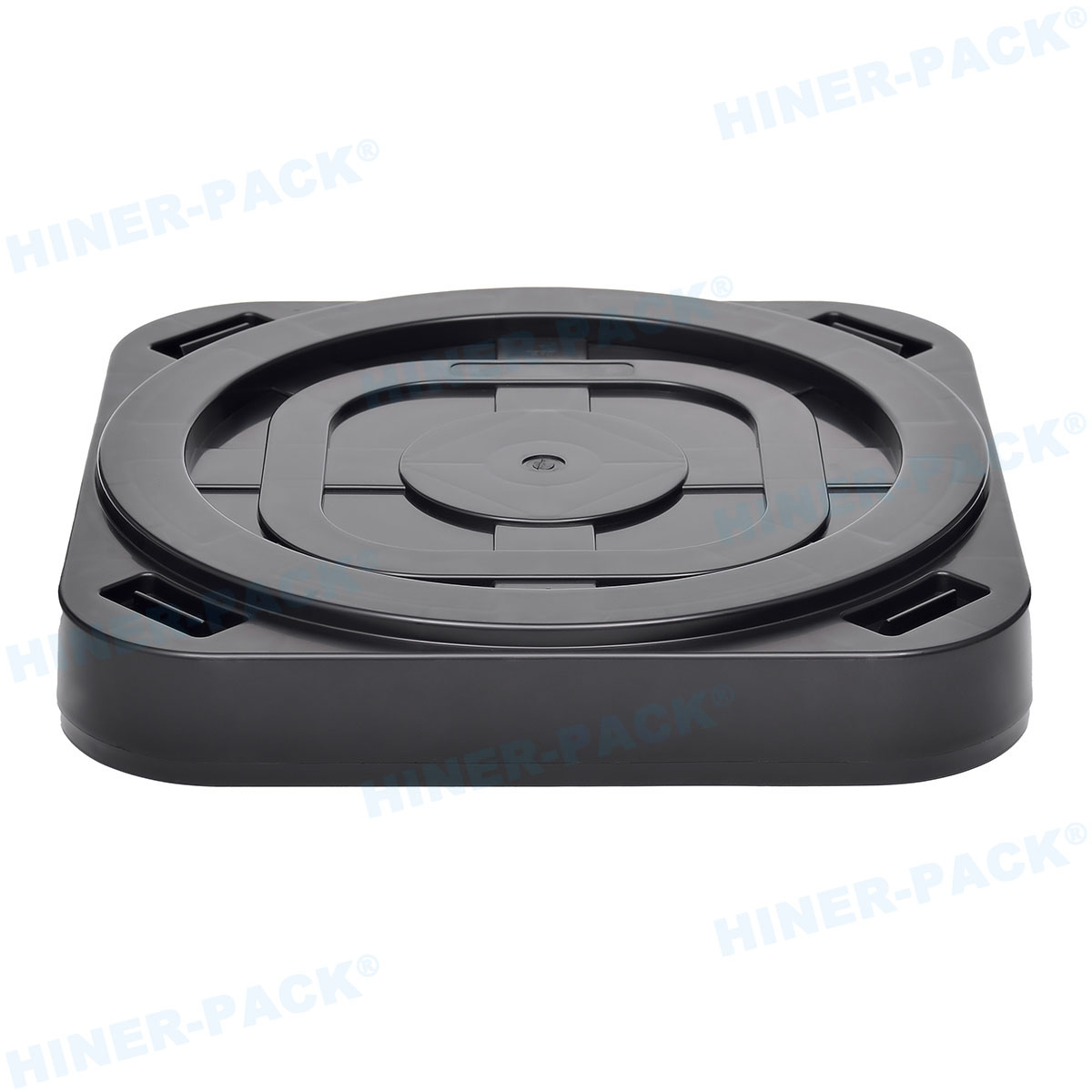
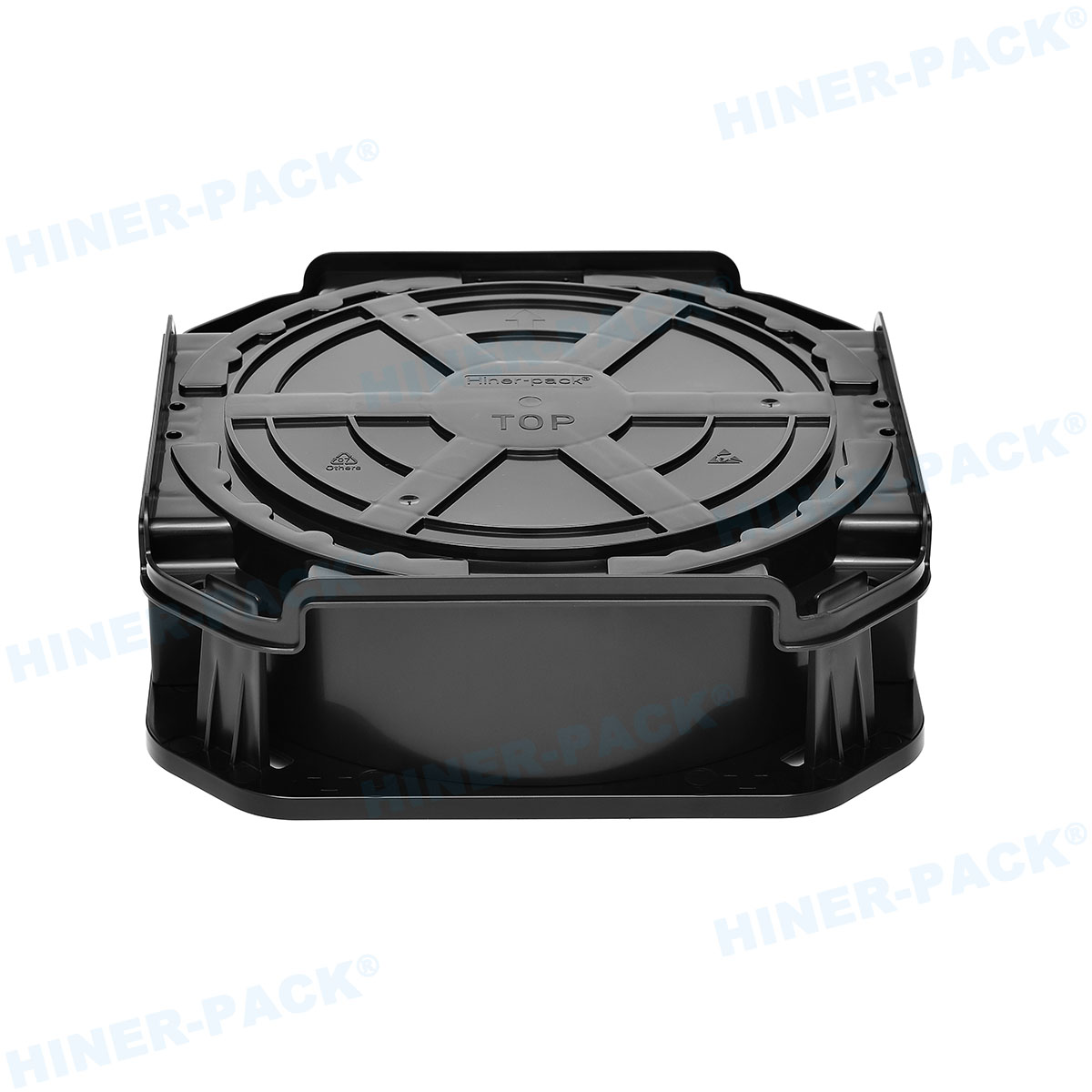
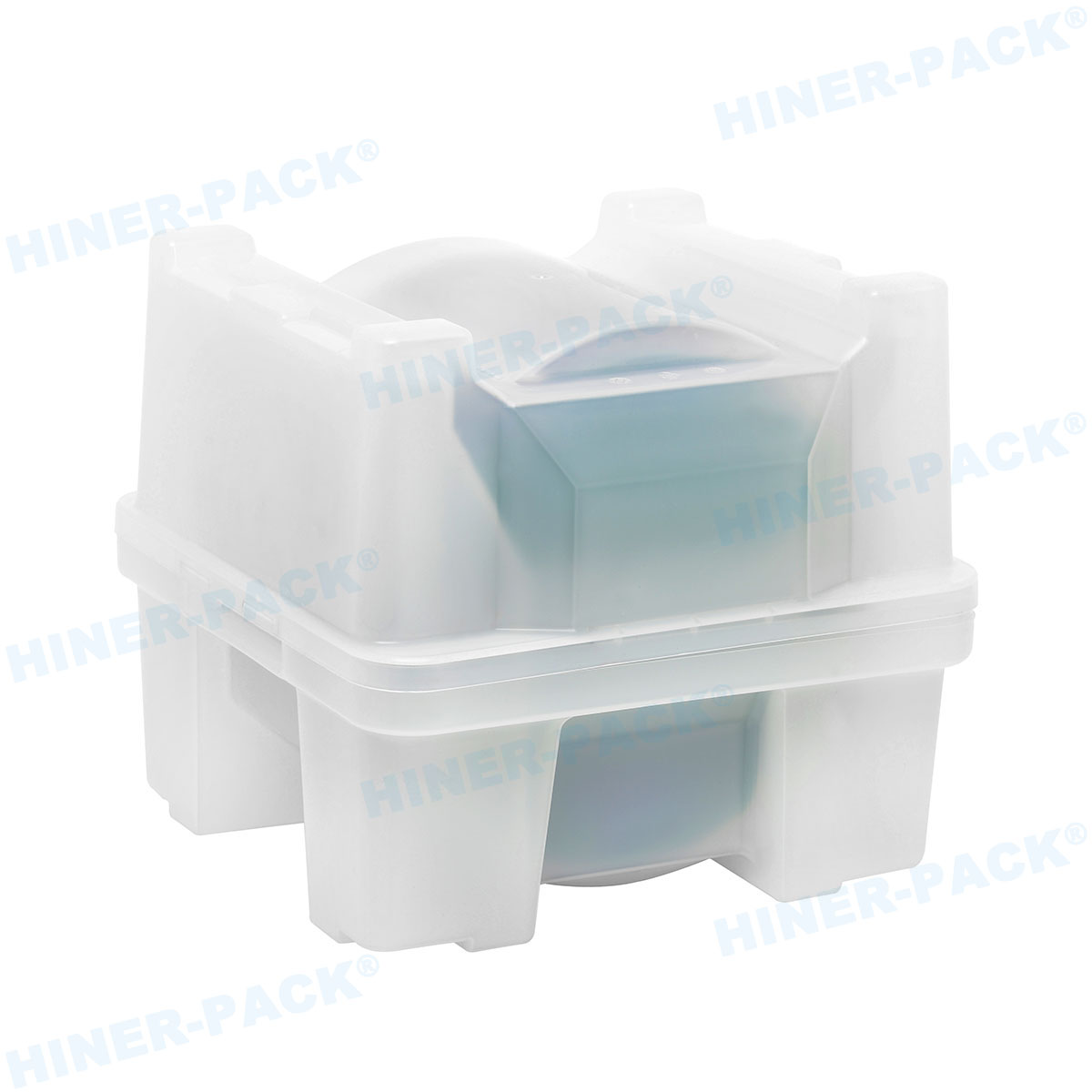
Every silicon wafer represents immense value and potential. Its journey between manufacturing tools, facilities, and even continents is fraught with risk. The thin, delicate structures on its surface can be ruined by a single particle, a static discharge, or a physical shock.
This makes its primary container not just a box, but a life-support system. The quality and reliability of that system are determined long before it reaches the fab—they are forged inside the wafer shipper factory.
Choosing a partner isn't just about the product specs; it's about vetting the production environment and processes that guarantee those specs, batch after batch.
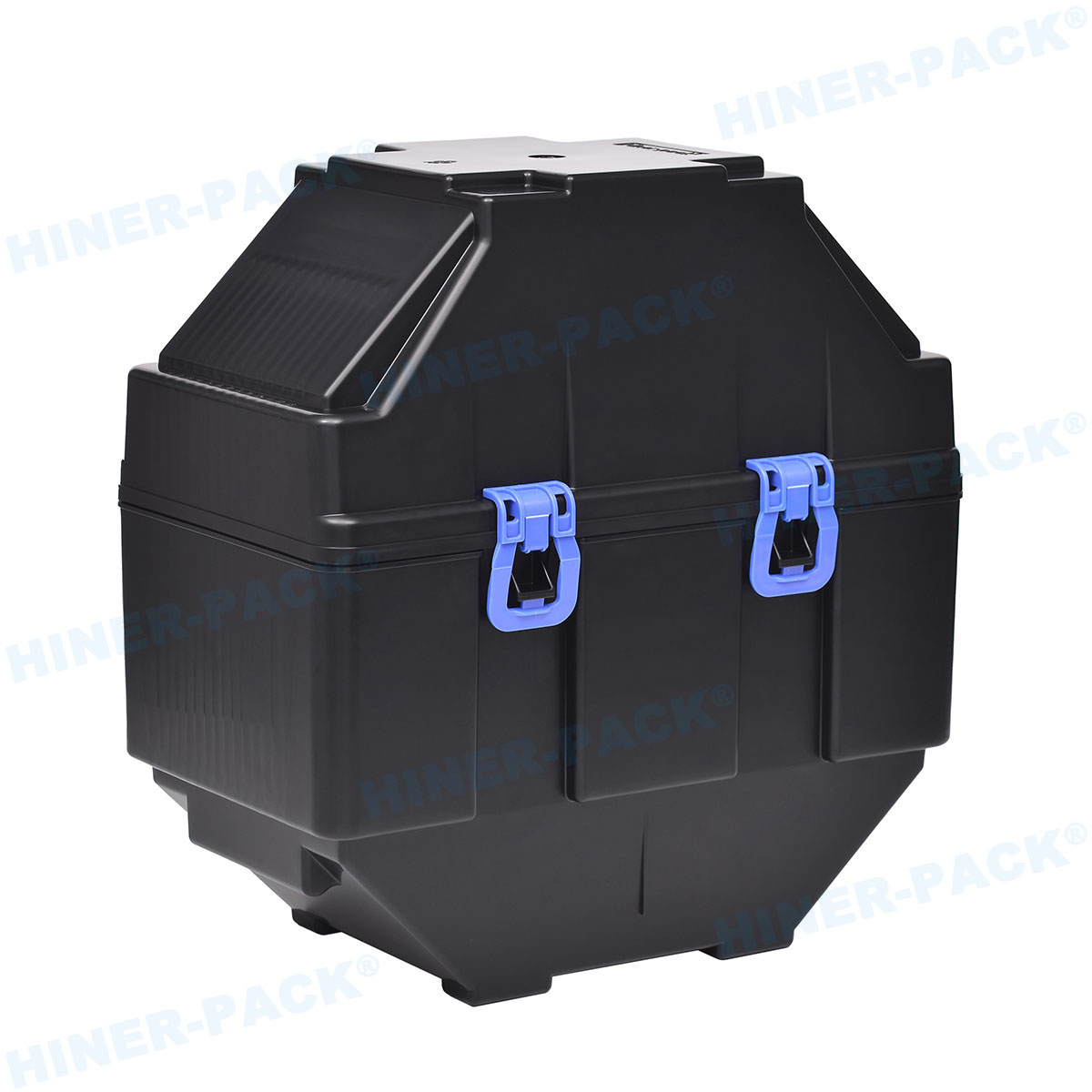
The Core Mission of a Modern Wafer Shipper Factory
A top-tier wafer shipper factory operates with one core mission: to be the most predictable and contaminant-free part of a customer's supply chain. Its output must be so consistent and clean that it becomes an invisible, trusted component.
This mission transcends simple manufacturing. It integrates materials science, precision engineering, and contamination control into a single, controlled workflow.
The factory is where the promise of wafer safety becomes a physical reality.
Critical Elements Inside a Leading Factory: Beyond Four Walls
What truly differentiates a high-reliability wafer shipper factory from a basic molding shop? Several non-negotiable elements must be present.
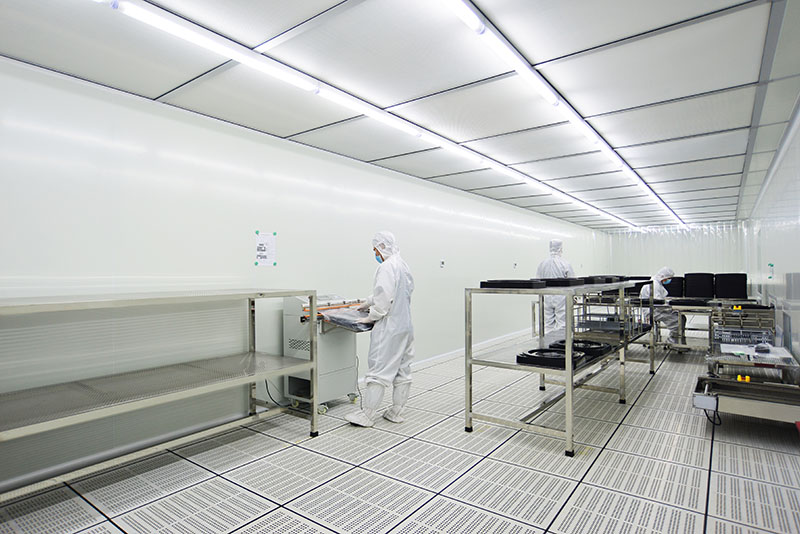
First is the environment. Production must occur in a certified cleanroom, typically ISO Class 7 (Class 10,000) or better. This controlled atmosphere minimizes airborne particles that could embed themselves in the polymer during molding.
Second is material handling. Raw semiconductor-grade resins must be stored and introduced into molding machines using clean, dry-air systems to prevent moisture absorption and contamination.
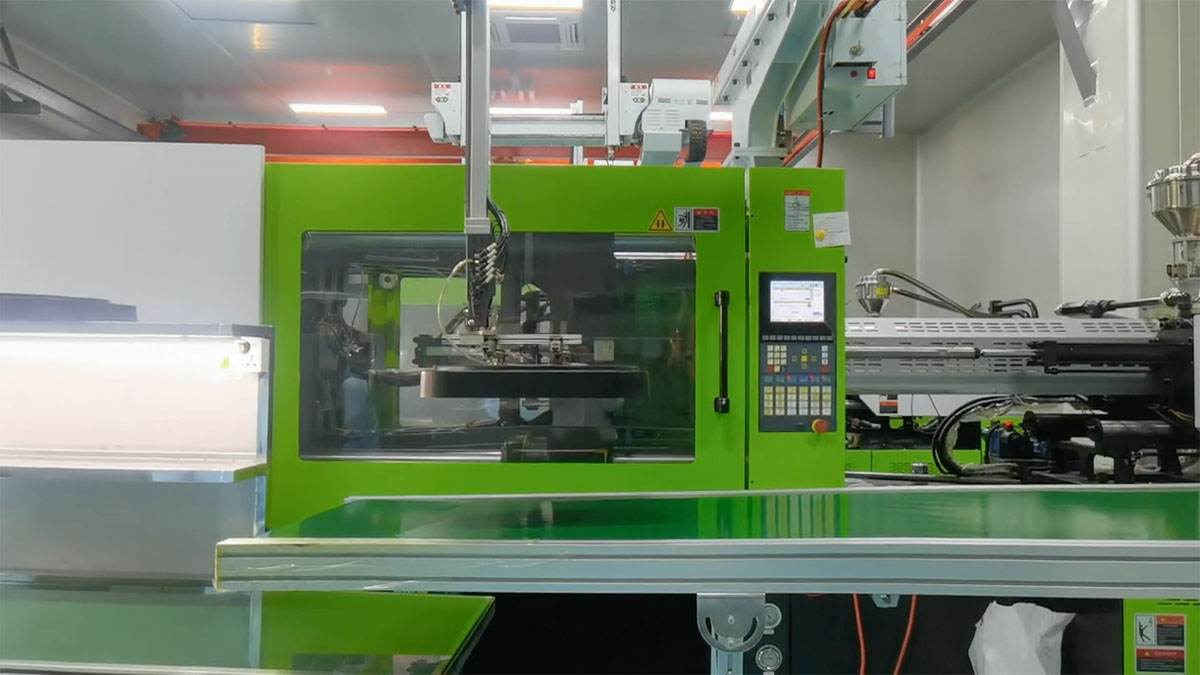
Third is process automation. Human handling should be minimized. Robots (automated guided vehicles or robotic arms) are used for part extraction, transfer, and initial packaging to reduce touchpoints and variability.
A facility lacking these elements cannot reliably serve advanced semiconductor fabs.
The Hiner-pack Factory: A Closer Look at Process Integrity
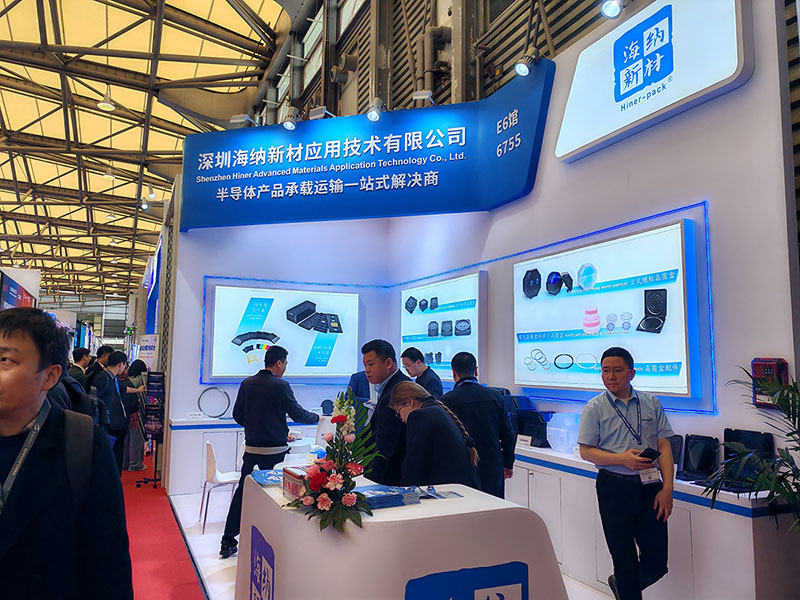
At Hiner-pack, our factory is engineered as a holistic system. From the moment raw material arrives to the final sealing of a custom wafer shipper box, every step is governed by controlled procedures.
Our molding machines are equipped with dedicated clean-air enclosures. This creates a "cleanroom within a cleanroom" at the most critical point—the mold cavity. Tooling is maintained to micrometer-level tolerances, ensuring every carrier, standard or custom, meets precise SEMI dimensional standards.
Post-molding, parts do not touch the open air. They move via closed conveyors to automated vision inspection stations. These systems check for flaws invisible to the human eye.
Finally, packaging happens in negative-pressure clean benches. The product is sealed in certified clean bags, ready for its own journey to the customer's receiving dock. This end-to-end control is what defines a true wafer shipper factory.
Choosing Your Factory Partner: A Practical Guide
When auditing a potential wafer shipper factory, look beyond sales brochures. Ask for evidence. Request a virtual or in-person tour of the production floor.
Key questions to ask include:
What is the formal cleanroom certification level of the production area?
How is raw material purity verified and controlled?
What in-process quality checks (dimensional, visual, particulate) are performed, and what is the sample rate?
Can the factory provide statistical process control (SPC) data for key parameters?
A transparent factory will welcome these questions. Their ability to provide clear data is a strong indicator of their operational maturity.
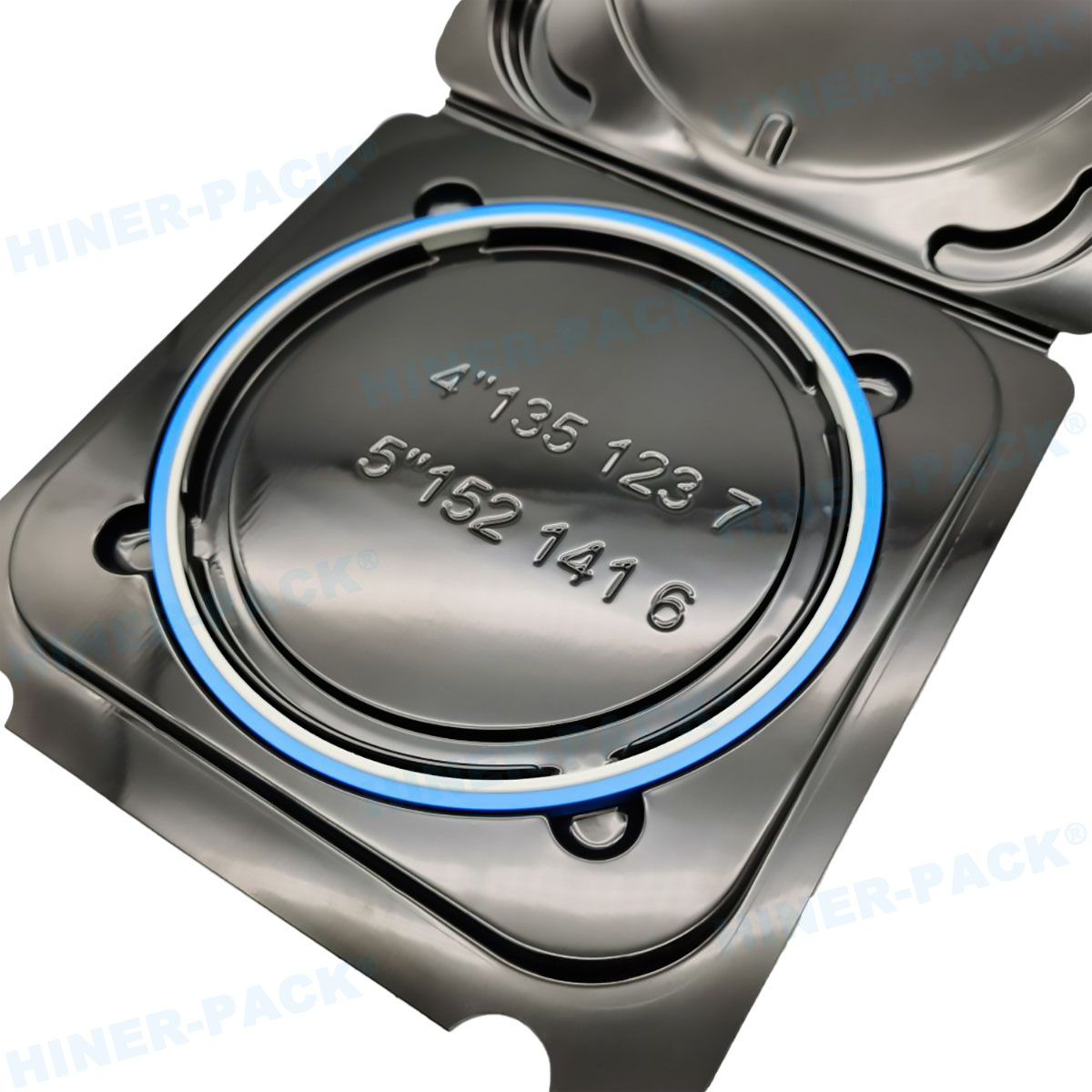
The High Cost of a Low-Price Factory
In procurement, the initial unit price from a generic factory can be tempting. However, the true cost is revealed later.
A carrier from a non-specialized facility may introduce unpredictable contamination, leading to wafer yield loss worth millions. It may have dimensional inconsistencies, causing jams in multi-million dollar AMHS systems, resulting in costly tool downtime.
The investment in a carrier from a dedicated, controlled wafer shipper factory like Hiner-pack is ultimately an investment in fab uptime and yield protection. It mitigates profound downstream risks.
Customization Capability: The True Test of Factory Flexibility
The need for custom wafer shipper boxes is common. It might be a unique notch design, a specific RFID tag location, or a carrier for a specialized substrate like GaN or SiC.
A factory's ability to handle custom orders is a litmus test of its engineering depth. It requires close collaboration between the customer's engineers and the factory's tooling and process teams.
At the Hiner-pack factory, we treat custom projects as partnerships. We engage in early design-for-manufacturability reviews, create prototype molds for validation, and ensure the custom part can be produced with the same level of cleanroom control as our standard products. This flexibility is built into our factory's operating model.
Your Factory is Your Foundation
The security of your wafers in transit is only as strong as the foundation upon which their carriers are built. That foundation is the wafer shipper factory.
Selecting a partner demands a focus on their internal ecosystem—their environmental controls, their process discipline, and their culture of quality. It’s about choosing a facility that views contamination control and precision with the same seriousness as the fabs they supply.
Brands like Hiner-pack have built their reputation by operating not just a factory, but a guaranteed clean manufacturing platform for wafer safety.
Frequently Asked Questions (FAQs)
Q1: Why can't I just use any plastic injection molding factory to produce wafer shippers?
A1: Standard molding factories lack the critical cleanroom environment, material expertise, and contamination-aware processes. They may introduce particulates, static charge, or outgassing substances that can directly contaminate wafers. A dedicated wafer shipper factory is designed from the ground up to prevent this.
Q2: What cleanroom class is typically required for a wafer shipper factory?
A2: For mainstream semiconductor applications, production should occur in at least an ISO Class 7 (Class 10,000) cleanroom. Critical processes, like mold cavity exposure or final packaging, often benefit from localized ISO Class 5 (Class 100) environments. Always ask for the factory's current certification documents.
Q3: How does a factory manage the production of custom designs without contaminating standard product lines?
A3: A well-organized factory will have strict changeover procedures. For a custom wafer shipper box, this involves dedicated or thoroughly purged tooling, separate clean storage for custom components, and often scheduled production runs to isolate the process. This prevents material cross-contamination and ensures traceability.
Q4: Can I audit the factory myself before placing an order?
A4: Yes, a reputable wafer shipper factory should welcome serious potential clients for an audit. This is considered a best practice in the industry. If a factory is hesitant or refuses a tour (virtual or physical), it is a significant red flag regarding their processes and transparency.
Q5: How does the factory ensure consistency from the first unit to the ten-thousandth unit in an order?
A5: Consistency is achieved through Statistical Process Control (SPC). A capable factory monitors key variables (temperature, pressure, cycle time) in real-time during molding. They perform regular dimensional and weight checks on sampled parts. This data-driven approach allows them to detect and correct process drift long before it produces non-conforming carriers.