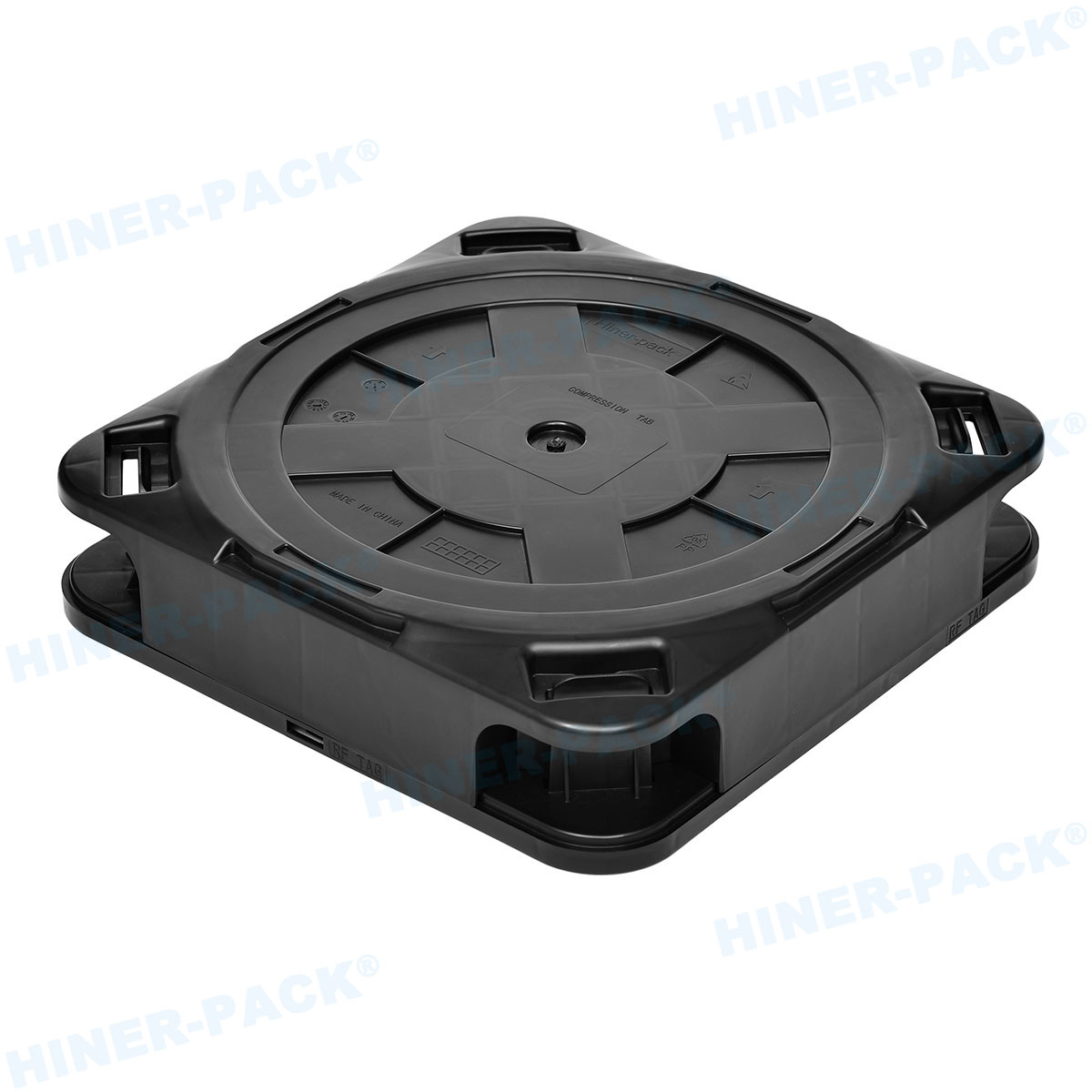
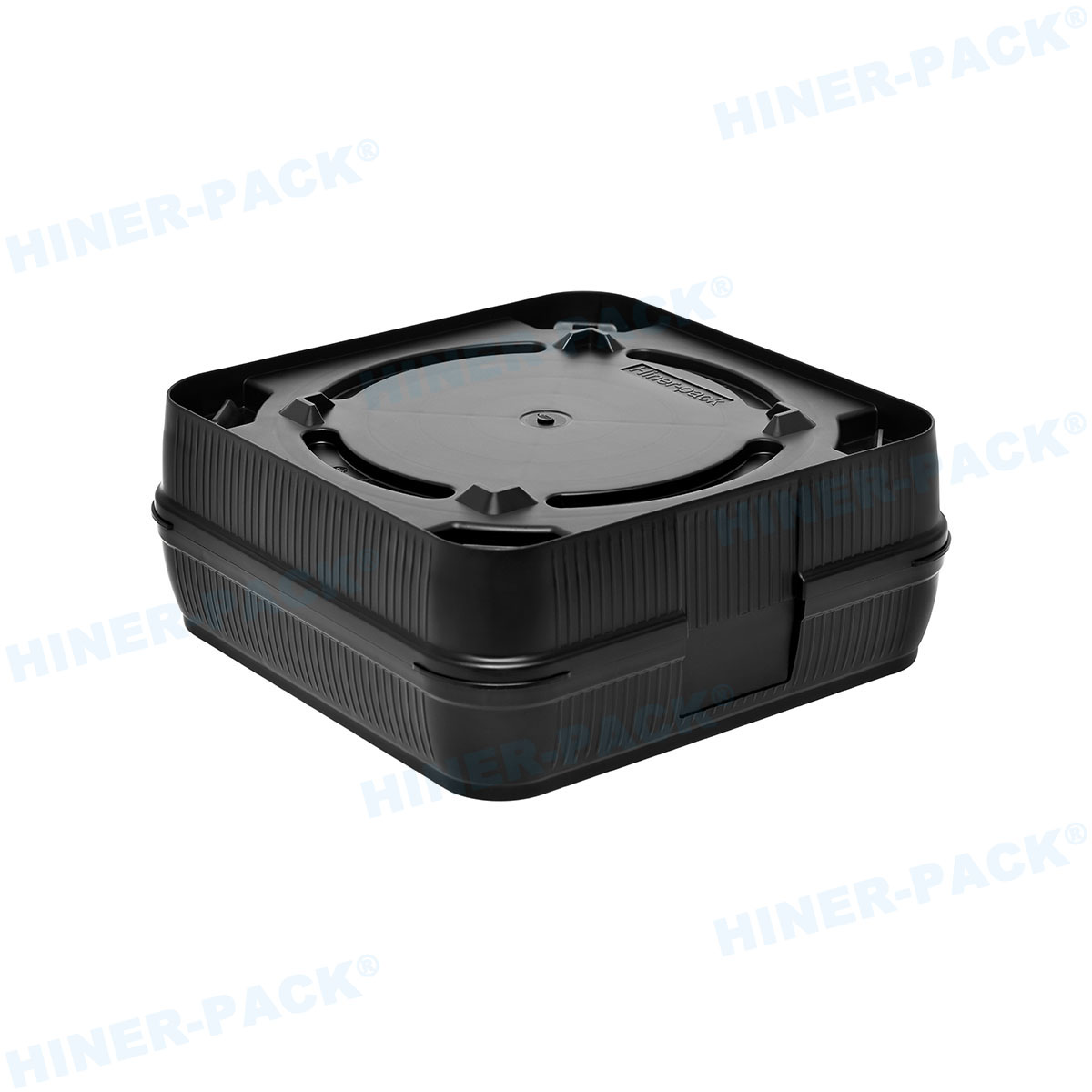
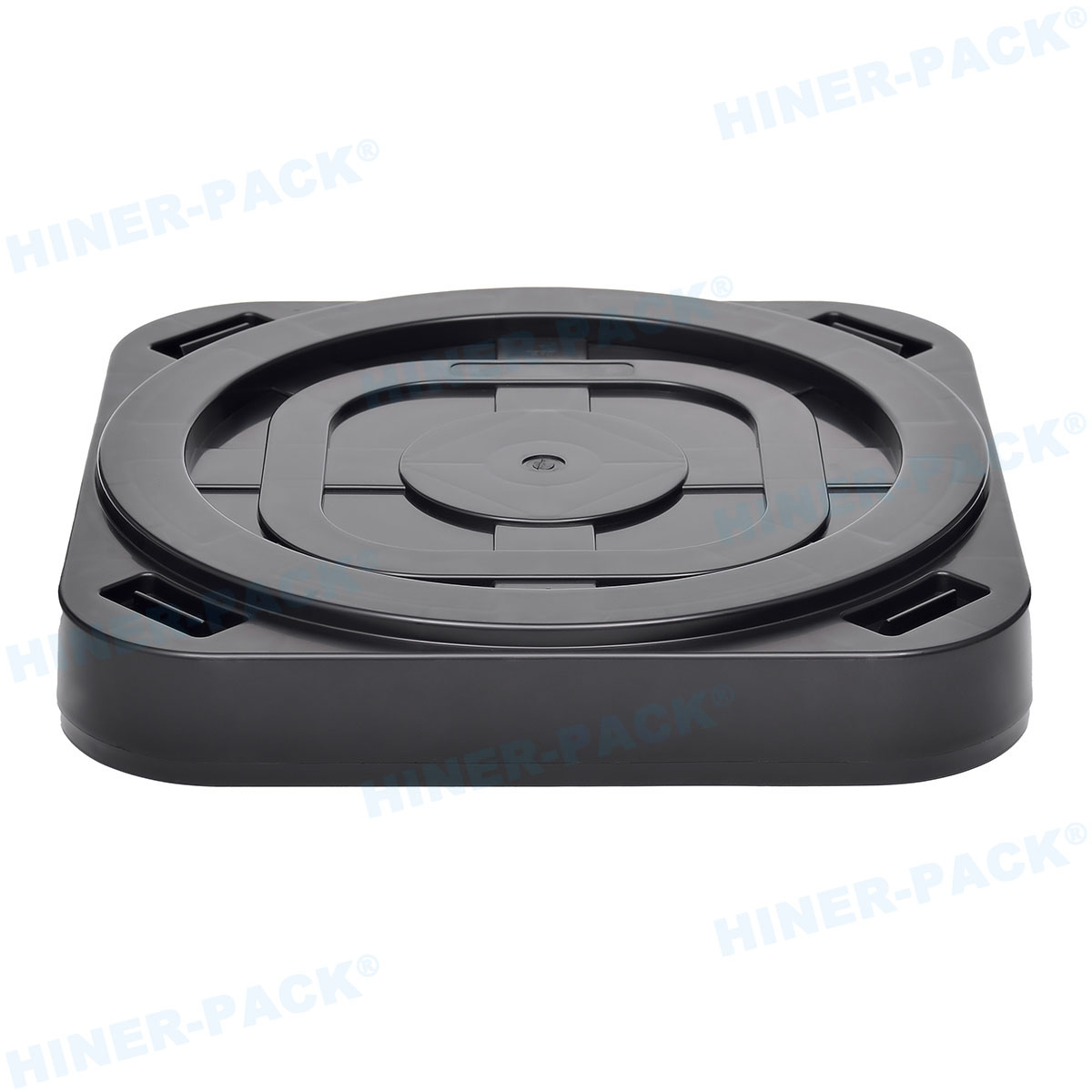
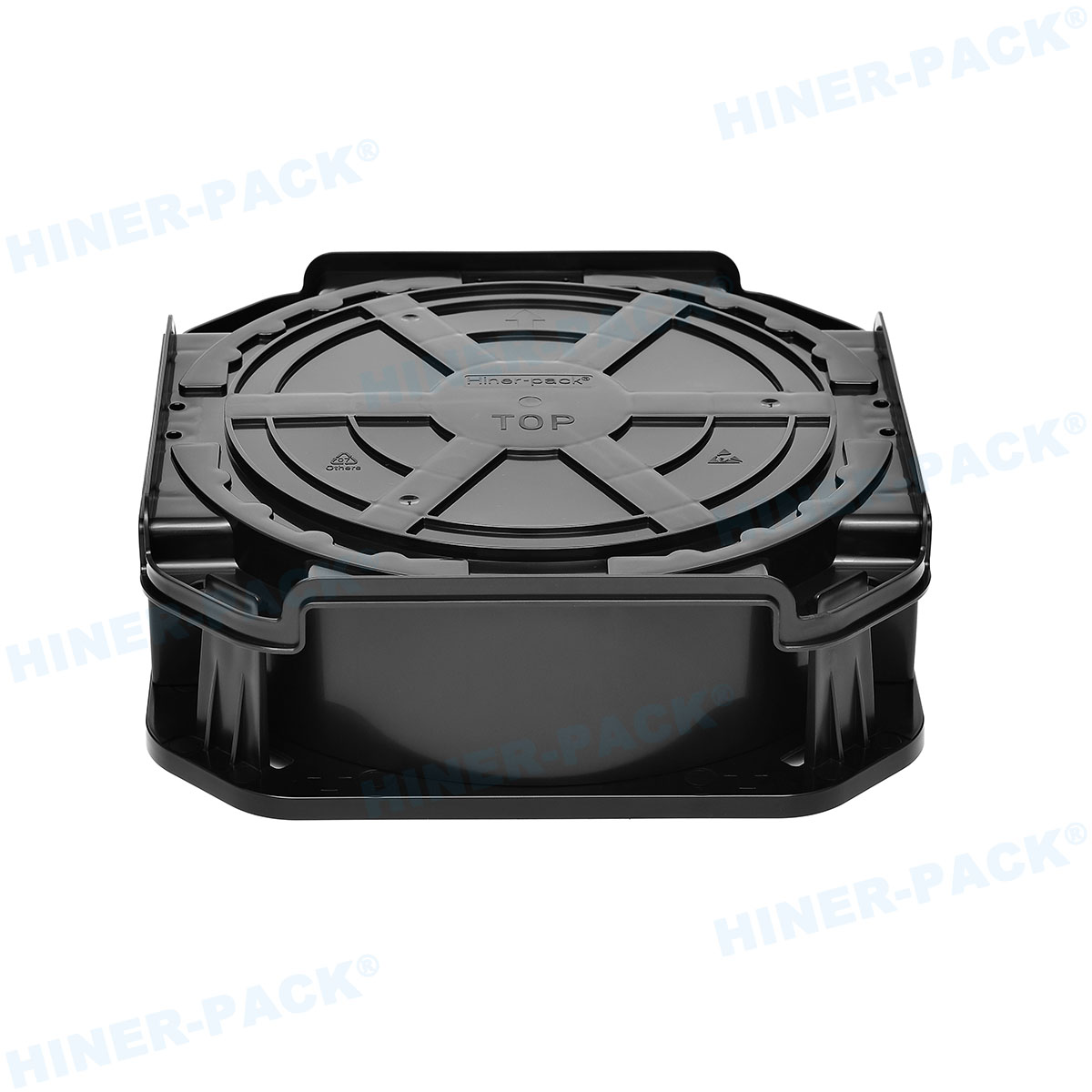
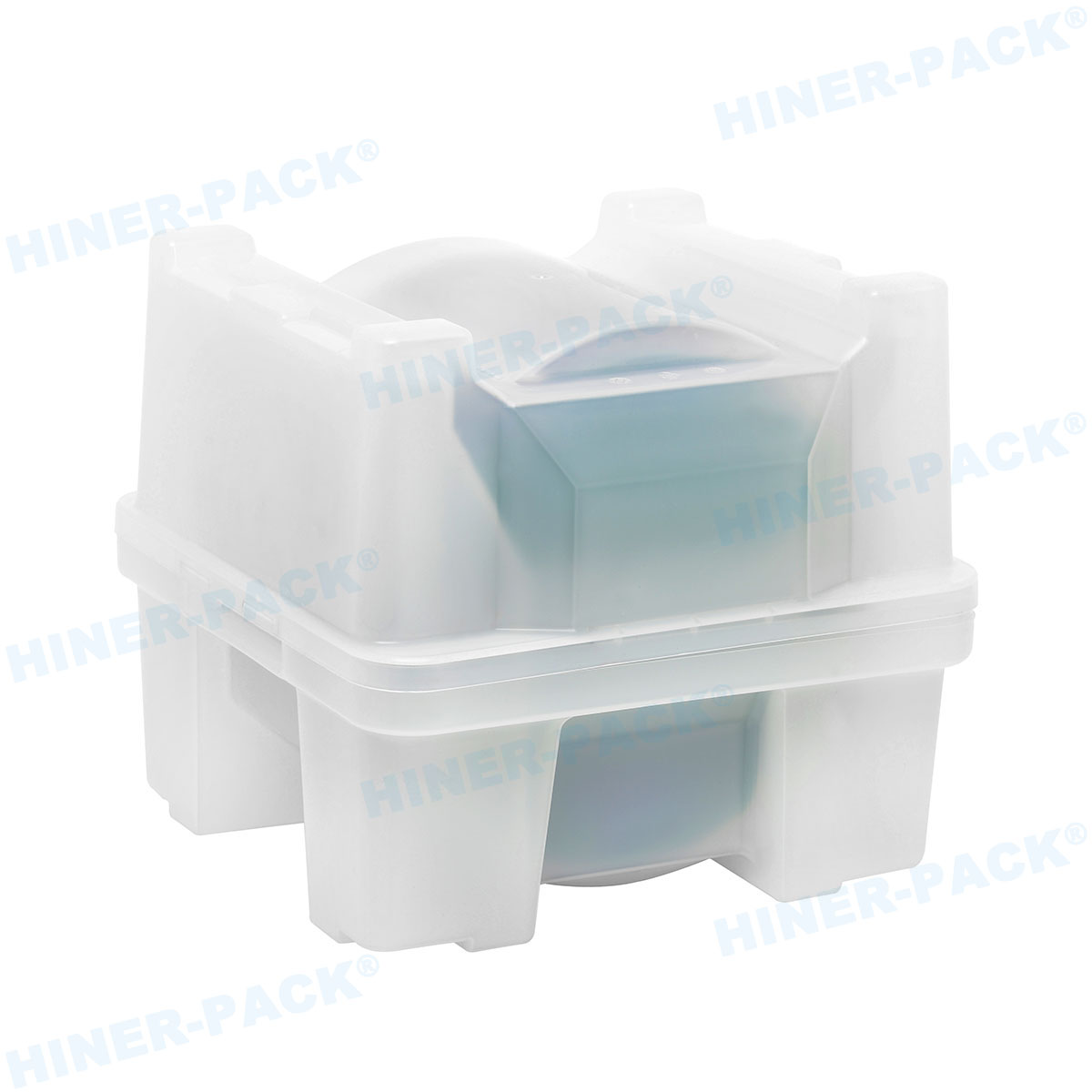
In semiconductor front-end and back-end facilities, the mechanical integrity and cleanliness of wafer carriers directly influence die sort yield. Among critical consumables, the waffle pack cover remains an overlooked variable—yet it dictates particle shielding, electrostatic discharge (ESD) safety, and dimensional alignment for wafer shipping, in-process storage, and automated pick-and-place operations. This guide dissects material science, precision molding parameters, and cleanroom compatibility standards that define high-reliability covers.
Global fabs currently face tightening defect density budgets (sub-0.5 defects/cm²) and the shift to 300mm wafer handling with reduced flatness tolerances. Hiner-pack integrates over 15 years of injection molding expertise to produce SEMI-compliant waffle pack components. From static-dissipative thermoplastics to interface designs that prevent edge chipping, the following analysis provides engineering managers and procurement specialists a technical framework for selecting or customizing a waffle pack cover that aligns with automated handling systems and ultra-clean protocols.
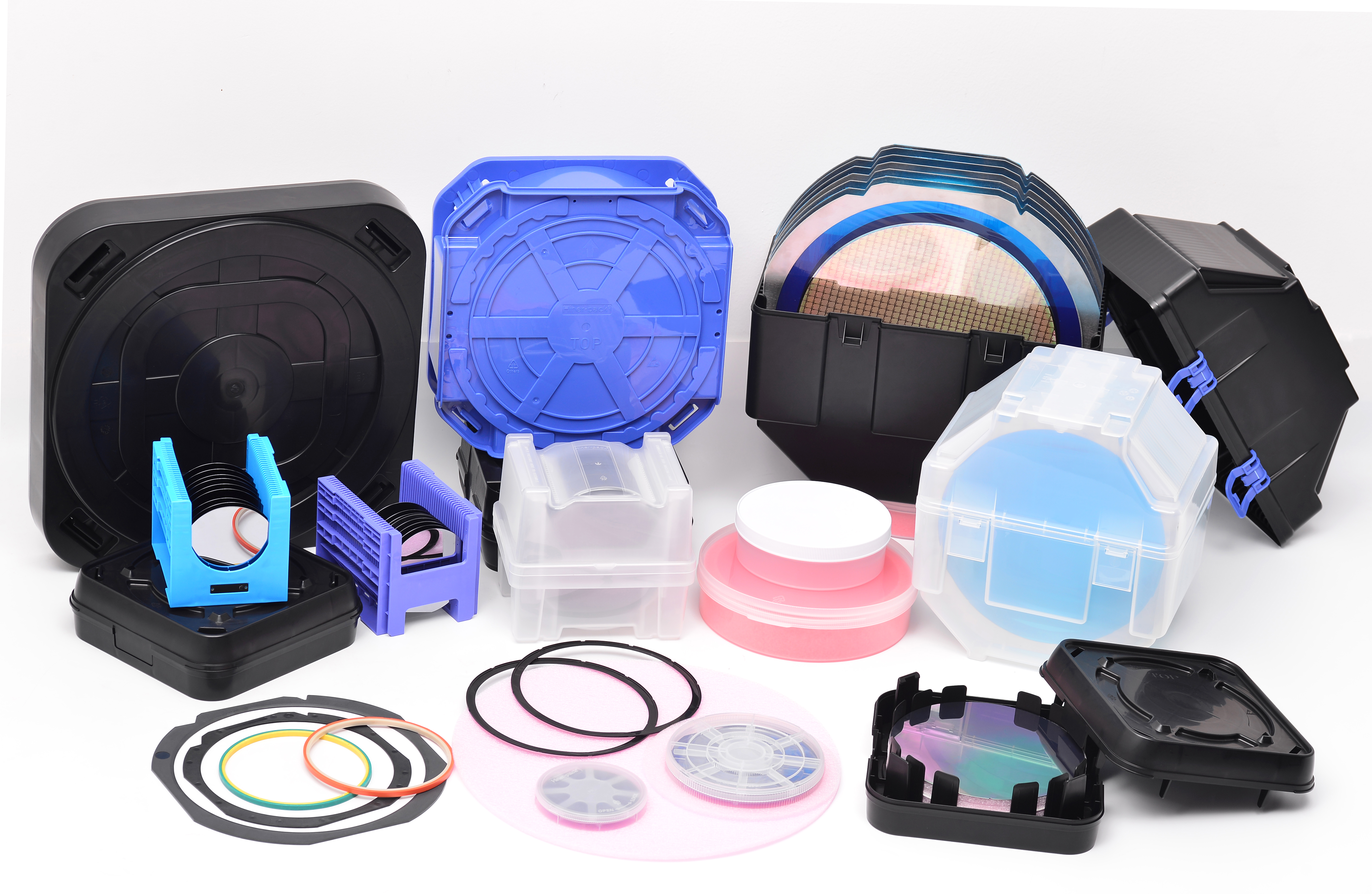
1. Core Technical Specifications of a High-Performance Waffle Pack Cover
A robust waffle pack cover must satisfy contradictory requirements: sufficient rigidity to resist vacuum-bag compression during air freight, yet a precise surface profile to avoid contact with die surfaces. Leading specifications derive from SEMI E15.1 (handling of 150mm–300mm wafers) and ESD S20.20.
Material Selection: Engineering Polymers and Filler Systems
Base resins include polycarbonate (PC), polyetheretherketone (PEEK), and high-heat ABS. For ESD control, carbon-fiber or conductive additive loadings maintain surface resistivity between 10⁵ and 10⁹ Ω/sq. Hiner-pack employs a proprietary PC compound with 10% carbon nanotube filler, achieving:
Volume resistivity: < 10³ Ω·cm (ASTM D257)
Outgassing per SEMI F57: < 0.02% TML, < 0.01% CVCM
Flexural modulus: 4.2 GPa (D790 method)
Flatness and Coplanarity Under Thermal Stress
Standard injection-molded lids experience warpage due to differential cooling. For a 200mm x 200mm waffle pack cover, maximum out-of-plane deflection must remain ≤ 0.08 mm over the sealing rim. Advanced conformal cooling channels and 30-ton clamp force reduce residual stress. Post-molding annealing (120°C for 2 hours) stabilizes crystallinity in semi-crystalline polymers like PEEK.
2. Industry Pain Points and Targeted Solutions for Waffle Pack Covers
Through collaboration with IDM fabs and OSATs (outsourced semiconductor assembly and test), five chronic failure modes have been identified where the cover directly contributes to yield loss.
Pain Point 1: Particle Shedding from Cover Cavities
Conventional covers with sharp gate vestiges or rough venting slots generate 200+ particles >0.3 µm per opening cycle. Solution: Diamond-polished mold surfaces (SPI-A2 finish) and ultrasonic cleaning in DI water + 0.5% surfactant. Each waffle pack cover from Hiner-pack is certified ≤ 3 particles/cm² ≥0.1 µm (measured by liquid particle counter after 5-cycle sim transport).
Pain Point 2: Electrostatic Attraction of Airborne Contaminants
Insulative polycarbonate covers generate charge >2 kV during robot suction-cup detachment. Solution: Permanent static-dissipative properties through internal conductive networks, not topical coatings. Surface resistance verified at 50% RH, 23°C per ANSI/ESD STM11.11.
Pain Point 3: Warpage Induced Wafer Edge Cracking
Low-clamping-force covers cause wafer shift. A properly designed cover integrates peripheral micro-ribs (0.3 mm height, 0.5 mm pitch) that contact the wafer only at exclusion zones (≥3mm from device area). Finite element analysis (FEA) optimizes rib geometry for 150mm and 200mm wafer formats.
Pain Point 4: Incompatibility with Automated Taping/Detaping Equipment
Modern waffle pack handling uses 4-axis pick-and-place with vacuum alignment. The cover must include chamfered edges and alignment pockets matching Semicon standard pod interfaces. Hiner-pack offers CAD models (STEP) for tooling verification before mass production.
Pain Point 5: Reuse Cycle Limitations Due to Chemical Degradation
Multiple IPA or acetone wipe-downs degrade amorphous PC leading to micro-cracks. Solution: For frequent cleaning, specify PEEK-based covers with 10⁴-10⁶ ohm/sq surface resistance. These withstand >500 cleanroom wipe cycles without property loss.
3. Application Matrix: From Wafer Sort to Final Assembly
The functional requirements for a waffle pack cover shift depending on process step. Below mapping assists engineering teams to match cover grade with application.
Wafer sort (probe testing): Requires ESD-safe cover with transparent window for optical ID reading. Light transmission >75% at 650nm.
Die attach / epoxy cure: Heat resistance up to 150°C for 30 minutes. Glass-filled PEEK covers minimize dimensional change.
Semicon shipping (air/sea): Double wall design with anti-vibration latches; must pass ISTA 3E vibration and drop tests.
Cleanroom in-process buffer storage: Low outgassing and easy de-ionized water rinse. PEI (Ultem) cover variants available.
Each application requires tailored gate location and ejector pin marks to avoid stress concentrations. Hiner-pack maintains a library of 120+ cover mold designs for rapid prototyping (7-day lead time for sample covers).
4. Comparative Metrics: Standard vs. Performance-Grade Waffle Pack Covers
Procurement often focuses on unit price, missing total cost of ownership (TCO). The table below compares commodity covers versus engineered solutions from Hiner-pack.
Flatness (initial): Budget cover 0.25 mm → drop test failure rate 4.7% ; Hiner-pack ≤0.08 mm → failure rate 0.3%
Surface Resistivity consistency: Coated covers vary by ±2 decades after 10 wipes ; Molded-in conductive network variation ±0.5 decade
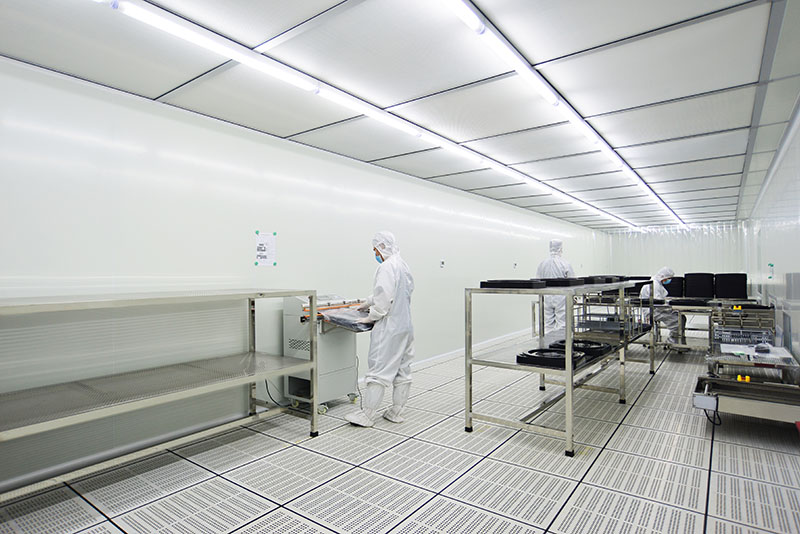
Cleanroom compatibility: Standard covers Class 1000 (ISO 6) ; Hiner-pack meets Class 10 (ISO 4) after clean-pack process
Reusable cycles (with inspection): Basic PP covers ≤15 cycles; Advanced PC/ABS up to 150 cycles
Field data from a leading analog device manufacturer demonstrated a 34% reduction in die-level contamination after switching to precision-engineered covers from generic suppliers. The upgrade involved implementing a verified waffle pack cover with integrated ESD features and laser-marked batch codes for traceability.
5. Manufacturing Technologies Behind Reliable Waffle Pack Covers
Micro-Cellular Injection Molding for Weight Reduction
MuCell® process introduces nitrogen in supercritical state to create uniform micro-voids. This reduces weight by 12-18% while maintaining stiffness, crucial for shipping cost reduction without sacrificing protection. Covers produced via MuCell also exhibit lower thermal expansion (CTE 30% improvement).
In-Mold Labeling for Permanent Data Matrix Codes
Laser etching can create stress risers. In-mold labeling integrates a 2D barcode inside the cover body – readable after repeated wiping and autoclaving. This supports Industry 4.0 traceability for consumable management in high-volume fabs.
Automated Optical Inspection (AOI) for Covers
Each cover undergoes 360° inspection for flash, sinks, and contamination. Cameras capture 20-megapixel images with defect detection threshold down to 50µm. Only covers passing SEMI E49 guide for package visual criteria proceed to clean packaging.
6. Maintenance, Cleaning Validation & Reuse Strategy
For fabs adopting circular economy flows, establishing a standard cleaning protocol for waffle pack covers prevents cross-contamination. Recommended steps:
Pre-rinse: 18.2 MΩ·cm DI water spray at 2 bar
Ultrasonic bath: 40kHz, 5 minutes in 1% micro-92 solution, 40°C
Rinse cascade: triple DI immersion, then nitrogen dry (filtered to 0.1µm)
ESD verification check: every 50 cycles using handheld meter (10V - 100V range)
Independent lab tests show that injection-molded covers maintain ESD performance through 200 cleaning cycles when using neutral pH detergents. Hiner-pack provides a validation report with every batch lot, including particle and resistivity trending.
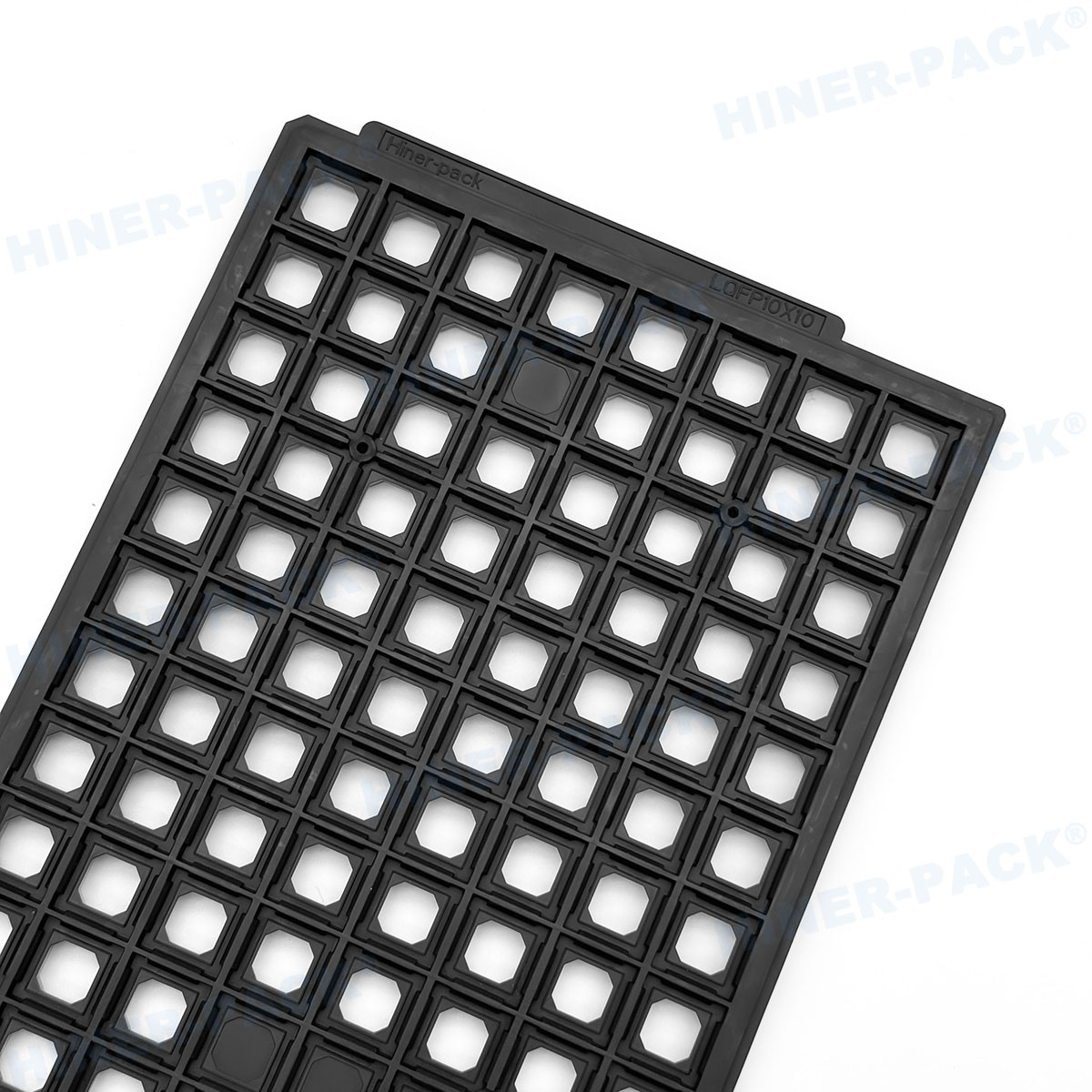
7. Engineering Best Practices for Custom Cover Design
Based on 200+ tooling projects, the following checklist reduces design cycle iterations when developing a new waffle pack cover:
Define wafer map: die size, thickness, and any sensitive structures (MEMS, air gaps)
Determine height clearance: minimum 2.5mm between top of die and cover interior
Simulate lid deflection under stacking load (10kg force per SEMI standard)
Integrate alignment features: tapered pins or peripheral steps that self-center cover
Specify material certifications: FDA, EU 10/2011 if used in medical electronics
The result is a cover that not only protects but also enhances automation throughput. Hiner-pack engineering team supports design for manufacturability (DFM) reviews with Moldflow analysis.
8. Conclusion: Selecting a Future-Ready Waffle Pack Cover Partner
As leading fabs move to 0.09 mm node and below, particle control and static management become non-negotiable. A poorly specified waffle pack cover introduces random yield killers that are difficult to trace. By prioritizing SEMI-standard flatness, molded-in ESD properties and verified cleanliness levels, semiconductor operations can reduce direct defect excursions by 40–60%.
Hiner-pack combines ISO 6 cleanroom molding, in-house validation lab, and just-in-time inventory for waffle pack components. Access technical datasheets and sample evaluation kits to benchmark against current consumables.
Frequently Asked Questions (Technical Focus)
Q1: What are the differences between a waffle pack cover and a
standard JEDEC tray cover?
A1: Standard JEDEC trays
are designed for matrix trays with larger pitch (12mm+). Waffle pack covers are
tailored to wafer-level die, with lower cavity height (typically 0.7mm - 1.5mm)
and built-in grounding paths. Additionally, waffle pack covers often incorporate
peripheral ribs that contact only the wafer's non-active scribe lines, reducing
die backside scratching risk.
Q2: Can a waffle pack cover withstand autoclave sterilization (121°C,
15 psi)?
A2: Standard polycarbonate covers will
degrade quickly (hydrolysis). For medical or compound semiconductor applications
requiring autoclave, high-temperature materials like PEEK or PEI (Ultem) must be
specified. These maintain mechanical integrity and ESD properties after 100
autoclave cycles. Always request autoclave validation data from the
supplier.
Q3: How do I measure the flatness of a used waffle pack cover for
requalification?
A3: Place the cover on a certified
granite surface plate (grade AA). Use a digital indicator gauge at five points:
four corners (within 5mm of edge) and center. Reject if any measurement exceeds
0.15 mm deviation from baseline. For automated high-throughput inspection, laser
profilometers conforming to SEMI E108 can be used inline.
Q4: What is the typical lead time for custom molded waffle pack
covers with branding?
A4: For a new injection mold
(cavity count 2-4), lead time ranges 4-6 weeks including design validation and
first article inspection. Existing mold families with custom colors or
electrostatic logos reduce to 10-14 days. Hiner-pack offers
expedited 3D printed covers for prototype testing within 5 business days.
Q5: Are vented waffle pack covers recommended for vacuum
packaging?
A5: Vented covers (small slots) reduce
pressure differential during vacuum bag sealing but can allow sub-micron
intrusion. For sensitive devices, micro-porous PTFE vents (pore size ≤0.2µm)
integrated into the cover are preferred. Standard cross-slot vents should be
backed with a particle filter layer if used in high-cleanliness
environments.
Q6: How does the cover’s ESD property change after repeated cleanroom
wiping with IPA?
A6: Covers relying on topical
antistatic coatings lose effectiveness after 15-20 IPA wipes (surface resistance
>10¹¹ Ω). Moulded-in carbon nanotube or conductive carbon black networks are
permanently stable, typically varying less than half decade after 200 wipes.
Always request test reports per ANSI/ESD SP15.1 for solvent resistance.
Q7: What is the standard packaging quantity per anti-static bag for
waffle pack covers?
A7: Industry practice is 20 to
50 covers per vacuum-sealed ESD bag, with internal cushion separators to prevent
scratching. For high-volume fabs, Hiner-pack offers magazine
stackers (120 covers per cassette) compatible with automated de-stacking
systems.
For detailed technical specifications, free flatness measurement service, or to request a sample evaluation of our waffle pack cover series, please submit your inquiry to our engineering support team. Hiner-pack provides full traceability from resin batch to final cleanliness certification.
Send your RFQ or cleanroom validation request: Click here for direct inquiry | Custom cover design consultation is available with 24h response time.