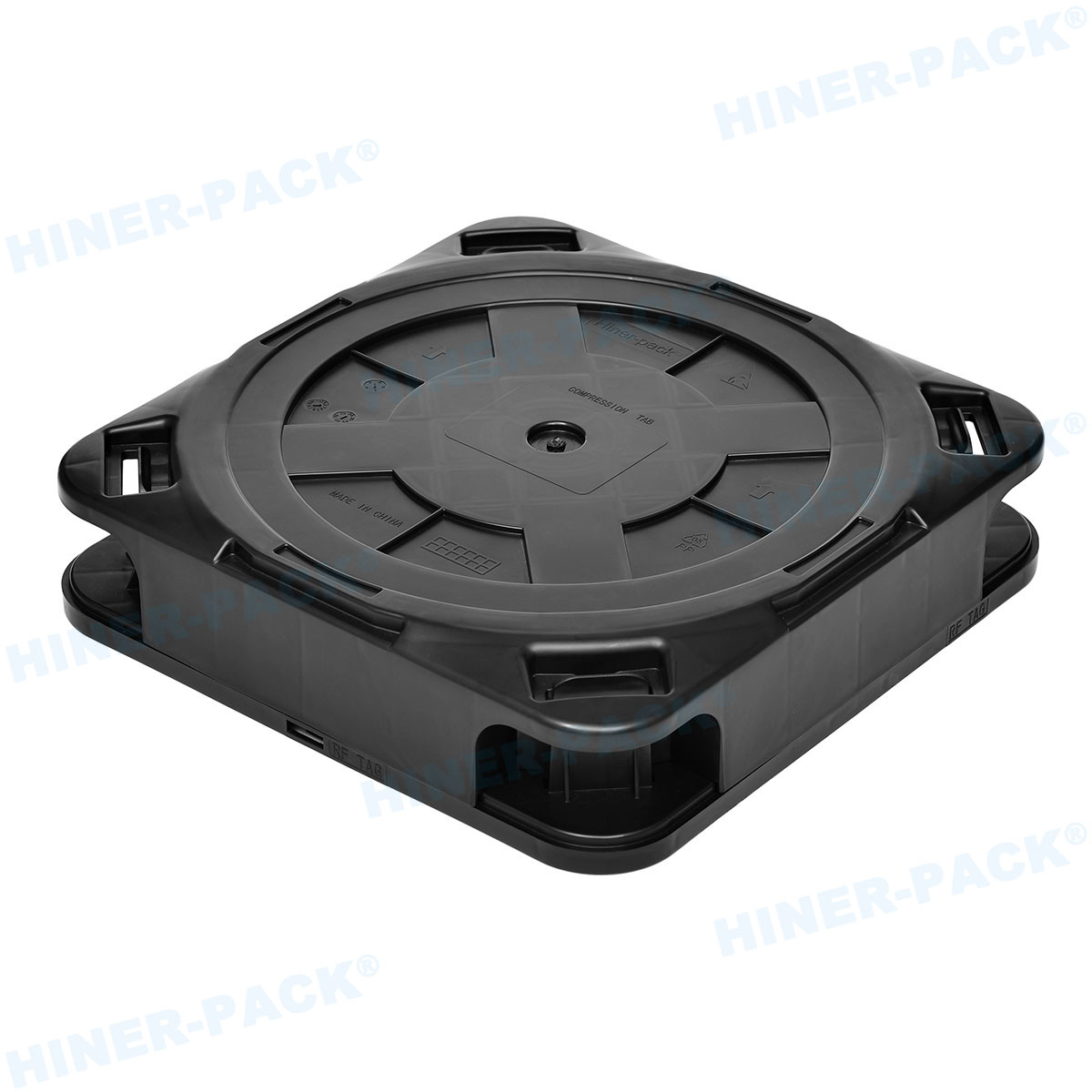
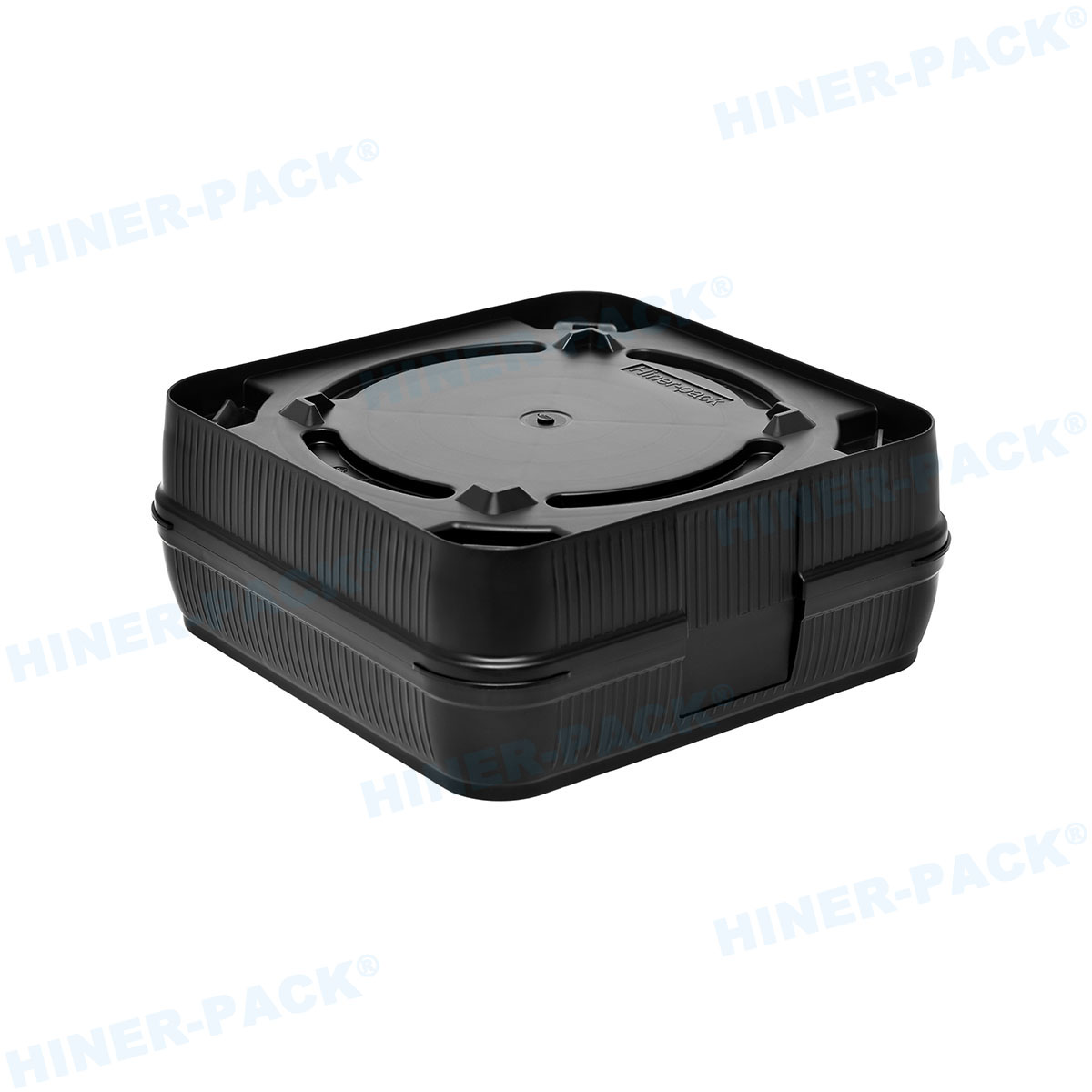
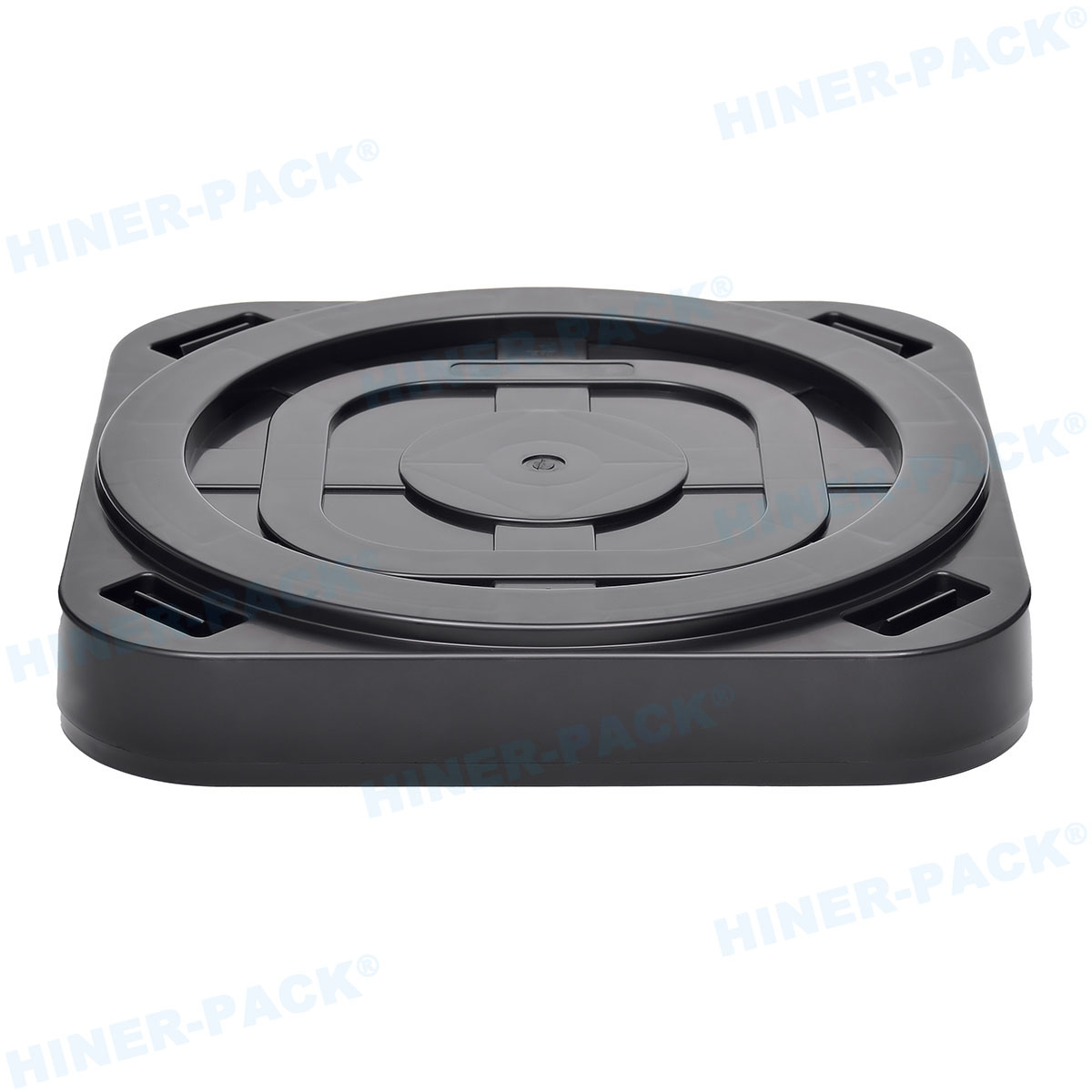
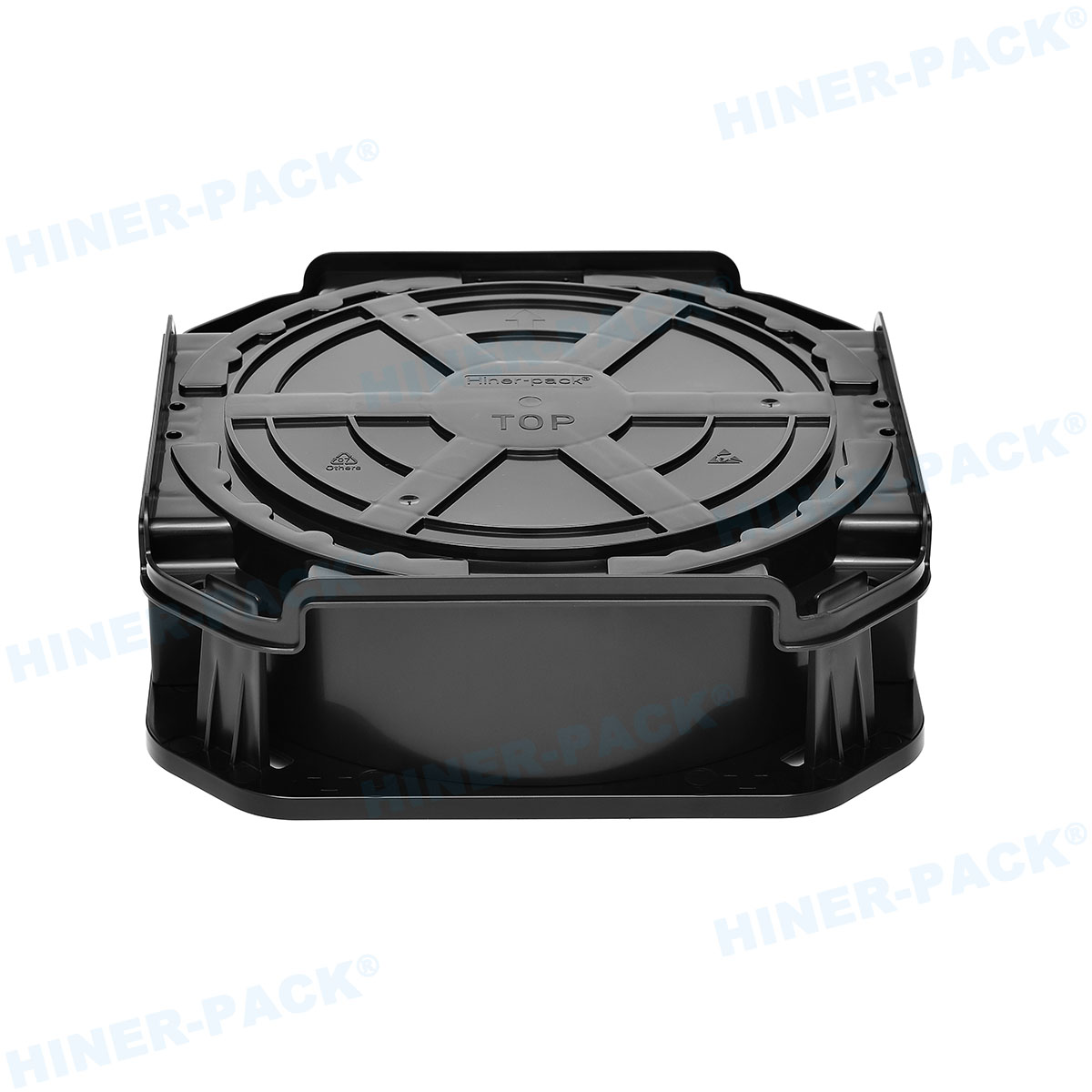
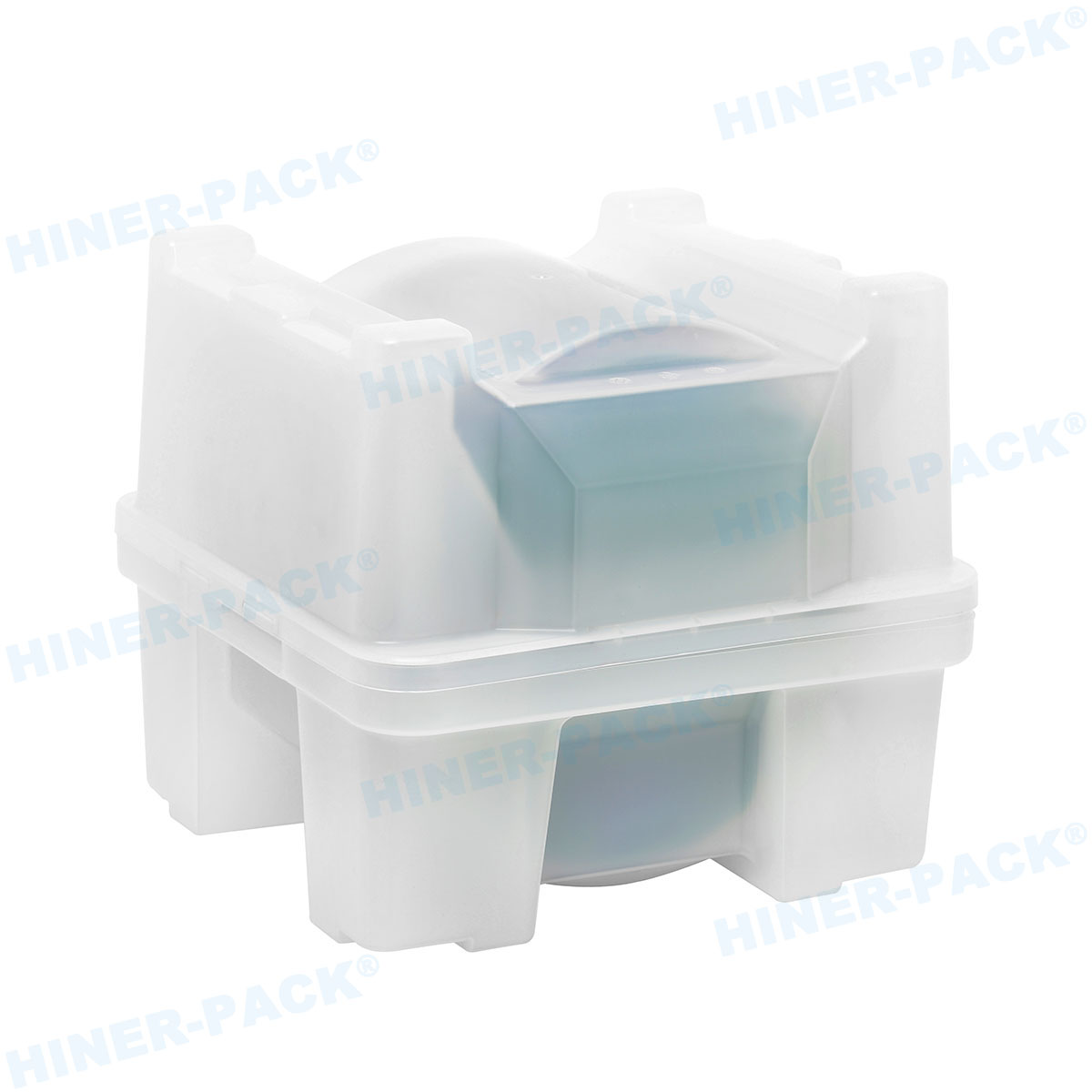
In the high-stakes environment of semiconductor manufacturing, every component is critical. But few are as physically fundamental as the wafer carrier. This isn't just a box; it's the guardian of trillion-dollar product streams. A truly durable wafer carrier is not a luxury—it's an absolute necessity for yield and profitability.
The journey from a silicon ingot to a complex chip involves hundreds of steps. Wafers are shuttled between etching, deposition, and cleaning tools, facing mechanical stress, chemical exposure, and thermal cycling. A carrier failure at any point can lead to catastrophic, costly damage.
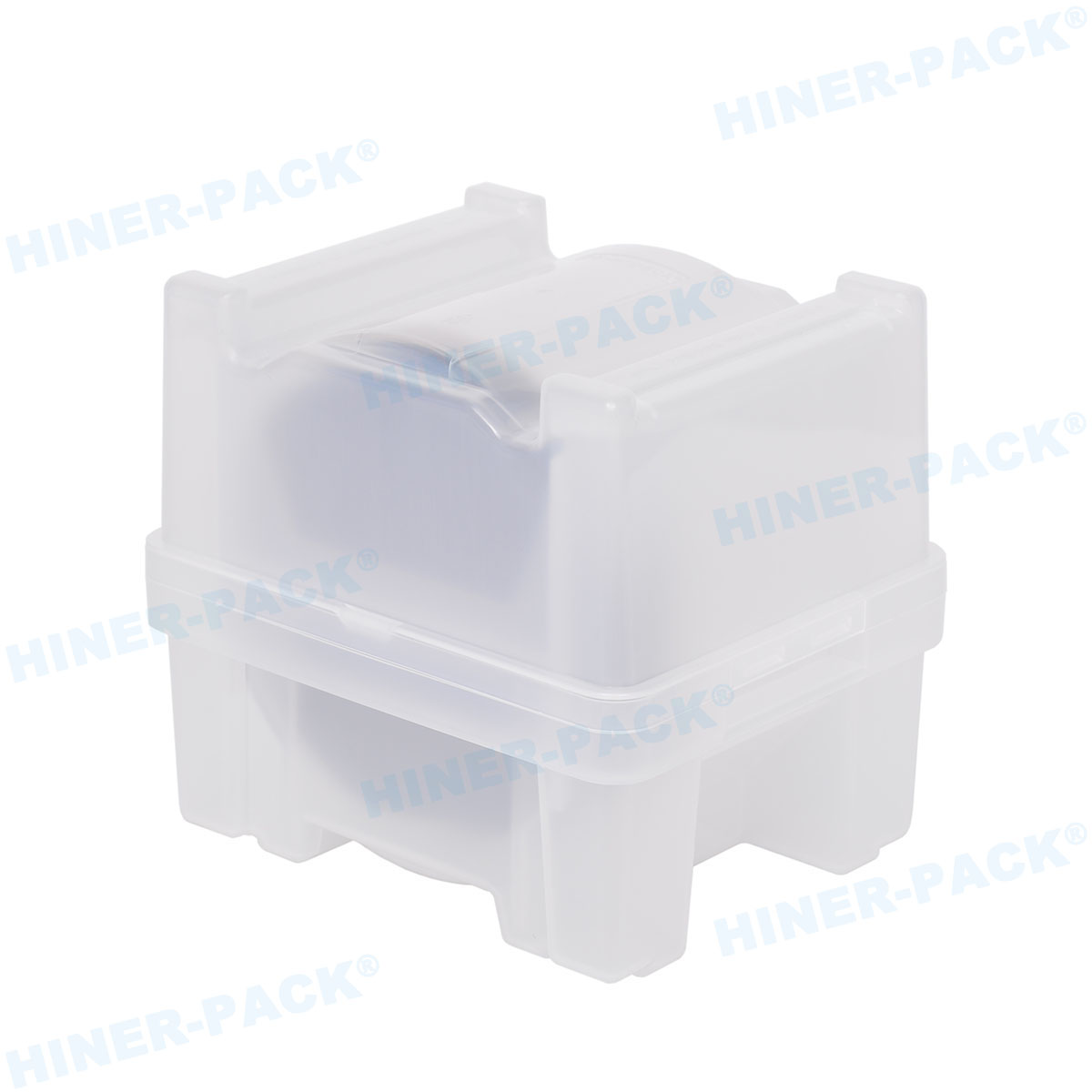
Why Durability is Directly Linked to Your Bottom Line
The cost of a compromised carrier is staggering. It goes far beyond the price of replacing the carrier itself.
Particle contamination is the primary enemy. A brittle or worn carrier generates microscopic debris. This debris settles on wafers, causing defects that kill die. A single particle can render a wafer useless.
Mechanical failure is even more dramatic. A cracked latch or a broken shelf can lead to a wafer dropping or shifting. The result is often breakage, scrapping thousands of dollars in value instantly.
Furthermore, non-durable wafer carriers require more frequent replacement, driving up consumable costs and increasing fab waste. Investing in superior durability is a strategic decision for protecting capital and maximizing output.
Materials Showdown: PEEK vs. PPS vs. Advanced Composites
The heart of a durable wafer carrier is its material. The choice dictates performance in extreme conditions.
PPS (Polyphenylene Sulfide):
A common workhorse, PPS offers good chemical resistance and inherent flame retardancy. It's a cost-effective option for many less aggressive processes. However, its impact strength and long-term mechanical stability can be lower than advanced alternatives.
PEEK (Polyether Ether Ketone):
PEEK is the premium performer. It boasts exceptional mechanical strength, outstanding chemical purity, and can withstand continuous high temperatures. A durable wafer carrier made from PEEK resists deformation and cracking under load, making it ideal for the most demanding fab environments. Its low particle generation is a key advantage.
Advanced Composite Materials:
Some suppliers, like Hiner-pack, engineer proprietary composites. These materials are tailored to enhance specific properties, such as adding carbon fiber for stiffness or specific additives for static dissipation. The goal is to create a durable wafer carrier that outperforms standard polymers.
The best choice depends on your specific process chemistries and thermal profiles.
Critical Applications Demanding Maximum Durability
Not all process steps are created equal. Some will test the limits of any carrier.
Wet Benches and Cleaning Tools: Constant exposure to aggressive chemicals like SC1, SC2, and HF acid demands excellent chemical resistance. A durable wafer carrier here must not degrade, swell, or leach contaminants.
High-Temperature Furnaces: Diffusion and oxidation steps involve temperatures exceeding 1000°C. While carriers don't enter the hottest zone, they face significant thermal cycling. Material integrity is paramount to prevent warping.
CMP (Chemical Mechanical Planarization): This slurry-intensive process is abrasive. Carriers must be resilient against slurry ingress and mechanical abrasion during transport and cleaning.
Automated Material Handling Systems (AMHS): As fabs become more automated, carriers face constant robotic contact. Impact resistance and structural rigidity are non-negotiable for a durable wafer carrier in an AMHS environment.
A Practical Guide to Selecting Your Durable Wafer Carrier
Choosing the right carrier is a technical procurement decision. Here are the key criteria:
Chemical Compatibility Chart: Cross-reference your process chemicals with the manufacturer's material data sheets. Ensure there is no susceptibility.
Mechanical Specifications: Check the static and dynamic load ratings. How many wafers does it hold, and what is the safety factor? Look for high impact strength values.
Particle Generation Data: Reputable suppliers test and can provide particle adders per cycle data. Lower is always better.
Thermal Stability: Verify the Heat Deflection Temperature (HDT) and the material's behavior under thermal shock.
Design for Serviceability: How easy is it to clean? Are replaceable parts, like latches, available? A good design extends the carrier's service life.
Brands that focus on engineering, such as Hiner-pack, often provide extensive technical documentation to support this evaluation.
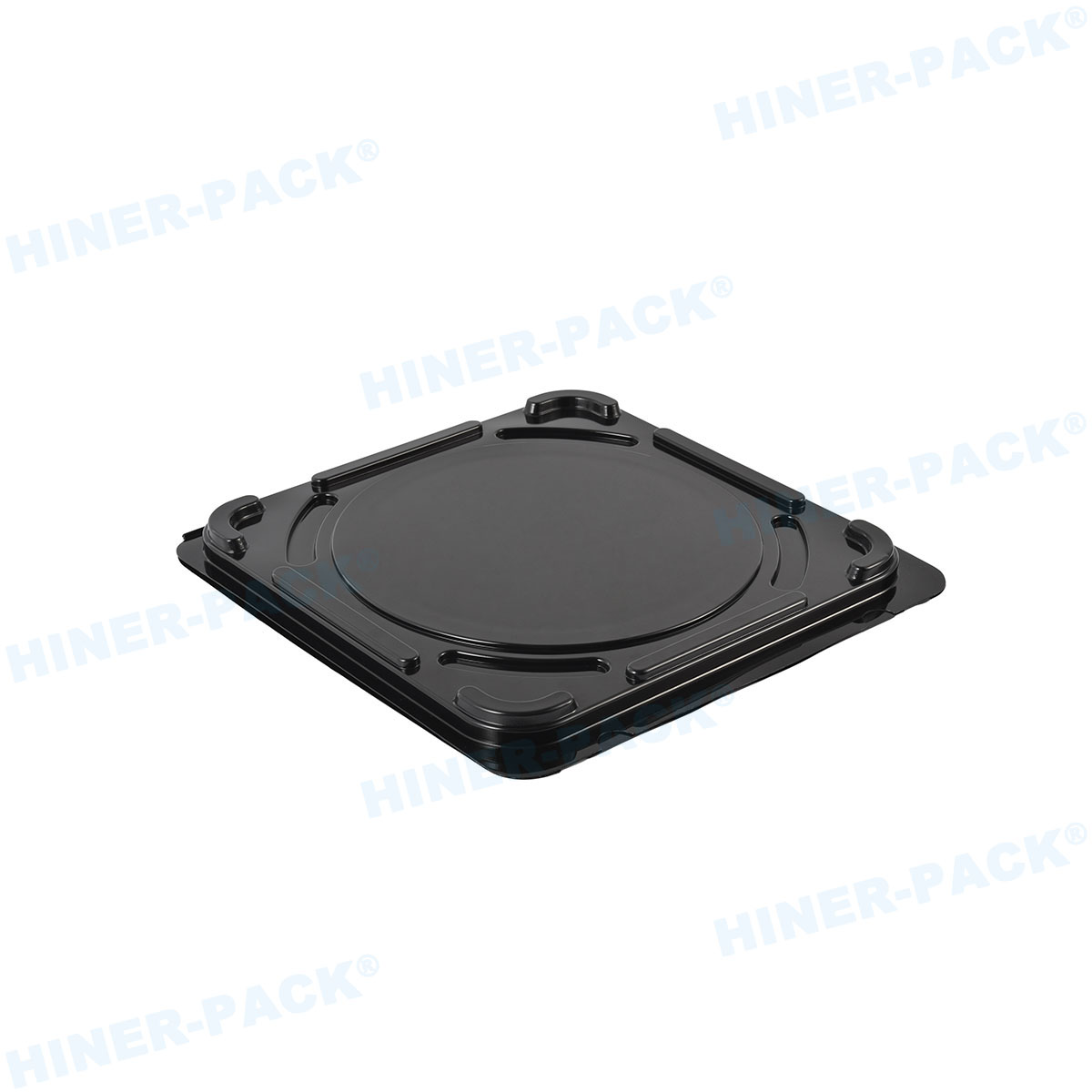
The Hidden Costs of a "Cheap" Wafer Carrier
The initial purchase price is a small part of the Total Cost of Ownership (TCO). A lower-priced, less durable wafer carrier can quickly become the most expensive option.
Consider these hidden costs:
Increased wafer scrap due to particle contamination.
Unscheduled tool downtime from carrier failures.
Higher frequency of carrier replacement purchases.
Increased cost of ownership for cleaning tools.
A premium durable wafer carrier from a trusted supplier protects against these risks, offering a significantly lower TCO over its operational lifespan.
Engineering Behind the Scenes: More Than Just Plastic
Creating a durable wafer carrier is a feat of precision engineering. It's not just molding plastic.
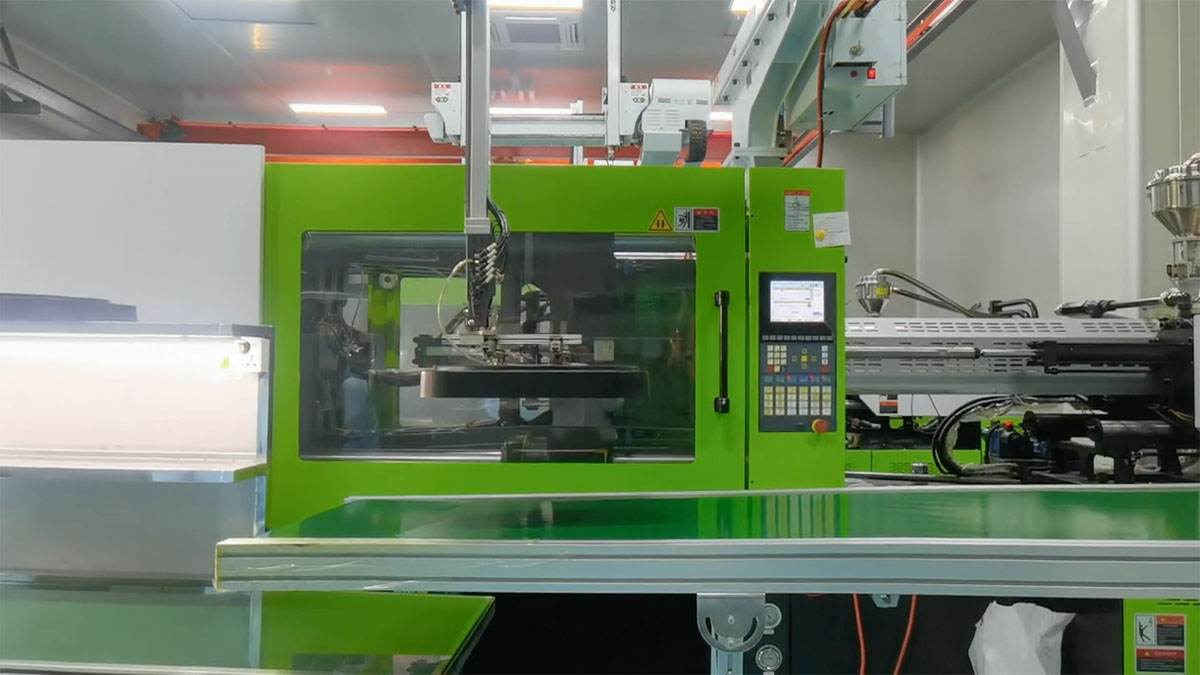
Injection molding parameters—like temperature, pressure, and cooling rate—are critically controlled to minimize internal stress. Internal stress is a primary cause of warping and premature cracking.
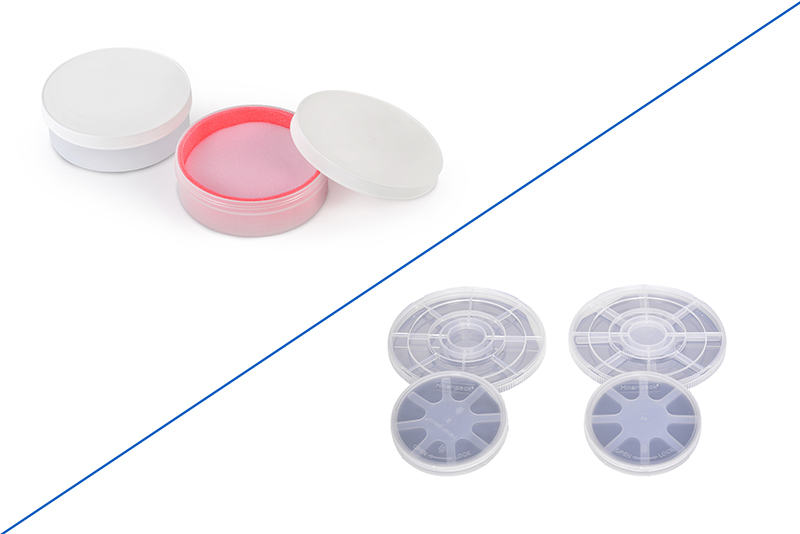
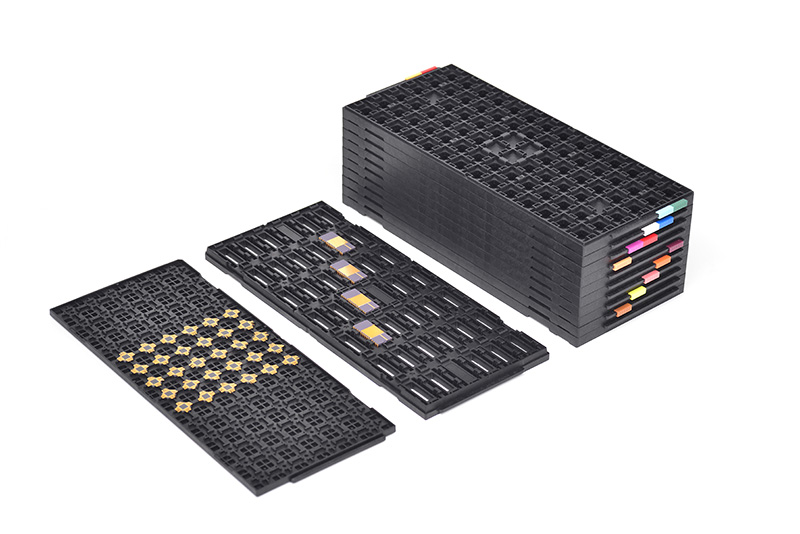
The design of the wafer pockets is also key. A well-designed pocket uses minimal contact area to reduce particle generation, while ensuring the wafer is securely held during rapid acceleration and deceleration.
Rigorous Quality Control, including Coordinate Measuring Machine (CMM) inspections, ensures every durable wafer carrier meets exact dimensional tolerances. Consistency is vital for automation.
Durability as a Foundation for Fab Efficiency
In the pursuit of smaller nodes and higher yields, the foundational elements matter most. Selecting a high-performance durable wafer carrier is a direct investment in fab stability, yield protection, and operational cost control. It is a decision that pays dividends with every wafer lot that passes through your line without incident. By partnering with specialized manufacturers who prioritize material science and precision engineering, fabs can build a more resilient and profitable operation.
Frequently Asked Questions (FAQs)
Q1: How often should a durable wafer carrier be inspected and replaced?
A1: There is no single answer, as it depends on the process severity. A general guideline is a detailed visual and functional inspection every 100-200 cycles. Replacement is based on wear criteria, such as cracked pockets, worn latch mechanisms, or a sustained increase in particle counts, not a fixed timeline.
Q2: Can a durable wafer carrier be effectively cleaned after heavy contamination?
A2: Yes, a primary feature of a truly durable wafer carrier is its cleanability. They are designed to withstand advanced cleaning processes, including chemical baths and DI water rinses, without degrading. Always follow the manufacturer's recommended cleaning procedures to preserve the material's properties.
Q3: What is the main difference between a standard and a high-performance durable wafer carrier?
A3: The main differences lie in the base polymer (e.g., standard PPS vs. premium PEEK or composites) and the level of engineering. High-performance carriers use superior materials for lower particles, higher strength, and better chemical resistance, and undergo stricter quality control for dimensional perfection.
Q4: Are there specific certifications we should look for when sourcing durable wafer carriers?
A4: Absolutely. Look for carriers that comply with SEMI standards (e.g., SEMI E1.9 for mechanical specification). Certification to ISO 9001 for quality management systems is also a strong indicator of a reliable supplier committed to consistent manufacturing.
Q5: How does the design of a durable wafer carrier impact its performance in AMHS?
A5: The design is critical. A carrier for AMHS must have precise external dimensions for robotic handling, robust features to withstand repeated impacts, and a balanced structure to prevent jamming. An poorly designed carrier will cause AMHS mis-picks and downtime, negating the benefits of automation.