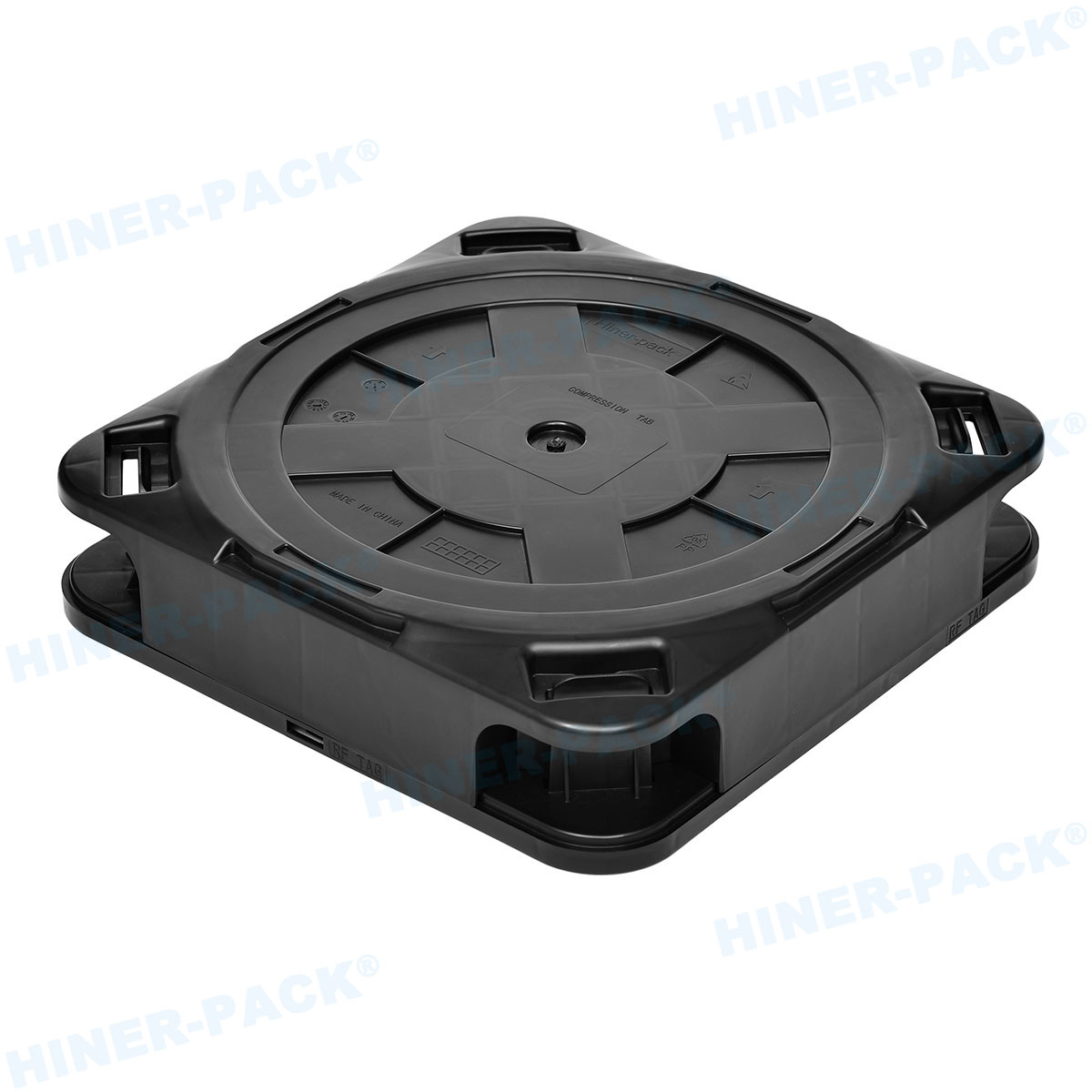
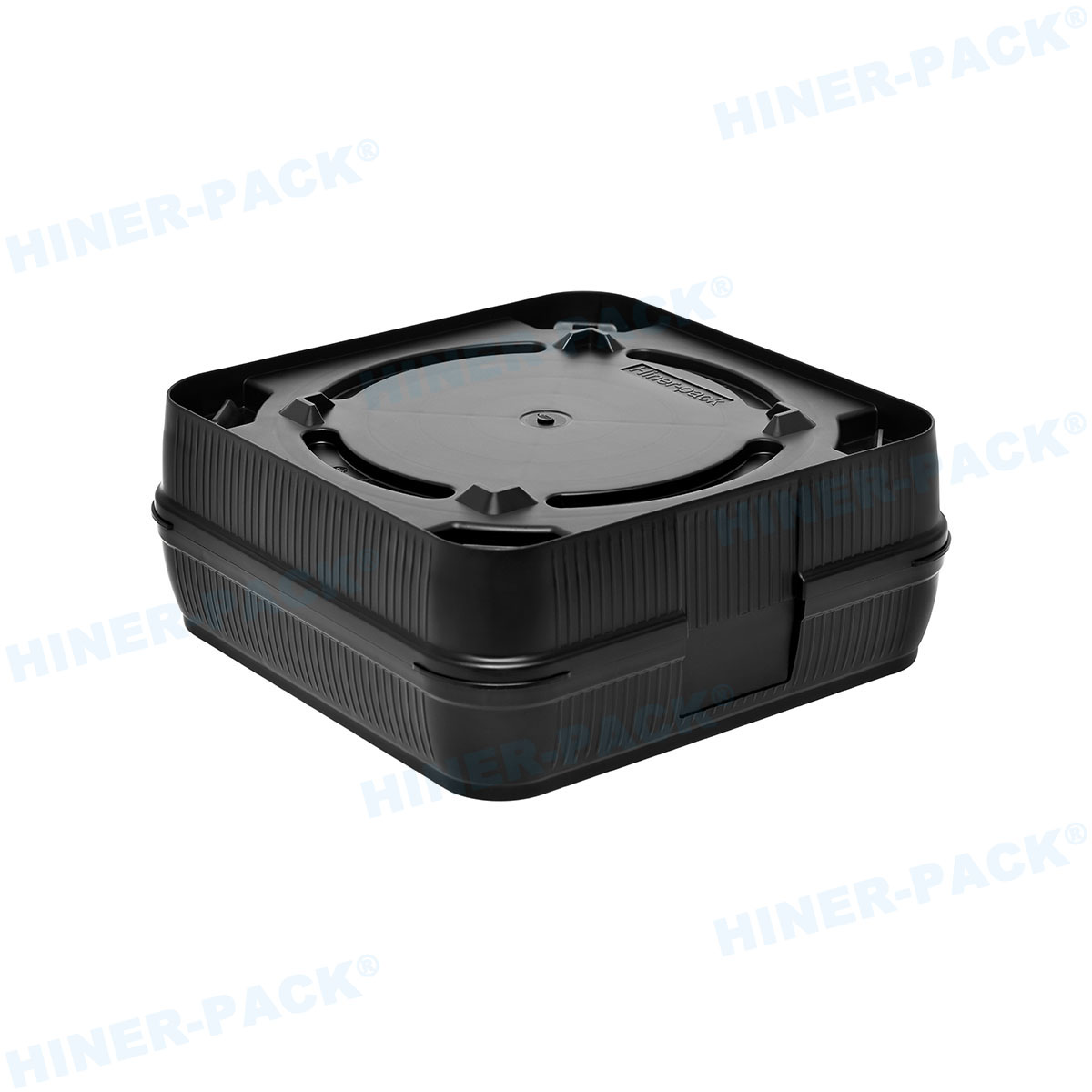
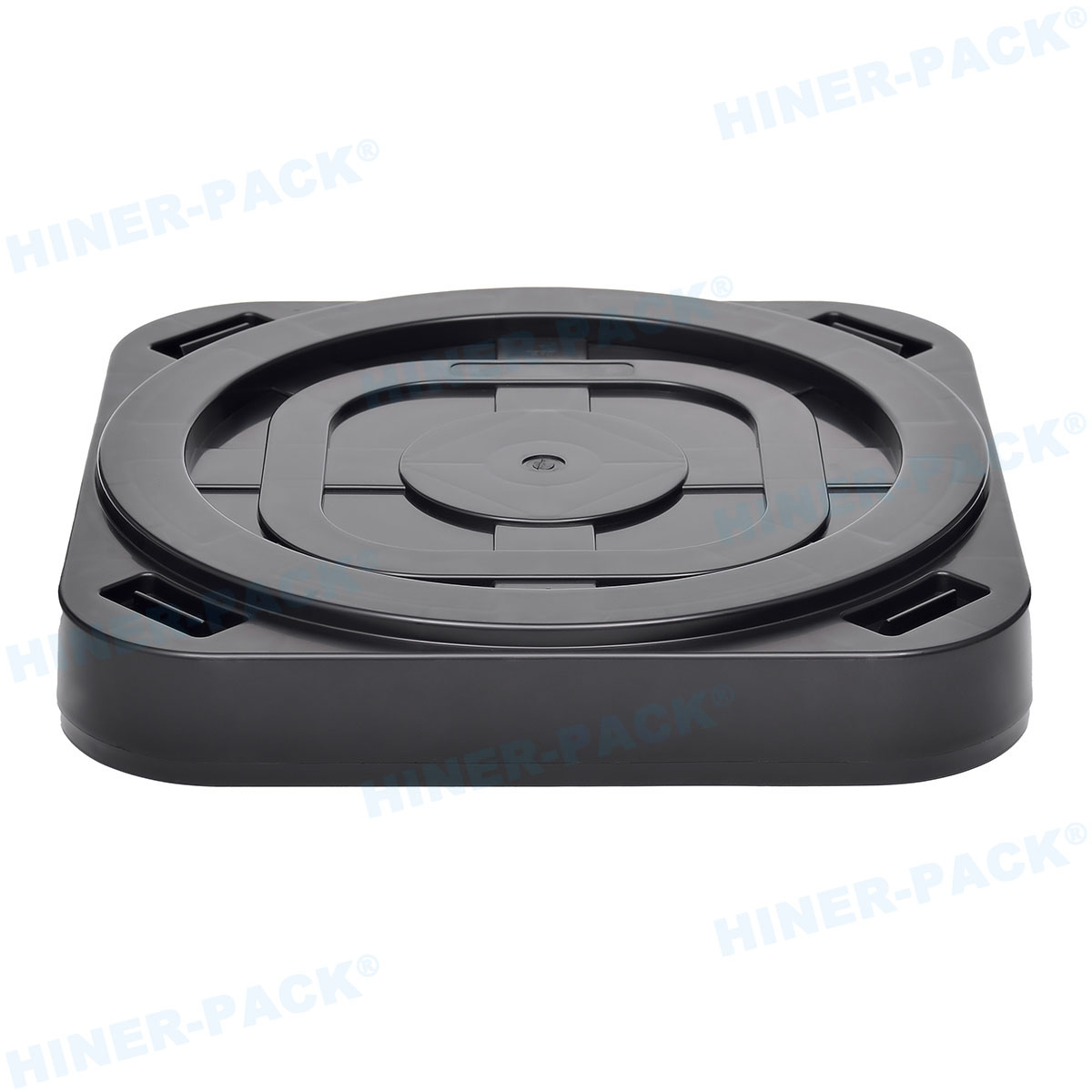
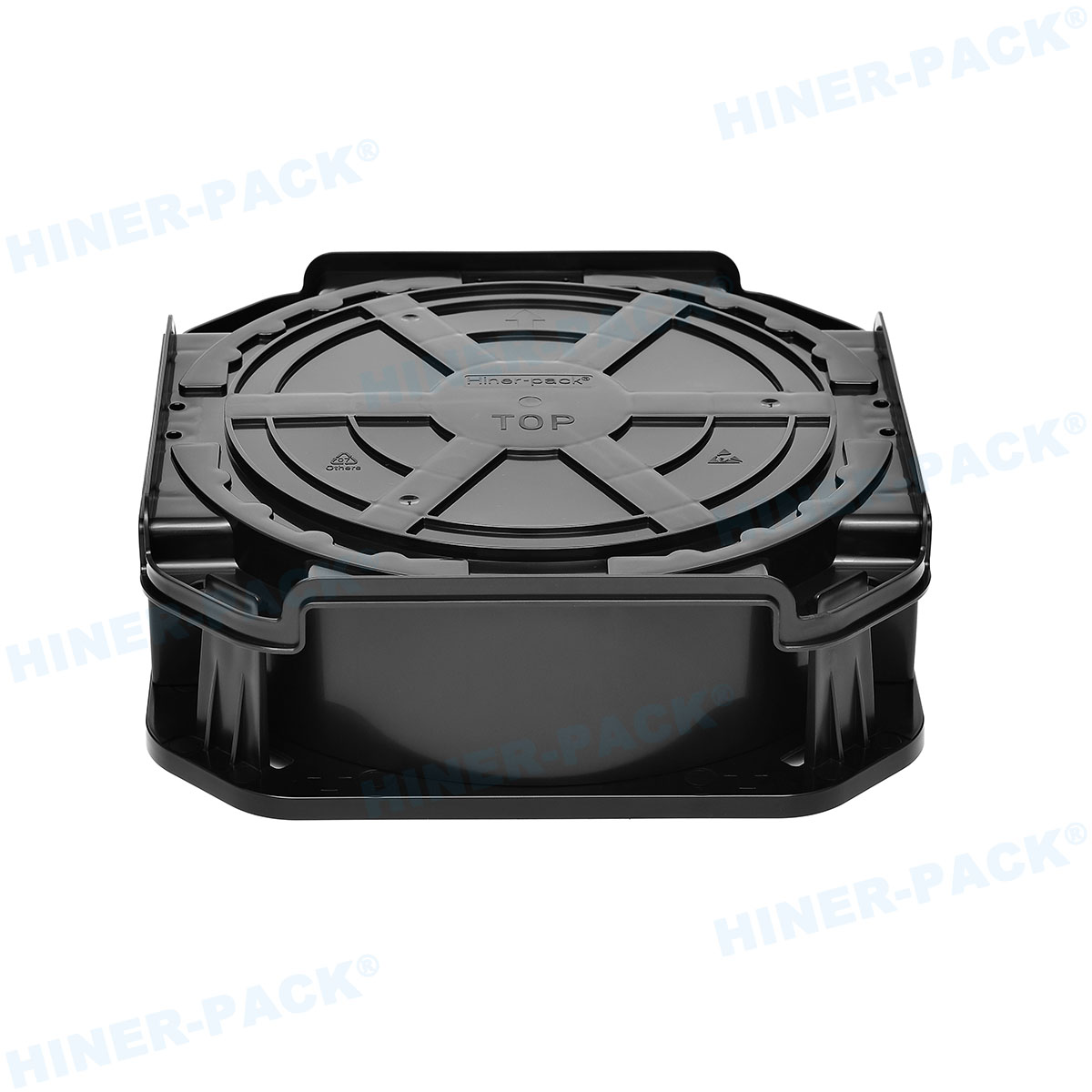
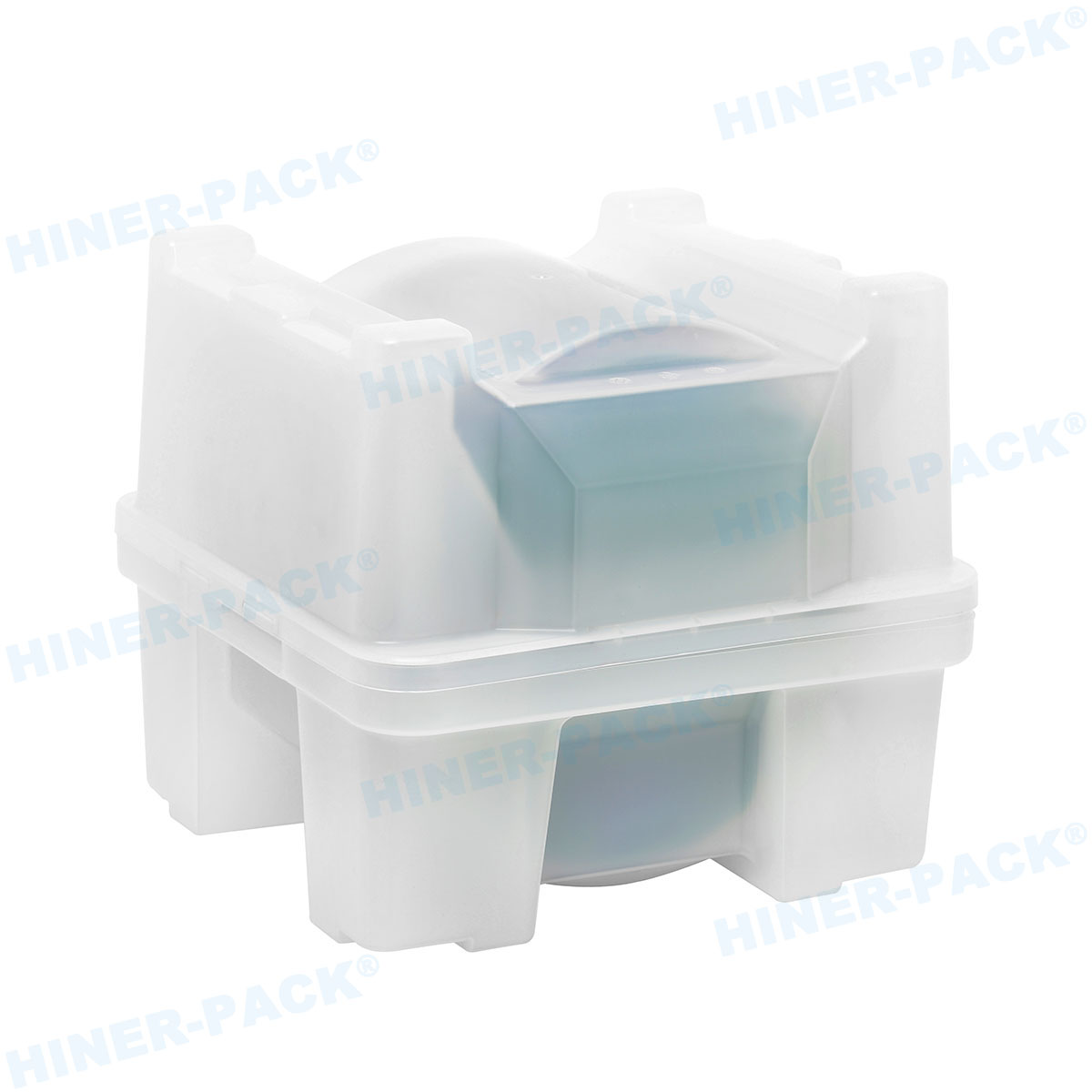
In the pristine, high-value environment of a semiconductor fab, every piece of equipment is a link in a chain of perfection. A single weak link can lead to catastrophic losses. Among the most crucial, yet sometimes overlooked, components are the containers that cradle the heart of the industry—the silicon wafers. Selecting the right ESD wafer box supplier is not a simple procurement task; it is a strategic decision that directly impacts yield, reliability, and your bottom line.
This isn't just about buying a box. It's about partnering with a provider that understands the physics of static control, the mechanics of automation, and the brutal realities of global logistics. This article will guide you through the key considerations when choosing an ESD wafer box supplier, ensuring your delicate wafers are protected from the fab floor to the final assembly site.
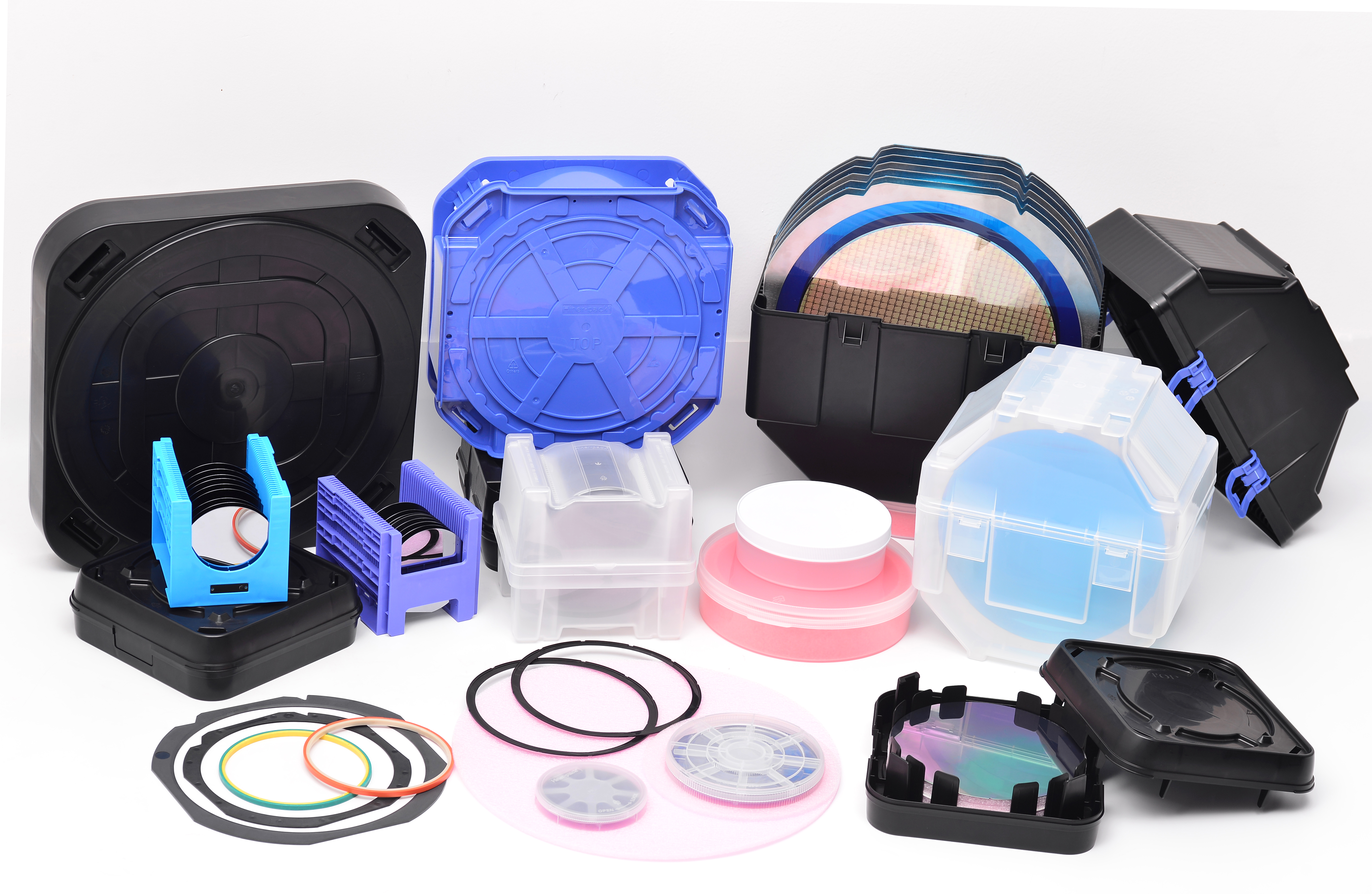
Why Your ESD Wafer Box is Your First Line of Defense
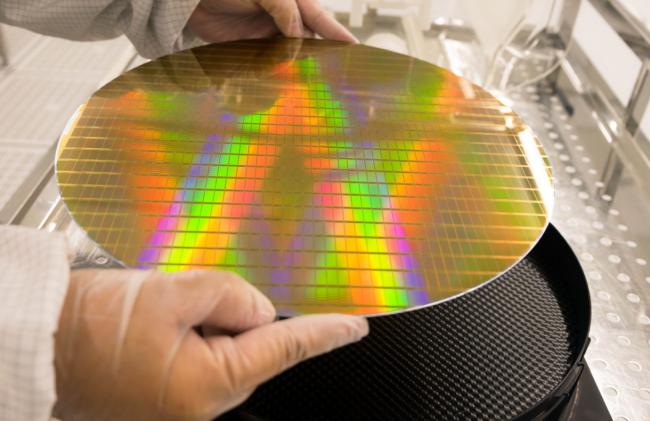
A wafer, especially after front-end processing, represents an immense concentration of capital and intellectual property. A 300mm wafer at an advanced node can be worth hundreds of thousands of dollars. The primary threats during handling and transport are:
Electrostatic Discharge (ESD): An invisible killer. Latent ESD damage can weaken a die, causing early-life failures in the field that are incredibly difficult to trace back and immensely costly in terms of warranty and brand reputation.
Particle Contamination: Even microscopic dust particles can cause fatal defects. The materials and design of the wafer box must be low-particulating and minimize friction.
Mechanical Stress: Vibration during shipping or a minor impact can cause micro-cracks in the brittle silicon, rendering the wafer useless.
Moisture Ingress: Humidity can corrode metallic layers and alter the electrical properties of the wafer.
A high-quality ESD wafer box is engineered to mitigate all these risks simultaneously. It’s a precision instrument in its own right.
More Than a Vendor: 5 Key Attributes of a World-Class ESD Wafer Box Supplier
When evaluating an ESD wafer box supplier, look beyond the price tag and the basic product catalog. The depth of their expertise and the robustness of their processes are what truly matter.
1. Deep Mastery of Material Science
Not all carbon-loaded plastics are created equal. A top-tier supplier like Hiner-pack invests in developing and testing proprietary polymer compounds. The ideal material offers:
Consistent Static Dissipation: Surface resistivity within the 10^4 to 10^11 ohms/sq range, ensuring charges bleed off safely without creating a current path that could damage devices.
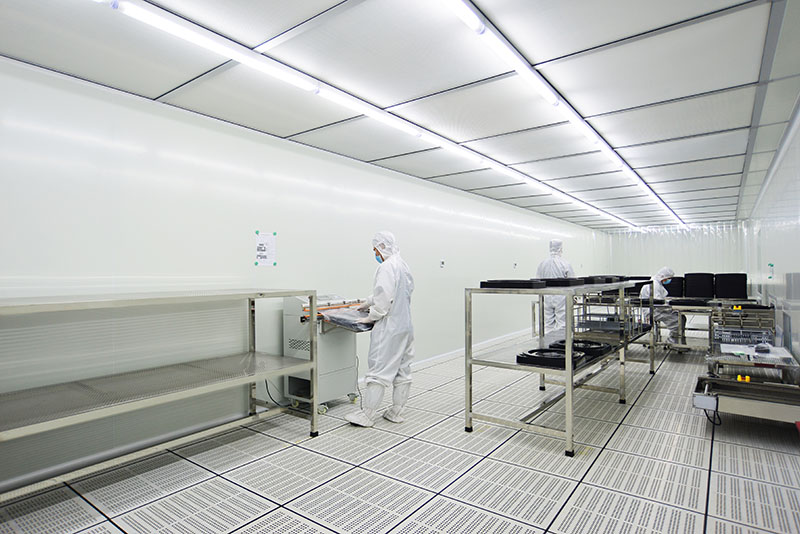
Exceptional Cleanliness: Certified low outgassing and ultra-low particle generation to meet the stringent cleanliness standards of Class 1 cleanrooms.
Mechanical Strength and Dimensional Stability: The box must not warp under temperature variations or humidity changes, ensuring a perfect seal and reliable stacking strength. This is non-negotiable for automation compatibility.
2. Precision Engineering for Automation Compatibility
Modern fabs are highly automated. An ESD wafer box must interface flawlessly with equipment from OEMs like Brooks, Murata, or Rorze. A superior ESD wafer box supplier designs for:
Tight Tolerances: Critical dimensions for locating pins, robotic pick-up points, and lid interfaces are held to extremely tight specifications, often within microns.
RFID Integration: Designing cavities and ensuring materials that do not interfere with RFID tags, which are essential for wafer-level tracking and traceability.
Ergonomics and Reliability: Even manual handling lids should be easy to open and close without jarring the wafers, and they must seal perfectly every time.
3. Comprehensive Compliance and Quality Assurance
Anyone can claim their product is "SEMI compliant." A trusted supplier proves it. Look for:
Adherence to SEMI Standards: Explicit certification that products meet relevant standards such as SEMI E1.9 for mechanical specifications and SEMI E129 for ESD requirements.
Rigorous In-house Testing: A serious supplier will have labs for testing static decay, surface resistivity, particle fallout, and mechanical impact. They should be able to provide test reports and certificates of compliance for every batch.
ISO 9001 and IATF 16949 Certification: These quality management standards demonstrate a commitment to consistent, reliable manufacturing processes, crucial for a component as critical as a wafer box.
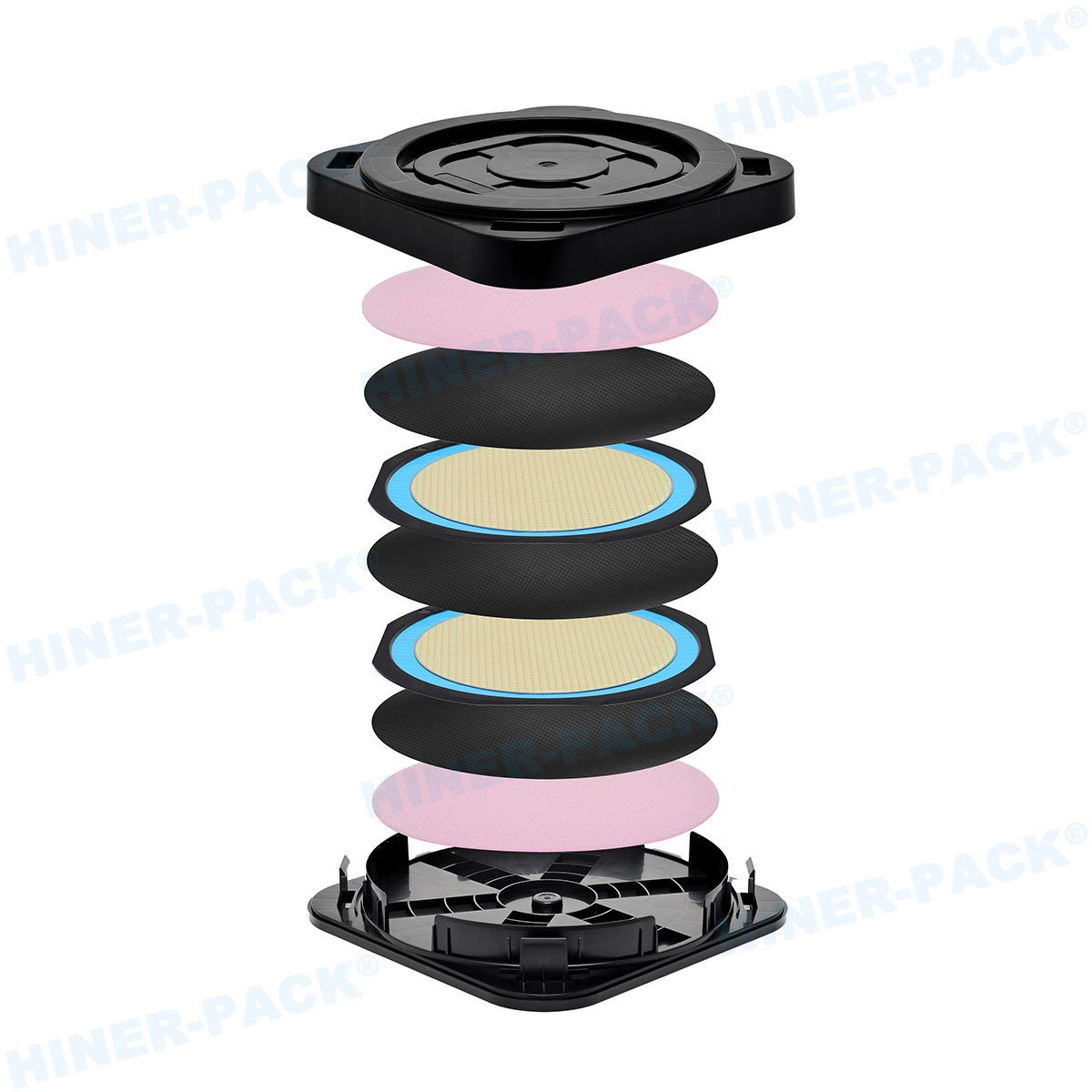
4. Global Supply Chain and Manufacturing Scalability
Your production shouldn't halt because your wafer boxes are stuck on a container ship. A reliable ESD wafer box supplier has the manufacturing capacity and global logistics network to ensure a steady, reliable supply. They can scale production up or down with your demand and have multiple distribution points to minimize lead times.
5. Value-Added Engineering Support
The best suppliers act as partners. When Hiner-pack engages with a client, we don't just take an order. Our engineering team can provide:
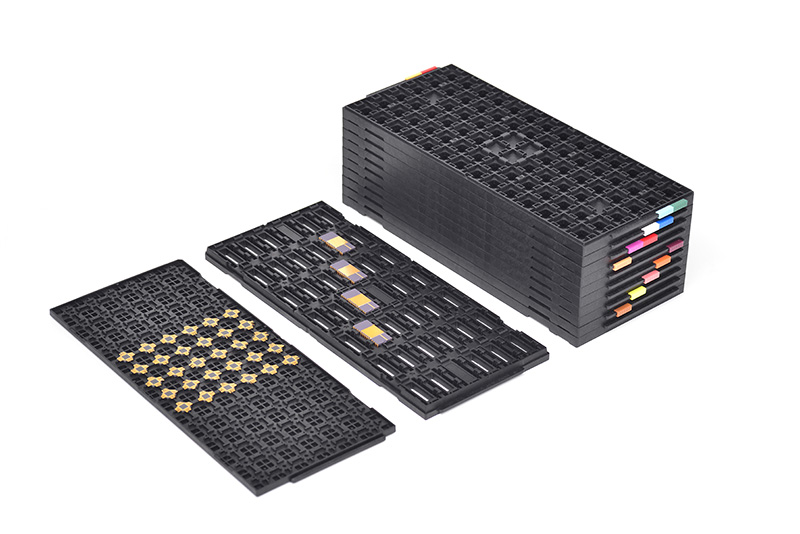
Customization: Modifying standard designs to fit unique tool-to-tool transfer needs or creating custom divider kits for specific wafer types.
Failure Analysis: If a problem occurs, we don't just replace the box; we investigate the root cause to prevent a recurrence.
Consultation: Advising on best practices for wafer handling and storage within the box to maximize protection throughout the process.
The Hiner-pack Difference: Engineered for Zero Defects
At Hiner-pack, our philosophy is that the wafer box should be the most reliable part of your process. We build this philosophy into every product.
Our Materials: We use advanced, carbon-fiber reinforced composites that offer superior strength-to-weight ratios and exceptional ESD performance without the brittleness of lower-grade materials.
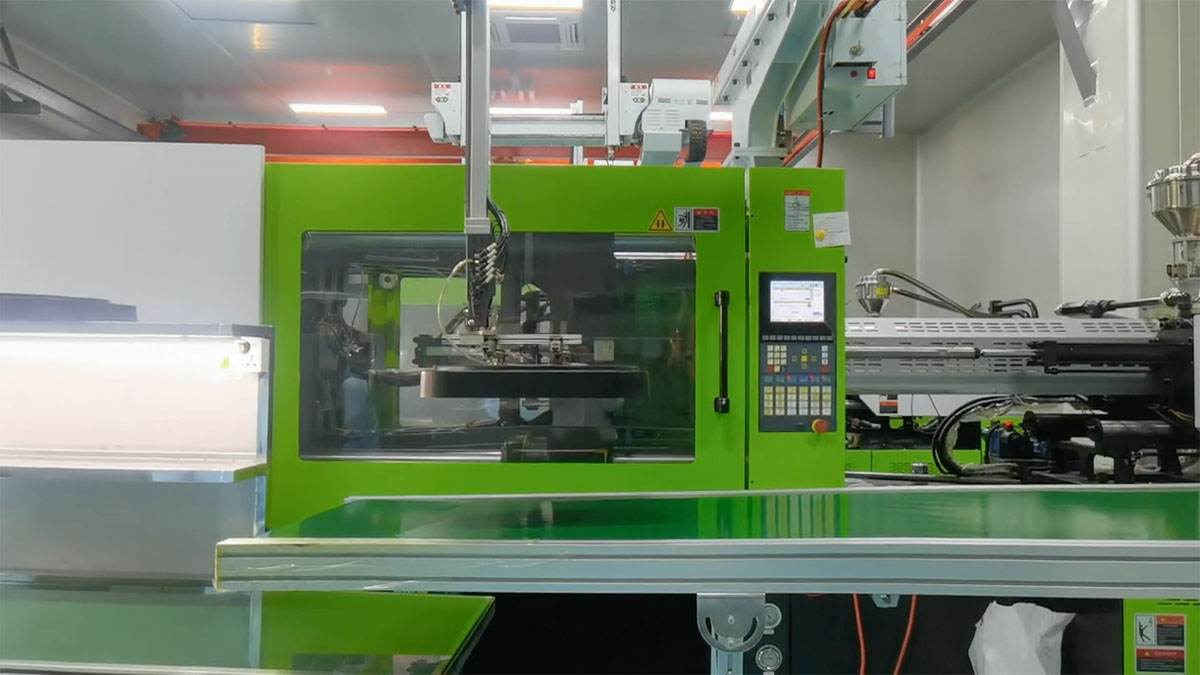
Our Process: Our injection molding processes are meticulously controlled, with rigorous in-line inspections to catch any deviation instantly. Every Hiner-pack ESD wafer box is a product of a disciplined, data-driven manufacturing system.
Our Commitment: We understand that when you choose an ESD wafer box supplier, you are entrusting us with your most valuable assets. We take that trust seriously.
Looking Ahead: The Future of Wafer Packaging
As wafers transition to larger 450mm diameters (for specific applications) and become even more sensitive, the demands on wafer boxes will intensify. The next generation of boxes will feature:
Integrated Smart Sensors: Monitoring and logging internal temperature, humidity, and shock events throughout the supply chain.
Advanced Materials: New composites with even lower particulate generation and static decay times.
Enhanced Sustainability: Focus on recyclable polymers and closed-loop recycling programs without compromising protective properties.
Choosing a supplier that is investing in this R&D today is critical for staying competitive tomorrow.
Frequently Asked Questions (FAQs)
Q1: What is the fundamental difference between a standard plastic box and an ESD wafer box?
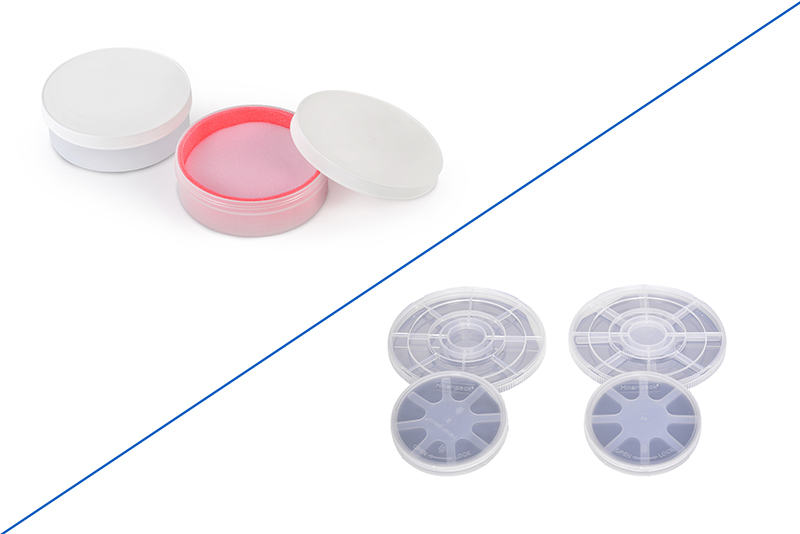
A1: A standard plastic box is typically made from insulating materials, which are prone to triboelectric charging (generating static from friction). This creates a high risk for ESD events that can destroy sensitive wafers. An ESD wafer box, like those from Hiner-pack, is manufactured from static-dissipative or conductive materials that safely bleed off any static charges, providing a safe environment for the wafers. Furthermore, ESD boxes are designed for cleanroom use and mechanical protection.
Q2: How often should ESD wafer boxes be tested or replaced?
A2: There is no one-size-fits-all answer, but a robust ESD control program requires periodic verification. Boxes should be visually inspected before each use for cracks, warping, or contamination. Surface resistivity should be tested quarterly or semi-annually, depending on usage frequency. Mechanical components like lids and latches should be checked for wear. Hiner-pack provides guidelines for the expected lifecycle of our products based on your specific application.
Q3: Can ESD wafer boxes be cleaned, and if so, what is the proper method?
A3: Yes, they can and should be cleaned to prevent particulate contamination. The proper method is to use DI water (Deionized water) with or without a mild, non-ionic surfactant. Isopropyl alcohol can be used for stubborn contaminants. Avoid abrasive wipes, harsh solvents, or ultrasonic cleaners, as these can damage the surface and degrade the ESD properties. Always allow the box to air-dry completely in a cleanroom environment.
Q4: How does the choice of an ESD wafer box supplier impact my overall ESD control program compliance?
A4: Your ESD wafer box is a critical element of your ESD Protected Area (EPA). Using boxes from an unverified supplier can create a weak point that undermines your entire program. If a box does not meet SEMI or ANSI/ESD S20.20 standards, it can lead to ESD events that go undetected, causing latent failures. A certified supplier like Hiner-pack provides the documentation and product consistency needed to demonstrate full compliance during audits.
Q5: We are integrating new automated material handling systems (AMHS). What should we confirm with our wafer box supplier?
A5: This is a critical time for collaboration. You must provide your ESD wafer box supplier with the detailed mechanical interface drawings from the AMHS OEM. Key points to confirm include the box's external dimensions, the location and geometry of features for robotic gripping, the presence and placement of RFID tags, and the stackability under load. Hiner-pack regularly works with clients on such integrations to ensure flawless performance from day one.