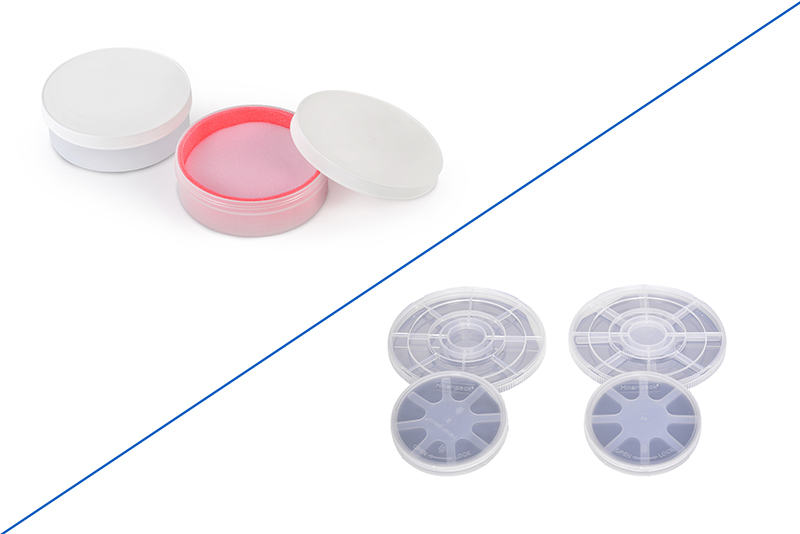
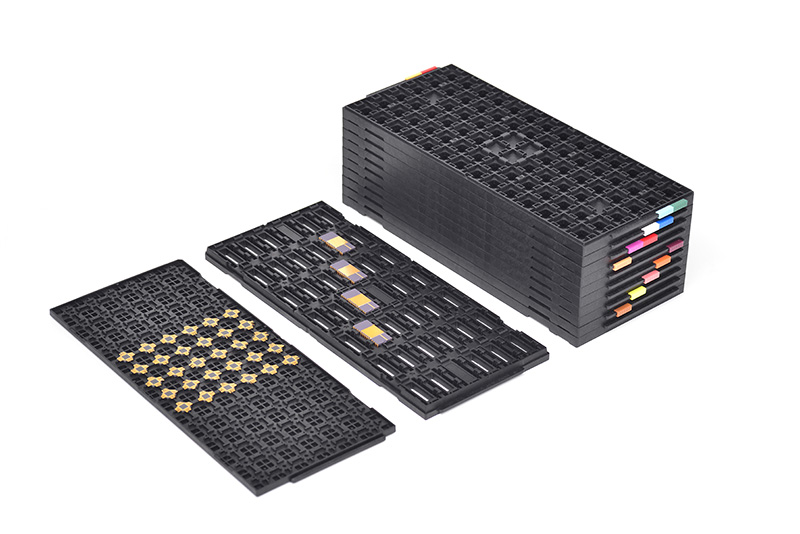
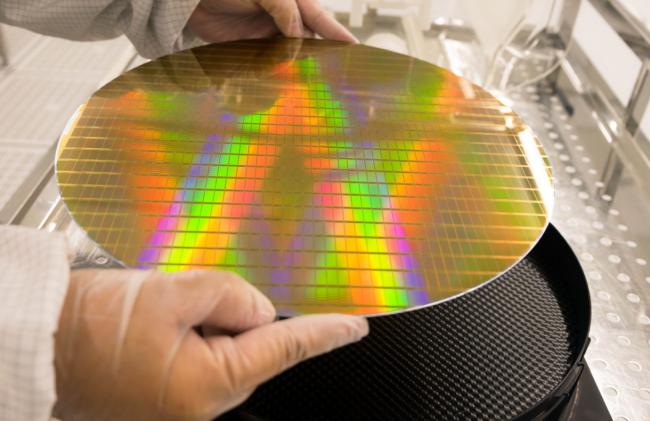
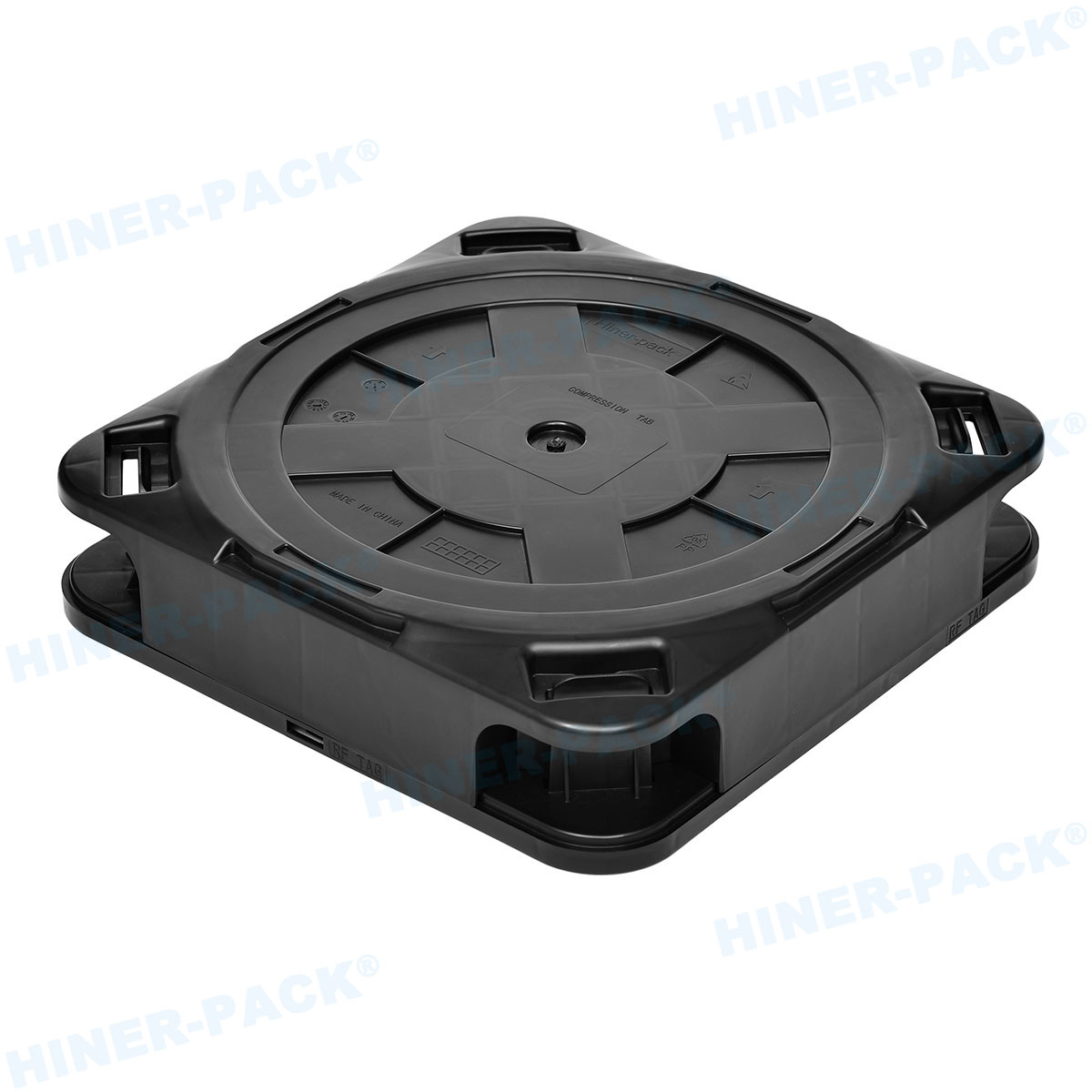
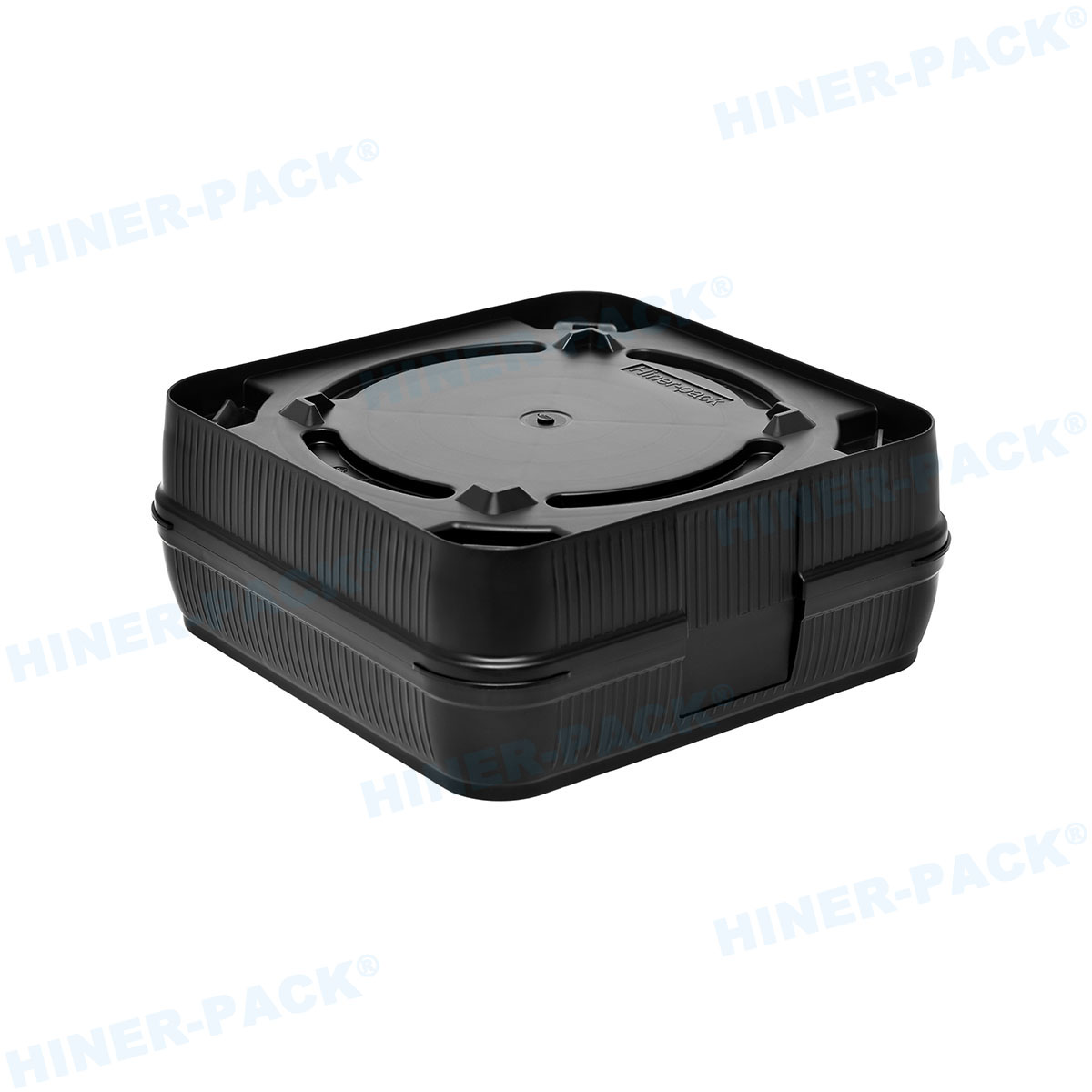
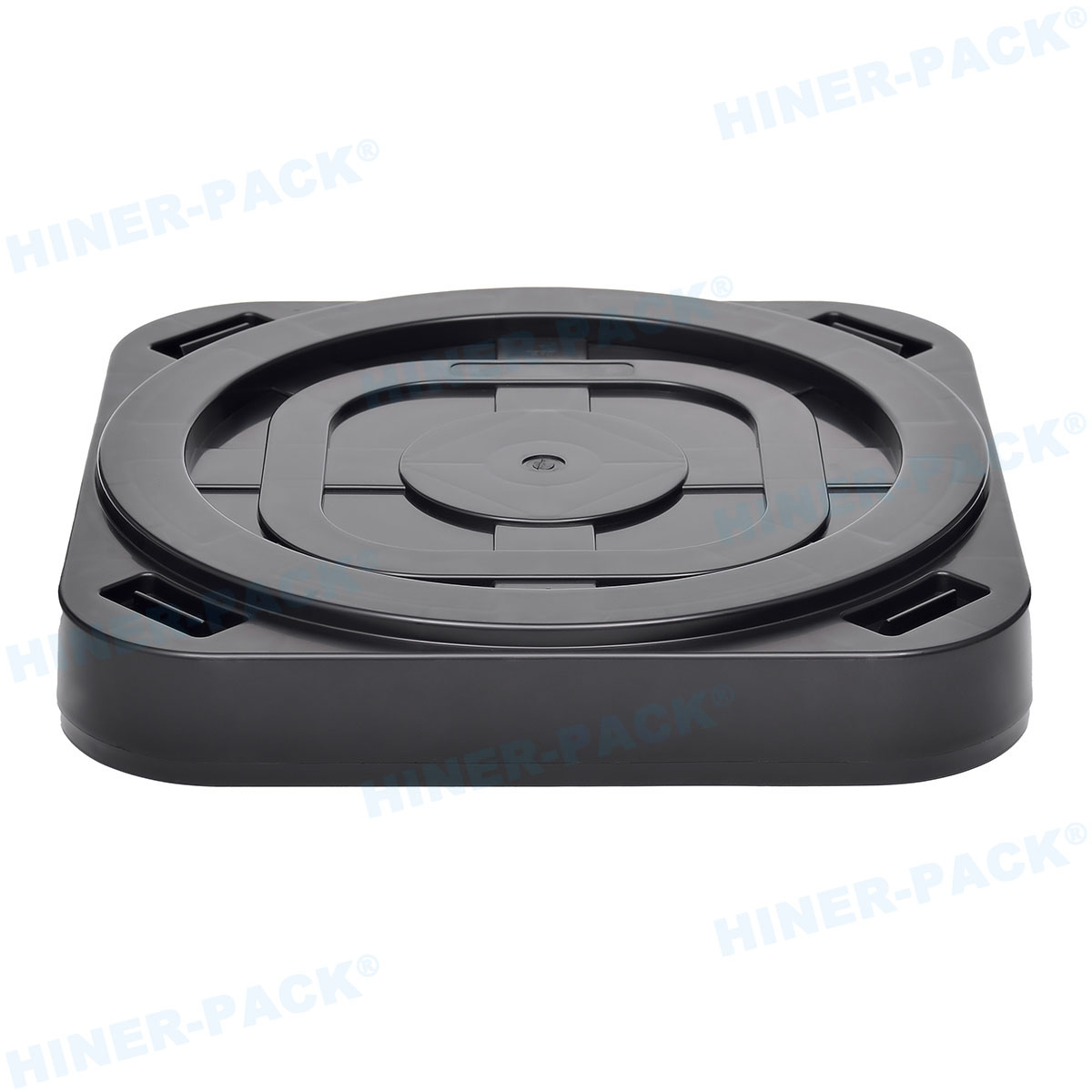
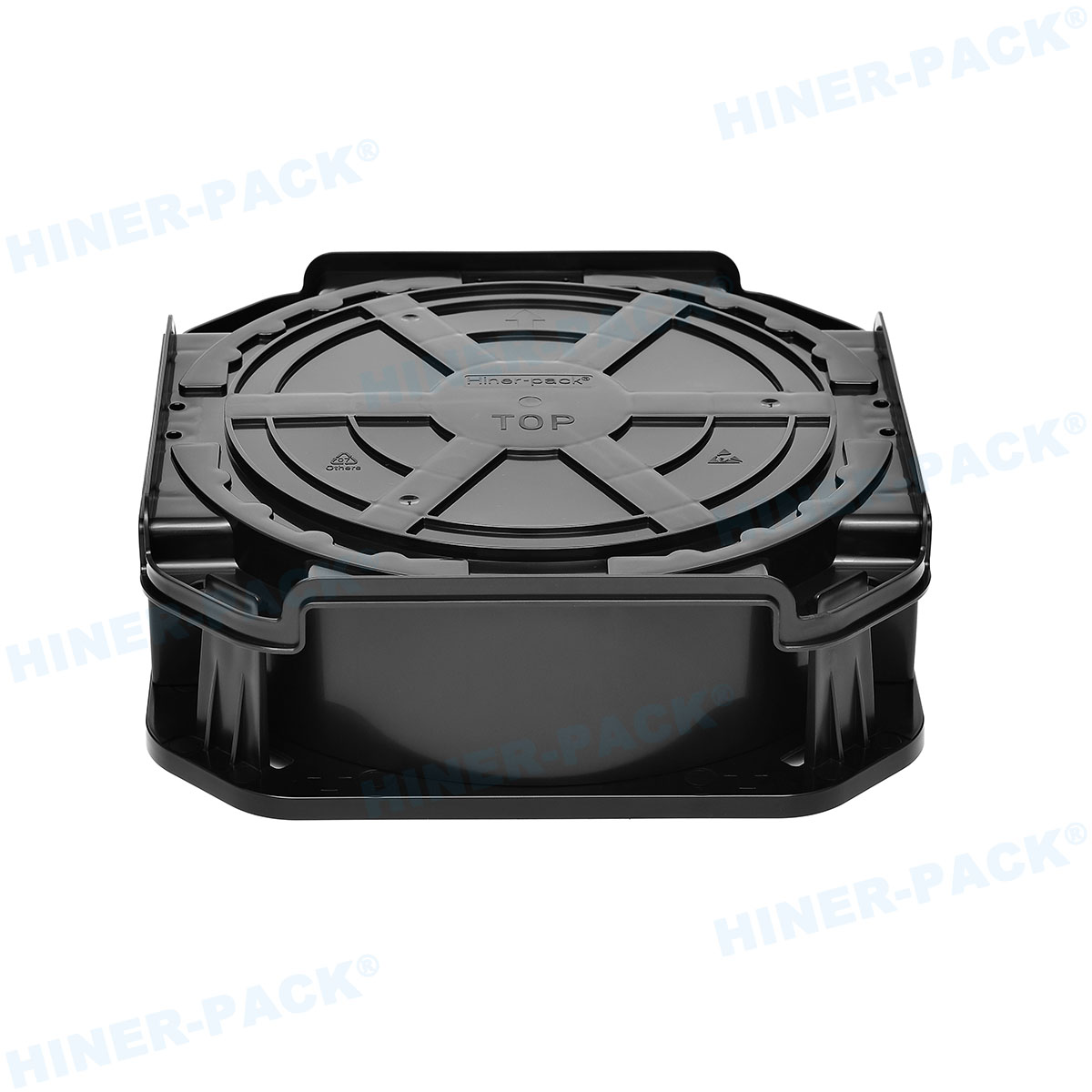
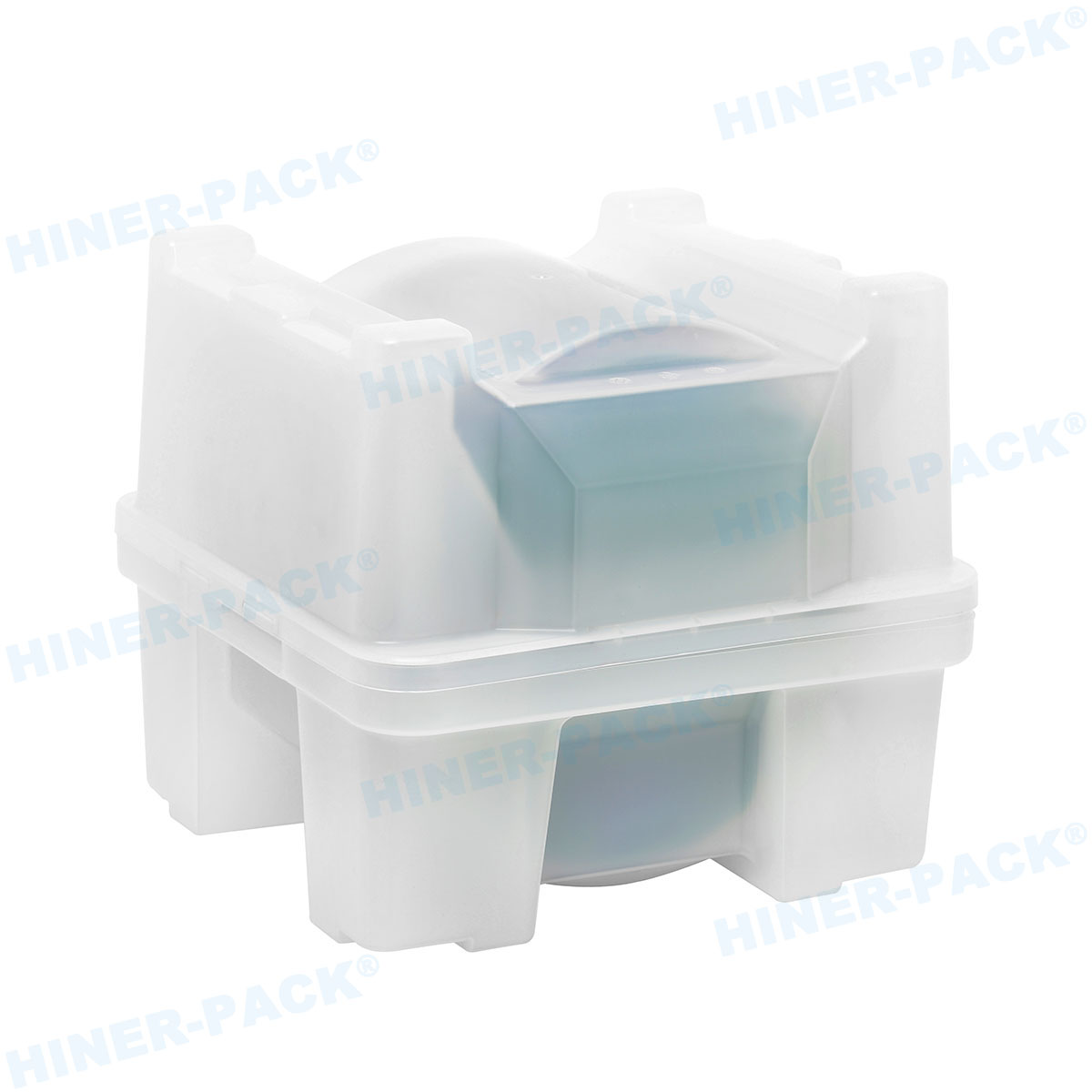
In the semiconductor supply chain, the wafer canister factory occupies a position that is frequently underestimated. While foundries and OSATs (Outsourced Semiconductor Assembly and Test) command the industry spotlight, the integrity of wafer handling and storage solutions determines whether a 300mm wafer reaches the lithography step with zero critical particle contamination. This article examines the engineering decisions, material science trade-offs, and quality protocols that define a world-class wafer canister factory, and why these factors translate directly into yield percentages for 5nm and 3nm nodes.
The Real Cost of Particle Contamination in Front-Opening Unified Pods (FOUPs)
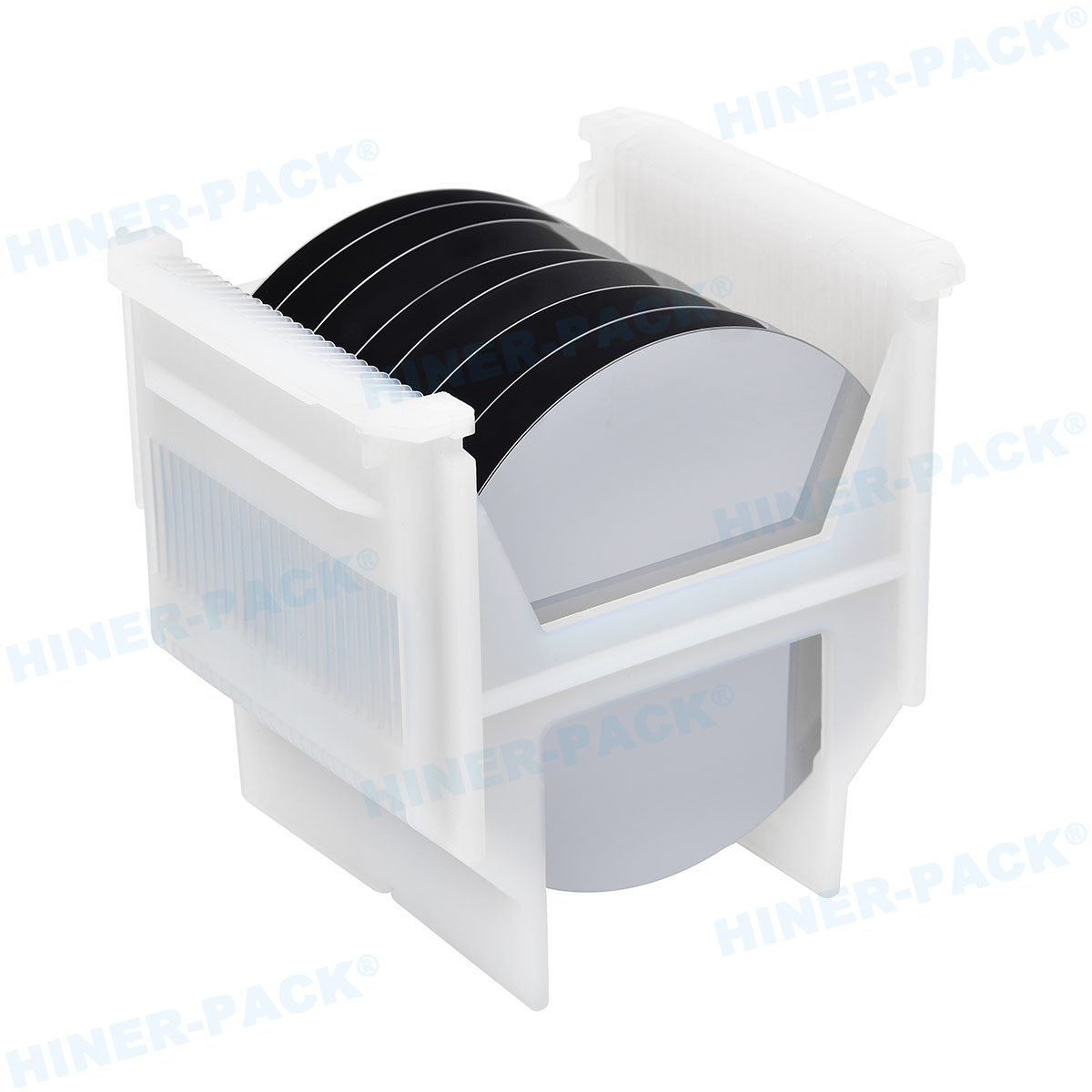
Every wafer canister factory must confront a fundamental physical reality: the FOUP or wafer carrier is not a passive box. It is an active microenvironment that interacts with the wafer surface through outgassing, triboelectric charging, and mechanical stress. For a 300mm wafer at the 5nm node, a single 50nm particle landing on a gate region can destroy an entire die. With over 800 dies per wafer, the statistical impact is immediate. A wafer canister factory that cannot guarantee <0.1 particles per liter per minute (p/cm³) at the 0.1μm size range is effectively setting a ceiling on the customer's achievable yield.
Yield loss from wafer handling falls into three distinct categories: particle-induced defects, scratch-induced junction leakage, and cross-contamination from residual chemicals. Each category traces back to decisions made during the canister design and molding phase. The inner surface roughness (Ra) of a carrier, for instance, is directly inherited from the mold steel finish and the injection parameters. A wafer canister factory that operates with Ra < 0.4μm on all wafer-contact surfaces reduces particle shedding by an order of magnitude compared to standard commercial grades. This is not a marginal improvement; it is the difference between a 92% and a 97% yield rate for a high-volume logic fab.
Material Science and Polymer Selection: Beyond Data Sheet Specifications
The polymer matrix used in injection molding directly governs the outgassing profile, electrostatic dissipation (ESD) behavior, and dimensional stability across temperature excursions. Most wafer canister factory operations rely on polycarbonate (PC) or polyphenylene ether (PPE) blends for their balance of stiffness and clarity. However, the base resin purity and the additive package—specifically the type and concentration of mold release agents, antioxidants, and antistatic agents—vary significantly between material grades.
Outgassing and Volatile Organic Compounds (VOCs)
At 150°C post-cure bake cycles, many commercial-grade polymers release cyclic oligomers and unreacted monomers. These VOCs condense on wafer surfaces during subsequent cool-down phases, forming molecular contamination that interferes with photoresist adhesion. A specialized wafer canister factory employs gas chromatography-mass spectrometry (GC-MS) as a routine batch-release test, not as an occasional validation. This ensures that the total outgassing mass (measured in ng/cm²) stays below the SEMI F57 specification threshold, which is 0.5 ng/cm² for critical applications. Without this level of material fingerprinting, even a pristine factory environment cannot rescue a carrier that slowly poisons its cargo.
Dimensional Stability and Warpage Control
The gate geometry of a FOUP—the interface that aligns the wafer to the robot end-effector—must maintain ±0.1mm positional accuracy after 500 thermal cycles from 20°C to 80°C. This requires not only high-quality mold steel but also a precisely controlled cooling channel design within the injection mold. A wafer canister factory that uses conformal cooling (3D-printed cooling lines) achieves more uniform shrinkage, thereby reducing warpage. Conversely, factories relying on conventional drilled cooling channels often produce carriers that exhibit bowing at the center, leading to wafer edge contact and subsequent micro-cracks. The relationship between cooling rate and crystallinity in semi-crystalline polymers is a parameter that separates commodity suppliers from true engineering partners.
Injection Molding Process Parameters: The Hidden Variability
While material selection sets the theoretical ceiling, the actual injection molding process determines whether that ceiling is reached. Four parameters require continuous closed-loop control:
Melt temperature uniformity – A variance of ±5°C across the nozzle creates differential viscosity, leading to flow marks and internal stress.
Injection speed profile – Multi-stage filling (slow-fast-slow) reduces shear-induced molecular orientation, which otherwise promotes stress cracking.
Pack and hold pressure – Insufficient hold pressure causes sink marks; excessive hold pressure raises residual stress, increasing the risk of stress corrosion when exposed to cleaning agents.
Cooling time and ejection temperature – Premature ejection distorts the part geometry, while extended cooling reduces cycle efficiency and increases per-part cost.
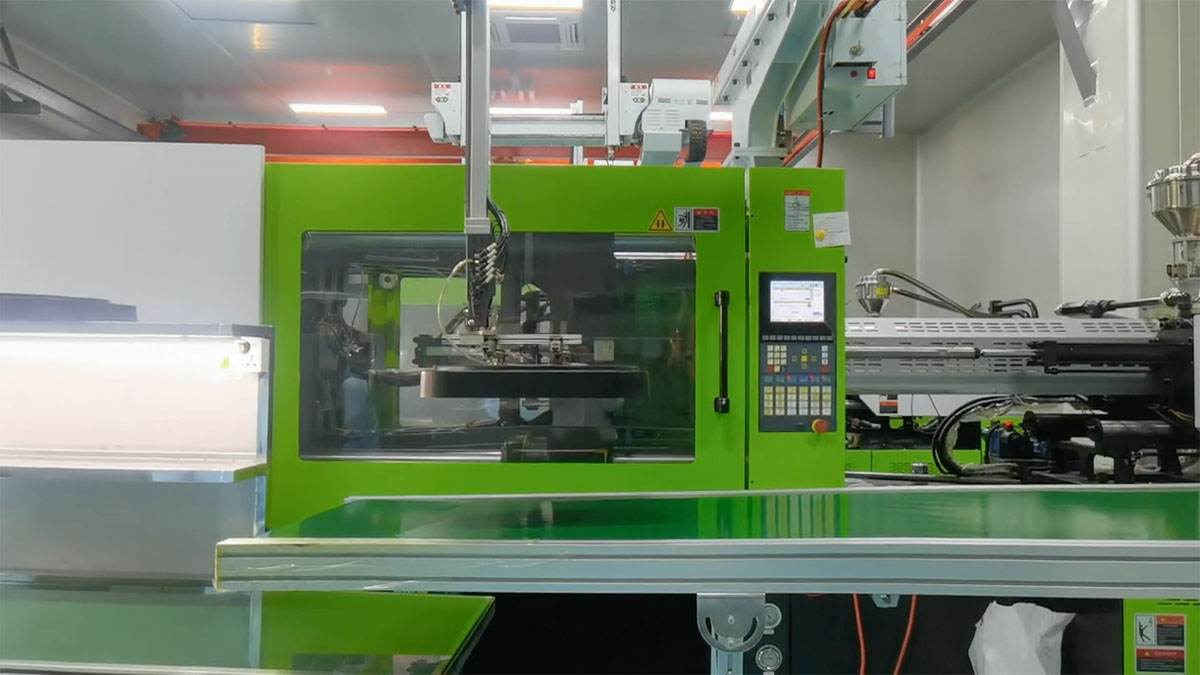
Leading wafer canister factory operations now integrate cavity pressure transducers and infrared thermal cameras to monitor each cycle in real time. Data from these sensors feeds into a statistical process control (SPC) system that automatically rejects any shot where the peak cavity pressure deviates by more than 2% from the setpoint. This level of process surveillance transforms the factory from a reactive inspection-based model to a proactive prevention-based model. The result is a coefficient of variation (CoV) for critical dimensions that stays below 0.5%, which is essential for carriers used in automated material handling systems (AMHS).
Cleanroom Classification and Operational Protocols
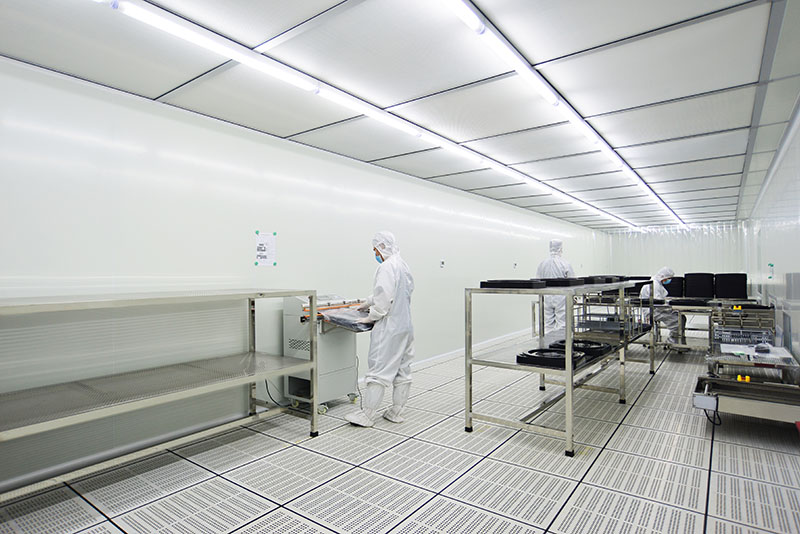
Assembly, packaging, and final inspection of wafer carriers must occur in an environment that mirrors the customer's fab, not merely a "clean" room. For 300mm carriers destined for 5nm fabs, the wafer canister factory should maintain ISO Class 4 (or better) for all post-molding operations. However, the classification alone is insufficient; the air flow pattern, material of construction for walls and ceilings, and gowning protocols for personnel are equally critical. A common oversight is the use of standard nylon gloves, which shed fibers at a rate of 10,000 particles per minute. Switching to 100% cleanroom-grade nitrile gloves reduces this by 95%.
Another frequently neglected aspect is the deionized water (DIW) rinsing station used for final cleaning. DIW resistivity must be consistently above 18.2 MΩ·cm, with total organic carbon (TOC) below 10 ppb. If the wafer canister factory cannot provide continuous monitoring logs for these parameters, the "clean" label is essentially cosmetic. For advanced packaging applications such as fan-out wafer-level packaging (FOWLP), where the wafer undergoes multiple handling steps, the cumulative contamination risk compounds. A carrier that introduces 5 particles per handling step over 10 steps introduces 50 particles—enough to impact the final module yield significantly.
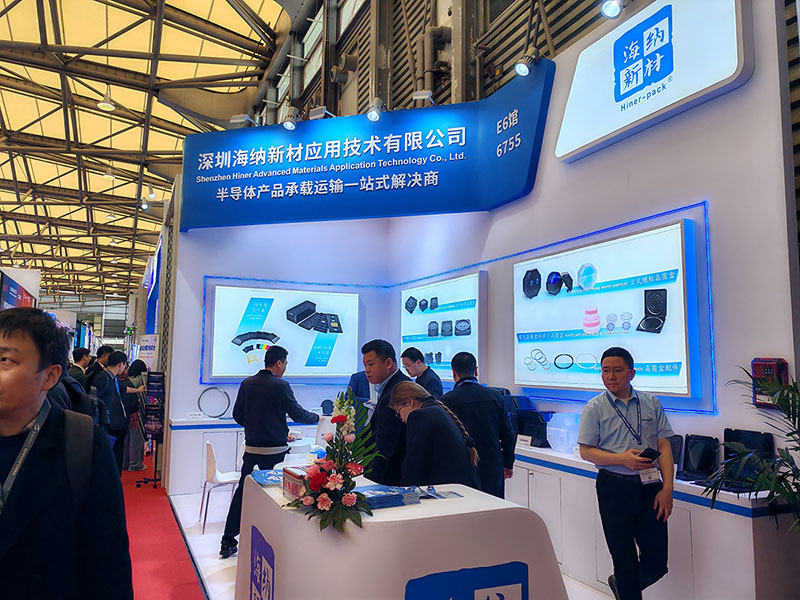
Hiner-pack has integrated these principles into its manufacturing workflow, combining real-time SPC with batch-level material fingerprinting. The approach reduces the variance between production lots to a level where customers can predict carrier performance without re-qualifying each shipment. This consistency is particularly valuable for multi-site fabs that need interchangeable carriers across different geographic locations.
Dimensional Metrology and Surface Quality Assurance
Beyond the basic pass/fail criteria, a comprehensive quality system for a wafer canister factory includes five layers of inspection:
Coordinate Measuring Machine (CMM) – for absolute dimension verification of the wafer support ribs and alignment pins, with a measurement uncertainty of ±1.5μm.
White-light interferometry – for surface roughness mapping across the entire wafer-contact area, ensuring Ra and Rz values remain within specified bands.
Microscopic particle count – using automated optical inspection (AOI) to detect embedded contaminants that might have been trapped during molding.
Dynamic mechanical analysis (DMA) – to verify that the storage modulus (E') and glass transition temperature (Tg) have not been compromised by process deviations.
Outgassing testing via thermal desorption – using GC-MS to quantify VOC and siloxane emissions at 150°C for 60 minutes.
Each of these tests generates a data package that accompanies every shipment. For B2B buyers, this documentation transforms the carrier from a commodity into a traceable, validated component of their process. The ability to correlate a specific production batch with a specific manufacturing date, mold cavity, and raw material lot is the foundation of root-cause analysis when downstream issues arise. Without this traceability, the wafer canister factory cannot claim to be a partner in the customer's quality journey; it remains a potential source of unexplained variability.
Hiner-pack maintains a fully digitalized quality management system where every measurement is timestamped and linked to the individual carrier serial number. This approach enables customers to perform statistical correlation between carrier batch numbers and fab-level yield data, closing the loop between container performance and product output. A similar level of data integration is now expected by major IDMs (Integrated Device Manufacturers) when they qualify new suppliers.
Application-Specific Requirements: Logic, Memory, and Power Devices
The requirements for a wafer canister factory vary significantly across device types. For logic nodes below 7nm, the primary concern is atomic-level contamination and ESD damage to high-κ metal gates. For 3D NAND memory, where the wafer stack reaches 200+ layers, mechanical stress from carrier clamping forces becomes a yield limiter. The clamping force must be precisely controlled to avoid delamination of the thin film stack. For power devices (IGBTs, SiC MOSFETs), the carrier must withstand higher temperature excursions during handling, requiring polymers with Tg above 180°C.
A versatile wafer canister factory must offer multiple material grades and geometric configurations. Some customers require carriers with extra grounding contacts to dissipate static charge; others need special slots for warped wafers (bow and warp compensation). The factory's ability to accommodate these modifications without a complete re-tooling cycle is a key differentiator. This modularity extends to the carrier's interlock features, which must be compatible with various AMHS brands (Murata, Daifuku, SMC). Interchangeability is not guaranteed by the SEMI standard alone; subtle differences in latch geometry can cause misalignment and jamming.
Hiner-pack offers a portfolio that addresses these distinct application families, with documented performance data for each variant. The engineering team works with customers to map their specific handling sequence and environmental conditions, then recommends the appropriate material and surface treatment combination. This consultative approach reduces the qualification time for new carriers from six months to under eight weeks.
Evaluating a Wafer Canister Factory: Technical Criteria for Procurement
For procurement and engineering managers, the selection process should move beyond the commercial quote and focus on five technical pillars:
In-house material testing capability – Does the factory operate its own FTIR, DSC, and TGA equipment, or does it rely on external labs with week-long turnaround times?
Mold maintenance schedule – A documented schedule for mold polishing and steel re-certification, with records of each maintenance cycle, indicates operational discipline.
Batch-to-batch consistency data – Requesting CpK values for critical dimensions across at least 20 consecutive batches reveals the true process capability.
Cleanroom particle count trends – Not just the ISO class, but the trend of particle counts over the past 12 months, showing whether the environment is stable or deteriorating.
Response time for failure analysis – When a customer reports an issue, the factory's ability to rapidly section a returned carrier and analyze the failure mode is a measure of technical depth.
These criteria are deliberately weighted toward process stability rather than peak performance. A wafer canister factory that delivers a perfect prototype but cannot replicate that perfection across 10,000 units per month is of limited value to a high-volume fab. Consistency, traceability, and transparency form the bedrock of a reliable supply chain. The factory's quality manual should be a living document, updated with each new customer requirement and each process improvement, not a static binder gathering dust on a shelf.
Frequently Asked Questions
Q1: What distinguishes a premium wafer canister factory from a
standard injection molding shop?
A1: A premium facility maintains
ISO Class 4 cleanroom assembly, conducts real-time SPC on every shot, performs
GC-MS outgassing tests on each batch, and offers full dimensional CMM reporting.
Standard shops typically lack the cleanroom, the analytical instruments, and the
lot-level traceability required for advanced nodes.
Q2: How often should a wafer carrier be requalified after initial
approval?
A2: Requalification should occur after any material
change, mold maintenance event, or facility modification. For continuous
production without changes, a statistical sampling plan (e.g., AQL 0.65) with
periodic full-test batches (every 1000 units) is a common industry practice.
Q3: Can a wafer canister factory modify an existing carrier design
for a custom application?
A3: Yes, but modifications require steel
modification or new inserts, which involve lead times and costs. The better
approach is to select a factory with a modular platform that allows changes to
contact pads, grounding clips, or airflow slots without a full mold rebuild.
Q4: What is the acceptable particle level for a FOUP used in a 5nm
fab?
A4: For 5nm and below, the accepted industry benchmark is
<0.01 particles per liter per minute (p/cm³) at 0.1μm, measured under dynamic
conditions (simulating robot handling). This is significantly tighter than the
0.1 p/cm³ typical for 28nm nodes.
Q5: How does the factory's geographic location affect carrier
quality?
A5: Proximity to the customer fab reduces shipping time and
vibration exposure, but quality depends primarily on the factory's internal
protocols. A well-managed facility in any region can produce equivalent quality,
provided it adheres to the same material and process standards.
Q6: What documentation should a wafer canister factory provide with
each shipment?
A6: Each shipment should include a certificate of
conformance, a CMM report for critical dimensions, an outgassing test summary, a
particle count report, and a material lot traceability document. This package
enables the customer's incoming quality control to verify compliance without
redundant testing.
Q7: Are there alternative materials to polycarbonate for wafer
carriers?
A7: Yes. For high-temperature applications,
polyetheretherketone (PEEK) or liquid crystal polymer (LCP) offer superior
thermal stability but at substantially higher cost and with different outgassing
profiles. The choice depends on the specific process temperature and chemical
resistance required.
For detailed specifications, process capability data, or to discuss a custom carrier design, contact the engineering team at Hiner-pack for a technical consultation. Request a comprehensive data package that includes material characterization, dimensional stability reports, and particle performance metrics for your specific wafer type and process node.
Inquiry: Request a Wafer Carrier Technical Data Sheet and Sample Evaluation Kit