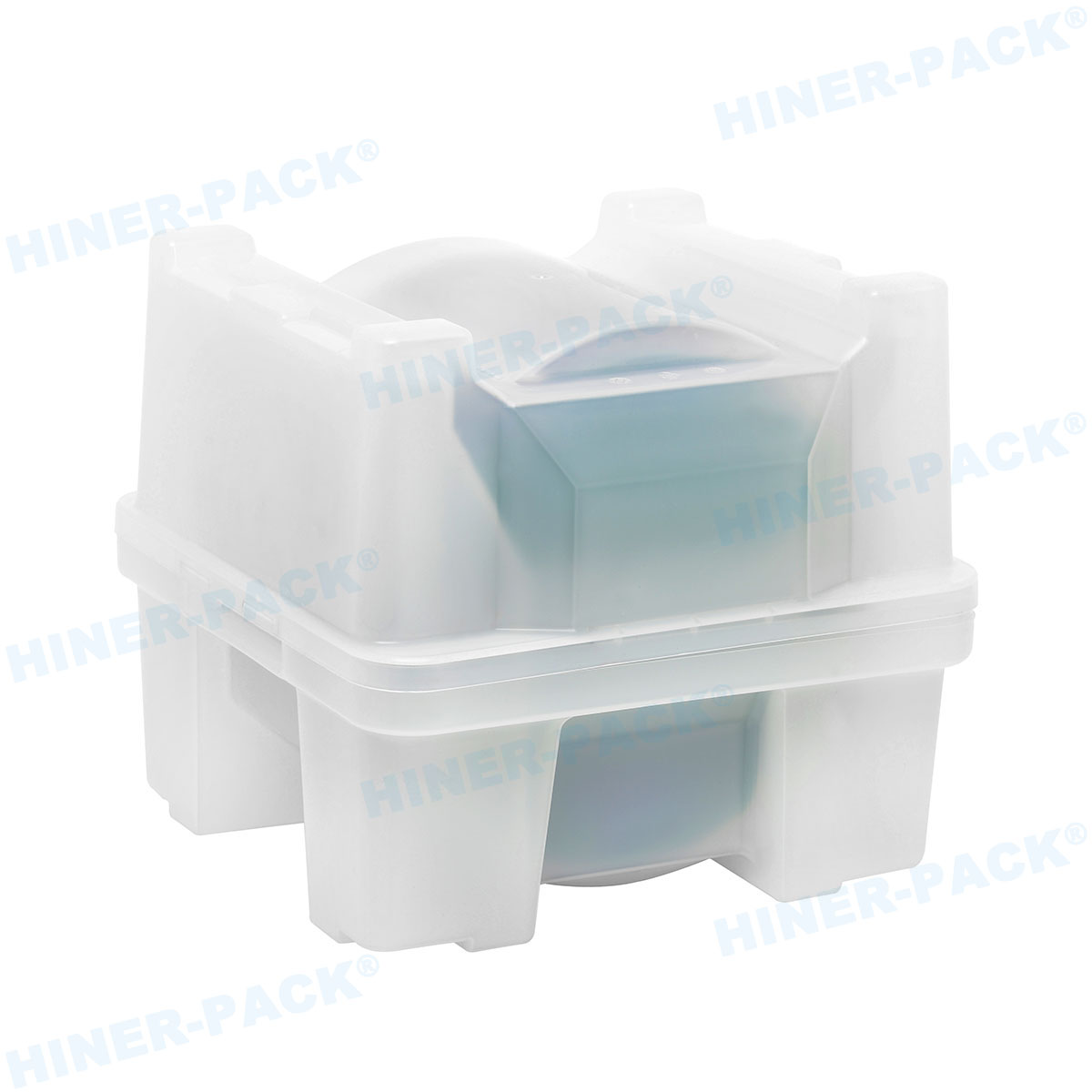
Stopping the Shakes: How We Prevent Wafer Cracking
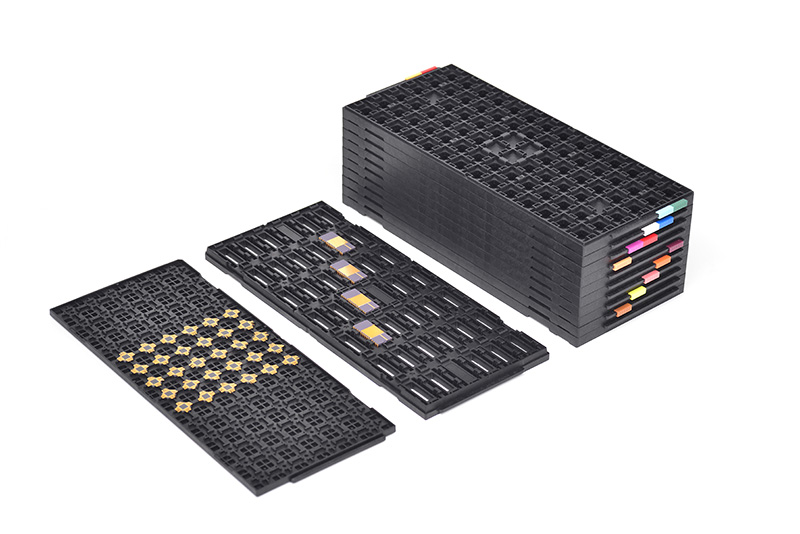
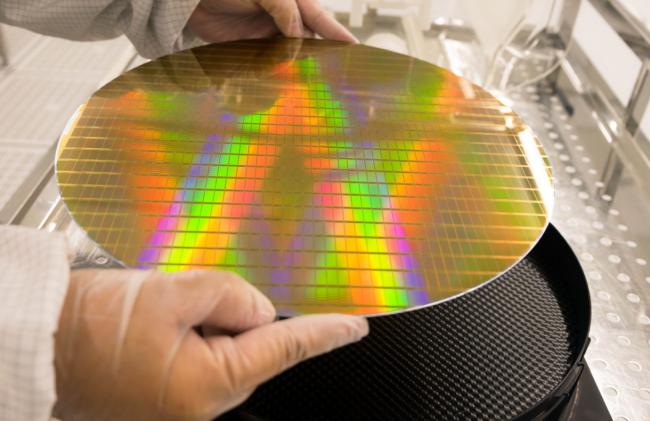
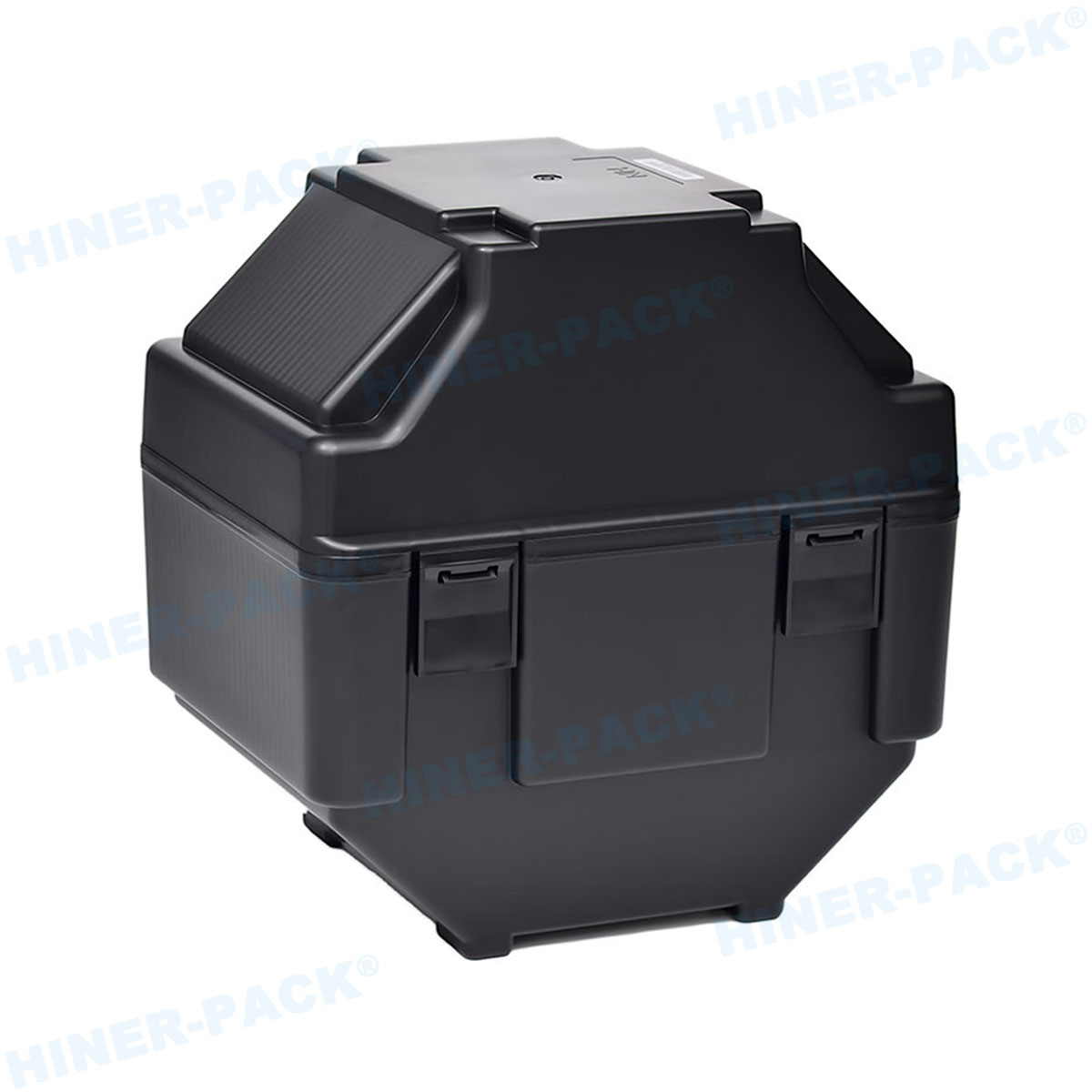
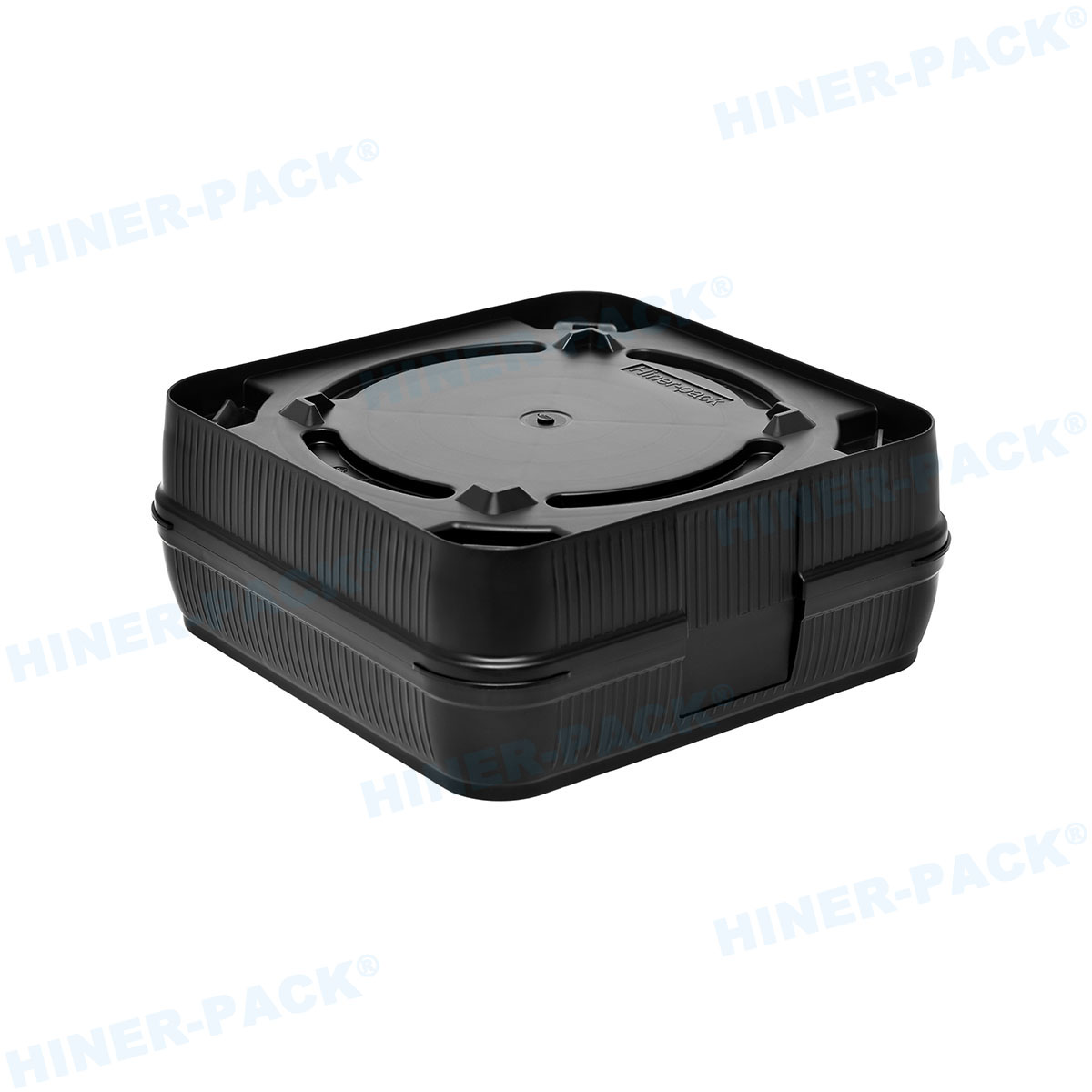
When wafers travel across the globe by air or truck, they face constant vibrations. These aren't just bumps; they are high-frequency shakes that can cause the edges of a wafer to chip or tiny cracks to form. To solve this, a well-designed shipping box acts like a shock absorber. By engineering the internal "teeth" and support structures to a specific flexibility, we can make sure the vibration from the plane or truck doesn't reach the fragile silicon. This keeps even the thinnest wafers safe from structural damage during their long journey.
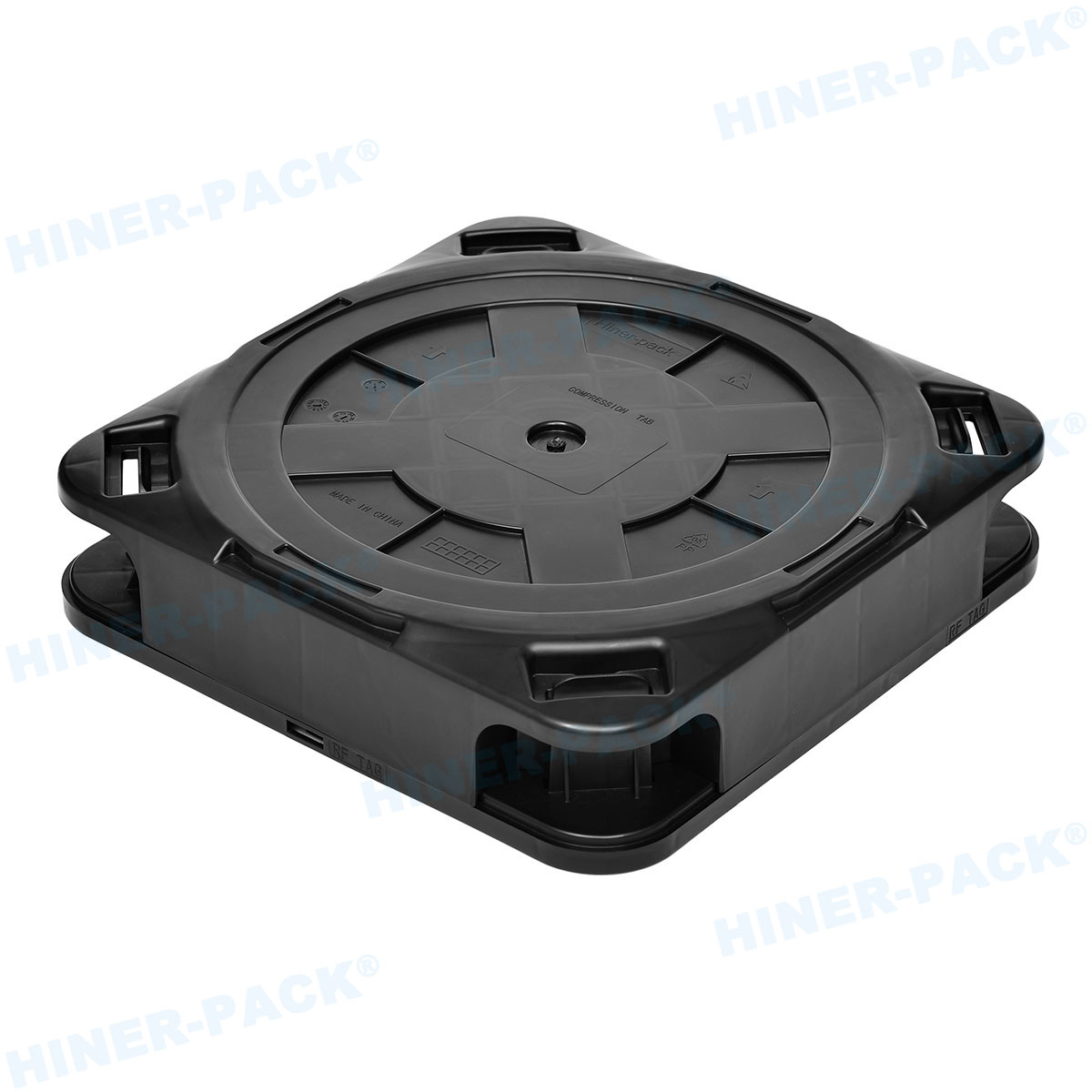
Static Electricity: The Invisible Chip Killer
Static electricity is a major threat to chips. As a wafer moves slightly inside its slot during transport, it creates friction, which builds up static charge. If the box is made of cheap plastic, this charge can zap the wafer and melt its tiny circuits. Professional wafer boxes feature a rugged, engineering-grade polymer construction that has been anti‑statically modified (e.g., with carbon nanotubes, carbon black, or using IDP technology). This means the anti-static property is built into the material itself, not just coated on the surface. It allows static charges to bleed off safely and steadily, preventing sudden sparks that could ruin an entire batch of chips.
Fighting "Outgassing": Keeping Surfaces Clean
For modern, high-end chips, even an invisible film of chemicals can cause big problems. Lower-quality plastics often release gases (a process called "outgassing") when they are in the low-pressure environment of an airplane cargo hold. These gases can settle on the wafer’s surface, making it hard for wires to bond to the chip later in the factory. High-reliability shippers are made from ultra-pure resins that are tested in vacuums to make sure they don't release any harmful vapors, keeping the chip surfaces pristine and ready for assembly.
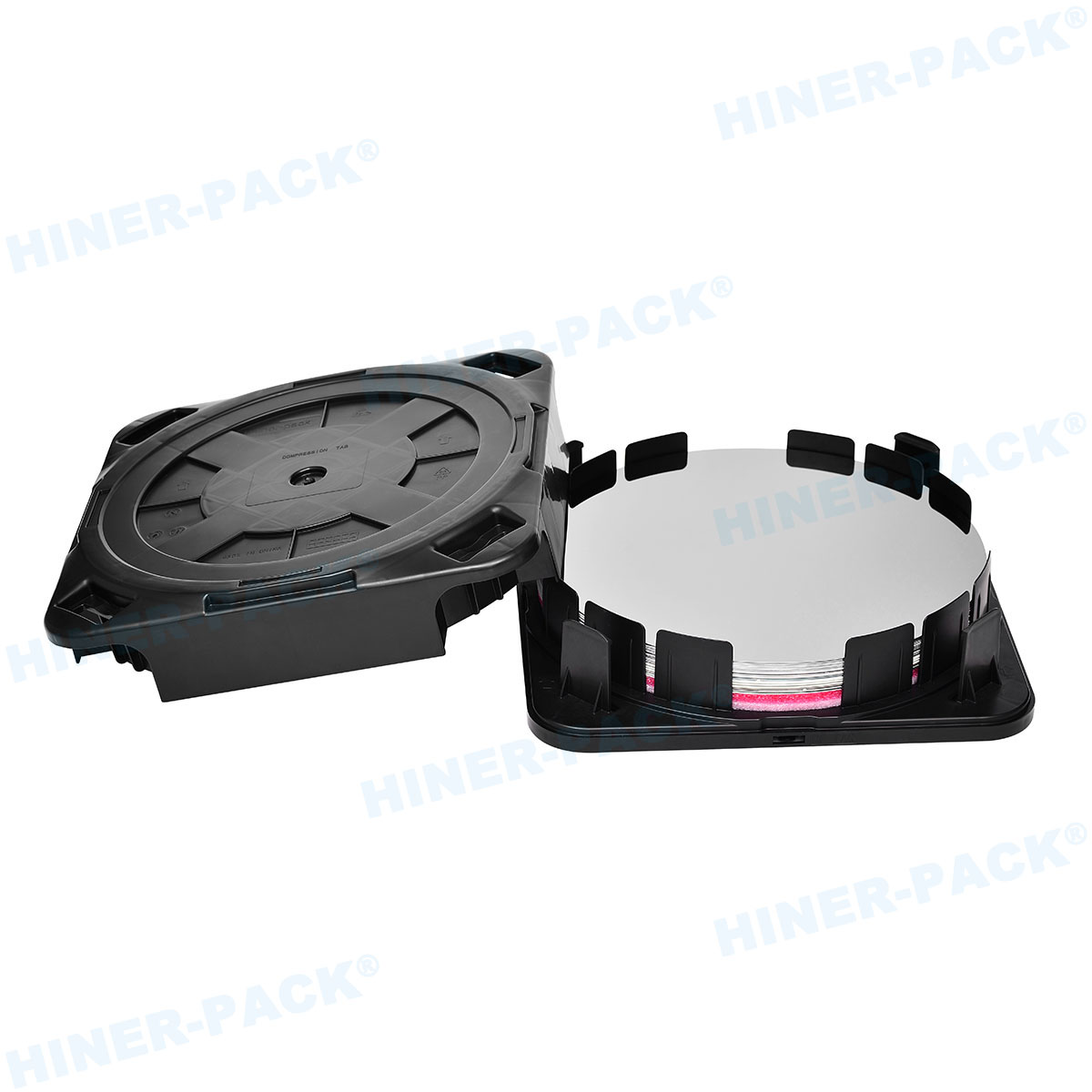
Special Care for New Materials (SiC and GaN)
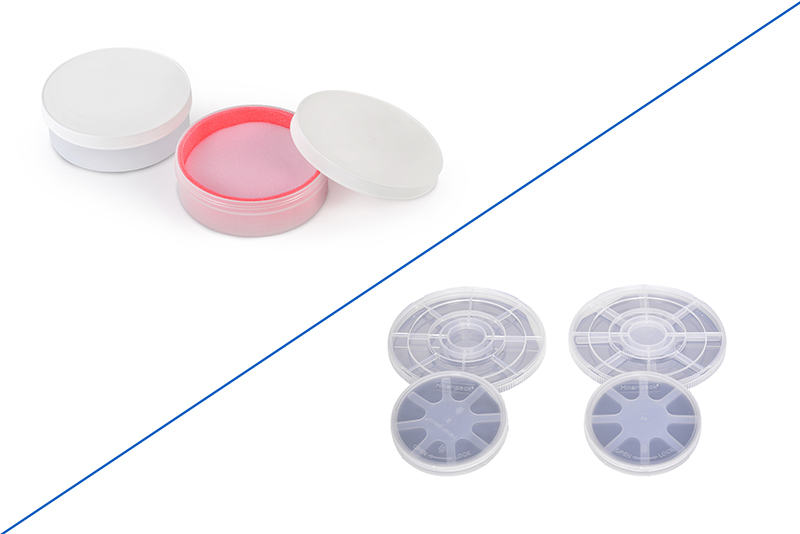
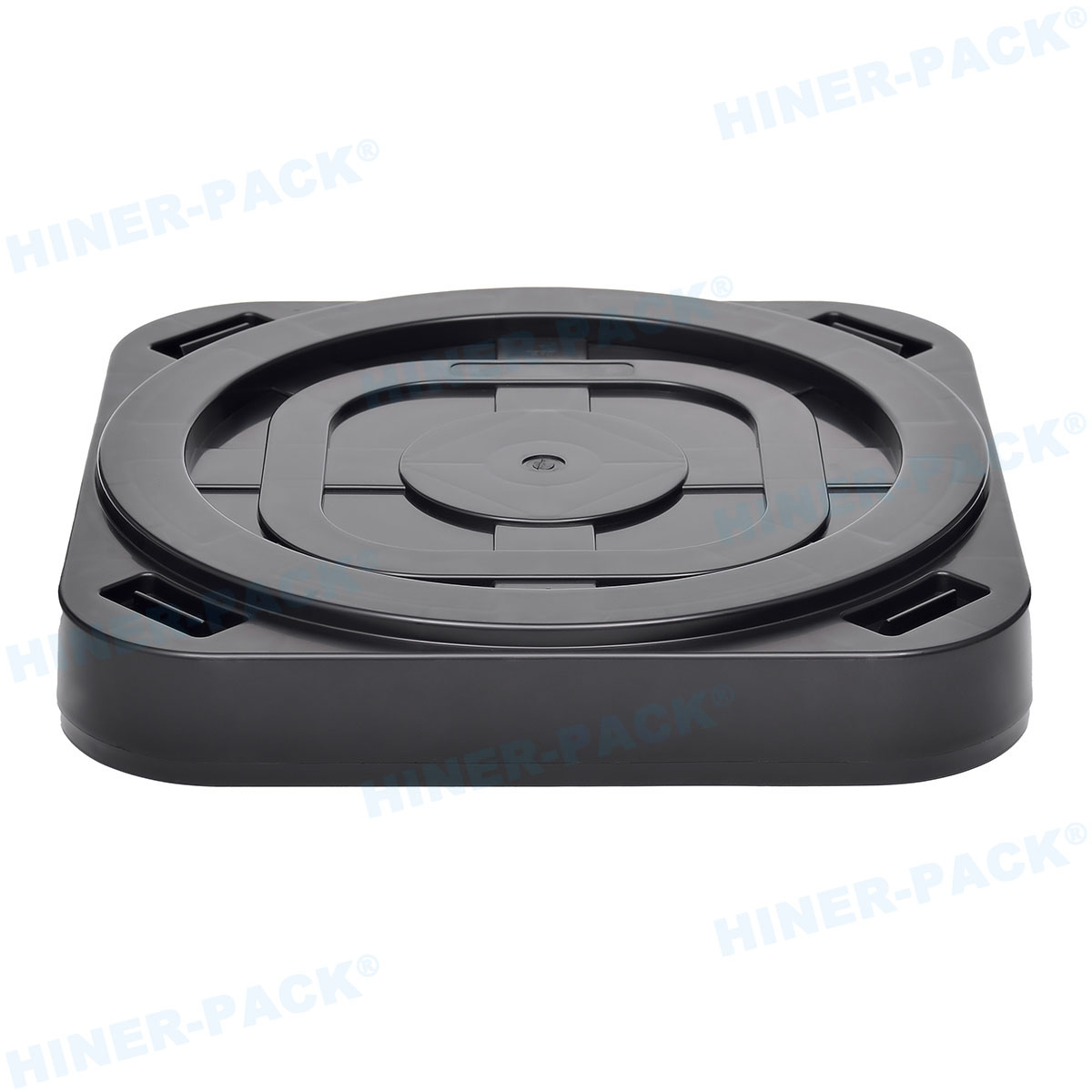
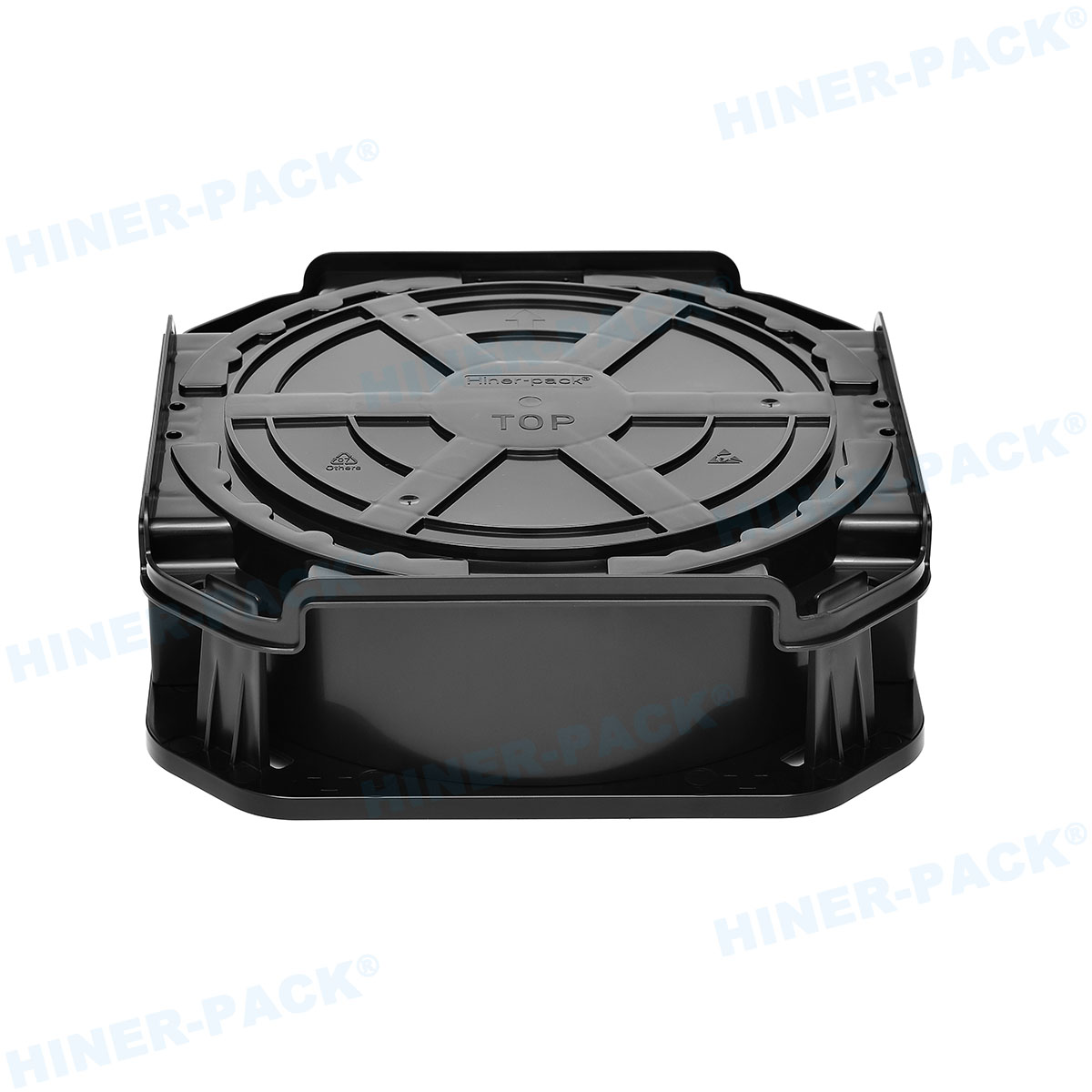
Newer types of wafers, like Silicon Carbide (SiC) used in electric vehicles, are much heavier and more brittle than standard silicon. If you put these heavy wafers in a standard box, the weight alone can break the box or the wafers if it's dropped. Engineering for these materials requires extra-strong locking mechanisms and special "spider" lids that apply just the right amount of pressure. This keeps the heavy stack firmly in place without putting too much stress on the brittle edges, providing the specific protection these high-value materials need.
Shipping wafers safely is about more than just a plastic box; it’s about controlling vibration, static, and chemical purity. By focusing on these engineering details, professional shipping systems ensure that your technology arrives exactly as it left the factory—ready to be turned into the next generation of electronics.