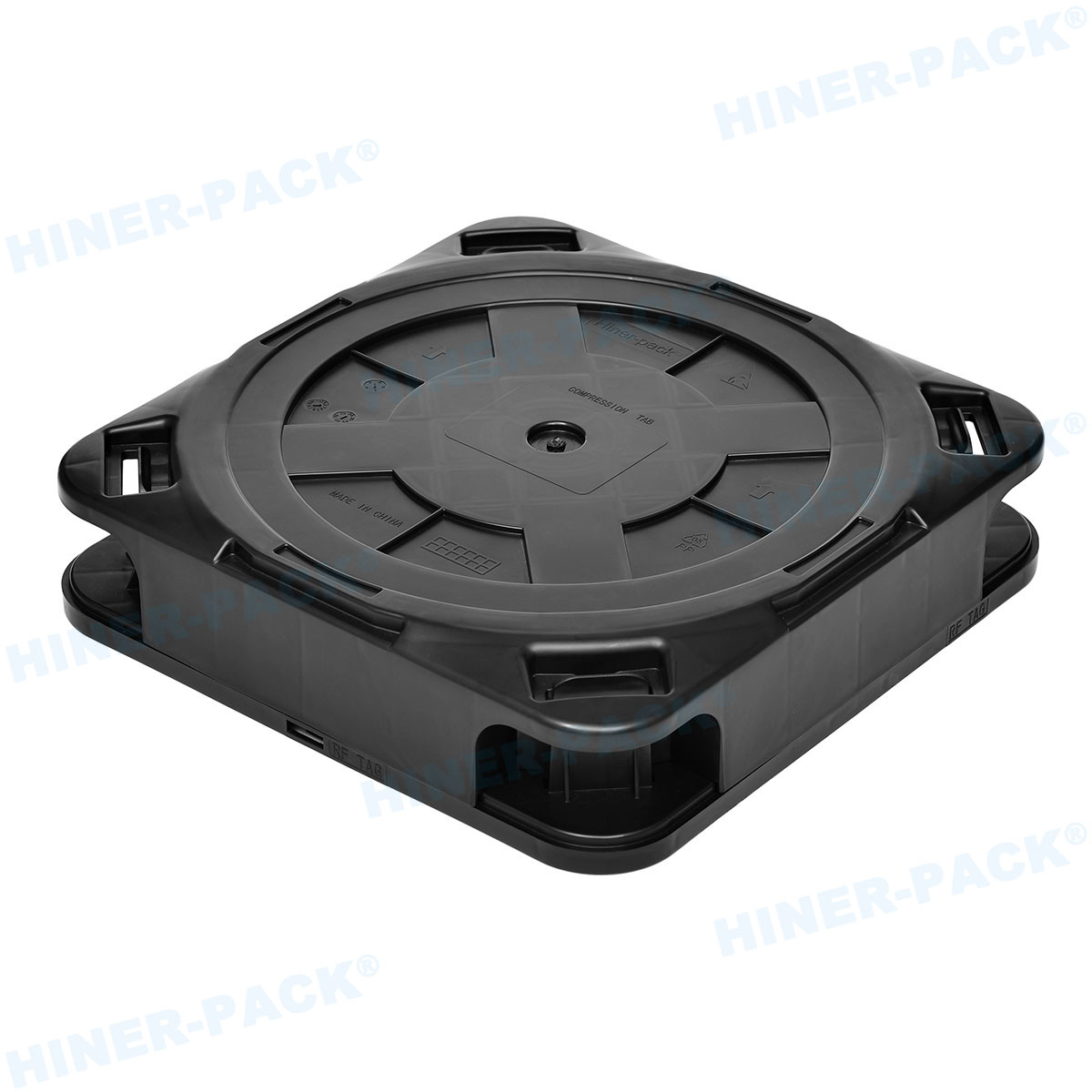
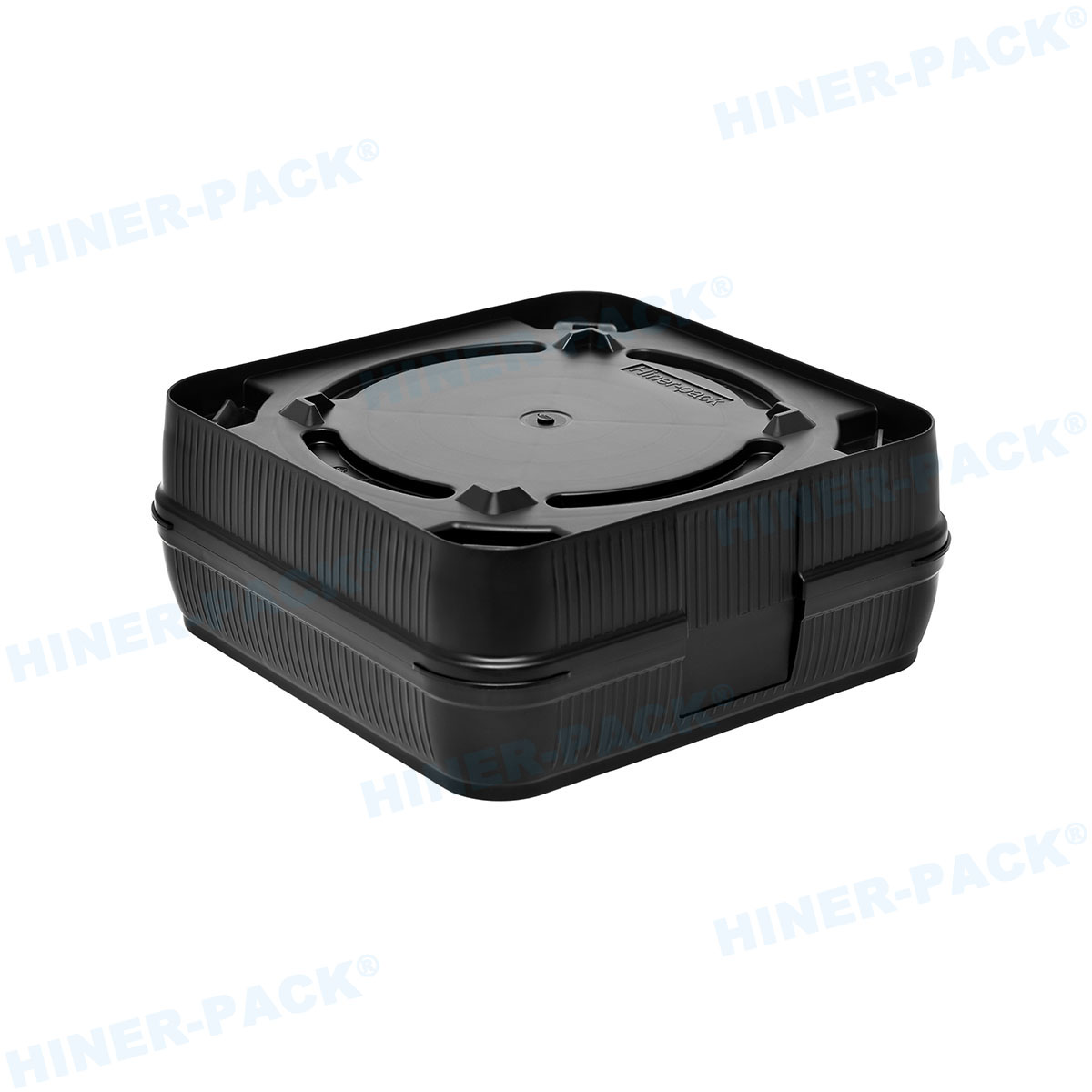
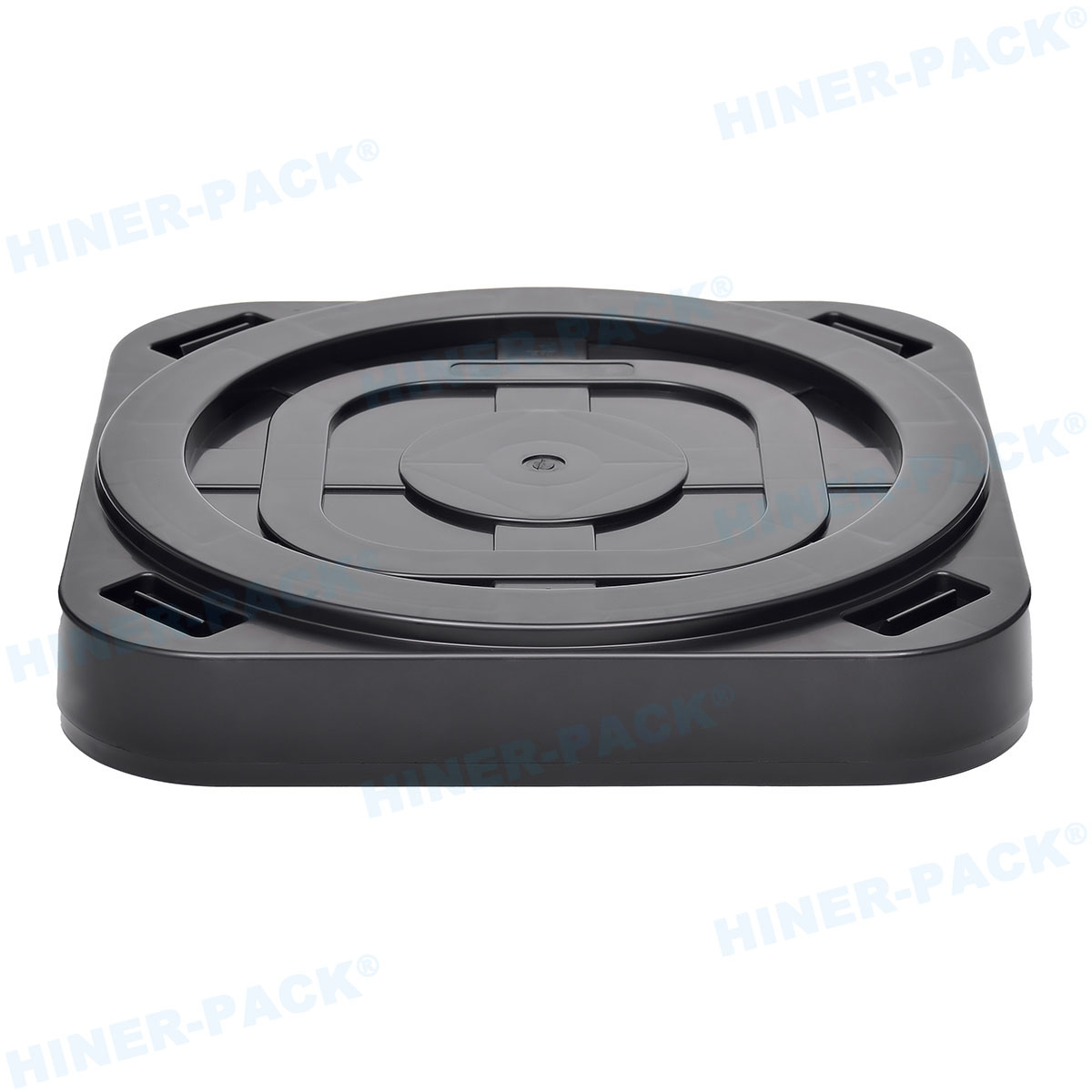
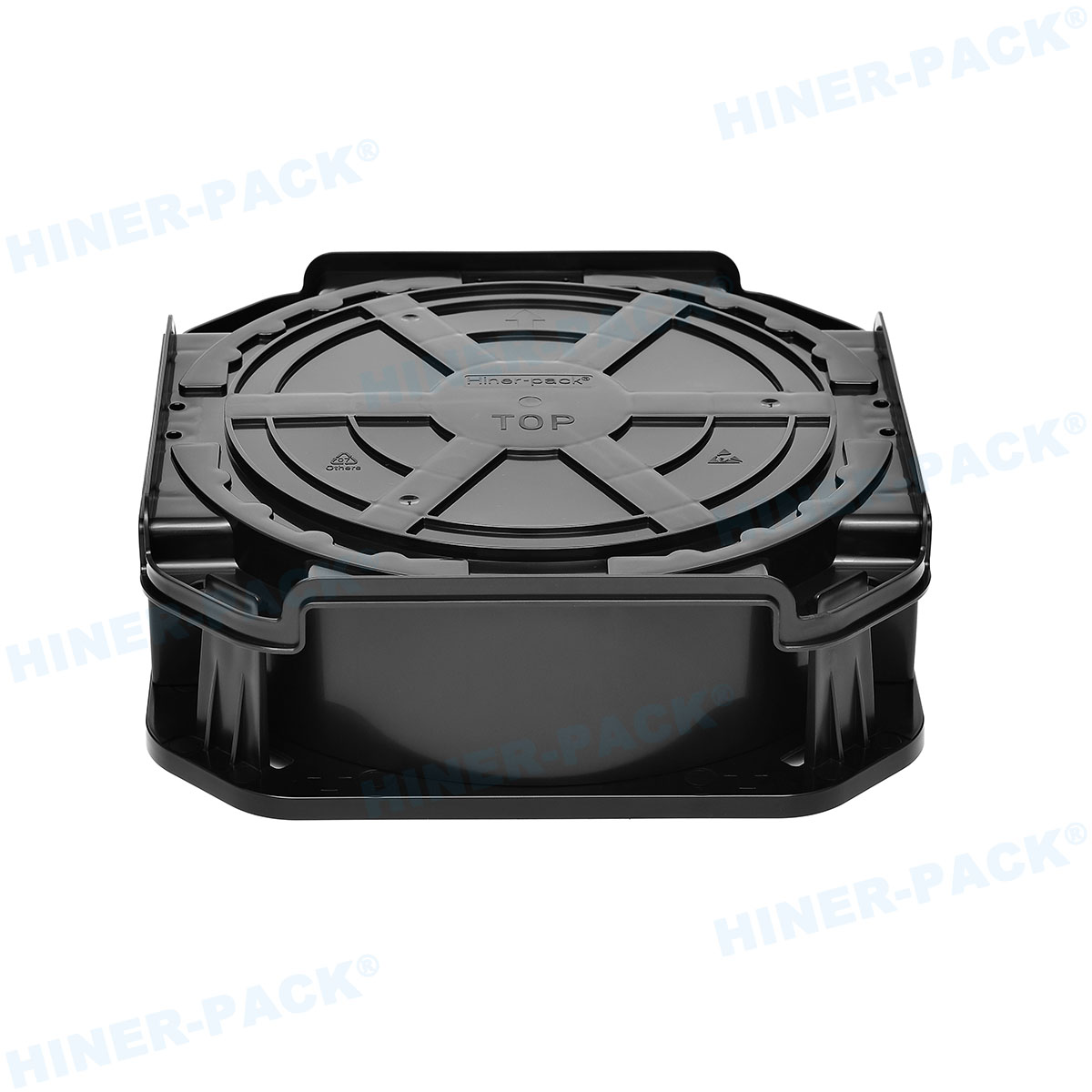
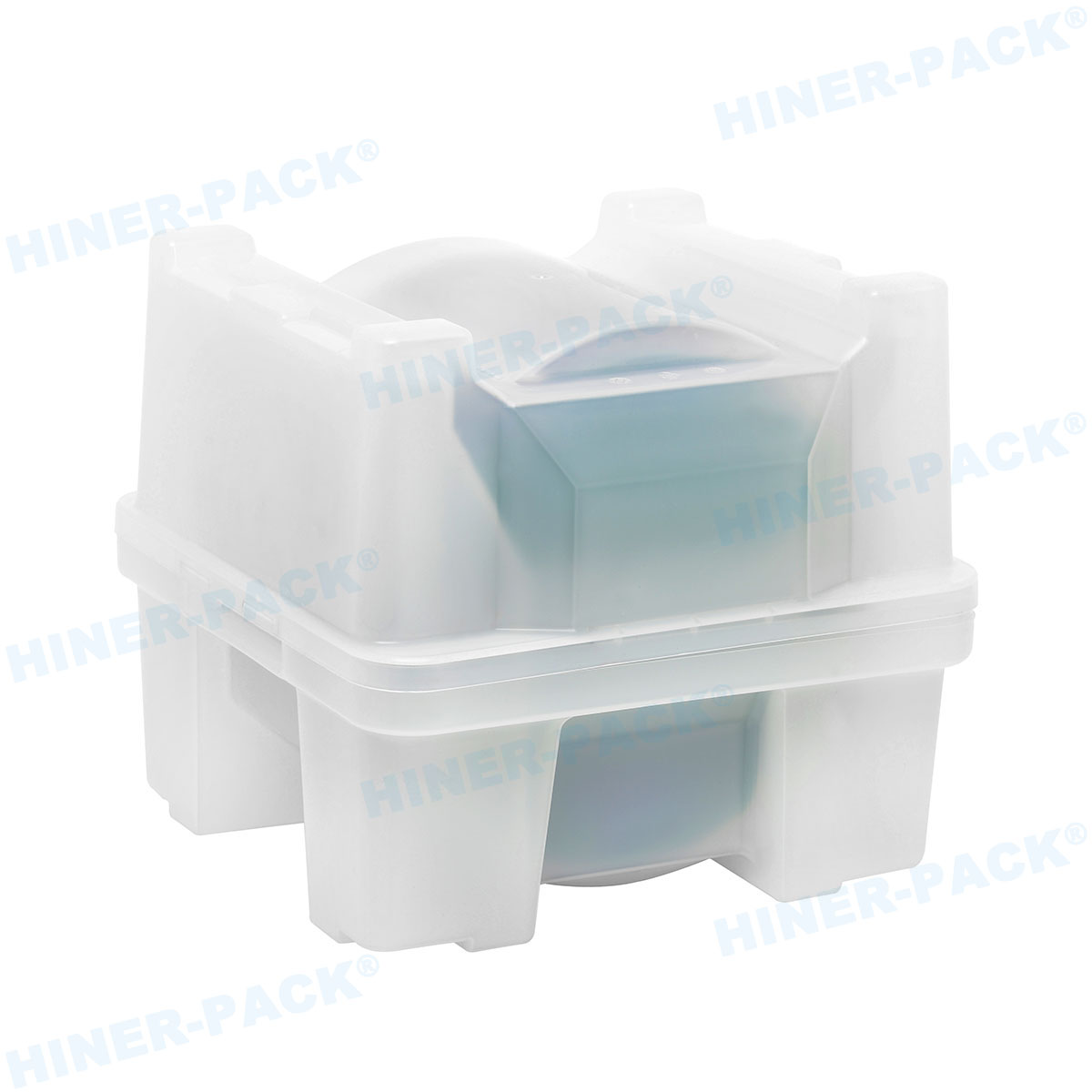
For semiconductor manufacturing teams, three distinct perspectives often emerge when assessing wafer canister suppliers: the technical parameter checklist (Top 5 Technical Parameters That Define a High-Performance Wafer Canister Manufacturer), the differentiation question (What Distinguishes a Premium Wafer Canister Manufacturer from Standard Suppliers?), and the yield impact consideration (Achieving Contamination-Free Transport: The Wafer Canister Manufacturer's Impact on Yield). This examination addresses all three through a detailed technical lens, focusing on material science, precision engineering, and contamination control—the pillars that separate commodity suppliers from true partners in semiconductor production.
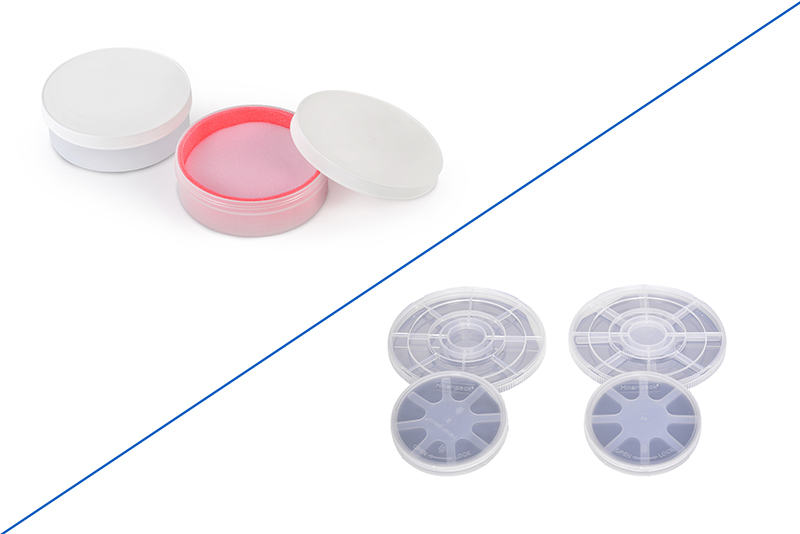
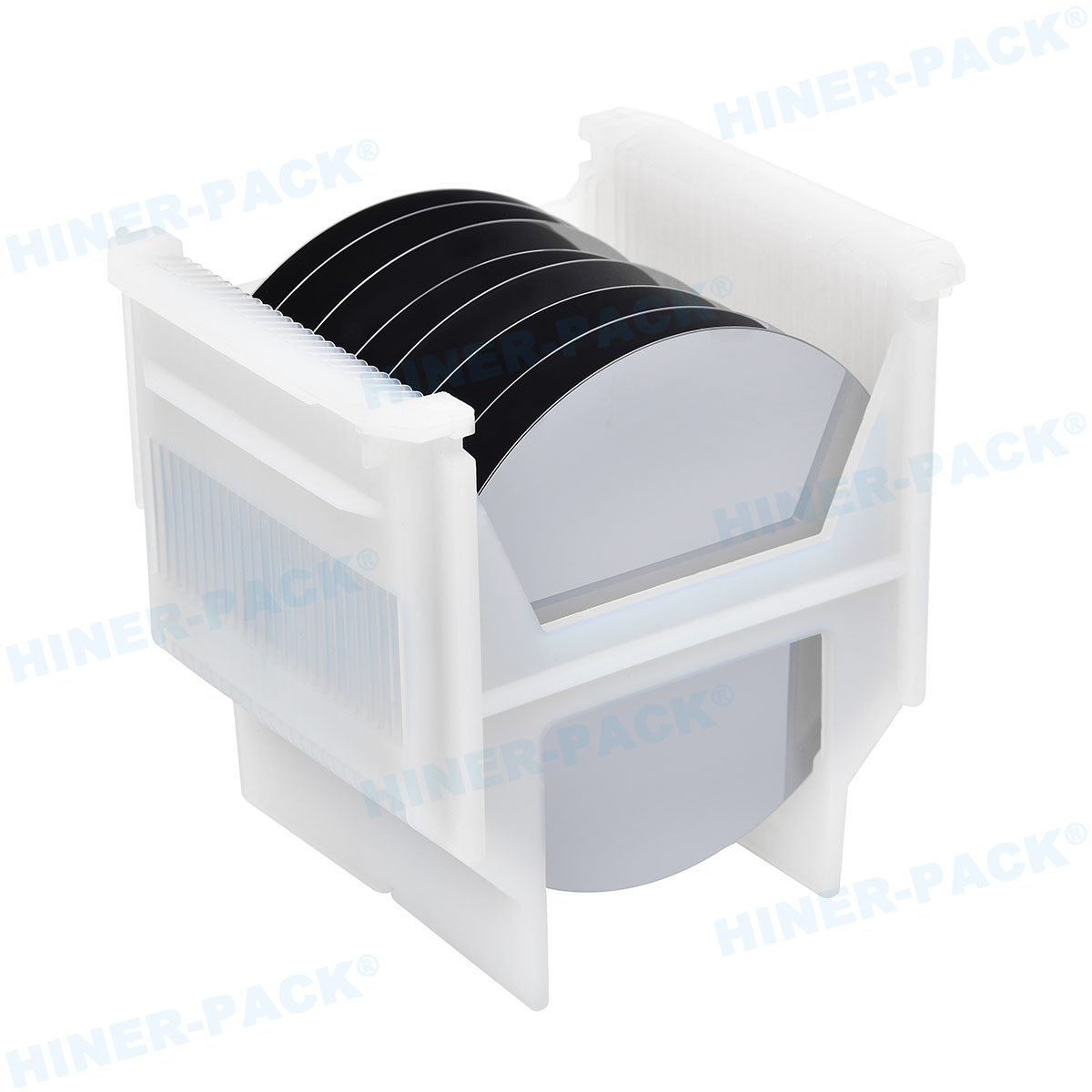
The selection of a wafer canister manufacturer directly influences front-end and back-end yield rates, particularly as device geometries shrink and packaging architectures become more complex. A wafer canister—often referred to as a wafer carrier or shipping box—serves as the primary protective enclosure for silicon wafers during storage, inter-facility transport, and tool load/unload operations. Beyond simple mechanical protection, modern canisters must maintain stringent environmental conditions, minimize particle generation, and ensure electrostatic discharge (ESD) safety. Companies like Hiner-pack have established specialized production lines addressing these multilayer requirements, integrating cleanroom molding, precision metrology, and lot-traceable quality systems.
This article systematically examines the technical attributes that define a high-caliber wafer canister manufacturer, from polymer chemistry and mold design to cleanroom protocols and supply-chain quality assurance. Each section builds upon the preceding one, creating a comprehensive framework for technical evaluation.
Material Science as the Foundation of a Wafer Canister Manufacturer's Offering
The material selection process represents the first and most consequential decision a wafer canister manufacturer makes. Polymers used in wafer canisters must satisfy a demanding set of physical, chemical, and electrical properties simultaneously—a combination rarely found in off-the-shelf engineering plastics.
Polymer Selection Criteria
High-performance wafer canisters typically employ semi-crystalline thermoplastics such as polyetheretherketone (PEEK), polyetherimide (PEI), polyphenylene sulfide (PPS), or polycarbonate (PC). Each polymer family offers distinct trade-offs:
PEEK provides exceptional thermal stability (continuous use up to 260°C), chemical resistance, and mechanical strength, making it suitable for high-temperature processes and aggressive cleaning agents.
PEI offers excellent dimensional stability and inherent flame retardance, with glass transition temperatures around 217°C, well suited for automated handling systems requiring repeated thermal cycling.
PPS delivers outstanding chemical resistance and low moisture absorption, particularly valuable in wet processing environments where hydrolysis resistance is paramount.
PC provides optical clarity and good impact resistance at a lower cost point, though its use is typically restricted to less demanding applications or single-use scenarios.
The choice of base polymer directly affects the canister's ability to maintain wafer flatness, resist creep under stacked loads, and survive repeated autoclave or vapor-phase sterilization cycles. A competent wafer canister manufacturer conducts extensive material characterization, including differential scanning calorimetry (DSC), thermogravimetric analysis (TGA), and dynamic mechanical analysis (DMA), to validate material performance across the intended operational temperature range.
Antistatic Properties and Surface Resistivity
Wafer damage from electrostatic discharge (ESD) remains one of the most common yet preventable failure modes in semiconductor handling. The wafer canister manufacturer must engineer surface resistivity within the range of 106 to 1011 Ω/sq—sufficiently conductive to dissipate static charges without being so conductive as to create shorting paths. This is achieved through either:
Intrinsic dissipative polymers that incorporate conductive fillers (carbon nanotubes, graphene, or metal-coated particles) uniformly distributed throughout the resin matrix.
Surface coatings or additives applied during molding or as a post-process treatment, though these can introduce contamination risks and wear-related degradation over time.
The more sophisticated approach involves compounding custom masterbatches with precisely controlled filler loadings, ensuring consistent dissipation performance across all canister walls and features. A reputable wafer canister manufacturer validates ESD performance through surface resistivity measurements per ASTM D257 and static decay testing per ANSI/ESD S11.11, providing batch-level certification data to customers.
Outgassing and Extractables Control
Volatile organic compounds (VOCs) and ionic extractables released from canister materials can condense onto wafer surfaces, forming haze, organic contamination, or corrosion sites that degrade device performance. The wafer canister manufacturer addresses this through:
Selection of low-outgassing grades of base polymers, often certified to NASA low-outgassing specifications (ASTM E595).
Optimization of molding parameters (melt temperature, residence time, injection pressure) to minimize polymer degradation and additive decomposition.
Post-molding extraction processes, such as supercritical CO2 cleaning or ultrasonic rinsing in deionized water, to remove residual monomers, oligomers, and processing aids.
Analytical verification using gas chromatography-mass spectrometry (GC-MS) and ion chromatography (IC) provides quantitative data on outgassing species and extractable ion levels, enabling the wafer canister manufacturer to certify cleanliness to ISO 14644-1 Class 3 or better standards.
Precision Engineering in Wafer Canister Design
Material properties alone cannot guarantee wafer protection; the geometric design and manufacturing precision of the canister are equally critical. Engineering decisions made by the wafer canister manufacturer influence everything from robotic handling reliability to stack density in automated storage systems.
Dimensional Tolerances and Automation Compatibility
Modern semiconductor fabs operate with fully automated material handling systems (AMHS) that transfer wafer canisters between process tools, stockers, and load ports. These systems rely on precise kinematic coupling between the canister and end-effectors, requiring:
Critical dimensions (outer profile, handle geometry, and alignment features) held to tolerances of ±0.1 mm or better.
Flatness of the wafer support surface within 0.05 mm across the entire wafer-contact area to prevent wafer warpage.
Consistent centerline and orientation key positions to ensure repeatable engagement with tool load ports.
A premium wafer canister manufacturer employs multi-axis coordinate measuring machines (CMM) and optical comparators for 100% inspection of critical features, with statistical process control (SPC) charting to detect dimensional drift early. This level of precision enables seamless integration with both legacy 200 mm and next-generation 300 mm and 450 mm handling platforms.
Sealing Mechanisms and Environmental Isolation
Wafer canisters must maintain a controlled internal environment—typically dry nitrogen purge or clean dry air—to prevent oxidation, moisture adsorption, and particle ingress. The sealing system comprises:
An elastomeric gasket or O-ring seated in a precisely machined groove on the canister body or lid.
A clamping or latching mechanism that applies uniform compressive force around the seal perimeter.
Optional pressure-relief or purge ports for active gas flow during storage.
The wafer canister manufacturer must balance seal compression against ease of opening, ensuring that automated or manual operators can access wafers without excessive force that could generate particles. Finite element analysis (FEA) of seal deformation and contact pressure guides the design of both the seal geometry and the latching system, achieving leak rates below 1 × 10⁻⁶ Pa·m3/s as measured by helium leak detection.
Stacking Configurations for Storage Efficiency
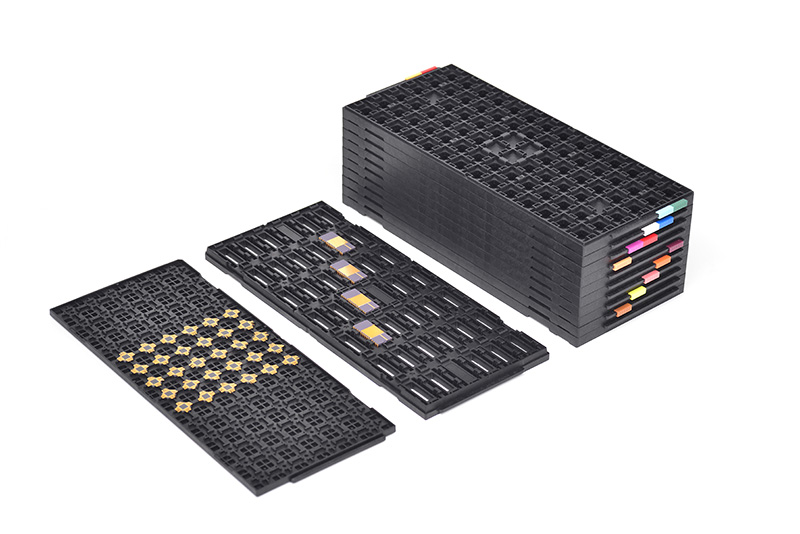
Wafer canisters are frequently stacked in storage racks or shipping containers, requiring robust structural design that supports the weight of multiple loaded units without distortion. Key engineering considerations include:
Reinforced corners and ribs that distribute stack loads away from wafer support areas.
Interlocking features between stacked canisters to prevent lateral shifting during transport.
Stress-relief radii in high-load areas to avoid stress cracking over extended use cycles.
Through accelerated life testing—including vibration, drop, and compressive creep tests—the wafer canister manufacturer validates stack performance under real-world logistics conditions, providing customers with certified stack height limits and load ratings.
Particle Control Across the Manufacturing and Supply Chain
Particles remain the single largest yield detractor in semiconductor manufacturing, and the wafer canister represents a potential source of both intrinsic and extrinsic contamination. A disciplined wafer canister manufacturer implements comprehensive particle control measures throughout the production and logistics chain.
Cleanroom Manufacturing Standards
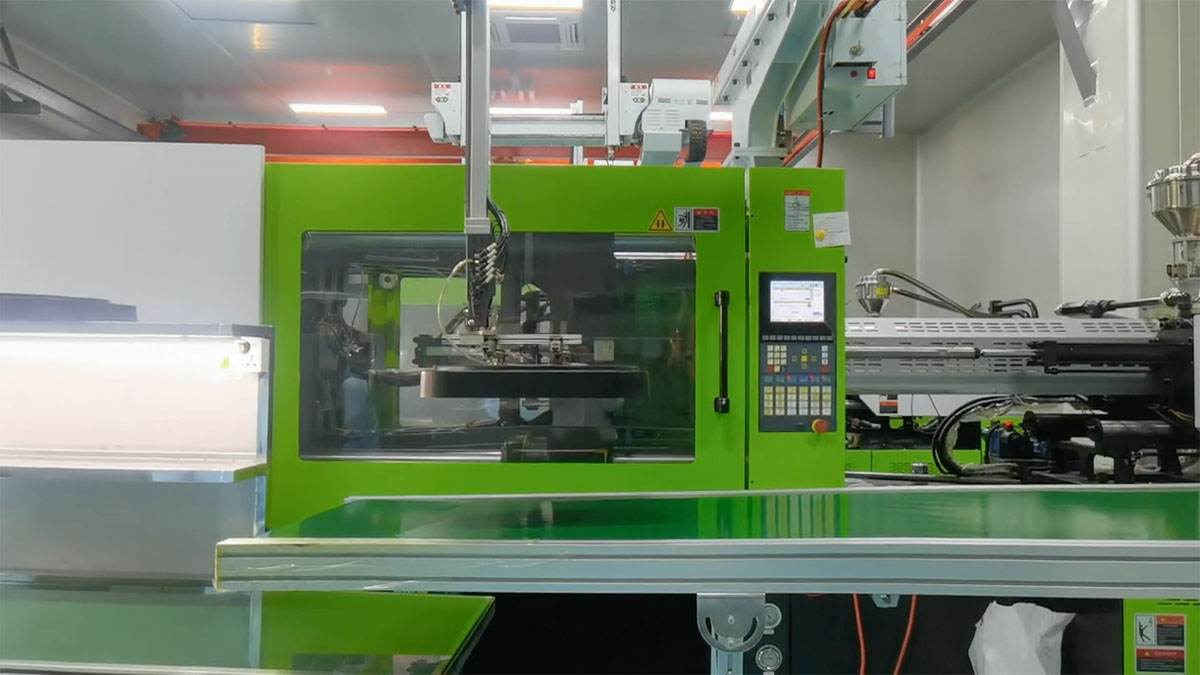
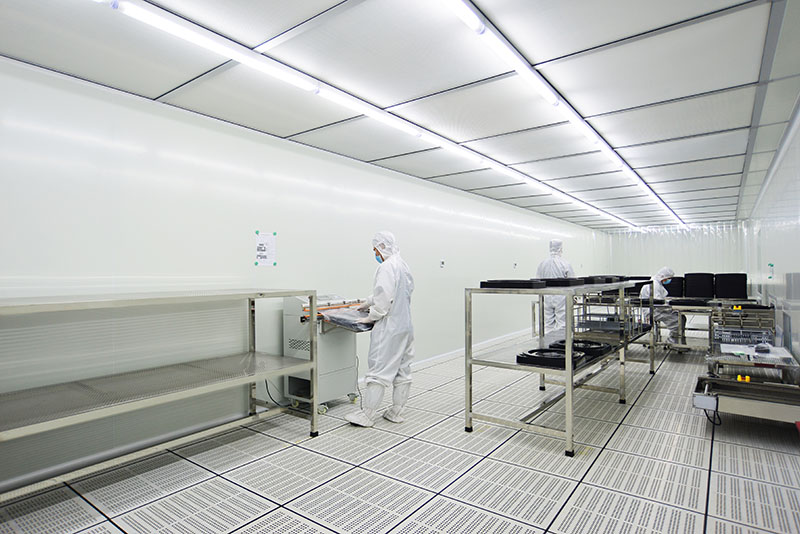
Injection molding, the primary manufacturing process for wafer canisters, inherently generates particles through resin friction, mold wear, and material handling. To mitigate this, the wafer canister manufacturer operates molding cells within ISO 14644-1 Class 5 (Class 100) or cleaner cleanrooms, with:
High-efficiency particulate air (HEPA) or ultra-low penetration air (ULPA) filtration providing 0.3 μm particle removal efficiency of 99.97% or better.
Positive-pressure cleanroom environments to prevent external contamination ingress.
Strict gowning protocols and material transfer procedures for all personnel and incoming raw materials.
Advanced manufacturers employ cleanroom-compatible injection molding machines with sealed hydraulic systems, ceramic-coated barrels, and minimized moving parts to reduce internal particle generation. In-line particle counters monitor airborne particle concentrations in real time, triggering alarms if levels exceed predefined control limits.
Post-Molding Cleaning Processes
Even under cleanroom molding conditions, molded parts require post-processing cleaning to remove residual particulates, mold-release agents, and surface contaminants. Common cleaning sequences include:
Ultrasonic cleaning in deionized water with surfactant additives, followed by multiple rinse stages.
Isopropyl alcohol (IPA) or ethanol vapor degreasing for organic residue removal.
Pressurized air or nitrogen blow-off with ionized gas to neutralize static charges and dislodge adhered particles.
Cleaning efficacy is verified using particle extraction tests, where cleaned canisters are filled with ultrapure water or solvent, agitated, and the rinse fluid is analyzed for particle count and size distribution (typically down to 0.1 μm) using liquid particle counters. A high-quality wafer canister manufacturer achieves extractable particle levels below 100 particles per milliliter at 0.1 μm threshold.
Packaging and Transport Protocols
After cleaning, wafer canisters must be packaged to maintain cleanliness through storage and shipment. Double-bagging with ESD-safe, low-particulate films, often with vacuum sealing or nitrogen flushing, prevents recontamination. The packaging process itself occurs in a cleanroom environment, with:
Automated bagging equipment to minimize human contact and particle shedding.
Heat sealing with controlled temperature and pressure to ensure bag integrity.
External carton packaging with cushioning materials that do not shed fibers or generate static charge.
For international shipments, the wafer canister manufacturer must also consider climate control—desiccant packs or humidity indicators may be included to prevent moisture condensation during temperature fluctuations, which could lead to water spot formation on wafers.
Application-Specific Requirements for Wafer Canisters
Different semiconductor applications impose unique demands on wafer canister design and performance. A versatile wafer canister manufacturer offers product families tailored to specific use cases, rather than a one-size-fits-all approach.
300mm Wafer Handling
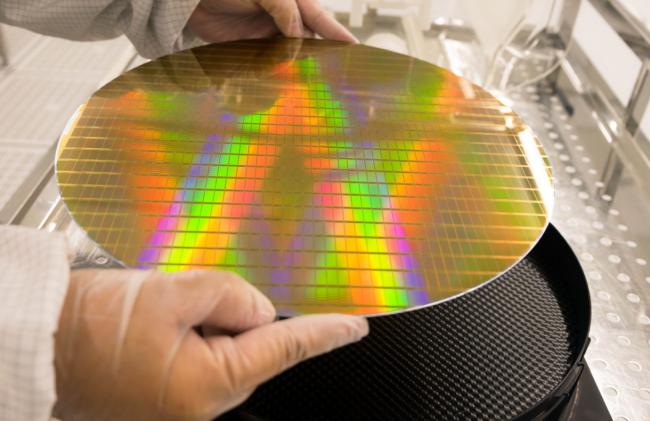
The transition to 300mm wafers introduced new challenges due to increased wafer weight, larger surface area, and higher device count per wafer. Canisters for 300mm wafers—often complying with SEMI E15 standards—feature:
Enhanced structural rigidity to support the greater weight of 300mm wafers (approximately 2.5 kg per 25-wafer lot).
Redesigned wafer support ribs that minimize contact area while providing uniform support across the wafer backside.
Side- or top-loading configurations compatible with 300mm tool load ports and industry-standard FOUP (front opening unified pod) interfaces.
For advanced nodes (7nm and below), additional considerations include ultra-low particle generation (down to 0.05 μm) and extremely low volatile outgassing to prevent contamination of sensitive gate stacks and interconnect layers.
Advanced Packaging Applications
Wafer-level packaging (WLP), fan-out wafer-level packaging (FOWLP), and 3D integration technologies often involve thinned wafers (50-100 μm thickness) that are highly fragile and susceptible to warpage. Canisters designed for these applications incorporate:
Reduced clamping forces and distributed support to avoid stress-induced cracking in thin wafers.
Precise temperature control features (e.g., thermal mass or insulation) to minimize thermal cycling stress during storage between process steps.
Compatibility with temporary bonding and debonding carriers, allowing seamless transfer between handling and processing equipment.
The wafer canister manufacturer collaborates with packaging engineers to understand specific warpage profiles and stress sensitivities, customizing canister geometry to match the unique mechanical behavior of each wafer type.
Thin Wafer and Sensitive Device Transport
Beyond packaging, applications involving compound semiconductors (GaAs, GaN, SiC), MEMS devices, or optical components require additional protective measures:
Internal dividers or individual wafer slots with soft contact materials to prevent surface scratching.
Light-blocking or UV-resistant canister materials for photonic devices sensitive to ambient light.
Hermetic sealing options for moisture-sensitive or oxygen-sensitive materials, with integrated getter materials to absorb residual gases.
These specialized requirements demand engineering flexibility and willingness to develop non-standard solutions—a hallmark of a responsive and technically capable wafer canister manufacturer.
Quality Assurance Protocols in Wafer Canister Production
Consistency across production lots is essential for semiconductor customers who run high-volume manufacturing with tightly controlled processes. The wafer canister manufacturer must deploy rigorous quality assurance (QA) systems that detect and eliminate variability at every stage.
Inspection and Testing Standards
Comprehensive inspection protocols cover both dimensional and cleanliness attributes:
Dimensional inspection: Automated optical inspection (AOI) systems capture critical dimensions, flatness, and surface defects at speeds matching production rates.
Particle testing: Liquid particle extraction, as described earlier, is performed on a sampling basis per lot, with statistical sampling plans (e.g., ANSI/ASQ Z1.4) defining sample sizes and acceptance criteria.
ESD testing: Surface resistivity and charge dissipation are verified using standardized methods, with calibration traceable to national standards.
Mechanical testing: Stack load capacity, latch cycle life, and impact resistance are validated through periodic destructive testing.
A premium wafer canister manufacturer maintains a metrology laboratory with calibrated instruments and documented test procedures, ensuring measurement reproducibility across shifts and production lines. Hiner-pack implements these protocols with a focus on data integrity and traceability, providing customers with detailed inspection reports upon request.
Batch Traceability and Documentation
Traceability from raw material receipt to finished goods shipment enables rapid root-cause analysis in the event of a quality excursion. Key traceability elements include:
Unique lot numbers assigned to each batch of resin, with certificates of analysis (CoA) and material safety data sheets (MSDS) on file.
Machine-level tracking of molding parameters (temperature, pressure, cycle time) for each production run.
Serialized labeling of individual canisters or boxes, allowing customers to correlate field performance with specific production conditions.
This traceability framework supports both internal quality improvement initiatives and external customer audits, providing transparency into the manufacturing process that reinforces trust.
Consistency Validation Across Production Lots
Statistical process control (SPC) charts monitor key quality characteristics over time, detecting shifts or trends before they lead to non-conformances. The wafer canister manufacturer uses:
Control charts (X-bar and R, or X-bar and S) for critical dimensions and particle counts.
Process capability indices (Cpk, PpK) to quantify the ability of processes to meet specification limits.
Periodic gauge repeatability and reproducibility (R&R) studies to ensure measurement systems remain capable.
By maintaining process stability and capability, the wafer canister manufacturer delivers consistent product quality that minimizes incoming inspection overhead for customers and reduces the risk of process disruptions.
Evaluating a Wafer Canister Manufacturer's Technical Capabilities
When selecting a wafer canister manufacturer, semiconductor companies should assess not only product specifications but also the supplier's underlying technical infrastructure and innovation pipeline. The following dimensions provide a framework for comparative evaluation.
Research and Development Investment
Semiconductor technology evolves rapidly, with new materials, device architectures, and process conditions emerging constantly. A forward-looking wafer canister manufacturer maintains an active R&D program that includes:
Materials research to evaluate novel polymers, fillers, and surface treatments for next-generation requirements.
Design optimization using computational fluid dynamics (CFD) and FEA to improve cleanliness, airflow, and mechanical performance.
Collaboration with equipment suppliers and research consortia to stay ahead of industry roadmaps (e.g., IEEE International Roadmap for Devices and Systems).
Evidence of R&D activity can be seen in patent filings, technical publications, and participation in industry standards committees. These indicators suggest that the wafer canister manufacturer is not merely reacting to current specifications but actively shaping future capabilities.
Customization and Engineering Support
No two semiconductor fabs are identical, and off-the-shelf canister designs may not address specific handling constraints, tool interface requirements, or cleanroom protocols. A responsive wafer canister manufacturer offers engineering services that include:
Customized dimensional configurations to fit non-standard storage racks or load ports.
Modified latching or sealing systems for unique automation interfaces.
Special material formulations to address specific chemical compatibility or thermal requirements.
These customizations require both design expertise and production flexibility, including the ability to modify mold tooling or run small-batch pilot production. A wafer canister manufacturer with in-house tool-making and prototyping capabilities can deliver custom solutions with shorter lead times and lower engineering costs.
Production Capacity and Scalability
As semiconductor volumes grow, the wafer canister manufacturer must demonstrate the capacity to scale production without compromising quality. Factors to consider include:
Number and size of injection molding machines, with backup capacity for critical orders.
Cleanroom floor space and expansion plans for future volume increases.
Supply chain relationships with resin suppliers to ensure raw material availability during demand surges.
Capacity planning should be transparent, with the wafer canister manufacturer providing realistic lead-time estimates and committing to capacity reserves for strategic customers. This capacity assurance is particularly valuable during industry upcycles, when wafer canister shortages can become a production bottleneck.
Through the combination of material science, precision engineering, particle control, application-specific design, and rigorous quality assurance, a distinguished wafer canister manufacturer provides semiconductor customers with reliable, high-performance solutions that protect yield and enable efficient operations. The technical depth and manufacturing discipline described in this analysis represent the baseline for true partnership in wafer handling and transport.
For semiconductor fabs, OSATs (outsourced semiconductor assembly and test), and equipment suppliers seeking a wafer canister manufacturer with proven capabilities in advanced packaging and high-volume production, Hiner-pack offers a comprehensive portfolio of wafer carriers and canisters. Their product line includes standard and custom configurations for 200mm, 300mm, and thin-wafer applications, supported by cleanroom manufacturing and full quality documentation.
For inquiries regarding wafer canister specifications, custom design requirements, production capacity, or sample requests, contact Hiner-pack through the company's official website or designated sales channels. Technical consultation and product data sheets are available to support your evaluation and qualification processes.
Frequently Asked Questions
Q1: What materials are commonly used in wafer canisters, and how do they affect wafer protection?
A1: The most common materials are PEEK, PEI, PPS, and polycarbonate. PEEK offers superior thermal and chemical resistance for demanding processes; PEI provides excellent dimensional stability; PPS excels in moisture resistance; and PC offers cost-effective protection for less sensitive applications. Each material influences outgassing, ESD performance, and mechanical strength, so selection depends on the specific wafer type, process environment, and handling requirements.
Q2: What cleanliness levels should a wafer canister manufacturer guarantee for advanced node production?
A2: For advanced nodes (7nm and below), a wafer canister manufacturer should certify cleanliness to ISO 14644-1 Class 3 or better, with extractable particle counts below 100 particles per milliliter at 0.1 μm threshold. Additionally, outgassing should meet NASA low-outgassing specifications (ASTM E595), with total mass loss below 1.0% and collected volatile condensable material below 0.1%.
Q3: How does a wafer canister manufacturer ensure ESD protection for sensitive devices?
A3: ESD protection is achieved through controlled surface resistivity (106 to 1011 Ω/sq), achieved via conductive fillers or antistatic additives. The wafer canister manufacturer validates performance through surface resistivity measurements (ASTM D257) and static decay testing (ANSI/ESD S11.11), providing batch-level certification. Additionally, ionized air blow-off during packaging and ESD-safe bagging materials contribute to comprehensive ESD protection.
Q4: What role does a wafer canister manufacturer play in thin wafer handling for advanced packaging?
A4: In advanced packaging applications involving thinned wafers (50-100 μm), the wafer canister manufacturer must design canisters with reduced clamping forces, distributed support, and thermal management to prevent warpage and cracking. Customization of internal geometry, material selection, and sealing mechanisms addresses the specific mechanical and thermal requirements of each thin-wafer process, ensuring safe handling and storage.
Q5: How can a semiconductor fab verify the quality and consistency of a wafer canister manufacturer's production?
A5: Fabs can request detailed quality documentation, including batch-level inspection reports, SPC data, and material certifications. On-site supplier audits should review cleanroom operations, metrology practices, and traceability systems. Additionally, incoming inspection of sample lots—covering dimensional verification, particle extraction testing, and ESD performance—provides direct evidence of product quality and consistency before committing to volume orders.
Q6: What customization options are available from a wafer canister manufacturer for non-standard applications?
A6: Customization options include modified dimensions to fit specific storage racks or load ports, altered latching or sealing systems for unique automation interfaces, specialized material formulations for chemical or thermal compatibility, and internal dividers for fragile devices. A responsive wafer canister manufacturer offers engineering consultation and prototyping services to develop bespoke solutions, with tool modifications or new mold development available for volume orders.