1. Vibration: Micro-Movement and Edge Stress
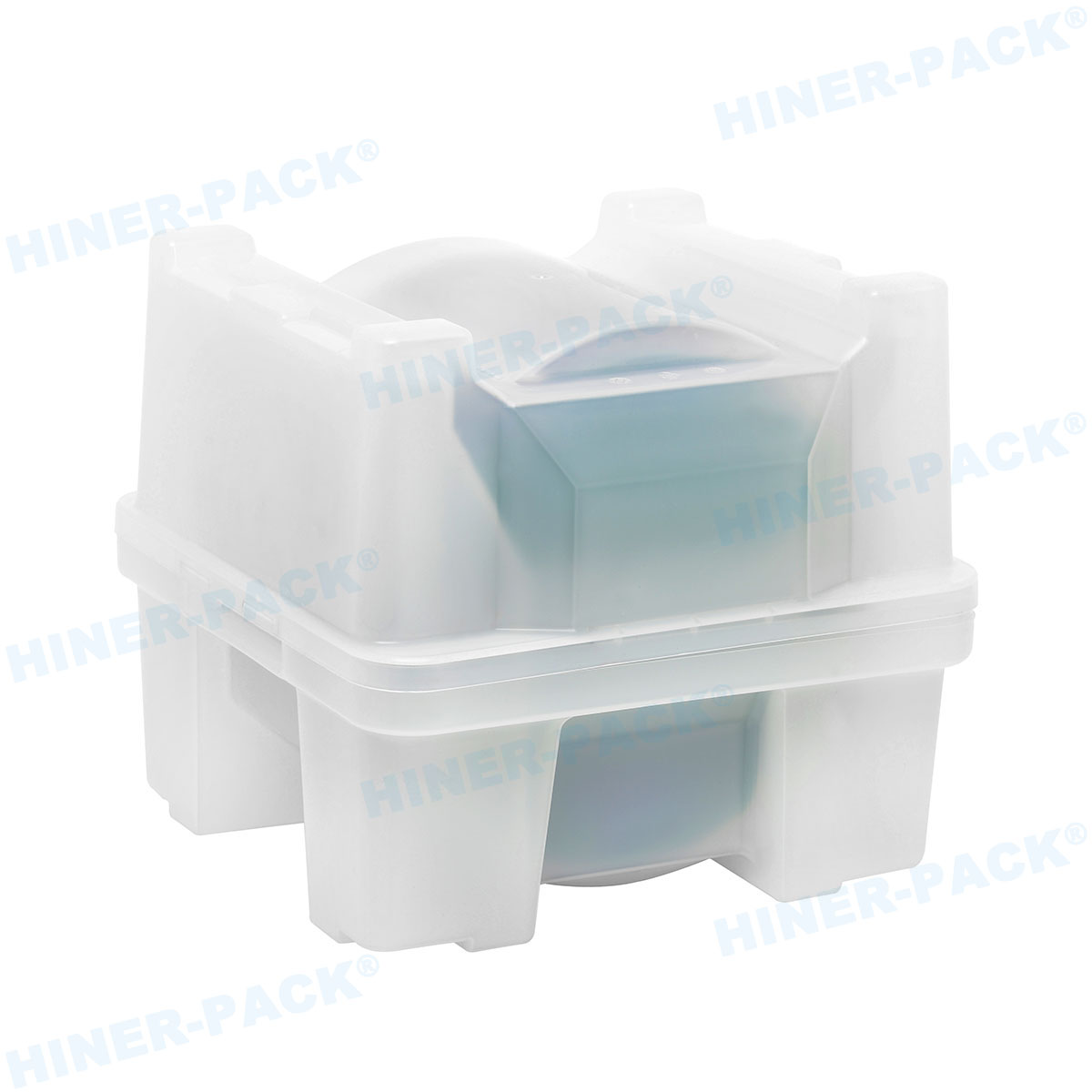
During long-distance transportation—whether by air or sea—packages are continuously exposed to low-level vibrations. While wafers are securely held inside carriers, they are not perfectly immobilized.
If the pocket design, slot geometry, or material compliance is not properly engineered, these vibrations can introduce micro-movements. Over time, this may lead to localized edge contact stress rather than continuous friction. For brittle substrates, such stress concentration can increase the risk of edge chipping or micro-crack initiation.
2. Mechanical Shock: Impact Energy Transfer
Global logistics involves multiple handling stages, where accidental drops or sudden impacts can occur. These events generate short-duration, high-intensity shock loads.
If the carrier lacks sufficient structural stiffness, energy-dissipating features, or optimized rib design, this shock energy can be transmitted to the wafers. Depending on severity, the result may range from minor edge damage to wafer cracking, and in extreme cases, breakage.
3. Environmental Changes: Outgassing and Contamination Risk
Air transport introduces variations in temperature and pressure, even within controlled cargo environments. Under such conditions, lower-grade polymer materials may release trace volatile compounds (outgassing).
While typically minimal, these emissions can contribute to contamination risks if material selection and cleanliness standards are not tightly controlled. In sensitive processes such as wire bonding, even trace organic residues may affect yield if combined with other process variables.
4. Electrostatic Risk: Charge Accumulation and ESD
Handling and transportation can generate electrostatic charge through contact and separation of materials. In dry environments, charge accumulation may increase significantly if not properly managed.
If the carrier relies solely on temporary anti-static treatments, performance may degrade over time or under low humidity. Uncontrolled electrostatic discharge (ESD) can introduce latent defects in sensitive device structures, which may not be immediately detectable but can impact long-term reliability.
Conclusion
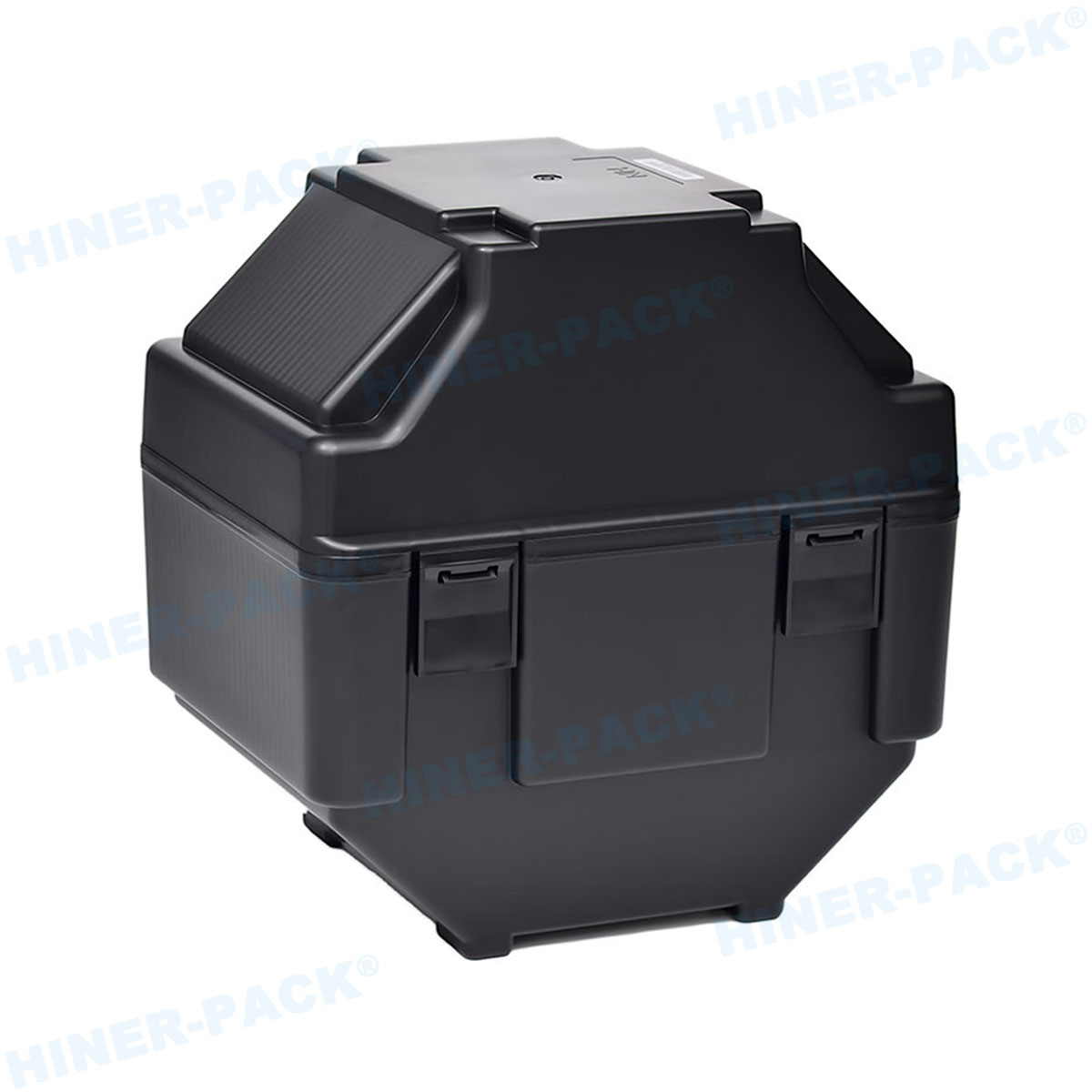
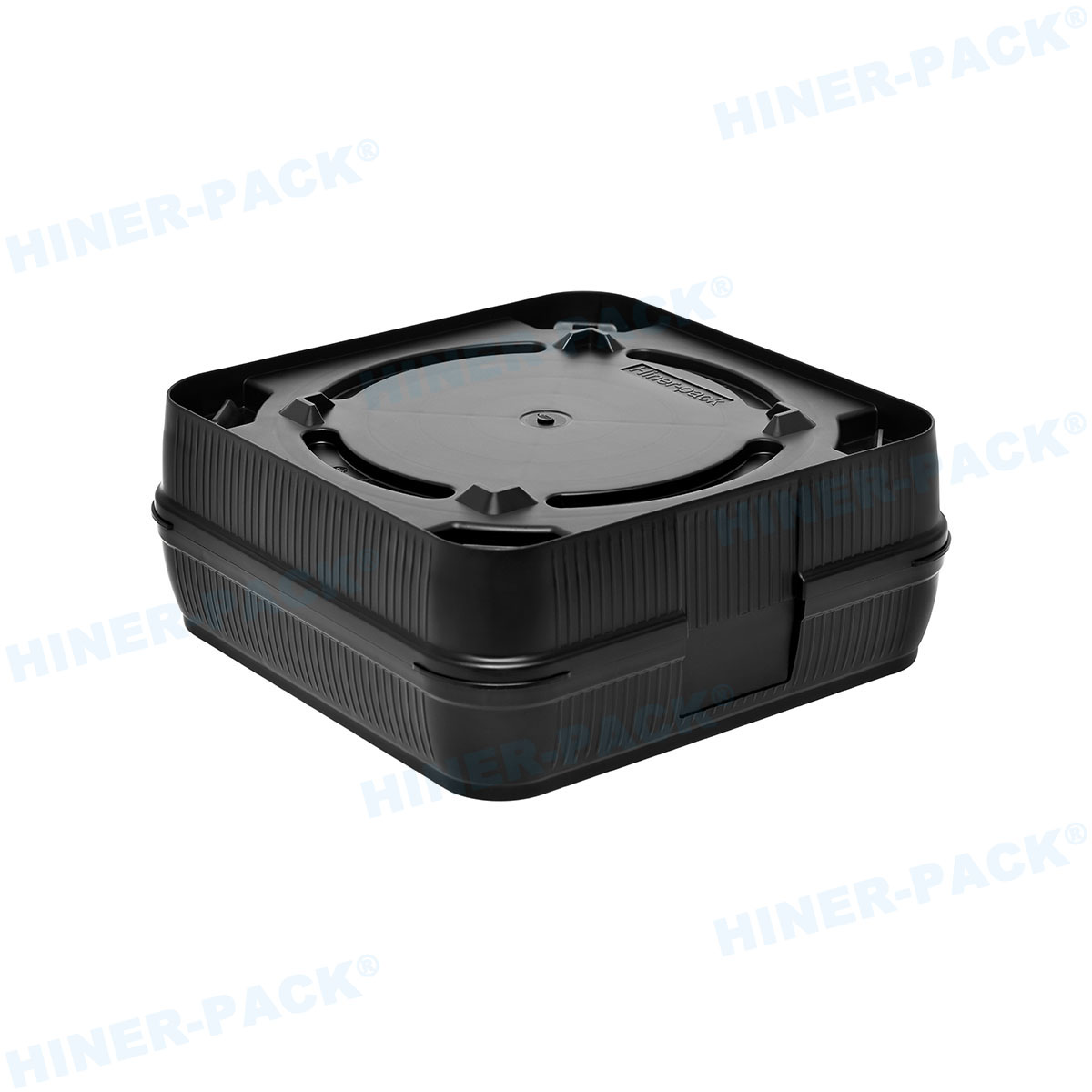
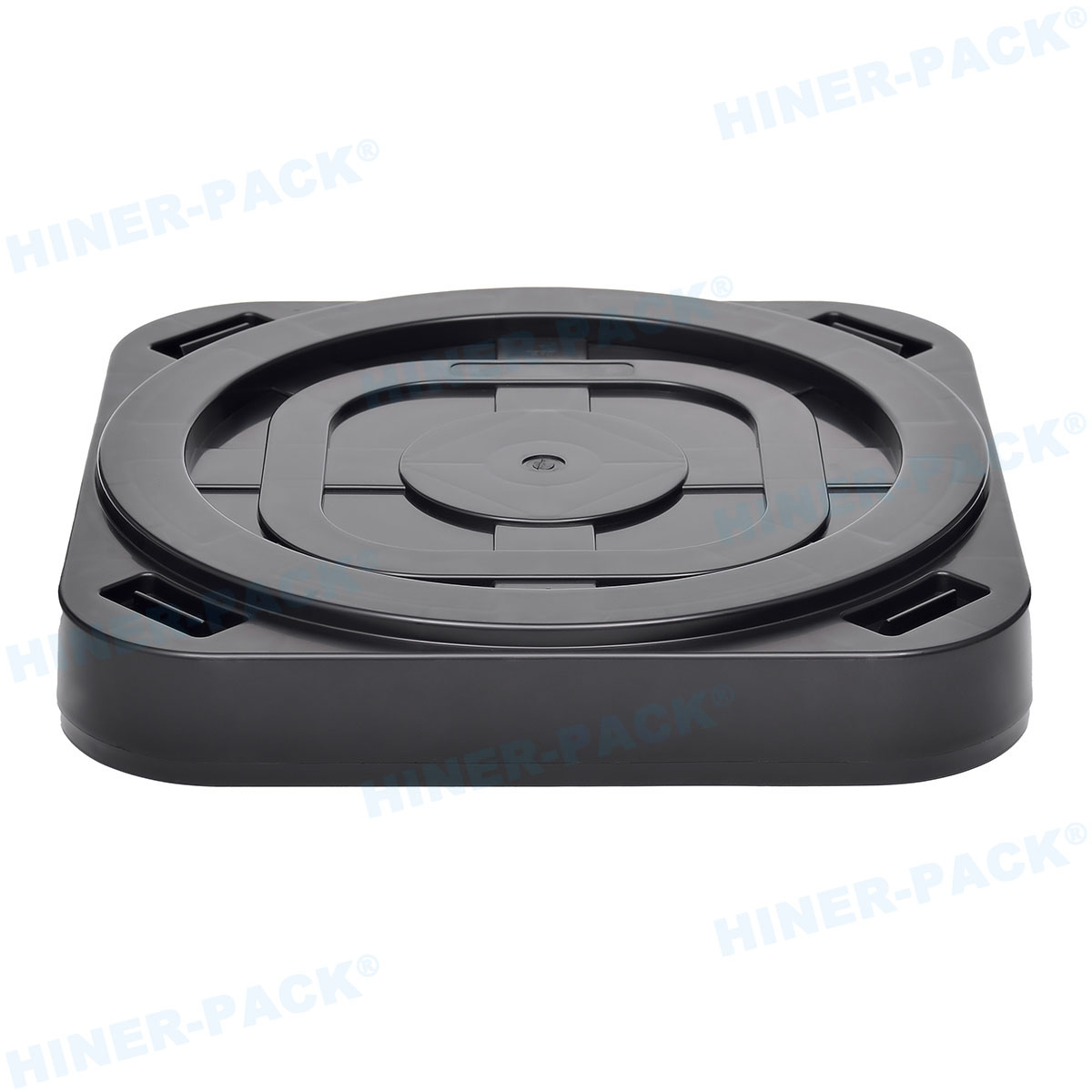
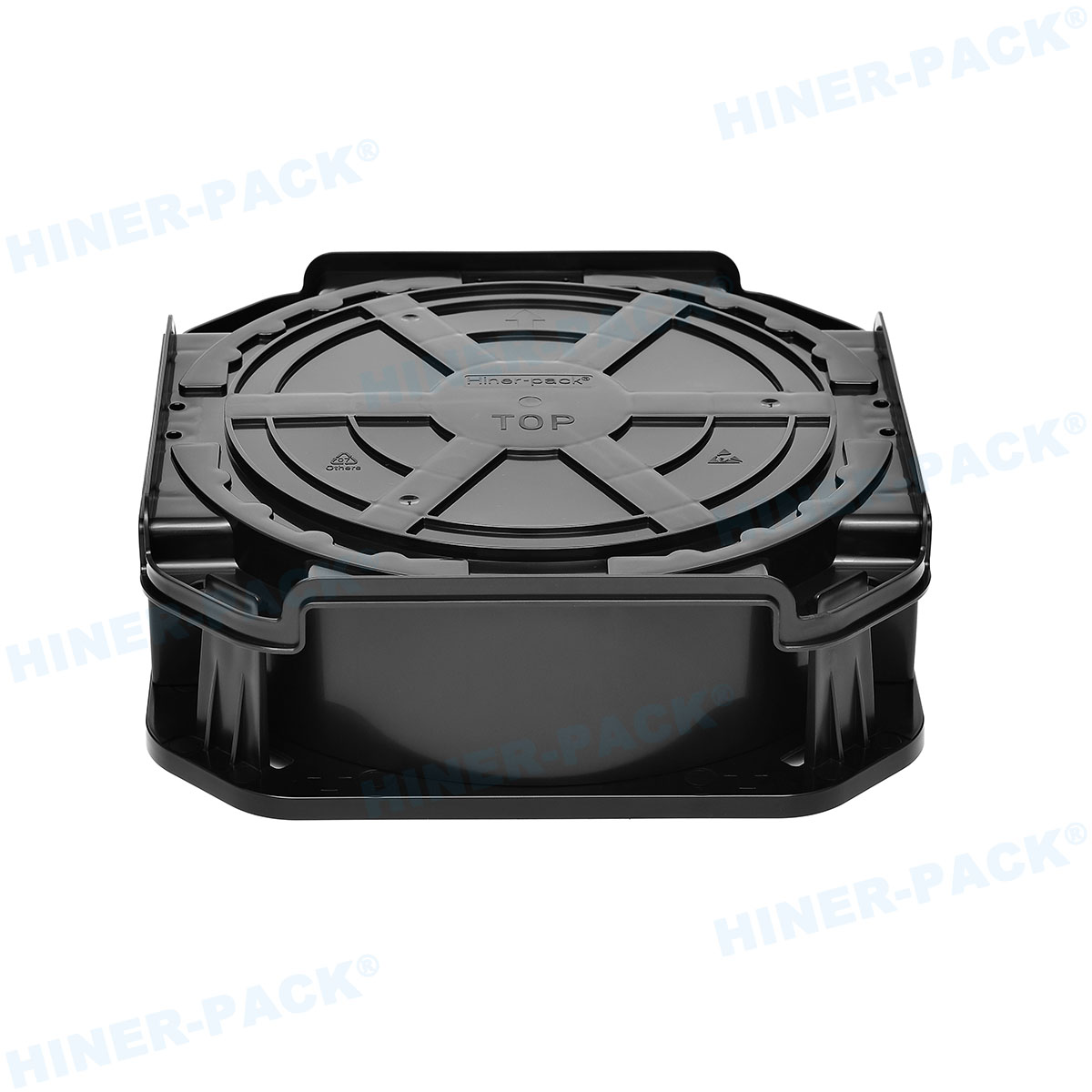
Wafer shipping is not only about containment—it is about controlling mechanical, environmental, and electrostatic variables throughout the logistics chain.
Understanding these real-world risks highlights the importance of precision-engineered carriers, including optimized structural design, stable material properties, and compatibility with automated handling systems. These factors are essential to maintaining wafer integrity from fab to packaging.