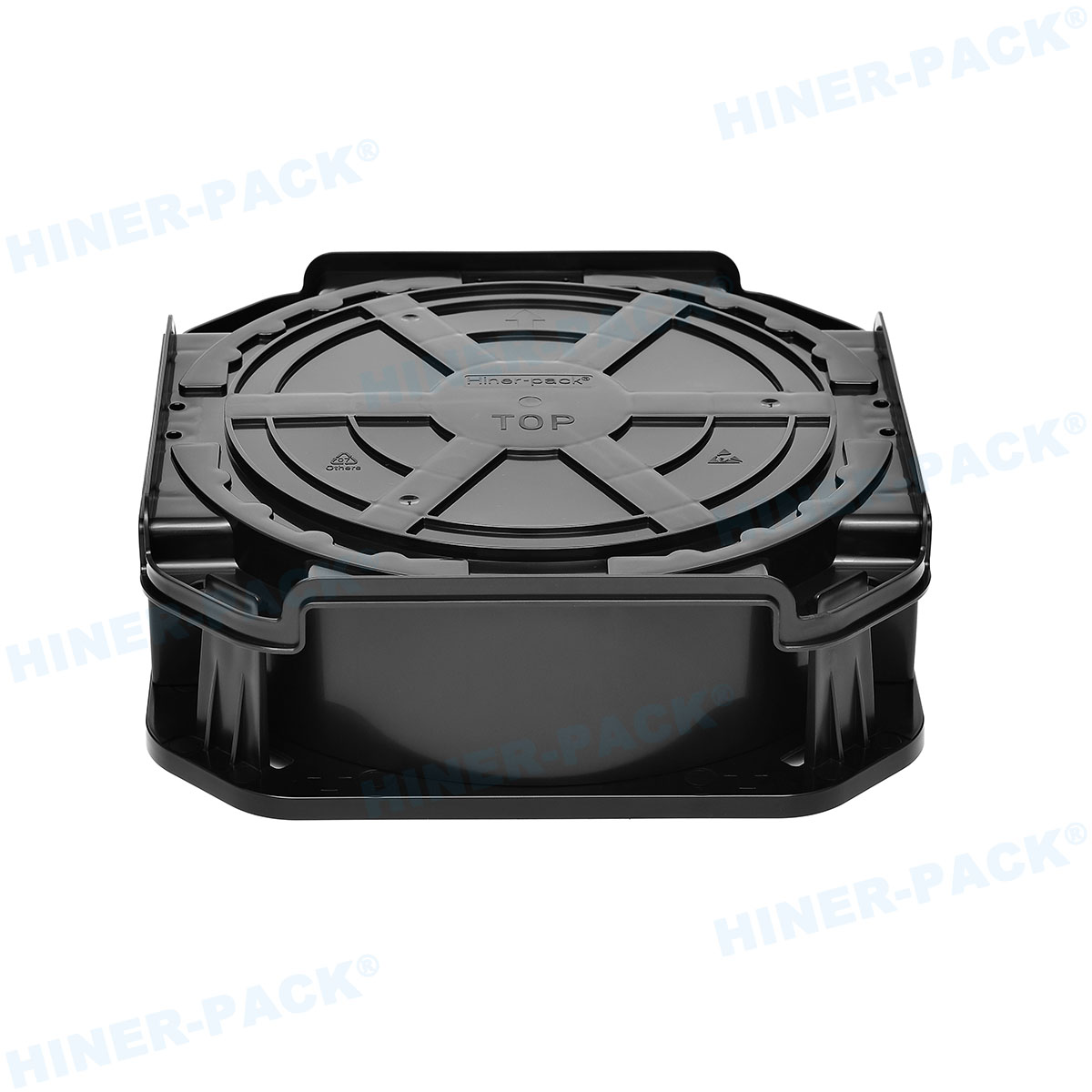
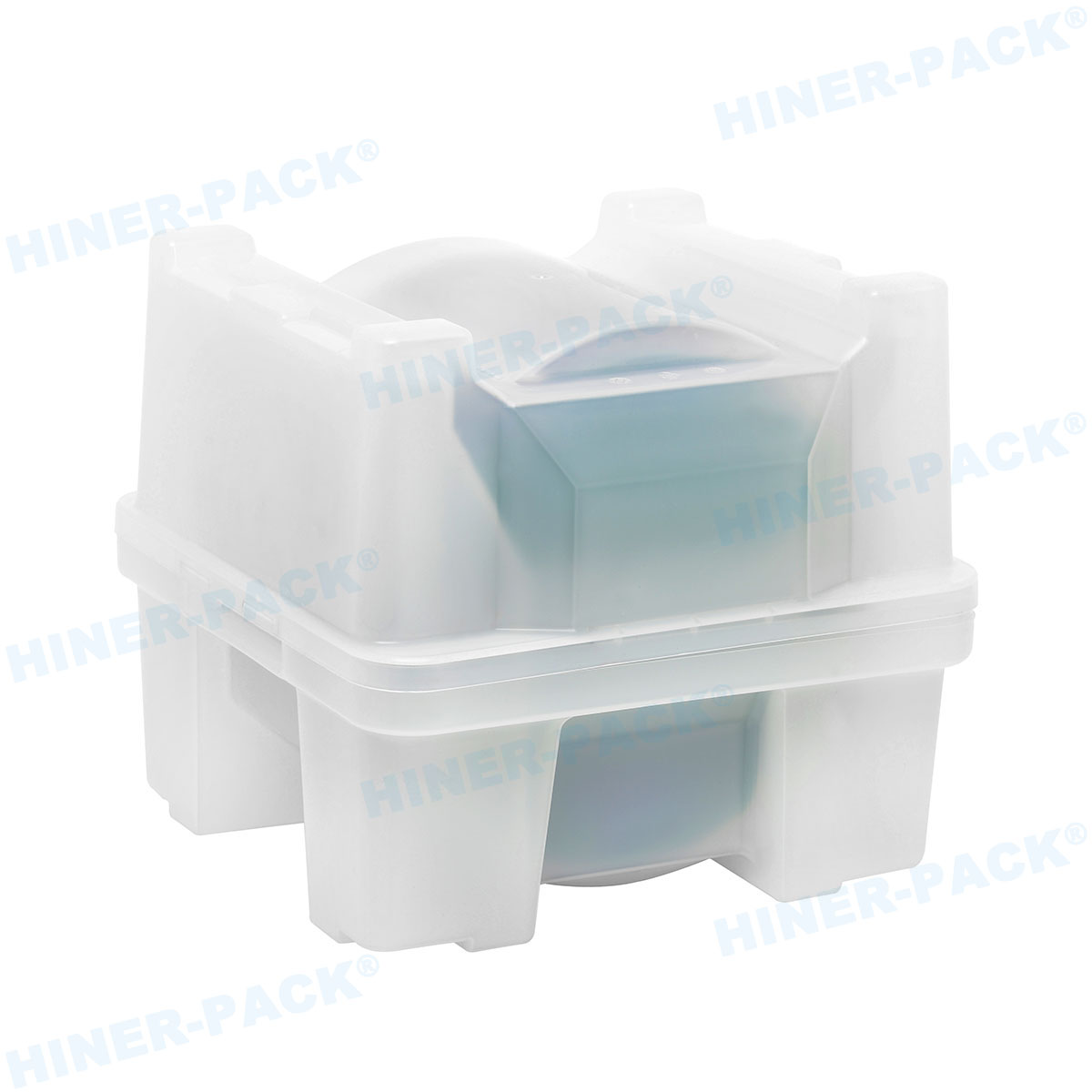
The Engineering Behind the Wafer Jar: Handling Batch Samples
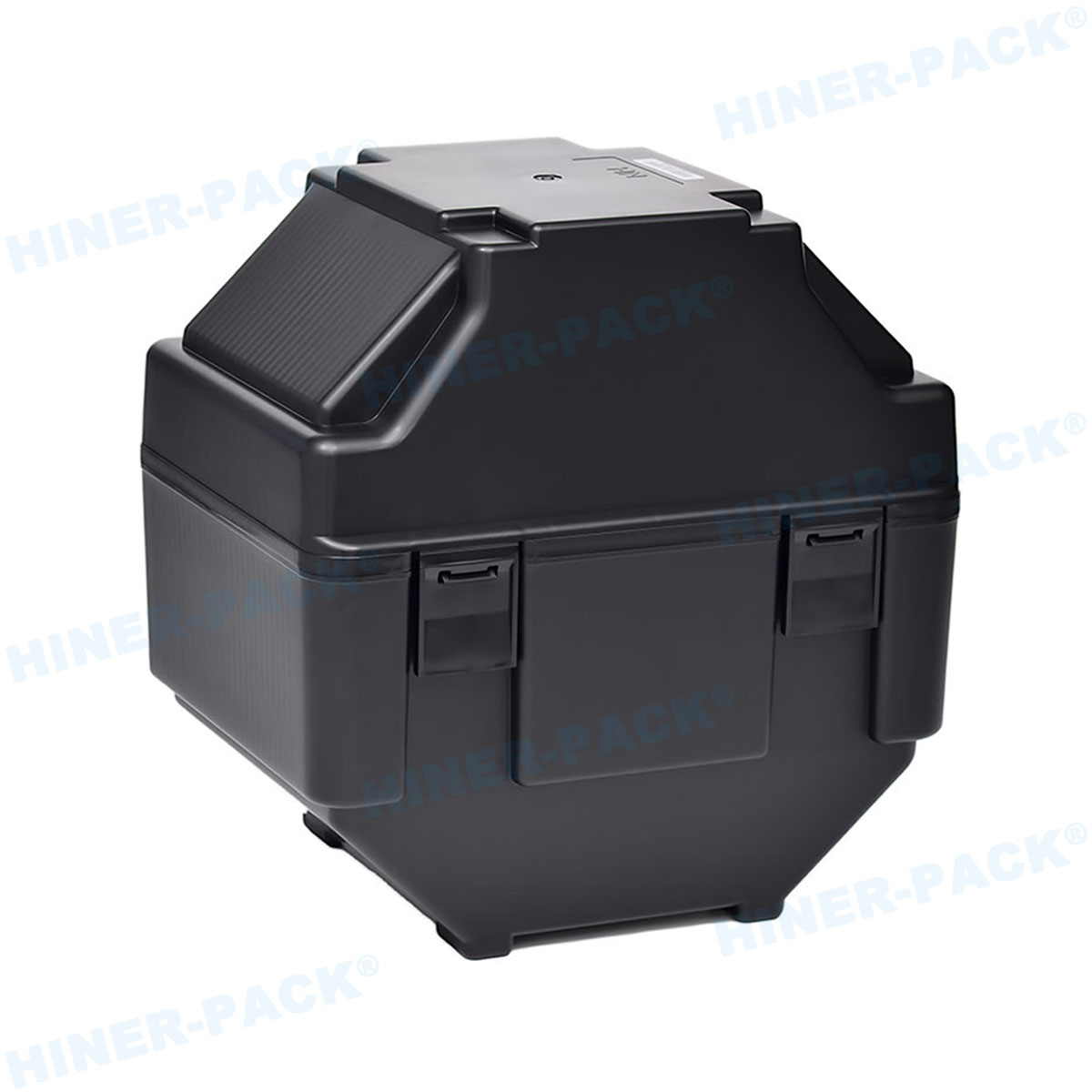
For research labs and pilot production lines, the Wafer Jar is a versatile and widely used solution for multi-wafer handling. Made from high-purity polypropylene or other low-outgassing polymers, these containers are designed to prevent contamination during storage and transport.
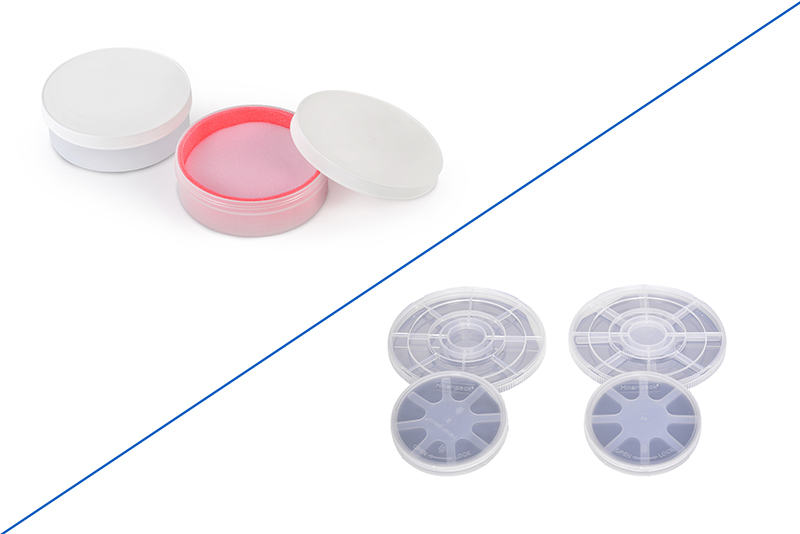
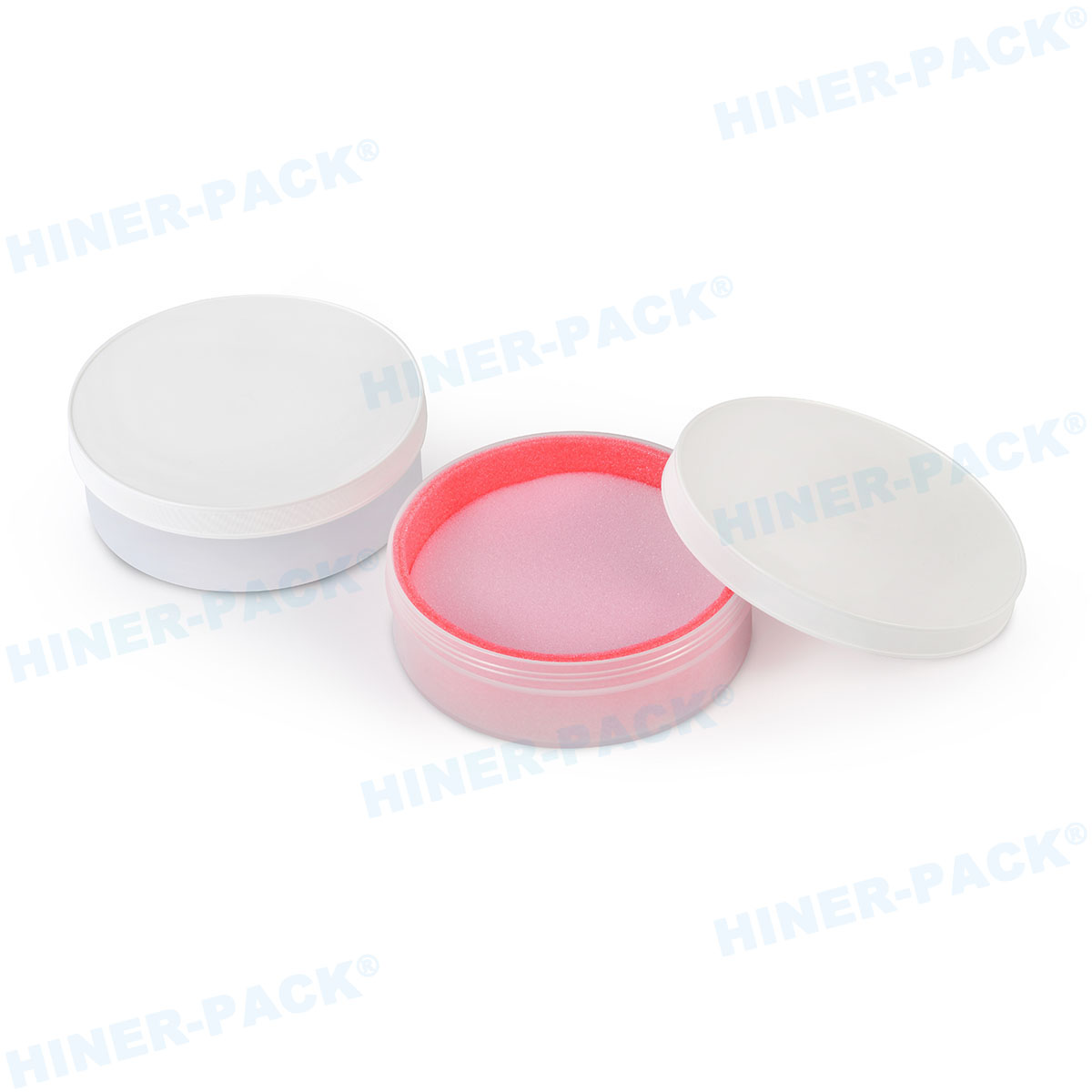
Unlike coin-style wafer shipper, Wafer Jars typically hold multiple wafers (commonly 1 to 25) in a stacked configuration. Foam cushions, separators, and interleaf liners are used to provide effective cushioning and separation between wafers, helping prevent surface contact, edge damage, and particle generation.
They feature screw-on or snap-on lids to ensure secure closure, while the internal cushioning system helps stabilize the wafers and reduce the risk of shifting or breakage during handling and transportation, including international shipping.
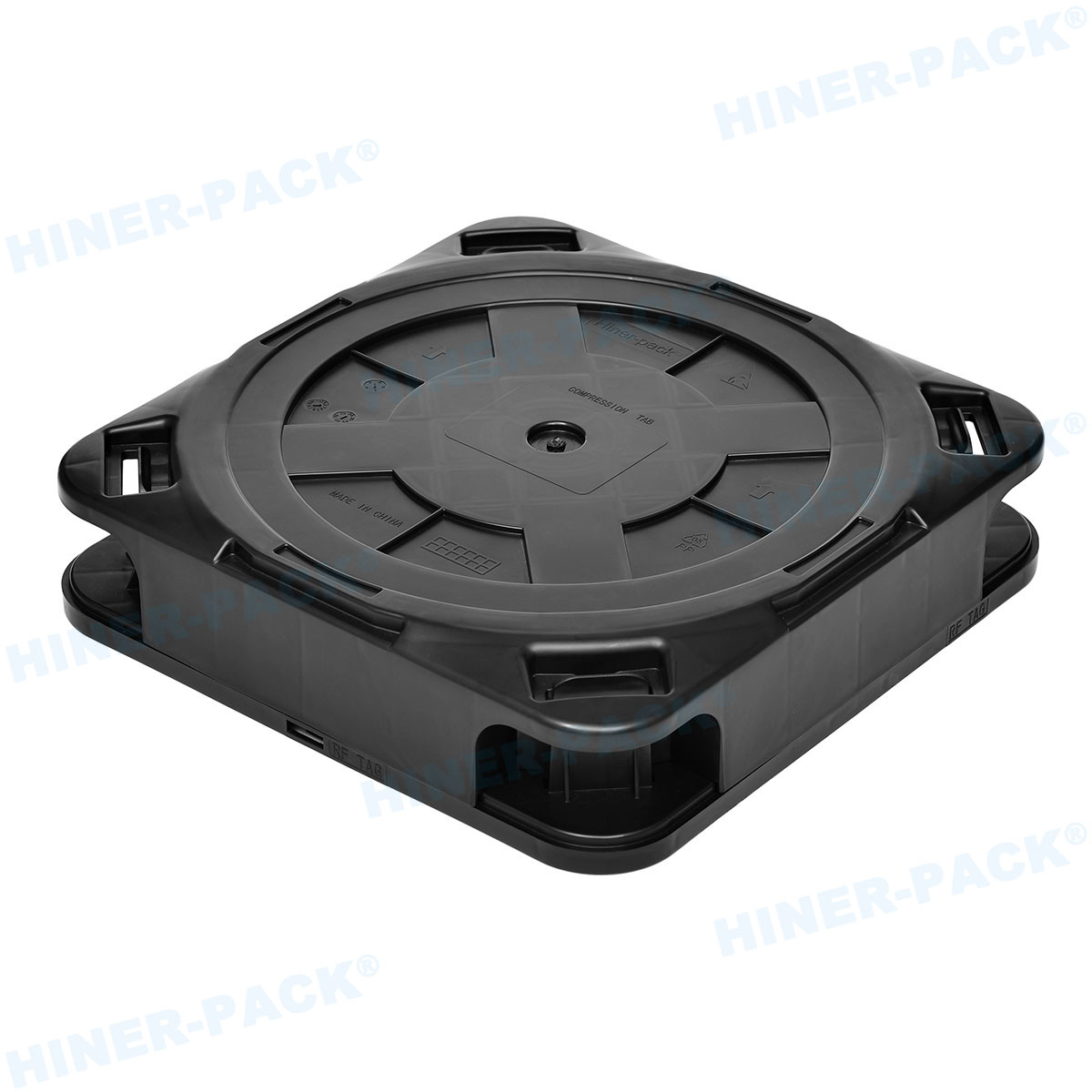
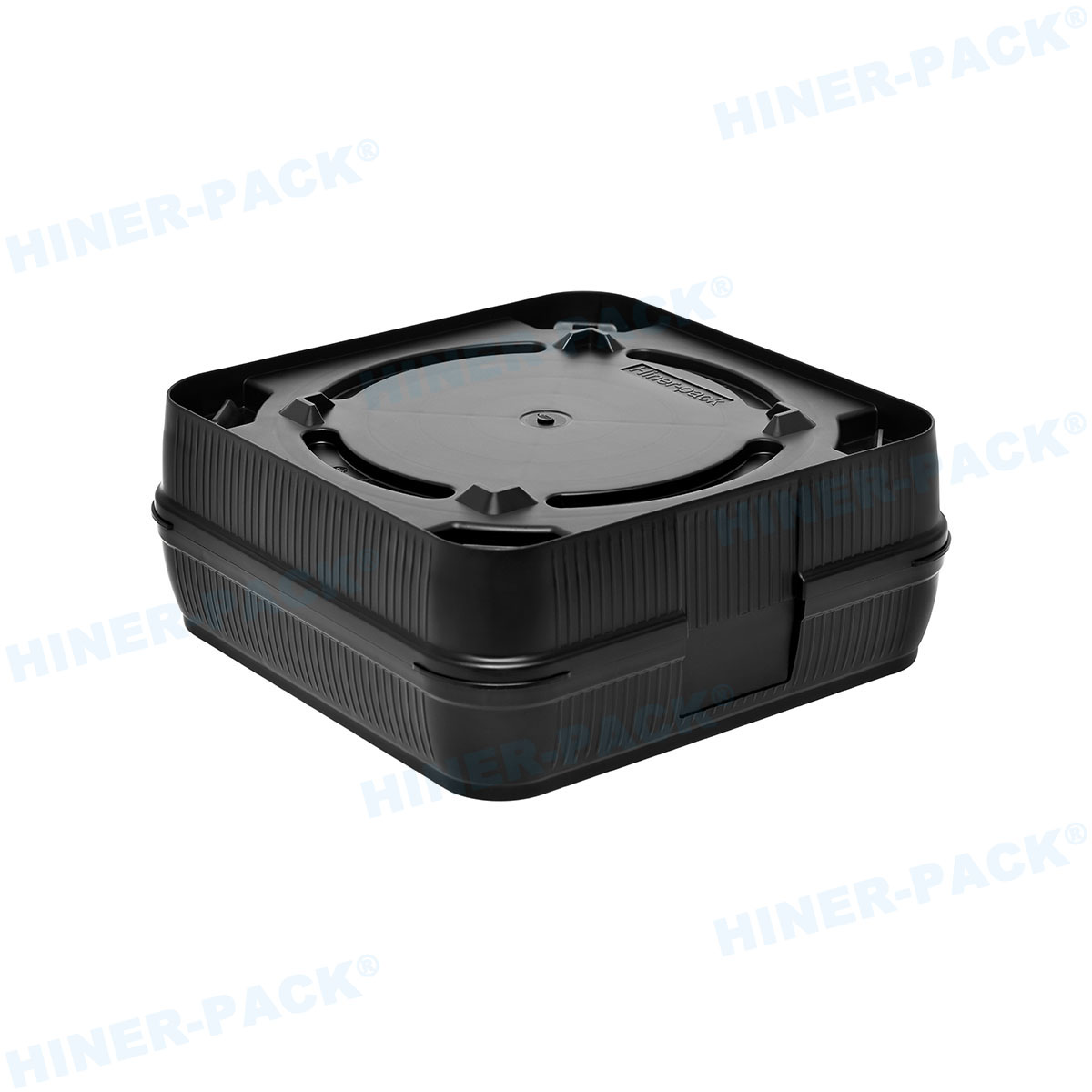
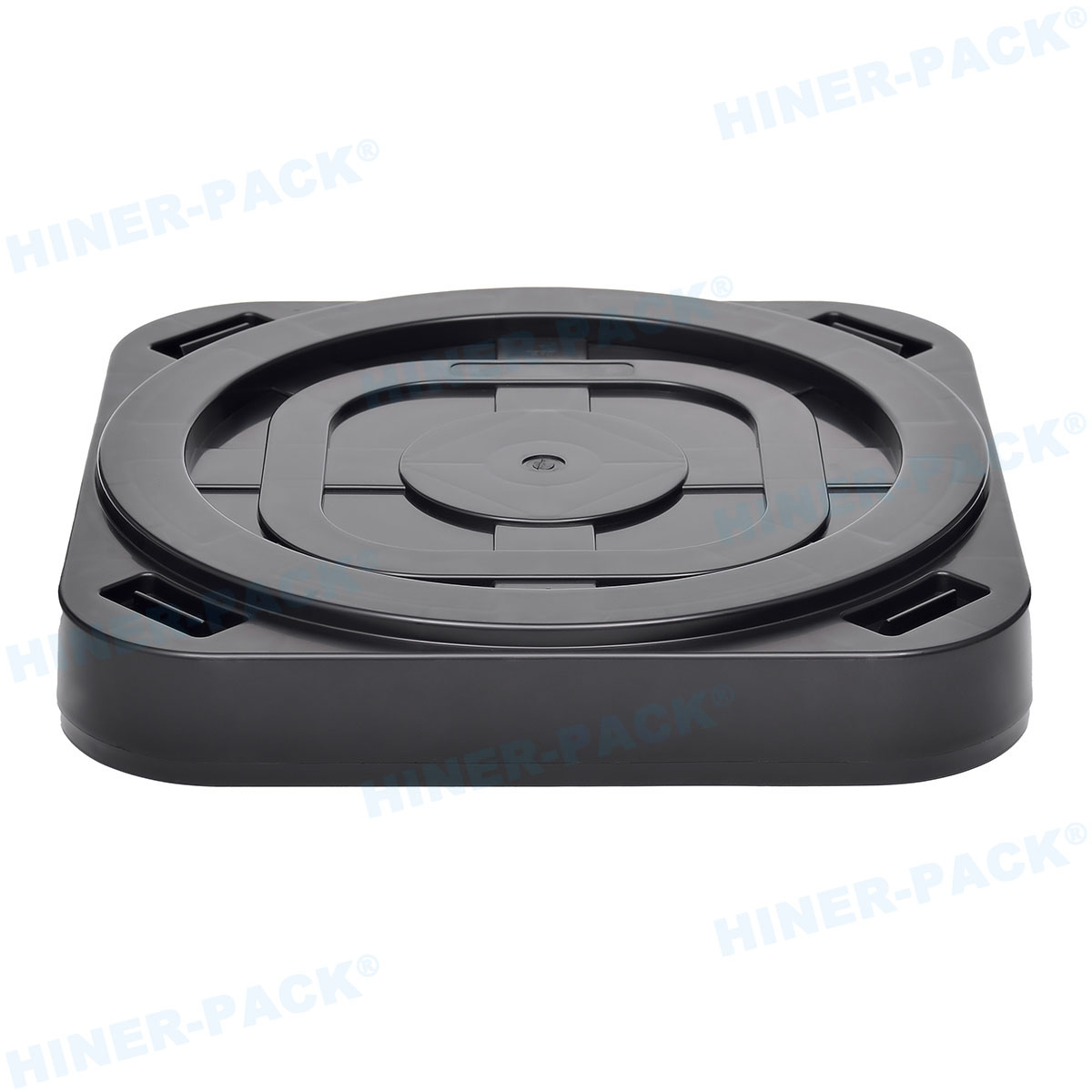
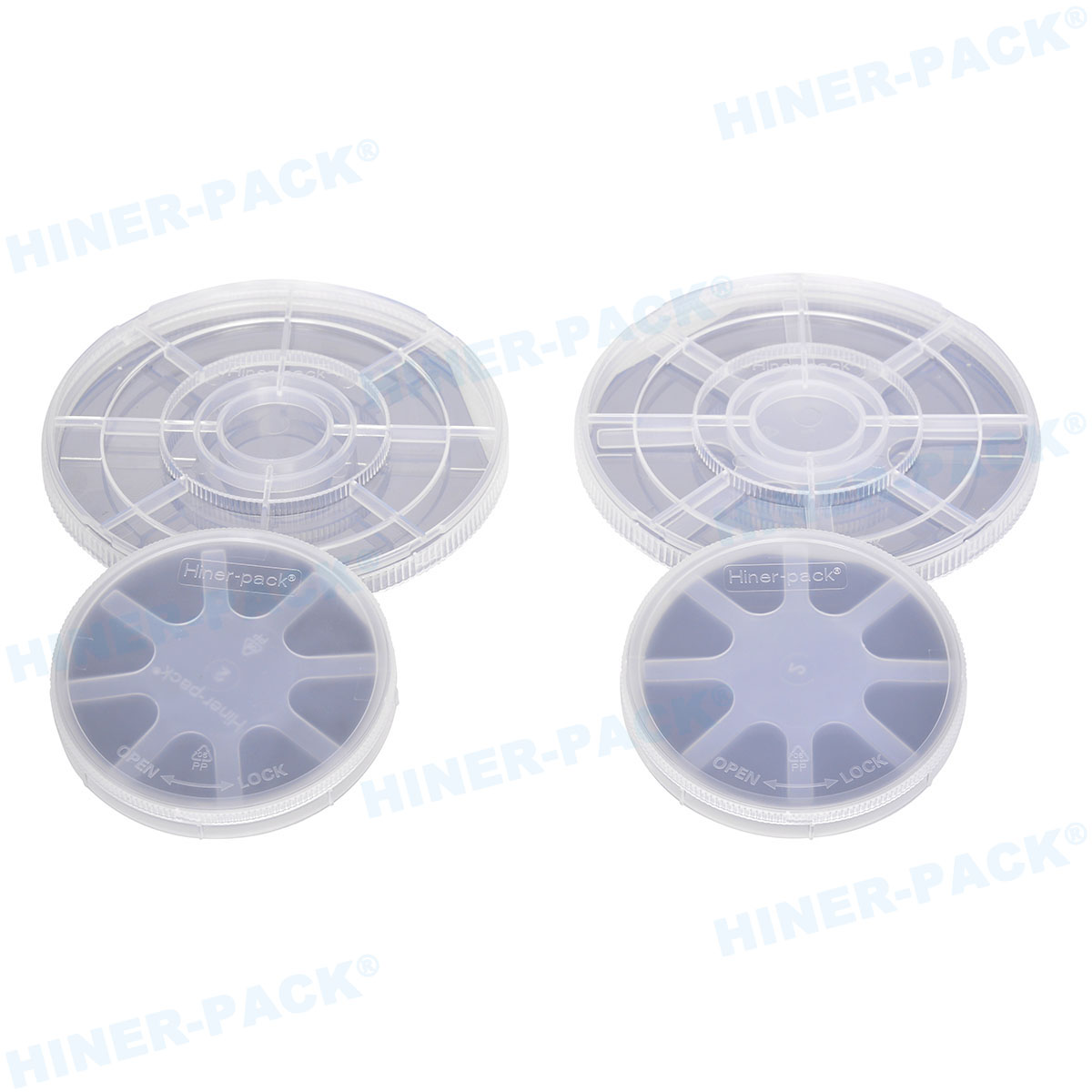
Coin-style Wafer Shippers: A widely used solution for Individual Fragile Wafers
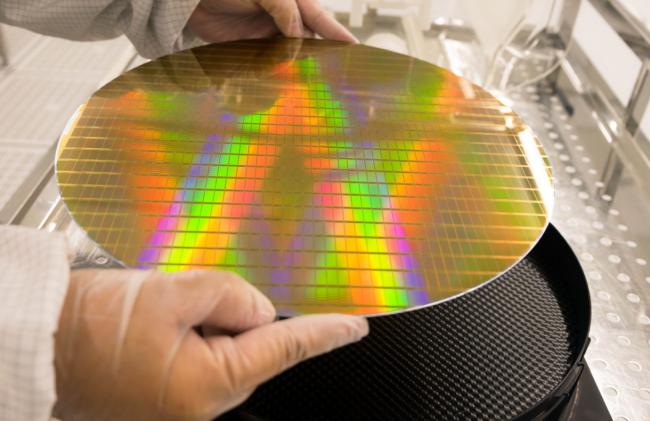
When you are shipping a single, high-value substrate—such as a processed Gallium Nitride (GaN) wafer or an ultra-thin silicon sample—a Coin-style Shipper is the superior choice. Its name comes from its circular, compact design that minimizes the internal volume. By reducing the space around the wafer, the Coin-style Shipper limits the potential for "rattling" and edge-impact. The internal "spider" spring inside the lid typically contacts the wafer edge, providing a higher level of mechanical isolation compared to multi-wafer containers.
Combatting Surface Contamination: The Role of Material Purity
Both Wafer Jars and Coin-style Shippers must be manufactured from high-purity, low-outgassing polymers. In small-scale R&D, wafers often sit in their packaging for longer periods than in high-volume manufacturing. If the carrier material releases volatile organic compounds (VOCs), these gases will condense on the wafer surface, leading to "Haze" or bonding failures. Using shippers made from medical-grade polypropylene or ESD-safe polymers ensures that the surface chemistry of your samples remains pristine, regardless of how long they are stored before analysis.
ESD Protection in Small-Scale Logistics
Static electricity doesn't discriminate based on batch size. Even a single wafer in a Coin-style Shipper can be ruined by a static spark if the carrier is made of common insulative plastic. For sensitive microelectronics, it is essential to select carriers with permanent ESD-safe properties. This is particularly critical when transporting wafers in plastic shipping bags or in environments with low humidity, where triboelectric charging is most aggressive.