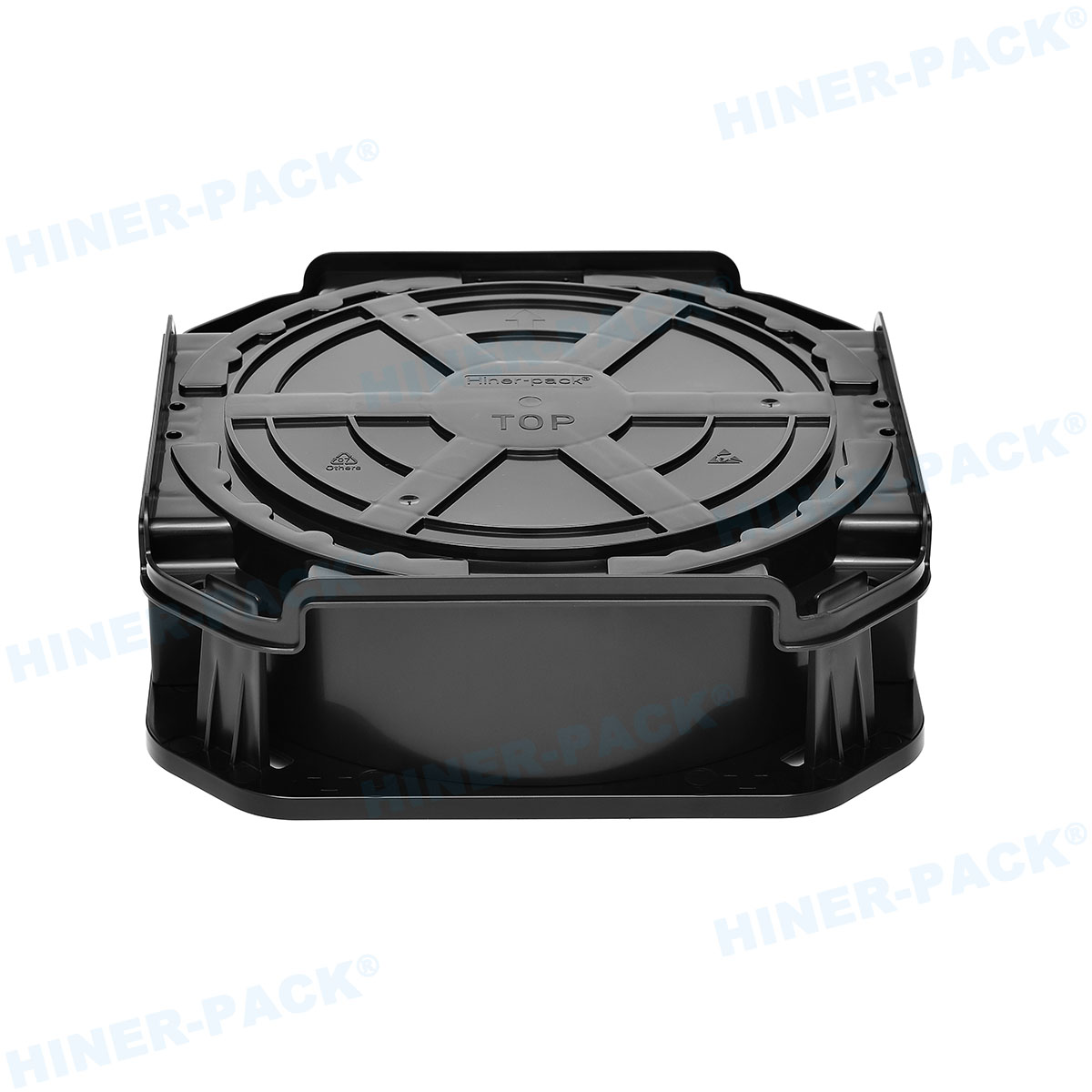
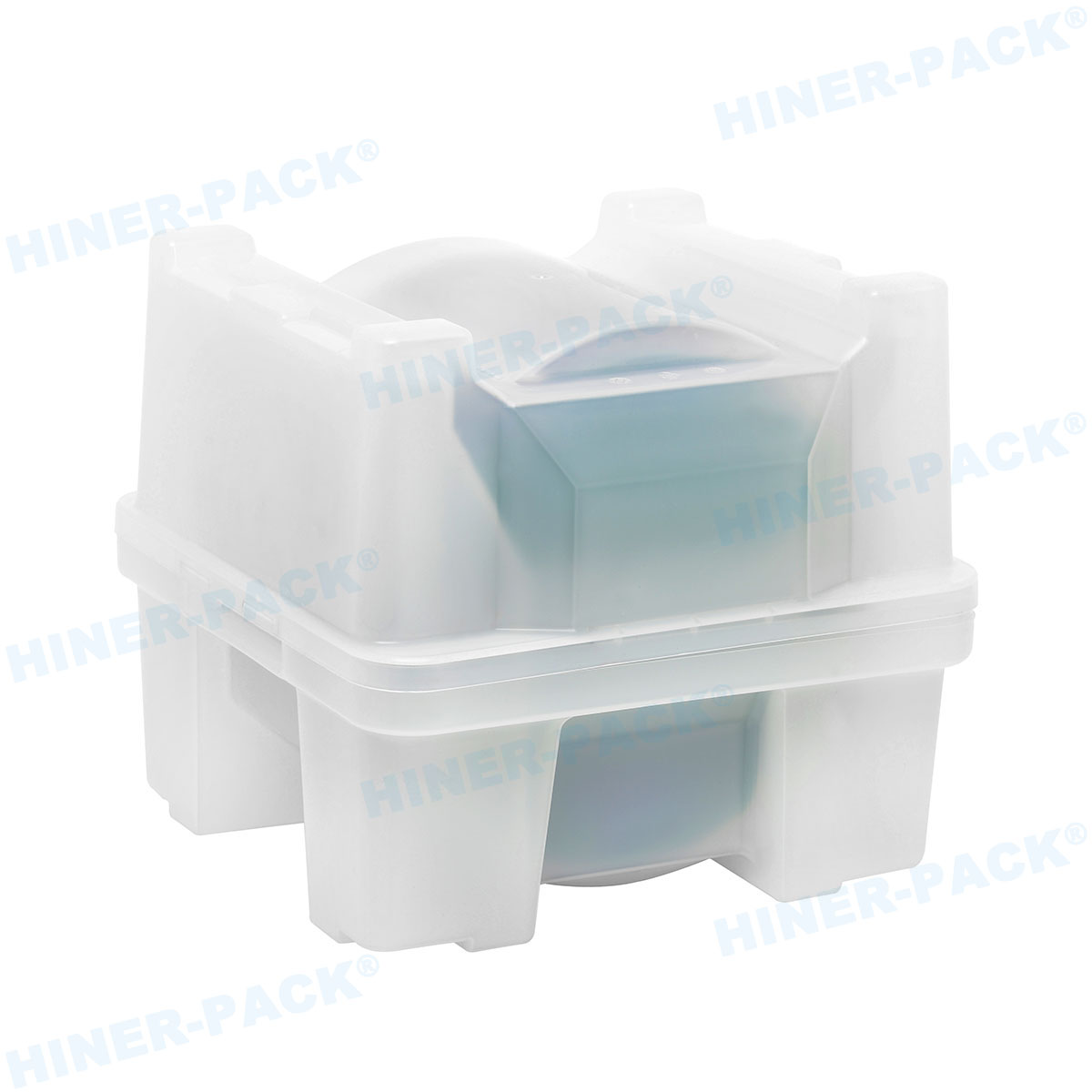
1. Vacuum-Formed VS Injection-Molded
| Comparison Criteria | Vacuum-Formed | Injection-Molded |
|---|---|---|
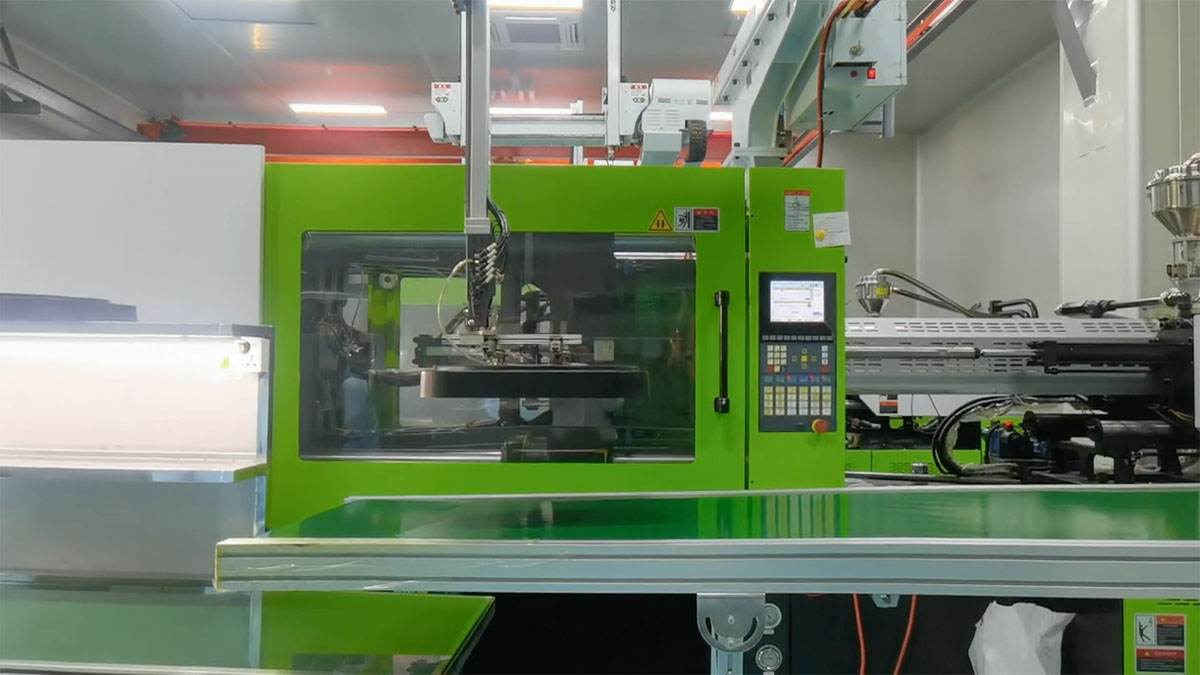
| Manufacturing Process | A flat plastic sheet, such as PET or PS, is heated until softened, formed over a mold using vacuum pressure, and then cooled to retain the desired shape. | Plastic resin is melted and injected under high pressure into a precision metal mold cavity, where it cools and solidifies into the desired shape. |
| Wall Thickness & Structure | Typically features relatively thin and uniform walls, with a simple single-layer or lid-and-tray construction. | Generally offers thicker walls and a more complex three-dimensional structure, with reinforcing ribs, precision slots, and other functional features. |
| Dimensional Accuracy & Rigidity | Moderate dimensional accuracy with good flexibility and lightweight construction. | Higher dimensional accuracy and greater structural rigidity, providing improved resistance to deformation. |
2. Vacuum-Formed Carriers: Lightweight and Cost-Effective for Flexible Needs
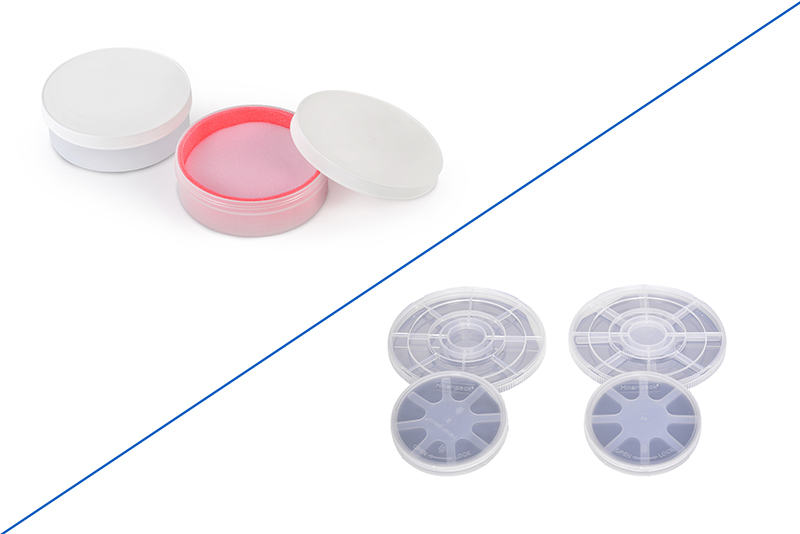
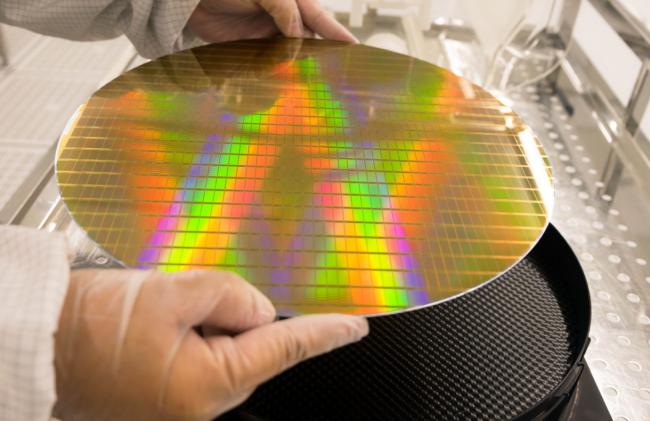
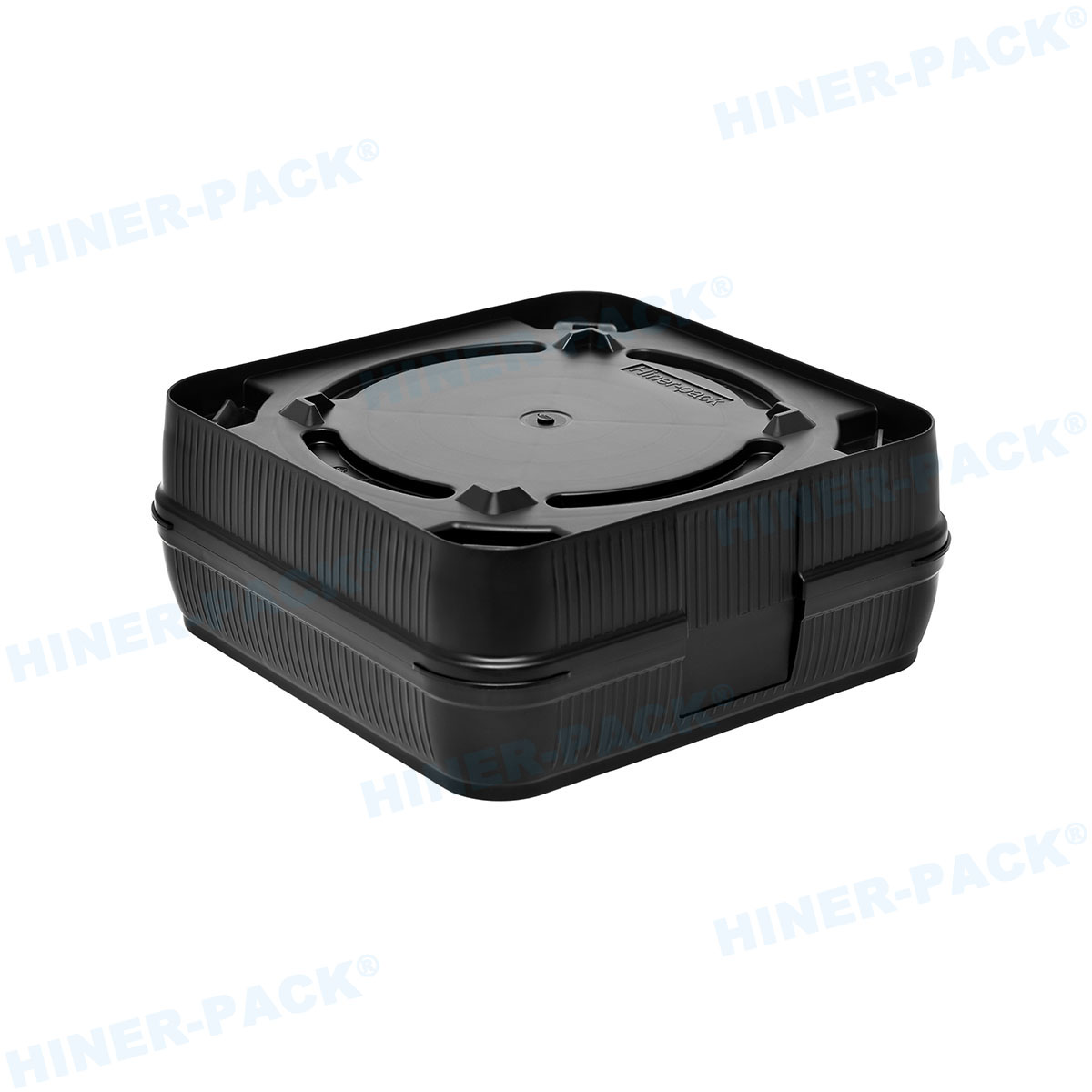
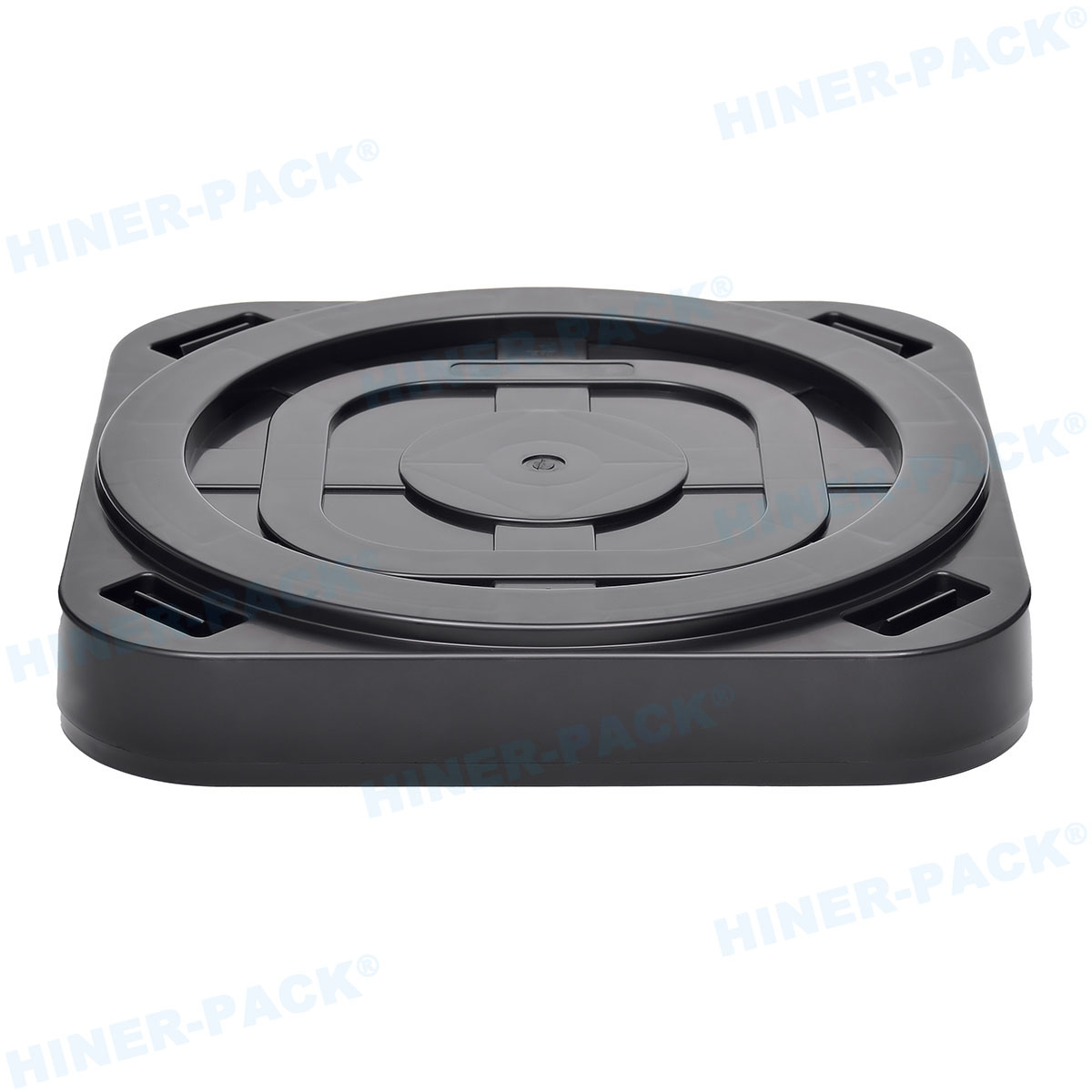
Vacuum-formed wafer carriers are primarily used for wafers that are already mounted on support rings—such as flex frames, dicing frames, or hoop rings (expansion rings)—which are common in specific process stages including backside grinding, dicing, and die expansion. Due to the thermoforming process itself, which stretches heated plastic sheets over a mold, this manufacturing method cannot produce the complex, precision internal slot structures required for securing bare wafers. As a result, vacuum-formed carriers are structurally suited for frame-mounted wafers, where the ring provides the mechanical support that the carrier itself cannot.
Key advantages of vacuum-formed carriers include:
Low cost: Suitable for high-mix, low-volume or rapidly iterating custom requirements with minimal upfront investment.
Lightweight: Light in weight and easy to handle.
Targeted fit: Easily customized to the specific contours of expansion rings or special profiles for effective shock absorption.
Limitations:
Lower mechanical strength: Prone to deformation under prolonged heavy pressure or extreme external forces.
Low reusability: Primarily single-use or short-turn, not suitable for highly automated, long-distance cycle handling.
3. Injection-Molded Shippers: Precision and Durability for Automated High-Volume Logistics
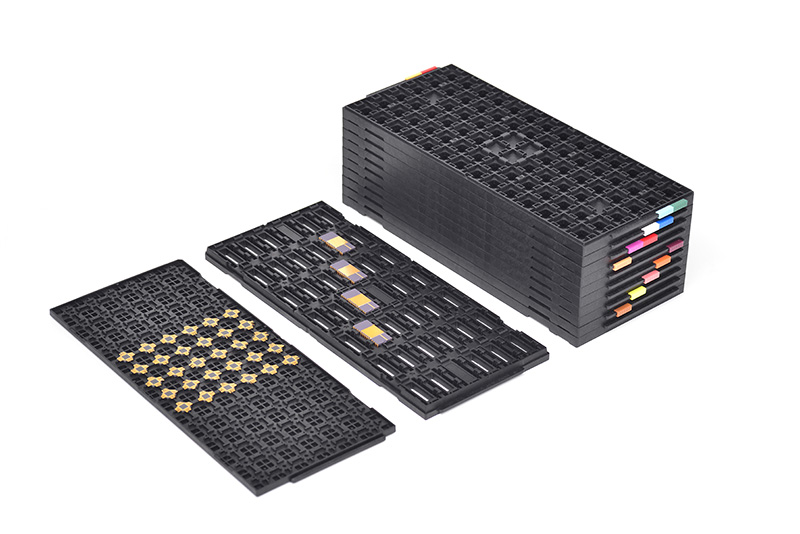
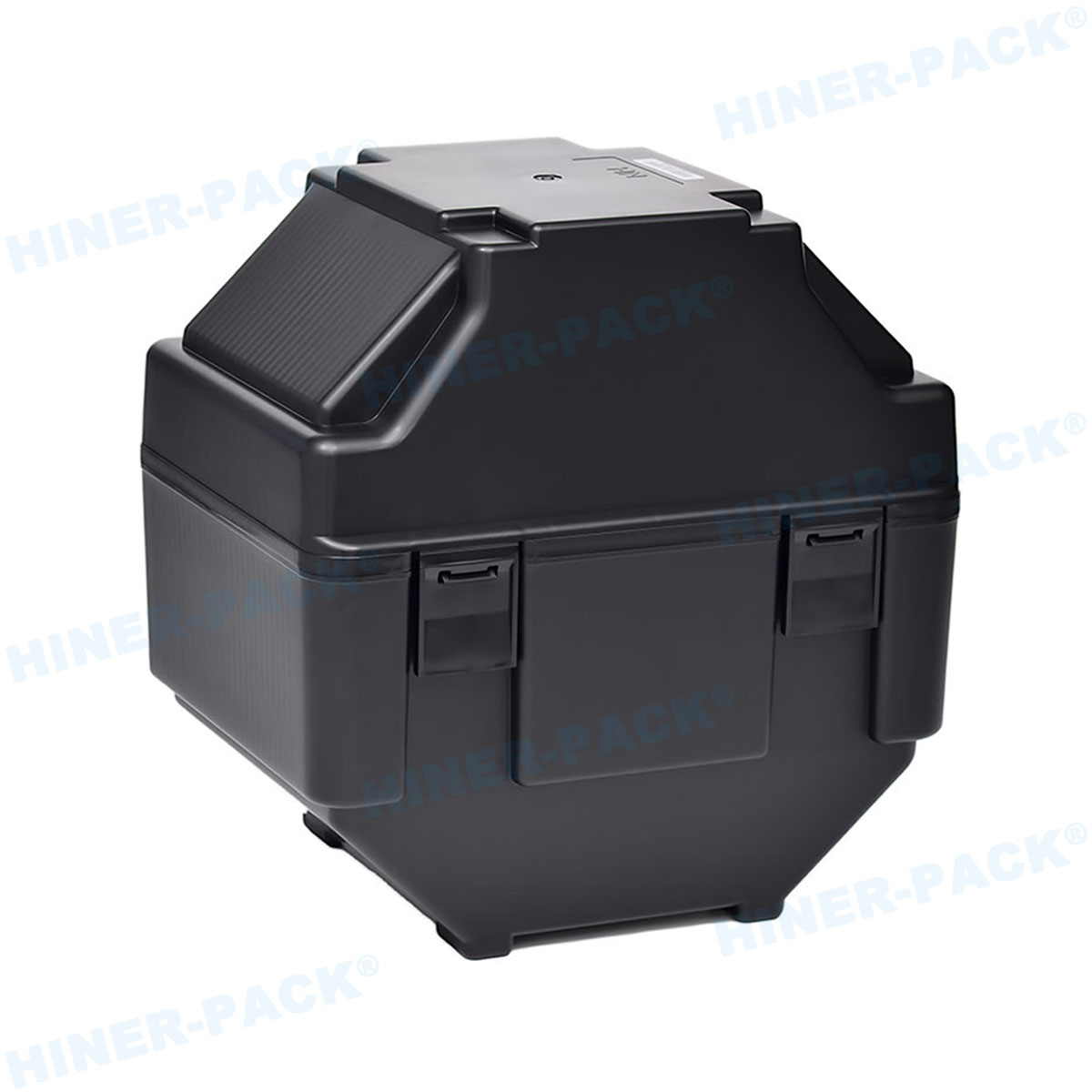
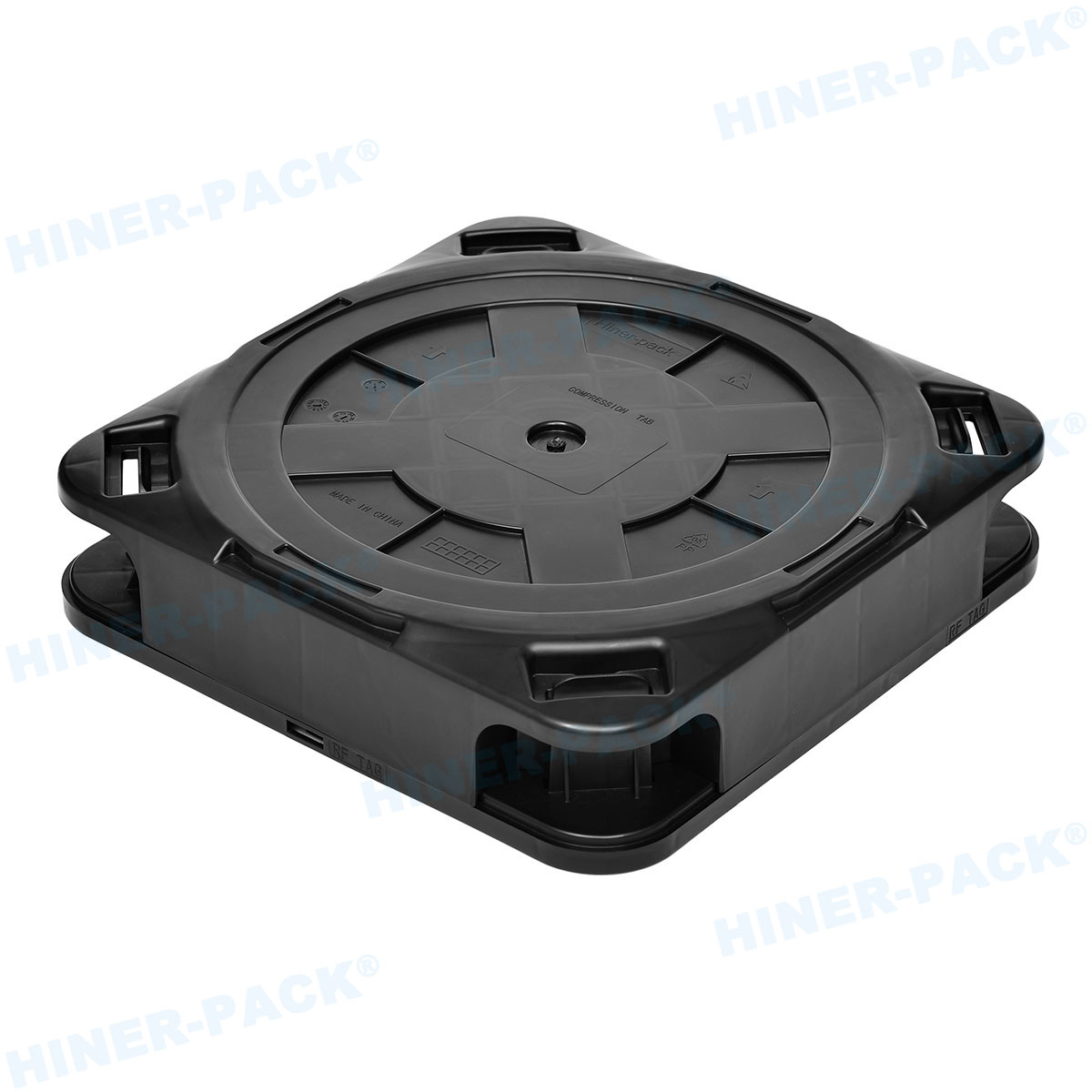
For high-volume manufacturing, multi-wafer batch shipping, or cross-border logistics, injection-molded carriers are essential. Injection molding produces thick-walled, highly rigid structures with complex multi-slot configurations and high dimensional accuracy. These carriers do not flex or warp under heavy loads, enabling safe multi-layer vertical stacking in cargo holds or automated robotic stockers.
Key advantages of injection-molded carriers include:
High strength and durability: Sturdy construction with excellent impact, compression, and wear resistance for extended service life.
Cleanroom compatibility and sealing: When manufactured with high-performance engineering plastics (e.g., conductive or anti-static materials), they effectively prevent particle contamination and meet high-level cleanroom standards.
Automation compatibility: Precise dimensions enable seamless integration with semiconductor automation equipment, including robotic arms, AGVs, and standard cassette conversion systems.
Limitations:
High initial cost: Expensive mold development, not suitable for small-batch customization.
Heavier weight: Bulkier than vacuum-formed alternatives.
4. Application Scenarios
Vacuum-formed carriers are ideal for:
Short-turn wafer-level transport and shipment: Simple segregated packaging and safe transport of wafers mounted on flex frame rings or hoop rings.
Research institutes and pilot lines: High product mix, low volume, frequent packaging size changes.
Transitional handling of specific devices: Cost-sensitive, non-automated manual transfers between production lines with ESD protection.
Injection-molded carriers are ideal for:
Inter-factory and intra-fab long-term transfer: Standard FOSB (Front Opening Shipping Box) or Wafer Storage Box for high-security-level transportation of 300mm/200mm wafers between cleanrooms and different facilities.
Automated smart production lines: Integration with OHT (Overhead Hoist Transport) or robotic arms for large-scale, unmanned, high-frequency automated storage and retrieval.
Long-term storage of high-value bare dies or wafers: Critical process steps with stringent requirements for sealing, moisture protection, ESD protection, and structural compression resistance.
5. Conclusion: How to Choose the Right Wafer Carrier for Your Application
Your Requirements | Recommended Solution |
|---|---|
High-mix, low-volume requirements with frequent design iterations and customization | Vacuum-Formed Carrier |
Short-distance handling and shipment of diced wafers mounted on wafer frames or expansion rings | |
Research institutions, pilot production lines, and other applications requiring frequent changes in packaging dimensions | |
Cost-sensitive, manually handled transfer applications without automation | |
High-volume manufacturing, multi-wafer batch transportation, or international logistics | Injection-Molded Carrier |
High-security, long-term transportation within or between semiconductor manufacturing facilities | |
High-frequency loading and unloading with automated production systems such as OHTs, robotic handlers, and AGVs | |
Long-term storage of high-value chips or wafers requiring stringent protection against moisture, static electricity, and environmental exposure |
Choosing between vacuum-formed and injection-molded wafer packaging comes down to matching your shipping scale, automation level, and transit requirements. Vacuum-formed carriers offer lightweight, low-cost protection for frame-mounted wafers in R&D and short-turn scenarios, while injection-molded carriers provide the structural rigidity, precision slotting, and automation compatibility needed for multi-wafer batch logistics and high-volume manufacturing.
The wafer carrier industry is mature, with standardized form factors widely available for most applications. As such, injection-molded carriers are typically selected from proven standard product lines rather than developed as custom-engineered solutions, except in cases with highly specific requirements.
Contact us today to select the right carrier solution that protects your wafers and optimizes your shipping budget.