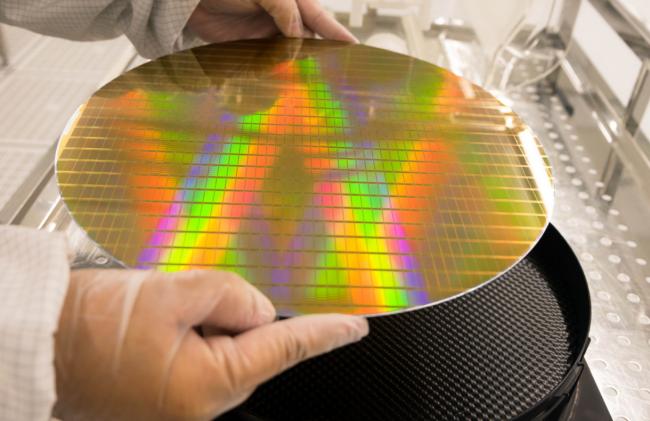
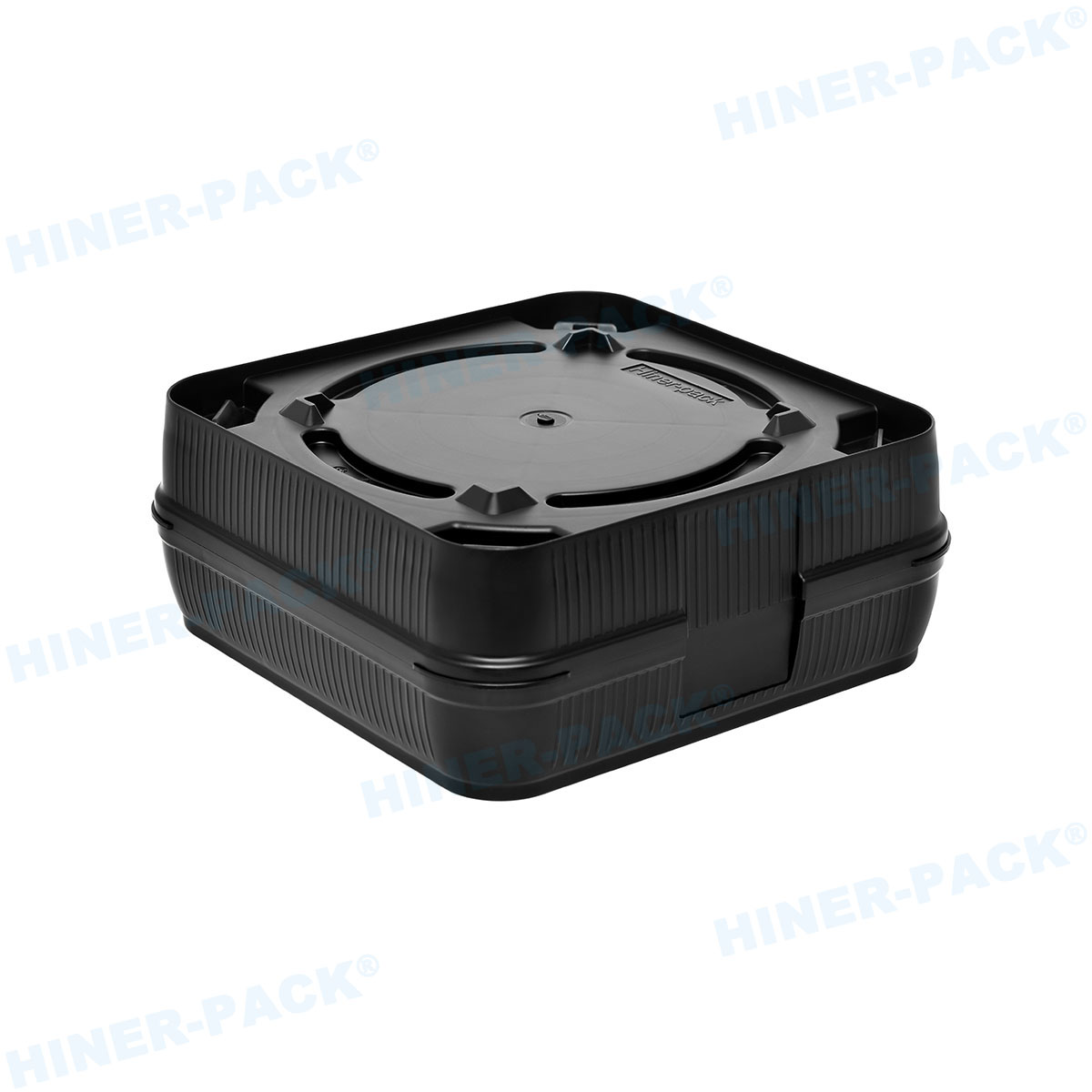
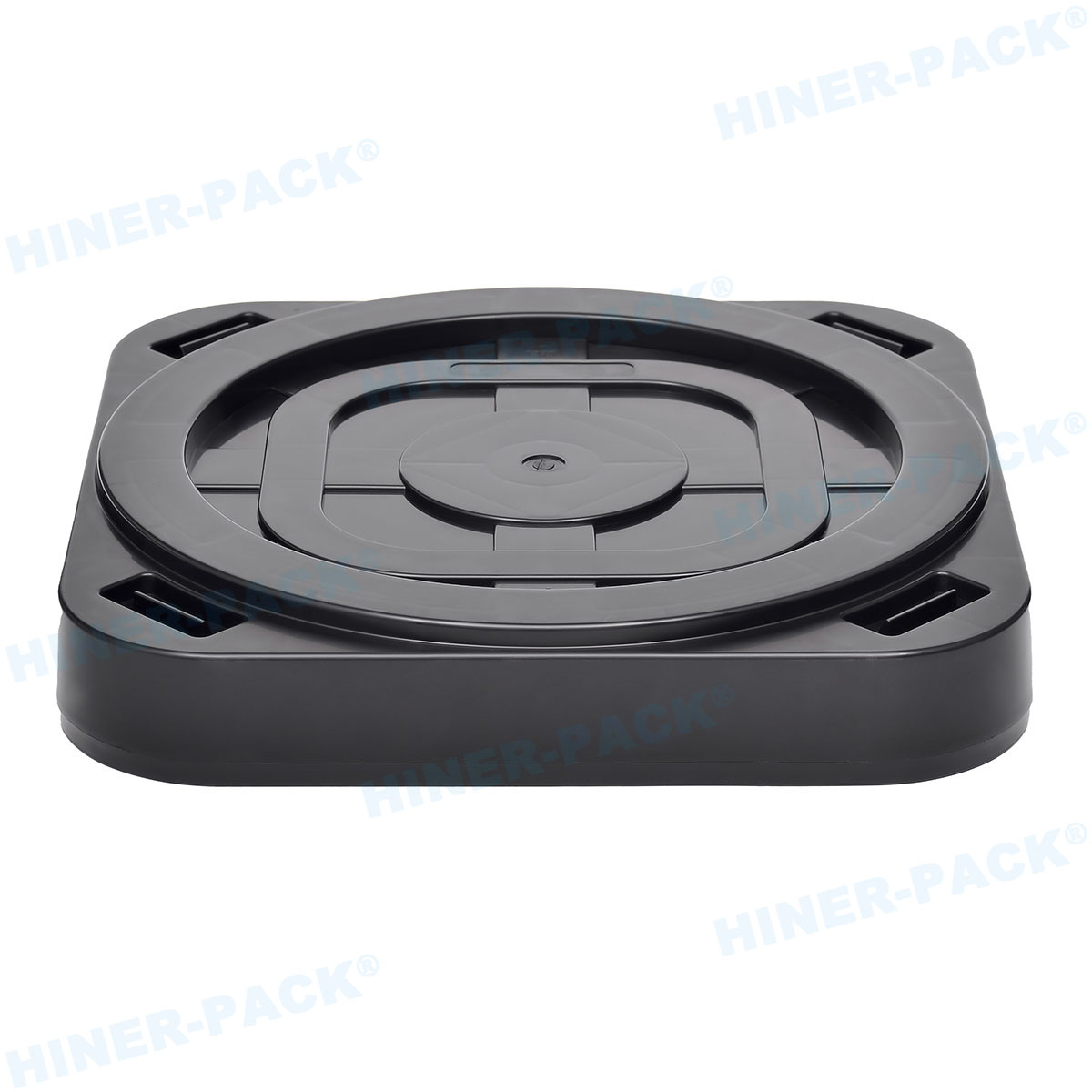
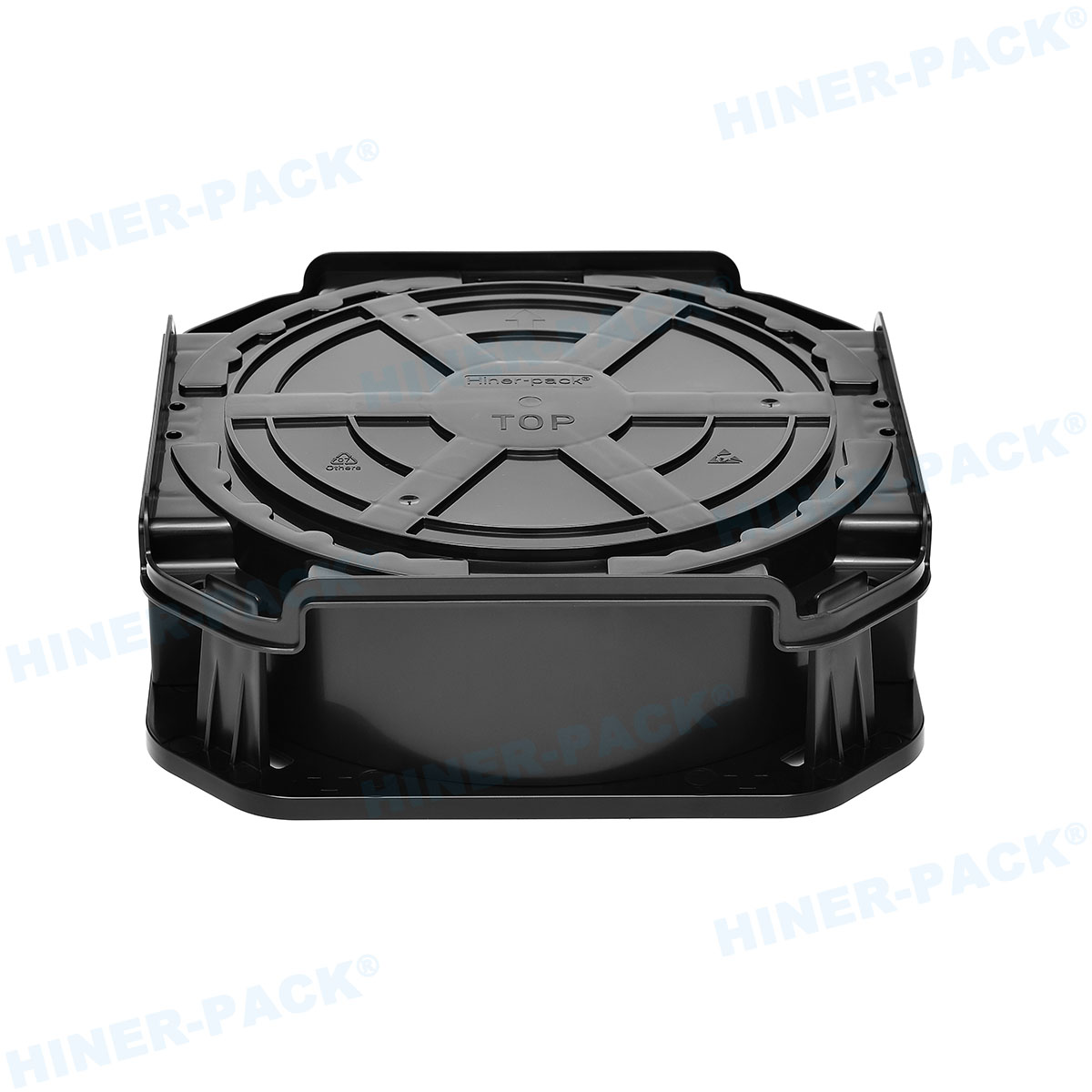
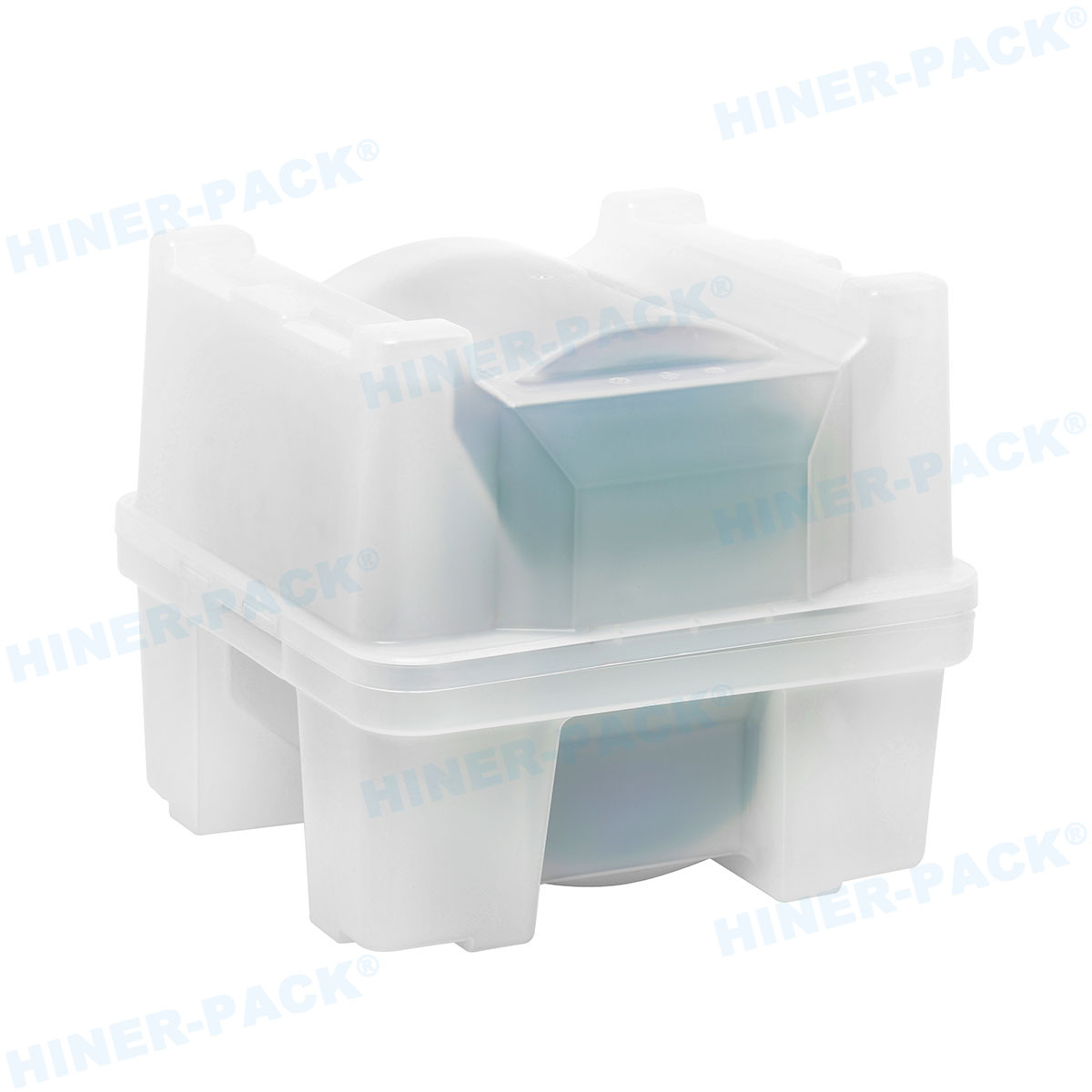
Substrate damage during transport halts production lines instantly. In semiconductor manufacturing, a single micro-scratch or electrostatic discharge event can destroy thousands of dollars in processed silicon. Choosing an experienced wafer cassette supplier helps fabs avoid these catastrophic yield losses.
At Hiner-pack, we manufacture precision carrier systems designed to endure harsh chemical baths and continuous robotic transfer. If your facility faces yield dropouts or mechanical alignment errors, submit an inquiry to our engineering team today to review custom carrier specifications.
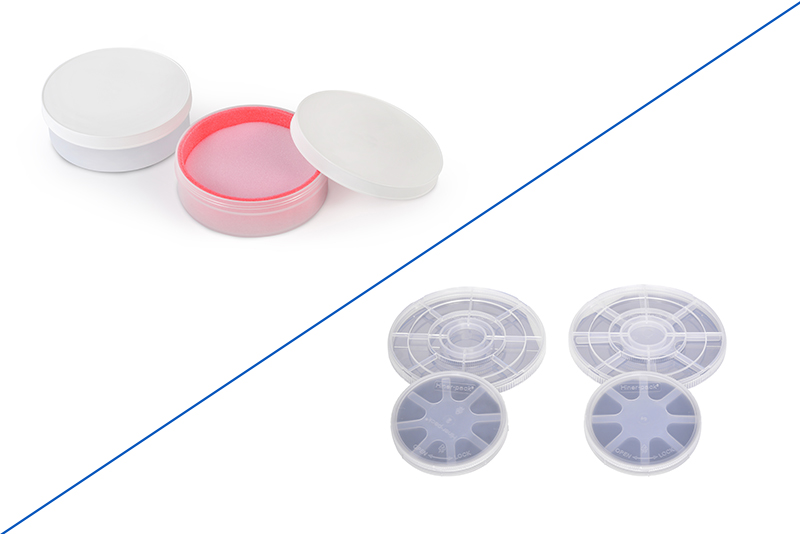
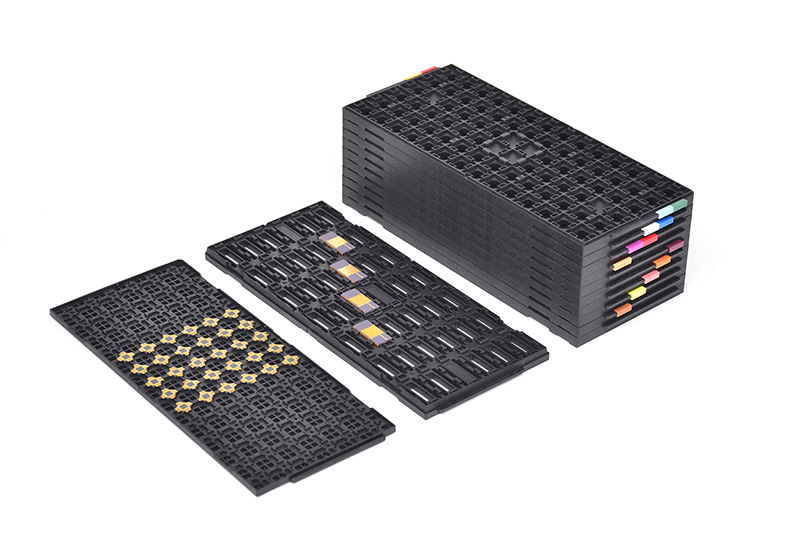
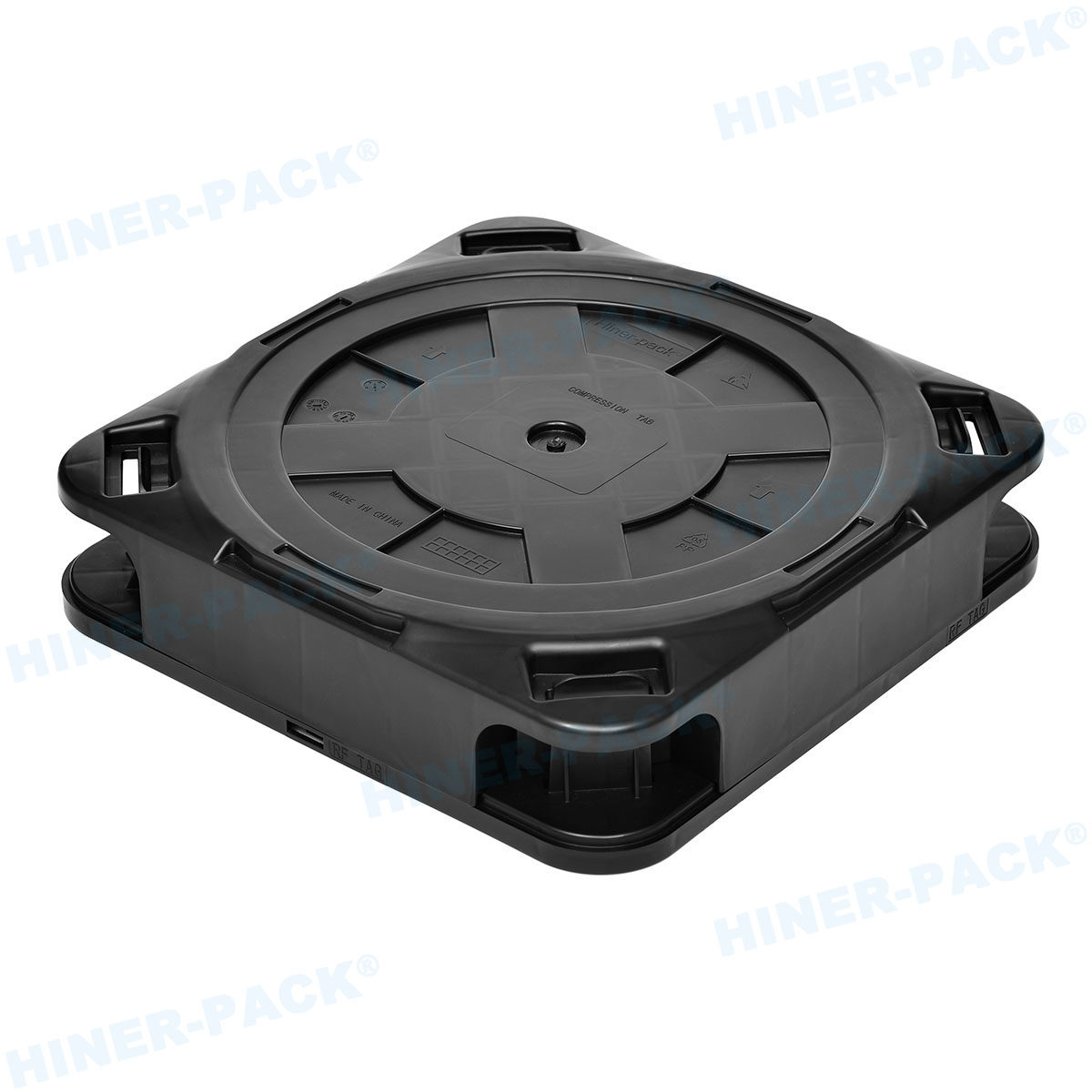
Wafer cassettes serve as the primary mechanical interface between raw substrates and automated equipment. They maintain slot alignment, distribute mechanical loads evenly, and shield fragile wafer edges from impact. Selecting the correct carrier requires a deep evaluation of materials, dimensional tolerances, and process conditions.
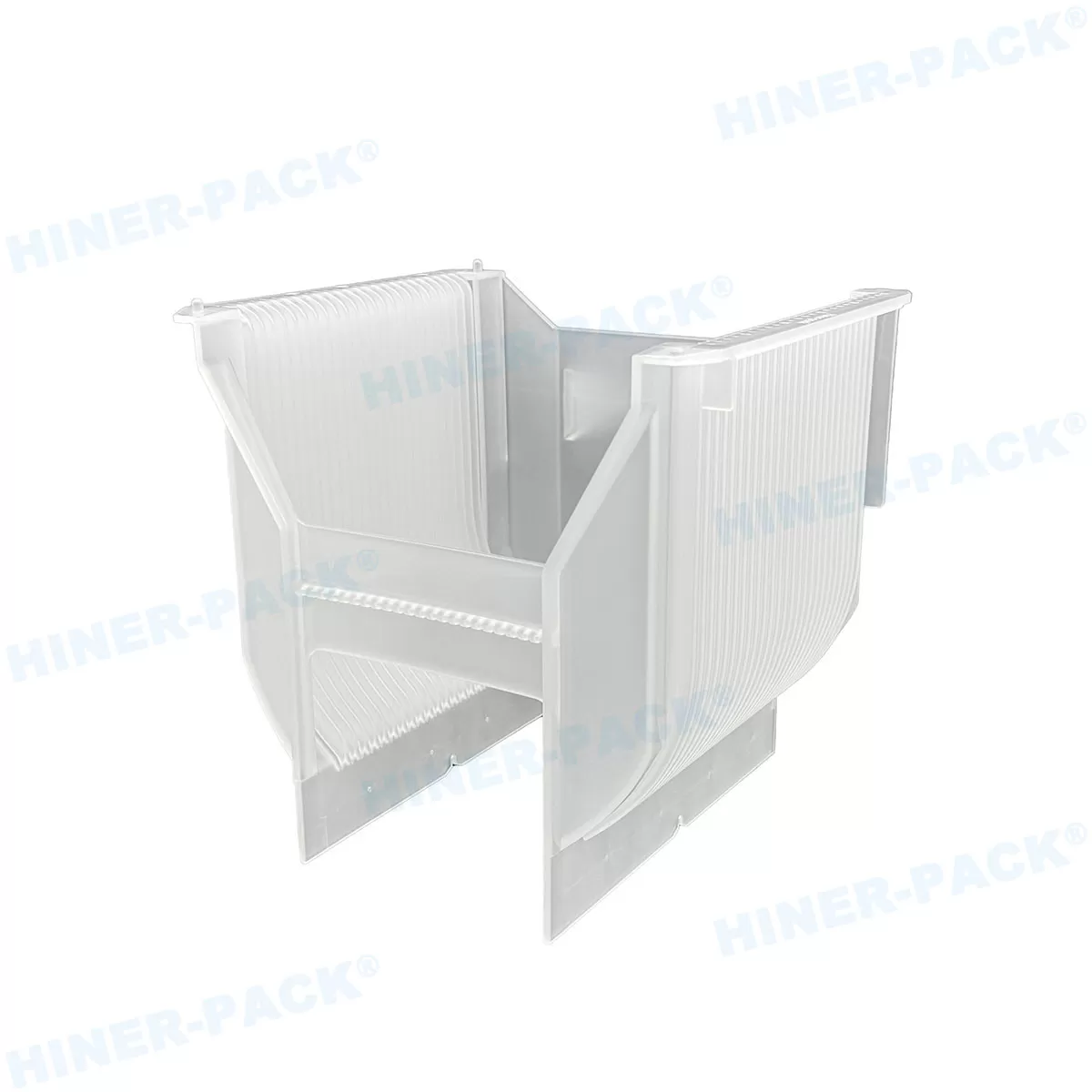
Critical Functions of Modern Wafer Cassettes
A wafer cassette does far more than hold round discs of silicon. It maintains wafer position within fractions of a millimeter during high-acceleration tool handoffs. Without exact slot spacing, robotic end-effectors will drop or scrape substrates.
Cassettes also prevent cross-contamination across various wet benches and dry processing chambers. Particles generated by friction inside the pocket teeth can settle onto active die surfaces. Well-engineered cassettes minimize contact surface area while maximizing mechanical retention.
Thermal stability is equally vital. During thermal processing or automated chemical cleans, carriers face rapid temperature shifts. A cassette that warps under heat alters its pocket pitch, causing robotic transfer errors when the lot returns to ambient temperatures.
Material Selection: Balancing Chemical Resistance and Static Dissipation
Material degradation ruins fab cleanliness. Wet etching processes use aggressive acids like hydrofluoric, nitric, and sulfuric blends. Choosing the wrong polymer leads to leaching, embrittlement, and catastrophic slot collapse.
Fluoropolymers (PFA and PTFE)
Fluoropolymers remain the standard choice for harsh chemical wet benches. Perfluoroalkoxy (PFA) and polytetrafluoroethylene (PTFE) offer superior resistance to aggressive chemistries. They withstand high bath temperatures without shedding organic compounds into process baths.
PFA features melt-processability, allowing manufacturers to mold seamless cassettes with high dimensional consistency. Its non-wetting surface promotes rapid liquid drainage during spin-rinse-dry cycles. This reduces chemical carryover between process tanks and cuts drying cycle durations.
However, pure fluoropolymers exhibit softer mechanical characteristics than engineering plastics. They flex under heavy dynamic loads. Equipment operators must account for elastic deformation when handling 200mm or 300mm batches in high-acceleration automated cells.
Polyetheretherketone (PEEK)
For applications demanding mechanical rigidity and wear resistance, PEEK is the premier material. PEEK resists flexural fatigue and maintains its shape under heavy mechanical stress. It survives repeated washings and exhibits minimal dimensional change across wide operating ranges.
PEEK also demonstrates low moisture absorption and low outgassing characteristics. This makes it ideal for vacuum transfer modules and dry lithography environments. Engineers specify PEEK when pocket teeth wear must remain near zero over years of operational cycling.
Static Dissipative and Carbon-Filled Compounds
Electrostatic discharge (ESD) ruins thin gate oxides and micro-electromechanical systems (MEMS). Standard unfilled polymers act as electrical insulators, accumulating dangerous static charges during dry robotic transport.
A qualified wafer cassette supplier compounds base resins with conductive carbon fibers or carbon nanotubes. These additives establish a continuous electrical path, dropping surface resistivity into the static dissipative range of 105 to 109 ohms per square. Governed by technical frameworks from organizations like the National Institute of Standards and Technology (NIST), surface resistance management protects sensitive circuit architectures from rapid electrical discharge.
- Natural PFA: Maximum chemical inertness; ideal for wet etch, strip, and clean benches.
- Carbon-filled PFA: Chemical resistance coupled with ESD mitigation for volatile solvent handling.
- Virgin PEEK: Exceptional structural rigidity, high abrasion resistance, and low particle generation.
- Static Dissipative PEEK: Dimensional stability for front-end automated tracks requiring strict static dissipation.
- Polypropylene: Cost-effective material for ambient transport, storage boxes, and non-critical handling.
Dimensional Precision and SEMI Standards Compliance
Modern cleanrooms depend heavily on automated guided vehicles (AGVs) and overhead hoist transport (OHT) systems. Robots expect wafer pockets to sit at exact theoretical coordinates. Any variation leads to mispicks, double-wafer detections, or chipping.
Industry standards developed by SEMI (Semiconductor Equipment and Materials International) define the physical envelopes, pocket pitches, and handling clearances for production cassettes. Specifications such as SEMI E1, SEMI E1.9, and SEMI E47.1 dictate mechanical boundaries for wafer carriers.
A reliable wafer cassette supplier inspects pocket flatness, overall pitch tolerance, and perpendicularity via coordinate measuring machines (CMM). Pocket profile geometry must provide adequate clearance for robotic end-effectors while cradling wafer perimeters gently during lateral movements.
Notch and flat orientation cutouts require smooth profiling. Sharp internal edges concentrate mechanical stress and shave micro-flakes of silicon during manual or robotic insertion. Chamfered lead-in teeth guide wafers smoothly toward the resting pocket position.
Thermal and Fluid Dynamic Considerations in Cassette Design
Process uniformity across the entire cassette determines final lot yield. In wet etching and rinsing, fluid flow across the substrate faces must remain laminar and unobstructed. Solid cassette side walls disrupt fluid circulation, creating dead zones where acids linger.
Perforated walls and open-profile designs promote uniform fluid displacement. Process engineers optimize wall open-area percentages to balance structural rigidity against fluid dynamics. Rapid liquid exchange guarantees uniform etch rates from wafer one through wafer twenty-five.
During spin-rinse-dry routines, centrifugal forces place heavy lateral stress on cassette side rails. Fluid must escape rapidly through bottom drainage channels. Trapped droplets create water spots on active wafer regions, causing localized oxide defects.
Evaluating Your Wafer Cassette Supplier: Core Sourcing Criteria
Selecting a wafer cassette supplier requires looking beyond raw catalog pricing. A cassette failure in the field costs exponentially more than the unit price of the carrier. Fabs must verify quality assurance protocols, mold maintenance regimens, and cleanroom production controls.
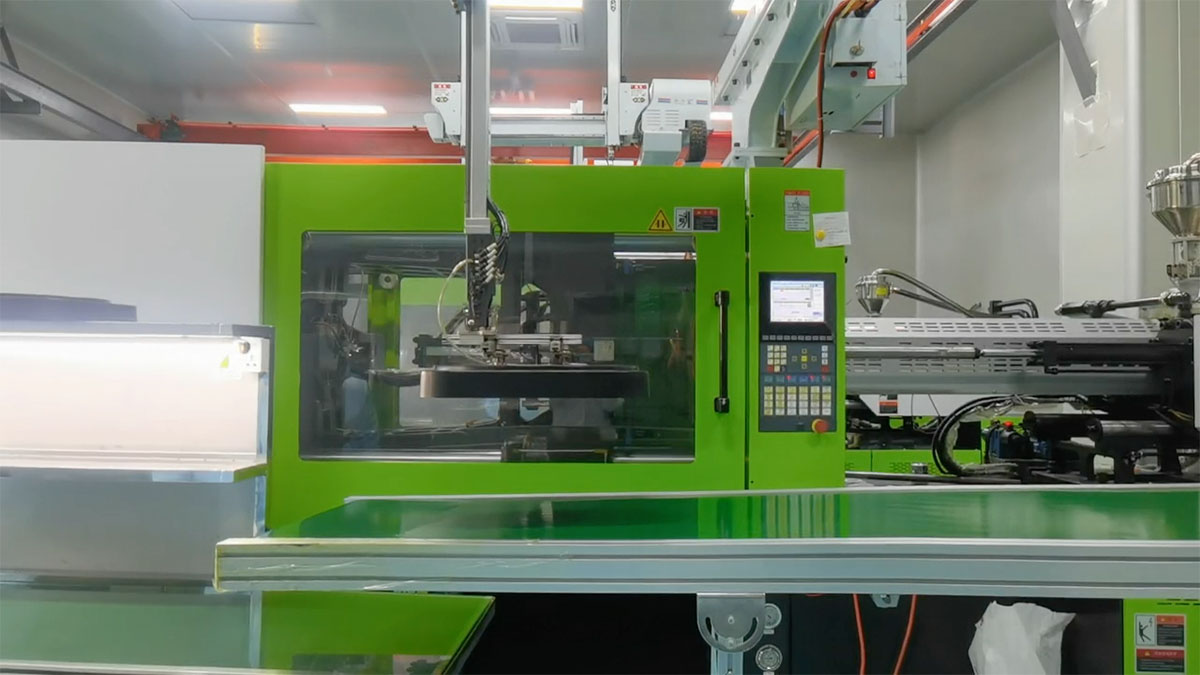
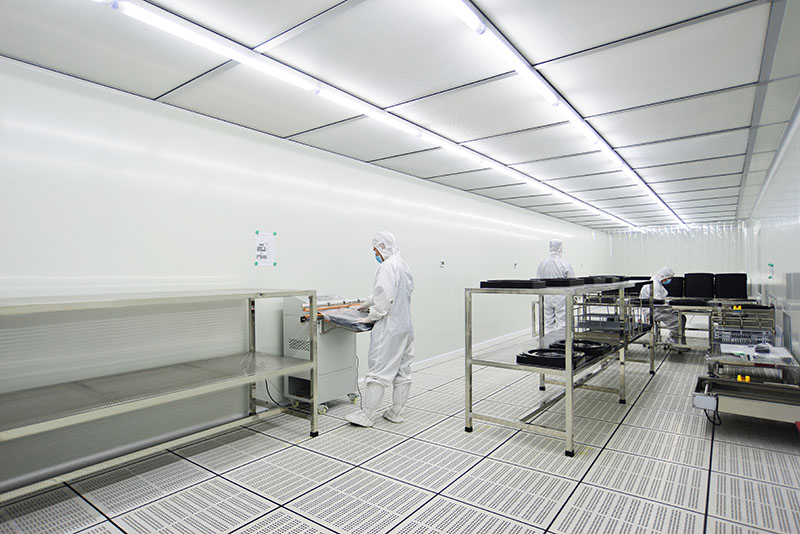
At Hiner-pack, our manufacturing facilities adhere to strict ISO-certified cleanroom molding protocols. We test incoming raw polymer lots for heavy metal trace impurities and melt flow stability before injection molding begins. This diligence ensures our clients receive components that perform identically across every production batch.
Look for suppliers that provide full material traceability documentation. Fabs cannot afford to introduce outgassing contaminants or unverified plasticizer agents into deep submicron manufacturing lines. Your supplier must document raw material sources and verify lot-specific certificates of analysis (CoA).
Dimensional repeatability across thousands of molding cycles is equally important. Injection molds experience thermal wear over time. Leading suppliers maintain automated vision inspection stations to measure critical teeth dimensions on every production lot, rejecting deviations before shipment.
- Cleanroom Molding Environment: Manufacturing must take place inside ISO Class 5 or Class 6 environments to eliminate ambient airborne dust.
- Traceability: Batch-level tracking for raw resins, additive masterbatches, and tooling sets.
- CMM Verification: Full dimensional profiling covering slot-to-slot pitch, pocket drop, and diagonal rail squareness.
- Packaging Protocols: Dual-bagged, cleanroom-grade packaging purged with ultra-high-purity nitrogen to avoid transit contamination.
Preventing Fab Failures: Real-World Handling Challenges
Silicon substrates continue to evolve. Thinner wafers, bonded pair substrates, and wide-bandgap materials like Silicon Carbide (SiC) and Gallium Nitride (GaN) introduce unique handling difficulties. SiC substrates are exceptionally hard and brittle, while ultra-thin silicon wafers exhibit pronounced gravity sag.
Wafer sag causes the substrate center to bow downward. In standard cassettes, bowed wafers scrape against the back of the wafer underneath during insertion. Fabs addressing thin wafer processes must source specialized carriers featuring steeper pocket angles or altered spacing configurations.
Cassette handling automation requires durable equipment grip interfaces. Robotic side grippers and robotic handles experience thousands of clamping cycles per month. If the gripping flange wears down, sensors report error flags, pausing manufacturing cluster tools until maintenance personnel intervene.
Static magnetic fields and RF interference also affect smart tracking systems. Many fabs embed RFID tags directly into cassette frames. Technical publications through the IEEE (Institute of Electrical and Electronics Engineers) outline the integration of automated material tracking with minimal RF degradation in advanced manufacturing nodes. The carrier material must not attenuate radio frequency signals used for lot tracking.
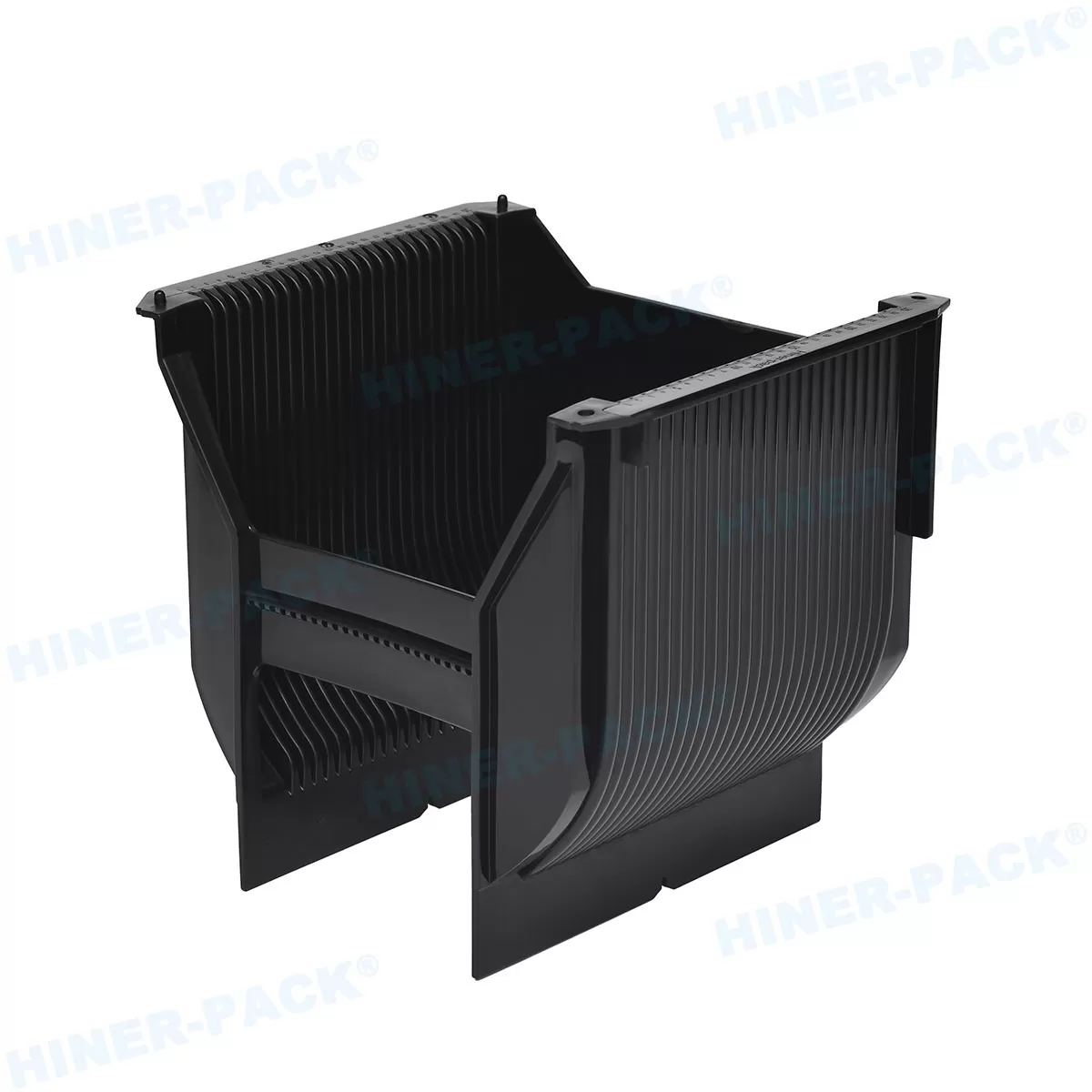
Cleaning, Maintenance, and Cassette Lifecycle Management
Wafer carriers possess a finite operational lifespan. Mechanical friction, chemical exposure, and thermal cycling degrade polymer surfaces over time. Cleanroom maintenance teams must establish clear retirement criteria based on measurable structural parameters.
Automated cassette washing systems utilize hot DI water, specialized surfactants, and ultrasonic agitation to dislodge submicron particles. Ultrasonic energy, if misapplied, can pit polymer surfaces or induce micro-cracks in brittle resins. Suppliers should supply validated cleaning recipes matched to their specific polymer formulations.
Surface roughness measurements (Ra values) indicate tooth wear. When teeth surfaces turn rough, friction increases, generating higher particle counts during wafer insertion. Routine metrology audits detect when pocket wear exceeds acceptable cleanroom thresholds.
Recycling programs provide an environmentally responsible method to manage retired carriers. High-purity engineering resins like PEEK retain residual market value. Some suppliers offer buyback or closed-loop material recycling programs for scrap carriers, supporting corporate fab sustainability initiatives.
Frequently Asked Questions (FAQ)
Q1: What is the main operational difference between PEEK and PFA
wafer cassettes?
A1: PFA delivers near-universal chemical inertness,
making it the premier choice for wet etching, acid baths, and high-temperature
cleaning processes. PEEK provides far superior mechanical rigidity, structural
strength, and wear resistance, making it ideal for dry automated transfer,
lithography tracks, and high-speed robotic handling.
Q2: How does a wafer cassette prevent electrostatic discharge (ESD)
damage?
A2: A wafer cassette supplier incorporates conductive carbon
additives or anti-static compounds directly into the base resin. This lowers the
material's electrical resistance to between 105 and 109 ohms/sq, allowing static charges to bleed off safely to equipment ground points
rather than discharging through active microchips.
Q3: Why are SEMI standards critical when choosing a wafer
cassette?
A3: SEMI standards establish mechanical guidelines for
pocket pitch, overall carrier dimensions, and end-effector clearances.
Compliance ensures that the cassette interfaces cleanly with commercial
processing tools, automated stockers, and robotic loaders without mechanical
interference or manual alignment adjustments.
Q4: How frequently should wafer cassettes undergo automated
washing?
A4: Cleaning frequency depends on the process step.
Cassettes exposed to aggressive chemical baths or particulate-heavy processes
undergo cleaning every few cycles. Carriers used solely for dry transport in ISO
Class 3 cleanrooms can operate longer, though most fabs establish wash cycles
based on time or total lot turns.
Q5: Can standard cassettes hold ultra-thin or warped silicon
substrates?
A5: Standard cassettes often fail when handling
ultra-thin substrates because gravity sag causes the wafer center to droop into
adjacent pockets. Specialized carriers with widened pitch, custom tooth
profiles, or perimeter support rings are typically required to prevent
mechanical scraping during loading operations.
Optimize Fab Throughput with High-Precision Carriers
Semiconductor manufacturing permits zero margin for mechanical error. Using outdated, warped, or out-of-spec carriers leads directly to broken wafers, particulate contamination, and costly tool downtime. Protecting yields requires strict attention to material properties, dimensional accuracy, and supplier reliability.
Hiner-pack engineers robust, precision-molded wafer cassettes tailored to modern cleanroom automation. Whether you process traditional silicon, compound semiconductors, or specialized glass substrates, our engineering group delivers field-tested carrier solutions built for high-throughput environments.
Prevent yield loss before it occurs. Contact Hiner-pack today to request a quote or speak with a technical sales engineer about custom wafer handling solutions for your fab.