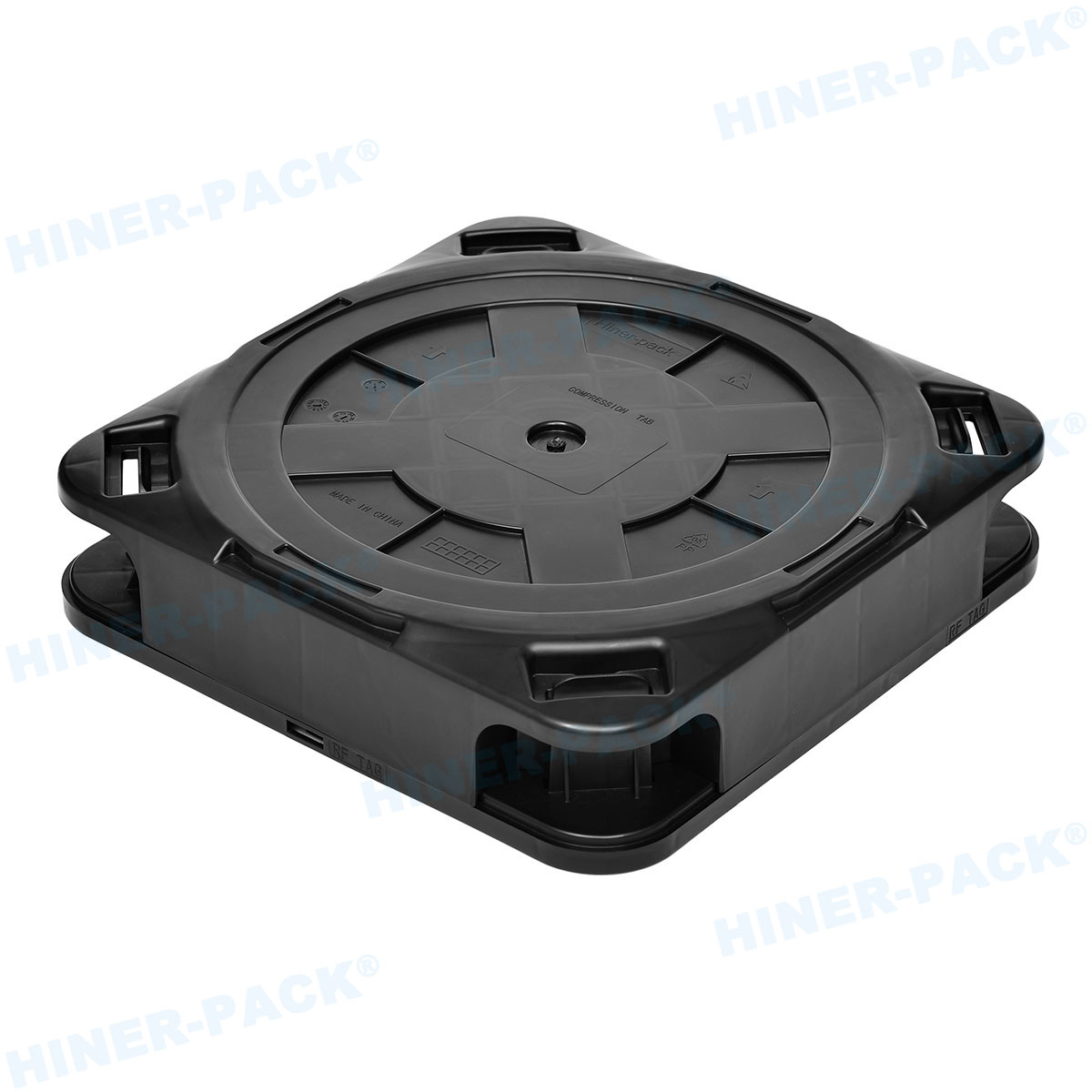
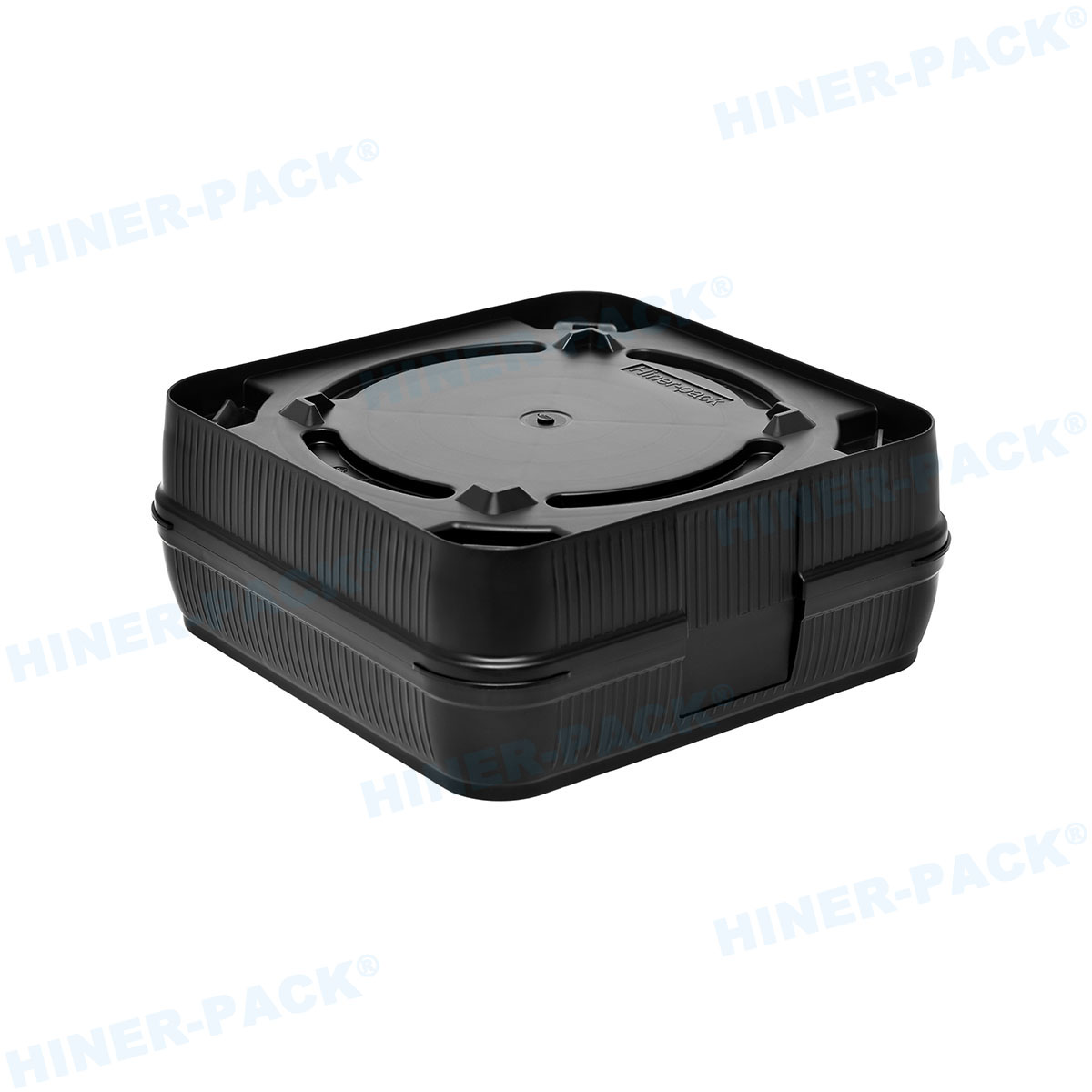
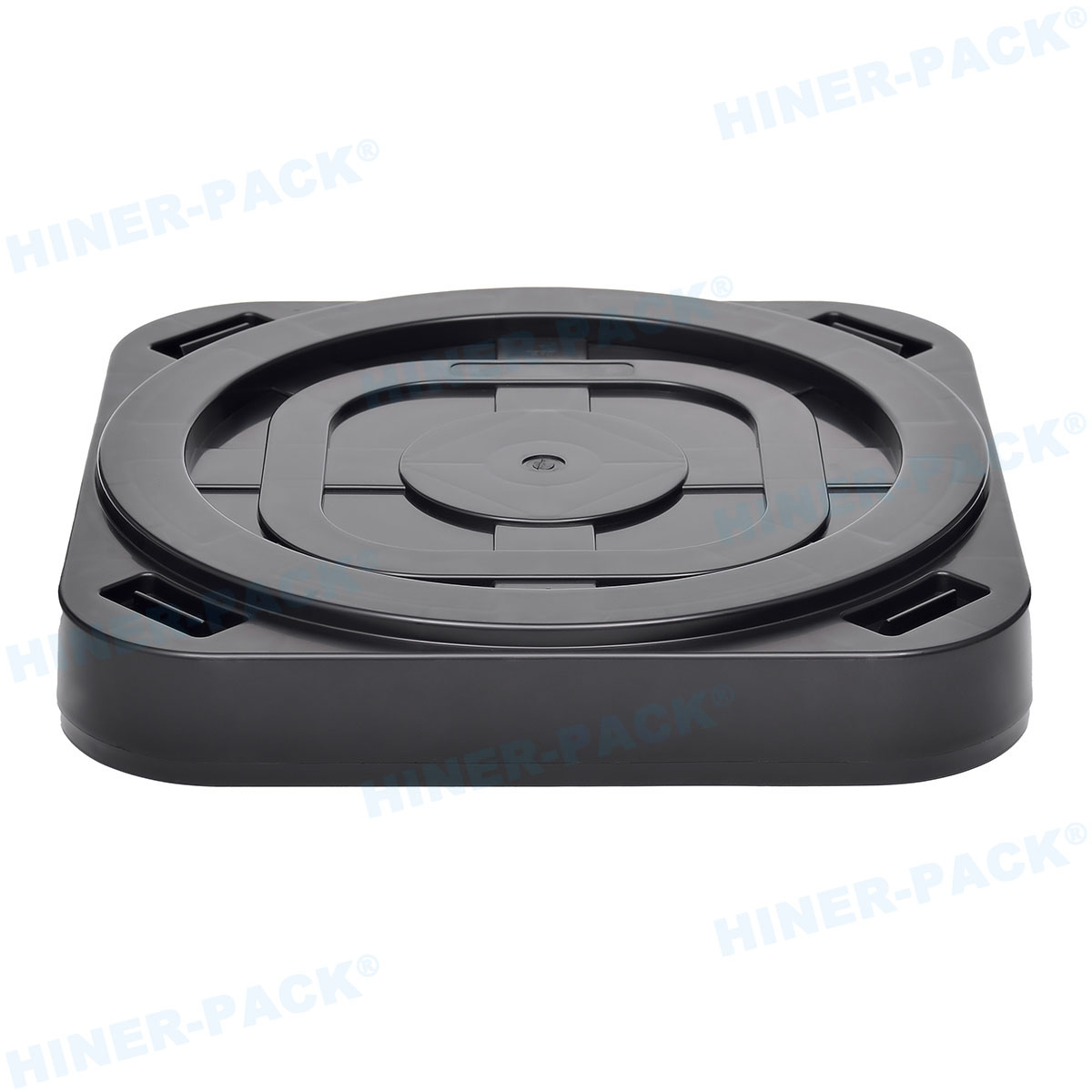
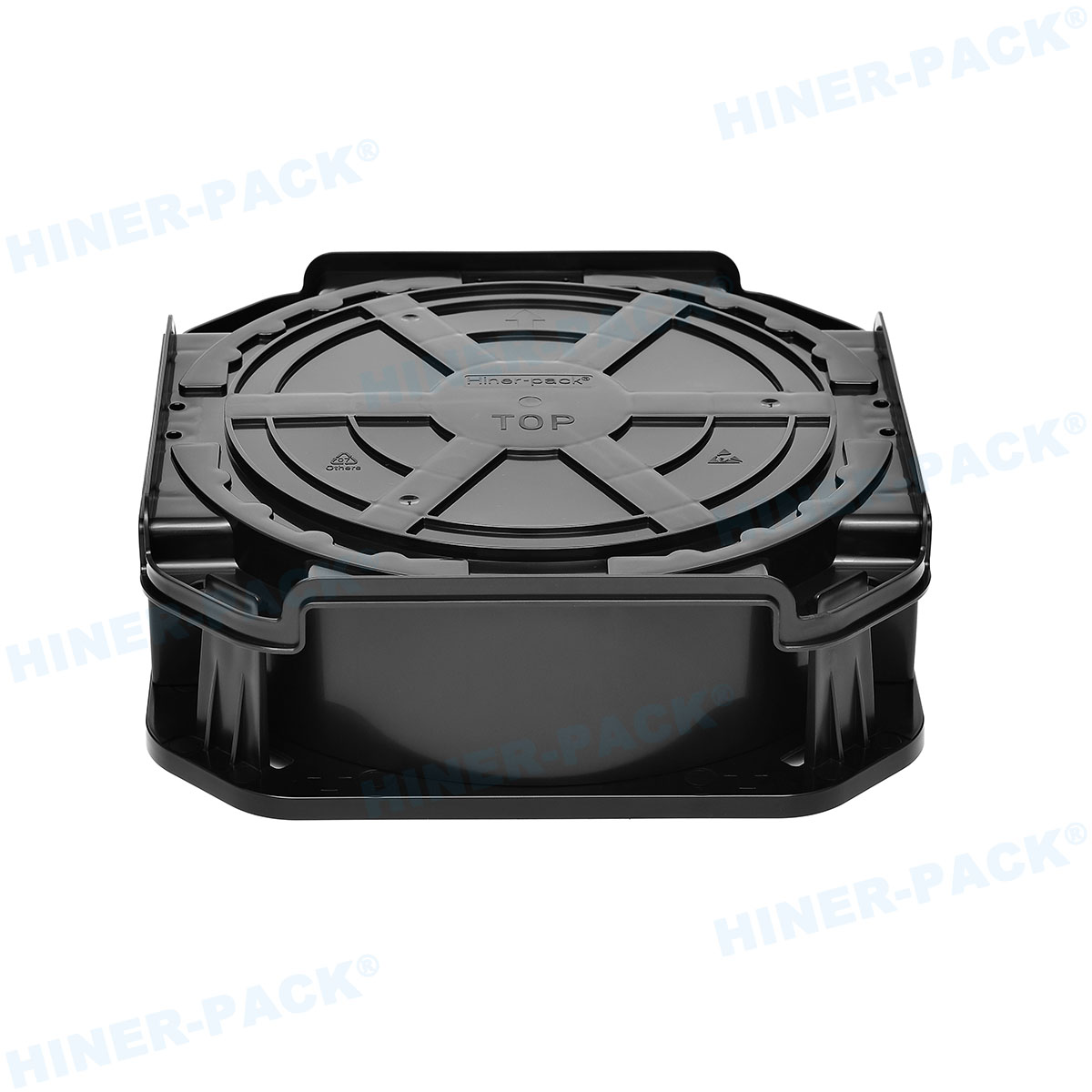
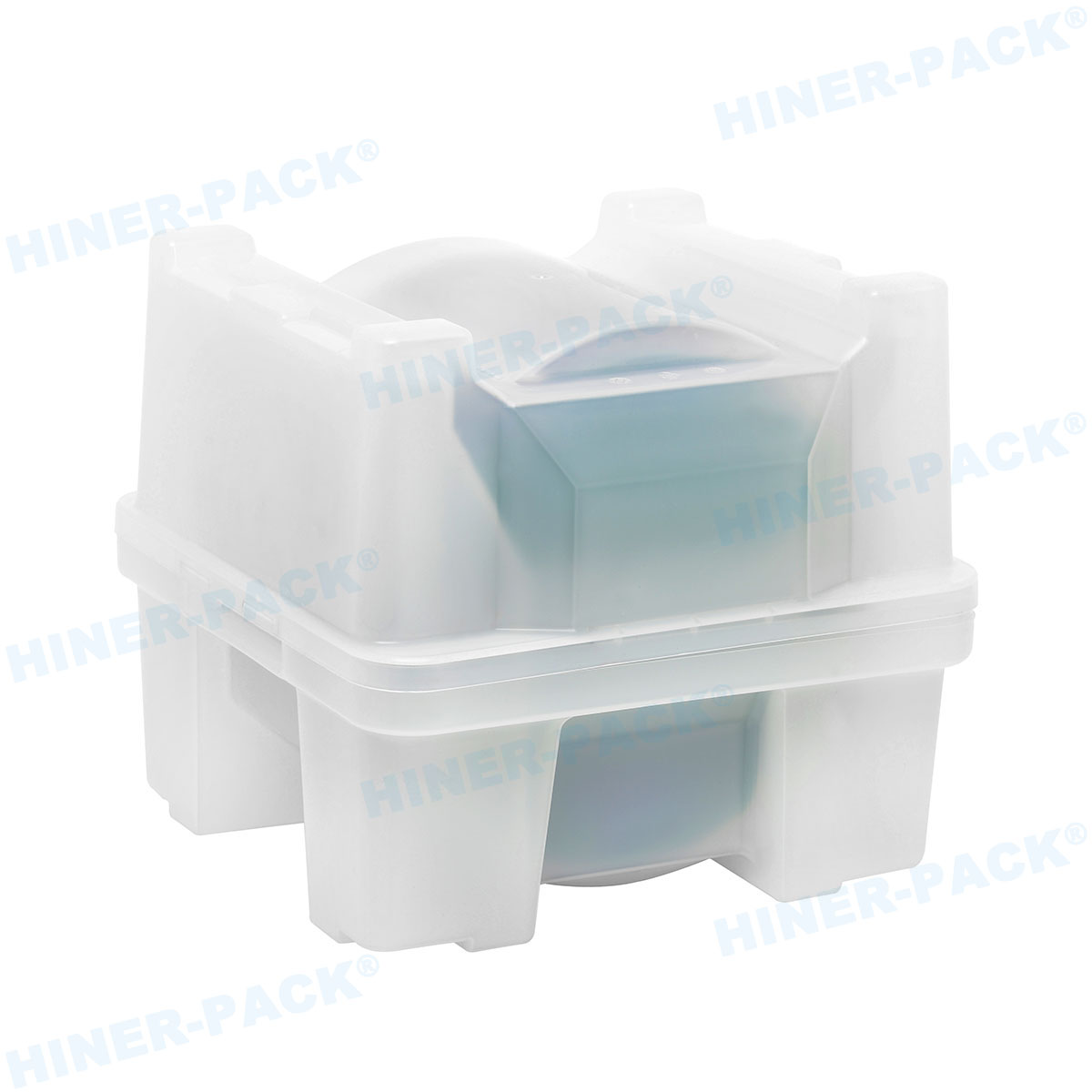
For procurement managers, process engineers, and fab operations leads, the wafer boat price represents more than a line item in a capital expenditure budget. It is a critical variable in the overall cost structure of semiconductor wafer processing, directly influencing the economics of diffusion, oxidation, and chemical vapor deposition (CVD) steps. This analysis provides a granular examination of the factors that determine wafer boat price, moving beyond simple catalog figures to explore the engineering, material science, and operational realities that shape total cost of ownership in the semiconductor packaging ecosystem.
Defining the Wafer Boat in Modern Semiconductor Packaging
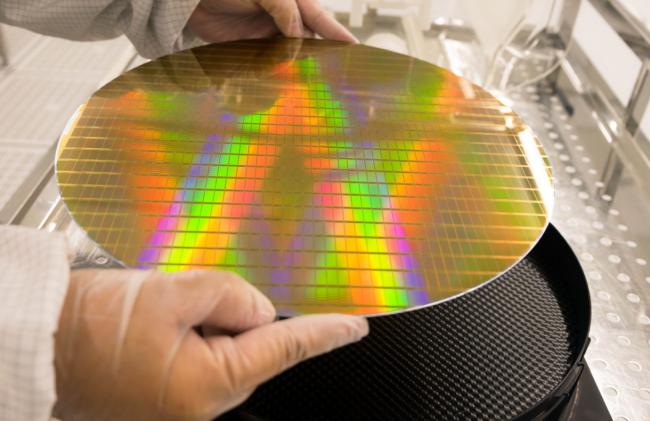
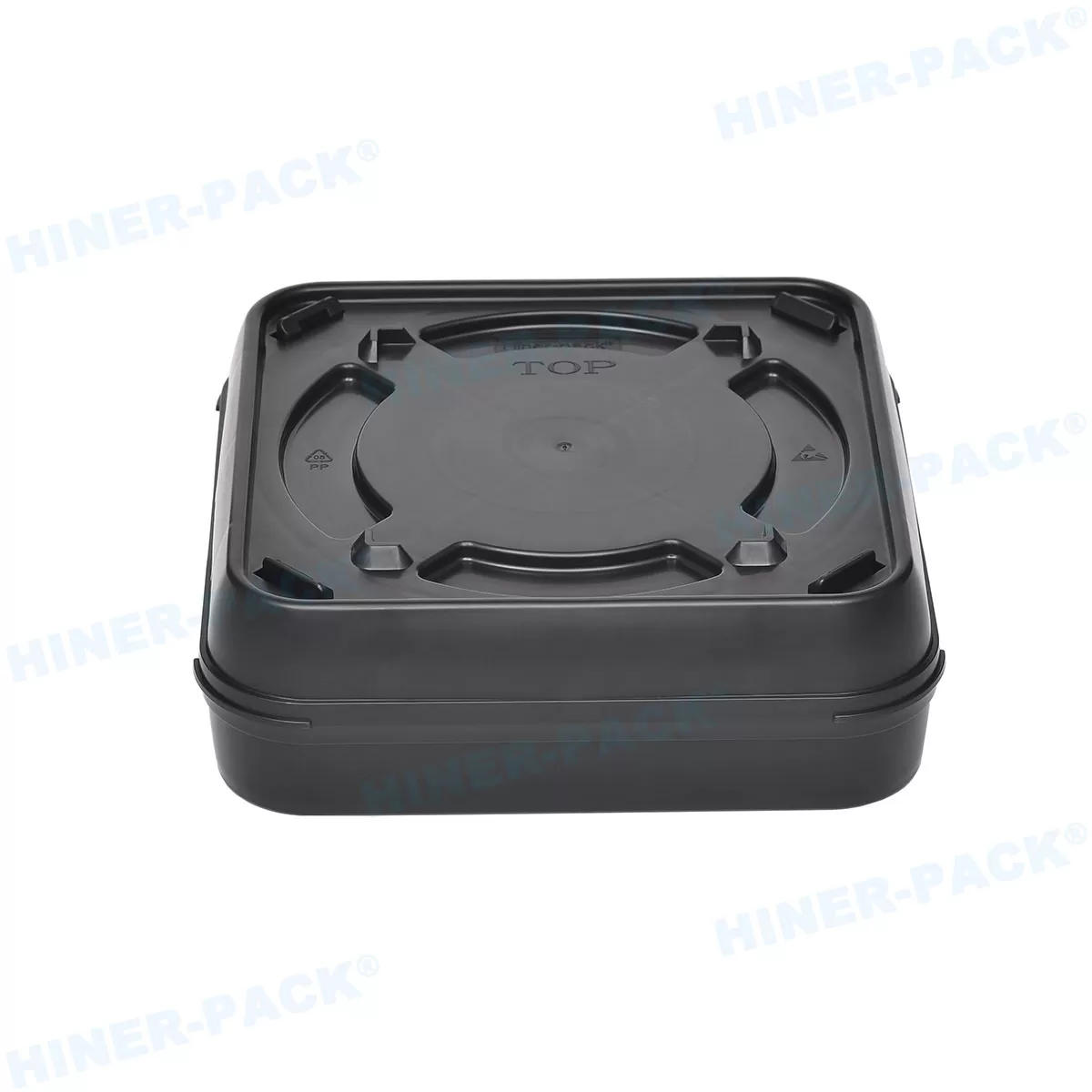
The wafer boat, also known as a wafer carrier or diffusion boat, is a precision-engineered fixture used to hold silicon wafers during high-temperature thermal processing. These processes—including annealing, oxidation, and LPCVD—require the wafer boat to withstand extreme thermal cycling while maintaining dimensional stability and preventing contamination. The design of the wafer boat directly affects wafer throughput, process uniformity, and yield, making it a critical consumable or semi-consumable asset in any semiconductor fabrication facility.
In contemporary semiconductor packaging, the wafer boat has evolved to accommodate increasingly demanding process conditions. Advanced packaging architectures, such as fan-out wafer-level packaging (FOWLP) and 3D stacking, often involve multiple thermal steps that subject the wafer boat to repeated cycles at temperatures exceeding 1000°C. This operational context explains why wafer boat price cannot be evaluated in isolation; it must be assessed alongside performance durability, contamination control, and compatibility with automated handling systems.
Core Technical Specifications That Influence Wafer Boat Price
Several measurable technical parameters directly correlate with wafer boat price. Understanding these specifications enables procurement teams to make apples-to-apples comparisons across suppliers and design configurations.
Slot pitch and wafer capacity: The distance between adjacent wafer slots determines how many wafers a boat can hold per process run. Tighter pitch increases capacity but may affect thermal uniformity and gas flow dynamics. Higher-capacity boats, especially those supporting 300mm and 450mm wafer sizes, command premium pricing due to the increased material volume and machining precision required.
Dimensional tolerance and flatness: High-precision machining ensures that wafers sit uniformly within the boat, minimizing slip and thermal stress. Tighter tolerances, often specified in microns, demand advanced manufacturing processes—directly pushing wafer boat price upward.
Surface roughness and purity: The surface finish of the boat affects particle generation and metal contamination. Boats with ultra-smooth surfaces and high-purity material grades (e.g., high-purity quartz or silicon carbide) are essential for advanced nodes but carry significant cost premiums.
Thermal shock resistance and creep resistance: Materials that maintain structural integrity under rapid temperature changes and prolonged high-temperature exposure are more expensive to produce. This characteristic is vital for processes with frequent ramp-up and cool-down cycles.
The interplay between these technical specifications and wafer boat price is nonlinear. A boat designed for 450mm wafers with a 2mm slot pitch and a surface roughness below 0.8 Ra will have a fundamentally different cost structure than a legacy 200mm boat with standard tolerances. Procurement decisions should begin with a clear definition of process requirements before engaging suppliers on price negotiations.
Material Selection and Its Impact on Wafer Boat Price
Material choice is arguably the dominant factor in wafer boat price. The semiconductor industry predominantly relies on three material families for wafer boats: high-purity fused quartz (SiO₂), silicon carbide (SiC), and silicon nitride (Si₃N₄). Each material offers distinct advantages and trade-offs that affect both initial cost and long-term operational expenses.
Fused Quartz (High-Purity Silica)
Fused quartz remains the most common material for wafer boats in high-temperature diffusion and oxidation processes. Its excellent thermal stability, low thermal expansion coefficient, and resistance to chemical attack make it suitable for a wide range of applications. However, quartz has limitations: it can soften above 1200°C and is susceptible to devitrification over time. The wafer boat price for quartz boats is heavily influenced by the purity of the silica source—electronic-grade quartz with less than 50 ppm total metallic impurities commands a substantial premium. Additionally, the complex forming and annealing processes required for large-diameter quartz boats contribute to higher costs.
Silicon Carbide (SiC)
Silicon carbide wafer boats offer superior thermal conductivity, mechanical strength, and resistance to thermal shock compared to quartz. SiC boats can operate reliably above 1300°C and maintain their structural integrity over a greater number of thermal cycles. These performance benefits come at a higher wafer boat price—often two to three times that of comparable quartz boats. The cost difference reflects the material's hardness, which makes machining difficult, and the specialized sintering or chemical vapor deposition (CVD) processes required to achieve the necessary density and purity. For advanced packaging applications involving high-temperature CVD or rapid thermal processing, SiC boats present a compelling value proposition despite the elevated upfront investment.
Silicon Nitride (Si₃N₄)
Silicon nitride offers an intermediate option, providing better mechanical properties than quartz at a lower cost than SiC in some configurations. Its excellent resistance to thermal cycling and moderate price point make it attractive for specific process windows. However, wafer boat price for silicon nitride boats can vary widely depending on the manufacturing technique—reaction-bonded versus hot-pressed silicon nitride, for example, yields different performance profiles and cost structures.
When evaluating materials, procurement professionals should not focus solely on initial wafer boat price. The total lifecycle cost—factoring in replacement frequency, particle generation rates, and process stability—often leads to material choices that deviate from the lowest-price option. Engaging with suppliers who demonstrate deep material science expertise, such as Hiner-pack, can help align material selection with specific process requirements and long-term cost objectives.
Design Complexity and Customization as Price Drivers
Beyond material choice, the geometric and functional design of the wafer boat contributes significantly to its final cost. Standard designs, which are mass-produced for common furnace diameters and wafer sizes, benefit from economies of scale and have more predictable pricing. Customized boats, however, are often essential for non-standard process tubes, automated handling systems, or specialized process chemistries.
Design elements that influence wafer boat price include:
Slot geometry: Straight slots, grooved slots, or specially contoured supports affect both thermal performance and wafer-handling safety. Complex geometries require advanced CNC machining or precision grinding, increasing manufacturing time and cost.
End plates and alignment features: Boats equipped with precision alignment pins, notches, or keying features for robotic wafer transfer systems involve additional machining steps and quality control checks.
Compatibility with automated wafer transfer: Boats designed for integration with factory automation systems (e.g., SEMI-compliant standards) must meet rigorous dimensional and interface specifications, which adds to engineering and inspection costs.
Customization often requires close collaboration between the end-user and the manufacturer. A trusted technical partner like Hiner-pack can provide design-for-manufacturability feedback, optimize the boat geometry for both thermal performance and cost-efficiency, and ensure that the final product meets all process and automation requirements. This collaborative approach helps control wafer boat price while avoiding costly redesigns or field failures.
Procurement Standards and Quality Assurance
Establishing robust procurement standards is essential for achieving consistent quality while managing wafer boat price. The semiconductor industry operates under stringent cleanliness and performance standards, and wafer boats must be qualified through extensive testing before they are deployed in production.
Key procurement considerations include:
Material certification: Suppliers should provide certificates of analysis (COA) detailing the purity levels of trace metals, dopants, and other contaminants. The cost of these certifications, along with the associated testing protocols, is embedded in the wafer boat price. Buyers should verify that the COA specifications align with their process requirements.
Dimensional inspection reports: A comprehensive first-article inspection (FAI) report, including measurements of slot pitch, flatness, and angular alignment, ensures the boat meets design tolerances. The quality control infrastructure required to produce these reports adds to manufacturing overhead.
Particle and contamination testing: Especially for advanced nodes, wafer boats must be verified to generate minimal particulates and outgassing. Accelerated aging tests and thermal cycling evaluations provide essential data but also contribute to the overall cost structure.
While rigorous quality assurance increases the upfront wafer boat price, it reduces the risk of process deviations, unscheduled downtime, and scrap losses. Procurement teams should evaluate supplier quality programs as a critical component of the total value equation.
Total Cost of Ownership: Beyond the Initial Wafer Boat Price
A narrow focus on the initial purchase price can obscure the true cost of ownership for wafer boats. Experienced procurement leaders understand that the total cost of ownership (TCO) encompasses several factors that unfold over the operational life of the boat.
Service life and replacement frequency: A boat with a longer service life—measured in the number of thermal cycles it can withstand before degradation—can justify a higher initial wafer boat price. For example, SiC boats often outlast quartz boats by a factor of three to five, reducing the frequency of replacement and the associated logistics and qualification costs.
Process stability and yield: Dimensional stability and contamination resistance directly affect process uniformity and defect rates. A boat that contributes to a 1% improvement in yield across thousands of wafers can generate significant economic value, far outweighing a modest increase in purchase price.
Maintenance and cleaning costs: Certain materials and designs require less frequent cleaning or can withstand more aggressive cleaning chemistries without degradation. These operational efficiencies reduce long-term overhead.
Downtime and requalification: Changing a wafer boat requires process requalification, which consumes valuable engineering time and production capacity. Boats that are easier to install or integrate with existing automation systems can reduce this hidden cost.
Sophisticated procurement strategies evaluate wafer boat price alongside these TCO drivers. Suppliers that offer comprehensive technical support—including installation guidance, maintenance protocols, and failure analysis—deliver added value that extends beyond the initial transaction. Hiner-pack, for instance, emphasizes lifecycle partnerships, helping clients optimize cleaning schedules, monitor boat performance, and plan for timely replacements to minimize disruptive failures.
Maintenance, Lifecycle Management, and Operational Efficiency
Effective lifecycle management ensures that wafer boats deliver consistent performance over their usable life. Maintenance practices must be tailored to the specific material and process environment.
Cleaning and Contamination Control
Regular cleaning removes particulate deposits and metal contaminants that accumulate during high-temperature processes. However, aggressive cleaning can degrade the boat's surface over time. Manufacturers often provide recommended cleaning protocols—using specialized acids, bases, or ultrasonic methods—that balance cleanliness with material preservation. The selection of cleaning equipment and chemistry impacts the overall cost structure, and these operational variables should be considered when assessing wafer boat price in a long-term context.
Inspection and Condition Monitoring
Visual and metrological inspections at regular intervals—typically every few hundred process cycles—identify early signs of cracking, warpage, or surface pitting. Implementing a condition-based replacement strategy, rather than a calendar-based or arbitrary schedule, can extend boat life and smooth capital expenditure. This approach requires discipline and record-keeping, but it reduces unnecessary replacements and supports better forecasting of future wafer boat price trends.
Handling and Storage
Wafer boats are fragile and susceptible to damage during handling and storage. Proper packaging, storage in clean environments, and trained handling procedures prevent mechanical damage that might otherwise shorten service life. These indirect costs, often overlooked, affect the effective price per operational cycle.
Market Dynamics and Supply Chain Considerations
The wafer boat price is not immune to broader market forces. Raw material availability, energy costs, and geopolitical factors influence the cost structure of wafer boat manufacturing. For instance, fluctuations in the price of high-purity quartz or polysilicon feedstock directly affect quartz and SiC boat pricing. Additionally, the semiconductor industry's cyclic nature can lead to demand peaks that strain supply capacity, potentially driving up prices.
Procurement professionals should monitor these market dynamics and consider strategic purchasing approaches, such as long-term agreements or blanket orders, to stabilize costs. Maintaining a diversified supplier base also mitigates the risk of supply disruptions. However, supplier qualification in the semiconductor industry is a costly and time-consuming process, so any change in sourcing strategy must be carefully evaluated.
Technical collaboration with suppliers who have global sourcing networks and a strong understanding of semiconductor manufacturing requirements—such as Hiner-pack—can provide valuable insights into optimal ordering quantities and timing, helping to align procurement schedules with both production needs and market conditions. This collaborative approach to supply chain management supports more predictable budgeting for wafer boat price expenditures.
Frequently Asked Questions About Wafer Boat Price
Q1: What is the typical price range for a semiconductor wafer boat?
A1: The price of a wafer boat varies widely depending on material, size, and design complexity. Standard fused quartz boats for 200mm wafers may fall within a moderate range, while advanced 300mm SiC boats with custom slot geometries can be several times more expensive. No single price range can represent the entire market; instead, buyers should obtain detailed quotes based on their specific process requirements and request a breakdown of material, machining, and quality-assurance costs.
Q2: How does wafer boat price correlate with material purity?
A2: Material purity is a significant driver of wafer boat price. Higher-purity materials—containing fewer than 50 parts per million of total metallic impurities—require more rigorous refining and processing, increasing manufacturing costs. For advanced semiconductor nodes, where metal contamination can severely impact device performance, the premium for ultra-high-purity materials is justified by the resulting yield improvements.
Q3: Are there cost-effective alternatives to SiC wafer boats for high-temperature processes?
A3: While SiC offers outstanding high-temperature performance, fused quartz with enhanced thermal stability or coated quartz products can serve as more economical alternatives for processes below 1200°C. Additionally, certain silicon nitride compositions provide a middle-ground option. The optimal choice depends on the specific thermal profile, chemistry, and lifecycle expectations of the process. Consulting with materials experts can help identify the best balance of performance and price.
Q4: How often should wafer boats be replaced, and how does that affect total cost?
A4: Replacement frequency depends on the process environment and the boat's material. Quartz boats in aggressive oxidation processes may be replaced every 6 to 12 months, while SiC boats can last several years under similar conditions. Although the initial wafer boat price for SiC is higher, the extended replacement interval often reduces the total cost per process run, especially when factoring in the labor and qualification costs associated with each replacement.
Q5: What are the hidden costs associated with a low wafer boat price?
A5: A low initial wafer boat price may conceal trade-offs in material purity, dimensional accuracy, or quality control. These hidden costs often manifest as higher particle generation, increased contamination levels, or reduced thermal stability, leading to lower yields and more frequent replacements. A comprehensive evaluation of the total cost of ownership, not just the purchase price, is essential for making sound procurement decisions.
Q6: Can customization reduce wafer boat price in the long run?
A6: Customization typically increases the initial wafer boat price due to the engineering and tooling required. However, a well-designed custom boat that improves thermal uniformity, reduces defects, or extends service life can lower the overall cost per wafer processed. The key is to identify design improvements that yield measurable operational benefits, making the incremental investment worthwhile.
Q7: How do supply chain factors influence wafer boat price?
A7: Supply chain factors, including raw material costs, energy prices, transportation, and geopolitical stability, can cause wafer boat price fluctuations. For example, a shortage of high-purity quartz feedstock can drive up quartz boat costs. Procurement strategies that incorporate market intelligence, flexible contracting, and strategic inventory can help buffer against these external price pressures.
Making Informed Decisions on Wafer Boat Price
Navigating the complexities of wafer boat price requires a multidisciplinary approach that integrates process engineering, materials science, and procurement strategy. The most successful semiconductor packaging organizations adopt a lifecycle perspective, evaluating technical performance, reliability, and total cost rather than fixating on the lowest initial quote. This perspective not only optimizes process economics but also fosters stronger technical partnerships with suppliers.
For over a decade, Hiner-pack has supported semiconductor packaging professionals in defining and implementing cost-effective wafer boat strategies. By combining technical expertise in material behavior and thermal process engineering with a commitment to transparent pricing and collaborative problem-solving, Hiner-pack helps clients navigate the trade-offs between initial cost and long-term value. Whether you are evaluating materials for a new process line or seeking to extend the service life of existing boats, the right partner can make a measurable difference.
Ready to discuss your specific wafer boat requirements? Contact Hiner-pack at rainbowzhu@hiner-pack.com to initiate a technical consultation. Our team of semiconductor process specialists is prepared to assist with material selection, design optimization, and total-cost modeling tailored to your unique process environment.