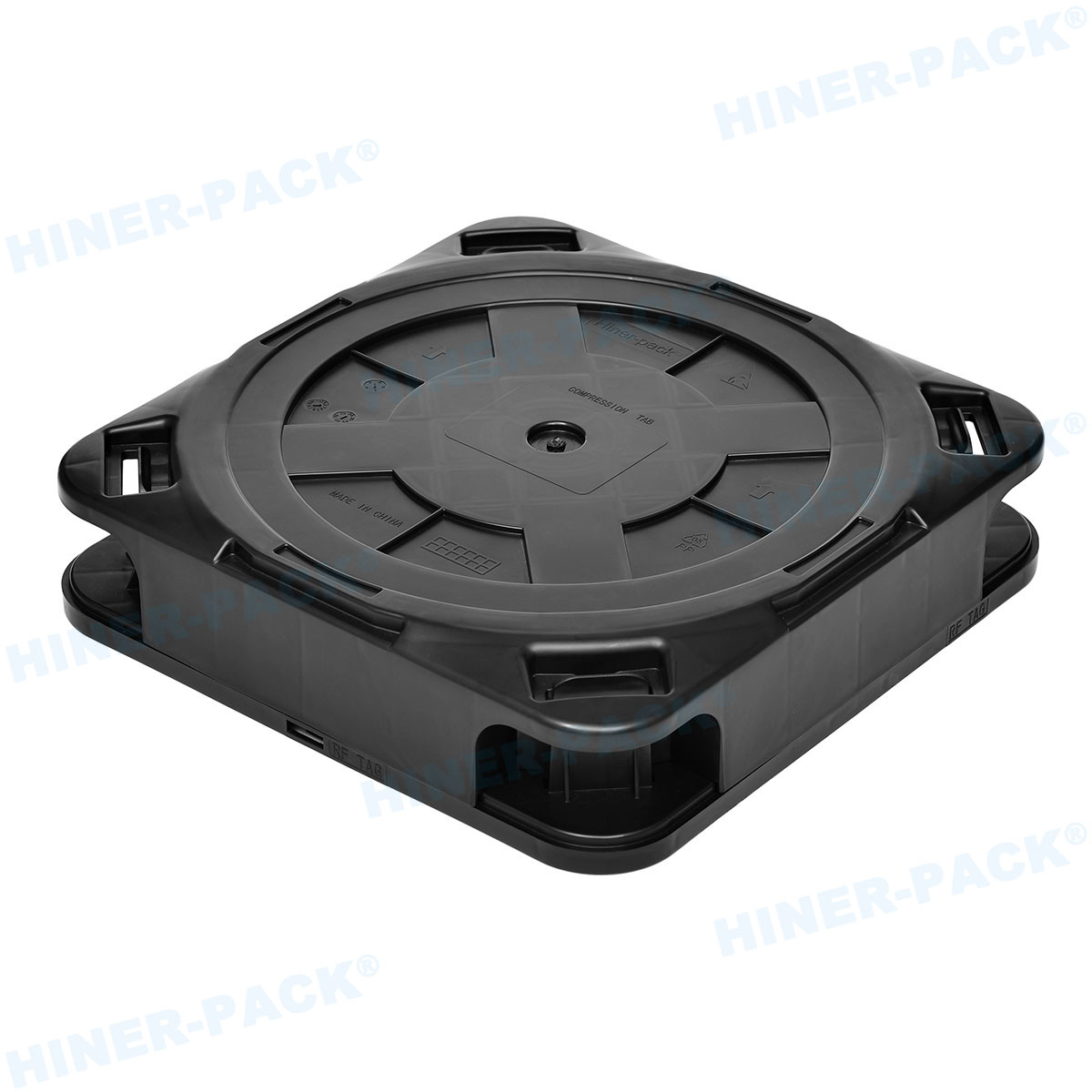
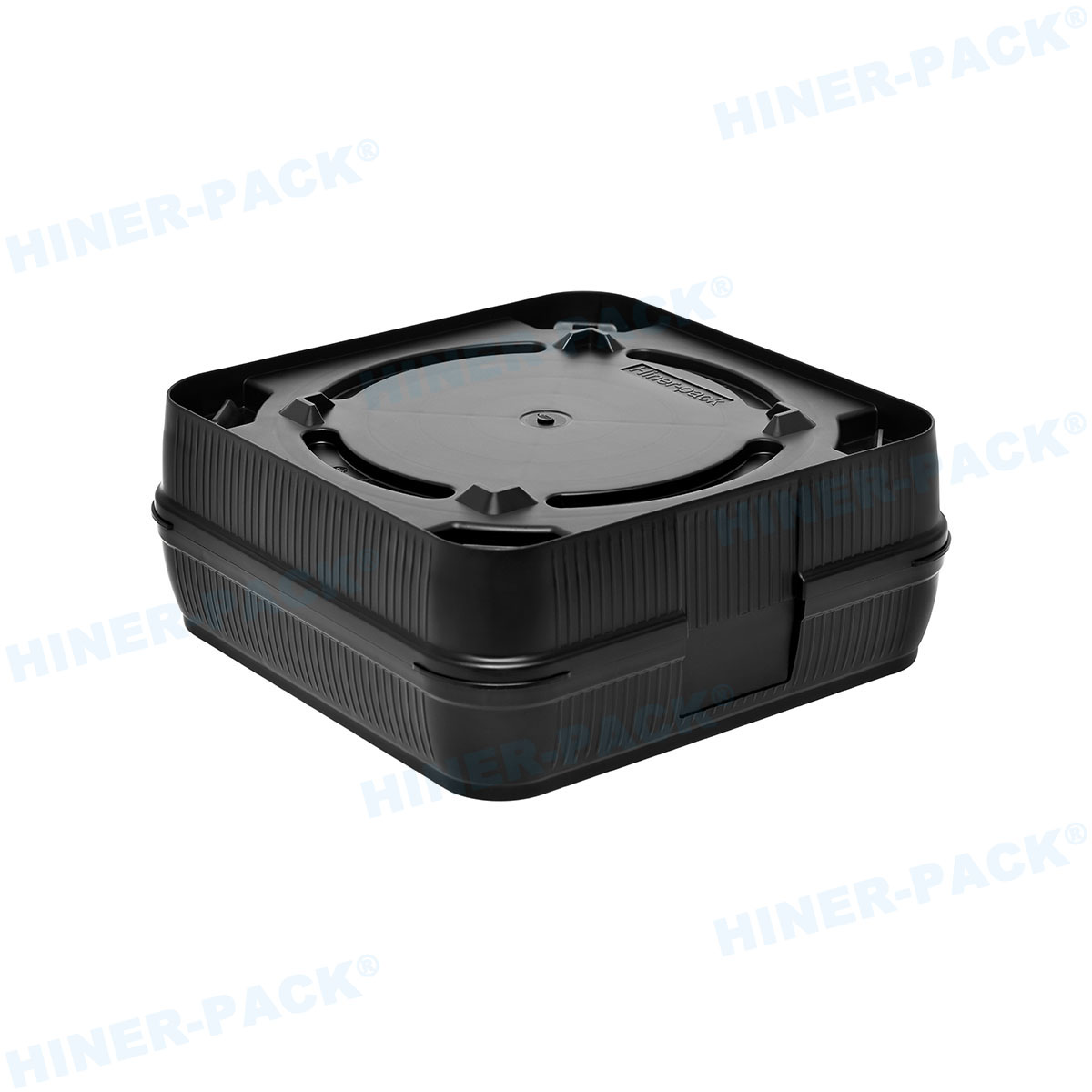
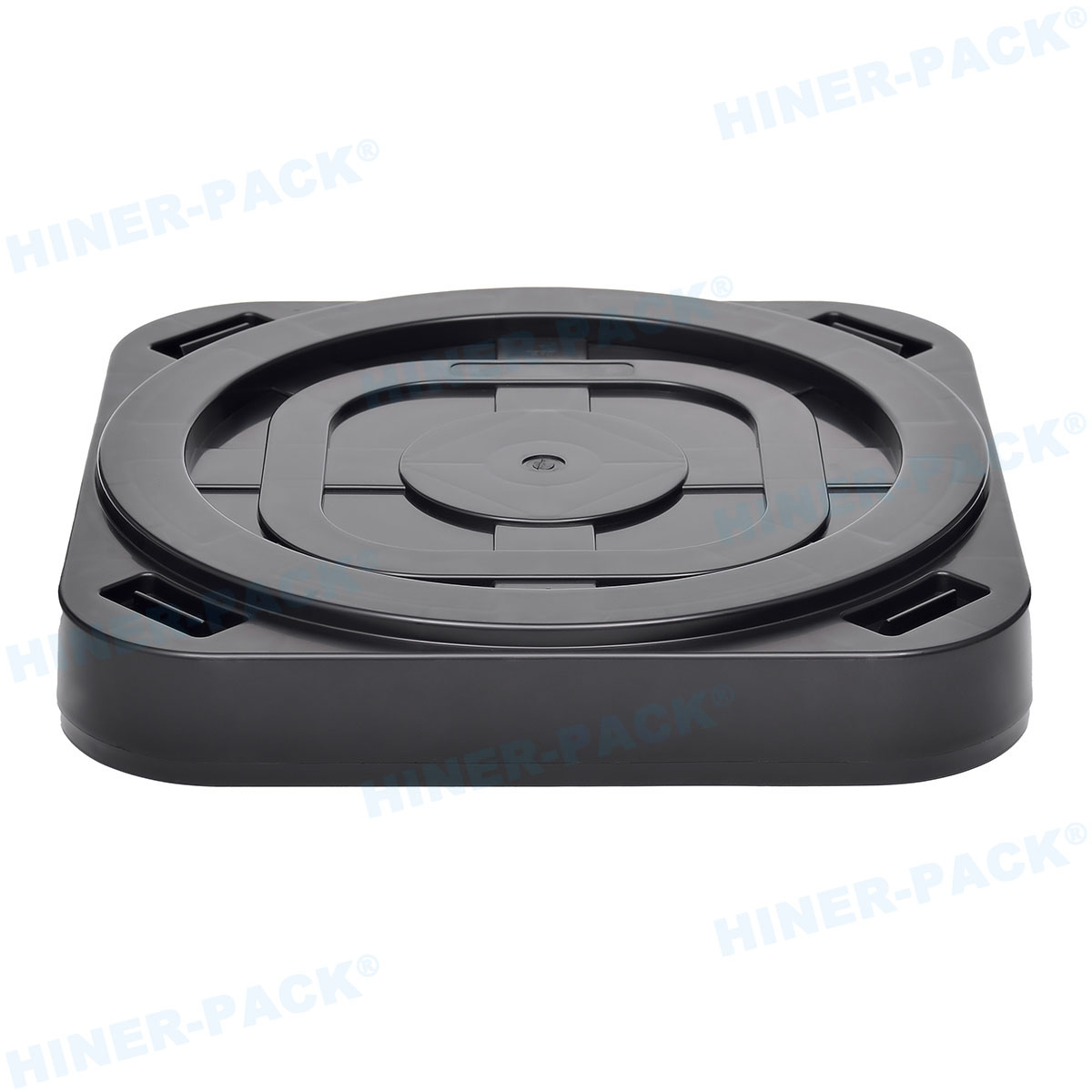
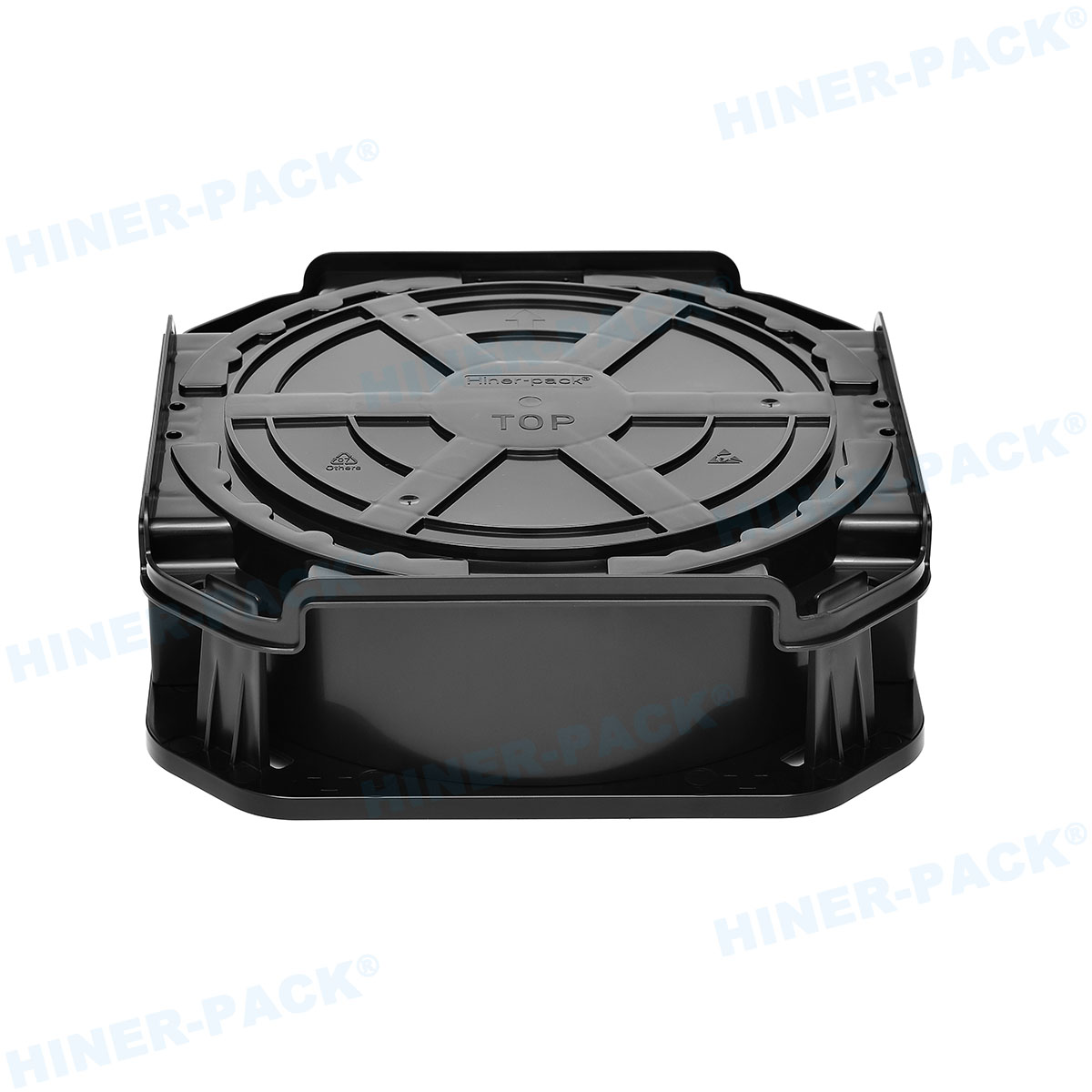
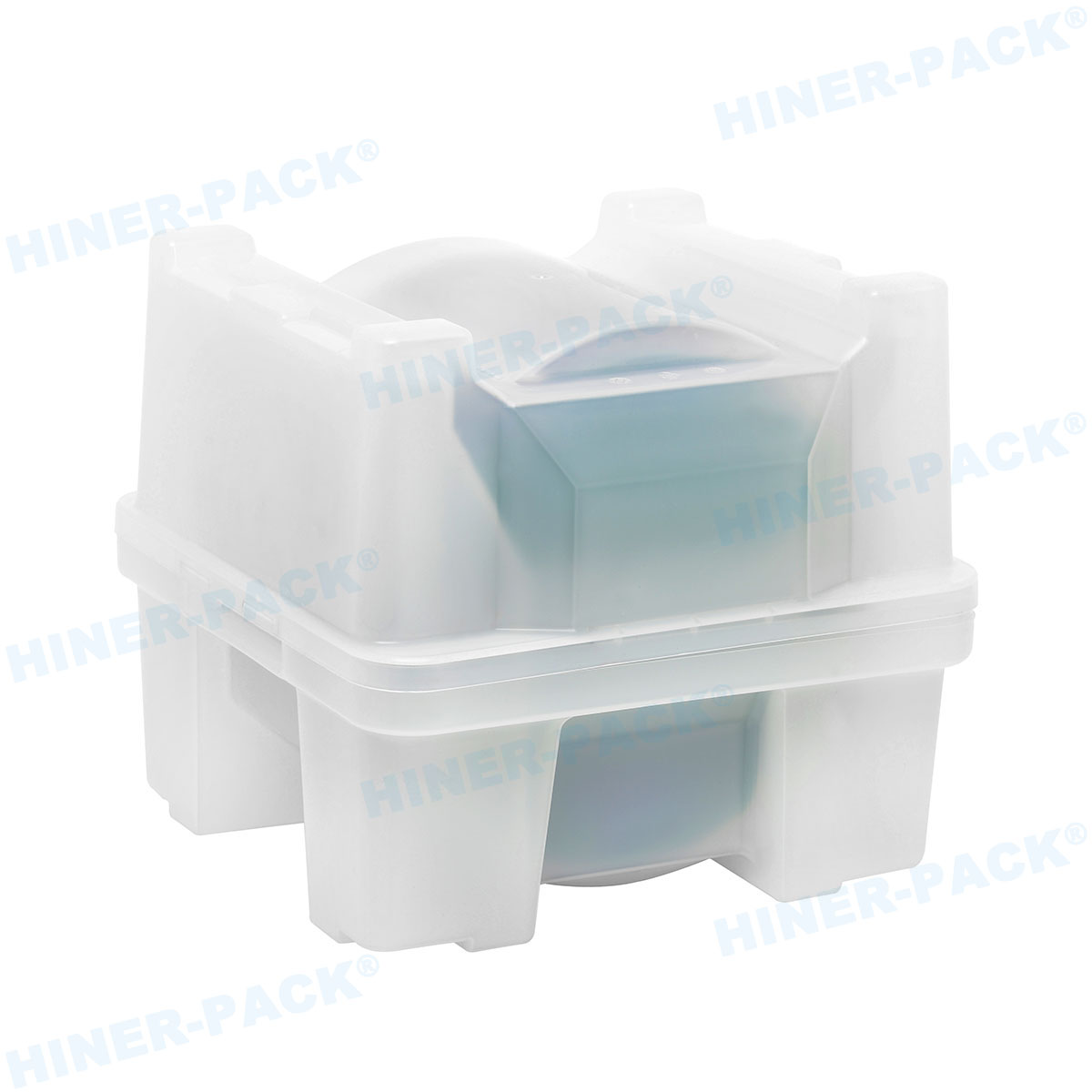
For semiconductor fabrication facilities, wafer containers are not merely packaging accessories—they are mission-critical assets that protect product integrity from die preparation through final assembly. The wafer containers price directly impacts operational expenditure, yet procurement decisions often hinge on incomplete cost assessments. This guide examines the engineering, logistical, and compliance factors that drive wafer container pricing, enabling fab managers and supply chain professionals to make informed purchasing choices.
Wafer containers serve as the primary interface between delicate silicon substrates and the manufacturing environment. Whether using front-opening unified pods (FOUPs) for 300mm processes, FOSBs for inter-facility transport, or open cassettes for legacy 200mm lines, the selection process involves trade-offs between protection level, material performance, and budget constraints. Understanding these dynamics helps procurement teams align container specifications with both process requirements and financial targets.
Factors That Shape Wafer Containers Price
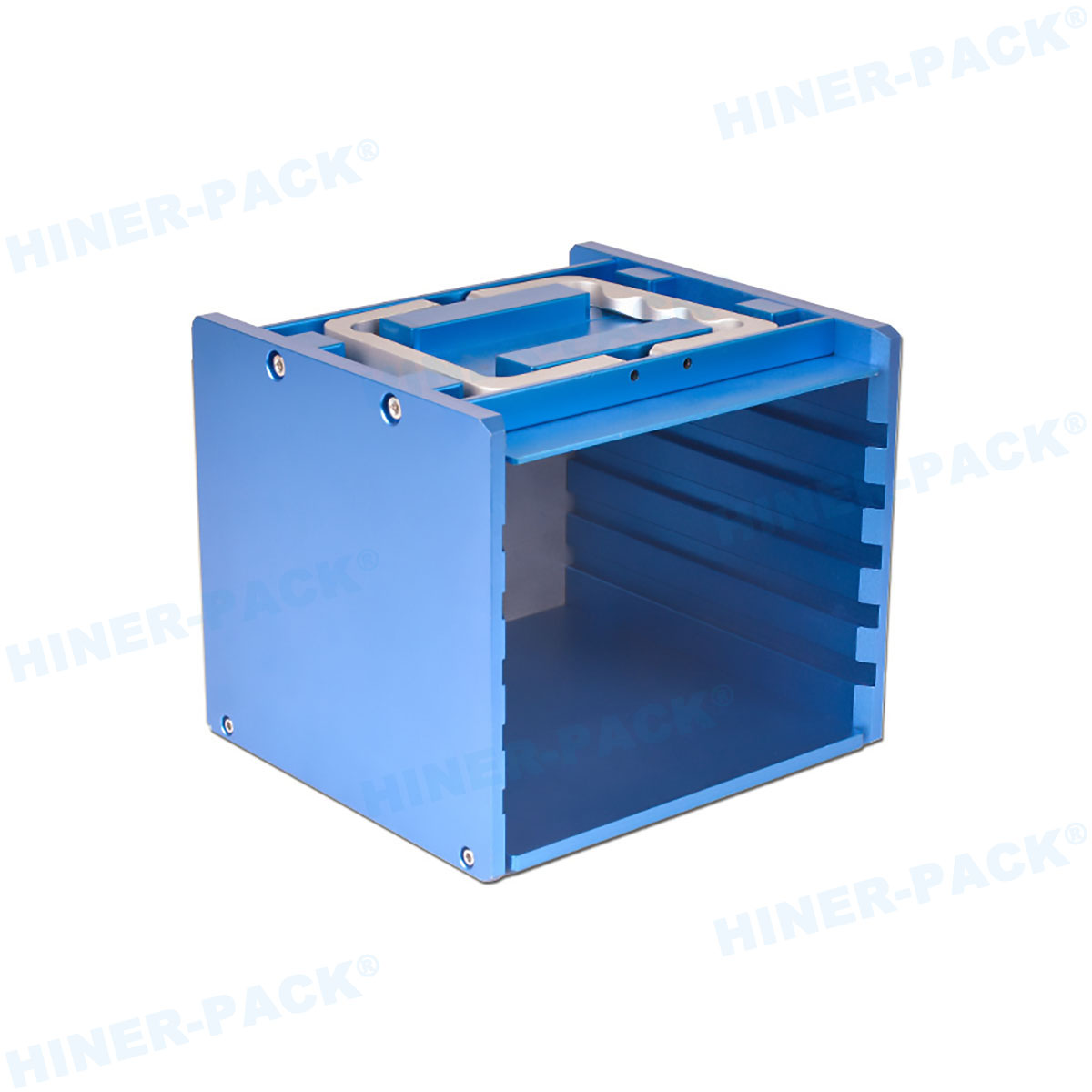
Multiple variables influence the final wafer containers price quoted by suppliers. These range from raw material sourcing to certification overheads. The following subsections break down the primary cost drivers.
Material Composition and Polymer Selection
The base polymer used in wafer container manufacturing accounts for a substantial portion of the final price. High-performance thermoplastics such as PEEK (polyether ether ketone) offer superior dimensional stability and outgassing resistance but command premium pricing. PEI (polyetherimide) provides a middle-ground option with good mechanical properties and moderate cost. PPS (polyphenylene sulfide) is favored for its chemical resistance, while polycarbonate remains the most economical choice for non-critical applications.
PEEK-based containers – Highest price tier, suitable for extreme cleanroom environments and high-temperature processes.
PEI and PPS blends – Mid-range pricing, balancing performance with cost for most 300mm and 200mm applications.
Polycarbonate options – Lowest entry price, typically used for shipping boxes and temporary storage where extended exposure is limited.
Additive packages also affect cost. Anti-static agents, UV stabilizers, and slip modifiers are compounded into the resin, adding to material expense. Suppliers often offer multiple grades within the same polymer family, allowing fabs to select a specification that matches their particle-control requirements without overpaying for unnecessary performance margins.
Dimensional Standards: 200mm vs. 300mm Configurations
Container dimensions correlate strongly with price. 300mm FOUPs require tighter manufacturing tolerances, more complex injection-molding tooling, and additional sealing features compared to 200mm open cassettes. The larger footprint also demands more raw material per unit. Consequently, 300mm containers typically carry a higher wafer containers price than their 200mm counterparts.
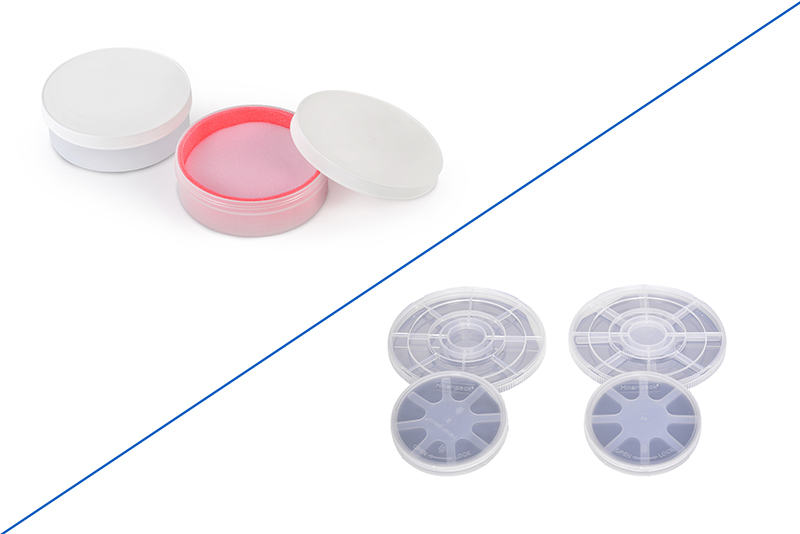
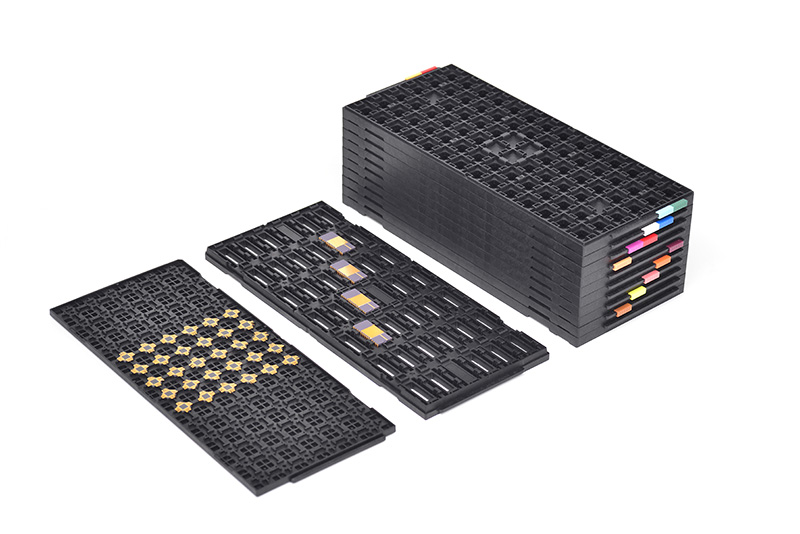
Beyond diameter, the container style—open cassette, FOSB, or FOUP—introduces further price variation. FOUPs incorporate robotic handling interfaces, door mechanisms, and purge ports, all of which add manufacturing complexity. FOSBs, while simpler than FOUPs, still require robust sealing and shock-absorbing features for safe shipping. Open cassettes, lacking these features, represent the lowest-cost option but offer minimal environmental protection.
Cleanroom Certification and Particle Control
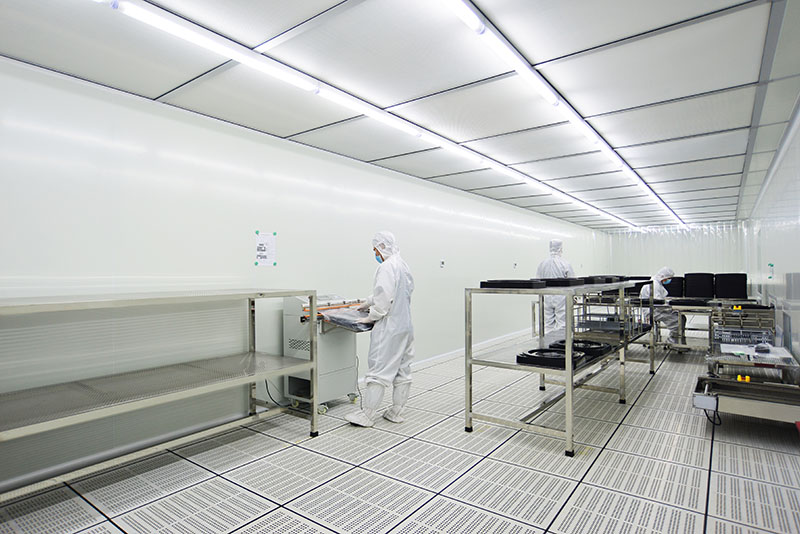
Certification to ISO Class 1 through Class 5 cleanroom standards adds overhead to container production. Each batch must undergo particle-shedding tests, outgassing analysis, and surface contamination verification. The testing protocols themselves require specialized equipment and controlled environments, costs that are passed on to buyers. Containers certified for Class 1 applications—where particle limits are extremely stringent—command the highest price premiums.
ESD (electrostatic discharge) compliance is another certification factor. Containers must maintain surface resistivity within specified ranges to prevent static charge accumulation, which can attract airborne particles or damage sensitive device features. ESD-safe materials and treatments add to manufacturing costs, influencing the final price quoted for ESD-certified wafer containers.
Application Scenarios and Their Price Implications
The intended use case for wafer containers directly affects both specification requirements and the associated pricing. Different scenarios demand distinct performance attributes, which in turn shape procurement budgets.
Intra-fab transport – Within a single fabrication facility, containers are subjected to repeated robotic handling, automated guided vehicle (AGV) movements, and frequent opening/closing cycles. Durability and low particle generation are paramount. Fabs typically invest in higher-grade FOUPs with reinforced locking mechanisms, which increases the per-unit expenditure.
Inter-facility shipping – When wafers move between fabrication sites or to external assembly partners, shipping containers must withstand vibration, temperature fluctuations, and mechanical shocks. FOSBs with impact-absorbing foam liners and secure latching systems are the standard choice. These containers command a mid-to-high price range, reflecting their protective engineering.
Long-term storage – Wafers held in inventory for extended periods require containers with low outgassing properties and moisture barrier capabilities. Specialized storage containers often include desiccant compartments or inert gas purge ports, features that elevate the base price. Fabs must weigh the cost of premium storage containers against the value of the wafers being preserved.
International export – Export-grade containers must comply with shipping regulations, including UN packaging standards and customs documentation requirements. Additional certifications, reinforced outer packaging, and tamper-evident seals all contribute to a higher price point. For fabs with global supply chains, these added costs are a necessary component of the total logistics budget.
Procurement Challenges in the Wafer Container Market
Navigating the wafer container supply landscape presents several obstacles that complicate price comparisons and budget forecasting. Industry practitioners frequently encounter the following pain points.
Price volatility – Raw material prices for engineering polymers are subject to petrochemical market fluctuations. Suppliers adjust container pricing with short notice, making long-term budget planning challenging.
Lead time variability – Custom or semi-custom container orders often require extended production cycles. Tooling changes, mold maintenance, and quality release protocols can delay deliveries, forcing fabs to carry safety stock and increasing carrying costs.
Specification ambiguity – Inconsistent terminology across suppliers makes direct price comparisons difficult. One vendor's "cleanroom grade" may differ significantly from another's, leading to mismatched expectations and potential requalification expenses.
Quality consistency – Batch-to-batch variation in dimensional accuracy or surface finish can disrupt automated handling systems. Fabs may incur rework costs or production stoppages when containers fail to meet process equipment interface requirements.
These challenges underscore the importance of evaluating the wafer containers price within a broader context of supplier reliability, technical support, and product consistency. A lower upfront price may prove costly if it leads to frequent replacements or process interruptions.
Approaches to Cost-Effective Container Sourcing
Experienced procurement teams employ several strategies to manage wafer container expenditures while maintaining process integrity. These approaches shift the focus from simple price comparison to value-based purchasing.
Volume purchasing and long-term agreements – Committing to annual or multi-year volumes enables fabs to negotiate fixed pricing, shielding them from short-term raw material spikes. Suppliers are often willing to offer tiered discounts for predictable order patterns, reducing the effective per-unit cost.
Specification standardization – Where possible, fabs can consolidate container types across different process steps. Using a single container model for multiple applications reduces inventory complexity and increases purchasing leverage. This standardization approach directly impacts the average wafer containers price by eliminating low-volume custom variants.
Supplier qualification protocols – Developing a rigorous supplier evaluation framework helps fabs identify vendors that consistently deliver on quality and delivery commitments. On-site audits, sample testing, and performance scorecards create a data-driven basis for supplier selection, reducing the risk of costly quality failures.
Lifecycle consideration – Rather than focusing solely on acquisition cost, procurement teams assess the expected service life of containers under their specific fab conditions. Containers that withstand more handling cycles or resist wear longer may offer a lower total expenditure over time, even if the initial price is higher. For fabs using automated material handling systems (AMHS), container durability directly affects system uptime and maintenance frequency.
For fabs seeking reliable wafer container solutions, engaging with experienced suppliers who understand both specification requirements and pricing dynamics is advisable. Hiner-pack offers a comprehensive range of wafer carriers and shipping boxes, with detailed product documentation and transparent pricing structures available through their product portal.
Selecting the Right Wafer Container Supplier
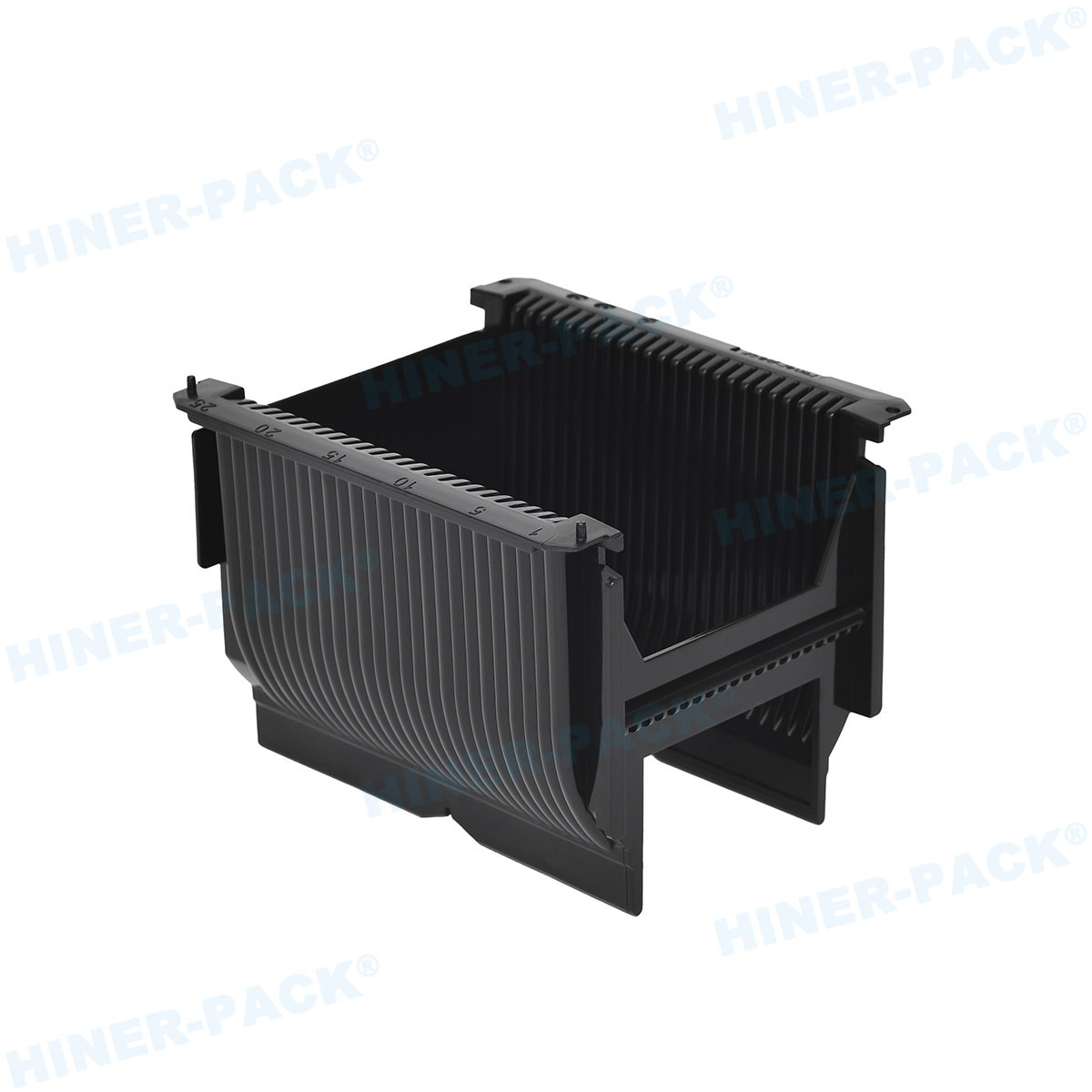
Supplier selection should go beyond the quoted wafer containers price to encompass technical support, customization capabilities, and supply chain resilience. The following criteria provide a framework for evaluating potential partners.
Engineering support – Does the supplier offer application engineering assistance to match container specifications to your specific fab processes? This capability is particularly valuable when transitioning between wafer sizes or introducing new device types.
Traceability and documentation – Comprehensive lot traceability, material certifications, and test reports are essential for quality management systems. Suppliers with robust documentation practices reduce the administrative burden on fab quality teams.
Global logistics reach – For multinational semiconductor manufacturers, a supplier with regional distribution centers and local support teams can significantly reduce shipping costs and lead times.
Product portfolio breadth – A wide product range allows fabs to source all container types from a single vendor, simplifying vendor management and potentially improving pricing through bundled purchasing.
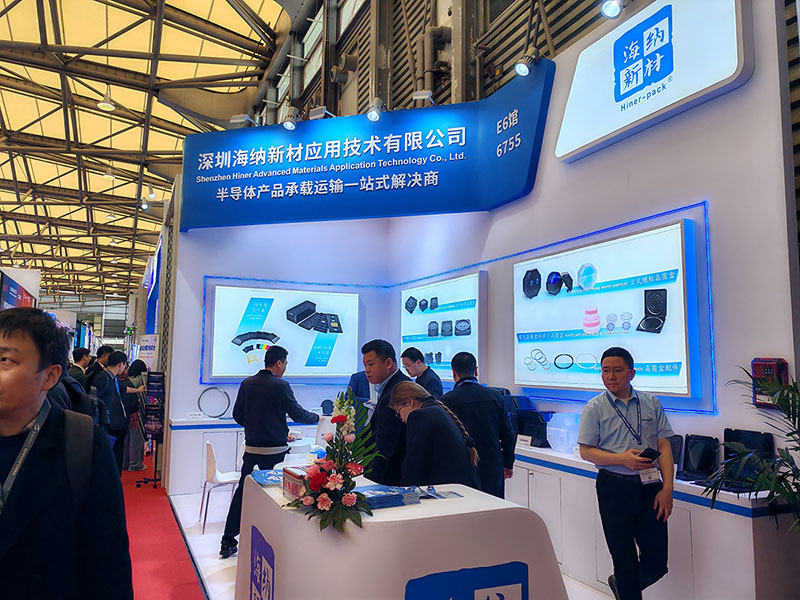
Hiner-pack has established a presence in the wafer container market by offering both standard and customizable solutions. Their product line covers FOUPs, FOSBs, open cassettes, and shipping boxes for 200mm and 300mm wafers, with cleanroom certification options to match various fab classes. Procurement professionals can request detailed specifications and pricing information directly through their online platform.
When evaluating suppliers, request sample containers for in-fab testing. Actual handling performance, compatibility with existing equipment, and particle test results often reveal differences that price sheets alone cannot capture. This empirical approach ensures that the selected containers meet operational requirements while staying within budget constraints.
Frequently Asked Questions About Wafer Containers Price
Q1: What is the typical price range for wafer containers?
A1: Prices vary widely based on type, material, and certification. Open cassettes for 200mm wafers generally range from $50 to $200 per unit, while 300mm FOUPs typically fall between $300 and $1,200. FOSBs for shipping purposes are priced in the $150–$500 range. Custom designs, specialized materials (PEEK), or ISO Class 1 certification can push prices higher. Requesting a formal quote from suppliers with your specific requirements is the most reliable way to obtain accurate pricing.
Q2: Why do 300mm FOUP containers cost more than 200mm cassettes?
A2: The price differential stems from multiple factors. 300mm FOUPs require larger injection molds, more sophisticated robotics interfaces, and integrated purge systems. The manufacturing tolerances for 300mm containers are tighter, necessitating higher precision tooling and more extensive quality control. Additionally, the raw material volume per unit is greater, directly increasing base material costs. These cumulative factors result in a higher price for 300mm FOUPs compared to 200mm open cassettes.
Q3: How does material choice affect wafer containers price?
A3: Material selection is a primary price determinant. PEEK, which offers the best thermal and chemical resistance, costs several times more than polycarbonate. PEI and PPS fall in the middle range, providing good performance at moderate cost. The material also influences ancillary costs—for instance, PEEK containers may require different molding conditions and longer cycle times, increasing production costs that are reflected in the final price. Fabs should match material properties to their process requirements to avoid over-specification.
Q4: Can I reduce wafer container costs by purchasing used or refurbished containers?
A4: Used containers are available at discounted prices but carry significant risks. Wear on handling surfaces, unseen micro-cracks, and accumulated contamination can compromise wafer protection. Refurbished containers, while cleaned and inspected, may not meet original dimensional tolerances, potentially causing misalignment in automated systems. For non-critical applications or short-term projects, refurbished units may offer savings, but for production-wafer handling, new containers with full certification are generally recommended to maintain process yields.
Q5: How often should wafer containers be replaced, and how does replacement frequency affect overall cost?
A5: Replacement intervals depend on usage intensity, cleanroom environment, and handling practices. In high-volume fabs with automated handling, containers may be replaced every 12–24 months. Lower-throughput facilities might extend replacement to 3–5 years. Tracking container usage cycles and particle counts helps determine optimal replacement timing. While extending replacement intervals reduces immediate expenditure, worn containers can increase defect rates, making regular replacement a cost-effective practice in the long term.
Q6: What certifications should I look for when evaluating wafer containers?
A6: Key certifications include ISO cleanroom classification (Class 1 through 5), ESD compliance (surface resistivity and discharge testing), and outgassing analysis according to SEMI standards. For shipping applications, UN packaging certification may be required for international transport. Each certification adds to the price but provides assurance of consistent quality. Fabs should specify required certifications in their procurement documents to ensure suppliers deliver containers that meet process needs.
Q7: Does cleanroom class significantly impact wafer containers price?
A7: Yes, containers certified for higher cleanroom classes (e.g., ISO Class 1) undergo more rigorous testing and stricter production controls. The additional testing protocols, cleaner manufacturing environments, and lower particle-shedding materials all contribute to higher costs. The price difference between ISO Class 5 and ISO Class 1 containers can be substantial, often ranging from 20% to 50% depending on the supplier and container type. Selecting the appropriate cleanroom class for your specific process is essential to avoid unnecessary expenditure.
Q8: What is the best way to get an accurate quote for wafer containers?
A8: Provide suppliers with complete specifications including wafer diameter, container type (FOUP/FOSB/cassette), material preference, cleanroom class, ESD requirements, and annual volume estimates. Requesting quotes from multiple vendors with identical specifications enables meaningful price comparisons. For specialized requirements, consider arranging a technical review with supplier engineers to ensure all process needs are captured in the quotation. Many suppliers, including Hiner-pack, offer online inquiry forms that streamline this process.
For detailed pricing information, product samples, or technical consultations regarding wafer container specifications, contact Hiner-pack directly. Their team provides application-specific guidance and transparent quotations to support your procurement decisions. Submit an inquiry through their website to receive tailored recommendations and current pricing for your wafer handling requirements.