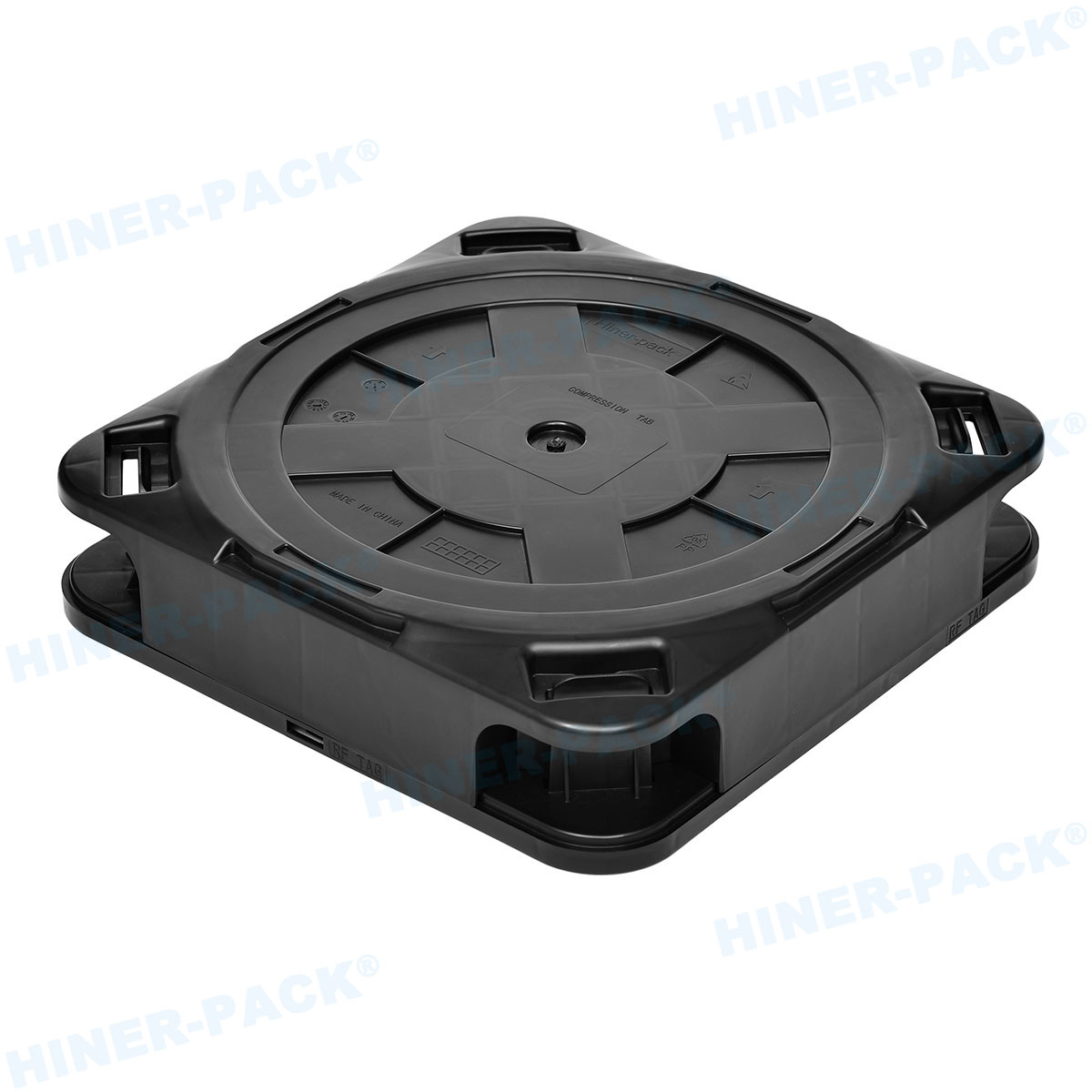
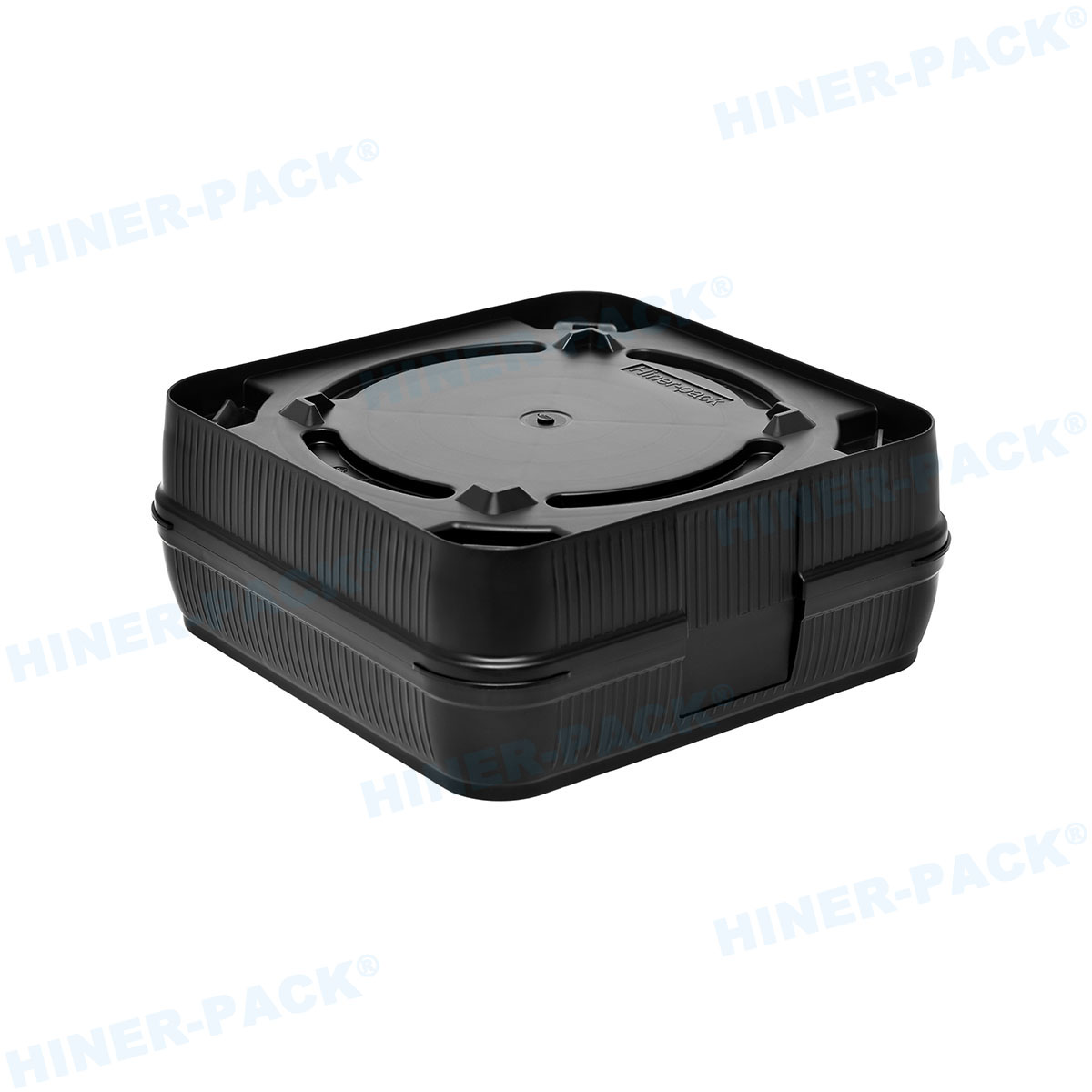
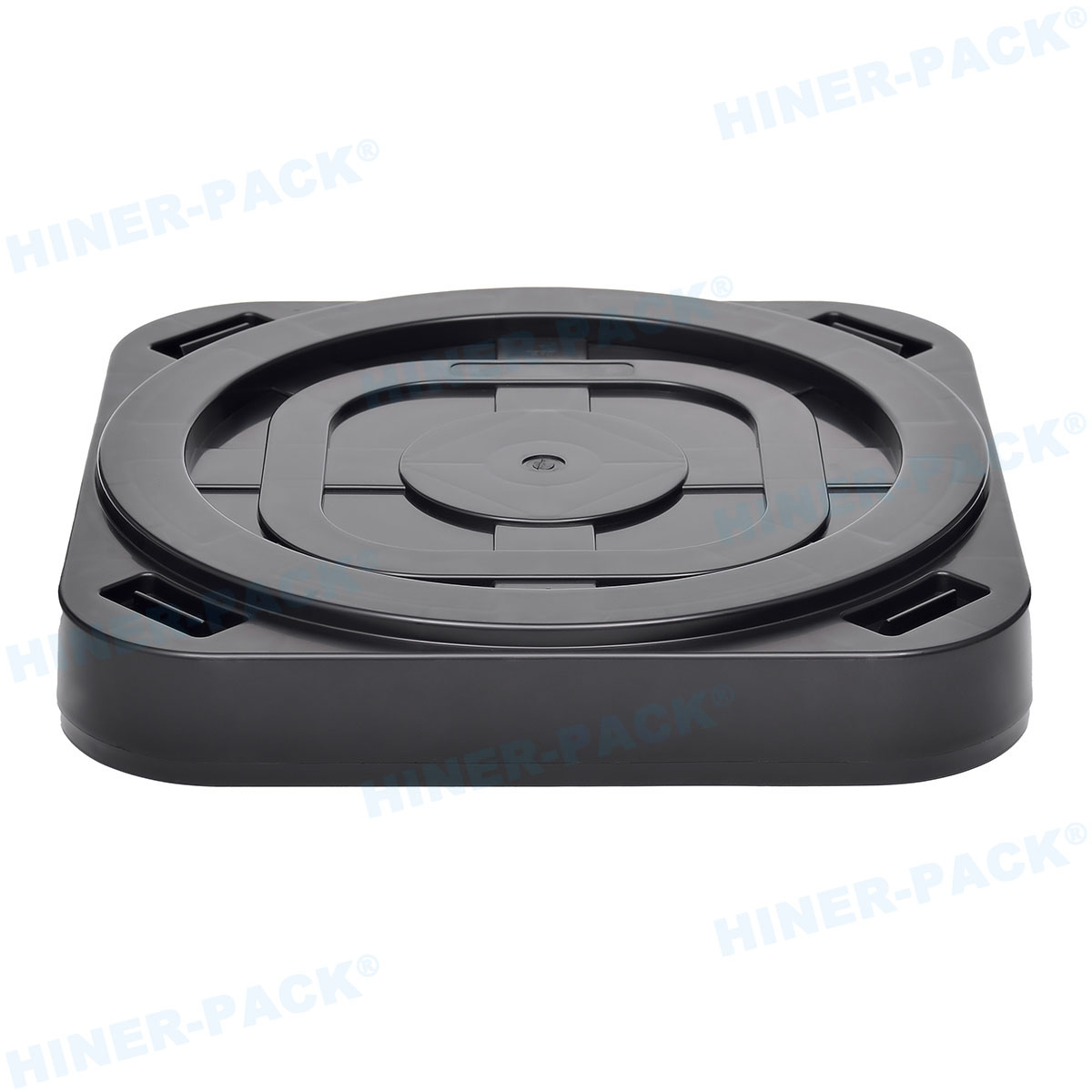
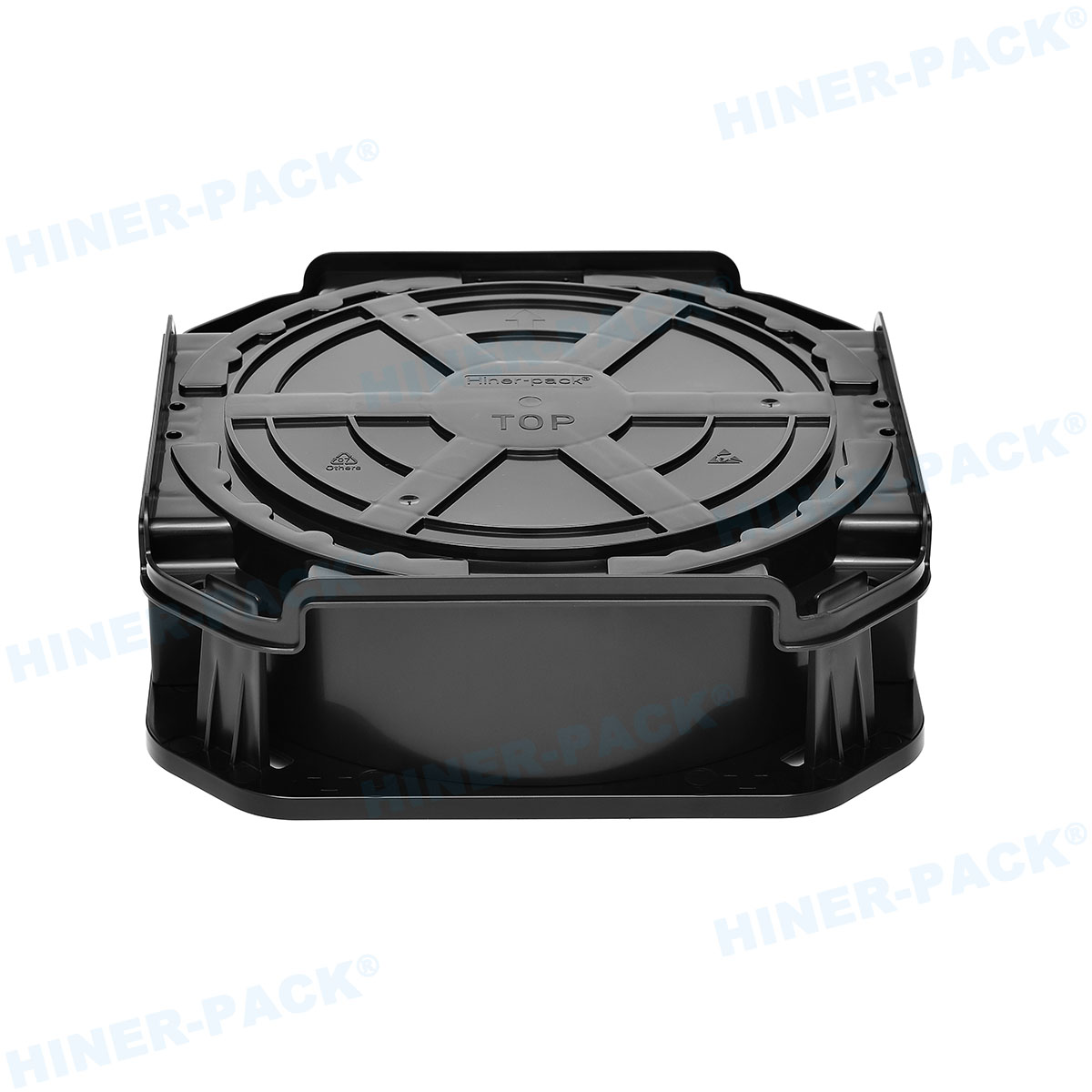
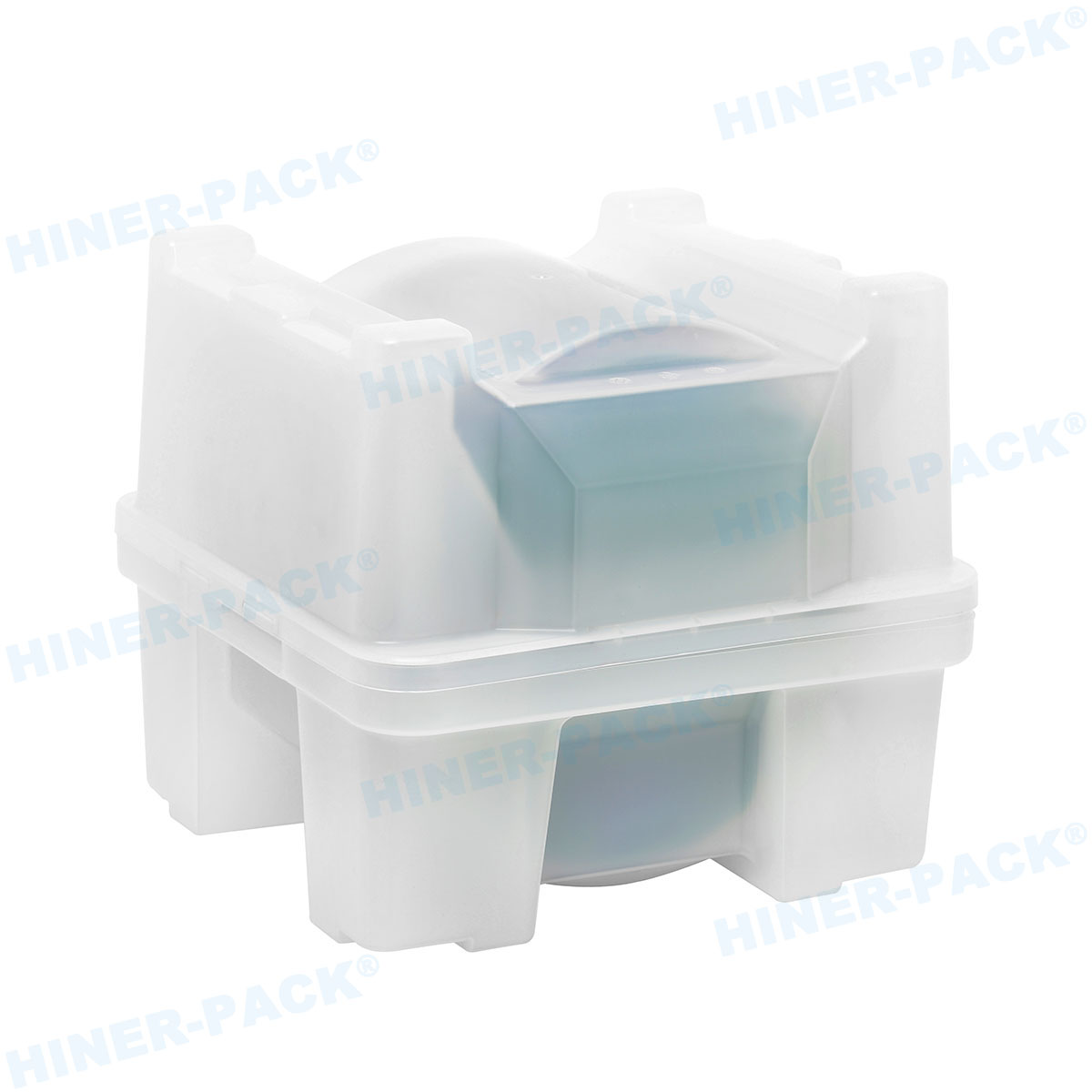
In semiconductor manufacturing, the movement and storage of wafers between process steps demand containers that maintain absolute purity, mechanical protection, and electrostatic discharge (ESD) safety. Procurement professionals often find that a wafer containers quotation varies significantly across suppliers, not merely due to material costs but because of nuanced technical specifications, certification levels, and customization requirements. This article examines the factors that drive these variations, providing a framework for evaluating proposals with engineering precision.
Understanding Wafer Container Types and Their Role in Quotation
The first variable in any wafer containers quotation is the specific container type required for a given application. Different process stages and transport scenarios demand distinct designs, each with its own manufacturing complexity and material consumption.
Front Opening Unified Pods (FOUP)
FOUPs are the standard for 300mm wafer handling within automated fabrication facilities. They feature a front-opening door that interfaces with load ports and equipment front-end modules (EFEMs). Key specifications that influence a FOUP quotation include:
Wafer pitch and slot count (typically 25 wafers per pod).
Internal environment sealing – nitrogen purge capability for moisture and oxygen control.
Door latching mechanisms and robotic handling interfaces (e.g., kinematic coupling pins).
Materials that withstand repeated automated handling and chemical exposure from cleanroom disinfectants.
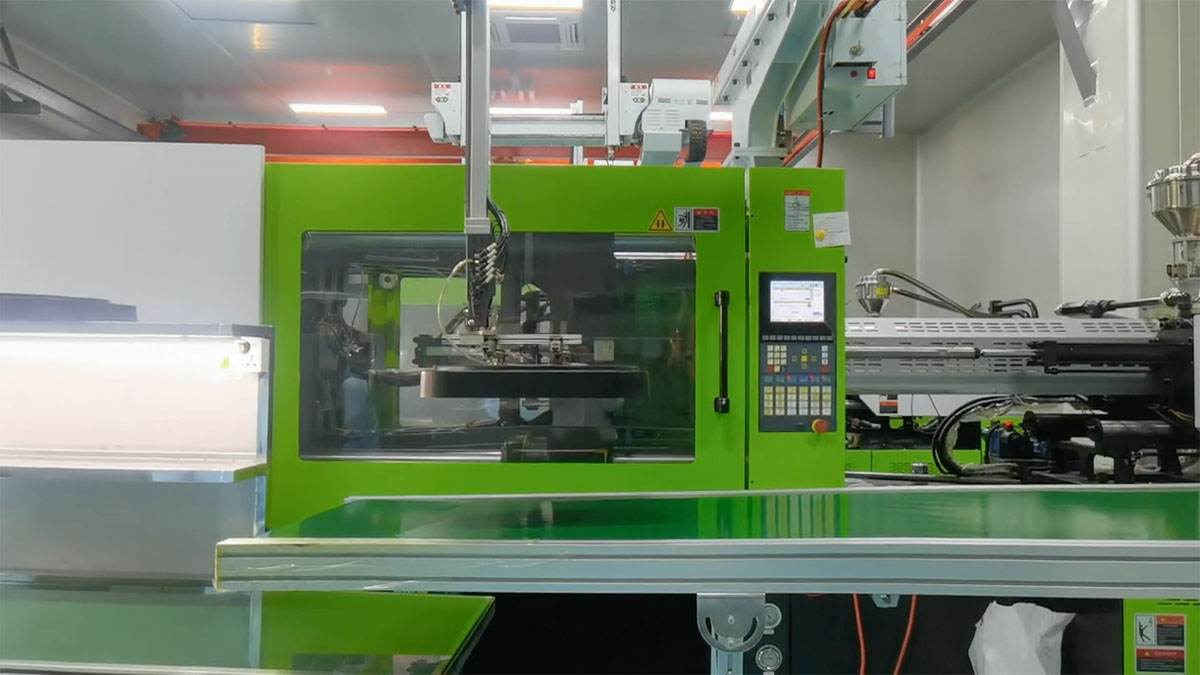
FOUP manufacturing involves precision injection molding with tight dimensional tolerances. The mold tooling cost alone can represent a substantial portion of the initial wafer containers quotation, particularly for customized designs.
Front Opening Shipping Boxes (FOSB)
While FOUPs are used within the fab, FOSBs are designed for inter-facility shipping. They are typically less rigid than FOUPs and may incorporate additional cushioning layers. A FOSB quotation often includes:
Outer shell durability for stacked shipping and vibration damping.
Internal wafer supports that prevent micro-scratches during transit.
Compatibility with automated unloading systems at the receiving fab.
Barrier properties against moisture and particle ingress during extended transport.
Because FOSBs are often single-use or limited-cycle, the cost structure differs from reusable FOUPs, directly impacting the per-unit wafer containers quotation.
Wafer Shipping Cassettes and Carriers
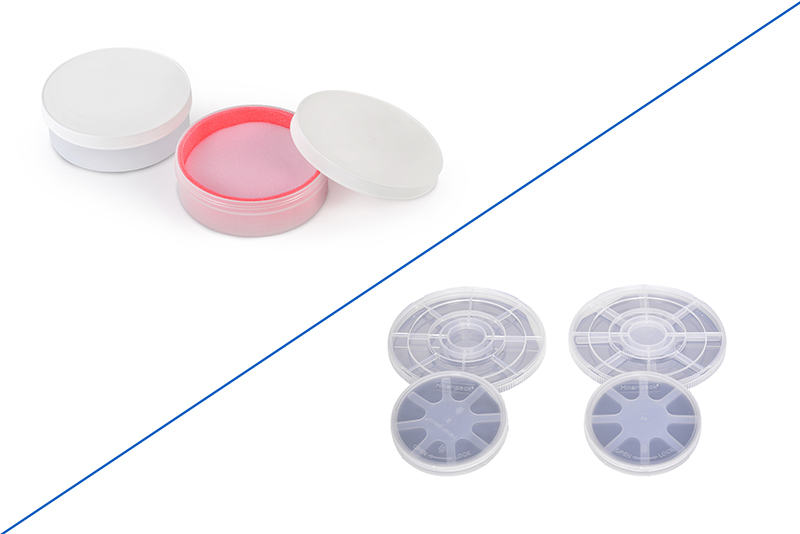
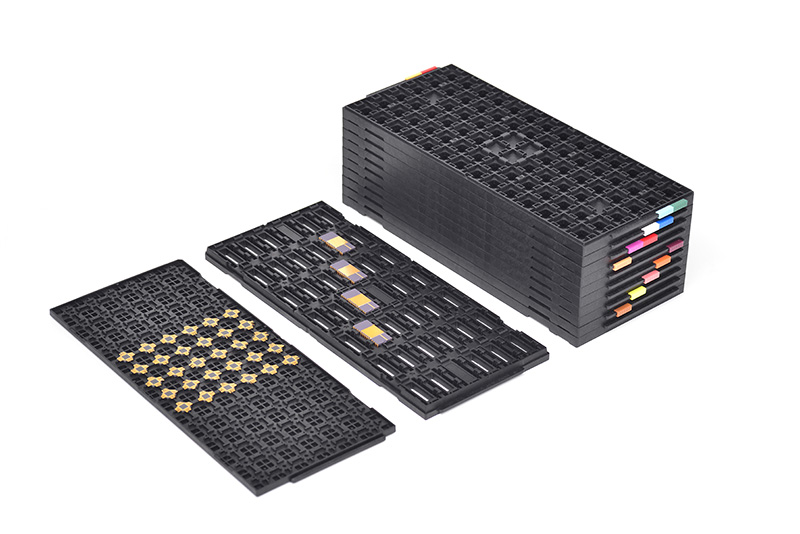
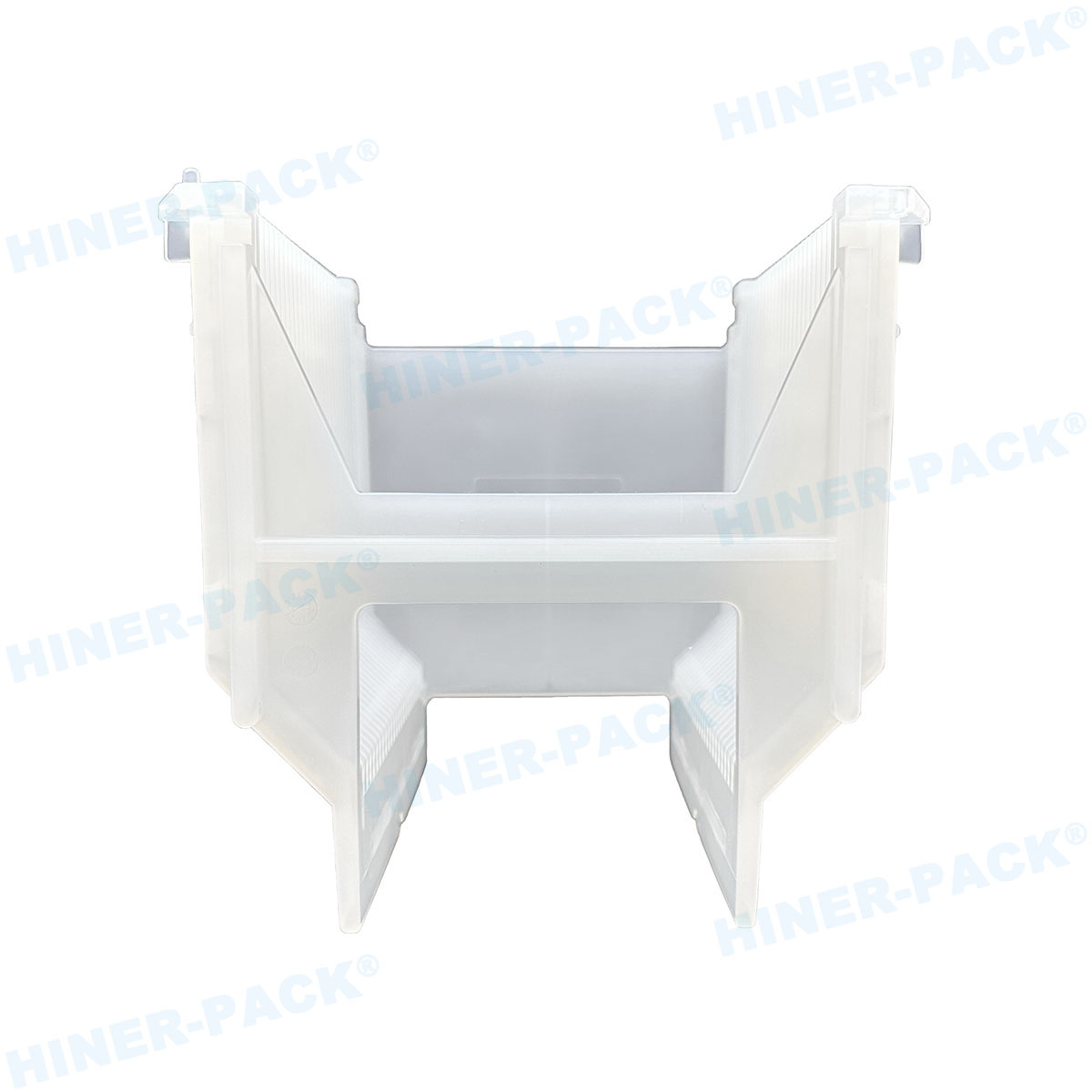
For smaller wafer sizes (150mm, 200mm) or specialized processes, open cassettes and carriers remain prevalent. These designs allow direct wafer access for manual or semi-automated handling. Quotation factors include:
Slot pitch and wafer retention force.
Material thickness and rigidity to prevent warping.
Chemical resistance for wet process stations.
Stacking and nesting capabilities for storage efficiency.
Each type introduces distinct engineering challenges, meaning that a wafer containers quotation cannot be treated as a commodity price list. Procurement teams must align container selection with the specific handling environment, whether that involves Class 1 cleanrooms, automated stockers, or cross-continent freight.
Material Science and Its Influence on Wafer Containers Quotation
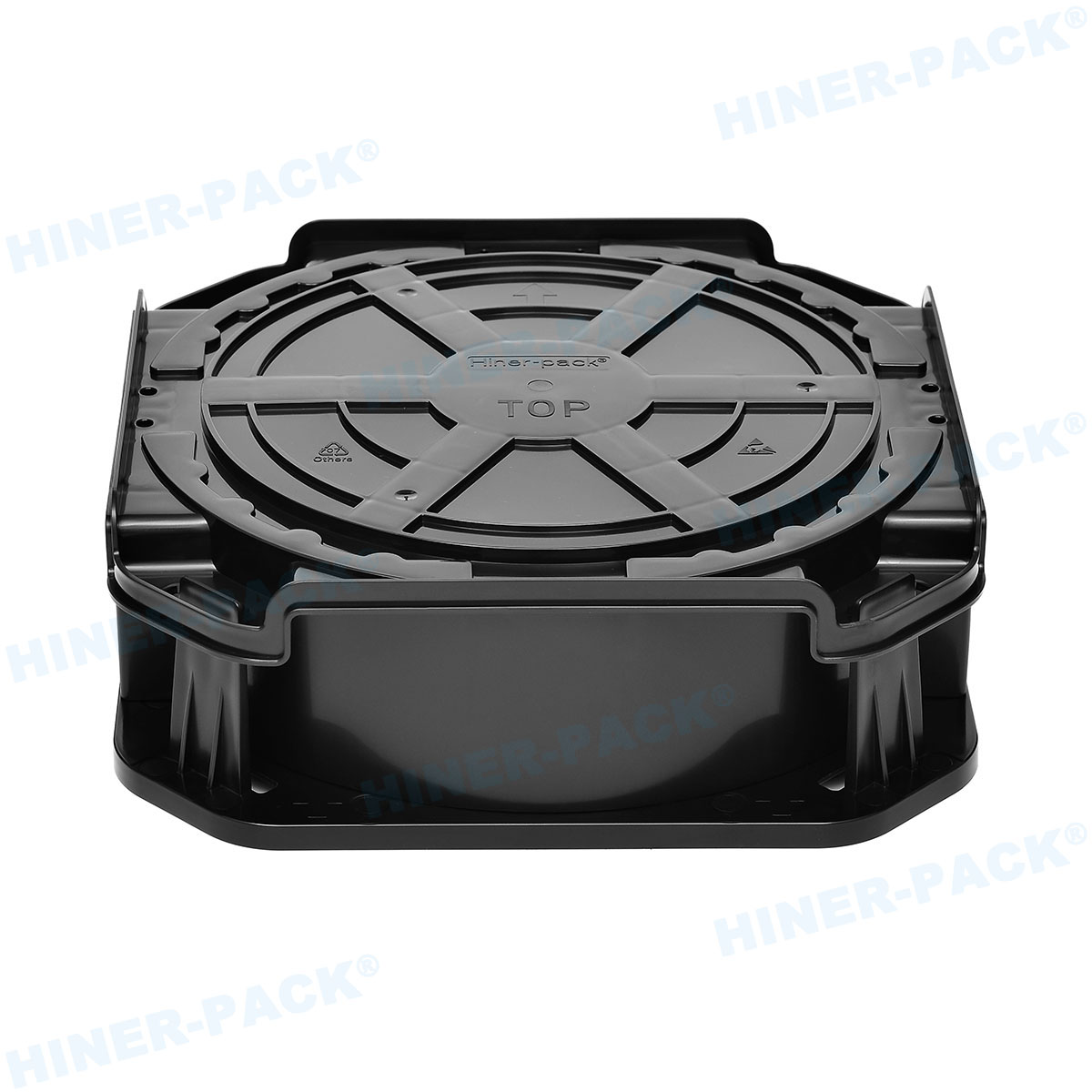
Polymer selection directly affects both performance and cost. The three primary material families used in wafer containers are polycarbonate (PC), polyetheretherketone (PEEK), and various blends of polypropylene or ABS with conductive fillers.
Polycarbonate and Its Tradeoffs
Polycarbonate offers excellent optical clarity, dimensional stability, and impact resistance, making it a common choice for FOUP windows and transparent container bodies. However, PC is susceptible to stress cracking when exposed to certain solvents and requires careful gate design in injection molding to avoid residual stresses. A wafer containers quotation for PC-based products often reflects the need for specialized mold cooling channels and annealing processes to relieve internal stresses.
PEEK for High-Temperature and Aggressive Environments
PEEK is a high-performance thermoplastic that withstands temperatures up to 260°C and resists a broader range of chemicals. It is frequently specified for containers used in deposition or etching tools where outgassing must be minimized. The material cost of PEEK is substantially higher than PC, and its processing requires higher melt temperatures and more robust tooling. Consequently, a wafer containers quotation for PEEK-based containers can be several times that of comparable PC units. The decision hinges on whether the application truly demands PEEK's thermal and chemical resilience.
ESD-Safe Formulations and Surface Resistivity
All wafer containers must provide static dissipation to prevent electrostatic damage to device structures. This is achieved by incorporating carbon black, carbon fibers, or antistatic additives into the base polymer. The concentration and dispersion quality of these fillers affect not only the electrical properties but also the mechanical strength and surface finish. A quotation must specify the targeted surface resistivity range (typically 103 to 106 Ω/sq for dissipation) and the testing method used for verification. Inconsistencies in filler distribution can lead to localized charge accumulation, a risk that responsible suppliers address through statistical process control during molding.
Cleanroom Compliance and Certification
Every wafer container must meet stringent cleanliness standards, with particle shedding and outgassing levels closely monitored. A comprehensive wafer containers quotation should include documentation of:
Particle counts per liter of air after standardized agitation tests (e.g., IEST-STD-CC1246).
Outgassing profiles measured via thermal desorption GC/MS, particularly for organic contaminants that can affect photolithography.
Surface cleanliness as measured by contact angle and residual ion chromatography.
Verification of ESD properties under different humidity conditions.
Certification adds recurring costs because suppliers must maintain batch-level traceability and periodic revalidation. Quotations that exclude these testing protocols often lead to unanticipated expenses during incoming quality audits. Experienced procurement teams insist on a wafer containers quotation that itemizes quality assurance steps, ensuring that the final delivered product meets Fab-specific specifications without compromising yield.
Customization and Its Impact on Quotation
Off-the-shelf wafer containers serve standard applications, but many semiconductor manufacturers require modifications. Customization scope directly expands the wafer containers quotation through engineering design, prototyping, and mold adjustments.
Dimensional Tolerances and Interface Features
Facilities may have existing load ports, robotic end effectors, or storage racks with specific dimensional constraints. Adjusting a container's outer envelope, kinematic coupling pin locations, or door latch geometry requires either modifying existing molds or creating new inserts. These changes incur engineering hours, trial shots, and measurement validation using coordinate measuring machines (CMM). The quotation must reflect the complexity of these adaptations.
Labeling, RFID, and Traceability
Modern fabs rely on automated material handling systems (AMHS) that read RFID tags or barcodes attached to containers. Integrating these features requires cavity placement for in-mold labeling or post-mold attachment points that do not interfere with sealing or handling. A quotation that includes traceability features will account for additional material (e.g., metal RFID-resistant housings) and assembly labor.
Surface Texture and Coating Options
Some processes benefit from specific surface roughness values to reduce wafer sticking or to enhance cleanability. While most containers are molded with a fine-grained texture, certain applications may require plasma coating or fluoropolymer treatments to prevent adhesion of photoresist residues. These secondary processes add significant cost and lead time to a wafer containers quotation.
Production Volume and Its Effect on Wafer Containers Quotation
Economies of scale play a decisive role in container pricing. For high-volume standardized products, suppliers can optimize cycle times, use multi-cavity molds, and negotiate bulk resin pricing. Conversely, low-volume or prototype orders often carry surcharges for setup, small-batch purging, and manual inspection.
Procurement managers should evaluate the total projected usage over the container's lifecycle, including potential reusability. A FOUP designed for 50 or more process cycles may justify a higher initial wafer containers quotation compared to a FOSB intended for one-way shipment. The quotation must be assessed not as a unit price but as a cost-per-use metric, factoring in the container's expected lifetime and maintenance intervals. Suppliers like Hiner-pack often provide guidance on cycle testing data to support these evaluations, enabling customers to make data-driven decisions.
Quality Assurance and Testing Protocols
Beyond material certificates, a robust wafer container supplier offers a suite of qualification tests. These include:
Mechanical stress testing: Compression, impact, and vibration tests that simulate shipping and handling.
Seal integrity testing: For FOUPs with nitrogen purge, leak rate measurements under differential pressure.
Cleanliness validation: Using liquid particle counters (LPC) and filter extraction methods.
Thermal cycling: Exposure to temperature variations representative of logistics chains, from warehouse to air freight.
A comprehensive wafer containers quotation should detail which tests are included as standard and which are available as optional services. This transparency allows procurement to compare not just the base price but the total cost of qualification, avoiding delays in the product release process.
Long-Term Supplier Reliability and Consistency
Batch-to-batch consistency is a non-negotiable requirement in semiconductor packaging. A single batch of containers with anomalous warp or surface contamination can affect thousands of wafers, leading to scrap and rework. Therefore, the selection process involves assessing the supplier's quality management system, including their incoming resin inspection, mold maintenance schedules, and in-process monitoring.
Suppliers that maintain ISO 9001 and IATF 16949 certifications, or those with specific semiconductor industry accreditations, often deliver more consistent products. The wafer containers quotation from these suppliers may appear higher at first glance, but it reflects the cost of maintaining rigorous quality controls. Experienced purchasers recognize that the lowest bid can become the most expensive option when yield losses occur.
For procurement teams seeking a reliable partner, Hiner-pack offers transparent wafer containers quotation with detailed breakdowns of material, tooling, testing, and certification components. Their engineering support helps align container specifications with specific fab requirements.
Frequently Asked Questions About Wafer Containers Quotation
Q1: What information should I provide to receive an accurate wafer containers quotation?
A1: Suppliers typically require wafer size (150mm, 200mm, or 300mm), container type (FOUP, FOSB, cassette), desired material (PC, PEEK, or ESD blend), annual volume, and any specific cleanliness or ESD targets. Including drawings of existing load interfaces or handling equipment helps identify customization needs. Providing a complete technical data package reduces the back-and-forth and leads to a more precise quotation.
Q2: Why do wafer containers quotations vary so much between suppliers for seemingly similar products?
A2: Variations arise from differences in material sourcing, mold maintenance cycles, in-house testing capabilities, and certification overhead. Some suppliers include full outgassing and particle testing as standard, while others treat them as extras. Additionally, mold quality—such as the steel grade used and the cooling channel design—affects part consistency and tool life, which are reflected in the unit price.
Q3: How do customization requests affect the wafer containers quotation timeline?
A3: Customization extends the timeline primarily through mold modification or new insert fabrication, which can take 8–12 weeks depending on complexity. Prototype sampling and qualification testing add another 2–4 weeks. A quotation should clearly separate the base product lead time from the customization phase, allowing procurement to plan production schedules accordingly.
Q4: Are there industry standards that wafer containers must meet, and do they affect the quotation?
A4: Yes. SEMI standards (e.g., SEMI E15, E47, E62) define physical interfaces, ESD properties, and cleanroom compatibility for FOUPs and FOSBs. Compliance with these standards is mandatory for automated handling. Suppliers that fully certify to these standards include additional testing and documentation efforts in their quotation, ensuring interoperability with equipment from multiple vendors.
Q5: Can I request a prototype run before committing to a full production wafer containers quotation?
A5: Most suppliers offer prototype or small-batch runs to validate dimensional fit, handling characteristics, and cleanliness performance. These pilot runs are typically quoted separately, with the understanding that subsequent production orders may offset some of the initial tooling costs. Prototyping is highly recommended for custom designs, as it reduces the risk of large-scale discrepancies.
Q6: How do shipping and logistics considerations enter into a wafer containers quotation?
A6: While logistics costs are often quoted separately, the container's packaging for transport—such as anti-static bags, desiccants, and outer cartons—can be included. Some suppliers also offer returnable shipping racks. The quotation may specify whether these are included or offered as an option, so procurement should clarify the incoterms and delivery terms to avoid surprises.
Q7: What quality documentation should accompany a wafer containers quotation?
A7: A comprehensive quotation should include a list of deliverable documents: material certificates, dimensional inspection reports, ESD test results, particle count data, and outgassing profiles (if applicable). If the supplier offers first-article inspection (FAI) reports, those should be mentioned. This documentation assures that the final product matches the specifications used in the quotation.
For semiconductor procurement professionals, obtaining a reliable wafer containers quotation is the first step toward ensuring process stability and yield protection. By clearly defining container type, material, cleanliness requirements, and customization needs, buyers can receive proposals that reflect true engineering value. Working with established manufacturers like Hiner-pack helps bridge the gap between technical specifications and commercial viability, enabling informed decisions that balance performance with procurement efficiency.
For detailed product specifications and to request a customized wafer containers quotation tailored to your manufacturing environment, please visit the product page or contact our engineering support team directly.