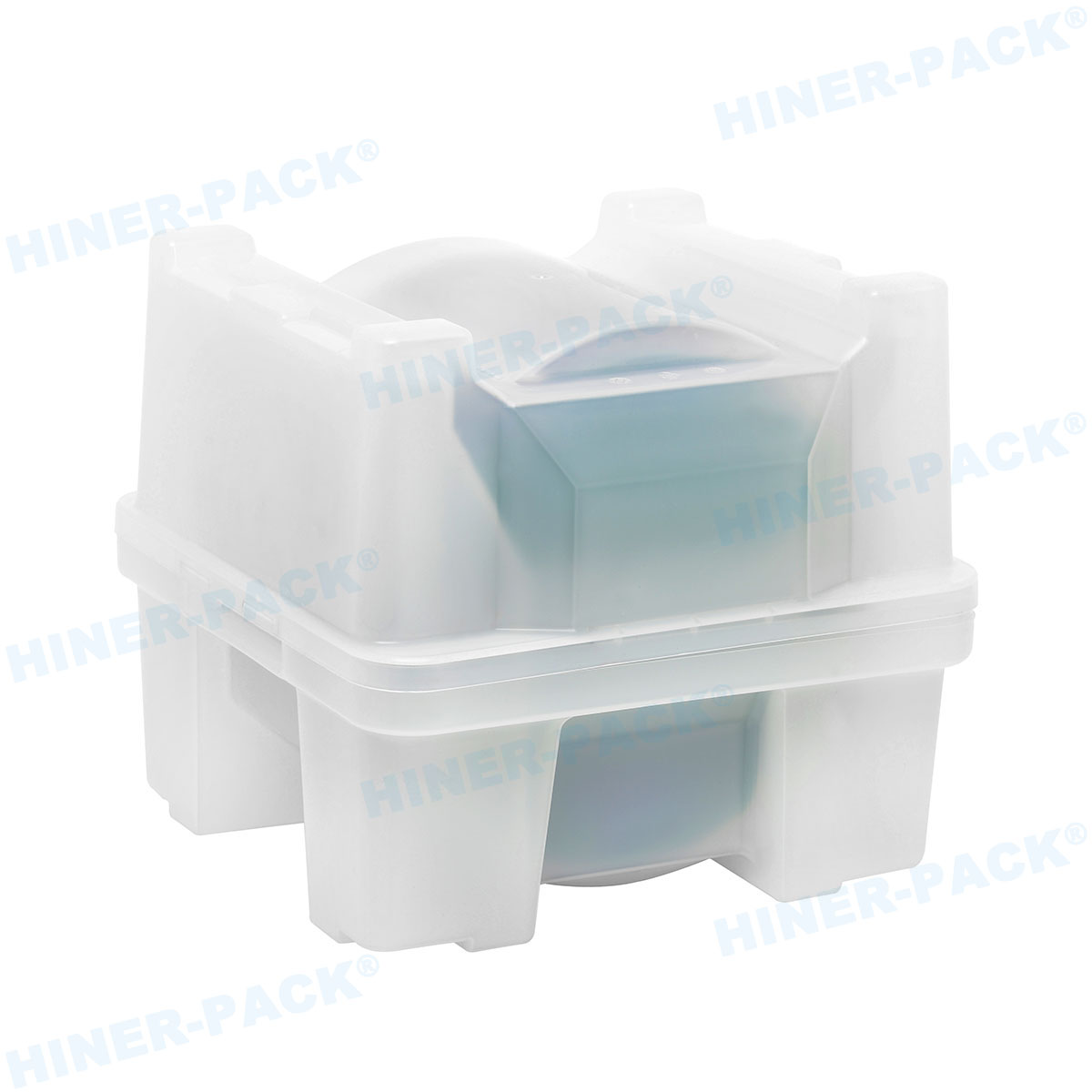
Managing component packaging costs requires clear visibility into market benchmarks. Semiconductor procurement teams, OSAT suppliers, and Fabless engineers often struggle to compare initial tooling expenses against per-unit costs.
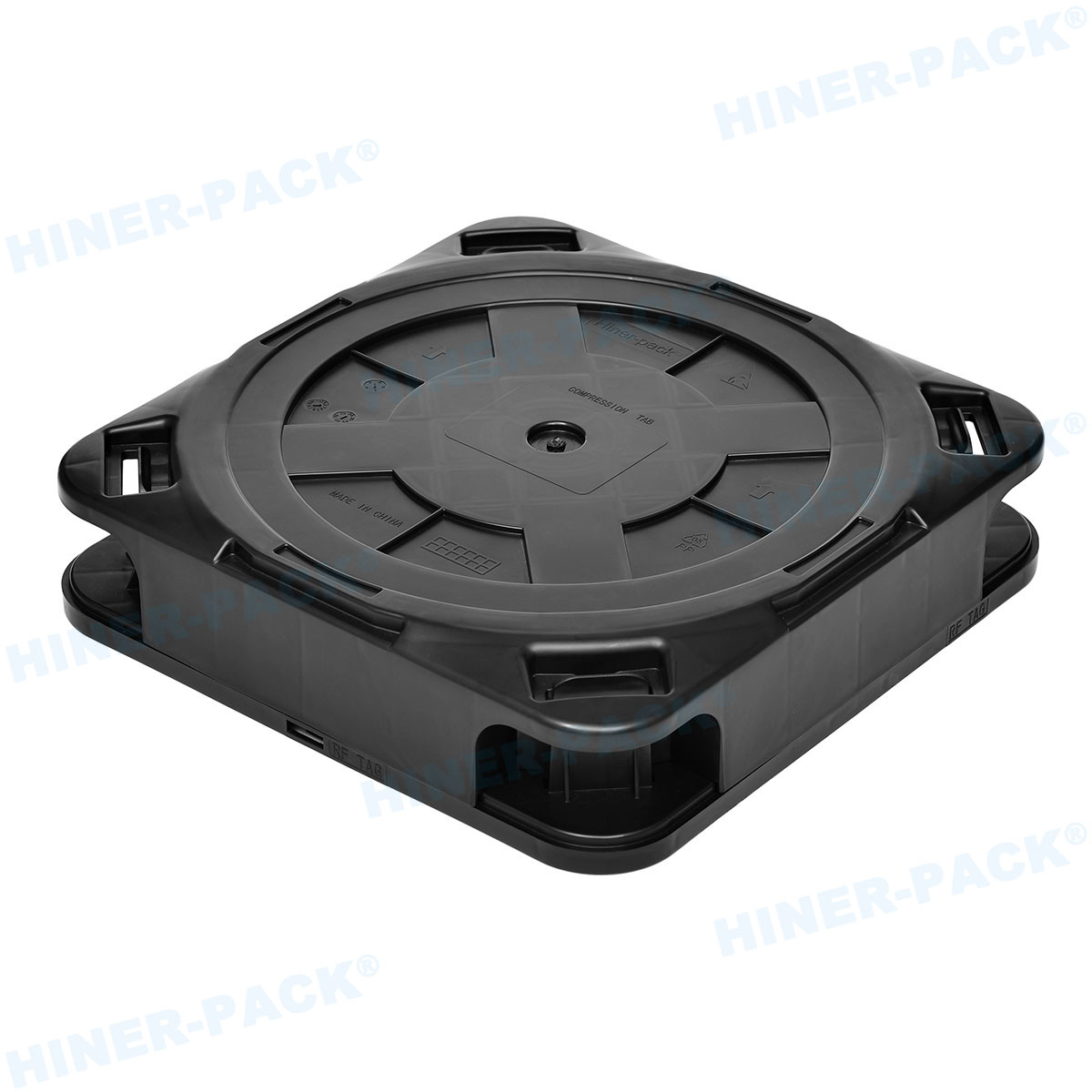
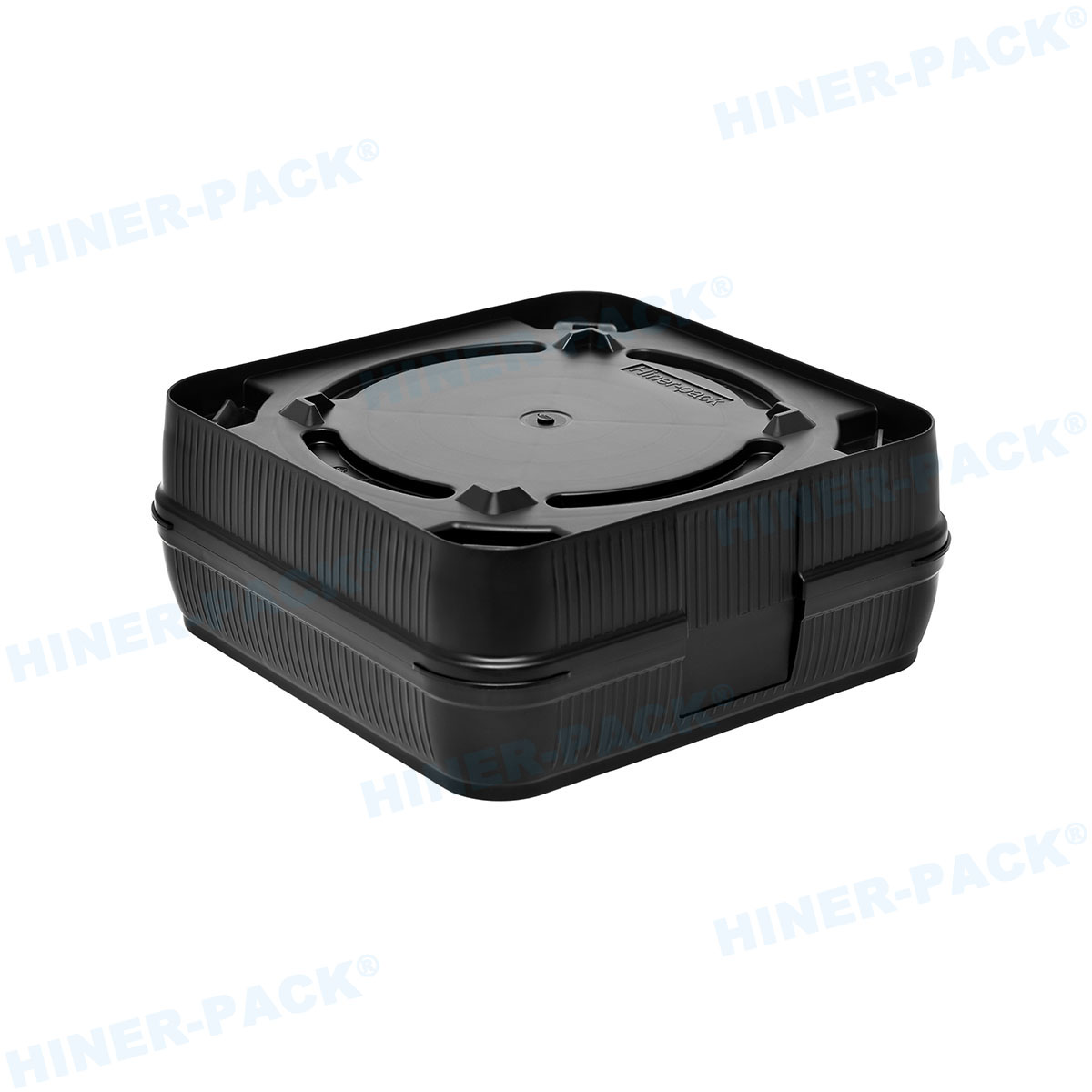
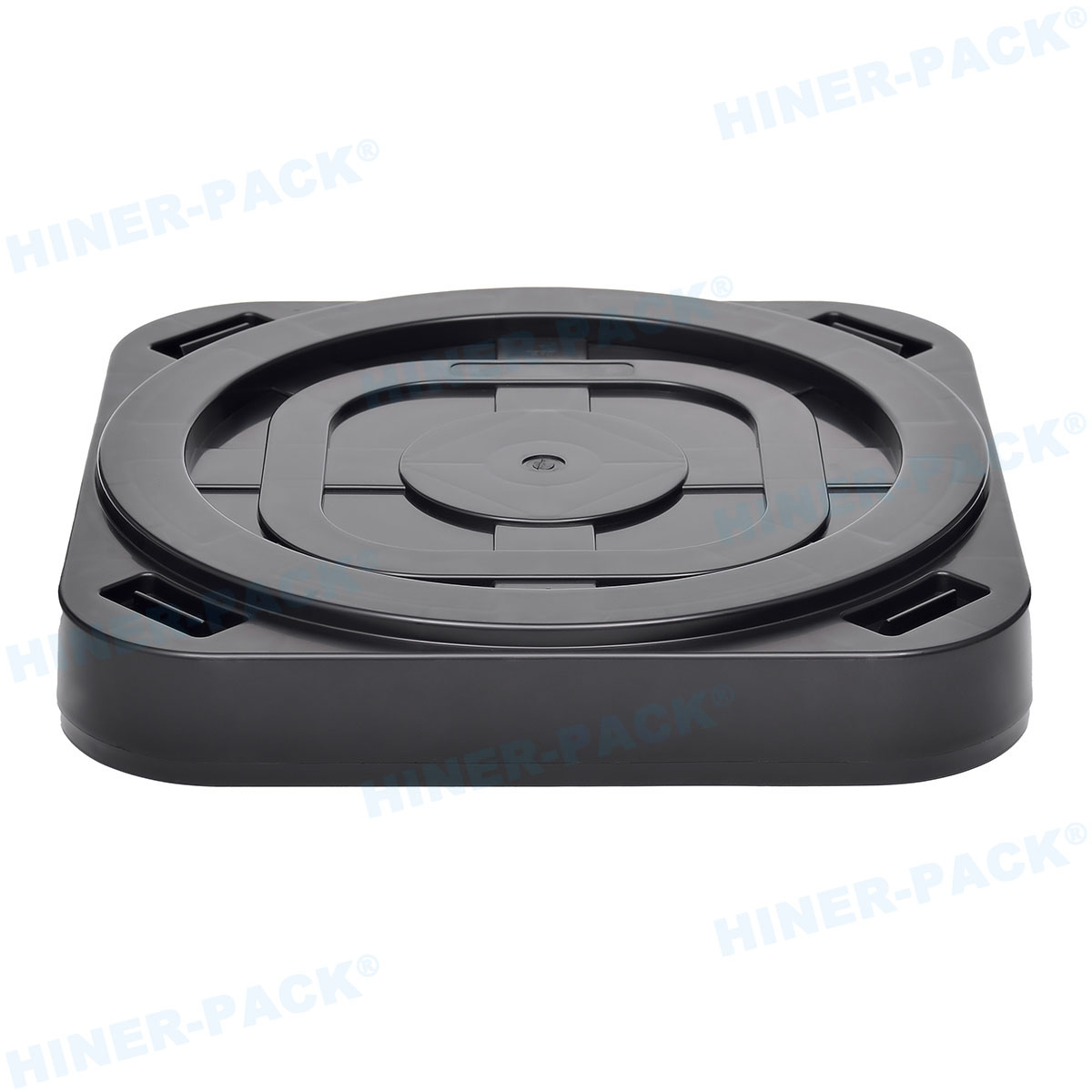
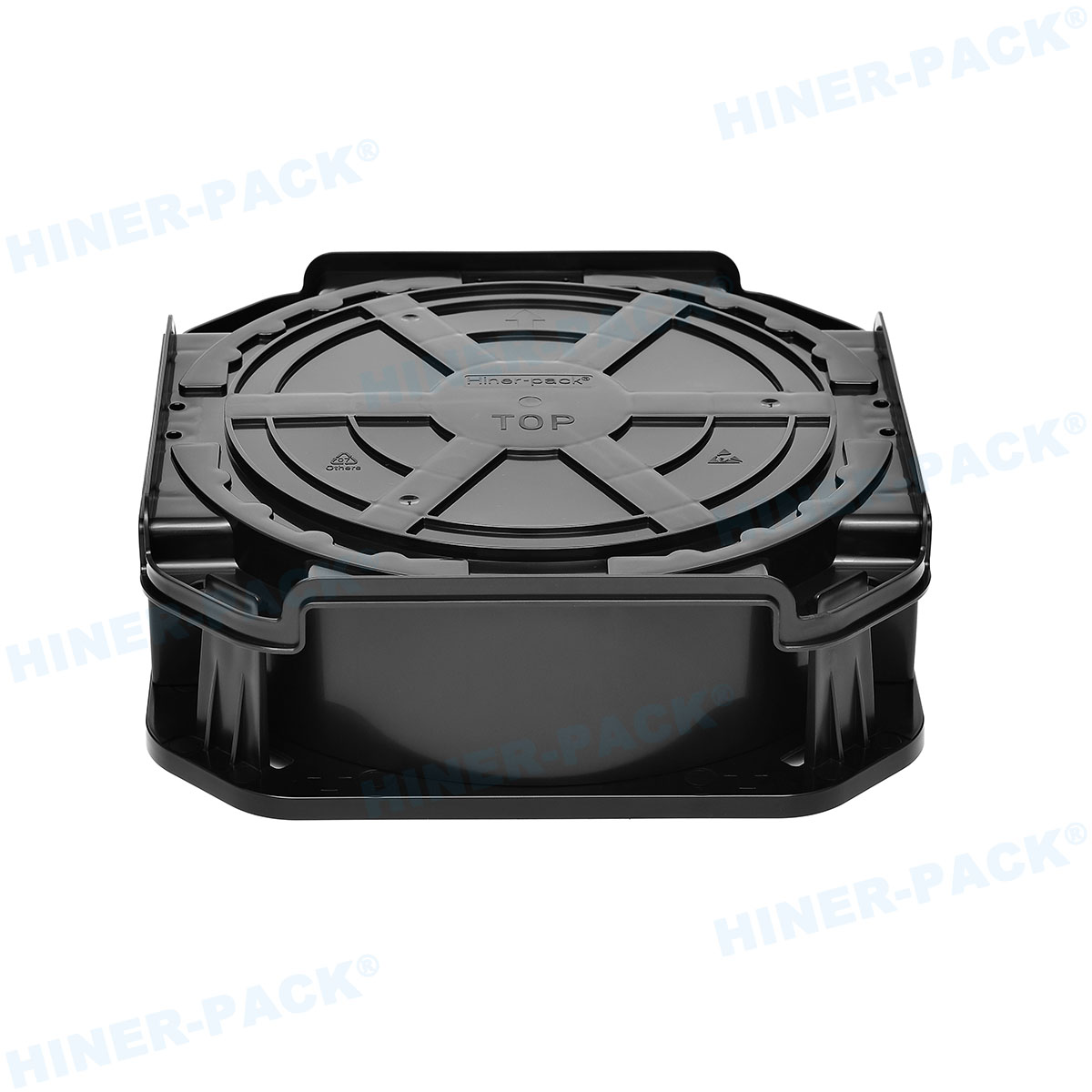
Understanding the exact factors behind the current wafer tray price helps you secure better supply agreements. Hiner-pack provides this comprehensive 2026 pricing guide to help procurement managers evaluate matrix trays, wafer carriers, and custom die shipping solutions without hidden markups.
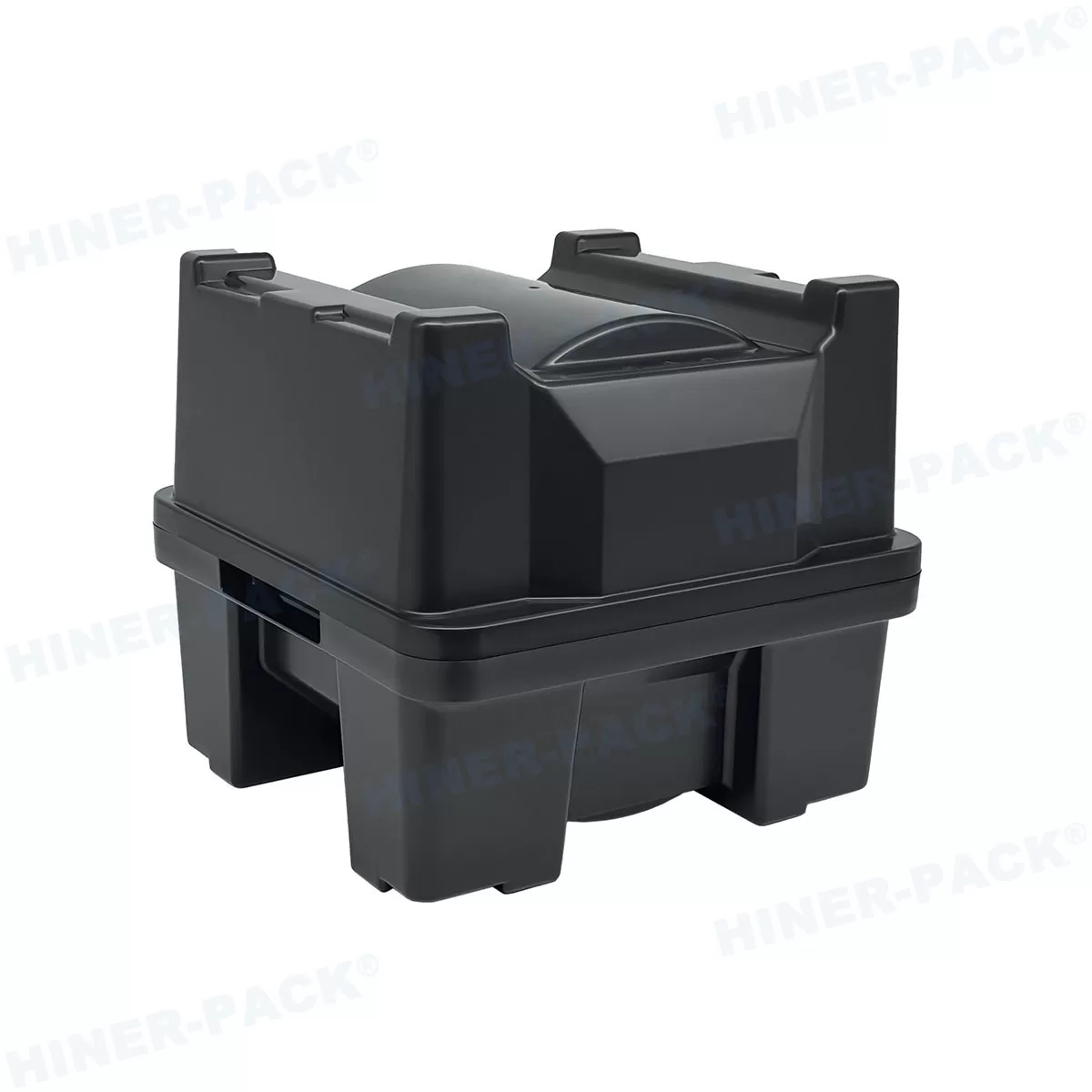
2026 Semiconductor Wafer and Matrix Tray Price Overview
The global semiconductor packaging sector continues to demand higher precision. Advanced packaging formats like 2.5D/3D Chiplets and System-in-Package (SiP) require rigid carriers with minimal warpage. These higher material standards directly influence manufacturing costs across all tray tiers.
Raw material prices for specialty conductive polymers stabilized recently, but high-temperature resin formulations still command a premium. Below is a baseline cost comparison across standard industry categories for 2026.
| Tray Category | Material / Spec Range | Temp Rating | Estimated Unit Price (USD) |
|---|---|---|---|
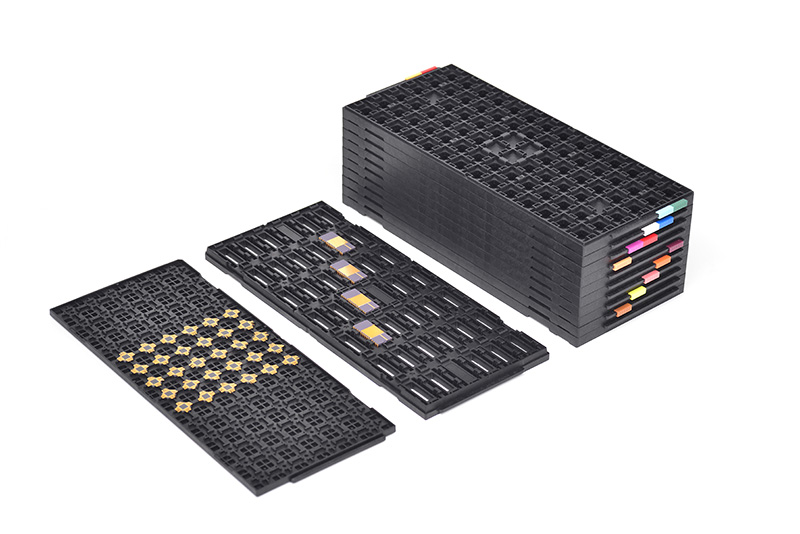
| Standard JEDEC Matrix Tray | Modified MPPO / Conductive ABS | 50°C - 65°C | $1.50 - $4.50 |
| Mid-Temp Processing Tray | ESD Modified Polypropylene / PPE | 125°C - 140°C | $3.80 - $8.50 |
| High-Temp Bakeable Matrix Tray | PEI / PES / Carbon Fiber Reinforced | 150°C - 180°C+ | $6.50 - $18.50 |
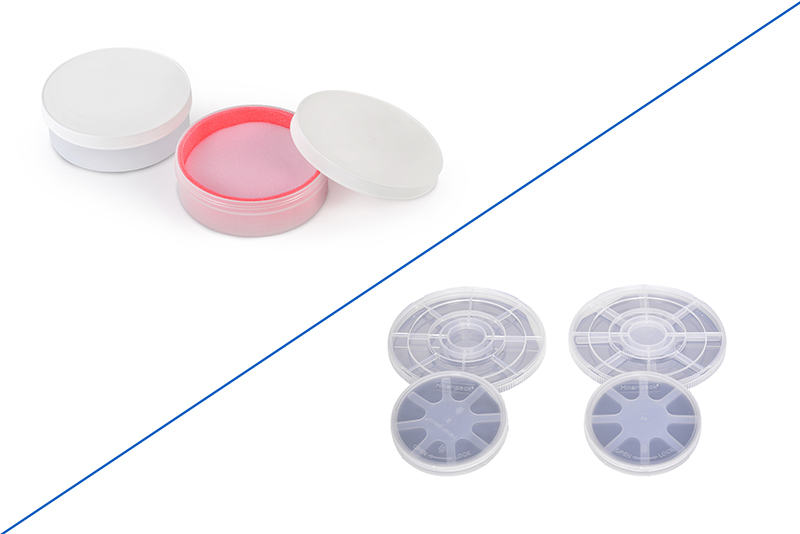
| 6-Inch Wafer Shipping Tray | Anti-Static PS / Clear PETG | Ambient | $2.20 - $5.50 |
| 8-Inch Wafer / Frame Shipper | Conductive PP / Polycarbonate | Ambient | $4.00 - $9.50 |
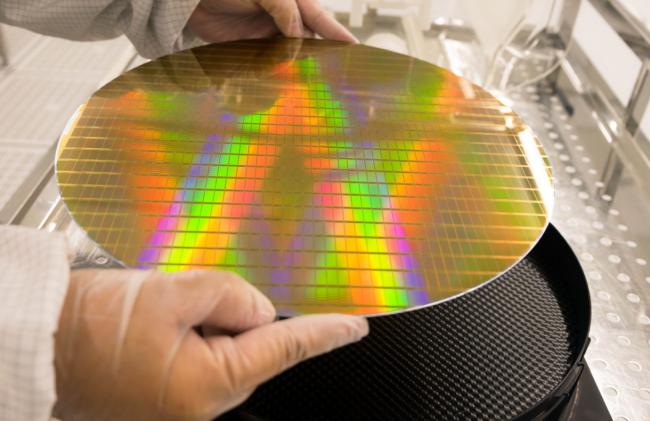
| 12-Inch Wafer Handling Carrier | High-Purity ESD Polycarbonate | Ambient | $8.50 - $22.00 |
| Custom Bare Die Pocket Tray | Precision Molded ESD Polymer | Application Specific | $3.00 - $14.00 |
Prices vary based on volume, pocket density, and washing standards. Standard off-the-shelf JEDEC matrix trays sit at the lower end of the spectrum. Highly customized die trays with strict cleanroom packaging requirements occupy the upper price tier.
5 Core Factors That Determine Wafer Tray Price
Evaluating a supplier quote requires looking beyond the basic unit cost. Five distinct manufacturing variables dictate the final baseline unit price of any ESD wafer tray or bare die carrier.
1. Raw Material Formulations and ESD Performance
Base resin selection represents the single largest component of manufacturing expense. Electrostatic Discharge (ESD) protection relies on specific conductive fillers or inherent static dissipative polymers.
Static Dissipative Resins (10^6 to 10^9 ohms/sq): Ideal for sensitive IC shipping. Standard modified MPPO or ABS materials offer stable surface resistivity at a lower price point.
Conductive Polymers (10^4 to 10^5 ohms/sq): Utilizes carbon powder or carbon fiber additives. Carbon fiber reinforcement increases rigidity and dimensional stability but increases raw material costs.
Outgassing Control: High-purity polymers designed to prevent chemical outgassing on delicate wire bonds increase resin costs by 20% to 40%.
Compounding custom ESD blends in-house allows top manufacturers to control polymer quality while reducing raw material overhead.
2. Tooling Precision and Pocket Customization
Standard JEDEC matrix tray outlines use pre-existing mold bases, which eliminates initial tooling charges. However, non-standard die dimensions demand custom steel injection molds.
Custom pocket geometries require micro-machining tolerances down to +/- 0.02mm. Precision pocket walls prevent die rotation, edge chipping, and vacuum pick-and-place misfires. Amortizing custom mold costs across small production runs significantly raises the effective unit cost.
3. Thermal Resistance Requirements
Temperature thresholds divide tray offerings into distinct cost tiers:
Non-Bakeable Trays (<65°C): Designed purely for component shipping and transfer. Lower heat resistance permits cheaper raw polymers.
Bakeable Trays (150°C to 180°C+): Formulated with PES, PEI, or specialized PPE resins. These trays endure extended high-temperature component drying cycles without warping or losing dimensional tolerance.
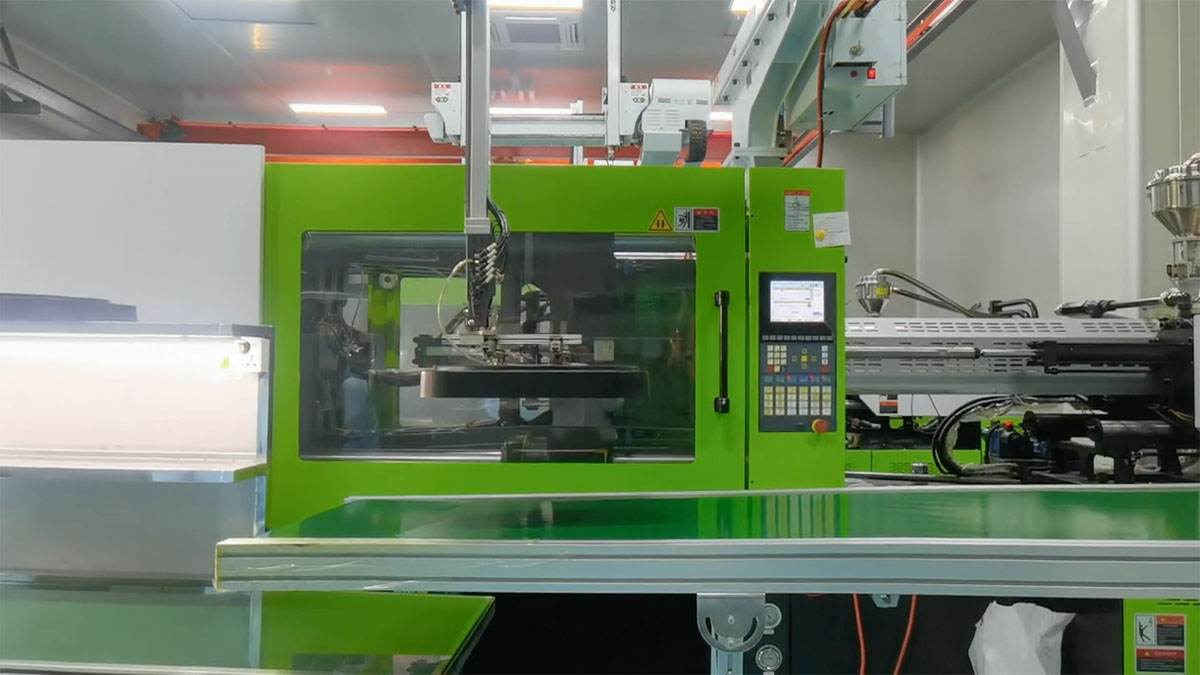
High-temperature polymers require specialized high-tonnage injection molding presses and elevated mold temperatures, which increases processing fees.
4. Cleanroom Processing and Ultrasonic Washing
Semiconductor devices tolerate zero particle contamination. Standard industrial injection molding leaves residual oils and airborne particulate on tray surfaces.
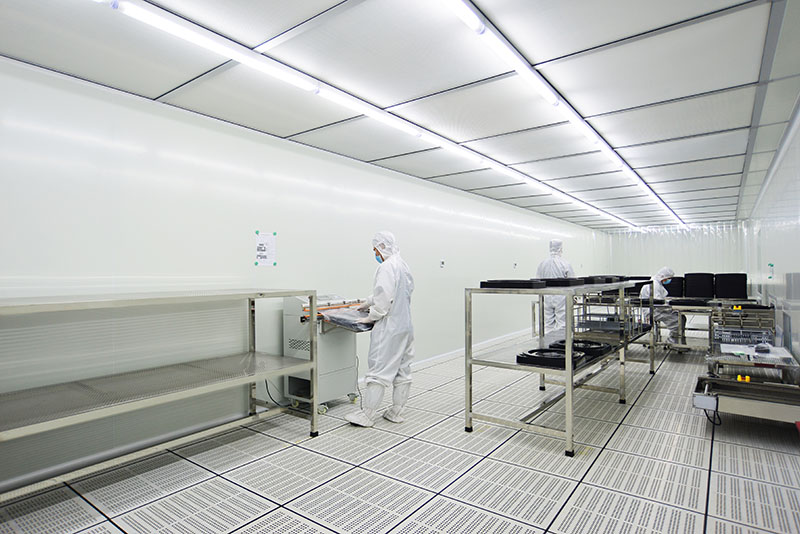
Trays used in OSAT environments require multi-stage ultrasonic washing in DI water inside ISO Class 5 or Class 6 cleanrooms. Vacuum heat-sealing in anti-static bags within cleanroom environments adds labor and processing costs, but guarantees device yield protection.
5. Order Volume and Annual Usage (EAU)
Order volumes heavily influence the final wafer tray price schedule. High-volume automated production runs allow molders to maximize machine efficiency and minimize resin changeover waste.
Procurement teams utilizing Estimated Annual Usage (EAU) contracts secure lower tier pricing than spot-market buyers. Long-term supply agreements enable factory managers to reserve raw material inventory at bulk rates.
Why Hiner-pack Offers Exceptional Value and Lower TCO
Choosing a carrier partner requires balancing purchase cost against device safety. Established in 2013, Hiner-pack operates as a fully integrated manufacturer, handling material compounding, mold design, injection molding, and cleanroom processing under one roof.
By eliminating third-party agent markups, Hiner-pack delivers direct factory pricing. Joint R&D partnerships with leading technical universities have yielded proprietary polymer formulas and design patents. These modified ESD materials maintain consistent surface resistivity while lowering raw material costs.
Automated manufacturing lines ensure precise pocket flatlands and zero warp. This precision lowers your Total Cost of Ownership (TCO) by eliminating jam-ups in automated pick-and-place equipment and protecting high-value dies from mechanical damage.
2026 Bulk Procurement Guide: How to Get an Accurate Quote
Requesting quotes without complete technical specifications delays procurement timelines. Submit the following details to ensure your supplier provides an accurate quote on the first draft.
RFQ Technical Checklist
Device Dimensions: Length, width, thickness, and die pocket depth requirements.
Thermal Spec: Maximum bake temperature (e.g., non-bakeable, 125°C, or 150°C+).
ESD Range: Required surface resistivity (10^4 to 10^9 ohms/sq).
Cleanroom Spec: Standard bulk packaging vs. ISO Class 5 double vacuum bagging.
Volume & Delivery: Initial sample needs, batch quantity, and Estimated Annual Usage (EAU).
Equipment Specs: Automated handler model or JEDEC standard compatibility requirements.
Providing this data allows engineering teams to select existing tooling options or quote optimized custom molds without delay.
Frequently Asked Questions
Q1: What is the typical wafer tray price for high-volume
orders?
A1: High-volume orders for standard JEDEC trays generally
range from $1.50 to $3.50 per unit. Specialized high-temperature bakeable trays
for large volume orders typically cost between $6.00 and $12.00 per unit
depending on resin specifications and cleanroom standards.
Q2: How does bakeability affect the total wafer tray
price?
A2: High-temperature bakeable trays require expensive
engineering resins like PEI or PES and carbon reinforcement. These materials
cost significantly more than standard MPPO or ABS, increasing the final tray
price by 100% to 200% compared to non-bakeable alternatives.
Q3: Can Hiner-pack design custom pocket dimensions for non-standard
die sizes?
A3: Yes. Hiner-pack operates an in-house mold tooling
department that creates custom pocket configurations tailored to specific die
dimensions, thin-film chips, or optical components, ensuring optimal pocket fit
and zero component movement.
Q4: Why does cleanroom processing increase the unit cost of a matrix
tray?
A4: Cleanroom processing involves multi-stage ultrasonic
washing in deionized water, specialized drying, automated particle inspection,
and double-vacuum sealing inside an ISO Class 5/6 cleanroom. This extra
processing prevents device contamination, but adds labor and operational
costs.
Q5: What is the typical lead time for custom molded ESD wafer
trays?
A5: Standard off-the-shelf matrix trays ship within 3 to 7
business days. Custom mold design, tooling fabrication, sample approval, and
initial mass production generally take 3 to 5 weeks depending on pocket
complexity.
Request Your 2026 Factory-Direct Quote Today
Do not let inflated packaging costs erode your packaging margins. Contact the technical sales team at Hiner-pack today to discuss your device carrier specifications, request evaluation samples, or receive a customized bulk quote for your 2026 production runs.